اہم نکات
- HPV (Human Papillomavirus) causes 99.7% of cervical cancers — an HPV test detects the virus before cell changes occur, making it more sensitive than a Pap smear alone
- Three main types of HPV tests are available in Dubai: HPV DNA test, HPV genotyping, and HPV mRNA testing, each offering different levels of detail about your infection
- Women aged 30-65 should have HPV co-testing (Pap smear + HPV test) every 5 years, or HPV primary screening every 5 years, according to current ACOG guidelines
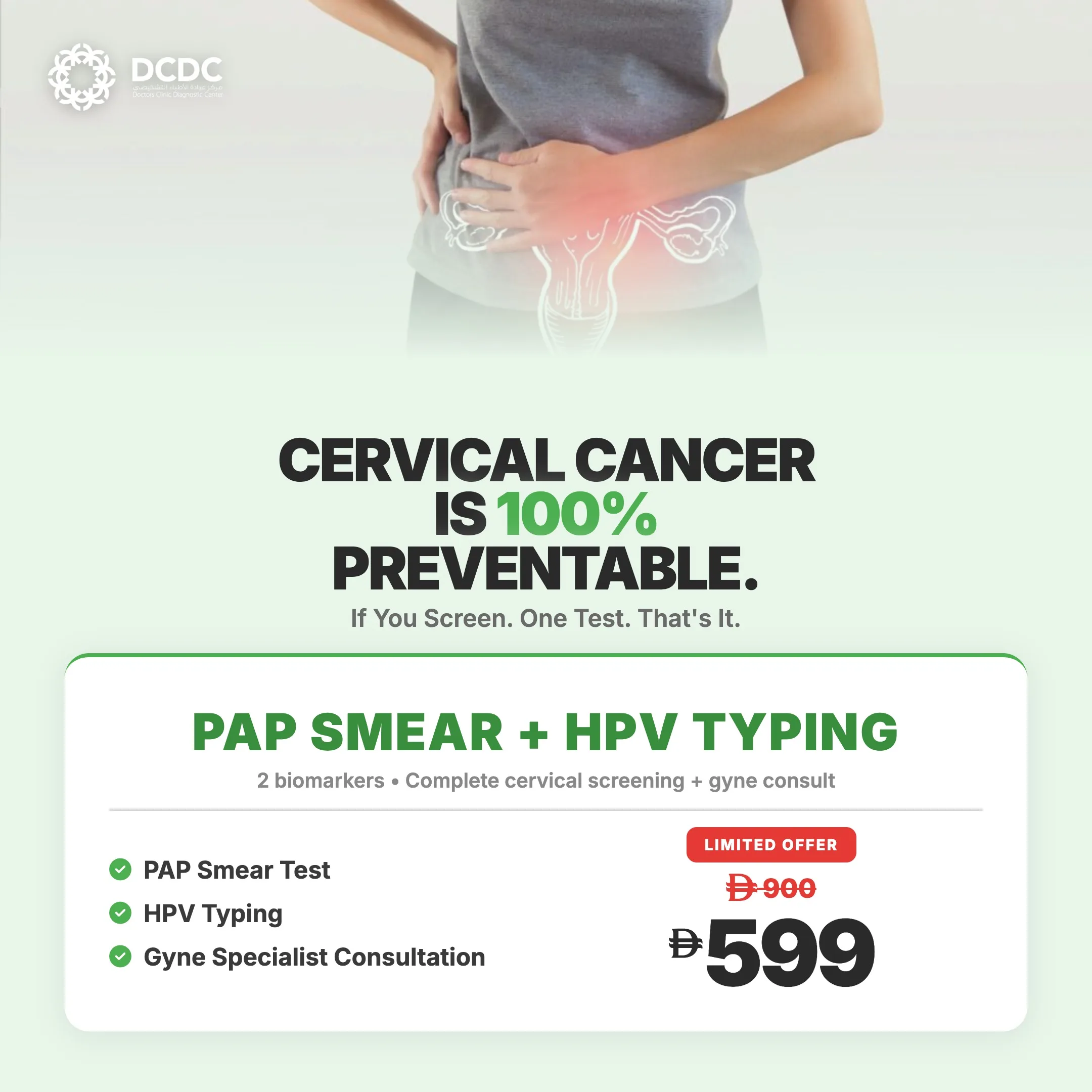
- HPV test cost in Dubai starts from AED 299 when combined with a Pap smear — standalone HPV DNA testing ranges from AED 300-600
- A positive HPV result does not mean you have cancer — approximately 90% of HPV infections clear naturally within 2 years without treatment
- HPV vaccination with Gardasil 9 (from AED 500-1,200 per dose) protects against 9 HPV strains responsible for approximately 90% of HPV-related cancers and 90% of genital warts
- Men can also benefit from HPV testing and vaccination — HPV causes anal cancer, oropharyngeal cancer, and penile cancer in males
- DCDC Dubai Healthcare City offers HPV testing with female gynecologists, same-week appointments, and results in 5-7 working days
An HPV test Dubai residents can access easily may be the single most important screening tool for preventing cervical cancer. Human Papillomavirus (HPV) is the most common sexually transmitted infection worldwide, affecting approximately 80% of sexually active adults at some point in their lives. While most infections clear on their own, persistent infection with high-risk strains is responsible for nearly all cervical cancers — a disease that kills over 340,000 women globally each year. An HPV test detects these high-risk strains early, often years before any cell changes appear. This guide covers every type of HPV test available in Dubai, what they cost, how to prepare, what your results mean, and when to get screened.
Despite being almost entirely preventable through screening and vaccination, cervical cancer remains a significant health concern in the UAE. The key to prevention is identifying high-risk HPV infections before they progress — and that starts with understanding the HPV test. Whether you are scheduling your first screening, following up on an abnormal result, or simply want to understand your options, this evidence-based guide will walk you through everything you need to know about HPV testing in Dubai.
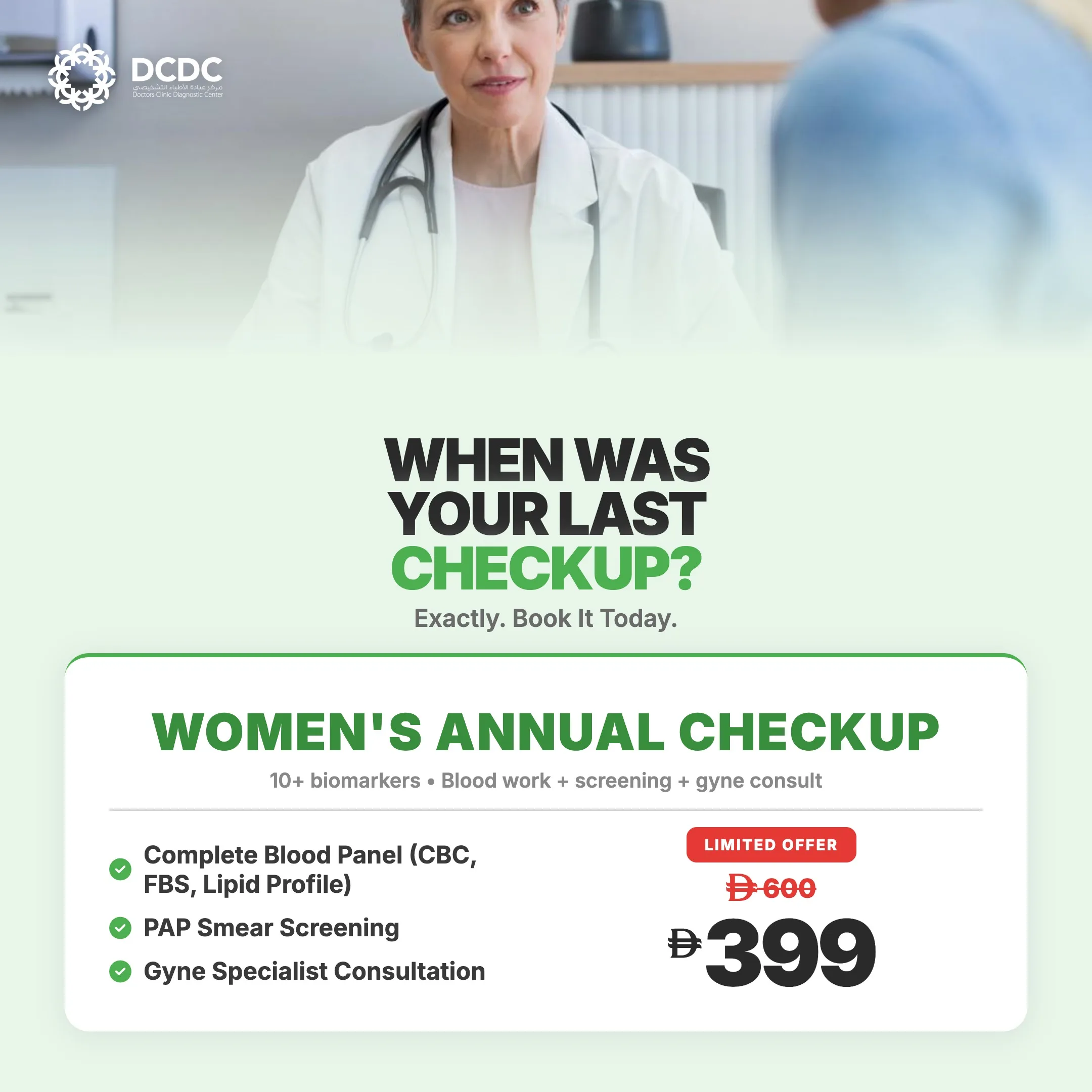
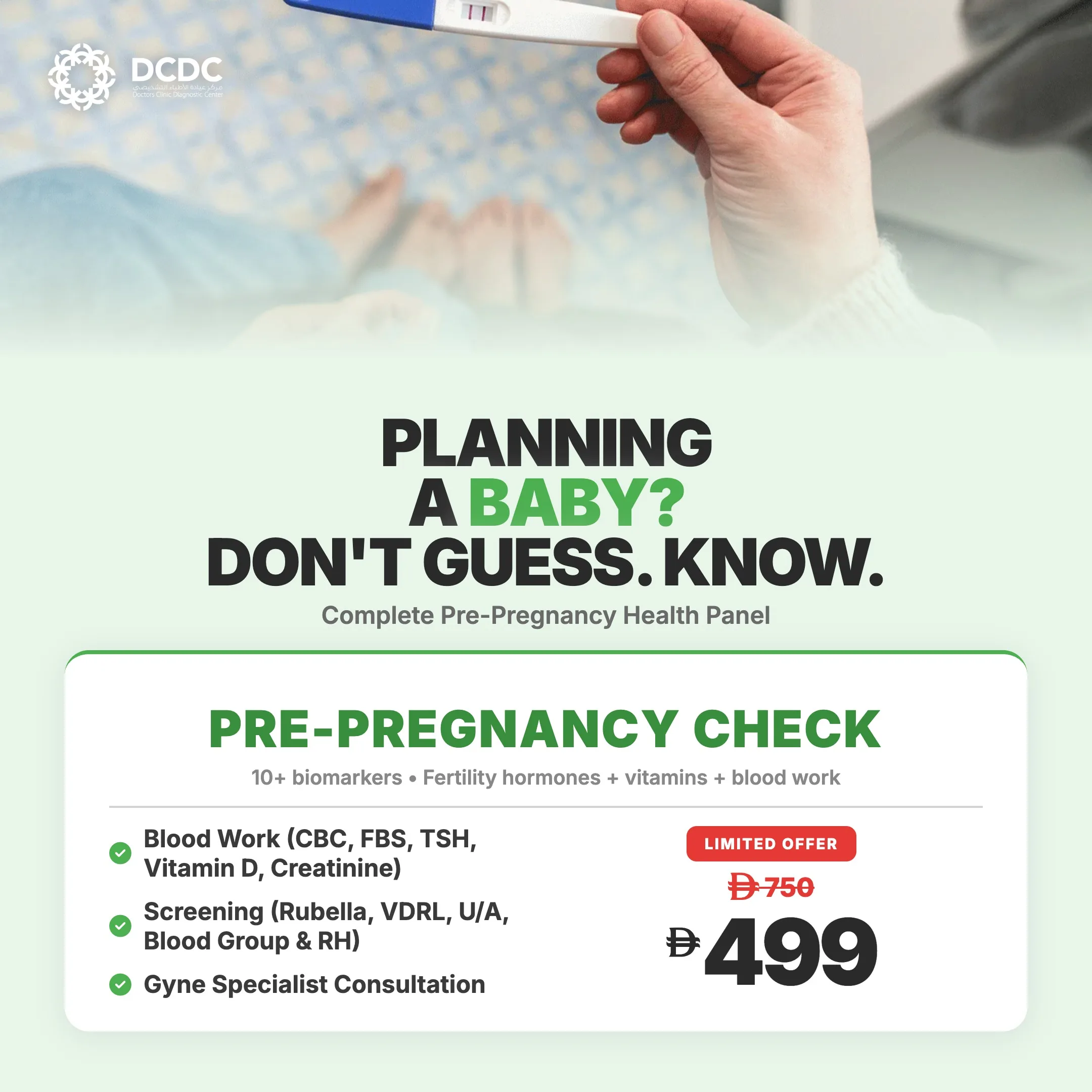
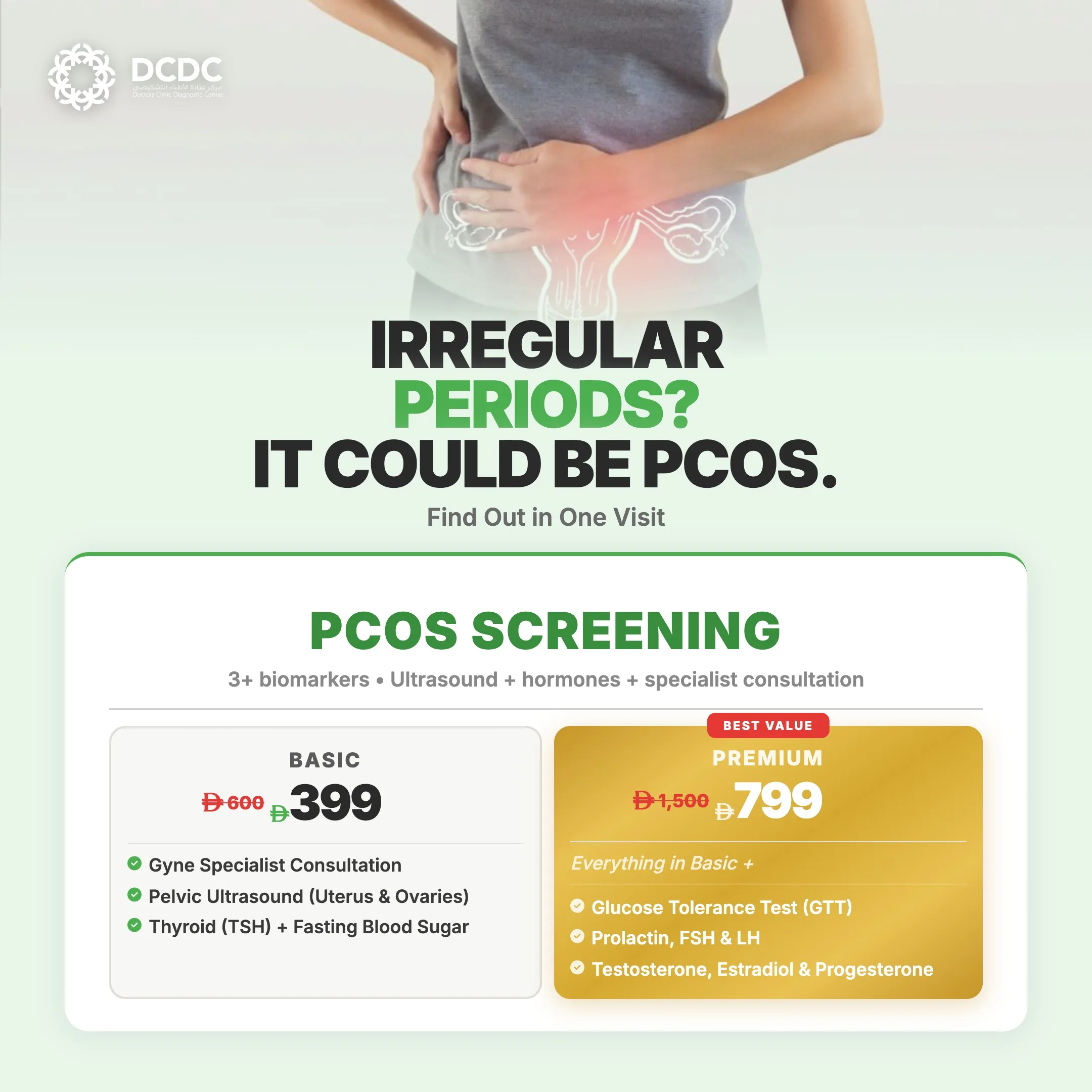
Health Screening Packages
Save with our bundled screening packages — specialist consultation included


What Is an HPV Test Dubai Clinics Offer?
An HPV test is a laboratory test that detects the presence of high-risk Human Papillomavirus (HPV) DNA or RNA in cells collected from the cervix. Unlike a Pap smear, which looks for abnormal cell changes that have already occurred, the HPV test identifies the virus itself — often before any cellular abnormalities are visible under a microscope. This makes the HPV test a more sensitive screening tool for predicting cervical cancer risk.
There are over 200 types of HPV, but only about 14 are classified as high-risk for causing cancer. Among these, HPV types 16 and 18 are the most dangerous, responsible for approximately 70% of all cervical cancer cases worldwide. The remaining high-risk types — including 31, 33, 45, 52, and 58 — account for an additional 20% of cases. Low-risk HPV types (such as 6 and 11) cause genital warts but are not associated with cancer.
HPV testing has become a cornerstone of modern cervical cancer prevention. The World Health Organization (WHO) and the American College of Obstetricians and Gynecologists (ACOG) both recommend HPV testing as a primary screening method or as a co-test alongside the Pap smear for women aged 30 and over. In Dubai, HPV testing is widely available at hospitals, clinics, and diagnostic centres, and is increasingly being adopted as the preferred screening approach due to its superior sensitivity.
Types of HPV Tests Available in Dubai
Not all HPV tests are the same. Several different testing methodologies are available, each providing a different level of information about your HPV status. Understanding the differences can help you and your gynecologist choose the most appropriate test for your situation.
HPV DNA Test
The HPV DNA test is the most widely used HPV screening method. It detects the genetic material (DNA) of high-risk HPV types in cervical cells. The test can identify a panel of 14 high-risk HPV types and typically reports a pooled result — positive or negative for high-risk HPV overall. Some versions of the test also specifically identify HPV 16 and HPV 18 separately, as these carry the highest cancer risk. The Hybrid Capture 2 (HC2) assay and the cobas HPV test are the two most commonly used platforms. A positive HPV DNA test means that high-risk HPV is present, but it does not tell you whether the infection is new, persistent, or actively causing cell changes.
HPV Genotyping
HPV genotyping goes a step further than the standard DNA test by identifying the specific HPV strain(s) present. Rather than simply reporting "high-risk HPV positive," genotyping tells you exactly which of the 14 high-risk types you are infected with — for example, HPV 16, HPV 31, or HPV 52. This information is clinically valuable because the cancer risk varies significantly between strains. HPV 16 carries the highest risk of progressing to cervical cancer, followed by HPV 18. Knowing the exact strain helps your gynecologist determine the appropriate follow-up and surveillance schedule. Genotyping is particularly useful for women with persistent HPV infections or those being monitored after treatment for cervical pre-cancer.
HPV mRNA Test
The HPV mRNA test represents a newer generation of HPV screening. Instead of detecting HPV DNA (which simply confirms the virus is present), the mRNA test detects E6 and E7 oncogene expression — biological markers that indicate the virus is actively driving cell transformation toward cancer. This distinction is clinically significant: many HPV infections are transient and will be cleared by the immune system without ever causing harm. The mRNA test identifies infections that are more likely to progress, reducing the number of unnecessary follow-up procedures (colposcopies) triggered by transient HPV infections. The Aptima HPV test is the most widely used mRNA-based platform. While not yet as widely available as DNA testing, mRNA testing is offered at select centres in Dubai.
HPV Co-Testing (Pap Smear + HPV Test)
Co-testing combines a Pap smear and HPV test on the same cervical sample, collected during a single appointment. This is considered the gold standard for cervical cancer screening in women aged 30 and over. The Pap smear detects existing cell changes while the HPV test identifies women who carry the virus and may be at risk of developing changes in the future. Together, co-testing catches over 99% of significant cervical abnormalities. When both tests are negative, the probability of developing cervical cancer within the next 5 years is virtually zero — which is why guidelines allow a 5-year screening interval after a negative co-test.
Who Needs an HPV Test? Dubai Screening Guidelines by Age
HPV testing recommendations depend on age, screening history, and individual risk factors. The following guidelines are based on the most current recommendations from ACOG, the American Cancer Society (ACS), and the U.S. Preventive Services Task Force (USPSTF).
| Age Group | Recommended HPV Screening | Frequency |
|---|---|---|
| Under 21 | No HPV testing recommended | N/A |
| 21-24 | Pap smear only (HPV test only if Pap is abnormal — reflex testing) | Pap every 3 years |
| 25-29 | Pap smear alone OR HPV primary screening (guidelines vary) | Every 3 years (Pap) or 5 years (HPV primary) |
| 30-65 | Pap + HPV co-test OR HPV primary screening OR Pap alone | Every 5 years (co-test/HPV) or 3 years (Pap alone) |
| Over 65 | Can stop if adequate prior screening with no history of CIN2+ | Discuss with gynecologist |
Based on ACOG, ACS, and USPSTF guidelines (2024-2026). Your gynecologist may recommend a different schedule based on individual risk factors, immune status, and screening history.
Certain women need more frequent HPV testing regardless of age, including women living with HIV, those who are immunosuppressed (organ transplant recipients, long-term immunosuppressive therapy), women with a history of CIN2 or CIN3, women exposed to diethylstilbestrol (DES) in utero, and women who have never been screened or have not been screened in over 5 years. If you fall into any of these categories, consult your gynecologist about a personalized screening schedule. For a comprehensive overview of all recommended cervical screening tests, read our guide to cervical cancer screening in Dubai.
HPV Test vs Pap Smear: Key Differences
One of the most common questions women ask is whether they need an HPV test, a Pap smear, or both. While both are cervical screening tools, they measure different things and serve complementary purposes.
| Feature | HPV Test | Pap Smear |
|---|---|---|
| What it detects | Presence of high-risk HPV virus (DNA/RNA) | Abnormal cervical cell changes (cytology) |
| Sensitivity for CIN2+ | Approximately 95-97% | Approximately 55-65% |
| Specificity | Moderate (many transient HPV infections) | High (detects actual cell changes) |
| What a positive result means | High-risk HPV is present (may or may not have cell changes) | Abnormal cells found (may or may not be caused by HPV) |
| Best for | Predicting future risk of cervical cancer | Detecting existing precancerous cell changes |
| Recommended age | 25-30+ (varies by guideline) | 21+ (all guidelines) |
| Screening interval if negative | 5 years | 3 years |
The HPV test is more sensitive than the Pap smear, meaning it catches more precancerous lesions. However, it is less specific, meaning some women who test positive will have transient infections that resolve without treatment. Co-testing combines the strengths of both.
The key takeaway is that the HPV test and Pap smear are not competing tests — they are complementary. The HPV test excels at identifying women who are at risk, while the Pap smear excels at identifying women who already have precancerous changes. When used together in co-testing, they provide the most comprehensive cervical cancer screening available. Research published in The Lancet has demonstrated that HPV-based screening reduces the incidence of invasive cervical cancer by 60-70% compared to Pap smear screening alone, supporting the global shift toward HPV primary screening.
HPV Test Dubai Cost: Pricing Guide
The cost of an HPV test in Dubai varies depending on the type of test, the healthcare facility, and whether it is combined with a Pap smear. Here is an overview of current pricing.
| Test | Cost (AED) |
|---|---|
| HPV test with Pap smear (co-test) | From AED 299 |
| HPV DNA test (standalone) | AED 300-600 |
| HPV genotyping (full panel) | AED 400-800 |
| HPV mRNA test (Aptima) | AED 500-900 |
| HPV vaccination — Gardasil 9 (per dose) | AED 500-1,200 |
| Colposcopy (if HPV positive with abnormal Pap) | AED 800-1,500 |
Prices reflect approximate Dubai market rates in 2026. Costs may vary by facility and insurance coverage. Many insurance plans cover HPV testing as part of preventive cervical screening.
Most comprehensive health insurance plans in the UAE cover HPV testing as part of preventive cervical cancer screening, particularly when requested by a gynecologist. The Dubai Health Authority (DHA) Essential Benefits Plan mandates coverage for preventive screenings, and most employer-sponsored plans include cervical screening benefits. If you are unsure about your coverage, contact your insurance provider or ask the clinic to verify your benefits before your appointment. For self-pay patients, package pricing for Pap + HPV co-testing is typically more cost-effective than ordering each test separately.
What to Expect During an HPV Test
Many women feel anxious about HPV testing because they are unsure what the procedure involves. In reality, an HPV test is virtually identical to a Pap smear — in fact, the same cervical sample can be used for both tests. Here is a step-by-step breakdown of what happens during your appointment.
Before the Test: Preparation
- Schedule mid-cycle: Avoid booking your test during your menstrual period. The ideal time is 10-20 days after the first day of your last period
- Avoid vaginal products: Do not use vaginal creams, douches, lubricants, or suppositories for 48 hours before the test
- Avoid intercourse: Refrain from sexual intercourse for 24-48 hours before the appointment
- Medication: You can take ibuprofen or paracetamol 30 minutes before the appointment if you tend to feel discomfort during pelvic examinations
- Bring your insurance card: If applicable, bring your insurance details for coverage verification
During the Test: The Procedure
You will lie on an examination table in a comfortable position with your feet in stirrups. The gynecologist gently inserts a speculum — a smooth, lubricated instrument — into the vagina to visualize the cervix. A small soft brush or spatula is used to gently collect cells from the surface of the cervix and the cervical canal. This collection takes approximately 30 seconds. The speculum is then removed. The entire appointment, including undressing and dressing, takes less than 10 minutes. Most women describe the sensation as mildly uncomfortable — a slight pressure or brief pinch — but not painful. If you feel anxious, inform your gynecologist; they can use a smaller speculum, apply additional lubrication, and explain each step as they go.
After the Test: Results Timeline
The cervical sample is sent to the laboratory for analysis. HPV test results are typically available within 5-7 working days. At DCDC, your gynecologist will review the results and contact you to discuss the findings. If a follow-up appointment is needed — for example, to discuss a positive HPV result or an abnormal Pap smear — it will be scheduled promptly. You may experience very light spotting or mild cramping for a few hours after the test, which is entirely normal. For a deeper look at the Pap smear component of your screening, see our Pap smear test guide.
Book Your HPV Test at DCDC
Schedule your HPV screening at DCDC Dubai Healthcare City. Same-week appointments available with female gynecologists.
Understanding Your HPV Test Results
Receiving your HPV test results can be anxiety-provoking, especially if the result is positive. Understanding what each result means — and what it does not mean — can help you feel informed and in control.
HPV Negative
A negative HPV test means that no high-risk HPV strains were detected in your cervical sample. This is the most common result and provides strong reassurance. When combined with a normal Pap smear, a negative HPV result means your risk of developing cervical cancer within the next 5 years is extremely low — approaching zero. You can safely follow the standard screening interval and return for your next co-test in 5 years (for women aged 30-65).
HPV Positive, Normal Pap Smear
This is one of the most common results and often causes unnecessary alarm. It means that a high-risk HPV strain is present but has not yet caused any visible cell changes. In approximately 90% of cases, the immune system will clear the infection naturally within 1-2 years. The recommended approach depends on the specific HPV type. If HPV 16 or 18 is specifically identified, a colposcopy is typically recommended immediately, as these strains carry the highest cancer risk. For other high-risk HPV types, the standard recommendation is to repeat the co-test in 12 months. If HPV persists at the follow-up or the Pap becomes abnormal, colposcopy will be performed.
HPV Positive, Abnormal Pap Smear
When both the HPV test and Pap smear are abnormal, further evaluation with colposcopy is recommended. This does not mean you have cancer — it means your gynecologist needs to take a closer look at the cervix. During colposcopy, a magnifying instrument is used to examine the cervix in detail, and a biopsy (small tissue sample) may be taken from any suspicious areas. The biopsy results will determine whether precancerous changes (CIN1, CIN2, or CIN3) are present and guide treatment decisions. Most precancerous changes, when detected and treated early, have a cure rate approaching 100%.
Understanding CIN Grades
| CIN Grade | Severity | What It Means | Typical Management |
|---|---|---|---|
| CIN 1 | Mild dysplasia | Minor cell changes, usually caused by HPV; often regresses spontaneously | Observation with repeat testing in 12 months |
| CIN 2 | Moderate dysplasia | More significant cell changes; may regress or progress | Treatment (LEEP or cryotherapy) or observation in young women |
| CIN 3 | Severe dysplasia / carcinoma in situ | High-grade changes that are likely to progress to cancer if untreated | Treatment required (LEEP, cone biopsy, or laser ablation) |
CIN is NOT cancer. It refers to precancerous changes that can take 10-20 years to progress to invasive cancer if left untreated. Early detection and treatment prevent progression in virtually all cases.
HPV Vaccination: Prevention Alongside Testing
While HPV testing detects existing infections, the HPV vaccine prevents infection from occurring in the first place. Vaccination and screening work together as complementary strategies in cervical cancer prevention — one does not replace the other.
Gardasil 9: The Gold Standard HPV Vaccine
The Gardasil 9 vaccine protects against 9 HPV types: 6, 11, 16, 18, 31, 33, 45, 52, and 58. This includes the two low-risk types responsible for 90% of genital warts (types 6 and 11) and the seven high-risk types responsible for approximately 90% of HPV-related cancers. Clinical trials have demonstrated near 100% efficacy in preventing cervical, vaginal, vulvar, and anal precancers caused by the targeted strains when administered before HPV exposure. The vaccine is available in Dubai at hospitals, clinics, and public health centres, with each dose costing from AED 500-1,200 depending on the facility.
Vaccination Schedule
- Ages 9-14: 2 doses, administered 6-12 months apart. This is the ideal age for vaccination, as the immune response is strongest and vaccination occurs before any potential HPV exposure
- Ages 15-26: 3 doses, administered at 0, 2, and 6 months
- Ages 27-45: Shared clinical decision-making with your doctor. The vaccine is approved and available in the UAE up to age 45, though benefits are greatest for those not yet exposed to the targeted HPV types
Common Questions About HPV Vaccination
Many women ask whether the HPV vaccine is still useful if they are already sexually active or have tested positive for HPV. The answer is yes in most cases. Even if you have been exposed to one or two HPV types, the vaccine protects against the remaining types you have not encountered. Additionally, vaccination does not replace screening — vaccinated women still need regular Pap smears and HPV testing according to the standard guidelines, because the vaccine does not cover all cancer-causing HPV types and does not treat existing infections.
HPV and Cervical Cancer Risk in the UAE
Cervical cancer is a significant public health concern in the UAE, despite the availability of effective prevention tools. According to the International Agency for Research on Cancer (IARC), cervical cancer is the fourth most common cancer in women aged 15-44 in the UAE. The age-standardized incidence rate is approximately 5.7 per 100,000 women — lower than the global average but still representing a meaningful burden of preventable disease.
Several factors contribute to the cervical cancer burden in the UAE. Low screening uptake is the most significant: many women in the UAE have never had a cervical screening test or are not screened regularly. Cultural barriers, lack of awareness about HPV and cervical cancer, and the misconception that screening is only necessary after symptoms appear all contribute to delayed diagnosis. When cervical cancer is diagnosed at an early stage, the 5-year survival rate exceeds 90%. However, when diagnosed at a late stage, the survival rate drops to approximately 17%. The difference between these outcomes is screening — and that starts with an HPV test.
The WHO Global Strategy to Accelerate the Elimination of Cervical Cancer calls for 90% of girls to be vaccinated against HPV by age 15, 70% of women to be screened with a high-performance test (such as HPV testing) by age 35 and again by age 45, and 90% of women with precancerous lesions or invasive cancer to receive treatment. The UAE has made progress toward these targets through school-based HPV vaccination programs and increased awareness campaigns, but screening rates remain below optimal levels. For a complete guide to preventive health checks for women, explore our women's health screening in Dubai article.
How Often Should You Get an HPV Test?
The frequency of HPV testing depends on your age, the type of screening used, and your individual risk profile. Here are the current evidence-based guidelines.
- Pap + HPV co-testing (ages 30-65): Every 5 years if both tests are negative. This is the most widely recommended approach and provides the longest safe screening interval
- HPV primary screening (ages 25-65): Every 5 years if the HPV test is negative. Some guidelines (including the 2023 ACS guidelines) now support HPV primary screening as the preferred strategy
- Pap smear alone (ages 21-65): Every 3 years if normal. This approach is still acceptable but does not include HPV testing and requires more frequent screening
- After a positive HPV result: If your HPV test is positive but Pap is normal, repeat co-testing in 12 months. If HPV persists, colposcopy is recommended
- After treatment for CIN2/3: More frequent surveillance (co-testing at 12 and 24 months, then annually for at least 3 years) is recommended before returning to routine screening
- High-risk groups: Women with HIV, immunosuppression, or a history of cervical pre-cancer may need screening every 1-3 years depending on their clinical situation
It is important to understand that a negative HPV test provides a stronger safety guarantee than a negative Pap smear alone. Studies published in The Lancet have shown that the risk of developing cervical cancer after a negative HPV test remains extremely low for at least 5 years — significantly lower than the risk after a negative Pap smear alone. This is why HPV-based screening allows for longer intervals between tests without compromising safety.
HPV Testing for Men: What You Should Know
While HPV testing is most commonly discussed in the context of cervical cancer screening for women, men are also affected by HPV. In fact, HPV is responsible for a growing number of cancers in men, including oropharyngeal (throat) cancer, anal cancer, and penile cancer. HPV-related oropharyngeal cancer is now more common than cervical cancer in some developed countries.
Currently, there is no FDA-approved HPV screening test for men. Unlike the cervix, which provides a clear and accessible surface for sample collection, there is no equivalent standardized test site for men. Anal HPV testing is available in some settings for men who have sex with men (MSM), those living with HIV, and other high-risk groups, but it is not part of routine screening guidelines for the general male population.
The most important HPV prevention tool for men is the HPV vaccine. The Gardasil 9 vaccine is recommended for boys and men aged 9 to 26, with shared clinical decision-making extending eligibility to age 45. Vaccination in males prevents genital warts, reduces the risk of anal and oropharyngeal cancer, and significantly decreases HPV transmission to sexual partners. Men who notice genital warts, persistent sores, or unexplained lesions in the genital or anal area should consult a urologist or dermatologist promptly for evaluation.
Book Your HPV Test Dubai: DCDC Healthcare City
DCDC (Doctors Clinic Diagnostic Center) in Dubai Healthcare City provides comprehensive HPV testing and cervical cancer screening in a comfortable, private, and professional environment. Here is what we offer:
- HPV DNA testing and Pap + HPV co-testing using advanced liquid-based cytology (ThinPrep) for maximum accuracy
- Experienced female gynecologists available for women who prefer a female doctor for their screening
- Results in 5-7 working days, with your gynecologist reviewing and explaining the findings in a follow-up consultation
- HPV vaccination (Gardasil 9) available on-site for women and men of all eligible ages
- Colposcopy and follow-up care available if abnormal results require further investigation
- Most major insurance plans accepted, including Daman, Oman Insurance, AXA, MetLife, and more
- Convenient location in Dubai Healthcare City, serving patients from Oud Metha, Bur Dubai, Karama, Business Bay, Downtown, and beyond
Book Your HPV Screening Today
Protect yourself with an HPV test at DCDC Dubai Healthcare City. Same-week appointments with female gynecologists. Results in 5-7 working days.
HPV test with Pap smear from AED 299
DCDC میں متعلقہ خدمات
دبئی ہیلتھ کیئر سٹی میں ماہرانہ دیکھ بھال اور جدید تشخیص
Frequently Asked Questions
Take Control of Your Health: Book Your HPV Test
HPV testing is one of the most powerful tools available for preventing cervical cancer. By detecting high-risk HPV infections years before they can cause cell changes, the HPV test gives you and your gynecologist the opportunity to monitor, intervene, and prevent cancer from ever developing. Combined with regular Pap smears and HPV vaccination, screening has the potential to virtually eliminate cervical cancer as a disease — and the World Health Organization has set a global target to achieve exactly that.
If you are overdue for cervical screening, have never been tested for HPV, or have received a positive result and are unsure about next steps, do not wait. The screening process is quick, the test is reliable, and early detection means that precancerous changes can be treated with a near-100% success rate. The most important step is booking the appointment.
At DCDC Dubai Healthcare City, our gynecology team provides comprehensive HPV testing and cervical cancer screening with Pap + HPV co-testing, expert result interpretation, HPV vaccination, and compassionate follow-up care. Whether this is your first HPV test or a routine follow-up, we are here to make the experience comfortable, informative, and thorough.
ذرائع اور حوالہ جات
یہ مضمون ہماری طبی ٹیم نے جائزہ لیا ہے اور درج ذیل ذرائع کا حوالہ دیتا ہے:
- World Health Organization — Human Papillomavirus (HPV) and Cervical Cancer
- American College of Obstetricians and Gynecologists (ACOG) — Cervical Cancer Screening
- NHS — Human Papillomavirus (HPV)
- Cleveland Clinic — HPV Test
- Mayo Clinic — HPV Test
- Ronco G, Dillner J, et al. Efficacy of HPV-based screening for prevention of invasive cervical cancer: follow-up of four European randomised controlled trials. The Lancet. 2014;383(9916):524-532.
اس سائٹ پر طبی مواد کا جائزہ DHA لائسنس یافتہ ڈاکٹرز نے لیا ہے۔ ہماری دیکھیں تحریری پالیسی مزید معلومات کے لیے۔

تحریر
Dr. Parisa Dini
OB-GYN Specialist
MD, OB-GYN
Dr. Parisa Dini is an OB-GYN Specialist at Doctors Clinic Diagnostic Center (DCDC) in Dubai Healthcare City.
Related Articles

Cervical Cancer Screening Dubai: Pap Smear & HPV (2026)
Pap Smear Dubai: From AED 250, Guide & Results (2026)
Women's Health Screening Dubai: Tests by Age (2026)
Cancer Screening Dubai: Tests & Cost by Age (2026)
Breast Cancer Screening: Mammogram & BRCA Guide (2026)
More in Women's Health

Perimenopause vs Menopause Dubai: Signs (2026)
مزید پڑھیں
Mother & Baby Home Care Dubai: Guide (2026)
مزید پڑھیں
Gestational Diabetes Dubai: Screening (2026)
مزید پڑھیں
Mammogram Preparation Dubai: What to Expect (2026)
مزید پڑھیں
CA-125 Test Dubai: Ovarian Cancer Marker (2026)
مزید پڑھیںMammogram vs Breast Ultrasound Dubai (2026)
مزید پڑھیں© 2026 Doctors Clinic Diagnostic Center (DCDC), Dubai Healthcare City. Originally published at https://doctorsclinicdubai.ae/blog/hpv-test-dubai-guide. All rights reserved. Unauthorized reproduction is prohibited.