اہم نکات
- An echocardiogram (echo) is a non-invasive ultrasound of the heart that shows real-time images of heart structure, valve function, blood flow, and pumping efficiency — it is the most commonly ordered cardiac imaging test worldwide
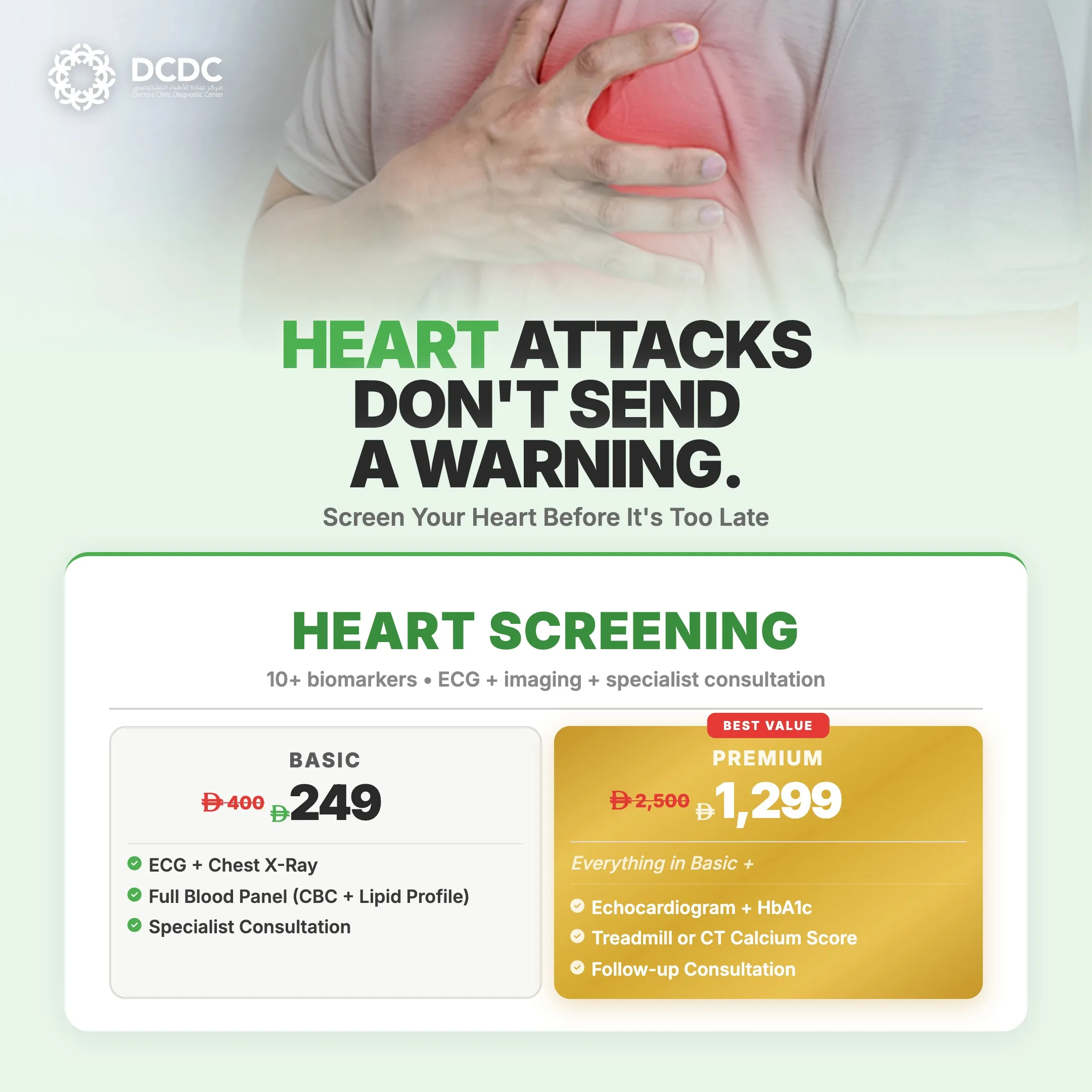
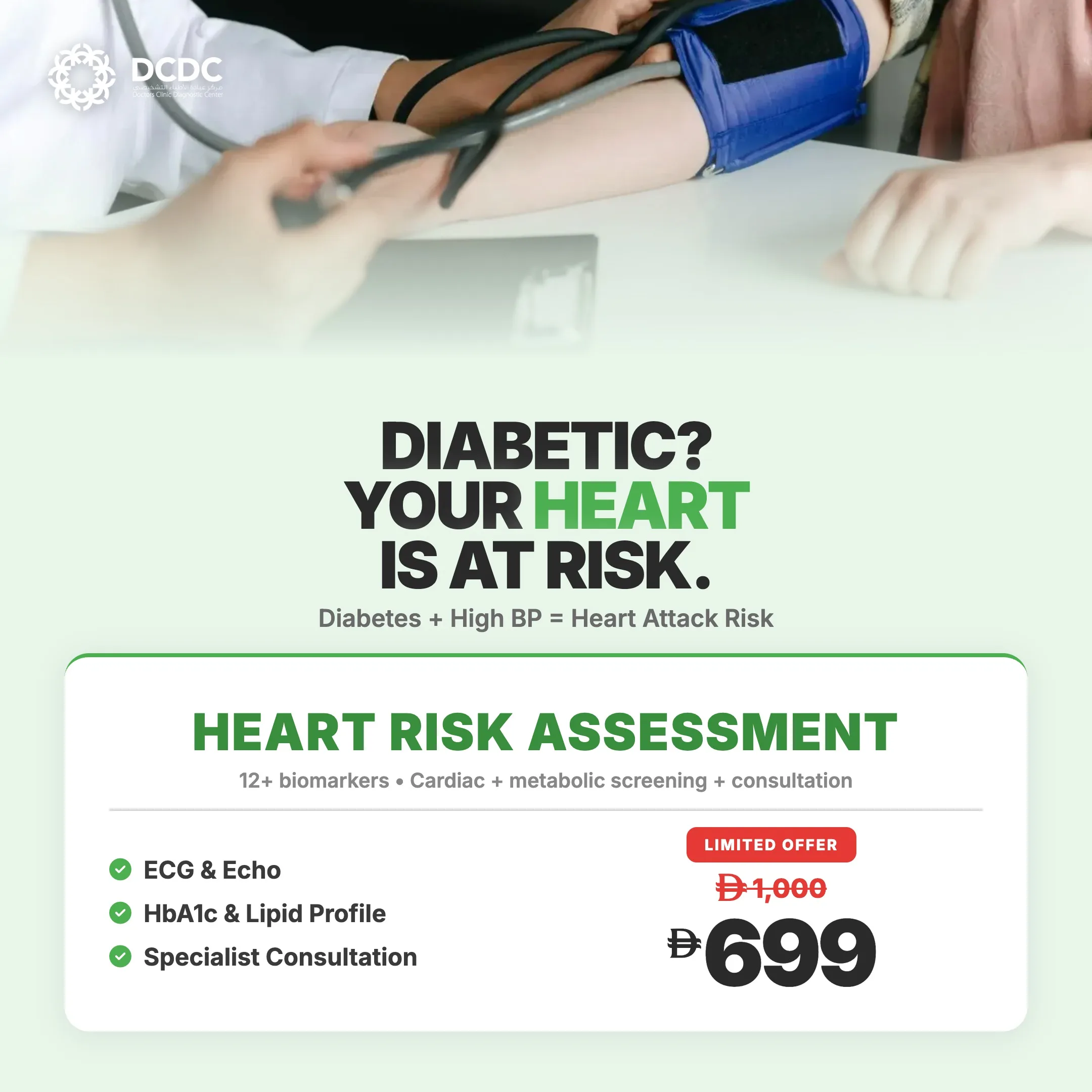
- Echo test cost in Dubai typically ranges from AED 800 to AED 1,500 for a standard transthoracic echocardiogram (TTE), depending on the facility and whether it is performed by a cardiologist or a sonographer
- At DCDC, Dr. Shahoo Mazhari personally performs and interprets echocardiograms, ensuring the cardiologist who reads your results is the same doctor who scanned you — this eliminates delays and improves diagnostic accuracy
- The test takes 20-40 minutes, requires no fasting or special preparation, involves no radiation, and produces immediate results that your cardiologist can discuss with you the same day
- Echocardiography can detect valve disease, heart failure, cardiomyopathy, congenital heart defects, pericardial effusion, blood clots, and assess damage after a heart attack
- Most Dubai health insurance plans cover echocardiograms when ordered by a cardiologist or referred by a GP with clinical justification
An echocardiogram — commonly called an "echo" — is an ultrasound scan of the heart. It uses high-frequency sound waves to create detailed, real-time images of your heart's chambers, valves, walls, and blood vessels, allowing cardiologists to assess how well your heart is pumping, whether your valves are functioning correctly, and if there are any structural abnormalities. At DCDC Healthcare City, Dr. Shahoo Mazhari, Consultant Cardiologist, personally performs and interprets echocardiograms — meaning the doctor who scans your heart is the same specialist who reads the results and discusses them with you.
What Does an Echocardiogram Show?
An echocardiogram provides a comprehensive assessment of heart structure and function. Unlike an ECG — which records electrical activity — an echo provides actual images and measurements of the heart in motion. Key parameters assessed include:
- Ejection fraction (EF): The percentage of blood pumped out of the left ventricle with each heartbeat. Normal EF is 55-70%. Reduced EF indicates heart failure or weakened heart muscle (cardiomyopathy)
- Valve function: Assessment of all four heart valves (mitral, aortic, tricuspid, pulmonary) for stenosis (narrowing) or regurgitation (leaking). Echo can grade valve disease severity from mild to severe
- Chamber size: Measurement of all four heart chambers. Enlarged chambers may indicate heart failure, valve disease, or chronic hypertension
- Wall motion: Assessment of heart wall movement during contraction. Abnormal wall motion in specific segments can indicate previous heart attack or current ischaemia
- Pericardial effusion: Detection of fluid accumulation around the heart (pericardial effusion), which may result from infection, inflammation, cancer, or heart failure
- Congenital defects: Identification of structural abnormalities such as atrial septal defect (ASD), ventricular septal defect (VSD), or patent foramen ovale (PFO)
- Blood clots: Detection of thrombus (blood clots) within the heart chambers, particularly important in patients with atrial fibrillation or dilated cardiomyopathy
- Pulmonary pressure: Estimation of pulmonary artery pressure, used to screen for pulmonary hypertension
Types of Echocardiogram
Transthoracic Echocardiogram (TTE)
The transthoracic echocardiogram (TTE) is the standard, most commonly performed type. The ultrasound probe (transducer) is placed on the chest wall, and images are obtained through the rib spaces. TTE is completely non-invasive, painless, radiation-free, and takes 20-40 minutes. This is the echo test most patients will have when their cardiologist orders an echocardiogram.
Transoesophageal Echocardiogram (TEE / TOE)
A transoesophageal echocardiogram (TEE) involves passing a small ultrasound probe through the mouth into the oesophagus (food pipe), which sits directly behind the heart. Because the oesophagus is closer to the heart than the chest wall, TEE provides higher-resolution images. TEE is typically used when TTE images are unclear, when looking for blood clots before cardioversion, when assessing valve disease before surgery, or when evaluating infective endocarditis.
Stress Echocardiogram
A stress echocardiogram combines echo imaging with a cardiac stress test. Echo images are taken at rest and immediately after exercise (or pharmacological stress for patients who cannot exercise). Comparing rest and stress images reveals areas of the heart that do not receive adequate blood supply during exertion — a sign of coronary artery disease.
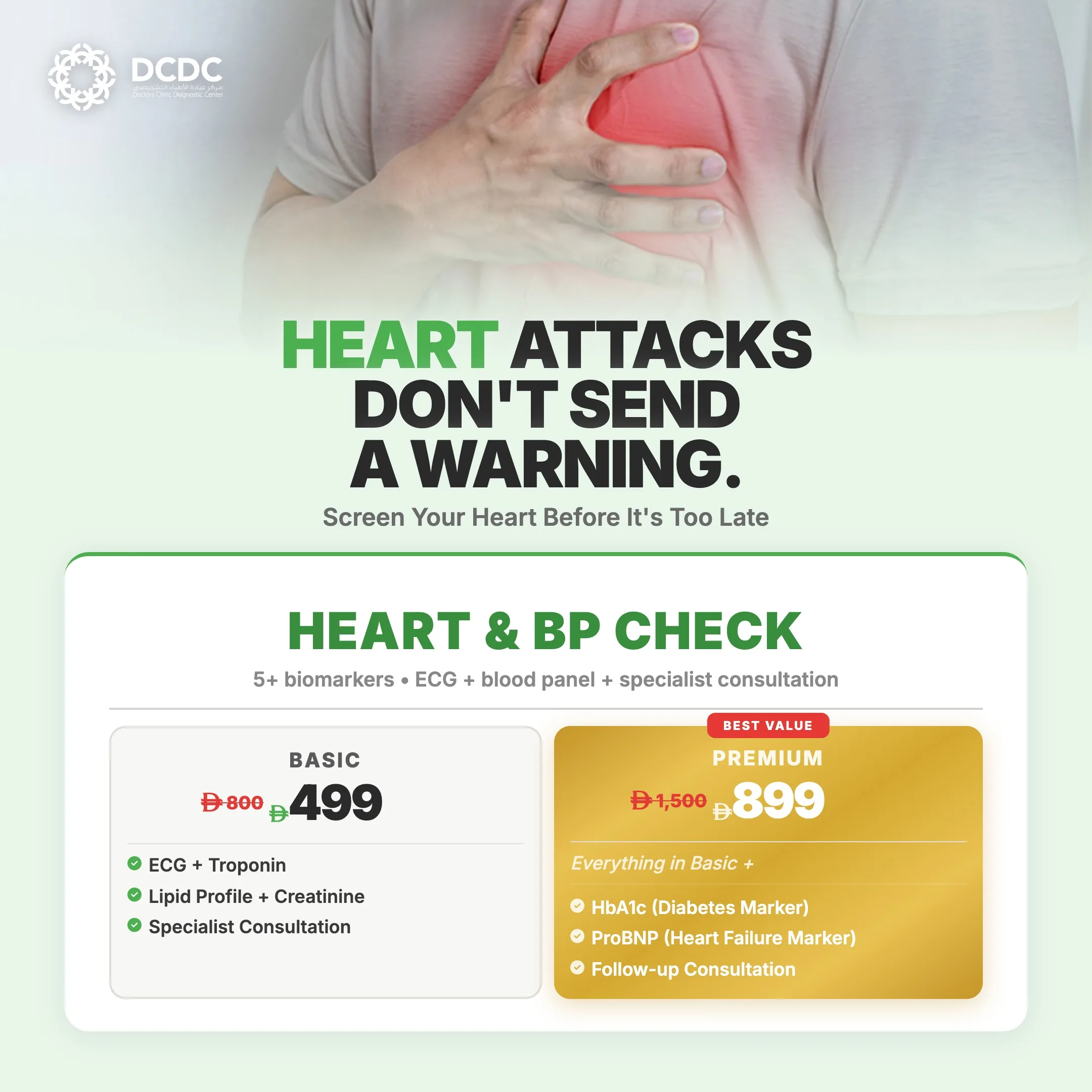
Echocardiogram Cost in Dubai
| Echo Type | Typical Dubai Range | At DCDC |
|---|---|---|
| Standard TTE | AED 800 - 1,500 | Performed and interpreted by Dr. Shahoo |
| Stress Echo | AED 1,500 - 2,500 | Combined with treadmill or pharmacological stress |
| TEE (Transoesophageal) | AED 2,500 - 4,000 | Performed under sedation in hospital setting |
Echocardiogram cost comparison in Dubai (2026)
Insurance coverage: Most Dubai health insurance plans cover echocardiograms when requested by a cardiologist or referred by a GP with clinical indication. DCDC offers direct billing with most major insurance providers. Self-pay patients receive transparent pricing with no hidden fees.
When Do You Need an Echocardiogram?
Your cardiologist or GP may recommend an echocardiogram if you have any of the following:
- Heart murmur: An abnormal heart sound detected with a stethoscope — echo determines whether the murmur is innocent (harmless) or caused by valve disease
- Shortness of breath: Unexplained breathlessness at rest or during exertion may indicate heart failure, valve disease, or pulmonary hypertension
- Chest pain: After an ECG, echo helps assess whether chest pain is related to heart wall motion abnormalities or structural problems
- Heart failure monitoring: Patients with known heart failure require regular echo tests to monitor ejection fraction and guide medication adjustments
- After a heart attack: Echo assesses the extent of heart muscle damage and identifies complications such as wall motion abnormalities or blood clot formation
- Atrial fibrillation: Echo evaluates heart chamber size and checks for blood clots before cardioversion or ablation procedures
- Hypertension assessment: Long-standing high blood pressure can cause the heart to thicken (left ventricular hypertrophy) — echo detects this before symptoms develop
- Pre-operative cardiac evaluation: Patients undergoing major non-cardiac surgery may need an echo to assess cardiac risk
- Family history of heart disease: Screening echo may be recommended for patients with a family history of cardiomyopathy or sudden cardiac death
What to Expect During an Echocardiogram
Before the Test
- No fasting required for a standard TTE
- Wear comfortable, loose-fitting clothing — you will need to undress from the waist up and wear a hospital gown
- Continue taking all regular medications unless your cardiologist advises otherwise
- Bring a list of your current medications and any previous cardiac test results
During the Test
- You lie on your left side on an examination bed
- ECG electrodes are placed on your chest to synchronise the echo images with your heart rhythm
- A water-based gel is applied to the chest to improve ultrasound transmission
- The cardiologist moves the ultrasound probe across different positions on your chest to obtain views of all heart structures
- You may be asked to breathe in, breathe out, or hold your breath briefly to improve image quality
- The procedure is painless — you may feel mild pressure from the probe but no discomfort
- The entire test takes approximately 20-40 minutes
After the Test
There is no recovery period after a standard TTE. You can return to normal activities immediately. At DCDC, because Dr. Shahoo performs the echo himself, results are available immediately and discussed during your consultation — there is no waiting for a separate report.
Why Choose DCDC for Your Echocardiogram?
The quality of an echocardiogram depends heavily on who performs and interprets it. At many clinics, echos are performed by sonographers and later reviewed by a cardiologist who was not present during the scan. At DCDC, Dr. Shahoo Mazhari's hands-on approach offers distinct advantages:
- Cardiologist-performed: Dr. Shahoo personally operates the ultrasound probe, ensuring optimal image acquisition and the ability to focus on clinically suspicious areas in real time
- Immediate interpretation: No waiting days for a report — Dr. Shahoo discusses findings with you immediately after the scan
- Clinical context: Because the same cardiologist who knows your symptoms is performing the echo, findings are interpreted in the context of your full clinical picture
- Integrated care: If the echo reveals findings requiring further testing (stress test, Holter monitor, CT angiogram), Dr. Shahoo can arrange these at DCDC without external referrals
- Persian and English: Dr. Shahoo speaks fluent Persian, English, and Kurdish, ensuring clear communication of results regardless of language preference
Book Your Echocardiogram at DCDC
Dr. Shahoo Mazhari personally performs and interprets echocardiograms at DCDC Dubai Healthcare City. Same-day results, cardiologist-performed scans.
Most insurance plans accepted with direct billing.
Echo vs ECG vs Stress Test: What Is the Difference?
| Test | What It Shows | Duration | When Used |
|---|---|---|---|
| ECG (Electrocardiogram) | Heart's electrical rhythm | 5-10 minutes | Screening, arrhythmia detection, chest pain evaluation |
| Echocardiogram (Echo) | Heart structure, valves, pumping function | 20-40 minutes | Heart failure, valve disease, murmur, structural assessment |
| Cardiac Stress Test | Heart response to exercise | 30-45 minutes | Coronary artery disease screening, exercise tolerance |
| Stress Echo | Structure + exercise response combined | 45-60 minutes | Coronary artery disease with structural assessment |
Comparison of common cardiac diagnostic tests
These tests are complementary, not interchangeable. Your cardiologist may order one or several depending on your symptoms and clinical situation. An ECG is often the first test, with an echo ordered when structural or functional assessment is needed.
DCDC میں متعلقہ خدمات
دبئی ہیلتھ کیئر سٹی میں ماہرانہ دیکھ بھال اور جدید تشخیص
Frequently Asked Questions
Your Heart Deserves Expert Imaging
An echocardiogram is one of the most valuable diagnostic tools in cardiology — it provides a real-time window into your heart's structure and function without any radiation or invasive procedures. Whether you are being evaluated for a heart murmur, monitoring heart failure, or assessing the impact of hypertension on your heart, an echo provides answers that guide treatment.
At DCDC Healthcare City, the cardiologist-performed approach means you benefit from Dr. Shahoo Mazhari's expertise from the moment the ultrasound probe touches your chest to the moment he explains your results. This direct, uninterrupted chain of care — scanning, interpreting, and treating — is the standard of cardiology practice that every patient deserves.
Book your echocardiogram at DCDC today. Consultations and echo tests available in Persian, English, and Kurdish. Most insurance plans accepted.
ذرائع اور حوالہ جات
یہ مضمون ہماری طبی ٹیم نے جائزہ لیا ہے اور درج ذیل ذرائع کا حوالہ دیتا ہے:
- American Society of Echocardiography (ASE) — Guidelines for Performing a Comprehensive Transthoracic Echocardiographic Examination 2024
- European Society of Cardiology (ESC) — Recommendations for Cardiac Chamber Quantification by Echocardiography 2023
- Mitchell C et al. Guidelines for Performing a Comprehensive Transthoracic Echocardiographic Examination in Adults. J Am Soc Echocardiogr. 2019
- British Society of Echocardiography (BSE) — Minimum Dataset for Standard Transthoracic Echocardiogram 2024
اس سائٹ پر طبی مواد کا جائزہ DHA لائسنس یافتہ ڈاکٹرز نے لیا ہے۔ ہماری دیکھیں تحریری پالیسی مزید معلومات کے لیے۔
تحریر
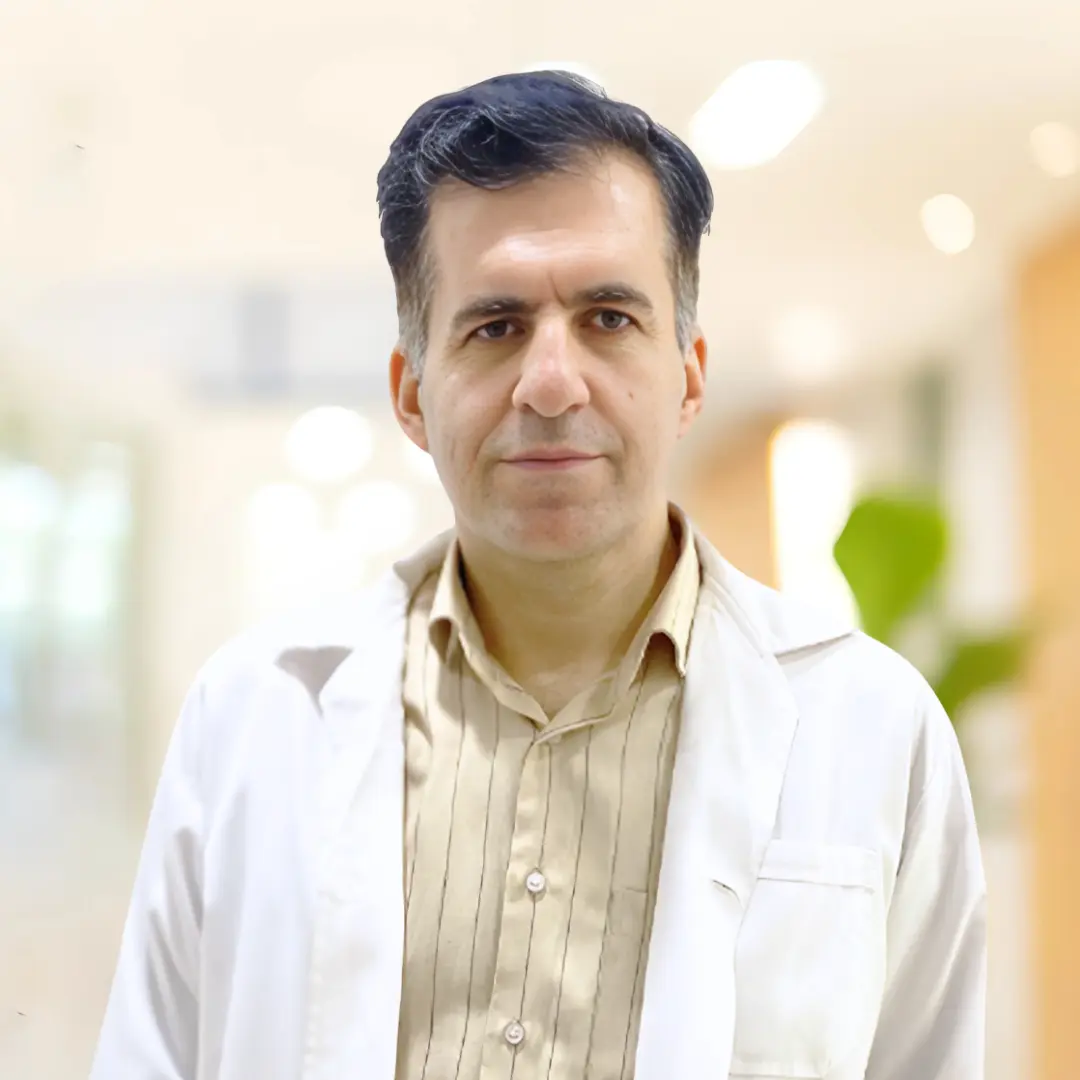
Dr. Shahoo Mazhari
Specialist Cardiologist
MD, Consultant Cardiologist
Dr. Shahoo Mazhari is a DHA-licensed Consultant Cardiologist at DCDC Dubai Healthcare City. He personally performs and interprets echocardiograms, stress tests, and ECGs, providing comprehensive cardiac care in Persian, English, and Kurdish.
Related Articles
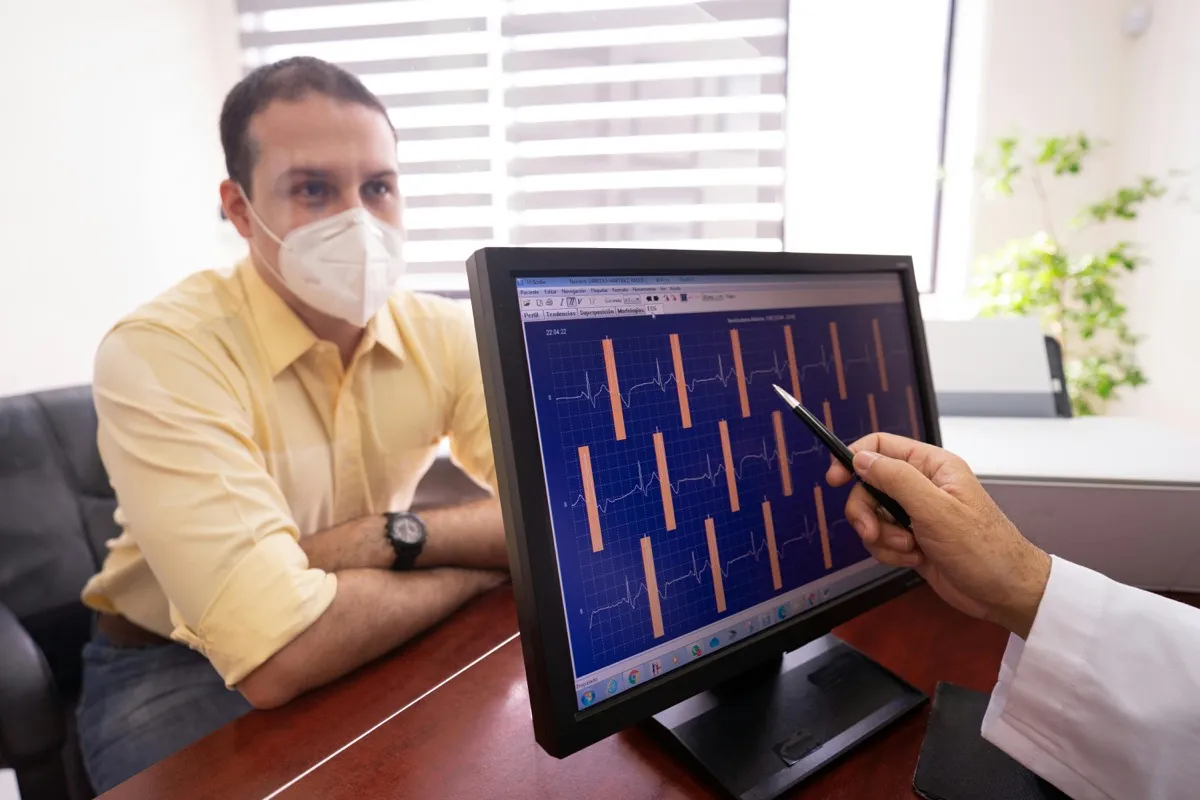
ECG vs Echo: Understanding the Difference
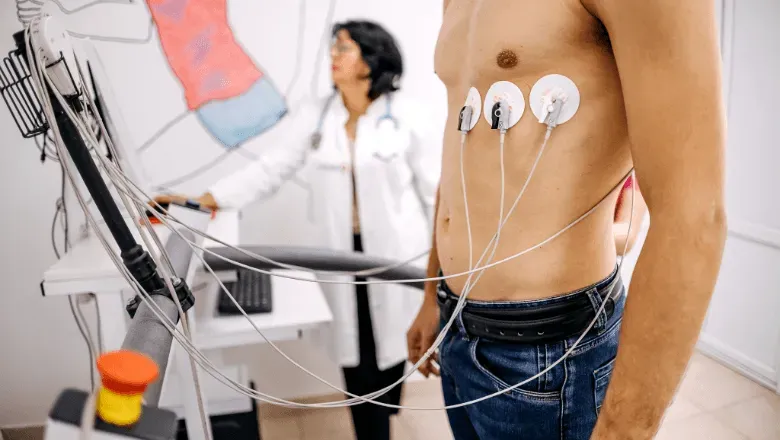
Cardiac Stress Test in Dubai: Complete Guide
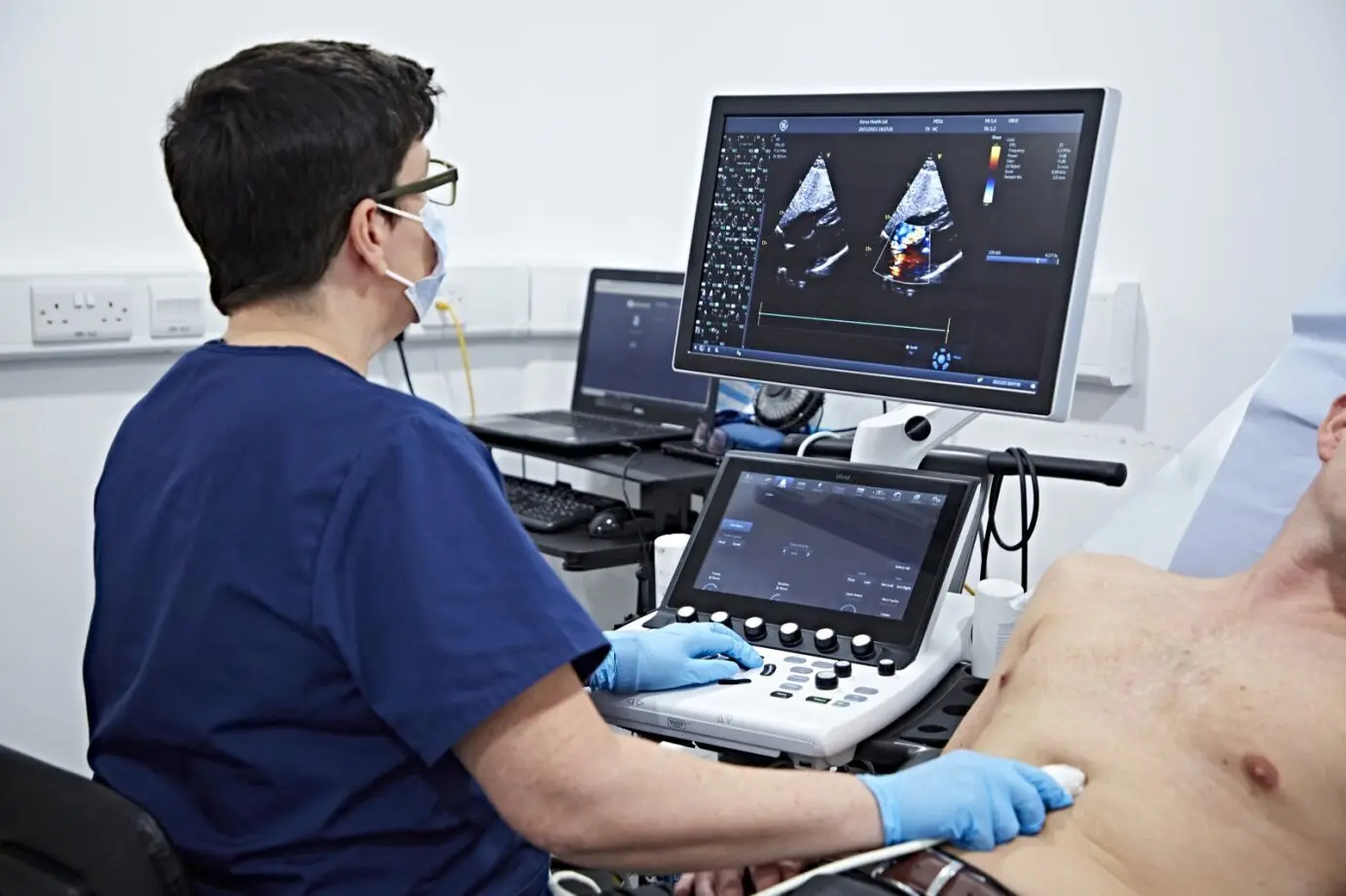
Echo Test Cost in Dubai
Best Cardiologist in Dubai: Complete Guide
Heart Disease Symptoms You Should Not Ignore

Best Iranian Doctors in Dubai at DCDC
More in Cardiology
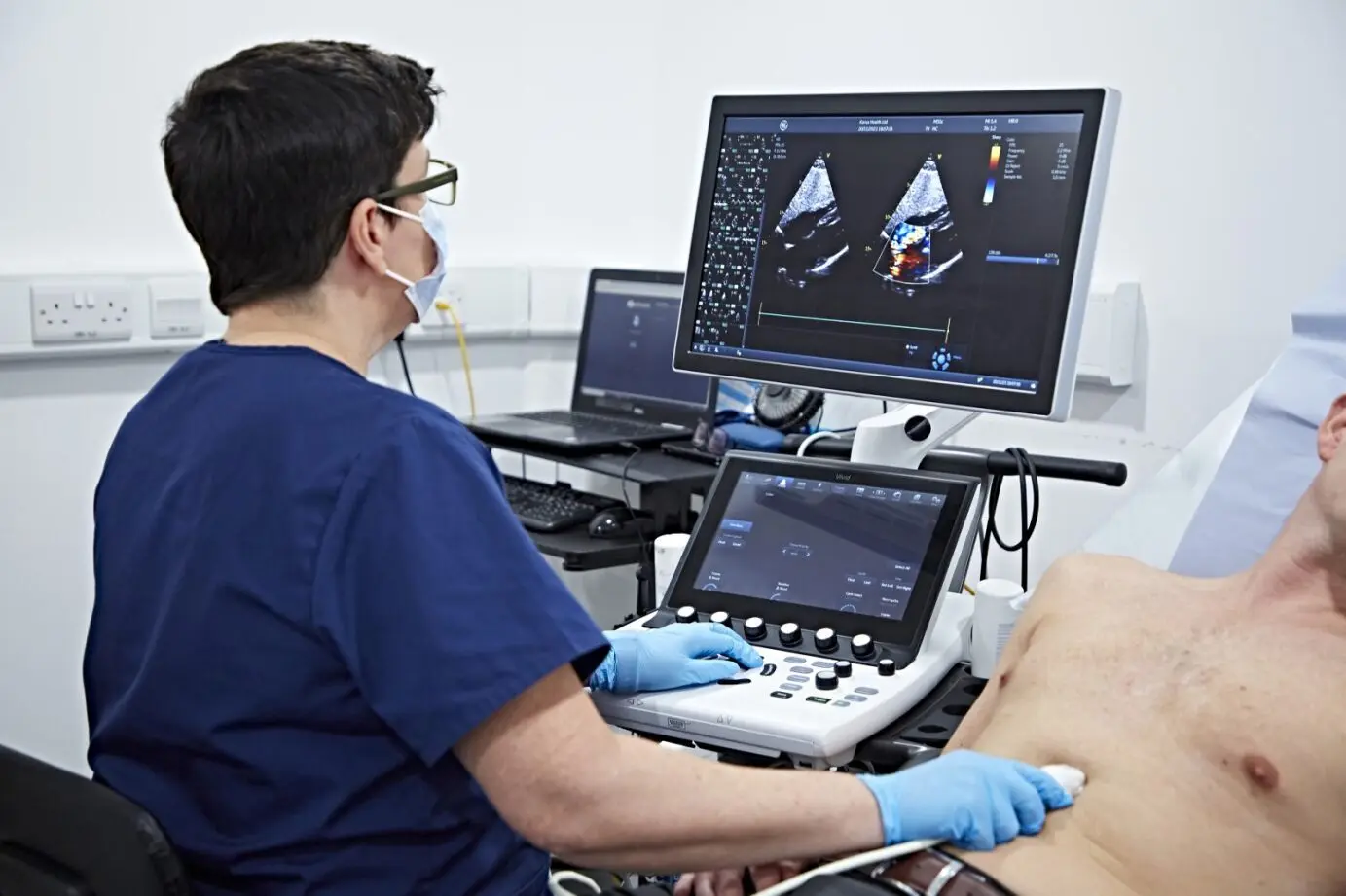
ECG at Home Dubai: Cost & What to Expect (2026)
مزید پڑھیں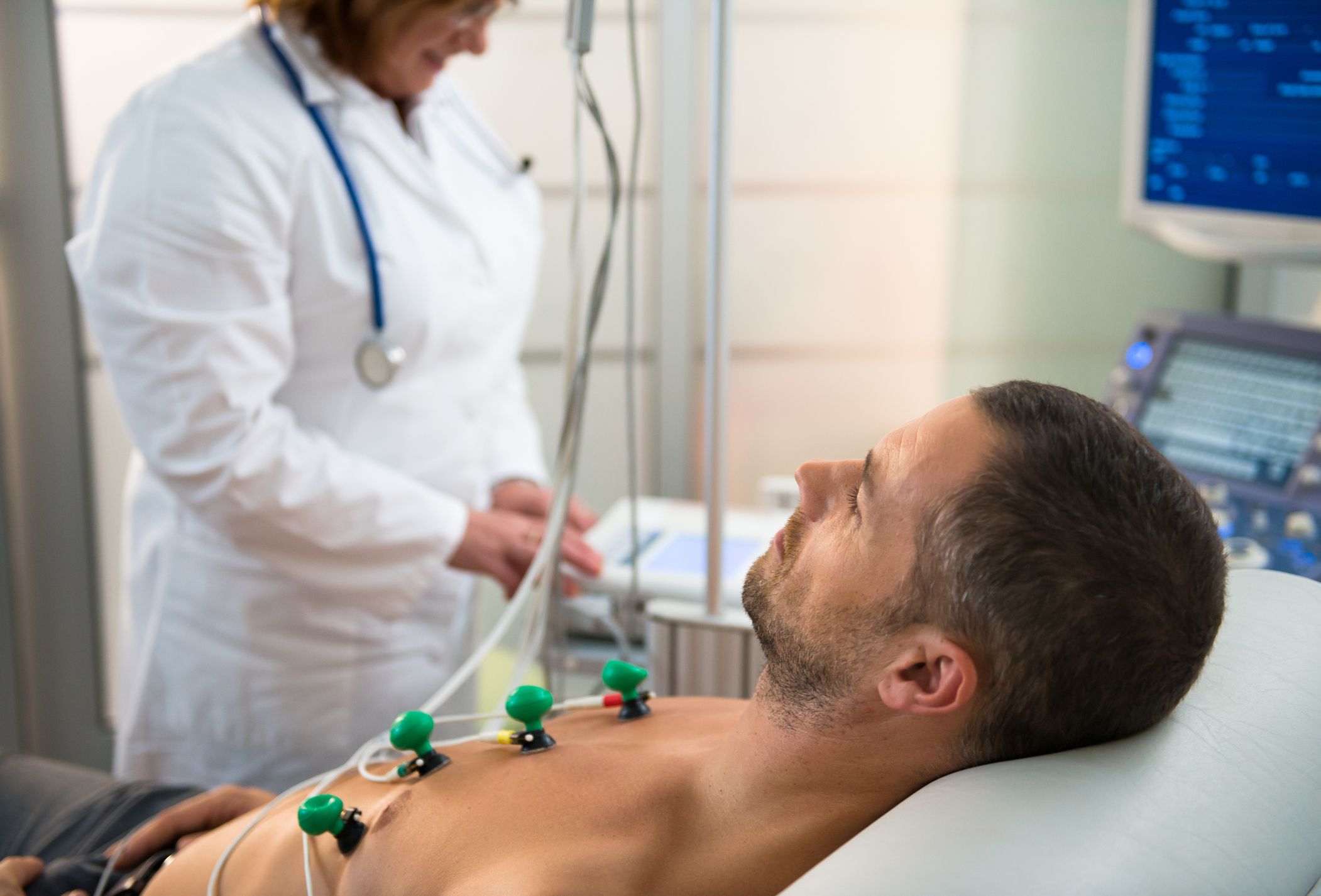
Holter Monitor vs ECG Dubai: Which Test? (2026)
مزید پڑھیں
Cardiac Rehabilitation Dubai: Recovery (2026)
مزید پڑھیںTroponin Test Dubai: Heart Attack Marker (2026)
مزید پڑھیںBest Cardiologist in Dubai: Dr. Shahoo Mazhari at DCDC (2026)
مزید پڑھیںCardiologist in Dubai Healthcare City: Dr. Shahoo Mazhari at DCDC (2026)
مزید پڑھیں© 2026 Doctors Clinic Diagnostic Center (DCDC), Dubai Healthcare City. Originally published at https://doctorsclinicdubai.ae/blog/echocardiogram-cost-dubai. All rights reserved. Unauthorized reproduction is prohibited.