
اہم نکات
- تمام ماہرین امراض نسواں مینوپاز میں مہارت نہیں رکھتے — مینوپاز مینجمنٹ، HRT تجویز اور ہارمون آپٹیمائزیشن میں مخصوص تربیت رکھنے والے ڈاکٹرز کو دیکھیں (مثلاً BMS, IMS یا NAMS سرٹیفیکیشن)
- ایک اچھے مینوپاز ماہر آپ کے پہلے مشورے میں 30-60 منٹ صرف کریں گے، آپ کی مکمل طبی تاریخ کا جائزہ لیں گے اور ذاتی علاج کا منصوبہ بنائیں گے
- آپ کے پہلے دورے میں جامع ہارمون ٹیسٹنگ (FSH، ایسٹراڈیول، پروجیسٹرون، تھائرائیڈ)، ہڈیوں کی کثافت کا جائزہ اور دل کے خطرے کی تشخیص شامل ہونی چاہیے
- خطرے کی علامات میں ایسا ڈاکٹر شامل ہے جو آپ کی علامات کو "صرف عمر بڑھنا" کہہ کر مسترد کرے، بغیر طبی وجہ HRT پر بات سے انکار کرے
- DCDC دبئی ہیلتھ کیئر سٹی DHA لائسنس یافتہ ماہرین کے ساتھ اسی ہفتے مینوپاز مشاورت فراہم کرتا ہے — 300 درہم سے
دبئی میں صحیح مینوپاز ڈاکٹر تلاش کرنا سالوں کی غیر ضروری تکلیف اور مؤثر، زندگی بدلنے والے علاج کے درمیان فرق ہو سکتا ہے۔ پھر بھی مینوپاز طبی تعلیم میں سب سے کم پڑھائے جانے والے شعبوں میں سے ایک ہے — اوسط طبی طالب علم اپنی پوری ڈگری میں صرف 9 گھنٹے مینوپاز کی تربیت حاصل کرتا ہے۔
یہ گائیڈ آپ کو پہچاننے میں مدد کرے گی کہ ڈاکٹر کو حقیقی مینوپاز ماہر کیا بناتا ہے، دیکھنے کے لیے قابلیتیں اور سرٹیفیکیشنز، ڈاکٹر کا انتخاب کرنے سے پہلے پوچھنے کے صحیح سوالات، پہلے مشورے میں کیا ہونا چاہیے اور دوسری رائے کی ضرورت کی علامات کیسے پہچانیں۔
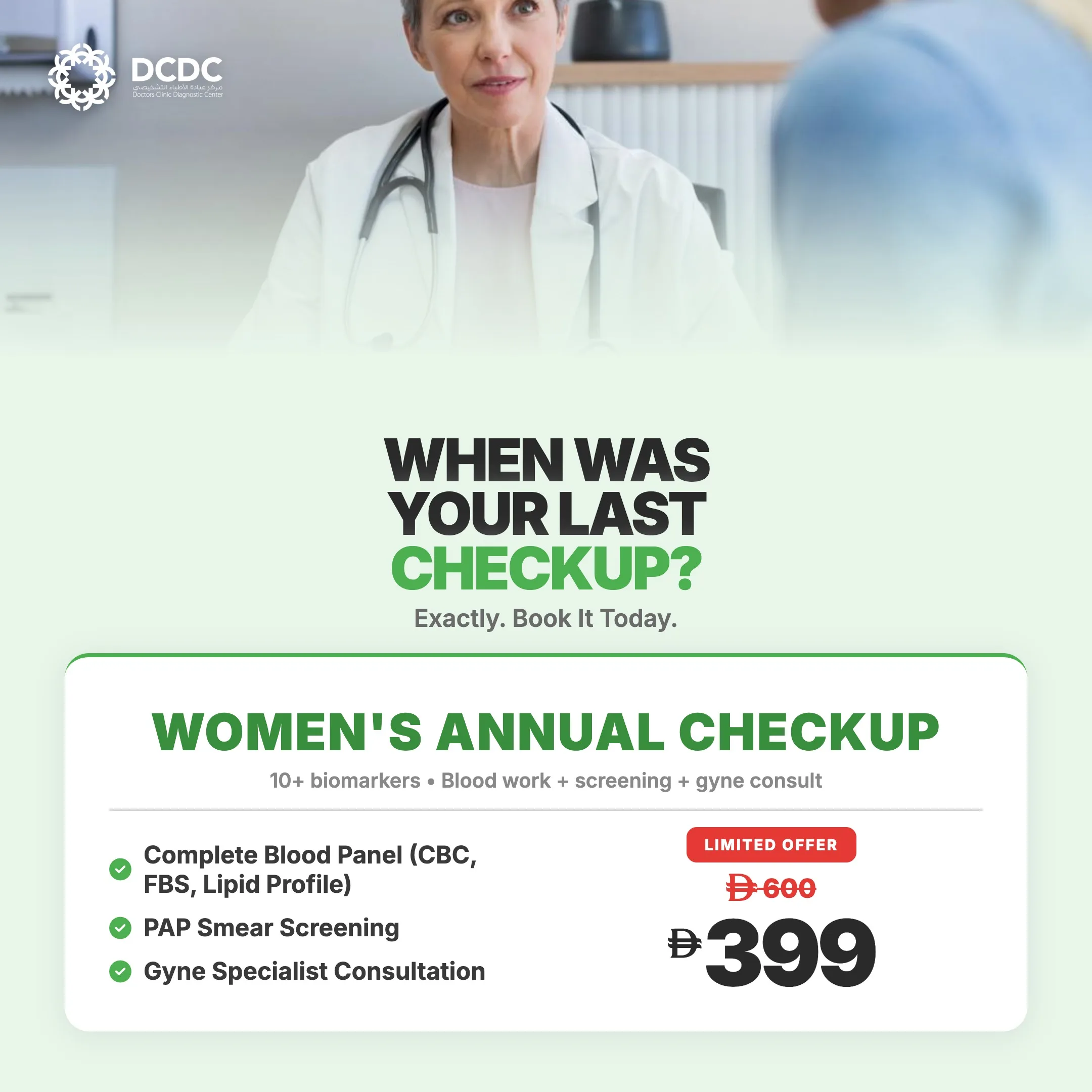
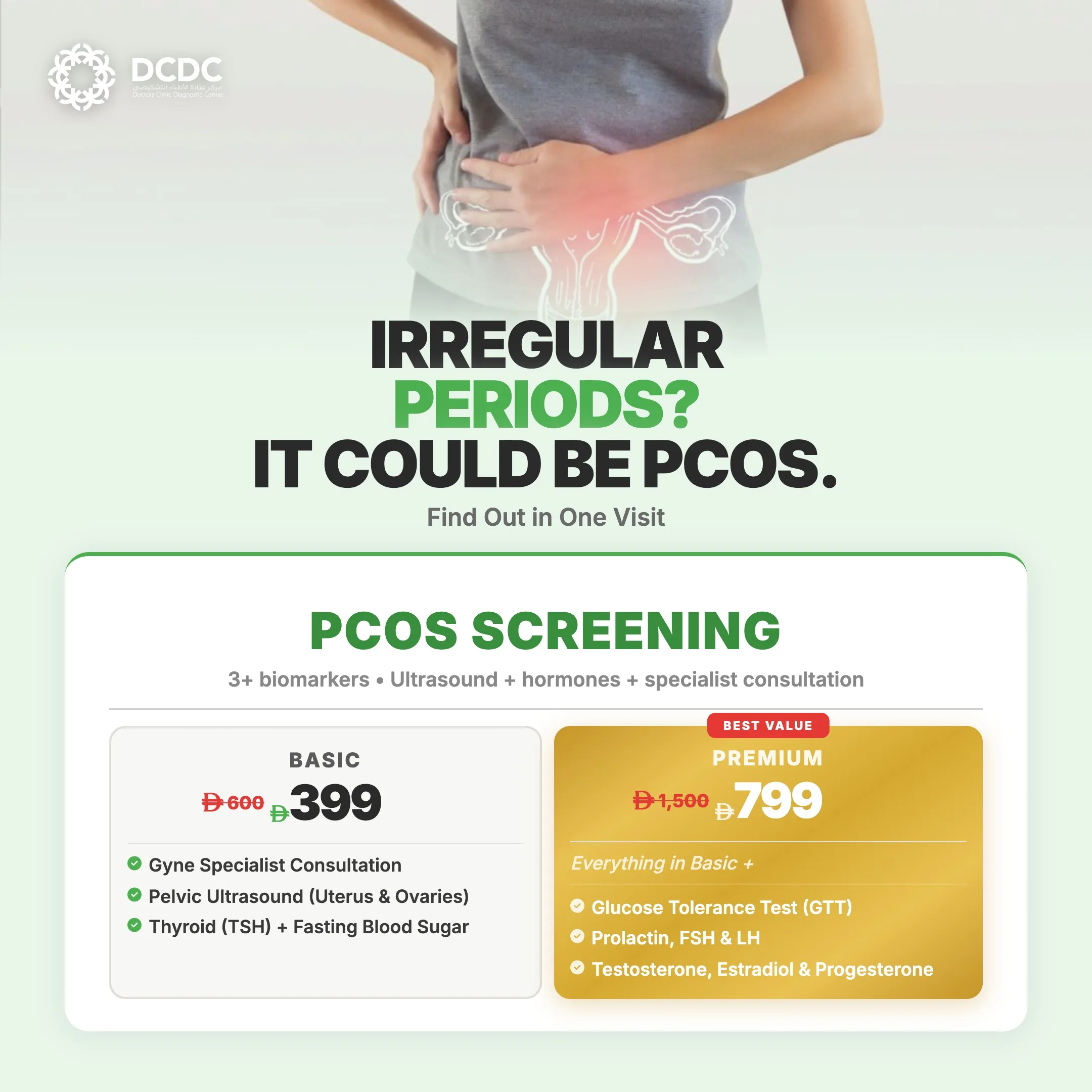
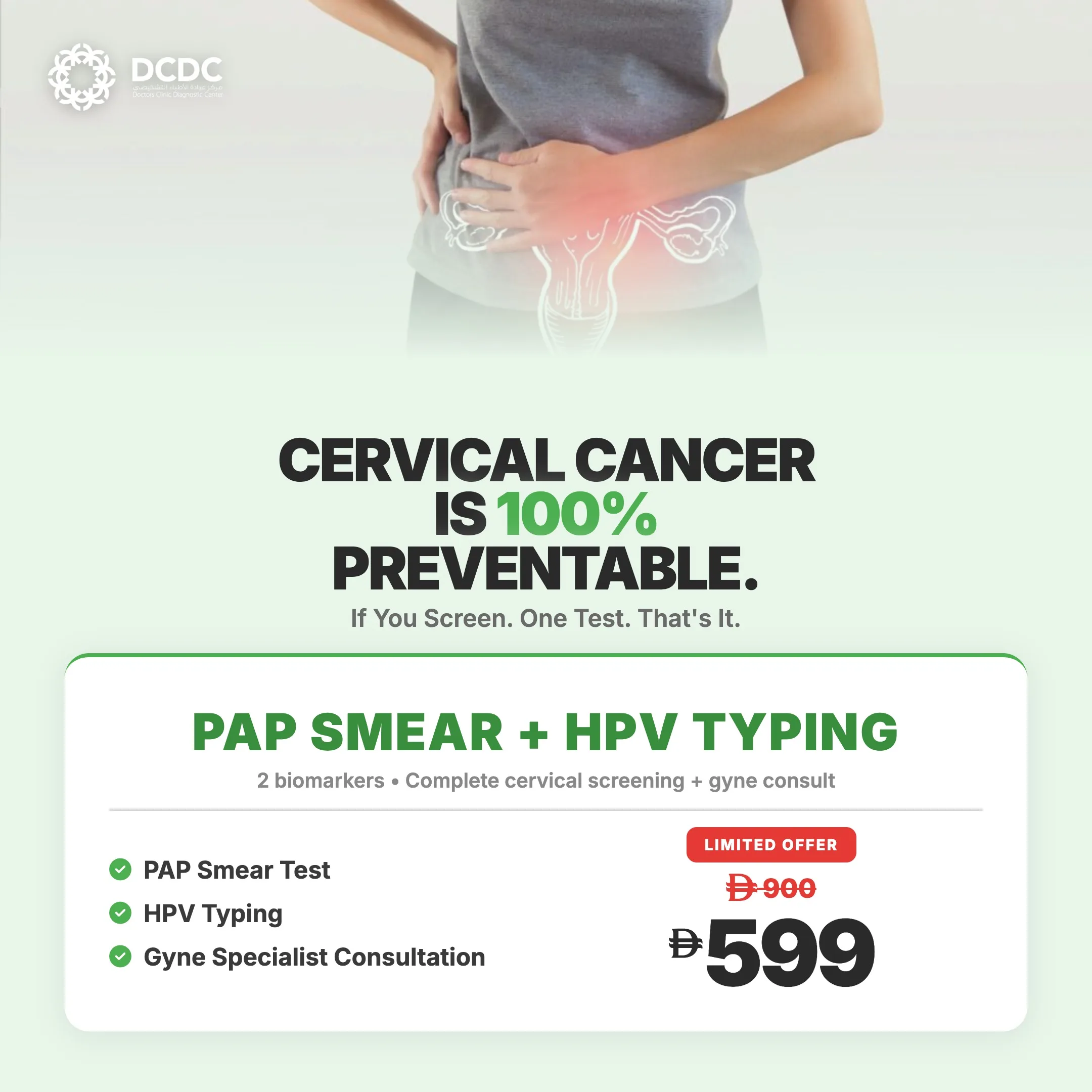
Health Screening Packages
Save with our bundled screening packages — specialist consultation included



آپ کو مینوپاز ماہر کی ضرورت کیوں ہے، صرف کسی بھی ڈاکٹر کی نہیں
مینوپاز جسم کے ہر عضو کے نظام کو متاثر کرتا ہے — دماغ اور ہڈیوں سے لے کر دل اور میٹابولزم تک۔ پھر بھی اسے طبی تربیت میں نمایاں طور پر کم توجہ ملتی ہے۔ 2021 میں Menopause جرنل میں شائع سروے میں پتا چلا کہ 80% میڈیکل ریزیڈنٹس مینوپاز مینجمنٹ پر بات کرنے میں "بمشکل آرام دہ" محسوس کرتے تھے۔
نتیجہ یہ ہے کہ دبئی میں بہت سی خواتین کو "انتظار کرنے" کو کہا جاتا ہے، HRT کی بجائے اینٹی ڈپریسنٹس دیے جاتے ہیں، یا 2002 WHI مطالعے کی غلط تشریحات کی بنیاد پر پرانی معلومات دی جاتی ہیں۔ ایک مینوپاز ماہر تازہ ترین شواہد کے ساتھ اپ ڈیٹ رہتا ہے۔
جنرل پریکٹشنر اور مینوپاز ماہر میں فرق
| پہلو | جنرل پریکٹشنر | مینوپاز ماہر |
|---|---|---|
| مینوپاز تربیت | محدود (عمومی نصاب کا حصہ) | وسیع — مخصوص کورسز، سرٹیفیکیشنز، کانفرنسز |
| HRT علم | 1-2 فارمولیشنز جان سکتے ہیں | تمام فارمولیشنز، ڈیلیوری طریقے اور خوراک کی باریکیاں جانتے ہیں |
| پہلا طریقہ | "انتظار کریں" یا اینٹی ڈپریسنٹس تجویز کر سکتے ہیں | اپنی مرضی کے مطابق علاج کے منصوبے کے ساتھ جامع علامات کا جائزہ |
| مشاورت کا دورانیہ | عام طور پر 10-15 منٹ | ابتدائی جائزے کے لیے 30-60 منٹ |
| مسلسل نگرانی | سالانہ چیک اپ | 3، 6 اور 12 ماہ پر باقاعدہ جائزے اور خوراک کی ایڈجسٹمنٹ |
| ہڈی اور دل کا خطرہ | ریفر کر سکتے ہیں | DEXA اور کارڈیو ویسکولر اسکریننگ کے ساتھ مربوط جائزہ |
جنرل پریکٹشنر کے دورے اور مینوپاز ماہر کے مشورے میں اہم فرق۔
دبئی میں مینوپاز ڈاکٹر میں کیا دیکھیں
دبئی میں سینکڑوں کلینکس میں 4,000 سے زائد لائسنس یافتہ ڈاکٹرز ہیں۔ صحیح مینوپاز ماہر تلاش کرنے کے لیے عمومی "ماہر امراض نسواں" کے عنوان سے آگے دیکھنا ضروری ہے۔
قابلیتیں اور سرٹیفیکیشنز
- BMS (برٹش مینوپاز سوسائٹی) سرٹیفیکیشن: مینوپاز تعلیم میں گولڈ اسٹینڈرڈ
- IMS (انٹرنیشنل مینوپاز سوسائٹی) رکنیت: جدید عالمی تحقیق کے ساتھ مسلسل مشغولیت
- NAMS (نارتھ امریکن مینوپاز سوسائٹی) سرٹیفیکیشن: NCMP اسناد کے لیے جامع امتحان پاس کرنا ضروری
- امراض نسواں و زچگی میں فیلوشپ: FRCOG، FACOG یا مساوی
- ریپروڈکٹو اینڈوکرائنولوجی میں ذیلی تخصص: ہارمونل طب میں گہری مہارت
- فعال CME (مسلسل طبی تعلیم): مینوپاز کانفرنسز میں باقاعدہ شرکت
طریقہ اور علاج کا فلسفہ
- مسترد کیے بغیر سنتا ہے: آپ کی علامات کو سنجیدگی سے لیتا ہے
- متعدد علاج کے اختیارات فراہم کرتا ہے: صرف HRT یا صرف "قدرتی" طریقے نہیں تھوپتا
- خطرات اور فوائد واضح طور پر بیان کرتا ہے: موجودہ ڈیٹا استعمال کرتا ہے
- نگرانی اور ایڈجسٹمنٹ کرتا ہے: سمجھتا ہے کہ مینوپاز مینجمنٹ ایک جاری عمل ہے
- آپ کی مجموعی صحت پر غور کرتا ہے: ہڈیوں کی کثافت، دل کا خطرہ، ذہنی صحت، جنسی صحت
- آپ کی ترجیحات کا احترام کرتا ہے: غیر ہارمونل متبادلات کی حمایت کرتا ہے
دبئی میں عملی تحفظات
- DHA لائسنسنگ: یقینی بنائیں کہ آپ کے ڈاکٹر کے پاس دبئی ہیلتھ اتھارٹی کا لائسنس ہے
- انشورنس قبولیت: بکنگ سے پہلے تصدیق کریں
- اندرونی ٹیسٹنگ سہولیات: آن سائٹ لیب والے کلینکس وقت بچاتے ہیں
- مقام اور رسائی: دبئی ہیلتھ کیئر سٹی شہر کے بہترین ماہرین کا مرکز ہے
- انتظار کا وقت: 1-2 ہفتوں میں اپائنٹمنٹ ملنی چاہیے
- زبان کی مدد: آپ کی ترجیحی زبان میں مشاورت ہونی چاہیے
DCDC میں مینوپاز مشاورت بک کریں
ڈاکٹرز کلینک ڈائگنوسٹک سینٹر میں ہمارے DHA لائسنس یافتہ ماہرین اندرونی لیب اور DEXA اسکیننگ کے ساتھ جامع مینوپاز جائزے فراہم کرتے ہیں۔ اپنی اپائنٹمنٹ بک کریں — اسی ہفتے دستیابی۔
اپنے مینوپاز ڈاکٹر سے پوچھنے کے 10 سوالات
صحیح سوالات کے ساتھ اپنے پہلے مشورے میں جانا آپ کو کنٹرول میں رکھتا ہے:
- "مینوپاز مینجمنٹ میں آپ کی کیا مخصوص تربیت ہے؟" — ماہر خوشی سے اپنی قابلیتیں بتائے گا۔ مبہم جوابات خطرے کی علامت ہے۔
- "آپ ہر ہفتے کتنی مینوپاز مریضات دیکھتے ہیں؟" — تعداد اہم ہے۔
- "HRT کے علاوہ میرے علاج کے اختیارات کیا ہیں؟" — جامع ماہر غیر ہارمونل ادویات اور CBT جانتا ہے۔
- "آپ کون سی HRT فارمولیشنز اور ڈیلیوری طریقے تجویز کرتے ہیں؟" — صرف زبانی گولیوں کا جواب پرانا ہو سکتا ہے۔
- "آپ دل اور ہڈیوں کے خطرے کا جائزہ کیسے لیتے ہیں؟"
- "فالو اپ اپائنٹمنٹس کتنی بار ہوں گی؟" — 3 ماہ پر جائزہ، پھر ہر 6-12 ماہ۔
- "کیا آپ اندرونی ہارمون ٹیسٹنگ فراہم کرتے ہیں؟"
- "پیری مینوپاز کے بارے میں آپ کا طریقہ کیا ہے؟"
- "کیا آپ غیر ویسوموٹر علامات میں مدد کر سکتے ہیں؟"
- "آج کے مشورے سے مجھے کیا توقع رکھنی چاہیے؟"
پہلے مینوپاز مشورے میں کیا ہوتا ہے
کیا توقع رکھنی ہے یہ جاننا فکر دور کرتا ہے۔ مکمل پہلا مشورہ عام طور پر 30-60 منٹ کا ہوتا ہے۔
اپائنٹمنٹ سے پہلے: کیسے تیاری کریں
- 2-4 ہفتے تک اپنی علامات ٹریک کریں: علامات، تعدد اور شدت نوٹ کریں
- موجودہ تمام ادویات کی فہرست: سپلیمنٹس اور وٹامنز سمیت
- خاندانی طبی تاریخ جمع کریں: خاص طور پر بریسٹ کینسر، آسٹیوپوروسس، دل کی بیماری
- علامات کب شروع ہوئیں نوٹ کریں: ممکنہ حد تک مخصوص ہوں
- اپنے سوالات لکھیں: اوپر کی فہرست ساتھ لے جائیں
- پچھلے ٹیسٹ کے نتائج لے جائیں: خون کے ٹیسٹ، امیجنگ یا ماہر رپورٹس
مشورے کے دوران: آپ کے ڈاکٹر کیا جائزہ لیں گے
- ماہواری کی تاریخ: آخری پیریڈ، سائیکل تبدیلیاں
- علامات کی شدت کا اسکور: مینوپاز ریٹنگ اسکیل جیسے ٹولز
- طبی تاریخ کا جائزہ: پچھلی حالتیں، سرجریاں، خاندانی تاریخ
- ادویات کا جائزہ: موجودہ ادویات اور سپلیمنٹس
- طرز زندگی کا جائزہ: ورزش، خوراک، نیند، تناؤ
- ذہنی صحت کی جانچ: بے چینی، ڈپریشن، مزاج میں تبدیلیاں
- جنسی صحت کی بات چیت: اندام نہانی کی خشکی، درد
- جسمانی معائنہ: بلڈ پریشر، وزن، BMI
ٹیسٹ جو آپ کے مینوپاز ڈاکٹر تجویز کر سکتے ہیں
| ٹیسٹ | مقصد | DCDC میں دستیاب |
|---|---|---|
| FSH | بلند سطح مینوپاز کی حالت کی تصدیق میں مدد کرتی ہے | ہاں — اسی دن نتائج |
| ایسٹراڈیول (E2) | ایسٹروجن کی سطح ناپتا ہے | ہاں — اسی دن نتائج |
| پروجیسٹرون | پیری مینوپاز میں بیضہ دانی کی حالت | ہاں — اسی دن نتائج |
| تھائرائیڈ پینل (TSH, T3, T4) | تھائرائیڈ کا مسئلہ مینوپاز کی علامات کی نقل کرتا ہے | ہاں — اسی دن نتائج |
| وٹامن D | دبئی میں کمی بہت عام ہے | ہاں — اسی دن نتائج |
| لپڈ پروفائل | مینوپاز LDL کولیسٹرول بڑھاتا ہے | ہاں — اسی دن نتائج |
| HbA1c اور فاسٹنگ گلوکوز | انسولین ریزسٹنس اور ذیابیطس کے خطرے کی جانچ | ہاں — اسی دن نتائج |
| بون پروفائل | ہڈیوں کی صحت کی نگرانی کے لیے بیس لائن | ہاں — اسی دن نتائج |
| DEXA بون ڈینسٹی اسکین | آسٹیوپوروسس کے خطرے کی تشخیص کا گولڈ اسٹینڈرڈ | ہاں — آن سائٹ DEXA اسکینر |
| پیلوک الٹراساؤنڈ | بچہ دانی اور بیضہ دانی کی صحت — HRT سے پہلے اہم | ہاں — آن سائٹ امیجنگ |
مینوپاز مشورے میں عام ٹیسٹ۔ DCDC میں تمام لیب اور امیجنگ ٹیسٹ اندرونی طور پر دستیاب ہیں۔
دبئی میں مینوپاز ماہرین کی اقسام
| ماہر کی قسم | بہترین کس کے لیے | عام طریقہ |
|---|---|---|
| مینوپاز تربیت یافتہ ماہر امراض نسواں | زیادہ تر خواتین — پہلی لائن کی دیکھ بھال | HRT، غیر ہارمونل اختیارات، اسکریننگ اور مسلسل نگرانی سمیت جامع انتظام |
| ریپروڈکٹو اینڈوکرائنولوجسٹ | پیچیدہ ہارمونل کیسز، قبل از وقت مینوپاز | ہارمون مرکوز طریقہ |
| اینڈوکرائنولوجسٹ | تھائرائیڈ، ذیابیطس کی پیچیدگیوں کے ساتھ مینوپاز | ہارمون اور میٹابولک مینجمنٹ |
| جنرل پریکٹشنر | ہلکی علامات، ابتدائی جائزہ | بنیادی علاج شروع کر سکتے ہیں؛ پیچیدہ کیسز ریفر کریں |
| فنکشنل میڈیسن پریکٹشنر | انٹیگریٹو طریقے پسند کرنے والی خواتین | روایتی طب کو غذائیت اور طرز زندگی کے ساتھ ملاتا ہے |
دبئی میں زیادہ تر خواتین کے لیے مخصوص مینوپاز تربیت والے ماہر امراض نسواں بہترین انتخاب ہیں۔
اس ہفتے مینوپاز ماہر سے ملیں
DCDC دبئی ہیلتھ کیئر سٹی HRT اور پیری مینوپاز مینجمنٹ میں تجربہ کار DHA لائسنس یافتہ ماہرین کے ساتھ اسی ہفتے مینوپاز مشاورت فراہم کرتا ہے۔ ہم سے رابطہ کریں یا واٹس ایپ پر پیغام بھیجیں۔
خطرے کی علامات: دوسری رائے کب لیں
ہر مشاورت اچھی نہیں ہوتی۔ خطرے کی علامات کو جلد پہچاننا مہینوں کی ناکافی دیکھ بھال سے بچا سکتا ہے:
- آپ کی علامات کو "صرف عمر بڑھنا" یا "نارمل" کہہ کر مسترد کرتا ہے: مینوپاز قدرتی ہے لیکن پریشان کن علامات قبول کرنے کی چیز نہیں۔
- واضح طبی وجہ کے بغیر HRT پر بات سے انکار کرتا ہے: پرانے علم کی وجہ سے ہو سکتا ہے۔
- صرف اینٹی ڈپریسنٹس پہلی لائن علاج کے طور پر دیتا ہے: بنیادی ہارمونل وجہ کو حل کیے بغیر۔
- ہارمون ٹیسٹ یا بنیادی جانچ تجویز نہیں کرتا: خون کے ٹیسٹ کے بغیر مشاورت نامکمل ہے۔
- 15 منٹ سے کم میں مشاورت مکمل کرتا ہے: مکمل پہلا جائزہ کم از کم 30 منٹ لیتا ہے۔
- فالو اپ میں دلچسپی نہیں دکھاتا: "بگڑے تو آئیں" انتظامی منصوبہ نہیں ہے۔
- موجودہ HRT رہنما اصولوں سے ناواقف ہے: WHI 2002 کا حوالہ دشکوں کے دوبارہ تجزیے کو تسلیم کیے بغیر۔
دبئی میں مینوپاز مشاورت کی لاگت
| سروس | عام لاگت (درہم) | نوٹس |
|---|---|---|
| ابتدائی مینوپاز مشاورت | 300-600 | ماہر امراض نسواں، 30-60 منٹ |
| فالو اپ مشاورت | 200-400 | جائزہ اپائنٹمنٹ، 15-30 منٹ |
| ہارمون بلڈ پینل | 500-1,200 | FSH، ایسٹراڈیول، پروجیسٹرون، تھائرائیڈ |
| DEXA بون ڈینسٹی اسکین | 400-800 | تمام مینوپاز خواتین کے لیے تجویز کردہ |
| پیلوک الٹراساؤنڈ | 400-800 | HRT سے پہلے بنیادی جائزہ |
| HRT نسخہ (ماہانہ) | 150-400 | قسم کے مطابق مختلف |
| جامع مینوپاز پیکج | 650-1,800 | کچھ کلینکس بنڈلڈ مشاورت + ٹیسٹ پیش کرتے ہیں |
قیمتیں تخمینی ہیں۔ زیادہ تر دبئی انشورنس پلانز ماہر مشاورت اور ڈائگنوسٹک ٹیسٹ کور کرتے ہیں۔
زیادہ تر بڑی دبئی انشورنس کمپنیاں — بشمول Daman، Oman Insurance، AXA، Cigna، MetLife اور Dubai Insurance — ماہر امراض نسواں مشاورت کور کرتی ہیں۔ HRT ادویات عام طور پر فارمیسی فوائد کے تحت کور ہوتی ہیں۔
DCDC دبئی ہیلتھ کیئر سٹی میں مینوپاز کی دیکھ بھال
ڈاکٹرز کلینک ڈائگنوسٹک سینٹر (DCDC) میں ہمارا مینوپاز مینجمنٹ کا طریقہ جامع، شواہد پر مبنی اور مریض مرکوز ہے:
- DHA لائسنس یافتہ ماہر امراض نسواں — ہماری ٹیم سے ملیں
- اندرونی لیبارٹری — زیادہ تر نتائج اسی دن
- آن سائٹ DEXA اسکینر
- آن سائٹ کارڈیالوجی ڈیپارٹمنٹ
- اسی ہفتے اپائنٹمنٹ کی دستیابی
- ذاتی علاج کے منصوبے
- کثیر زبانی مشاورتیں — انگریزی، عربی، فارسی، اردو، ہندی اور دیگر زبانیں
- دیکھ بھال کا تسلسل — ایک ہی ڈاکٹر آپ کے سفر کی پیروی کرتا ہے
دبئی میں مینوپاز اپائنٹمنٹ کیسے بک کریں
DCDC میں مشاورت بک کرنا آسان ہے۔ GP ریفرل کی ضرورت نہیں:
- فون: +971 56 403 3528 پر کال کریں
- واٹس ایپ: +971 56 403 3528 پر پیغام بھیجیں
- واک ان: دبئی ہیلتھ کیئر سٹی، بلڈنگ 64، گراؤنڈ فلور
- آن لائن: ہماری ویب سائٹ سے رابطہ کریں
کیا لائیں: ایمریٹس ID یا پاسپورٹ، انشورنس کارڈ (اگر ہو)، پچھلے ٹیسٹ کے نتائج، ادویات کی فہرست اور علامات کی ڈائری۔
پہلا قدم اٹھائیں — آج اپنی مینوپاز مشاورت بک کریں
آپ کو مینوپاز اکیلے نہیں گزارنا ہے۔ ڈاکٹرز کلینک ڈائگنوسٹک سینٹر میں ہمارے تجربہ کار ماہرین آپ کے لیے ذاتی، شواہد پر مبنی مینوپاز کی دیکھ بھال فراہم کرتے ہیں۔ آج ہم سے رابطہ کریں۔
DCDC میں متعلقہ خدمات
دبئی ہیلتھ کیئر سٹی میں ماہرانہ دیکھ بھال اور جدید تشخیص
Frequently Asked Questions
صحیح مینوپاز ڈاکٹر کا انتخاب سب کچھ بدل دیتا ہے
صحیح مینوپاز ماہر صرف دوا نہیں لکھتا — وہ سنتا ہے، تعلیم دیتا ہے اور آپ کو اس منتقلی کو اعتماد سے گزارنے کے قابل بناتا ہے۔ اگر آپ کا موجودہ ڈاکٹر آپ کی علامات کو مسترد کر رہا ہے، تو آپ بہتر کی مستحق ہیں۔
ڈاکٹرز کلینک ڈائگنوسٹک سینٹر میں ہماری مینوپاز مینجمنٹ ٹیم تازہ ترین شواہد پر مبنی جامع، ہمدردانہ دیکھ بھال فراہم کرتی ہے۔ آج اپنی مشاورت بک کریں۔
ذرائع اور حوالہ جات
یہ مضمون ہماری طبی ٹیم نے جائزہ لیا ہے اور درج ذیل ذرائع کا حوالہ دیتا ہے:
- برٹش مینوپاز سوسائٹی — ماہر تلاش کریں اور BMS سرٹیفیکیشن پروگرام
- NICE رہنما اصول — مینوپاز: تشخیص اور انتظام (NG23، اپ ڈیٹ 2024)
- دبئی ہیلتھ اتھارٹی — لائسنس یافتہ ہیلتھ کیئر پروفیشنلز ڈائریکٹری
- انٹرنیشنل مینوپاز سوسائٹی — کلینیکل کیئر کی سفارشات
- Menopause جرنل — مینوپاز تربیت میں طبی تعلیم کے فرق (2021 سروے)
- نارتھ امریکن مینوپاز سوسائٹی (NAMS) — NCMP سرٹیفیکیشن معیارات
اس سائٹ پر طبی مواد کا جائزہ DHA لائسنس یافتہ ڈاکٹرز نے لیا ہے۔ ہماری دیکھیں تحریری پالیسی مزید معلومات کے لیے۔

تحریر
Dr. Parisa Dini
مشاور ماہر امراض نسواں و زچگی
ایم ڈی، مشاور ماہر امراض نسواں و زچگی
ڈاکٹر پریسا دینی DCDC دبئی ہیلتھ کیئر سٹی میں مشاور ماہر امراض نسواں و زچگی ہیں جنہیں مینوپاز مینجمنٹ، ہارمون ریپلیسمنٹ تھراپی، پیری مینوپاز کی دیکھ بھال اور خواتین کی احتیاطی صحت میں وسیع تجربہ ہے۔
متعلقہ مضامین

دبئی میں مینوپاز کا علاج: HRT، علامات اور انتظام
خواتین کی صحت کی اسکریننگ گائیڈ
DXA اسکین: بون ڈینسٹی ٹیسٹ گائیڈ
دبئی میں پیپ سمیئر ٹیسٹ: آپ کو کیا جاننا چاہیے
More in Women's Health

Perimenopause vs Menopause Dubai: Signs (2026)
مزید پڑھیں
Mother & Baby Home Care Dubai: Guide (2026)
مزید پڑھیں
Gestational Diabetes Dubai: Screening (2026)
مزید پڑھیں
Mammogram Preparation Dubai: What to Expect (2026)
مزید پڑھیں
CA-125 Test Dubai: Ovarian Cancer Marker (2026)
مزید پڑھیںMammogram vs Breast Ultrasound Dubai (2026)
مزید پڑھیں© 2026 Doctors Clinic Diagnostic Center (DCDC), Dubai Healthcare City. Originally published at https://doctorsclinicdubai.ae/blog/best-menopause-doctor-dubai. All rights reserved. Unauthorized reproduction is prohibited.