

Запишитесь на приём
Проверенные отзывы пациентов о диагностическом центре DCDC в Дубае
Проверенные отзывы и реальные истории пациентов из Медицинского города Дубая
Я очень довольна этой медицинской клиникой. Здесь я прошла первый скрининг беременности. Это было доступно и очень профессионально. Рентгенолог был приветливым, добрым и сделал опыт отличным.
Айжан Токманбетова
Повредила колено в пятницу вечером и получила запись на МРТ в воскресенье вечером (забронировала в воскресенье днём). Ждала около 2 минут и закончила чуть более чем за 30 минут. Команда была потрясающей, дружелюбной и эффективной.
Кирстен Эванс
Команда доктора Осамы была нежной и потрясающей. После плохого опыта в другом месте, мой гинекологический осмотр здесь был намного профессиональнее. Отличный отчёт и очень точный.
Мэри




Лечение Гипертензии в Дубае: Управление Высоким Давлением и Помощь при Резистентной Гипертензии
Почечная Связь

Почечный Фокус
Выявление почечных причин высокого АД
Защита Почек
Безопасность лекарств и контроль протеинурии
Помощь в Тот Же День
Консультации в тот же день при наличии; 24ч мониторинг при необходимости
Высокое артериальное давление и здоровье почек тесно связаны. Высокое АД может повредить почки, а болезни почек могут вызвать высокое АД. Разрыв этого цикла защищает и сердце, и почки. Наше лечение гипертензии предоставляет комплексные услуги по управлению высоким артериальным давлением и помощь при резистентной гипертензии.
В нашей клинике гипертензии в Дубае мы специализируемся на ренальной гипертензии и резистентном высоком давлении. Мы проверяем почечные причины, корректируем лекарства для безопасности почек и используем 24-часовой мониторинг при необходимости в нашем учреждении в Dubai Healthcare City.
Расположенная рядом с Уд Мета в Умм Хурайр 2, мы предлагаем нефрологические приемы в тот же день при наличии мест. Количество мест ограничено, бронируйте заранее. Наша цель — контролировать АД, защитить почки и снизить ваш долгосрочный сердечно-сосудистый риск.
Почечный Фокус
Выявление почечных причин высокого АД
Защита Почек
Безопасность лекарств и контроль протеинурии
Помощь в Тот Же День
Консультации в тот же день при наличии; 24ч мониторинг при необходимости
Лечение Гипертензии в Дубае: Управление Высоким Давлением и Помощь при Резистентной Гипертензии
Почечная Связь
Высокое артериальное давление и здоровье почек тесно связаны. Высокое АД может повредить почки, а болезни почек могут вызвать высокое АД. Разрыв этого цикла защищает и сердце, и почки. Наше лечение гипертензии предоставляет комплексные услуги по управлению высоким артериальным давлением и помощь при резистентной гипертензии.
В нашей клинике гипертензии в Дубае мы специализируемся на ренальной гипертензии и резистентном высоком давлении. Мы проверяем почечные причины, корректируем лекарства для безопасности почек и используем 24-часовой мониторинг при необходимости в нашем учреждении в Dubai Healthcare City.
Расположенная рядом с Уд Мета в Умм Хурайр 2, мы предлагаем нефрологические приемы в тот же день при наличии мест. Количество мест ограничено, бронируйте заранее. Наша цель — контролировать АД, защитить почки и снизить ваш долгосрочный сердечно-сосудистый риск.
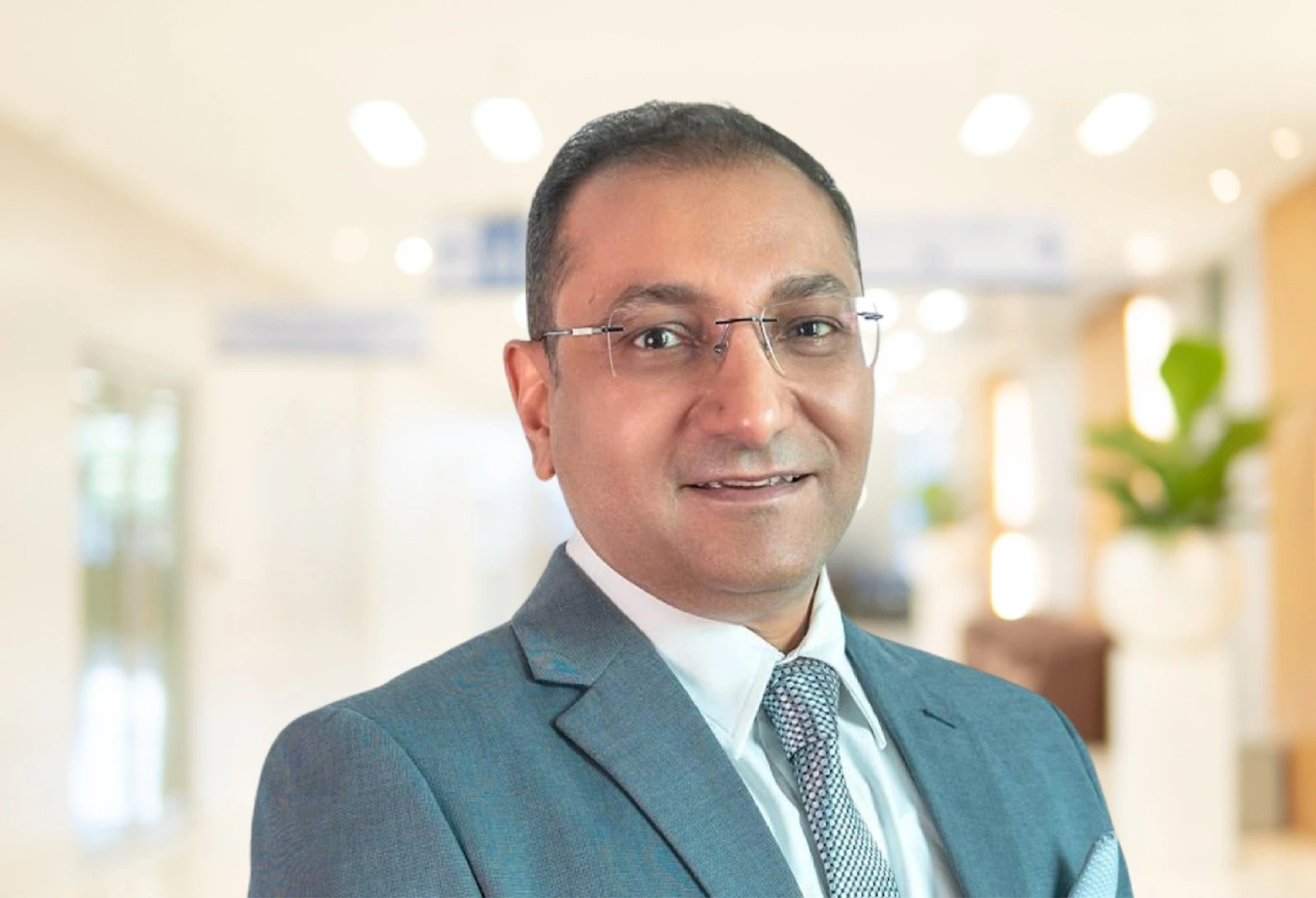
Dr. Manish Tripathi
Наши услуги
Комплексные услуги лечение почечной гипертензии в DCDC Dubai Healthcare City.



Все услуги выполняются специалистами с лицензией DHA
Кому рекомендуется Лечение Почечной Гипертензии?
Обратитесь к нефрологу, если ваше давление трудно контролировать или есть проблемы с почками.
Высокое АД с известным заболеванием почек
Давление не контролируется 3+ препаратами
Белок в моче
Начало высокого АД в молодом возрасте (<30)
Внезапное ухудшение давления
Диабет и высокое артериальное давление
Почему Выбирают DCDC для Лечения Ренальной Гипертензии?
Нефрологическая клиника с лицензией MOHAP в Dubai Healthcare City с экспертизой по резистентному АД, скринингом почечных артерий и безопасностью лекарств. Запись в тот же день при наличии; ограниченная вместимость.
Лицензия MOHAP
Лицензированное учреждение в DHCC (лицензия MOHAP NIMY7VY5-240925) со строгими стандартами безопасности.
Специалисты по Ренальному АД
Нефрологи, специализирующиеся на почечной и резистентной гипертензии.
Доступ в Тот Же День
Записи в тот же день часто доступны; срочные случаи АД в приоритете.
Безопасность Лекарств
Безопасные для почек комбинации и контроль протеинурии.
Комплексный Мониторинг
24ч мониторинг АД, анализы и скрининг почечных артерий при необходимости.
Расположение в DHCC
Здание 64, Блок А, Dubai Healthcare City с удобным доступом и парковкой.
Ваш комфортный визит
Простой пошаговый процесс Лечение сканирования, разработанный для комфорта, скорости и точности.
Стоимость Консультации
Стоимость Лечение в Дубае зависит от типа услуги и страхового покрытия для различные виды услуг.
- Цены варьируются в зависимости от типа сканирования и необходимости контраста
- Страховое покрытие принимается при наличии направления и подтверждения
- Прозрачные тарифы при самостоятельной оплате с мгновенным расчётом по запросу
Проверка страховки за минуты • Без скрытых платежей • Быстрый ответ в WhatsApp
Руководство для пациента
Что Ожидать Во Время Визита по Гипертензии
Почечно-ориентированная оценка АД с мониторингом, безопасностью лекарств и четкими целями.
Страхование и местоположение
Страховые партнёры
- •Более 20 страховых компаний в Дубае включая Daman, AXA, ADNIC и другие
- •Поддержка предварительного одобрения и прямой расчёт (при наличии)
- •Проверка покрытия перед вашим визитом в нашу клинику в Dubai Healthcare City
- •Прозрачные цены без скрытых платежей за услуги лечение почечной гипертензии





Посетите нас в Медицинском городе Дубая
Докторс Клиник Диагностик Центр
Здание 64, Блок A, Медицинский комплекс Аль-Рази, Медицинский город Дубая, Дубай, ОАЭ
Рядом с улицей Уд-Мета · Удобный доступ из Бур-Дубая, центра Дубая, Бизнес-Бей · Бесплатная выделенная парковка
Часы работы
Пн-Чт, Сб: 8:00 - 22:30 | Вс: 8:30 - 22:30 | Пт: 9:00 - 22:00
Как работает страхование в DCDC
Проверьте покрытие
Убедитесь, что ваш план покрывает Лечение Почечной Гипертензии
Получите направление
Некоторые страховщики требуют направление от терапевта — мы поможем
Предварительное одобрение
Мы оформляем предварительное одобрение напрямую с вашей страховой
Прямой расчёт
Без предоплаты — мы выставляем счёт напрямую вашей страховой
Только доплата
Вы оплачиваете только применимую доплату в клинике
Проверьте покрытие
Убедитесь, что ваш план покрывает Лечение Почечной Гипертензии
Получите направление
Некоторые страховщики требуют направление от терапевта — мы поможем
Предварительное одобрение
Мы оформляем предварительное одобрение напрямую с вашей страховой
Прямой расчёт
Без предоплаты — мы выставляем счёт напрямую вашей страховой
Только доплата
Вы оплачиваете только применимую доплату в клинике
Your Specialist
Dr. Manish Tripathi
Specialist Nephrologist
MD, Specialist Nephrologist
English · Hindi
Руководство для пациента
Почечная гипертония: связь почек и артериального давления
Связь между гипертонией и болезнью почек — одна из важнейших в медицине, создающая опасный цикл, при котором каждое состояние усугубляет другое. Высокое артериальное давление повреждает почки, снижая их способность фильтровать отходы и регулировать жидкость; в свою очередь, повреждённые почки удерживают натрий и воду, повышая объём крови и артериальное давление.
Гипертония классифицируется как эссенциальная (первичная) или вторичная. Эссенциальная гипертония, составляющая около 90–95% случаев, развивается постепенно в течение лет в результате сочетания генетической предрасположенности, алиментарных факторов (особенно потребления натрия), ожирения, гиподинамии и старения. Вторичная гипертония вызвана выявляемым основным заболеванием, наиболее частым из которых является болезнь почек. Другие вторичные причины — стеноз почечной артерии, первичный гиперальдостеронизм, феохромоцитома, заболевания щитовидной железы и апноэ во сне. Выявление и лечение вторичных причин может кардинально улучшить контроль артериального давления.
Лечение почечной гипертонии требует комплексного подхода, сочетающего коррекцию образа жизни, целенаправленные препараты и постоянный мониторинг. Препараты первой линии — ингибиторы АПФ и БРА, которые не только снижают артериальное давление, но и защищают почки, уменьшая протеинурию и внутриклубочковое давление. Диуретики необходимы для управления задержкой жидкости, сопровождающей болезнь почек. При необходимости добавляются блокаторы кальциевых каналов, бета-блокаторы и антагонисты альдостерона. Ингибиторы НГЛТ-2 стали важными ренопротекторными агентами с гипотензивным эффектом. Выбор медикаментов должен учитывать функцию почек, электролитный баланс и возможные взаимодействия, что требует нефрологической экспертизы.
Мониторинг артериального давления у пациентов с болезнью почек выходит за рамки периодических офисных измерений. Домашний контроль АД с помощью валидированного прибора обеспечивает более точные суточные данные и улучшает приверженность лечению. Суточный амбулаторный мониторинг АД выявляет важные паттерны, включая ночное non-dipping (отсутствие снижения АД во время сна), характерное для болезни почек и связанное с повышенным сердечно-сосудистым риском. Регулярный лабораторный мониторинг функции почек, протеинурии, электролитов и уровней препаратов обеспечивает безопасность и эффективность лечения. Целевое АД для пациентов с болезнью почек, как правило, ниже 130/80 мм рт. ст., с индивидуализацией в зависимости от возраста, протеинурии и общего профиля риска.
Гипертония-связанные состояния, которые мы лечим
Эссенциальная гипертония с ХБП
Оптимизация артериального давления у пациентов с хронической болезнью почек с использованием ренопротекторных препаратов и мониторинга.
Резистентная гипертония
Обследование и лечение неконтролируемого артериального давления на фоне трёх и более препаратов, включая скрининг на вторичные причины.
Стеноз почечной артерии
Скрининг и лечение сужения почечных артерий, вызывающего реноваскулярную гипертонию, с помощью допплерографии и ангиографии.
Гипертоническая нефросклероз
Лечение повреждения почек, вызванного длительным высоким артериальным давлением, с целевым контролем АД и мониторингом.
Первичный гиперальдостеронизм
Скрининг и лечение избыточной выработки альдостерона, вызывающей гипертонию и дисбаланс калия.
Диабетическая гипертония
Скоординированное лечение сочетанного диабета и гипертонии с препаратами, защищающими почки и сердце.
Связанные статьи
Hypertension: The Silent Killer in Dubai
Understanding why high blood pressure is called the silent killer and how early detection saves lives.
Kidney Health Prevention Tips
Practical steps to protect your kidneys, including blood pressure management and lifestyle modifications.
Doppler Ultrasound: Assessing Blood Flow
How Doppler ultrasound evaluates blood flow in the kidneys and helps diagnose renal vascular conditions.
Diabetes Management in Dubai
Managing diabetes effectively to prevent hypertension and kidney damage through coordinated care.
Связанные услуги
Изучите другие диагностические и консультационные услуги, доступные в нашей клинике в Dubai Healthcare City.
Часто задаваемые вопросы
Часто задаваемые вопросы о Лечение Почечной Гипертензии в Дубае.
Высокое давление повреждает мелкие кровеносные сосуды в почках, снижая их способность фильтровать отходы. Это может привести к ХБП.
Это высокое артериальное давление, которое остается высоким, несмотря на прием трех различных препаратов. Это часто требует специализированного обследования.
Белок в моче (альбуминурия) — один из самых ранних признаков повреждения почек от высокого давления.
Нет, ваше АД нормальное *благодаря* лекарствам. Прекращение может вызвать опасный скачок. Всегда сначала консультируйтесь с врачом.
Это сужение артерий, питающих почки, которое может вызвать тяжелую гипертензию. Мы можем провести скрининг на это состояние.
Ключевые факты
Медицинский контроль
Все услуги предоставляются под наблюдением лицензированных медицинских специалистов в нашем аккредитованном MOHAP учреждении.