Ключевые выводы
- Wisdom teeth removal in Dubai starts from AED 399 for a simple extraction, with surgical removal of impacted teeth costing AED 600-2,000 depending on complexity
- Up to 85% of adults need at least one wisdom tooth removed during their lifetime, with most wisdom teeth emerging between ages 17 and 25
- 72% of young adults have at least one impacted third molar, making impaction one of the most common dental conditions worldwide
- The procedure typically takes 20-60 minutes per tooth under local anaesthesia, with sedation options available for anxious patients or complex cases
- Most patients return to normal activities within 3-5 days, though complete bone healing takes 4-6 weeks
- Dry socket is the most common complication, with higher risk in smokers, women on oral contraceptives, and patients over age 30
If your dentist has recommended wisdom teeth removal, you are not alone. Wisdom teeth — the third molars at the back of your mouth — are the last teeth to develop and often cause problems because modern jaws simply do not have enough room for them. In Dubai, wisdom tooth extraction is one of the most commonly performed dental procedures, and at DCDC in Dubai Healthcare City, we offer same-day consultations, advanced imaging, and experienced oral surgery to make the process as smooth and painless as possible.
This comprehensive guide covers everything you need to know about wisdom teeth removal in Dubai in 2026: how to recognise the signs that your wisdom teeth need to come out, what happens during the procedure, how much it costs, what sedation options are available, and how to recover quickly with minimal discomfort. Whether you have one problematic wisdom tooth or need all four removed, this article will help you prepare with confidence.


What Are Wisdom Teeth and Why Do They Cause Problems?
Wisdom teeth are the third set of molars and the last permanent teeth to develop. They typically begin to emerge between the ages of 17 and 25 — an age range historically called the "age of wisdom," which is how they earned their name. Most adults develop four wisdom teeth (one in each corner of the mouth), though some people develop fewer or none at all.
The fundamental problem with wisdom teeth is evolutionary. Thousands of years ago, our ancestors had larger jaws and a coarser diet that wore down teeth faster, making room for a third set of molars. Modern humans eat softer, processed foods and have smaller jaws, which means there is often insufficient space for wisdom teeth to emerge properly. When a wisdom tooth cannot fully erupt through the gum line, it becomes impacted — trapped beneath bone, gum tissue, or both.
Research published in the National Institutes of Health indicates that approximately 72% of young adults have at least one impacted third molar. Even wisdom teeth that do fully erupt can cause problems because they sit so far back in the mouth that they are difficult to clean properly, making them highly susceptible to decay and gum disease. This is why up to 85% of adults will need at least one wisdom tooth removed at some point in their lives.
Signs You Need Wisdom Teeth Removal
Not all wisdom teeth cause obvious symptoms, which is why regular dental check-ups with X-rays are essential for monitoring their development. However, when wisdom teeth do cause problems, the signs are often unmistakable. You should see your dentist promptly if you experience any of the following:
- Pain at the back of the mouth: Persistent or recurring aching, throbbing, or sharp pain in the area behind your last visible molar. The pain may radiate to the ear, temple, or jaw on the affected side.
- Swollen, red, or tender gums: Inflammation of the gum tissue (pericoronitis) around a partially erupted wisdom tooth is one of the most common reasons for extraction. The gum flap over the tooth traps food and bacteria.
- Difficulty opening your mouth: Trismus (restricted jaw opening) can occur when infection or inflammation from a wisdom tooth spreads to the surrounding muscles.
- Bad breath or persistent bad taste: Bacteria accumulating around a partially erupted or decayed wisdom tooth produce a foul odour and taste that does not resolve with brushing.
- Swelling in the jaw or face: Visible swelling along the jawline or cheek, especially if accompanied by difficulty swallowing, may indicate infection spreading from a wisdom tooth.
- Crowding or shifting of other teeth: Pressure from erupting wisdom teeth can push adjacent teeth out of alignment, sometimes undoing previous orthodontic work.
- Repeated infection of the gum tissue: If pericoronitis (gum infection around the wisdom tooth) keeps recurring despite antibiotics and cleaning, extraction is usually the definitive solution.
- Cyst formation on X-ray: Your dentist may detect a cyst (fluid-filled sac) developing around an impacted wisdom tooth on a routine X-ray, which requires removal to prevent bone damage.
Even if you have no symptoms, your dentist may recommend removal if X-rays show that your wisdom teeth are positioned in a way that will likely cause problems in the future. Preventive (prophylactic) extraction is generally easier, faster, and has fewer complications when performed at a younger age before the roots fully develop and the surrounding bone becomes denser.
Types of Wisdom Tooth Impaction
The type of impaction determines the complexity of the extraction and directly influences the cost, surgical approach, and recovery time. Your dentist will classify the impaction based on the angle and depth of the tooth using an OPG (panoramic) X-ray or a CBCT 3D scan. There are four main types of wisdom tooth impaction:
- Mesioangular impaction (most common, ~44% of cases): The wisdom tooth is angled forward, tilting toward the second molar in front of it. This is the most frequently encountered type and often causes pressure and damage to the adjacent tooth. Mesioangular impactions are generally the most straightforward to extract surgically.
- Vertical impaction (~38% of cases): The wisdom tooth is oriented correctly (vertically) but remains partially or fully trapped beneath the gum or bone because there is simply not enough space for it to erupt. Vertical impactions may erupt on their own if given time, but they often need removal if they cause pericoronitis or are difficult to clean.
- Distoangular impaction (~6% of cases): The wisdom tooth is angled backward, away from the second molar. Despite being less common, distoangular impactions can be the most technically challenging to remove because the angle works against the natural extraction path. These cases may require more bone removal during surgery.
- Horizontal impaction (~3% of cases): The wisdom tooth lies completely on its side, perpendicular to the other teeth. Horizontal impactions almost always require surgical extraction with bone removal, as the tooth is fully embedded and often pressing directly against the roots of the second molar. These are the most complex cases.
In addition to the angle, impactions are classified by depth: soft tissue impaction (the tooth has passed through the bone but remains covered by gum tissue) and bony impaction (the tooth is still partially or fully encased in the jawbone). Full bony impactions require the most extensive surgery and have longer recovery times.
When Should Wisdom Teeth Be Removed?
Timing matters. The American Association of Oral and Maxillofacial Surgeons recommends evaluation of wisdom teeth by age 15-17, with extraction ideally performed in the late teens to early twenties. At this age, the wisdom tooth roots are not fully formed, the surrounding bone is less dense, and healing is faster — all of which reduce surgical difficulty and complication rates.
However, wisdom teeth can be safely removed at any age when problems arise. Older adults may require extraction when wisdom teeth develop decay, gum disease, or cysts decades after they first emerged. The procedure is still effective in older patients, though recovery may take slightly longer and the risk of certain complications (particularly dry socket and nerve proximity) increases with age.
The American Dental Association (ADA) recommends "active surveillance" for asymptomatic wisdom teeth that show no signs of pathology on X-rays. This means monitoring them with regular clinical examinations and periodic imaging rather than removing them automatically. However, active surveillance requires the patient to maintain consistent dental follow-up — if you are not seeing a dentist regularly, prophylactic removal may be the safer long-term option.
Your dentist will use imaging to evaluate your wisdom teeth and determine the best course of action. To understand the differences between imaging options, read our guide on CBCT vs OPG dental imaging comparison, which explains when a 3D scan provides additional diagnostic value over a standard panoramic X-ray.
The Wisdom Teeth Removal Procedure Step by Step
Understanding what happens during wisdom teeth removal helps reduce anxiety and allows you to prepare properly. Here is a step-by-step breakdown of the procedure as performed at DCDC in Dubai Healthcare City:
Step 1: Consultation and Imaging
Your dentist performs a thorough clinical examination, reviews your medical history and any medications you are taking, and takes an OPG (panoramic) X-ray to assess the position, angle, and root development of your wisdom teeth. For complex cases — particularly horizontal or deep bony impactions, or teeth near the inferior alveolar nerve — a CBCT (3D cone beam) scan may be recommended for precise surgical planning.
Step 2: Treatment Planning
Based on the imaging, your dentist explains the type of extraction needed (simple or surgical), discusses anaesthesia and sedation options, reviews potential risks specific to your case, and provides a detailed cost estimate. If you have insurance, pre-authorisation is typically obtained at this stage.
Step 3: Anaesthesia Administration
On the day of the procedure, local anaesthesia is injected around the wisdom tooth to completely numb the area. You will feel pressure but no pain during the extraction. If you have opted for sedation (oral or IV), this is administered before the local anaesthetic. Once you are comfortable and fully numb, the extraction begins.
Step 4: Tooth Extraction
For a simple extraction (fully erupted teeth), the dentist uses an elevator instrument to loosen the tooth in its socket and then removes it with forceps. The entire process takes 5-15 minutes per tooth. For a surgical extraction (impacted teeth), the dentist makes an incision in the gum tissue, removes any bone covering the tooth, and may section (cut) the tooth into smaller pieces for easier removal. The surgical site is then cleaned and irrigated to remove debris. Dissolvable stitches are placed to close the incision and promote healing.
Step 5: Post-Extraction Care
Gauze is placed over the extraction site and you are asked to bite down firmly for 30-45 minutes to control bleeding and allow a blood clot to form. You receive written post-operative instructions covering pain management, diet, oral hygiene, and warning signs to watch for. Prescription medication — typically a pain reliever and possibly an antibiotic — is provided as needed.
Anaesthesia and Sedation Options for Wisdom Teeth Extraction
At DCDC, we understand that dental anxiety is a real barrier to treatment for many patients. That is why we offer multiple anaesthesia and sedation options to ensure your comfort during wisdom teeth removal in Dubai. The right choice depends on your anxiety level, the complexity of the extraction, and whether you are having one tooth or multiple teeth removed.
- Local anaesthesia (standard): An injection of local anaesthetic (such as lidocaine or articaine) numbs the tooth and surrounding tissue completely. You remain fully awake and aware but feel no pain — only pressure. This is sufficient for most simple and straightforward surgical extractions. No additional cost beyond the extraction fee.
- Oral sedation (mild to moderate): A sedative tablet (typically a benzodiazepine such as midazolam or diazepam) is taken 30-60 minutes before the procedure. You feel deeply relaxed and drowsy, and many patients have little memory of the procedure afterward. Oral sedation costs AED 200-400 as an add-on and is ideal for patients with moderate dental anxiety or those having two or more teeth removed.
- IV (intravenous) sedation (moderate to deep): Sedative medication is administered directly into a vein for rapid onset and precise control. You drift in and out of a sleep-like state and will have minimal or no memory of the procedure. IV sedation costs AED 800-2,500 and is recommended for patients with severe dental anxiety, those undergoing removal of all four wisdom teeth, or complex surgical cases. An anaesthesiologist or sedation-trained dentist monitors your vital signs throughout.
- General anaesthesia (hospital setting): For rare, extremely complex cases or patients with specific medical conditions, wisdom teeth removal can be performed under general anaesthesia in a hospital operating theatre. You are completely unconscious. This option is arranged on a case-by-case basis and is not typically necessary for routine wisdom teeth removal.
Regardless of which sedation option you choose, local anaesthesia is always administered to numb the surgical site. Sedation manages anxiety and awareness; local anaesthesia eliminates pain. If you opt for oral or IV sedation, you must arrange for someone to drive you home after the procedure, as you will not be safe to drive for the remainder of the day.
Wisdom Teeth Removal Cost in Dubai
The cost of wisdom teeth removal in Dubai depends primarily on the complexity of the extraction. A fully erupted wisdom tooth that can be removed with forceps (simple extraction) costs significantly less than a deeply impacted tooth requiring surgical removal of bone and tooth sectioning. Below is a detailed cost breakdown for wisdom teeth procedures at DCDC in Dubai Healthcare City.
| Procedure | Cost (AED) | Details |
|---|---|---|
| Initial consultation + OPG X-ray | From AED 300 | Same-day available |
| Simple extraction (erupted tooth) | From AED 399 | 20-30 minutes |
| Surgical extraction (soft tissue impaction) | AED 600-1,200 | 30-45 minutes |
| Surgical extraction (bony impaction) | AED 1,000-2,000 | 45-60 minutes |
| CBCT 3D scan (complex cases) | From AED 350 | Planning tool |
| Oral sedation (add-on) | AED 200-400 | Anxiety relief |
| IV sedation (add-on) | AED 800-2,500 | Deep relaxation |
Prices are approximate and may vary based on clinical complexity. Contact DCDC for a personalised cost estimate and insurance verification.
Several factors influence the final cost of your wisdom teeth removal: the number of teeth being extracted (discounts may apply when removing multiple teeth in one session), the type and depth of impaction, whether sedation is requested, and your insurance coverage. Most comprehensive dental insurance plans in Dubai cover wisdom teeth extraction when it is medically necessary (symptomatic or pathological), typically after pre-authorisation and subject to co-payment and annual limits.
If your dentist recommends an OPG X-ray as part of your wisdom teeth assessment, you can learn more about what this involves and its cost in our detailed guide on OPG X-ray costs in Dubai.
Book Your Wisdom Teeth Consultation at DCDC
At Doctors Clinic Diagnostic Center in Dubai Healthcare City, our dental team provides expert wisdom teeth removal with same-day consultation, advanced imaging, and sedation options. We accept all major insurance plans.
Walk-ins welcome. Book online or call today.
Recovery After Wisdom Teeth Removal: Day-by-Day Timeline
Recovery after wisdom teeth removal follows a predictable timeline. Understanding what to expect each day helps you plan your time off work or school, stock up on the right foods, and know when something requires a call to your dentist versus normal healing. Most patients return to normal activities within 3-5 days, though complete healing of the bone and soft tissue takes 4-6 weeks.
| Day | What to Expect | Tips |
|---|---|---|
| Day 1 | Bleeding, numbness wears off, mild pain | Ice packs 20 min on/off, gauze, rest |
| Day 2-3 | Peak swelling, bruising possible | Continue ice, soft foods only |
| Day 4-5 | Swelling reduces, pain improves | Warm salt rinses, gentle brushing |
| Day 7 | Most discomfort gone, stitches dissolve | Resume normal brushing |
| Day 14 | Gum tissue healing well | Return to most foods |
| Week 4-6 | Full healing, bone fills in | Full diet and activities |
Recovery timeline is approximate. Individual healing varies based on the complexity of extraction, age, and overall health.
During the first 24 hours, focus on rest, ice application, and keeping the blood clot intact. Do not spit forcefully, use a straw, rinse vigorously, smoke, or consume hot liquids — all of these actions can dislodge the blood clot and lead to dry socket, the most common complication. Sleep with your head slightly elevated on an extra pillow to reduce swelling.
Pain management typically involves over-the-counter painkillers such as ibuprofen (which also reduces inflammation) and paracetamol. Your dentist may prescribe stronger medication for surgical extractions. Take pain medication as directed before the anaesthesia wears off completely — staying ahead of the pain is more effective than trying to catch up once it starts.
Swelling peaks on days 2-3 and then gradually subsides. Applying ice packs (20 minutes on, 20 minutes off) during the first 48 hours significantly reduces swelling. After 48 hours, switch to warm compresses if swelling persists. Some bruising on the cheek is normal, particularly in older patients or after surgical extractions, and resolves on its own within 7-10 days.
What to Eat After Wisdom Tooth Extraction
Diet plays a critical role in recovery. Eating the right foods promotes healing, prevents irritation of the surgical site, and reduces the risk of complications. Here is a practical guide to post-extraction nutrition:
Days 1-3: Soft and Cool Foods Only
- Yoghurt: Smooth, cold, and protein-rich. Avoid varieties with seeds, granola, or crunchy toppings.
- Smoothies: Blend soft fruits with yoghurt or milk. Do not use a straw — the suction can dislodge the blood clot.
- Mashed potatoes: Soft, filling, and easy to eat. Let them cool to lukewarm before eating.
- Scrambled eggs: Soft-cooked eggs are an excellent source of protein for healing. Ensure they are lukewarm, not hot.
- Soup (lukewarm, blended): Smooth soups like pumpkin, tomato, or lentil provide nutrition. Avoid hot temperatures and chunky soups.
- Applesauce: Smooth and easy to eat. Choose unsweetened varieties.
- Ice cream: A cold treat that soothes the extraction area. Avoid hard mix-ins like nuts or cookie pieces.
Days 4-7: Introduce Soft Solid Foods
- Soft pasta: Well-cooked pasta with a smooth sauce.
- Soft bread: Remove crusts and take small bites.
- Steamed vegetables: Cook until very soft.
- Soft fish: Flaked fish like salmon or tilapia.
- Oatmeal or porridge: Cook until smooth and let cool to a comfortable temperature.
Foods to Avoid for at Least Two Weeks
- Hard or crunchy foods: Nuts, chips, popcorn, raw carrots, and apples can irritate the extraction site or get lodged in the socket.
- Spicy foods: Can cause burning and irritation of the healing tissue.
- Acidic foods and drinks: Citrus fruits, tomato sauce, and carbonated drinks can irritate the wound.
- Alcohol: Delays healing, interacts with pain medication, and can dissolve the blood clot.
- Tobacco and smoking: Significantly increases the risk of dry socket and delays healing. Avoid for at least 72 hours, ideally 7 days.
Complications and How to Avoid Them
Wisdom teeth removal is a safe, routine procedure when performed by an experienced dentist or oral surgeon. However, like any surgical procedure, complications can occur. Understanding the potential risks and how to minimise them helps you recover smoothly.
Dry Socket (Alveolar Osteitis)
Dry socket is the most common complication, occurring in approximately 2-5% of routine extractions and up to 30% of impacted lower wisdom tooth extractions. It happens when the blood clot that forms in the extraction socket is dislodged or dissolves prematurely, exposing the underlying bone and nerve to air, food, and bacteria. Symptoms include severe, throbbing pain starting 2-4 days after extraction, a bad taste in the mouth, and visible bone in the socket. Risk factors for dry socket include smoking (the single largest risk factor), using oral contraceptives, age over 30, poor oral hygiene, and a history of dry socket with previous extractions. To prevent dry socket, follow all post-operative instructions carefully: do not smoke, do not use straws, avoid vigorous rinsing for the first 24 hours, and do not touch the extraction site with your tongue or fingers.
Infection
Post-operative infection occurs in a small percentage of cases. Signs include increasing pain after the first few days (rather than improving), fever, worsening swelling, pus discharge, and difficulty swallowing. Your dentist may prescribe prophylactic antibiotics if you are at higher risk for infection (immunocompromised patients, diabetics, or cases with pre-existing infection). Keep the extraction site clean by gently rinsing with warm salt water starting 24 hours after surgery.
Nerve Injury
The inferior alveolar nerve and lingual nerve run close to the roots of lower wisdom teeth. In rare cases (less than 2%), these nerves can be bruised or damaged during extraction, causing temporary numbness or tingling in the lower lip, chin, tongue, or gums. Most nerve injuries are temporary and resolve within weeks to months. Permanent nerve damage is very rare (less than 0.5%). CBCT 3D imaging is used for cases where the tooth roots appear close to the nerve on standard X-rays, allowing the dentist to plan the surgical approach to minimise nerve risk.
Other Potential Complications
- Excessive bleeding: Some oozing is normal for the first 24 hours. Persistent heavy bleeding may require additional gauze pressure or a return visit.
- Jaw stiffness (trismus): Difficulty opening the mouth wide is common after lower wisdom tooth removal and typically resolves within 7-10 days with gentle jaw exercises.
- Sinus communication (upper teeth only): In rare cases, removal of upper wisdom teeth can create a small opening between the mouth and sinus cavity. This usually heals on its own with appropriate precautions.
- Damage to adjacent teeth: Very rarely, the neighbouring second molar can be chipped or loosened during extraction. Using proper imaging and surgical technique minimises this risk.
The best way to minimise complications is to follow your dentist's post-operative instructions precisely, attend your follow-up appointment, and maintain good oral hygiene throughout recovery. Keeping your teeth and gums healthy before and after extraction also supports healing — learn more about maintaining oral health with professional dental cleaning in Dubai.
Do You Always Need to Remove Wisdom Teeth?
No. Not all wisdom teeth need to be removed. If your wisdom teeth have fully erupted into a normal position, are functional (you can chew with them), are cavity-free, can be cleaned effectively with daily brushing and flossing, and are not causing damage to adjacent teeth, they can be left in place. The ADA recommends active surveillance rather than automatic removal for asymptomatic, non-pathological wisdom teeth.
However, "asymptomatic" does not necessarily mean "problem-free." Studies have shown that even wisdom teeth with no symptoms can harbour disease. The gum tissue around partially erupted wisdom teeth often has higher levels of bacteria and inflammatory markers associated with periodontal disease, even when the patient reports no pain or discomfort. This is why regular monitoring with periodic dental examinations and X-rays is essential if you choose to keep your wisdom teeth.
Your dentist will evaluate several factors when recommending whether to extract or monitor your wisdom teeth: the presence or absence of symptoms, the position and angulation on X-ray, the condition of the tooth (decay, cracks), the health of the surrounding gum and bone, your age and overall health, and your ability to clean the teeth effectively. The decision is always individualised — there is no one-size-fits-all answer.
Why Choose DCDC for Wisdom Teeth Removal in Dubai
Choosing the right clinic for wisdom teeth removal makes a significant difference in your experience, safety, and outcome. At Doctors Clinic Diagnostic Center (DCDC), located in Dubai Healthcare City — the region's premier healthcare free zone — patients benefit from a combination of clinical expertise, advanced technology, and patient-centred care that sets our dental clinic apart.
- Experienced dental team: Our dentists have extensive experience in both simple and complex wisdom teeth extractions, including deeply impacted and horizontally positioned teeth.
- In-house OPG and CBCT imaging: Advanced diagnostic imaging is available on-site, allowing same-day consultation, imaging, and treatment planning without referral to an external radiology centre.
- Sedation options: We offer oral sedation and IV sedation for patients who experience dental anxiety or require multiple extractions in a single session.
- Dubai Healthcare City location: Our clinic is centrally located in Dubai Healthcare City (Building 47), easily accessible from all areas of Dubai, with convenient parking and metro access.
- Insurance accepted: We work with all major insurance providers in the UAE and handle pre-authorisation on your behalf. For self-pay patients, we offer transparent pricing with no hidden fees.
- Same-day consultations: Walk-in and same-day appointments are available for urgent cases, including patients with acute wisdom tooth pain or infection.
- Comprehensive aftercare: Every patient receives detailed written post-operative instructions, prescribed medication as needed, and a follow-up appointment to ensure proper healing.
Whether you need a single wisdom tooth extracted or all four removed, our dental team at DCDC is committed to making the process as comfortable, efficient, and affordable as possible. We take the time to explain every step, answer your questions, and ensure you feel confident and informed before, during, and after your procedure.
Wisdom Teeth Removal From AED 399 at DCDC
Expert wisdom teeth removal at Doctors Clinic Diagnostic Center in Dubai Healthcare City. Same-day consultation, in-house OPG and CBCT imaging, sedation options, and insurance accepted. Our experienced dental team handles everything from simple extractions to complex surgical cases.
Walk-ins welcome. Book your consultation online or call today.
Связанные услуги в DCDC
Квалифицированная помощь и современная диагностика в Dubai Healthcare City
Wisdom Teeth Extraction
Painless wisdom tooth removal with sedation options and same-day consultation
Записаться на приёмDental Cleaning
Professional cleaning to maintain oral health after extraction
Записаться на приёмCBCT 3D Scan
3D dental imaging for precise wisdom teeth extraction planning
Записаться на приёмFrequently Asked Questions
Final Thoughts
Wisdom teeth removal is one of the most common dental procedures worldwide, and with good reason. Whether your wisdom teeth are causing active symptoms or your dentist has identified a problem developing on X-ray, early intervention typically leads to easier surgery, faster recovery, and fewer complications than waiting until a crisis forces emergency treatment. If you are experiencing jaw pain, swelling, recurring infections at the back of your mouth, or if your dentist has flagged your wisdom teeth during a check-up, do not delay seeking evaluation.
At Doctors Clinic Diagnostic Center in Dubai Healthcare City, our dental team provides expert wisdom teeth removal from AED 399, with same-day consultations, in-house digital imaging (OPG and CBCT), multiple sedation options for anxious patients, and comprehensive post-operative care. We accept all major insurance plans and offer transparent, competitive pricing for self-pay patients. Walk in or book your appointment today — getting this taken care of is one of the best investments you can make in your long-term dental health.
Источники и ссылки
Эта статья проверена нашей медицинской командой и ссылается на следующие источники:
- Mayo Clinic - Wisdom Tooth Extraction
- Cleveland Clinic - Impacted Wisdom Teeth
- ADA/JADA - Third Molar Guidelines
- NIH/PMC - Impacted Third Molars
- Cleveland Clinic - Wisdom Teeth Removal
Медицинский контент на этом сайте проверяется врачами, лицензированными DHA. См. нашу редакционную политику для получения дополнительной информации.
Автор
Dr. Chadi El Masry
Dentist
DDS
Dr. Chadi El Masry is a Dentist at Doctors Clinic Diagnostic Center (DCDC) in Dubai Healthcare City.
Related Articles
CBCT vs OPG X-Ray: Which Dental Imaging? (2026)
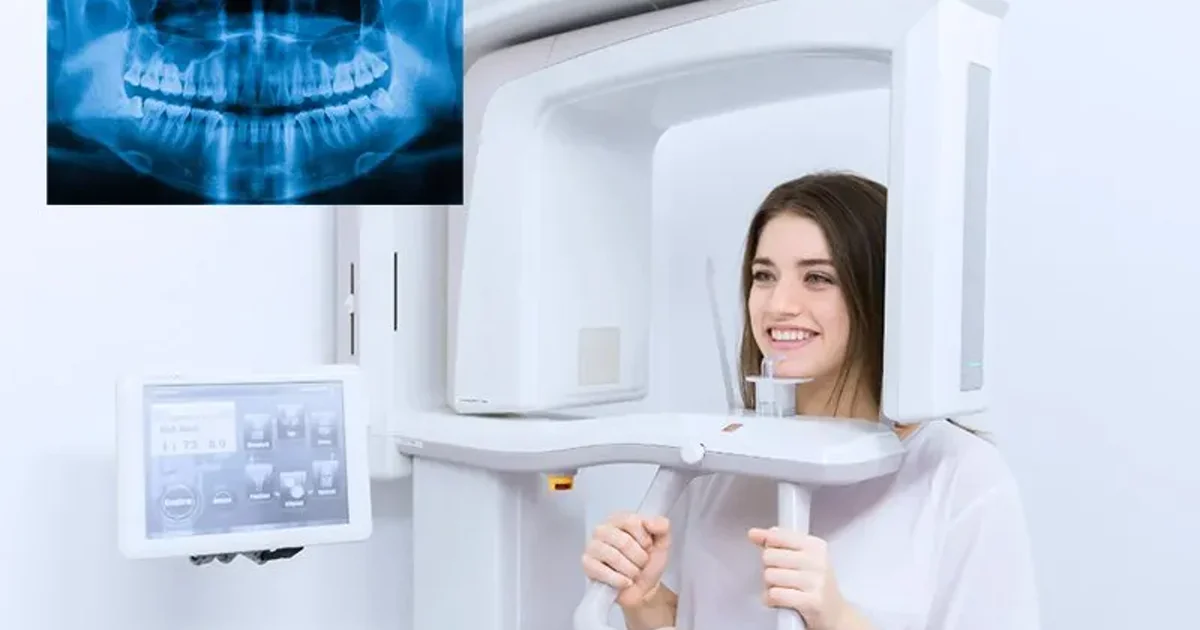
OPG X-Ray Cost Dubai: From AED 150 (2026)
Dental Cleaning Cost Dubai: From AED 200 (2026)
CBCT Scan: 3D Dental Imaging Guide Dubai (2026)
TMJ Disorder: Physiotherapy for Jaw Pain (2026)
More in Dental
Tooth Filling vs Crown Dubai: Which One? (2026)
Читать далее
Dental Crowns vs Veneers Dubai: Guide (2026)
Читать далее
Dentures vs Dental Implants Dubai (2026)
Читать далее
Dental Veneers Cost Dubai: From AED 500 (2026)
Читать далее
Root Canal vs Tooth Extraction Dubai (2026)
Читать далееDental Inlays & Onlays Dubai: Cost Guide (2026)
Читать далее© 2026 Doctors Clinic Diagnostic Center (DCDC), Dubai Healthcare City. Originally published at https://doctorsclinicdubai.ae/blog/wisdom-teeth-removal-dubai. All rights reserved. Unauthorized reproduction is prohibited.