Ключевые выводы
- Sore throat (pharyngitis) is one of the most common reasons for doctor visits in Dubai — the vast majority (70–80%) are caused by viruses and resolve within 5–7 days without antibiotics. Only bacterial infections, most commonly Group A Streptococcus, require antibiotic treatment.
- Dubai's environment is a major contributor to sore throats. Constant air conditioning dries the throat lining, rapid temperature shifts between outdoor heat (45°C+) and chilled indoors (20–22°C) stress the respiratory system, and desert dust irritates the pharynx — making sore throats exceptionally common during summer months.
- Warning signs that require urgent medical attention include difficulty breathing or swallowing, high fever above 39°C unresponsive to medication, a muffled or 'hot potato' voice, drooling, inability to open the mouth fully, and severe one-sided throat pain — which may indicate peritonsillar abscess.
- A rapid strep test delivers results within 15 minutes and is essential for distinguishing bacterial from viral sore throat. At DCDC, same-visit diagnosis and treatment plans are available for most sore throat presentations.
- Prevention in Dubai focuses on maintaining indoor humidity at 40–60%, servicing AC filters every 1–3 months, staying hydrated with 2–3 litres of water daily, and managing allergies that cause post-nasal drip and chronic throat irritation.
- ENT consultation for sore throat evaluation in Dubai costs from AED 300, and most major insurance plans — including Daman, AXA, Bupa, Cigna, and MetLife — provide direct billing coverage at DCDC in Dubai Healthcare City.
A sore throat is one of the most common health complaints among Dubai residents — and the city's unique climate makes it even more prevalent. The constant cycle between scorching outdoor heat and heavily air-conditioned indoor spaces dries and irritates the throat lining, while desert dust and sand particles inflame the pharynx. Whether you are dealing with a scratchy throat that appeared after a day in air-conditioned offices, a child who has developed a painful throat with fever, or a persistent sore throat that will not go away — this guide covers every aspect of sore throat causes and treatment in Dubai, from home remedies and medical options to strep throat diagnosis, costs, and prevention. If your sore throat is severe or has lasted more than a few days, an ENT consultation at DCDC can provide same-day diagnosis and a tailored treatment plan.
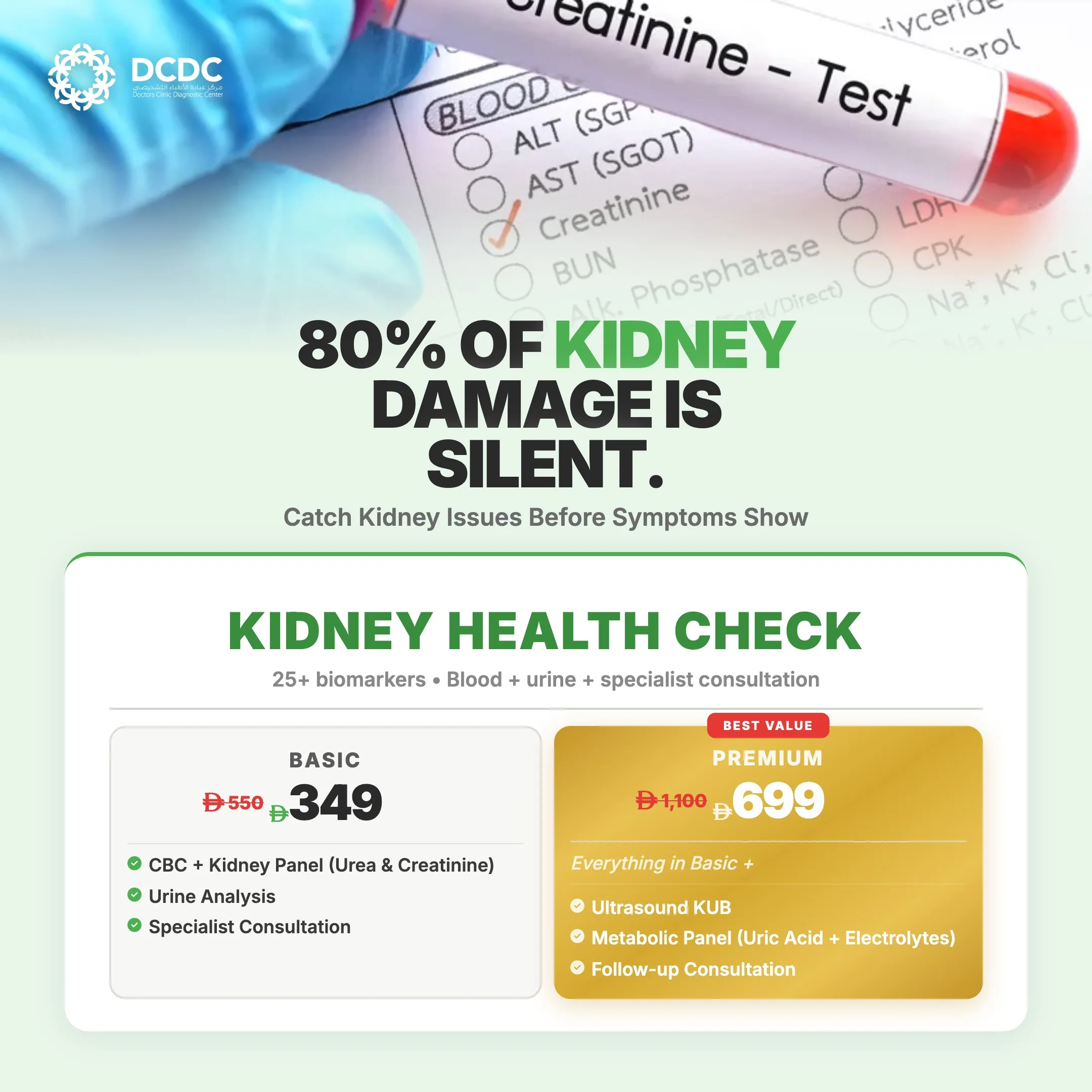
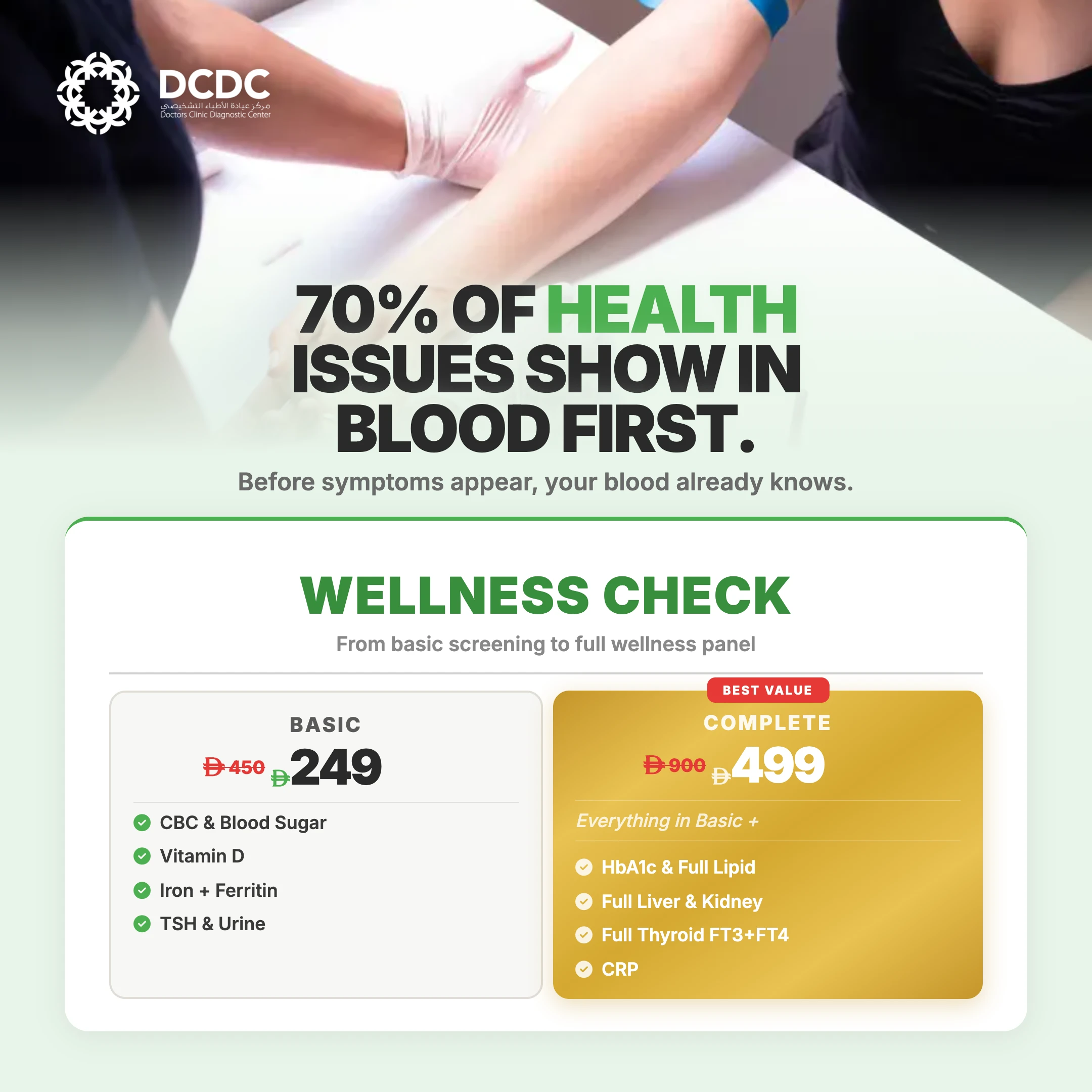
Health Screening Packages
Save with our bundled screening packages — specialist consultation included




What Is a Sore Throat? Understanding Pharyngitis
A sore throat — medically known as pharyngitis — is pain, scratchiness, or irritation of the throat that often worsens when swallowing. The pharynx is the tube at the back of the mouth that connects the oral and nasal cavities to the oesophagus and larynx. It is lined with mucous membrane and lymphoid tissue that serves as a first line of defence against inhaled and ingested pathogens. When this tissue becomes inflamed — whether from infection, environmental irritants, or allergic reactions — the result is the familiar burning, scratchy pain of a sore throat.
Sore throat is one of the most common reasons for outpatient medical visits worldwide, accounting for an estimated 2–4% of all primary care consultations. In the UAE, studies show that upper respiratory tract infections — of which sore throat is the leading symptom — are among the top five reasons patients visit clinics, with rates peaking during the summer months when air conditioning use is at its highest and during the winter transition period.
Common Causes of Sore Throat
Identifying the cause of a sore throat is critical because treatment differs fundamentally depending on whether the cause is viral, bacterial, environmental, or related to another condition. Below is a comprehensive breakdown of the most common causes.
Viral Infections (70–80% of Cases)
The vast majority of sore throats are caused by viruses — the same pathogens responsible for the common cold and flu. According to the Mayo Clinic, viral sore throats typically resolve on their own within 5–7 days and do not benefit from antibiotics. The most common viral culprits include rhinoviruses (the common cold), influenza and parainfluenza viruses, adenoviruses, Epstein-Barr virus (EBV, which causes infectious mononucleosis), respiratory syncytial virus (RSV), and coronaviruses. Viral sore throats usually present with gradual onset, accompanying symptoms such as runny nose, cough, sneezing, mild fever, and sometimes conjunctivitis or hoarseness.
Bacterial Infections (20–30% of Cases)
Group A Streptococcus (GAS), also known as Streptococcus pyogenes, is the most important bacterial cause of sore throat, responsible for 15–30% of pharyngitis in children and 5–15% in adults. Research conducted in the UAE found that strep A testing was positive in approximately 32% of children presenting with suspected pharyngitis — a significant proportion that underscores the importance of diagnostic testing rather than empirical antibiotic prescribing. Strep throat characteristically presents with sudden onset of severe throat pain, high fever (above 38.5°C), swollen tender anterior cervical lymph nodes, and white or yellow patches on the tonsils — but notably without cough, runny nose, or hoarseness. Other bacterial causes include Fusobacterium necrophorum (increasingly recognised in adolescents), Mycoplasma pneumoniae, and Chlamydophila pneumoniae.
Environmental and Lifestyle Causes
Not all sore throats are caused by infection. Several environmental and lifestyle factors can cause pharyngeal irritation and pain, particularly in Dubai's climate:
- Air conditioning and dry air: AC systems strip moisture from indoor air, reducing humidity to as low as 10–20%. Prolonged exposure dries the throat mucosa, causing a raw, scratchy feeling — especially noticeable upon waking after sleeping in a heavily air-conditioned room
- Desert dust and sand: Fine particulate matter (PM2.5 and PM10) from sandstorms and construction activity irritates the throat and nasal passages, triggering inflammatory responses
- Gastro-oesophageal reflux disease (GERD): Stomach acid refluxing into the throat (laryngopharyngeal reflux) causes a chronic sore throat, hoarseness, and a sensation of a lump in the throat — often worse in the morning
- Mouth breathing and snoring: Breathing through the mouth — due to nasal congestion, deviated septum, or sleep habits — dries the throat overnight
- Allergies: Allergic rhinitis with post-nasal drip is a very common cause of chronic sore throat in Dubai. Mucus dripping down the back of the throat from the nasal passages causes constant irritation and a need to clear the throat
- Smoking and vaping: Tobacco smoke and e-cigarette aerosols are direct chemical irritants to the pharyngeal lining
- Vocal strain: Overusing the voice — shouting, prolonged speaking, or singing — can cause pharyngeal and laryngeal soreness
Sore Throat Causes at a Glance: Comparison Table
The following table summarises the key differences between the most common causes of sore throat, helping you identify what may be causing your symptoms and whether you need medical attention.
| Cause | Onset | Key Symptoms | Fever | Duration | Treatment |
|---|---|---|---|---|---|
| Viral pharyngitis | Gradual (1–2 days) | Runny nose, cough, sneezing, mild sore throat | Mild (37.5–38.5°C) | 5–7 days | Rest, fluids, pain relief |
| Strep throat (GAS) | Sudden (hours) | Severe throat pain, swollen lymph nodes, pus on tonsils, NO cough | High (38.5–40°C) | 7–10 days without antibiotics; 2–3 days with | Antibiotics (penicillin/amoxicillin) |
| AC / dry air irritation | Gradual | Scratchy, dry throat; worse in morning or after long indoor periods | None | Ongoing while exposed | Humidifier, hydration, reduce AC |
| Allergic post-nasal drip | Gradual / chronic | Throat clearing, mucus drip, sneezing, itchy eyes | None | Chronic / seasonal | Antihistamines, allergy management |
| GERD / acid reflux | Gradual / chronic | Burning throat, hoarseness, worse lying down, lump sensation | None | Chronic | Antacids, PPIs, dietary changes |
| Tonsillitis | Variable | Visible tonsil swelling/redness, difficulty swallowing, ear pain | Variable | 7–14 days | Supportive care or antibiotics depending on cause |
| Dust / pollution irritation | After exposure | Scratchy throat, cough, nasal irritation | None | Hours to days after exposure ends | Avoid exposure, hydration, saline gargle |
If your sore throat is accompanied by tonsil swelling, recurrent episodes, or visible pus, you may be dealing with tonsillitis rather than simple pharyngitis — a condition that may require a different treatment approach including specialist evaluation.
Why Sore Throats Are So Common in Dubai
Dubai's climate and lifestyle factors create a unique environment where sore throats are exceptionally common — particularly during the summer months from May to October. Understanding these Dubai-specific triggers can help you take preventive action.
The Air Conditioning Factor
Air conditioning is not optional in Dubai — it is a necessity. Residents spend an estimated 80–90% of their time in air-conditioned environments: homes, offices, malls, cars, schools, and gyms. AC systems work by removing moisture from the air, and in Dubai's sealed modern buildings, indoor humidity can drop to 10–20% — far below the 40–60% range recommended for respiratory health. This chronically dry air strips moisture from the throat and nasal mucosa, weakening the body's first defence against pathogens and causing the raw, scratchy throat that many Dubai residents experience daily. The problem is compounded by the thermal shock of moving between outdoor temperatures exceeding 45°C and indoor environments cooled to 20–22°C. This rapid cooling constricts blood vessels in the throat, temporarily reducing local immune function and making the tissue more susceptible to viral and bacterial invasion.
Desert Dust and Air Quality
Dubai's desert location means fine sand and dust particles are a constant presence in the air, worsened by construction activity and periodic shamal winds. These particles irritate the throat and nasal passages, trigger inflammatory responses, and — when combined with AC-dried mucosa — create ideal conditions for infection to take hold. Residents who spend time outdoors during dusty conditions and then enter heavily cooled indoor spaces are particularly vulnerable.
Allergy Triggers
Allergic rhinitis is extremely prevalent in Dubai due to indoor dust mites (which thrive despite AC), pet dander in homes, mould spores from poorly maintained AC ducts, and outdoor pollen during winter months. Post-nasal drip — the constant dripping of mucus from inflamed nasal passages down the back of the throat — is one of the most common causes of chronic sore throat in this region. If you suspect allergies are driving your recurrent sore throat, an allergy test can identify specific triggers and guide targeted treatment.
Sore Throat Symptoms: When Is It Serious?
Most sore throats are mild and self-limiting. However, certain symptoms indicate a more serious condition that requires prompt medical evaluation. Knowing the difference can help you decide whether to manage symptoms at home or seek professional care.
Symptoms You Can Manage at Home
- Mild to moderate throat pain that does not prevent eating or drinking
- Low-grade fever (below 38.5°C) with cold symptoms such as runny nose and cough
- Scratchy or dry throat, especially in the morning or after being in AC
- Sore throat lasting less than 3 days and gradually improving
- Mild hoarseness after vocal strain
Symptoms That Require a Doctor Visit
- Sore throat lasting more than 5–7 days without improvement, or worsening after initial improvement
- High fever (above 38.5°C) combined with sore throat, especially with visible white patches on the tonsils
- Difficulty swallowing liquids, saliva, or medications
- Swollen, tender lymph nodes in the neck that are increasing in size
- Recurrent sore throats — more than 4–5 episodes per year
- Rash accompanying a sore throat (may indicate scarlet fever in children)
- Joint pain following a sore throat (possible sign of rheumatic fever)
Symptoms Requiring Urgent or Emergency Care
- Difficulty breathing or noisy breathing (stridor)
- Inability to open the mouth fully (trismus) — a key sign of peritonsillar abscess
- Muffled 'hot potato' voice or drooling
- Severe one-sided throat pain with deviation of the uvula
- High fever above 39°C not responding to paracetamol and ibuprofen
- Signs of dehydration — dark urine, dizziness, dry mouth, no tears in a crying child
If you are unsure whether your sore throat needs professional evaluation, our guide to when to see an ENT doctor in Dubai provides detailed criteria for scheduling a specialist appointment versus managing symptoms at home.
How Sore Throat Is Diagnosed
Accurate diagnosis is the foundation of effective sore throat treatment. The primary goal is to distinguish viral pharyngitis — which requires only supportive care — from bacterial strep throat, which demands antibiotic therapy to prevent complications such as rheumatic fever and peritonsillar abscess.
Clinical Examination
Your doctor will begin with a thorough physical examination, including inspection of the throat using a tongue depressor and light to assess redness, swelling, and the presence of pus or exudates on the tonsils. They will palpate the neck for swollen cervical lymph nodes, check for signs of dehydration, and evaluate your breathing. The doctor will also ask about symptom duration, severity, associated symptoms (cough, runny nose, rash), and exposure history. Clinical scoring systems such as the Centor criteria and Modified Centor (McIsaac) score help estimate the probability of strep throat based on symptoms and guide testing decisions.
Diagnostic Tests for Sore Throat
| Test | Purpose | Turnaround Time |
|---|---|---|
| Rapid antigen detection test (rapid strep test) | Detects Group A Streptococcus antigens from a throat swab; 95% specificity, 70–90% sensitivity | 10–15 minutes |
| Throat culture | Gold standard for identifying GAS and other bacteria; higher sensitivity than rapid test | 24–48 hours |
| Complete blood count (CBC) | White blood cell differential helps distinguish viral from bacterial infection | Same day |
| Monospot / EBV antibodies | Tests for Epstein-Barr virus (infectious mononucleosis) | Same day |
| C-reactive protein (CRP) | Marker of inflammation; helps assess severity and guide antibiotic decision | Same day |
| Allergy panel (IgE) | Identifies environmental allergens causing post-nasal drip and chronic throat irritation | 2–5 days |
At DCDC, rapid strep testing is available on-site with results in 15 minutes, enabling same-visit treatment decisions. For patients with chronic or recurrent sore throat, additional investigations including blood tests, allergy panels, and — when necessary — nasal endoscopy to evaluate for post-nasal drip, sinusitis, or laryngeal pathology are available during the same appointment.
Persistent Sore Throat? Get Answers Today
DCDC Dubai Healthcare City offers rapid strep testing, same-day blood work, and ENT evaluation — all under one roof. Walk in or book online for same-day appointments.
Sore Throat Treatment Options
Treatment for a sore throat depends entirely on the underlying cause. The NHS and Mayo Clinic both emphasise that most sore throats are viral and do not require antibiotics — antibiotics only shorten symptom duration by approximately 16 hours in bacterial cases and have no effect on viral infections. Below is a comprehensive guide to treatment options.
Home Remedies and Self-Care (Viral Sore Throat)
For viral sore throats and mild non-infectious throat irritation, the following evidence-based home remedies can provide significant relief:
- Saltwater gargle: Dissolve half a teaspoon of salt in a glass (240 ml) of warm water and gargle for 15–30 seconds. Repeat 3–4 times daily. Salt draws fluid from inflamed tissues, reducing swelling and discomfort
- Adequate hydration: Drink at least 2–3 litres of fluids daily — warm water, herbal tea, broth, or diluted juice. This is especially important in Dubai's climate where AC and heat accelerate dehydration. Avoid caffeine and alcohol, which are diuretics
- Honey and warm liquids: Honey has antimicrobial and anti-inflammatory properties. A tablespoon of honey in warm water or tea soothes the throat — but never give honey to children under 1 year due to botulism risk
- Over-the-counter pain relief: Paracetamol (acetaminophen) or ibuprofen reduce pain and fever. Follow dosage instructions carefully, particularly for children
- Throat lozenges and sprays: Medicated lozenges containing benzocaine, lidocaine, or menthol provide temporary local pain relief. Lozenges also stimulate saliva production, which keeps the throat moist
- Room humidifier: Set to 40–60% humidity to counteract AC-dried air. Clean the humidifier regularly to prevent mould growth
- Rest: The immune system functions most effectively during rest. Avoid strenuous activity and get adequate sleep
- Cool soft foods: Yoghurt, ice cream, smoothies, and cold soups soothe inflamed tissue and provide nutrition when swallowing is painful
Antibiotic Treatment for Strep Throat
When a rapid strep test or throat culture confirms Group A Streptococcus infection, antibiotics are essential — not only to speed recovery but to prevent serious complications including rheumatic fever (which can cause permanent heart valve damage), post-streptococcal glomerulonephritis (kidney inflammation), and peritonsillar abscess. The recommended antibiotic regimens, based on American Academy of Pediatrics and NICE guidelines, are:
- First-line: Penicillin V or amoxicillin — A 10-day oral course remains the gold standard for GAS pharyngitis. Amoxicillin is preferred for children due to better taste and once-daily dosing options
- Penicillin allergy: Cephalexin or azithromycin — First-generation cephalosporins are suitable for non-anaphylactic penicillin allergy. Azithromycin offers a shorter 5-day course but increasing resistance limits its use
- Recurrent infections: Amoxicillin-clavulanate or clindamycin — Used when standard therapy fails, as these cover beta-lactamase-producing bacteria that may shield GAS
- Single-dose injection: Intramuscular benzathine penicillin G — A single injection ensures full treatment compliance; useful when adherence to a 10-day oral course is uncertain
It is critical to complete the full prescribed antibiotic course, even if symptoms improve within 2–3 days. Stopping early increases the risk of treatment failure, recurrence, and — most importantly — rheumatic fever.
Treatment for Chronic and Recurrent Sore Throat
A sore throat that keeps coming back or never fully resolves requires a different approach. Chronic pharyngitis is often multifactorial, and effective treatment addresses the underlying cause rather than just the symptom:
- Post-nasal drip from allergies or sinusitis: Intranasal corticosteroid sprays, antihistamines, saline nasal irrigation, and — when indicated — treatment of underlying sinusitis
- GERD / laryngopharyngeal reflux: Proton pump inhibitors (PPIs), dietary modifications (avoiding spicy, acidic, and fatty foods), eating 3 hours before lying down, and elevating the head of the bed
- AC-related dry throat: Room humidifier, increased fluid intake, switching to sleep with slightly higher AC temperature, and saline throat spray
- Recurrent strep throat: If you or your child meet the criteria for recurrent infection (7+ episodes in one year, 5 per year for two consecutive years, or 3 per year for three years), tonsillectomy may be recommended
Sore Throat in Children: What Parents Need to Know
Children are particularly susceptible to sore throats, with school-aged children (5–15 years) experiencing an average of 5–8 upper respiratory infections per year. In Dubai, paediatric sore throats peak during two periods: the start of the school year in September (when children share pathogens in classrooms) and during summer when extreme AC use dries young, sensitive airways.
When to Take Your Child to the Doctor
- Sore throat lasting more than 48 hours or worsening despite home care
- Fever above 38.5°C with throat pain and no cold symptoms (suggestive of strep)
- Refusal to eat or drink, or difficulty swallowing
- Excessive drooling in a young child (indicates pain with swallowing)
- Rash alongside sore throat and fever (possible scarlet fever)
- Recurrent sore throats causing missed school days
Strep throat is particularly important to diagnose and treat in children because the risk of rheumatic fever — an inflammatory condition that can permanently damage heart valves — is highest in the 5–15 age group. A rapid strep test is a simple throat swab that takes only 15 minutes and can be performed during a routine GP or ENT visit.
What to Expect at DCDC: Your Sore Throat Visit
At Doctors Clinic Diagnostic Center (DCDC) in Dubai Healthcare City, sore throat evaluation is streamlined to provide diagnosis and a treatment plan in a single visit. Here is what the process looks like from arrival to leaving the clinic.
Step-by-Step Visit Experience
- Registration and triage (5–10 minutes): Walk in or arrive for your booked appointment. The reception team registers your details and insurance. Average wait time is 15 minutes. Free parking is available, and multilingual staff assist in Arabic, English, Farsi, Urdu, and Hindi
- Consultation with Dr. Hadeel Elnur or specialist (15–20 minutes): Your GP performs a thorough throat examination using a tongue depressor and direct light source, inspecting for redness, swelling, pus, and tonsil enlargement. Neck lymph nodes are palpated for tenderness and swelling. A rapid strep test is performed if bacterial infection is suspected — results are available within 15 minutes during the same consultation
- Additional diagnostics if needed: For complex cases, DCDC has on-site nasal endoscopy capability to visualise the nasopharynx, posterior pharynx, and larynx — particularly useful for chronic sore throat, suspected post-nasal drip, or when a throat mass needs to be ruled out. Blood tests (CBC, CRP, EBV panel, allergy IgE) are drawn on-site at the laboratory and results are available same-day for most panels
- Diagnosis and treatment plan: Based on the examination and test results, you receive a clear diagnosis and personalised treatment plan — whether that is supportive care for a viral infection, an antibiotic prescription for confirmed strep, allergy management for post-nasal drip, or a referral to a board-certified ENT specialist for further evaluation
- Prescription and follow-up: Prescriptions are sent directly to the pharmacy. Follow-up is scheduled if needed — typically within 48–72 hours for strep throat to confirm treatment response, or in 2–4 weeks for chronic sore throat conditions
DCDC holds a 4.8/5 Google rating from over 1,000 patient reviews, with a 98% patient satisfaction rate. The clinic is MOHAP licensed (NIMY7VY5-240925) and accepts direct billing from 20+ insurance partners including Daman, AXA, Bupa, Cigna, and MetLife.
Sore Throat Treatment Cost in Dubai
Understanding the costs of sore throat evaluation and treatment helps you plan your healthcare budget. Below are typical costs at private clinics in Dubai. Prices vary between providers, and most comprehensive health insurance plans cover sore throat consultations and diagnostic tests.
| Service | Estimated Cost (AED) | Notes |
|---|---|---|
| ENT specialist consultation | From AED 300 | Full throat, ear, and nose examination with clinical assessment |
| GP consultation (sore throat) | From AED 200 | Suitable for first-time, uncomplicated sore throat |
| Rapid strep test | AED 100–200 | In-clinic result within 15 minutes |
| Throat culture and sensitivity | AED 150–300 | Identifies bacteria and effective antibiotics; 24–48 hour results |
| Complete blood count (CBC) | AED 80–150 | Helps distinguish viral from bacterial infection |
| CRP (C-reactive protein) | AED 80–150 | Inflammation marker to assess severity |
| Allergy panel (IgE) | From AED 550 | Identifies environmental allergens causing chronic sore throat |
| Nasal endoscopy | AED 300–600 | Visualises nasopharynx and larynx for chronic/complex cases |
| Antibiotic course (oral) | AED 20–80 | Pharmacy cost for penicillin, amoxicillin, or alternative |
| Follow-up consultation | From AED 200 | Monitoring treatment response and recovery |
At DCDC, most major insurance plans cover sore throat consultations and diagnostics with direct billing — no upfront payment required if your policy is active. Our team can verify your coverage before your appointment. For detailed information on ENT service pricing, see our ENT consultation cost guide.
Preventing Sore Throats in Dubai: Practical Strategies
While not every sore throat can be prevented — especially viral infections circulating in schools and workplaces — the following evidence-based strategies significantly reduce your risk, with particular emphasis on Dubai-specific environmental factors.
Indoor Environment Management
- Use a room humidifier: Maintain indoor humidity at 40–60% to counteract AC-dried air. Place a humidifier in the bedroom and office. Clean it weekly to prevent mould growth
- Service AC units regularly: Clean or replace AC filters every 1–3 months and schedule professional duct cleaning annually. Dirty filters circulate dust, mould spores, and bacteria
- Set AC to a moderate temperature: Keep indoor temperature at 23–24°C rather than the common 18–20°C. This reduces thermal shock when entering from outdoors and lessens the drying effect
- Ventilate when possible: Open windows during cooler evening hours in winter months to allow fresh air circulation and reduce indoor pollutant concentration
Hydration and Lifestyle
- Stay well hydrated: Drink at least 2–3 litres of water daily, and more during summer. Carry a water bottle and set reminders if needed. Well-hydrated throat mucosa is far more resistant to irritation and infection
- Practise good hand hygiene: Wash hands with soap and water for at least 20 seconds, especially after using public transport, before eating, and after coughing or sneezing
- Avoid sharing utensils and drinks: GAS and respiratory viruses spread through saliva and droplets
- Replace your toothbrush after illness: Bacteria can survive on toothbrush bristles and cause re-infection
- Manage allergies proactively: If you suffer from allergic rhinitis with post-nasal drip, identifying and controlling your triggers prevents chronic throat irritation. Saline nasal rinses and intranasal corticosteroids are effective first-line measures
Dr. Hadeel Elnur's Clinical Perspective
"Sore throat is one of the most common complaints I see at DCDC, particularly during the summer months when patients are moving between extreme outdoor heat and heavily air-conditioned environments. What many patients do not realise is that the majority of sore throats are caused by viruses or environmental irritation — not bacteria — and antibiotics will not help in these cases. I always emphasise the importance of proper diagnosis before treatment. A rapid strep test takes just 15 minutes and tells us definitively whether antibiotics are needed. For patients with chronic or recurrent sore throat, I look beyond infection to causes like post-nasal drip from allergies, acid reflux, and the effects of chronic AC exposure. Often, the solution involves environmental changes — a humidifier, better AC maintenance, or allergy management — rather than more medication. If I identify a complex or persistent throat condition during examination, I coordinate directly with our board-certified ENT specialists here in Dubai Healthcare City for advanced evaluation, including nasal endoscopy and detailed throat examination."
Book Your Sore Throat Consultation at DCDC
Same-day appointments available at DCDC Dubai Healthcare City. Walk in Sat–Thu 8 AM–10 PM or Fri 9 AM–9 PM, or book online. Rapid strep testing, ENT evaluation, and direct insurance billing for 20+ providers.
Complications of Untreated Sore Throat
While most sore throats resolve without complications, untreated bacterial pharyngitis — particularly strep throat — can lead to serious health consequences. These complications underscore the importance of proper diagnosis and, when indicated, completing a full course of antibiotics.
- Peritonsillar abscess (quinsy): A collection of pus forming beside the tonsil, causing severe one-sided throat pain, difficulty opening the mouth, muffled voice, and drooling. Requires drainage by an ENT specialist and intravenous antibiotics
- Rheumatic fever: An inflammatory condition triggered by untreated GAS infection that can permanently damage heart valves, joints, brain, and skin. Most common in children aged 5–15. Prevention requires completing the full 10-day antibiotic course
- Post-streptococcal glomerulonephritis: Kidney inflammation that can occur 1–3 weeks after strep throat, causing blood in urine, swelling, and high blood pressure. While usually self-limiting, severe cases require medical management
- Retropharyngeal abscess: A deep neck space infection that can compromise the airway — a medical emergency requiring hospitalisation
- Chronic pharyngitis: Ongoing throat inflammation from unmanaged reflux, allergies, or environmental irritants can lead to permanent mucosal changes and persistent discomfort
Sore Throat vs Tonsillitis vs Laryngitis: Key Differences
Patients often use the terms sore throat, tonsillitis, and laryngitis interchangeably, but they refer to different conditions affecting different parts of the throat. Understanding the distinctions helps ensure appropriate care.
- Pharyngitis (sore throat): Inflammation of the pharynx — the broad area at the back of the throat. This is the most common and general term. Pain is felt throughout the throat, usually with swallowing
- Tonsillitis: Inflammation specifically of the palatine tonsils — the two oval masses visible on either side of the throat. Tonsillitis is a subset of pharyngitis with visibly swollen, red, and sometimes pus-covered tonsils. Learn more in our tonsillitis treatment guide
- Laryngitis: Inflammation of the larynx (voice box), located below the pharynx. The hallmark symptom is hoarseness or voice loss, with milder throat pain than pharyngitis. Common causes include vocal strain, viral infection, and GERD
These conditions frequently overlap — a viral upper respiratory infection can cause pharyngitis, tonsillitis, and laryngitis simultaneously. An ENT evaluation can determine exactly which structures are affected and guide targeted treatment.
Связанные услуги в DCDC
Квалифицированная помощь и современная диагностика в Dubai Healthcare City
Часто задаваемые вопросы
Final Thoughts
Sore throat is one of the most common health complaints in Dubai — driven by a unique combination of environmental factors that residents face daily. The constant cycling between extreme outdoor heat and heavily air-conditioned indoor environments dries the throat lining, while desert dust and indoor allergens compound the irritation. Understanding that the majority of sore throats are viral and will resolve with rest, hydration, and pain management — without antibiotics — is the single most important takeaway from this guide. However, recognising the warning signs of strep throat and other serious causes is equally critical, as untreated bacterial pharyngitis can lead to complications including rheumatic fever and peritonsillar abscess.
If your sore throat is severe, lasting beyond a week, recurrent, or accompanied by high fever, difficulty swallowing, or swollen lymph nodes, professional evaluation is the right next step. At Doctors Clinic Diagnostic Center in Dubai Healthcare City (Building 64, Block A, Al Razi Medical Complex), we provide comprehensive sore throat evaluation — from rapid strep testing and blood work to ENT specialist referral and nasal endoscopy — all in a single visit. Same-day appointments are available Sat–Thu 8 AM–10 PM and Fri 9 AM–9 PM. Most insurance plans are accepted with direct billing, and our multilingual team ensures every patient feels understood and cared for.
Источники и ссылки
Эта статья проверена нашей медицинской командой и ссылается на следующие источники:
- Mayo Clinic — Sore Throat: Symptoms, Causes, Diagnosis and Treatment
- NHS — Sore Throat: Symptoms, Self-Help, and When to See a GP
- Mayo Clinic — Strep Throat: Symptoms, Causes, Diagnosis and Treatment
- NICE — Sore Throat (Acute): Antimicrobial Prescribing Guideline (NG84)
- NCBI / PMC — Diagnostic Accuracy of Rapid Strep A Test and Antibiotic Prescribing in UAE Children
- Cleveland Clinic — Pharyngitis: Causes, Symptoms, Diagnosis and Treatment
Медицинский контент на этом сайте проверяется врачами, лицензированными DHA. См. нашу редакционную политику для получения дополнительной информации.

Автор
Dr. Hadeel Elnur
General Practitioner
MD, General Practice
Dr. Hadeel Elnur is a General Practitioner at Doctors Clinic Diagnostic Center (DCDC) in Dubai Healthcare City.
Related Articles

Tonsillitis Treatment Dubai: Symptoms & Care

ENT Doctor Dubai: When to See a Specialist

Sinusitis Treatment Dubai: ENT Relief Guide

Allergy Testing Dubai: IgE, Skin Prick & Cost
ENT Consultation Cost Dubai
More in General Health
Nasal Polyps Dubai: Symptoms & Treatment (2026)
Читать далее
Neuropathy Symptoms Dubai: Causes & Signs (2026)
Читать далее
Well Baby Checkup Dubai: Ages & Cost (2026)
Читать далееSchool Health Check Dubai: Guide & Cost (2026)
Читать далее
Cortisol Test Dubai: Levels & Cost Guide (2026)
Читать далее
Dubai Clinic Without Insurance: Cost Guide (2026)
Читать далее© 2026 Doctors Clinic Diagnostic Center (DCDC), Dubai Healthcare City. Originally published at https://doctorsclinicdubai.ae/blog/sore-throat-causes-treatment-dubai. All rights reserved. Unauthorized reproduction is prohibited.