Ключевые выводы
- Скрининг с помощью Пап-теста рекомендуется начинать с 21 года для профилактики рака шейки матки
- Тест занимает менее 5 минут и обычно хорошо переносится
- Результаты обычно готовы в течение 3-7 рабочих дней в Дубае
- Стоимость Пап-теста в Дубае составляет от 250 до 750 дирхамов в зависимости от включения теста на ВПЧ
- Регулярный скрининг снижает риск рака шейки матки более чем на 70%
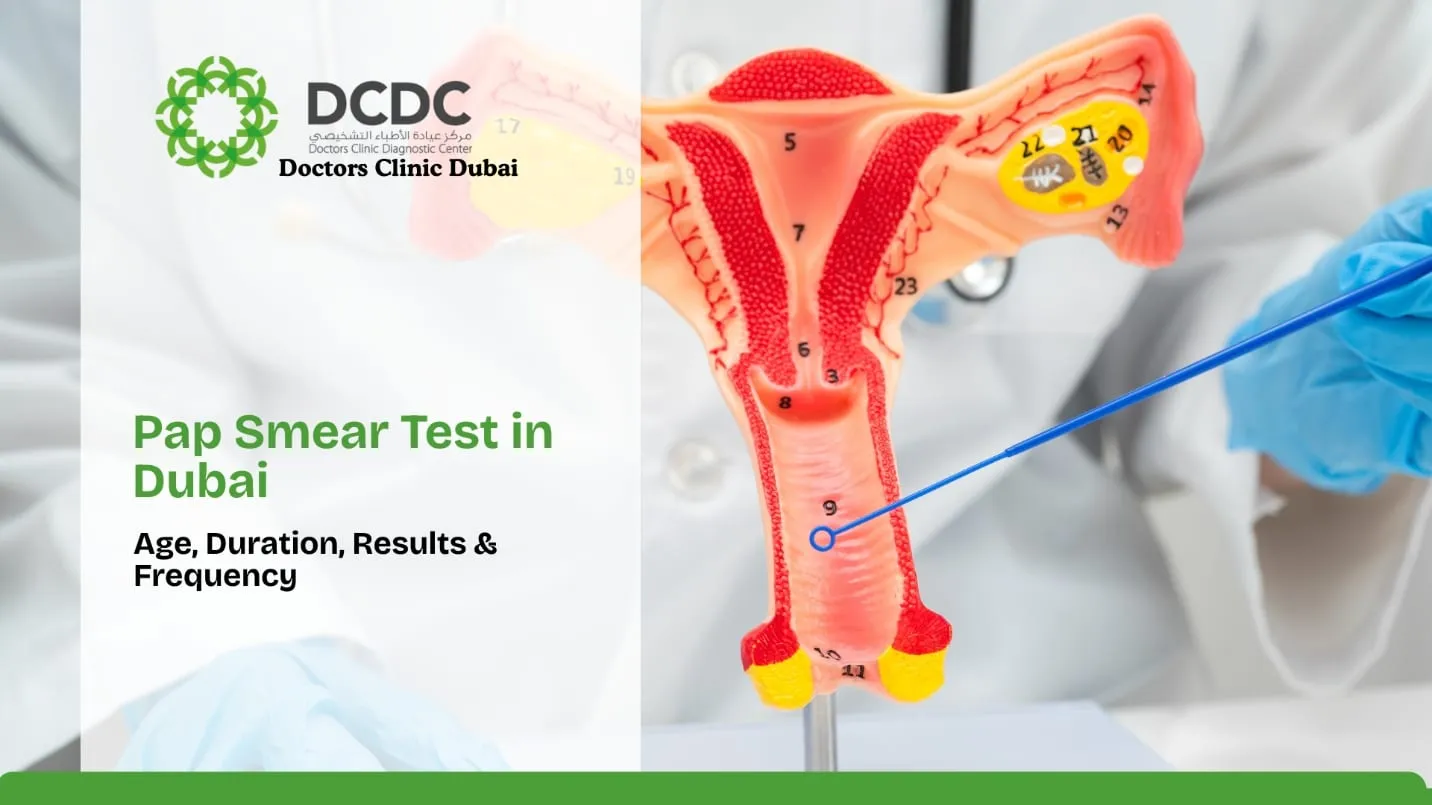
Пап-тест — это стандартное гинекологическое обследование, которое проверяет наличие ранних признаков рака шейки матки и аномальных клеток шейки матки. В Дубае его обычно рекомендуют женщинам начиная с двадцатилетнего возраста, и он играет ключевую роль в профилактике серьезных заболеваний шейки матки при регулярном проведении.
Это руководство четко объясняет все: кому нужен тест, подходящий возраст для начала, продолжительность процедуры, значение результатов, частоту повторения и обычную стоимость в Дубае. Если вы не уверены или откладываете тест, это поможет вам принять решение с уверенностью.
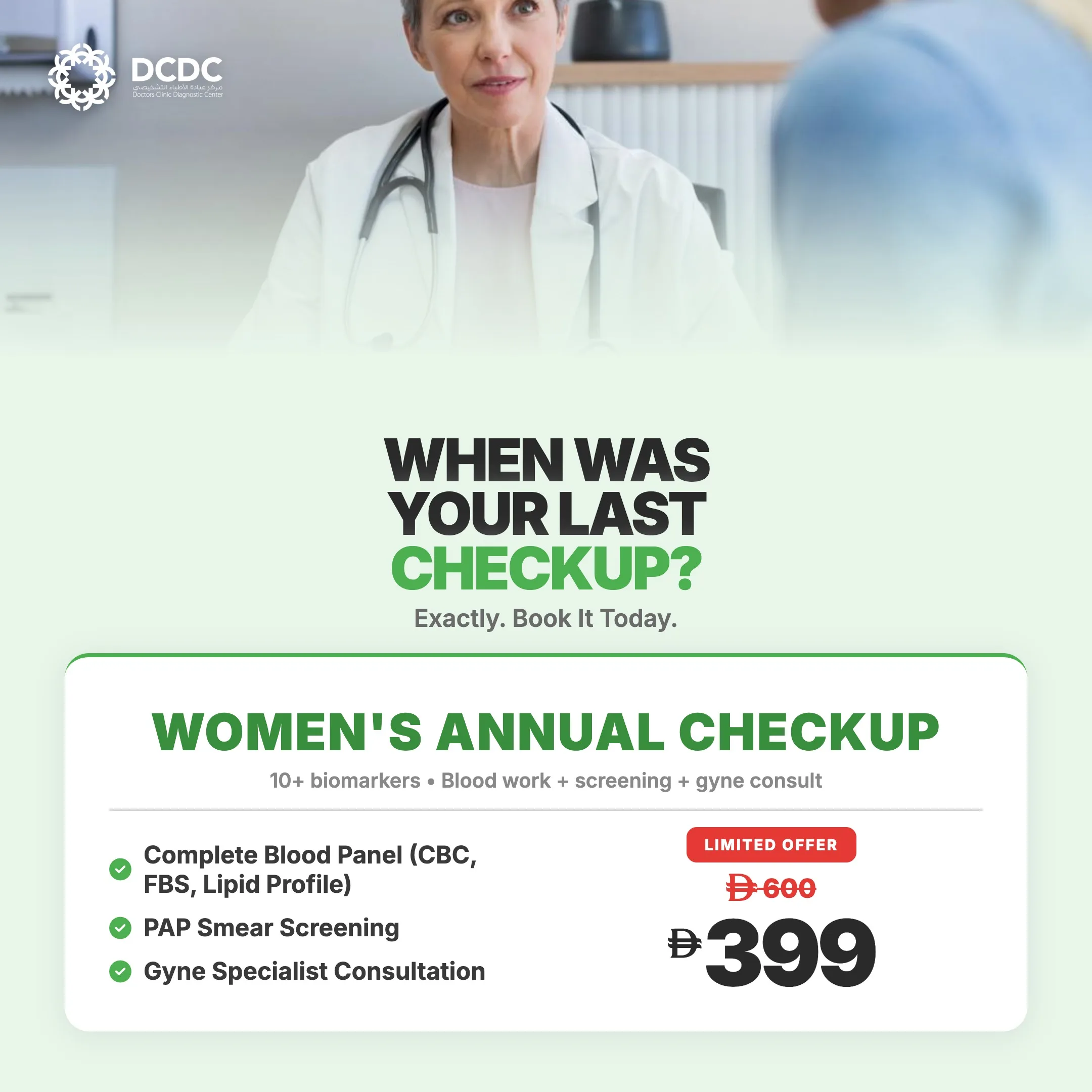
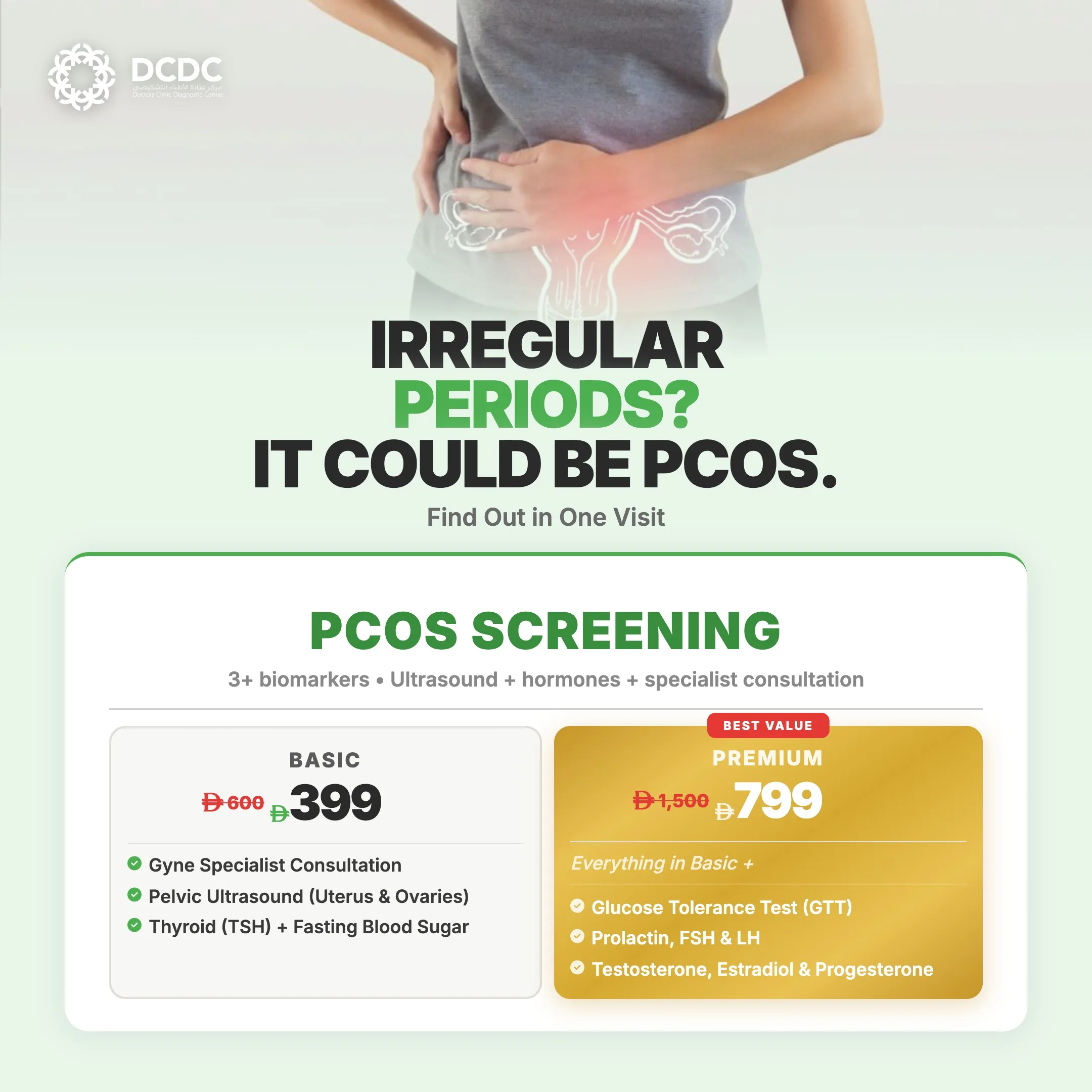
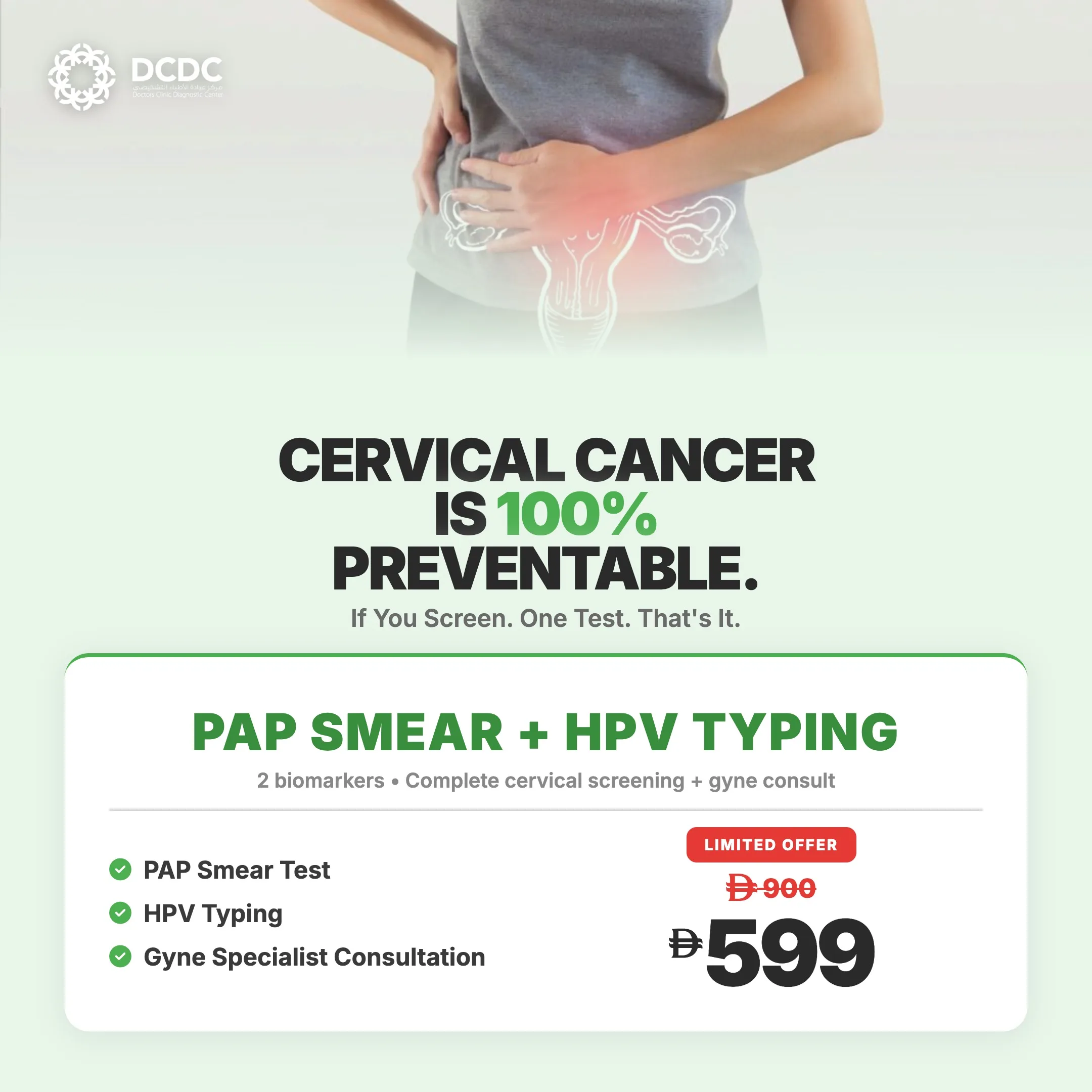
Health Screening Packages
Save with our bundled screening packages — specialist consultation included



Что такое Пап-тест и почему он важен
Пап-тест, также называемый мазком по Папаниколау, собирает клетки шейки матки для выявления изменений, которые могут развиться в рак шейки матки. Эти изменения часто появляются за годы до появления симптомов, поэтому регулярный скрининг важен, даже если вы чувствуете себя абсолютно здоровой.
Рак шейки матки обычно развивается медленно. При раннем обнаружении аномальных клеток лечение проще и высокоэффективно. Именно поэтому гинекологи в Дубае настоятельно рекомендуют скрининг с помощью Пап-теста как часть регулярной заботы о женском здоровье, а не только при появлении симптомов.
В каком возрасте следует начинать делать Пап-тест?
Большинство гинекологов рекомендуют начинать делать Пап-тест с 21 года, независимо от семейного положения или сексуальной истории. С этого момента скрининг становится частью профилактической помощи, а не реакцией на симптомы.
По мере взросления женщины интервалы между обследованиями могут меняться в зависимости от возраста, результатов тестов и того, проводится ли также тест на ВПЧ. Ваш гинеколог может скорректировать сроки на основе личной и семейной истории болезни.
Общие рекомендации по возрасту включают:
- Возраст 21-29 лет: Пап-тест каждые 3 года
- Возраст 30-65 лет: Пап-тест каждые 3 года или комбинированный Пап-тест + тест на ВПЧ каждые 5 лет
- Старше 65 лет: скрининг может быть прекращен, если предыдущие результаты были стабильно нормальными
Как часто следует делать Пап-тест?
Частота Пап-теста зависит от возраста, предыдущих результатов и общих факторов риска. Делать его слишком часто обычно не требуется, тогда как откладывание может увеличить риски для здоровья.
Большинству женщин с нормальными результатами не требуется ежегодное тестирование. Однако женщинам с аномальными результатами, ослабленным иммунитетом или предыдущими проблемами с шейкой матки может потребоваться более частое наблюдение. Гинеколог даст рекомендации с учетом вашего индивидуального случая.
Как проводится Пап-тест?
Тест прост и обычно проводится во время планового гинекологического осмотра. Вы удобно лежите, пока небольшой инструмент аккуратно расширяет влагалищный канал, чтобы шейку матки было хорошо видно.
Мягкая щеточка или шпатель используется для сбора клеток шейки матки. Процедура быстрая, вызывает минимальный дискомфорт и не требует анестезии. Большинство женщин описывают ощущения как легкое давление, а не боль.
Продолжительность Пап-теста и восстановление
Сам тест занимает менее 5 минут, хотя весь прием может длиться около 15-20 минут, включая консультацию.
Вы можете сразу вернуться к обычной деятельности. Легкие мажущие выделения или небольшой дискомфорт могут наблюдаться в течение нескольких часов, что абсолютно нормально. Период восстановления не требуется.
Понимание результатов Пап-теста
Результаты Пап-теста обычно делятся на четкие категории. Понимание их значения может уменьшить беспокойство во время ожидания.
Результаты обычно готовы в течение 3-7 рабочих дней в лабораториях Дубая.
Распространенные типы результатов включают:
- Норма: аномальные клетки не обнаружены
- Воспалительные изменения: часто вызваны инфекцией или раздражением
- Аномальные клетки: изменения, которые могут потребовать дополнительного обследования
- Неудовлетворительный образец: тест может потребоваться повторить
Аномальные результаты не означают автоматически рак. Большинство указывают на ранние, поддающиеся лечению изменения, которые требуют наблюдения.
Стоимость Пап-теста в Дубае
Стоимость Пап-теста в Дубае варьируется в зависимости от клиники, качества лаборатории и включения дополнительного теста на ВПЧ.
| Тип теста | Средний диапазон стоимости (дирхамы) |
|---|---|
| Пап-тест (стандартный) | 250 - 450 |
| Пап-тест + тест на ВПЧ | 450 - 750 |
| Контрольная кольпоскопия | 800 - 1500 |
Страховое покрытие зависит от вашего плана, но многие гинекологические пакеты включают профилактические обследования.
Когда следует отложить Пап-тест?
Выбор времени важен для точных результатов. Тест следует отложить, если у вас менструация или активная вагинальная инфекция.
Лучше всего запланировать тест на 10-20 день после первого дня последней менструации. Избегайте полового контакта, вагинальных кремов или спринцевания как минимум за 48 часов до теста.
Пап-тест — это больно или опасно?
Пап-тест обычно безопасен и хорошо переносится. Серьезные осложнения крайне редки. Легкий дискомфорт или мажущие выделения могут возникнуть, но быстро проходят.
Если вы испытываете беспокойство, открытый разговор с гинекологом поможет. Правильная техника и спокойная обстановка существенно влияют на комфорт.
Почему регулярный Пап-тест спасает жизни
Рак шейки матки — один из наиболее предотвратимых видов рака при раннем обнаружении. Регулярный скрининг снижает риск рака шейки матки более чем на 70%, согласно мировым данным здравоохранения.
Пропуск обследований часто приводит к поздней диагностике, которая требует более сложного лечения. Регулярные Пап-тесты позволяют решать проблемы задолго до того, как они станут серьезными.
Надежная гинекологическая помощь в Dubai Healthcare City
Женщины, ищущие надежную гинекологическую помощь, выигрывают от выбора клиники, которая ставит в приоритет комфорт, конфиденциальность и точную диагностику. В Doctors Clinic Diagnostic Center гинекологические услуги оказываются опытными специалистами с использованием современных диагностических стандартов. Клиника расположена в Dubai Healthcare City, недалеко от Oud Metha, Umm Hurair 2 Dubai и Karama Dubai, и является предпочтительным выбором для женщин, которым нужны плановые обследования и долгосрочное наблюдение.
Связанные услуги в DCDC
Квалифицированная помощь и современная диагностика в Dubai Healthcare City
Frequently Asked Questions
Заключение
Пап-тест — это простой шаг с огромным влиянием на долгосрочное здоровье женщины. Понимание подходящего возраста, частоты, стоимости и значения результатов устраняет страх и неопределенность вокруг теста. В Дубае доступ к квалифицированным гинекологам в Doctors Clinic Diagnostic Center и надежным лабораториям делает регулярный скрининг легким и безопасным.
Регулярные Пап-тесты — это не реакция на болезнь, а опережение её. При постоянном проведении они помогают предотвратить рак шейки матки, а не лечить его на поздней стадии. Если вы еще не записались на обследование или не уверены, когда его повторить, сейчас самое время поговорить со специалистом-гинекологом и взять контроль над своим здоровьем в свои руки.
Источники и ссылки
Эта статья проверена нашей медицинской командой и ссылается на следующие источники:
- Управление здравоохранения Дубая — Руководство по женскому здоровью
- Американский колледж акушеров и гинекологов — Скрининг рака шейки матки
- Всемирная организация здравоохранения — Профилактика рака шейки матки
Медицинский контент на этом сайте проверяется врачами, лицензированными DHA. См. нашу редакционную политику для получения дополнительной информации.

Автор
Доктор Париса Дини
Консультант акушер-гинеколог
Доктор медицины, акушерство и гинекология
Доктор Париса Дини — консультант акушер-гинеколог, специализирующийся на скрининге женского здоровья и дородовом уходе в DCDC Dubai Healthcare City.
Похожие статьи
УЗИ на выявление аномалий при беременности: что проверяется, когда проводится и стоимость
Услуги акушерства и гинекологии в Дубае
Скрининг женского здоровья: полное руководство
More in Gynecology

Irregular Periods Treatment Dubai (2026)
Читать далее
Premature Ovarian Failure Dubai: Guide (2026)
Читать далееOvarian Cyst Dubai: Symptoms & Treatment (2026)
Читать далее
Uterine Fibroids Dubai: Treatment Guide (2026)
Читать далееBest Gynecologist in Dubai: Dr. Parisa Dini at DCDC (2026)
Читать далееFemale Gynecologist in Dubai: Dr. Parisa Dini at DCDC Healthcare City (2026)
Читать далее© 2026 Doctors Clinic Diagnostic Center (DCDC), Dubai Healthcare City. Originally published at https://doctorsclinicdubai.ae/blog/pap-smear-test-dubai. All rights reserved. Unauthorized reproduction is prohibited.