Ключевые выводы
- Kidney stones affect 10-15% of UAE residents over their lifetime, significantly higher than the global average, due to extreme heat and chronic dehydration
- 80% of kidney stones are calcium oxalate; knowing your stone type is essential for targeted prevention
- Stones smaller than 5 mm pass on their own 80-90% of the time with hydration and pain management, while stones larger than 10 mm usually require surgical intervention
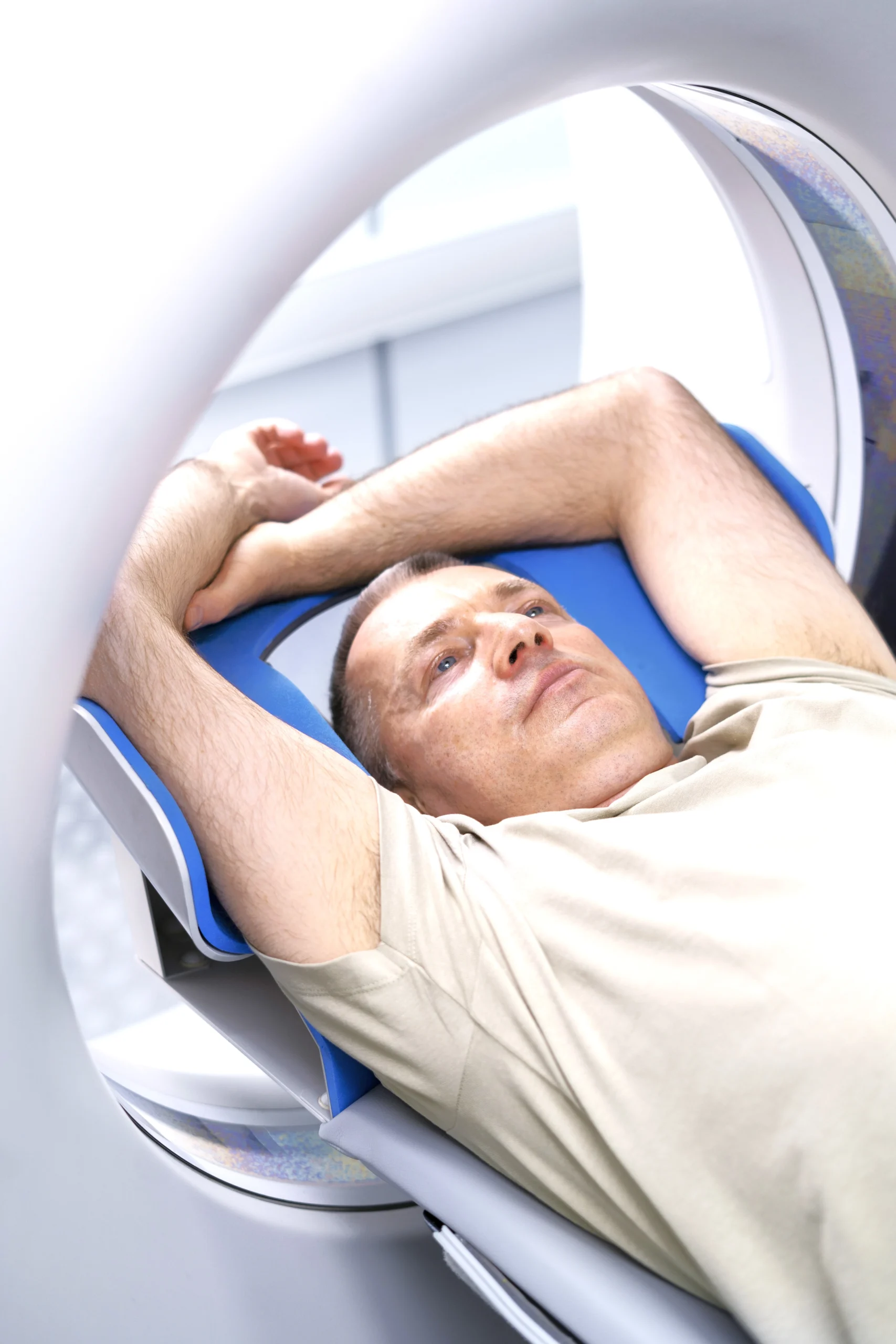
- A non-contrast CT scan is the gold standard for kidney stone diagnosis with 97% sensitivity, and DCDC offers same-day imaging in Dubai Healthcare City
- Drinking 2.5-3.5 liters of water daily reduces kidney stone recurrence by 40-60%, making hydration the single most effective prevention strategy
- Without preventive measures, 50% of kidney stone patients will form another stone within 5-10 years; a metabolic evaluation can identify your specific risk factors
Kidney stones are one of the most painful conditions a person can experience, and living in Dubai makes you more vulnerable. The UAE's extreme heat, combined with common dietary habits and widespread chronic dehydration, contributes to a kidney stone prevalence of 10-15% -- well above the global average of 10%. If you are dealing with kidney stone symptoms or want to prevent a recurrence, our kidney stone treatment service at DCDC in Dubai Healthcare City provides comprehensive diagnosis, medical management, and evidence-based prevention plans.
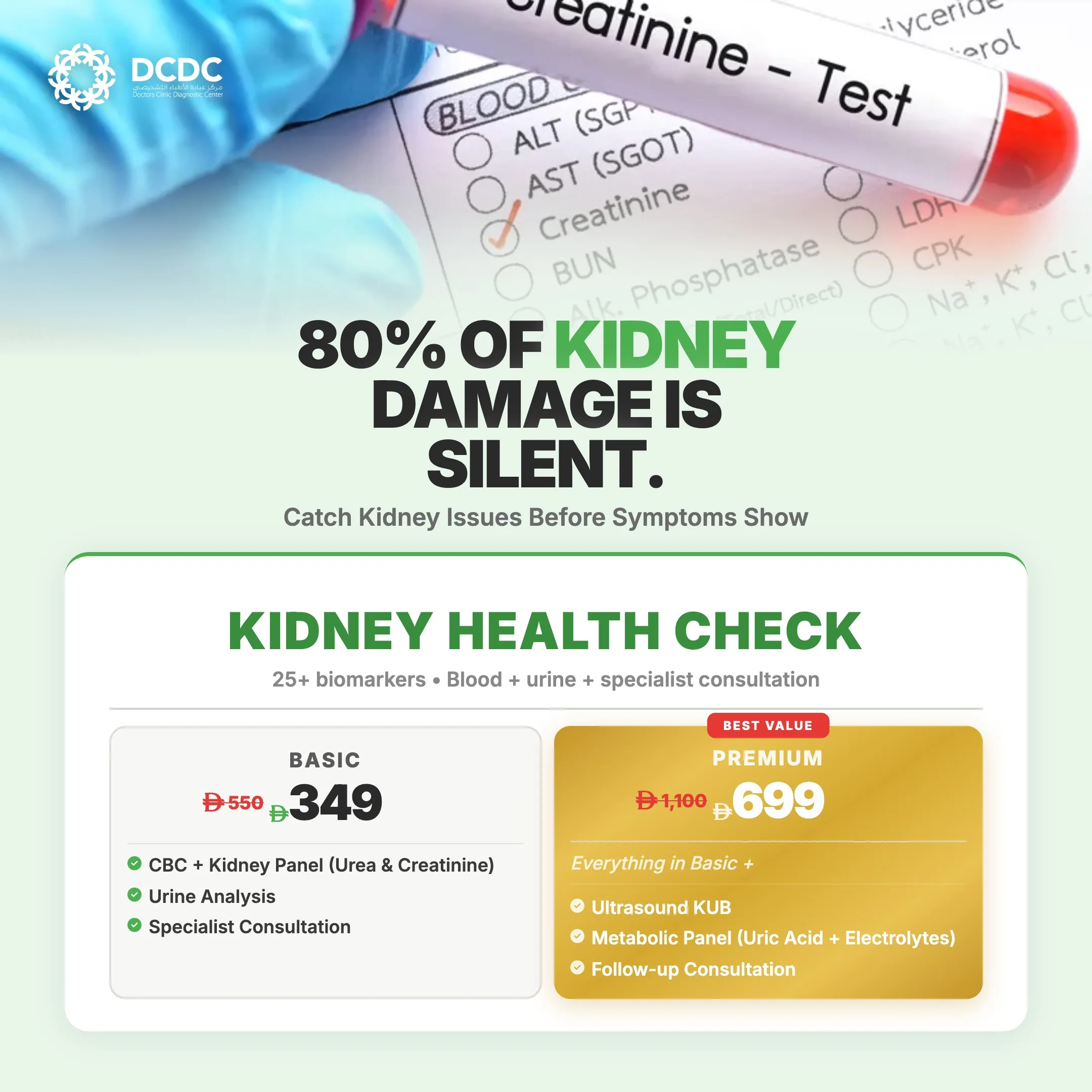
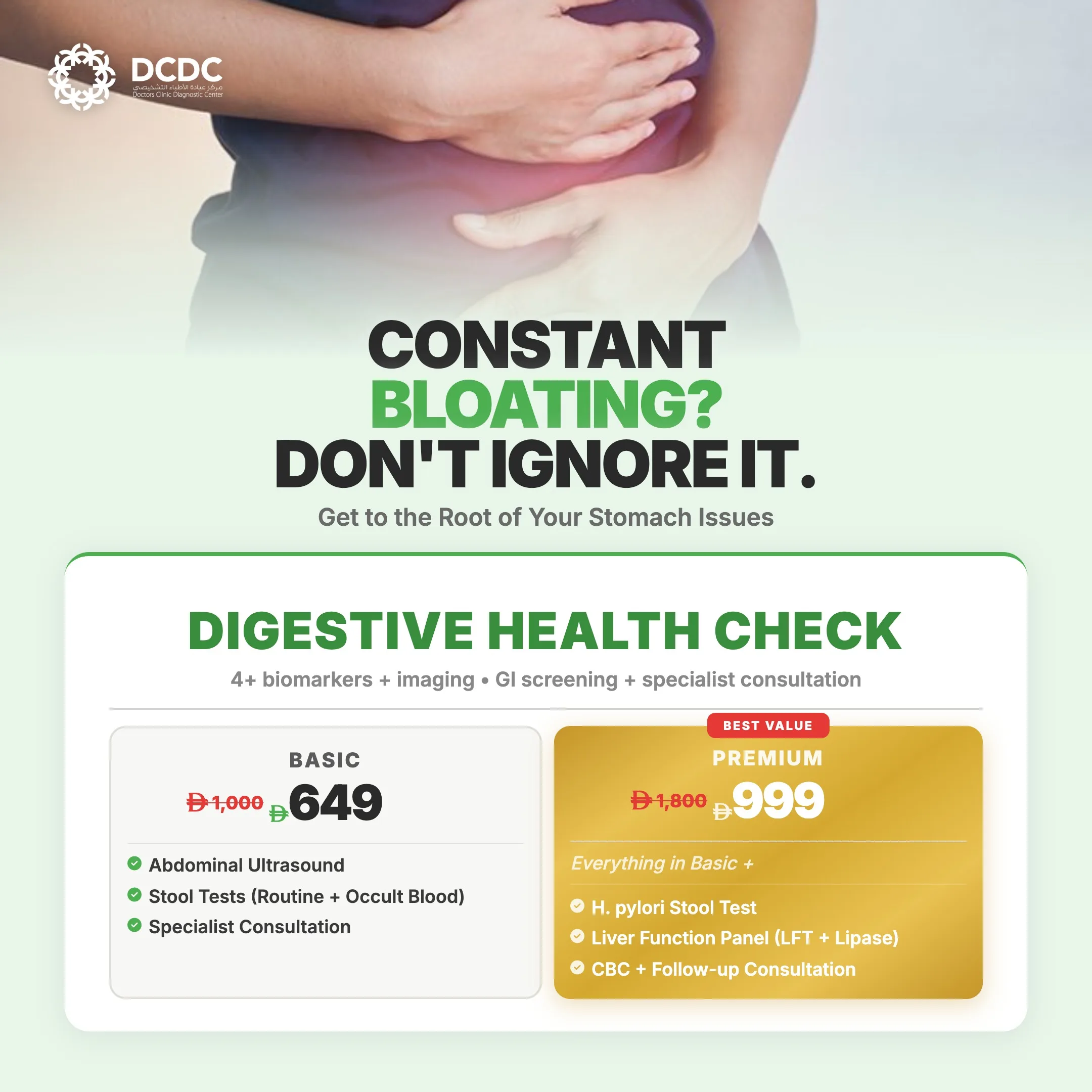
Health Screening Packages
Save with our bundled screening packages — specialist consultation included




What Are Kidney Stones?
Kidney stones (nephrolithiasis) are hard mineral and salt deposits that form inside your kidneys when your urine becomes too concentrated. They can range in size from a grain of sand to a golf ball, though most are between 2 and 10 millimeters. When a stone moves from the kidney into the ureter -- the narrow tube connecting the kidney to the bladder -- it can cause sudden, severe pain known as renal colic.
Stones form when the concentration of crystal-forming substances in urine (calcium, oxalate, uric acid, cystine) exceeds the ability of urine to dissolve them. At the same time, urine may lack substances that normally prevent crystals from forming, such as citrate. The result is a gradual build-up of solid material that eventually becomes large enough to cause symptoms or obstruction.
Globally, kidney stones affect approximately 10% of the population at some point in their lives. Men are 2-3 times more likely to develop stones than women, and peak incidence occurs between the ages of 30 and 60. Once you have had one kidney stone, the probability of forming another is roughly 50% within 5-10 years if no preventive steps are taken.
Kidney Stone Symptoms and Warning Signs
A small kidney stone may sit silently in the kidney for months or even years without causing symptoms. The trouble begins when the stone moves into the ureter or grows large enough to block urine flow. Symptoms depend on the stone's size, location, and whether it causes an obstruction or infection.
Classic Kidney Stone Symptoms
- Severe flank pain: Sudden, intense pain on one side of the back or abdomen, often described as the worst pain imaginable. It typically comes in waves (renal colic) as the ureter contracts around the stone
- Radiating pain: Pain that shifts from the back to the lower abdomen, groin, or inner thigh as the stone moves down the ureter
- Blood in urine (hematuria): Pink, red, or brown urine caused by the stone scratching the lining of the urinary tract
- Painful urination: Burning or stinging sensation during urination, especially when the stone reaches the bladder-ureter junction
- Frequent urination: Feeling the urge to urinate more often than usual, sometimes passing only small amounts
- Nausea and vomiting: A common reflex response to the intensity of the pain
- Fever and chills: If infection develops alongside the obstruction, requiring urgent medical attention
- Inability to find a comfortable position: Unlike abdominal pain from other causes, stone pain makes you restless and unable to lie still
Not all kidney stones cause dramatic symptoms. Some patients discover stones incidentally during imaging for other conditions. However, any sudden onset of severe flank pain warrants immediate evaluation.
Types of Kidney Stones Explained
Not all kidney stones are the same. Identifying your stone type through laboratory analysis of a passed stone or metabolic urine testing is critical for effective prevention. Each type has different causes and requires a different dietary and medical approach.
| Stone Type | Frequency | Primary Cause | Key Features |
|---|---|---|---|
| Calcium Oxalate | ~70-80% | High oxalate intake, low fluid intake, low citrate, high urine calcium | Most common type worldwide; visible on X-ray; brown or black in color |
| Calcium Phosphate | ~10-15% | Alkaline urine, renal tubular acidosis, hyperparathyroidism | Often mixed with calcium oxalate; more common in women; smooth and pale |
| Uric Acid | ~5-10% | Acidic urine (pH <5.5), high-purine diet, gout, obesity, diabetes | Not visible on X-ray; radiolucent on plain imaging; can sometimes be dissolved medically |
| Struvite (Infection) | ~5-10% | Chronic urinary tract infections with urease-producing bacteria | Can grow rapidly into large 'staghorn' stones; more common in women; requires infection treatment |
| Cystine | ~1-3% | Genetic disorder (cystinuria) causing excess cystine in urine | Rare; tends to recur frequently; requires very high fluid intake (4+ liters daily) |
Classification of kidney stones by type, frequency, cause, and distinguishing features. Percentages are approximate.
Approximately 80% of all kidney stones are calcium-based, predominantly calcium oxalate. A common misconception is that eating calcium-rich foods causes calcium stones. In reality, dietary calcium binds to oxalate in the gut and prevents it from being absorbed into the bloodstream and filtered into the urine. Restricting dietary calcium actually increases kidney stone risk. Calcium supplements taken between meals, however, may increase risk because they do not bind oxalate in food.
For detailed information about kidney health and how to reduce your overall risk, read our comprehensive guide on kidney health prevention tips.
What Causes Kidney Stones in Dubai?
While kidney stones occur worldwide, Dubai residents face additional risk factors that make stone formation more common. Understanding these local factors is the first step toward prevention.
Climate and Dehydration
Dubai's summer temperatures regularly exceed 40 degrees Celsius, and outdoor workers, athletes, and commuters lose substantial amounts of fluid through perspiration. Even in air-conditioned environments, insensible water loss is higher than in temperate climates. When fluid intake does not keep pace with losses, urine becomes concentrated, allowing crystals to form. Research consistently shows that kidney stone incidence rises during hot summer months, and the UAE's year-round warmth extends this risk beyond a single season.
Dietary Factors
- High sodium intake: Salty foods and processed meals increase calcium excretion in urine, raising stone risk
- Excess animal protein: Red meat, poultry, and seafood increase uric acid production and lower urine citrate
- Sugary beverages: Fructose in soft drinks increases uric acid and oxalate excretion
- Inadequate fruits and vegetables: Low citrate intake from insufficient citrus and produce
- High-oxalate foods: Spinach, rhubarb, beets, almonds, and chocolate contain high levels of oxalate
Medical and Lifestyle Risk Factors
- Obesity: Increases uric acid excretion and changes urine pH, promoting stone formation
- Diabetes: Associated with insulin resistance, which lowers urine pH and increases uric acid stone risk
- Family history: Having a first-degree relative with kidney stones doubles your risk
- Previous stones: One episode means a 50% chance of recurrence within 5-10 years
- Inflammatory bowel disease: Crohn's disease and ulcerative colitis increase oxalate absorption
- Gastric bypass surgery: Changes calcium and oxalate absorption patterns
- Certain medications: Calcium supplements (when taken without food), vitamin C megadoses, and some diuretics
- Sedentary lifestyle: Prolonged immobility increases calcium release from bones into the bloodstream
How Kidney Stones Are Diagnosed
Accurate diagnosis determines the size, location, and number of stones, which directly guides treatment decisions. At DCDC, we offer same-day diagnostic imaging and laboratory testing in Dubai Healthcare City.
Imaging Studies
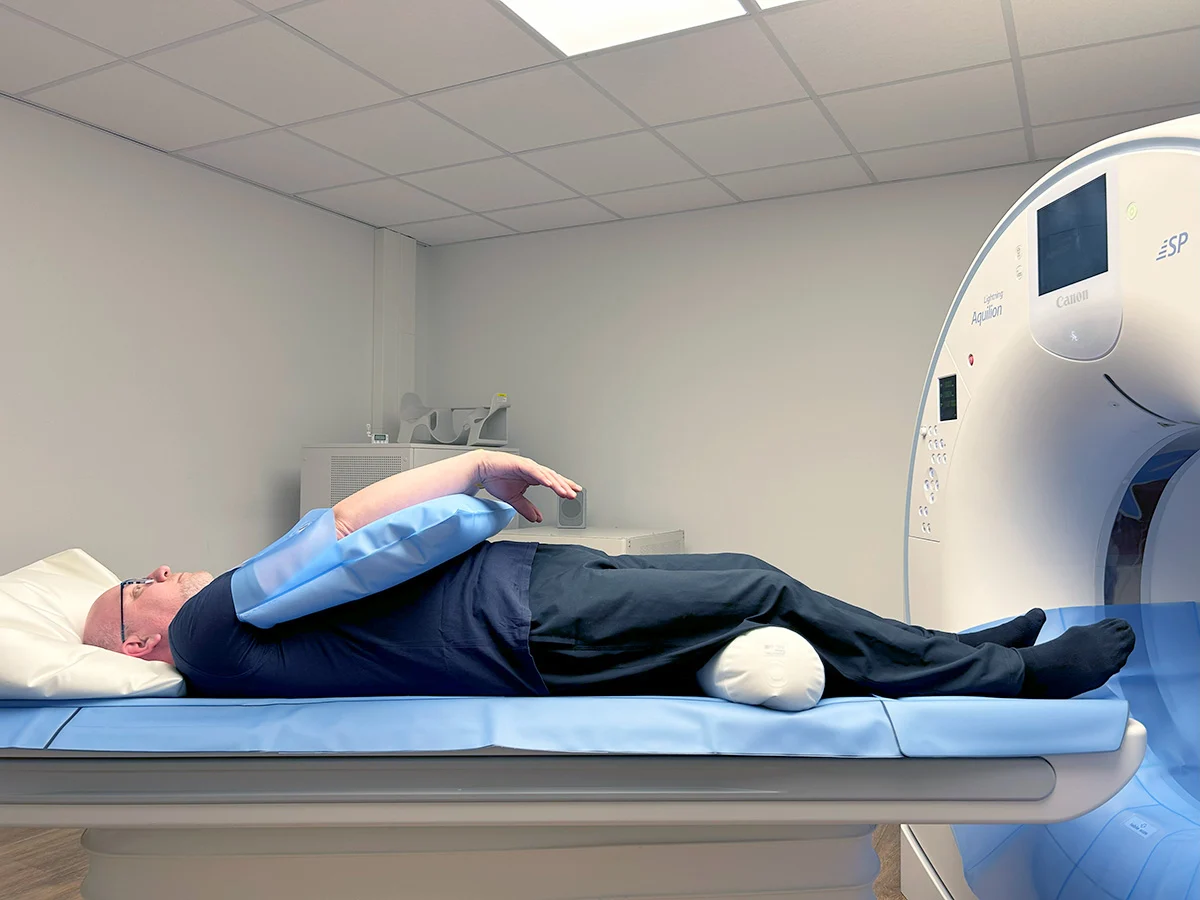
A non-contrast CT scan of the kidneys, ureters, and bladder (CT KUB) is the gold standard for kidney stone diagnosis. It has a sensitivity of 97% and can detect stones as small as 1-2 mm, regardless of stone type. The scan takes only a few minutes, requires no preparation or contrast dye, and provides precise information about stone size, location, and any obstruction.
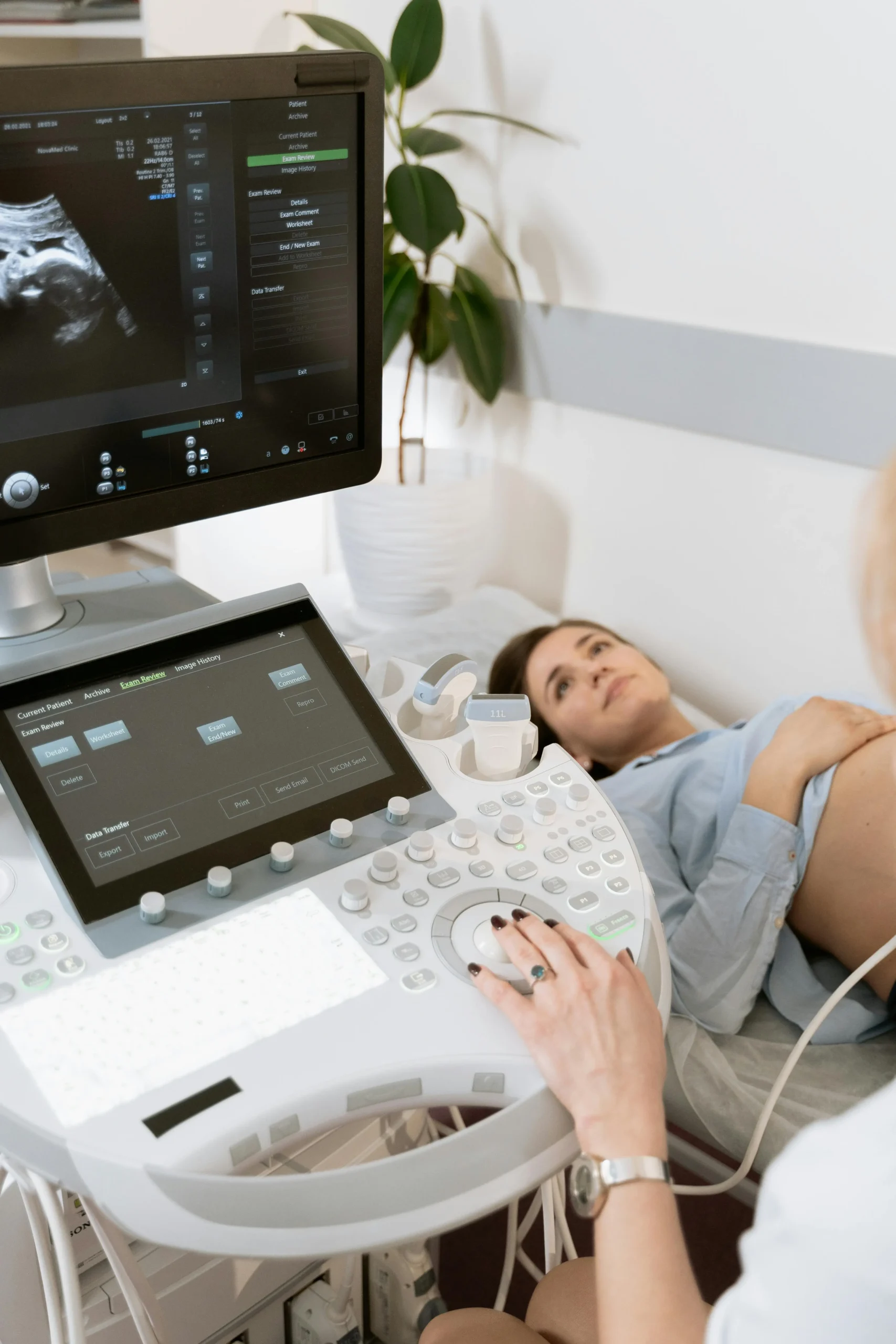
Kidney ultrasound is an excellent first-line screening tool, particularly for pregnant women and children, because it involves no radiation. It can detect stones larger than 5 mm and identify hydronephrosis (swelling from urine backup). However, it may miss smaller stones and ureteral stones. For a complete understanding of abdominal CT imaging, see our abdominal CT scan guide.
Laboratory Testing
- Urinalysis: Checks for blood, crystals, bacteria, and pH level
- Complete blood count (CBC): Identifies infection or elevated white blood cells
- Basic metabolic panel: Evaluates kidney function (creatinine, BUN) and electrolytes (calcium, potassium)
- Uric acid level: Elevated in uric acid stone formers
- Parathyroid hormone (PTH): To rule out hyperparathyroidism in patients with high calcium stones
- 24-hour urine collection: The most comprehensive metabolic evaluation, measuring total volume, calcium, oxalate, citrate, uric acid, sodium, and pH to identify specific stone-forming risk factors
Stone analysis is performed whenever a stone is passed or surgically removed. Knowing the exact mineral composition directs prevention strategies. Patients should strain their urine during an active stone episode to capture the stone for laboratory analysis.
For more details on kidney imaging options and what to expect during an ultrasound, read our renal Doppler ultrasound guide and our overview of abdominal ultrasound.
Kidney Stone Treatment Options in Dubai
Treatment depends on the stone's size, location, composition, and whether it is causing obstruction or infection. The majority of small kidney stones can be managed conservatively, while larger or complicated stones require procedural intervention.
Conservative Management (Watchful Waiting)
Stones smaller than 5 mm have an 80-90% chance of passing spontaneously. The approach includes aggressive hydration (2.5-3 liters of water daily), pain control with NSAIDs or opioids as needed, anti-nausea medication, and monitoring with follow-up imaging to confirm passage. Most small stones pass within 1-4 weeks.
Medical Expulsive Therapy (MET)
For stones between 5 and 10 mm, alpha-blocker medications such as tamsulosin (Flomax) relax the smooth muscle in the ureter, increasing the spontaneous passage rate by approximately 30%. This reduces the need for surgical intervention in many borderline cases. MET is typically prescribed for 2-4 weeks alongside hydration and pain management. Stones in this size range have roughly a 50% chance of passing on their own, and medication improves those odds significantly.
Surgical and Procedural Options
When conservative measures fail or the stone is too large (generally above 10 mm), procedural intervention is necessary. DCDC provides comprehensive diagnostic workup and medical management, and coordinates referral to specialist urologists for surgical procedures when needed.
- Extracorporeal Shock Wave Lithotripsy (ESWL): Uses focused shock waves to break stones into fragments small enough to pass naturally. Best for stones under 20 mm in the kidney or upper ureter. Non-invasive, performed as an outpatient procedure
- Ureteroscopy (URS): A thin flexible scope is passed through the urethra and bladder into the ureter to visualize and fragment the stone with laser energy. Highly effective for ureteral stones and mid-sized kidney stones. No external incisions required
- Percutaneous Nephrolithotomy (PCNL): For large stones (above 20 mm) or staghorn stones, a small incision is made in the back to access the kidney directly. The stone is fragmented and removed through a nephroscope. Requires general anesthesia and a short hospital stay
- Ureteral stenting: A temporary internal stent may be placed to relieve obstruction and allow urine drainage while awaiting definitive stone treatment
Kidney Stone Pain? Get a Same-Day Diagnosis at DCDC
If you are experiencing sudden flank pain, blood in your urine, or suspect a kidney stone, our stone disease team at DCDC can provide same-day CT imaging, pain management, and a treatment plan. We coordinate seamlessly with urologists for cases requiring surgical intervention.
Walk-ins welcome at Dubai Healthcare City. Most major insurance plans accepted.
Kidney Stone Treatment Cost in Dubai (2026)
Understanding the potential costs helps patients plan their care. Below is a breakdown of typical kidney stone-related expenses at DCDC and in the broader Dubai healthcare market. Prices vary based on complexity, insurance coverage, and the specific facility.
| Service | What It Includes | Estimated Cost (AED) |
|---|---|---|
| Nephrology Consultation | Clinical assessment, history review, treatment plan | From AED 400–700 |
| CT Scan (Abdomen / CT KUB) | Non-contrast scan for stone detection and sizing | From AED 1,200–2,500 |
| Kidney Ultrasound | Radiation-free imaging for stone screening and hydronephrosis | From AED 300–600 |
| Urine Analysis | Urinalysis, crystals, pH, infection markers | From AED 99–200 |
| Metabolic Stone Panel (24-hr urine + blood) | Comprehensive risk factor evaluation for stone prevention | From AED 300–500 |
| ESWL (Shock Wave Lithotripsy)* | Non-invasive stone fragmentation | AED 10,000–18,000 |
| Ureteroscopy with Laser Lithotripsy* | Minimally invasive endoscopic stone removal | AED 15,000–25,000 |
| PCNL (Percutaneous Nephrolithotomy)* | Keyhole surgery for large or complex stones | AED 20,000–30,000 |
Estimated kidney stone treatment costs in Dubai (2026). Prices are approximate and vary by case complexity. *Surgical procedures are performed at partner hospitals; DCDC provides pre-operative evaluation and post-operative follow-up.
Most health insurance plans in the UAE cover kidney stone diagnosis and treatment when deemed medically necessary. DCDC's patient services team can verify your insurance coverage and provide a cost estimate before your appointment. For more details on imaging costs in Dubai, see our guides on CT scan costs and ultrasound costs in Dubai.
How to Pass a Kidney Stone at Home
If your doctor has confirmed a small stone (under 5-6 mm) and has determined it is safe to manage at home, the following steps can help facilitate passage and manage discomfort. Always follow your doctor's specific instructions.
Step-by-Step Home Management
- 1. Drink 2.5-3.5 liters of water daily: Increased fluid intake is the single most important factor. Water dilutes urine and helps flush the stone through the urinary tract. Spread intake evenly throughout the day
- 2. Take prescribed pain medication: NSAIDs (ibuprofen, diclofenac) are first-line for renal colic. Your doctor may also prescribe stronger pain relief for breakthrough episodes
- 3. Use alpha-blockers if prescribed: Tamsulosin relaxes the ureter and can increase the likelihood of stone passage by approximately 30%
- 4. Apply heat: A warm compress or heating pad on the affected side can help relax the ureter and reduce pain
- 5. Stay active: Light walking and gentle movement may help the stone move through the ureter. Avoid bed rest unless the pain is severe
- 6. Strain your urine: Use a fine mesh strainer or gauze to catch the stone when it passes. Save it in a clean container for laboratory analysis
- 7. Monitor symptoms: Keep track of pain episodes, urine color, and any fever. Contact your doctor if symptoms worsen
Warning signs that require immediate medical attention: Fever above 38 degrees Celsius (possible infection), complete inability to urinate, uncontrollable pain despite medication, persistent vomiting preventing fluid intake, or symptoms lasting more than 4-6 weeks without stone passage.
Kidney Stone Prevention in Dubai's Climate
Prevention is far more comfortable and cost-effective than treatment. Studies show that drinking 2.5-3.5 liters of water daily reduces kidney stone recurrence by 40-60%. In Dubai's climate, where dehydration is a constant threat, prevention strategies must account for the extreme environment.
Hydration Guidelines for Dubai
- Baseline fluid target: 2.5-3.5 liters daily, enough to produce at least 2 liters of light-colored urine
- Summer months (May-October): Increase to 3.5-4.5 liters when temperatures exceed 40 degrees Celsius
- Exercise adjustment: Add 500 mL-1 liter for each hour of physical activity, especially outdoor exercise
- Urine color check: Urine should be pale yellow. Dark yellow or amber urine indicates insufficient hydration
- Evening hydration: Drink a glass of water before bed and upon waking -- urine concentrates overnight, which is when many stones begin forming
- Citrus additions: Adding fresh lemon or lime juice to water increases citrate intake, a natural stone inhibitor
Medical Prevention Strategies
For patients with recurrent kidney stones, a metabolic evaluation (24-hour urine collection and blood work) identifies the specific biochemical abnormalities driving stone formation. Based on results, your doctor may prescribe:
- Potassium citrate: Raises urine citrate and pH, preventing calcium and uric acid stone formation
- Thiazide diuretics: Reduce urine calcium excretion in patients with hypercalciuria
- Allopurinol: Lowers uric acid levels for uric acid stone formers or those with hyperuricosuria
- Dietary counseling: Tailored nutritional plans based on stone type and metabolic risk factors
To learn more about how blood tests support stone prevention and metabolic evaluation, see our blood test guide for Dubai.
Diet and Nutrition for Kidney Stone Prevention
Diet plays a central role in kidney stone formation and prevention. The right dietary changes can reduce recurrence by 50% or more, depending on your stone type. These recommendations apply to the most common calcium oxalate stones; patients with other stone types should discuss dietary modifications with their nephrologist.
Foods to Include
- Citrus fruits: Lemons, limes, oranges, and grapefruit are rich in citrate, which inhibits crystal formation
- Adequate calcium from food: Dairy products, fortified plant milks, and leafy greens (low-oxalate varieties like kale and bok choy). Consuming calcium with meals binds dietary oxalate in the gut
- Fruits and vegetables: Increase urine volume and provide potassium and magnesium, both protective against stones
- Whole grains: Provide fiber and phytate, which may inhibit calcium crystal formation
- Water-rich foods: Watermelon, cucumbers, and celery contribute to overall fluid intake
Foods to Limit
- Sodium: Limit to under 2,300 mg daily. High sodium increases urine calcium. Avoid processed foods, canned soups, fast food, and salty snacks
- Animal protein: Limit red meat, organ meats, and shellfish to moderate portions. Excess animal protein acidifies urine and increases calcium and uric acid excretion
- High-oxalate foods (if oxalate stones): Spinach, rhubarb, beets, Swiss chard, almonds, peanuts, and chocolate. Moderate rather than eliminate, and pair with calcium-rich foods
- Sugary drinks: Sodas (especially cola) and sweetened beverages increase stone risk through fructose metabolism
- Excessive vitamin C supplements: Doses above 1,000 mg daily can convert to oxalate in the body
Key dietary principle: Low dietary calcium actually increases kidney stone risk. The National Kidney Foundation recommends consuming 1,000-1,200 mg of calcium daily from food sources. Calcium supplements should only be taken with meals and under medical guidance.
When to See a Doctor for Kidney Stones
While some small kidney stones can be managed at home under medical guidance, certain situations require prompt medical attention. Delaying treatment in these cases can lead to kidney damage, sepsis, or permanent loss of kidney function.
Seek Immediate Medical Care If You Have
- Severe pain that is not controlled by over-the-counter pain medication
- Fever (above 38 degrees Celsius) or chills with flank pain, suggesting an infected obstructed stone -- this is a urological emergency
- Complete inability to urinate for several hours
- Persistent vomiting preventing you from keeping fluids or medications down
- Known single kidney or transplanted kidney with suspected stone
- Pregnancy with stone symptoms -- imaging and treatment require special considerations
Schedule a Non-Urgent Appointment If You Have
- Mild recurrent flank or back pain without acute distress
- Blood in your urine (even without pain)
- A history of kidney stones and want a prevention workup
- Family history of kidney stones or kidney disease
- A stone discovered incidentally on imaging for another reason
Kidney Stones in Women, Children, and High-Risk Groups
While men are 2-3 times more likely to develop kidney stones overall, rates in women have been increasing over the past two decades. Kidney stones also affect children and certain high-risk populations.
Kidney Stones in Women
Women are more likely to develop calcium phosphate and struvite (infection-related) stones. Pregnancy increases the risk due to changes in calcium metabolism and urine flow. Pregnant women with kidney stones require careful management because many standard diagnostic and treatment options (CT scans, certain medications) carry risks during pregnancy. Ultrasound is the preferred imaging modality for pregnant patients.
Kidney Stones in Children
Pediatric kidney stones are increasing globally, partly due to dietary changes and inadequate fluid intake. Children with stones should undergo a thorough metabolic evaluation because underlying conditions (metabolic disorders, urinary tract abnormalities) are more common in pediatric stone formers. Treatment is similar to adults but adjusted for age and size, and radiation exposure from CT scans should be minimized.
Other High-Risk Groups
- People with diabetes: Insulin resistance creates acidic urine that promotes uric acid stones
- People with obesity: Higher body weight correlates with increased urine calcium, oxalate, and uric acid
- People with inflammatory bowel disease: Crohn's disease and short bowel syndrome increase intestinal oxalate absorption
- People with gout: Elevated uric acid levels predispose to both uric acid and calcium stones
- Patients taking certain medications: Some HIV medications (indinavir), certain antibiotics (sulfonamides), and topiramate can form drug-related stones
- Outdoor workers in Dubai: Construction workers, delivery drivers, and others working in extreme heat face significantly elevated risk without adequate hydration
Prevent Kidney Stones Before They Start
At Doctors Clinic Diagnostic Center in Dubai Healthcare City, our team offers comprehensive kidney stone evaluations including CT imaging, kidney ultrasound, metabolic panels, and personalized prevention plans. Whether you are experiencing your first stone or trying to prevent a recurrence, we provide expert, same-day care.
Book your nephrology consultation today. Located in Dubai Healthcare City, Building 47. Most insurance accepted.
Связанные услуги в DCDC
Квалифицированная помощь и современная диагностика в Dubai Healthcare City
Frequently Asked Questions
Final Thoughts
Kidney stones are a common and painful condition that is especially prevalent in Dubai due to the extreme climate and dietary factors. The good news is that most kidney stones can be diagnosed quickly with modern imaging, managed effectively with conservative treatment, and -- most importantly -- prevented from recurring with evidence-based strategies.
If you have experienced a kidney stone, do not wait for the next one. A metabolic evaluation can identify the biochemical factors driving your stone formation, and targeted prevention with hydration, dietary changes, and sometimes medication can reduce your recurrence risk by more than half. At DCDC in Dubai Healthcare City, our team provides comprehensive kidney stone care from diagnosis through long-term prevention planning.
Источники и ссылки
Эта статья проверена нашей медицинской командой и ссылается на следующие источники:
- Mayo Clinic - Kidney Stones: Overview, Symptoms, and Treatment
- National Kidney Foundation - Kidney Stones
- Cleveland Clinic - Kidney Stones: Diagnosis, Treatment, and Prevention
- World Health Organization - Global Report on Renal Disease
- NHS - Kidney Stones: Causes, Symptoms, and Treatment
- European Association of Urology - EAU Guidelines on Urolithiasis
Медицинский контент на этом сайте проверяется врачами, лицензированными DHA. См. нашу редакционную политику для получения дополнительной информации.

Автор
Dr. Hadeel Elnur
General Practitioner
MD, General Practice
Dr. Hadeel Elnur is a General Practitioner at Doctors Clinic Diagnostic Center (DCDC) in Dubai Healthcare City.
Related Articles

Kidney Health Prevention Tips
Renal Doppler Ultrasound for Kidney Assessment
Abdominal CT Scan: What It Detects & Preparation
CT Scan Cost in Dubai
Blood Test Guide for Dubai
More in Internal Medicine
Bloating Causes & Treatment in Dubai (2026)
Читать далееAnemia Treatment Dubai: Types & Causes (2026)
Читать далее
Chronic Fatigue Causes Dubai: Why Always Tired (2026)
Читать далееIBS vs Food Intolerance Dubai: Which Is It? (2026)
Читать далее
Best Internal Medicine Doctor in Dubai: Dr. Hadi Komshi at DCDC (2026)
Читать далееDiabetes Specialist in Dubai: Expert Management at DCDC (2026)
Читать далее© 2026 Doctors Clinic Diagnostic Center (DCDC), Dubai Healthcare City. Originally published at https://doctorsclinicdubai.ae/blog/kidney-stones-treatment-dubai. All rights reserved. Unauthorized reproduction is prohibited.