Ключевые выводы
- Hearing loss affects over 1.5 billion people worldwide according to the WHO, with approximately 430 million requiring rehabilitation services. Dubai's high-noise urban environment — construction, traffic on Sheikh Zayed Road, and loud entertainment venues — places residents at elevated risk for noise-induced hearing loss.
- The three main types of hearing loss are sensorineural (inner ear or nerve damage, most common), conductive (outer or middle ear blockage), and mixed. Each type has different causes and treatment approaches, making accurate diagnosis through audiometry essential.
- Sudden sensorineural hearing loss (SSNHL) — rapid hearing decline in one ear over 72 hours or less — is a medical emergency. Treatment with corticosteroids must begin within 24-48 hours for the best chance of recovery.
- Noise-induced hearing loss is entirely preventable. The NIDCD recommends limiting exposure above 85 decibels — equivalent to heavy traffic on Sheikh Zayed Road — and using hearing protection in noisy environments.
- A comprehensive hearing assessment at DCDC takes 30-45 minutes and includes pure tone audiometry, speech audiometry, tympanometry, and otoacoustic emissions testing with immediate results in an acoustically controlled suite.
- ENT consultation for hearing concerns starts from AED 300 at DCDC Dubai Healthcare City, with hearing assessments from AED 250. Most major Dubai insurance plans cover medically indicated hearing evaluation and treatment.
Hearing loss is one of the most common sensory conditions worldwide — and in a city like Dubai, where residents are exposed to round-the-clock construction noise, congested traffic, loud restaurants and nightlife, and constant headphone use, the risk is particularly high. According to the World Health Organization, over 1.5 billion people globally live with some degree of hearing loss, a number projected to reach 2.5 billion by 2050. Yet many people do not realise their hearing has declined until it significantly affects their daily communication, work performance, or quality of life. This comprehensive guide covers everything you need to know about hearing loss causes and treatment in Dubai — from the types and causes of hearing impairment, to self-assessment tools, when to seek urgent care, what diagnostic testing involves, treatment options, prevention strategies tailored to Dubai's environment, and what to expect at your hearing assessment.
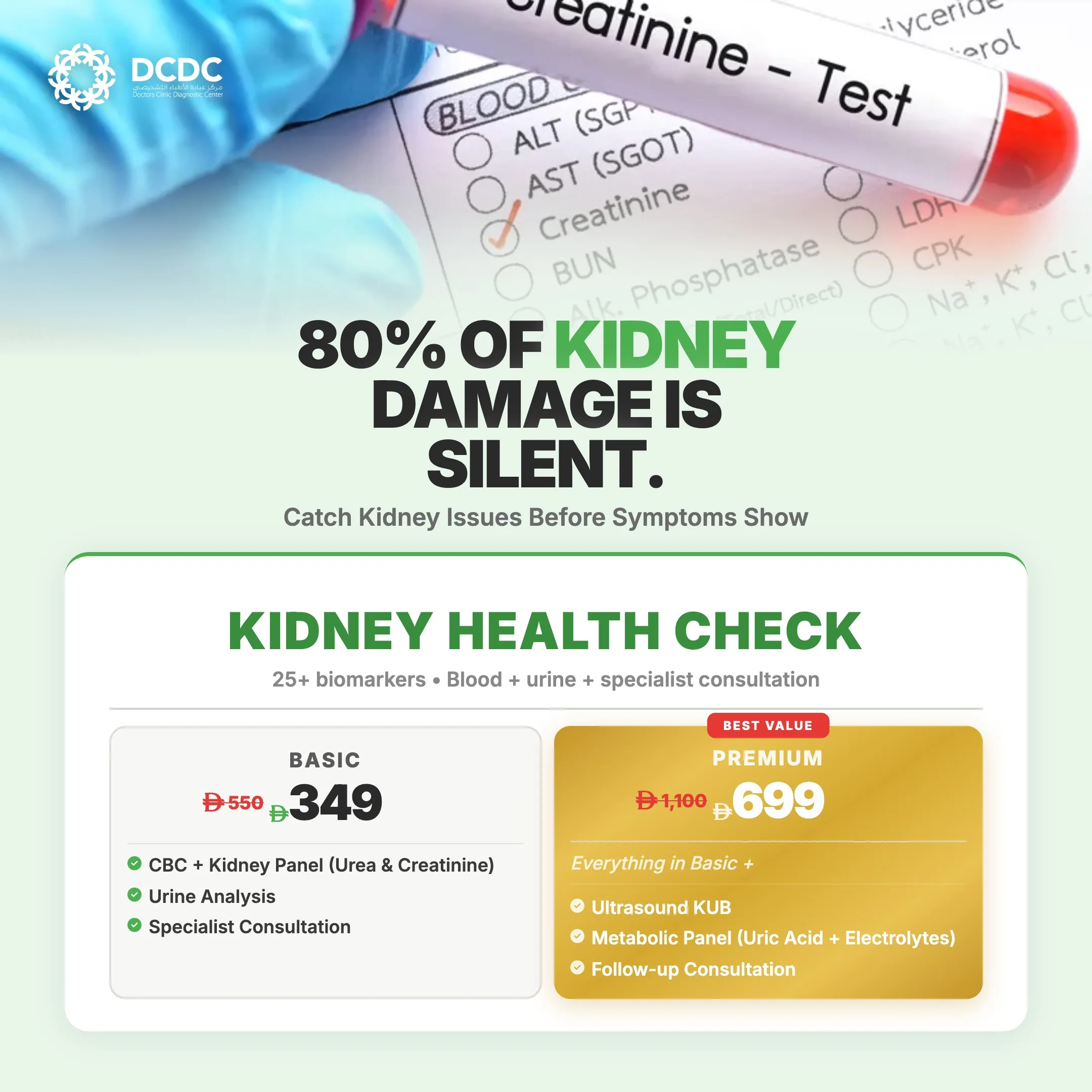
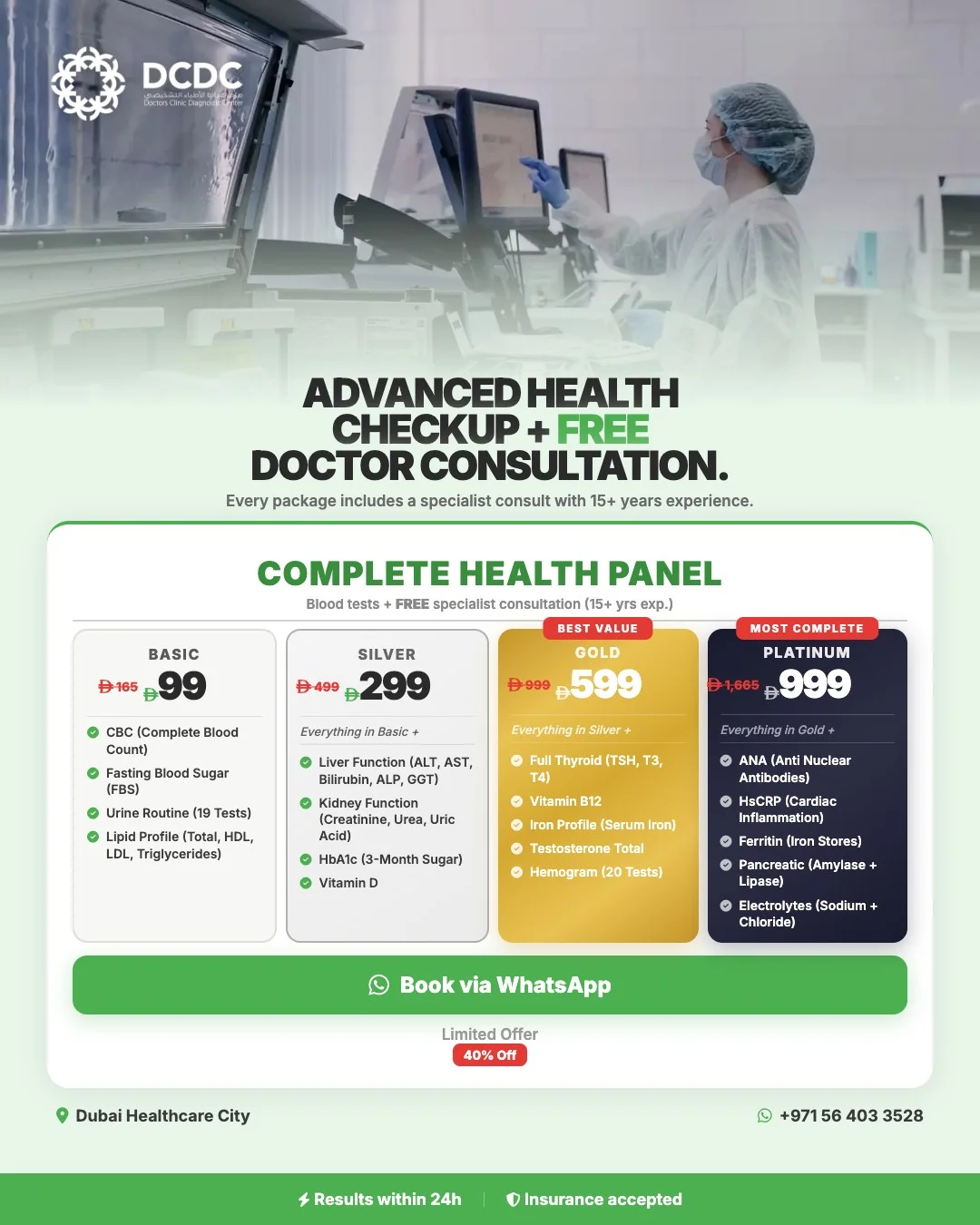
Health Screening Packages
Save with our bundled screening packages — specialist consultation included




What Is Hearing Loss?
Hearing loss occurs when any part of the auditory system — from the outer ear through the middle ear, inner ear, and auditory nerve to the brain — is not working as it should. It can range from a mild difficulty hearing soft speech to a profound inability to perceive any sound. Hearing loss may develop gradually over years, making it difficult to notice, or it can occur suddenly, requiring emergency medical attention.
The ear is a remarkably complex organ divided into three main sections. The outer ear (pinna and ear canal) collects sound waves and channels them toward the eardrum. The middle ear contains three tiny bones — the malleus, incus, and stapes — that amplify vibrations and transmit them to the inner ear. The inner ear (cochlea) contains approximately 15,000–20,000 delicate hair cells that convert mechanical vibrations into electrical signals, which the auditory nerve carries to the brain for interpretation. Damage or obstruction at any point in this chain results in hearing loss.
According to the WHO's World Report on Hearing, hearing loss is the third most common cause of years lived with disability globally. It affects cognitive function, mental health, social participation, and educational and employment outcomes — making early detection and treatment critically important.
Types of Hearing Loss
Hearing loss is classified into three primary types based on which part of the auditory system is affected. Identifying the type is the essential first step in determining the right treatment approach.
Sensorineural Hearing Loss
Sensorineural hearing loss (SNHL) is the most common type, accounting for approximately 90% of all hearing loss cases according to the NIDCD. It occurs when the hair cells in the cochlea or the auditory nerve are damaged. Unlike conductive hearing loss, sensorineural damage is typically permanent because hair cells in the human cochlea do not regenerate once destroyed.
Common causes of sensorineural hearing loss include ageing (presbycusis), prolonged noise exposure, genetic factors, viral infections (measles, mumps, meningitis), ototoxic medications (certain antibiotics and chemotherapy agents), Meniere's disease, and acoustic neuromas. Patients with SNHL often report difficulty understanding speech — especially in noisy environments such as Dubai's busy restaurants — even when they can hear that someone is speaking.
Conductive Hearing Loss
Conductive hearing loss occurs when sound waves cannot efficiently pass through the outer ear canal, eardrum, or middle ear bones to reach the inner ear. This type of hearing loss is often temporary and frequently treatable — sometimes with a procedure as straightforward as ear wax removal.
Common causes include impacted ear wax (cerumen impaction), middle ear infections (otitis media) with fluid buildup, a perforated eardrum, otosclerosis (abnormal bone growth in the middle ear), foreign objects in the ear canal, and eustachian tube dysfunction. Conductive hearing loss typically results in a uniform reduction of sound volume — everything sounds quieter but not distorted, and raising the volume usually helps.
Mixed Hearing Loss
Mixed hearing loss is a combination of sensorineural and conductive components. For example, a person with age-related sensorineural hearing loss who also develops an ear infection or wax impaction has mixed hearing loss. Treatment addresses the conductive component first (which is often reversible), and then manages the remaining sensorineural component with hearing aids or other interventions.
| Feature | Sensorineural | Conductive | Mixed |
|---|---|---|---|
| Location of problem | Inner ear or auditory nerve | Outer or middle ear | Both inner and outer/middle ear |
| Most common cause | Ageing, noise exposure | Ear wax, infections, fluid | Combination of factors |
| Reversibility | Usually permanent | Often treatable or reversible | Conductive part may be reversible |
| Sound quality | Distorted, unclear speech | Quieter but clear if amplified | Both reduced and distorted |
| Primary treatment | Hearing aids, cochlear implants | Medication, wax removal, surgery | Treat conductive part first, then SNHL |
Comparison of hearing loss types
Common Causes of Hearing Loss
Understanding the underlying cause of hearing loss is essential for effective treatment. The causes vary widely — from age-related changes and noise exposure to medical conditions, medications, and structural abnormalities. Below are the most common causes that ENT specialists evaluate in clinical practice.
Age-Related Hearing Loss (Presbycusis)
Presbycusis is the gradual loss of hearing that occurs as people age, typically beginning after age 50 and affecting both ears equally. It is caused by the cumulative deterioration of hair cells in the cochlea over a lifetime. According to the NIDCD, approximately one in three adults between 65 and 74 years has hearing loss, and this rises to nearly half of those over 75. Presbycusis typically affects high-frequency sounds first — making consonants like 's', 'f', 'th', and 'sh' difficult to distinguish, while vowels remain relatively clear.
Ear Wax Impaction
Excessive or impacted ear wax (cerumen) is one of the most common — and most easily treatable — causes of hearing loss. Wax buildup can partially or completely block the ear canal, reducing sound transmission. The WHO estimates that cerumen impaction affects approximately 6% of the general population and up to 57% of elderly patients in care facilities. In Dubai, air conditioning, dust exposure, and frequent use of in-ear headphones and earbuds can all increase wax production and impaction risk. Professional ear wax removal is a quick procedure starting from AED 300 that can restore hearing immediately.
Ear Infections
Middle ear infections (otitis media) cause fluid buildup behind the eardrum, which dampens sound vibration and reduces hearing. While most acute ear infections resolve with treatment and hearing returns to normal, chronic or recurrent infections can cause lasting damage to the eardrum or ossicles. Swimmer's ear (otitis externa), common in Dubai due to year-round pool and beach use, can also reduce hearing by swelling the ear canal. For detailed information, read our guide on ear infection treatment in Dubai.
Ototoxic Medications
Certain medications can damage the inner ear structures. Known ototoxic drugs include aminoglycoside antibiotics (gentamicin, streptomycin), certain chemotherapy agents (cisplatin, carboplatin), loop diuretics (furosemide) in high doses, and large doses of aspirin or NSAIDs. The National Institutes of Health reports that over 200 medications are known to be ototoxic. Patients taking these medications should have baseline and regular hearing monitoring.
Other Medical Causes
- Otosclerosis: Abnormal bone growth around the stapes bone in the middle ear, which prevents it from vibrating normally. Affects approximately 0.3-0.4% of the population, most commonly women between 15 and 45 years
- Meniere's disease: A disorder of the inner ear causing episodes of vertigo, fluctuating hearing loss, tinnitus, and a sensation of ear fullness. Usually affects one ear
- Acoustic neuroma: A benign tumour on the vestibular nerve that can cause gradual hearing loss in one ear, tinnitus, and balance problems
- Autoimmune inner ear disease (AIED): The immune system attacks the inner ear, causing rapid, progressive sensorineural hearing loss in one or both ears
- Head trauma: Skull fractures, severe concussions, or barotrauma (pressure injuries from diving or air travel) can damage the ear structures
- Diabetes and cardiovascular disease: Poor blood supply to the cochlea from vascular disease or diabetic microvascular damage is associated with higher rates of hearing loss
Noise-Induced Hearing Loss in Dubai
Noise-induced hearing loss (NIHL) is one of the most significant and entirely preventable causes of hearing damage — and Dubai's urban environment presents particular risks. According to the NIDCD, approximately 15% of Americans aged 20 to 69 have hearing loss that may have been caused by noise exposure, and similar patterns are seen in rapidly developing urban centres worldwide.
The mechanism is straightforward: prolonged or intense noise damages the hair cells in the cochlea. Once destroyed, these cells do not regenerate. Damage can result from a single exposure to an extremely loud sound (such as an explosion) or — more commonly — from repeated exposure to sounds above 85 decibels (dB) over time.
Common Noise Hazards in Dubai
| Noise Source | Approximate Decibel Level | Safe Exposure Duration |
|---|---|---|
| Normal conversation | 60-70 dB | No limit |
| Heavy traffic on Sheikh Zayed Road | 80-90 dB | 8 hours (at 85 dB) |
| Construction sites (common across Dubai) | 90-110 dB | 2 hours (at 90 dB) |
| Loud restaurants, brunches, and bars | 90-100 dB | 2 hours (at 90 dB) |
| Gym classes and fitness studios | 90-105 dB | Under 1 hour |
| Nightclubs and live music venues | 100-115 dB | 15 minutes (at 100 dB) |
| Headphones at maximum volume | 100-110 dB | 15 minutes |
| Fireworks (National Day, New Year) | 140-160 dB | Immediate damage risk |
Common noise levels in Dubai and recommended safe exposure times (based on NIOSH standards)
Dubai presents unique noise challenges that many residents may not fully appreciate. The city's near-constant construction activity — cranes, pile drivers, and jackhammers operating across residential and commercial areas — creates a persistent high-decibel backdrop. Commuters on Sheikh Zayed Road, Al Khail Road, and other major thoroughfares are exposed to sustained traffic noise. The city's vibrant social scene means many residents frequent loud restaurants, brunch venues, beach clubs, and nightclubs where sound levels routinely exceed 90 dB. Additionally, the widespread use of headphones and earbuds — on the Metro, during gym sessions, and while working in co-working spaces — compounds exposure when volume is turned up to mask ambient noise.
The background hum of air conditioning in offices, homes, and vehicles is another factor unique to Gulf cities. While AC noise alone (typically 40-60 dB) is not directly damaging, it creates a masking effect that causes people to turn up headphones, TVs, and conversations to compensate — increasing overall noise exposure over the course of a day.
Concerned About Your Hearing?
Book a comprehensive hearing assessment at DCDC Dubai Healthcare City. Advanced audiometry with immediate results in our acoustically controlled suite.
Hearing assessments from AED 250 — most insurance plans accepted
Signs You May Have Hearing Loss: Self-Assessment Checklist
Hearing loss often develops so gradually that people adapt without realising how much they have lost. The following self-assessment questions can help you identify whether you may be experiencing hearing decline. If you answer 'yes' to three or more of these questions, you should consider scheduling a professional hearing evaluation.
Do You Experience Any of These?
- You frequently ask people to repeat themselves, or you feel that others are mumbling
- You have difficulty following conversations in noisy environments such as restaurants, malls, or social gatherings
- You need to turn the TV or car radio volume higher than others in the room prefer
- You have trouble hearing on the phone, especially in one ear
- You miss doorbells, alarms, or notification sounds that others hear easily
- You find yourself watching people's lips or faces more carefully to understand what they are saying
- You experience ringing, buzzing, or hissing sounds in one or both ears (tinnitus)
- You avoid social situations because you find it exhausting to follow conversations
- Family members or colleagues have commented that you do not seem to hear well
- You have difficulty distinguishing between similar-sounding words, especially consonants like 's', 'f', and 'th'
- You have a history of regular exposure to loud noise — construction, concerts, headphones at high volume, or occupational noise
- You notice that hearing is worse in one ear compared to the other
If you identified with several of these signs, it is important to note that self-assessment is not a substitute for professional hearing test types and costs. Only a calibrated audiometric evaluation can accurately determine the type, degree, and configuration of hearing loss — and guide appropriate treatment.
When to See a Doctor Urgently
While most hearing loss develops gradually, certain situations require urgent or emergency medical attention. Recognising these red flags can mean the difference between recovery and permanent hearing damage.
Sudden Sensorineural Hearing Loss (SSNHL) — A Medical Emergency
Sudden sensorineural hearing loss is defined as a decline of 30 decibels or more in hearing over three consecutive frequencies, occurring within 72 hours or less. It most commonly affects one ear and is often noticed upon waking or as a sudden 'popping' sensation. The NIDCD estimates that SSNHL affects between 5 and 27 per 100,000 people annually, though the true incidence may be higher because many cases go unreported.
SSNHL is a medical emergency. Research published in Otology & Neurotology demonstrates that patients who begin corticosteroid treatment within 24-48 hours of onset have significantly better hearing outcomes than those who delay. Approximately two-thirds of patients recover some or all of their hearing with prompt treatment — but waiting beyond two weeks dramatically reduces the chances of recovery.
Other Warning Signs Requiring Prompt Medical Attention
- Sudden hearing loss in one or both ears: Do not wait to see if it resolves on its own — seek evaluation within 24 hours
- Hearing loss with vertigo or dizziness: May indicate Meniere's disease, labyrinthitis, or vestibular neuritis
- Hearing loss after head injury or trauma: Could indicate damage to the ear structures or temporal bone fracture
- Ear discharge (especially bloody or foul-smelling): May indicate a perforated eardrum, cholesteatoma, or serious infection
- Rapidly worsening hearing loss over days to weeks: Could signal autoimmune inner ear disease, acoustic neuroma, or other progressive conditions
- Hearing loss with facial weakness or numbness: May indicate a neurological condition requiring urgent investigation
- Severe ear pain with hearing loss and fever: Suggests a complicated ear infection that may require immediate intervention
- Pulsatile tinnitus (hearing your heartbeat in your ear): May be vascular in origin and warrants prompt evaluation
If you experience any of these symptoms, contact an ENT specialist or visit a medical facility immediately. At DCDC, same-day urgent appointments are frequently available for sudden hearing changes. For more information about when ear symptoms require specialist evaluation, read our guide on when to see an ENT specialist.
How Hearing Loss Is Diagnosed
Accurate diagnosis of hearing loss requires professional audiometric testing — a series of calibrated tests performed in a controlled acoustic environment. A hearing assessment does more than confirm whether you have hearing loss; it determines the type (sensorineural, conductive, or mixed), the degree (mild, moderate, severe, or profound), and the specific frequencies affected. This information is essential for selecting the most effective treatment.
Components of a Comprehensive Hearing Assessment
- Otoscopy: Visual examination of the ear canal and eardrum using a magnified light (otoscope) to check for wax impaction, infection, perforation, or structural abnormalities
- Pure tone audiometry (PTA): The gold-standard hearing test. You wear headphones in a soundproof booth and respond to tones at different frequencies (250 Hz to 8,000 Hz) and volumes. Results are plotted on an audiogram, which maps your hearing thresholds across the speech frequency range
- Bone conduction audiometry: A vibrating device placed behind the ear sends sound directly to the inner ear, bypassing the outer and middle ear. Comparing air conduction (headphones) and bone conduction results distinguishes sensorineural from conductive hearing loss
- Speech audiometry: Tests your ability to hear and understand spoken words at different volumes. This measures the Speech Reception Threshold (SRT) and Word Recognition Score (WRS), which indicate how well you can understand speech in real-world conditions
- Tympanometry: A probe placed in the ear canal measures the mobility of the eardrum and middle ear pressure. Abnormal results can indicate fluid behind the eardrum, eustachian tube dysfunction, or ossicular chain problems
- Otoacoustic emissions (OAE): A sensitive microphone detects sounds produced by the outer hair cells of the cochlea in response to stimulation. Absent or reduced OAEs indicate outer hair cell damage — useful for screening and for monitoring ototoxic medication effects
Understanding Your Audiogram Results
| Degree of Hearing Loss | Hearing Threshold (dB) | Impact on Communication |
|---|---|---|
| Normal | 0-25 dB | No difficulty hearing speech in quiet or moderately noisy settings |
| Mild | 26-40 dB | Difficulty hearing soft speech, whispers, and conversations in background noise |
| Moderate | 41-55 dB | Difficulty following normal conversations without facing the speaker; often need to ask for repetition |
| Moderately severe | 56-70 dB | Only loud speech is audible; significant communication difficulties without amplification |
| Severe | 71-90 dB | Cannot hear most conversational speech; rely on hearing aids or lip-reading |
| Profound | 91+ dB | Cannot hear speech even with amplification; cochlear implant may be considered |
Hearing loss classification by degree (based on WHO grading system)
A comprehensive hearing assessment at DCDC takes approximately 30-45 minutes, with results available immediately. Our audiometry suite is acoustically controlled to meet international testing standards, and our ENT specialists review results with you on the same visit, explaining findings and recommending next steps. For a detailed breakdown of what each test involves and current costs, see our full guide on hearing test types and costs in Dubai.
Treatment Options for Hearing Loss
Treatment for hearing loss depends entirely on the type, cause, and severity identified during diagnostic assessment. Some causes are medically or surgically reversible, while others require ongoing management with assistive devices. Below is a comprehensive overview of current treatment approaches.
Medical and Surgical Treatments
- Ear wax removal: If cerumen impaction is the cause, professional removal via microsuction or irrigation restores hearing immediately. Available at DCDC from AED 300
- Antibiotic or antifungal treatment: For hearing loss caused by ear infections, treating the underlying infection typically restores hearing as inflammation and fluid resolve
- Corticosteroid therapy: The primary treatment for sudden sensorineural hearing loss (SSNHL) — oral prednisone or intratympanic steroid injection. Also used for autoimmune inner ear disease
- Eustachian tube management: Nasal steroid sprays, decongestants, or autoinflation techniques for conductive hearing loss caused by eustachian tube dysfunction
- Tympanostomy tubes (grommets): Small tubes inserted through the eardrum to drain persistent fluid from the middle ear — particularly effective for children with recurrent otitis media with effusion
- Tympanoplasty: Surgical repair of a perforated eardrum using a tissue graft
- Stapedectomy: Surgery to replace the fixed stapes bone in otosclerosis with a prosthesis, restoring sound conduction
- Ossiculoplasty: Reconstruction of the middle ear bone chain when damaged by chronic infection or cholesteatoma
Hearing Aids
Hearing aids are the primary treatment for sensorineural hearing loss that cannot be corrected medically or surgically. Modern hearing aids are digital, programmable devices that amplify sound selectively based on the individual's audiogram. They can be programmed to boost specific frequencies — typically the high frequencies where age-related and noise-induced loss is most pronounced — while managing background noise through directional microphones and digital signal processing.
Hearing aid styles include behind-the-ear (BTE), receiver-in-canal (RIC), in-the-ear (ITE), and completely-in-canal (CIC). Your ENT specialist or audiologist will recommend a style based on the degree and configuration of your hearing loss, ear anatomy, dexterity, lifestyle, and cosmetic preferences.
Cochlear Implants
For severe to profound sensorineural hearing loss that does not benefit adequately from hearing aids, cochlear implants may be recommended. Unlike hearing aids (which amplify sound), cochlear implants bypass damaged hair cells entirely and directly stimulate the auditory nerve. According to the NIDCD, over 1 million cochlear implants have been placed worldwide. Candidacy is determined through comprehensive audiological assessment, including aided speech perception testing.
Other Interventions
- Bone-anchored hearing systems (BAHS): For conductive or mixed hearing loss where conventional hearing aids are not suitable — particularly for patients with chronic ear infections or congenital ear canal issues
- Assistive listening devices: FM systems, amplified telephones, TV listening devices, and vibrating alarm clocks supplement hearing aids in specific situations
- Auditory rehabilitation: Speech-language therapy and auditory training to maximise communication abilities, especially after cochlear implantation
- Tinnitus management: For patients whose hearing loss is accompanied by tinnitus (ringing in the ears), treatments including sound therapy, cognitive behavioural therapy, and tinnitus masking features in hearing aids can provide relief
Preventing Hearing Loss in Dubai
Many forms of hearing loss — particularly noise-induced hearing loss — are entirely preventable. Given Dubai's high-noise urban environment, proactive hearing protection is especially important for residents. The following evidence-based strategies can significantly reduce your risk.
Protecting Against Noise-Induced Hearing Loss
- Follow the 60/60 rule for headphones: Listen at no more than 60% of maximum volume for no more than 60 minutes at a time. This is especially important for Metro commuters and gym-goers who turn up the volume to mask ambient noise
- Use noise-cancelling headphones: Active noise cancellation reduces the need to raise volume in noisy environments — a worthwhile investment for Dubai residents who commute or work in open-plan offices
- Wear earplugs at loud events: Musician's earplugs (high-fidelity plugs) reduce volume by 15-25 dB while preserving sound quality — ideal for concerts, nightclubs, and loud brunch venues
- Take listening breaks: In prolonged noise environments, step away to a quieter area for 5-10 minutes every hour to allow your ears to recover
- Move away from loudspeakers: At events, concerts, and in restaurants, sit away from speakers. Sound intensity decreases by 6 dB each time you double your distance from the source
- Use hearing protection at construction sites: Essential for workers, but also relevant for Dubai residents living near active construction zones
- Be cautious with motorcycle and water sport noise: Wind noise during high-speed activities can exceed 100 dB — use appropriate ear protection
Dubai-Specific Prevention Tips
- Protect ears when swimming: Dubai's year-round swimming culture and water park visits increase the risk of swimmer's ear and related hearing changes. Use waterproof earplugs and dry ears thoroughly after water exposure
- Manage ear health in summer heat: High humidity during Dubai summers can promote fungal ear infections. Avoid using cotton buds, which push moisture deeper and damage the ear canal lining
- Counter AC dryness: Air conditioning dries nasal and ear canal tissues, which can impair the ear's natural defence mechanisms. Use a humidifier at home to maintain 40-60% humidity
- Annual hearing screening: Consider baseline and annual hearing tests if you are regularly exposed to Dubai's high-noise environments, are over 50, or work in construction, aviation, hospitality, or entertainment
- Monitor children's headphone use: Children's hearing is particularly vulnerable. Limit headphone volume to 70 dB (many children's headphones have built-in volume limiters) and monitor usage during online learning and gaming
General Hearing Health Maintenance
- Never insert objects into the ear canal: Cotton buds, hairpins, and keys are common causes of ear canal injury and wax impaction
- Manage cardiovascular health: Conditions like diabetes, hypertension, and high cholesterol reduce blood flow to the cochlea and are associated with higher rates of hearing loss
- Review medications with your doctor: Ask about the ototoxic potential of any prescribed medications, especially if you have existing hearing loss
- Stop smoking: Research shows smokers are 1.7 times more likely to have hearing loss than non-smokers. Nicotine restricts blood flow to the inner ear
- Treat ear infections promptly: Do not delay treatment for ear pain, discharge, or muffled hearing — untreated infections can cause permanent damage
Dr. Hadeel Elnur's Clinical Perspective on Hearing Loss

General Practitioner
Dr. Hadeel Elnur is a General Practitioner at Doctors Clinic Diagnostic Center (DCDC) in Dubai Healthcare City.
According to Dr. Hadeel Elnur, many patients do not realise their hearing has declined until it significantly affects daily communication — annual screening is especially important for residents exposed to Dubai's high-noise urban environment. "As a general practitioner, I am often the first point of contact for patients who mention difficulty hearing during a routine consultation or health check-up. What surprises many people is how gradual hearing loss can be — they have been compensating for months or even years without recognising it."
"I coordinate multi-specialty workups for hearing concerns at DCDC. When a patient presents with hearing difficulty, I perform an initial assessment and history — looking at noise exposure, medications, ear infection history, and family history — and then arrange same-day audiometry in our on-site suite. If the results indicate a condition that requires specialist intervention, I coordinate directly with our ENT team. This streamlined approach means patients get answers and a clear treatment plan within a single visit rather than waiting weeks between appointments."
"I particularly encourage residents who work near construction sites, regularly attend loud social venues, or use headphones for extended periods to have a baseline hearing test. Dubai's lifestyle is vibrant but loud — and noise-induced hearing loss is painless and invisible until the damage is done. A 30-minute hearing assessment can detect changes years before they become noticeable, allowing for early intervention and prevention."
What to Expect at DCDC Dubai Healthcare City
At Doctors Clinic Diagnostic Center (DCDC) in Dubai Healthcare City, we provide comprehensive hearing evaluation and management for patients of all ages. Located in Building 64, Block A of the dedicated healthcare free zone, DCDC offers a streamlined approach to hearing care — from initial consultation through diagnostic testing to specialist referral, all under one roof.
Your Hearing Assessment Visit
- GP or ENT consultation: Your visit begins with a thorough medical history and ear examination. Dr. Hadeel Elnur or one of our board-certified ENT specialists will assess your symptoms, noise exposure history, medications, and any associated conditions
- On-site audiometry: Our acoustically controlled suite is equipped with calibrated audiometric equipment for pure tone audiometry, bone conduction, speech audiometry, tympanometry, and otoacoustic emissions testing
- Immediate results: Results are available the same day and reviewed with you during your appointment — no waiting for reports
- Clear explanation: Your audiogram is explained in plain language, including the type and degree of any hearing loss and what it means for your daily communication
- Personalised treatment plan: Depending on findings, this may include medical treatment, wax removal, hearing aid referral, specialist referral for surgical conditions, or a monitoring plan with follow-up
- Insurance processing: We accept and directly process claims for 20+ major Dubai insurance providers. Our team can verify your coverage before your appointment
- Convenience: Free parking, extended hours Saturday through Thursday 8 AM to 10 PM, and same-day appointments frequently available with an average wait time of 15 minutes
Why Patients Choose DCDC for Hearing Care
- 4.8/5 Google rating from 1,000+ verified patient reviews
- 98% patient satisfaction rate
- MOHAP-licensed facility in Dubai Healthcare City
- Board-certified ENT specialists with advanced audiometry equipment
- Complete hearing workup in a single visit — consultation, testing, and results
- Quiet, acoustically controlled audiometry suite meeting international testing standards
- Direct billing with 20+ insurance providers
Cost of Hearing Tests and ENT Consultation in Dubai
Understanding the cost of hearing evaluation is an important part of planning your care. Below is a breakdown of typical hearing-related service costs at DCDC and across Dubai. All prices at DCDC are transparent and quoted upfront.
| Service | DCDC Price | Typical Dubai Range |
|---|---|---|
| ENT consultation | From AED 300 | AED 300-600 |
| GP consultation (initial assessment) | From AED 200 | AED 150-400 |
| Pure tone audiometry (hearing test) | From AED 250 | AED 200-500 |
| Comprehensive audiometry (PTA + speech + tympanometry) | From AED 400 | AED 350-800 |
| Tympanometry | From AED 150 | AED 150-300 |
| Otoacoustic emissions (OAE) | From AED 200 | AED 150-350 |
| Ear wax removal (microsuction) | From AED 300 | AED 250-600 |
| Follow-up consultation | From AED 200 | AED 150-400 |
Hearing assessment and ENT service costs at DCDC Dubai Healthcare City (2026)
Most comprehensive health insurance plans in Dubai cover ENT consultations and medically indicated hearing assessments. Hearing aids are covered by some plans but typically require pre-authorisation. At DCDC, we process insurance claims directly and can verify your coverage before your appointment. For patients without insurance, transparent self-pay pricing is available with no hidden charges.
Book Your Hearing Assessment at DCDC
Do not let hearing loss go undiagnosed. DCDC Dubai Healthcare City offers expert hearing evaluation with advanced audiometry, immediate results, and personalised treatment plans for adults and children.
ENT consultations from AED 300 — free parking, extended hours, most insurance accepted
Living with Hearing Loss: Communication Strategies
While pursuing diagnosis and treatment, there are practical strategies that can improve daily communication for individuals with hearing loss and their families.
- Face the speaker: Visual cues from lip movements, facial expressions, and gestures provide significant supplementary information. Ask people to face you when speaking
- Reduce background noise: Turn off TVs and radios during conversations. In restaurants, choose quieter seating away from kitchens and speakers
- Rephrase rather than repeat: If you did not understand something, ask the speaker to say it differently rather than simply repeating the same words louder
- Inform others: Let conversation partners know about your hearing loss so they can adjust their communication — speaking clearly (not shouting), maintaining eye contact, and getting your attention before speaking
- Use technology: Enable captions on video calls, use speech-to-text apps, and take advantage of hearing loop systems in public venues when available
- Advocate at work: Request meeting notes, use captioned conferencing tools, and position yourself to see speakers clearly in meetings
It is also important to address the emotional impact of hearing loss. Social isolation, frustration, and depression are well-documented consequences of untreated hearing loss. Studies published in The Lancet have identified hearing loss as the single largest modifiable risk factor for dementia — accounting for up to 8% of global dementia cases. Seeking treatment is not just about hearing better; it is about protecting your cognitive health, emotional wellbeing, and social connections.
Связанные услуги в DCDC
Квалифицированная помощь и современная диагностика в Dubai Healthcare City
Hearing Assessment
Complete audiometry testing with immediate results and expert ENT interpretation.
Записаться на приёмENT Consultation
Board-certified ENT specialist evaluation for hearing, ear, and balance disorders.
Записаться на приёмEar Infection Treatment
Diagnosis and treatment for otitis media, otitis externa, and chronic ear conditions.
Записаться на приёмFrequently Asked Questions
Final Thoughts
Hearing loss is one of the most common health conditions globally — and Dubai's combination of construction noise, traffic congestion, vibrant nightlife, year-round swimming, and widespread headphone use makes it an especially relevant concern for residents of all ages. The good news is that most causes of hearing loss are diagnosable, many are treatable, and noise-induced hearing loss is entirely preventable with the right awareness and protection.
Early detection is critical. Hearing loss that is identified and managed promptly leads to significantly better outcomes — whether through a simple procedure like ear wax removal, medical treatment for an infection, or fitting appropriate hearing aids for sensorineural loss. Conversely, untreated hearing loss is associated with social isolation, depression, cognitive decline, and reduced quality of life.
The single most important step you can take is to get a professional hearing assessment if you have any concerns — or even if you do not, as a proactive baseline. A 30-minute audiometric evaluation can detect hearing changes years before they become noticeable to you or your family, allowing for early intervention and prevention of further decline.
At Doctors Clinic Diagnostic Center in Dubai Healthcare City, we provide comprehensive hearing evaluation with advanced audiometry equipment, immediate results, and expert ENT interpretation — all in Building 64, Block A. Whether you need a routine hearing check, are concerned about noise exposure, or have noticed changes in your hearing, our team offers clear answers and personalised care plans. With direct billing for 20+ insurance providers, free parking, extended hours, and same-day appointments frequently available, prioritising your hearing health has never been more accessible.
Источники и ссылки
Эта статья проверена нашей медицинской командой и ссылается на следующие источники:
- World Health Organization — World Report on Hearing (2021)
- National Institute on Deafness and Other Communication Disorders (NIDCD) — Hearing Loss Statistics and Facts
- Mayo Clinic — Hearing Loss: Symptoms, Causes, and Treatment
- NHS — Hearing Loss: Overview, Types, and Management
- Cleveland Clinic — Sensorineural Hearing Loss: Causes, Symptoms, and Treatment
- NIDCD — Noise-Induced Hearing Loss: Prevention and Statistics
- The Lancet — Dementia Prevention, Intervention, and Care: Hearing Loss as a Modifiable Risk Factor (Livingston et al., 2020)
Медицинский контент на этом сайте проверяется врачами, лицензированными DHA. См. нашу редакционную политику для получения дополнительной информации.
Автор
Dr. Hadeel Elnur
General Practitioner
MD, General Practice
Dr. Hadeel Elnur is a General Practitioner at Doctors Clinic Diagnostic Center (DCDC) in Dubai Healthcare City.
Related Articles
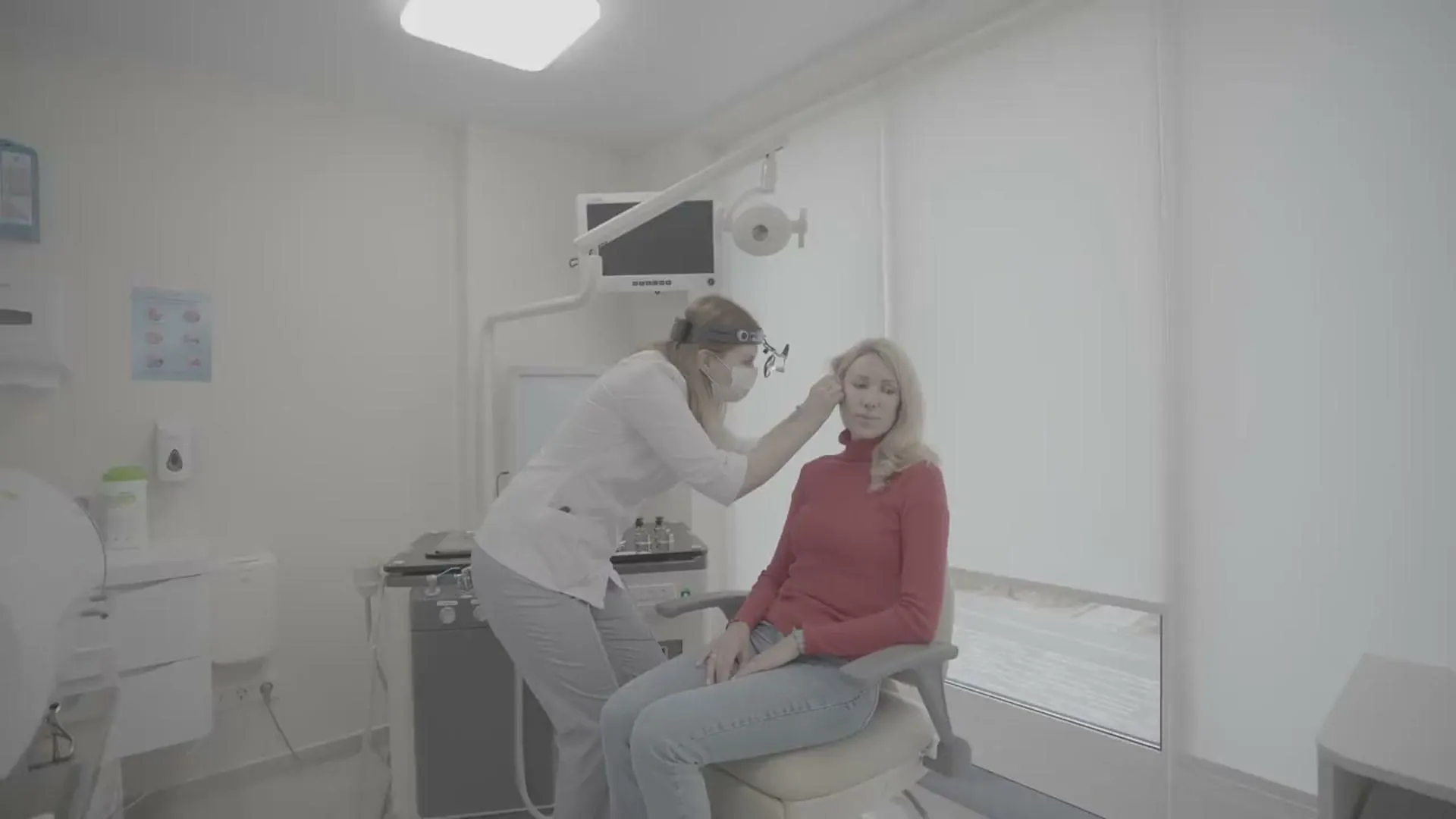
Hearing Test Dubai: Audiometry Types & Cost
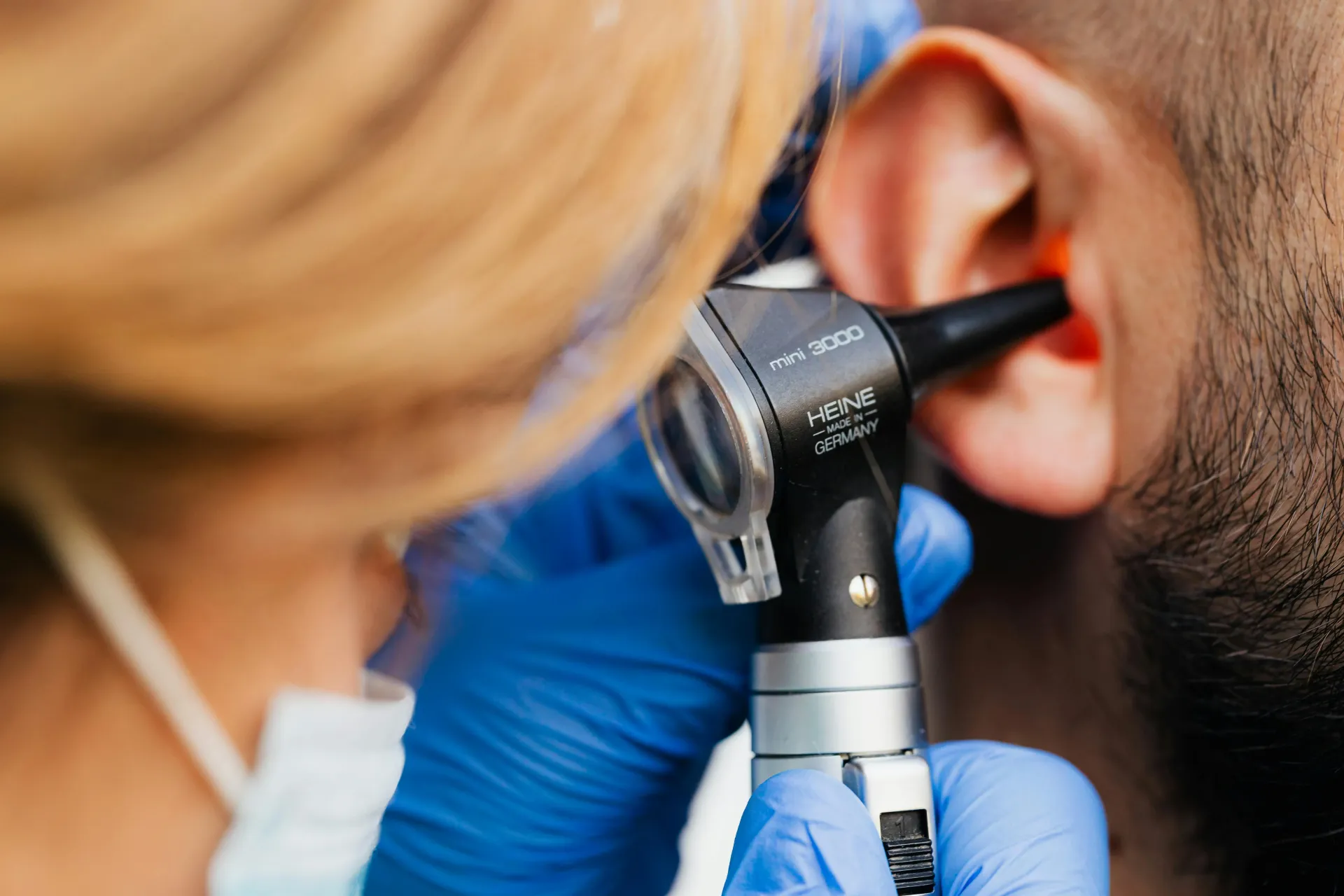
Tinnitus Treatment Dubai: Causes & Relief
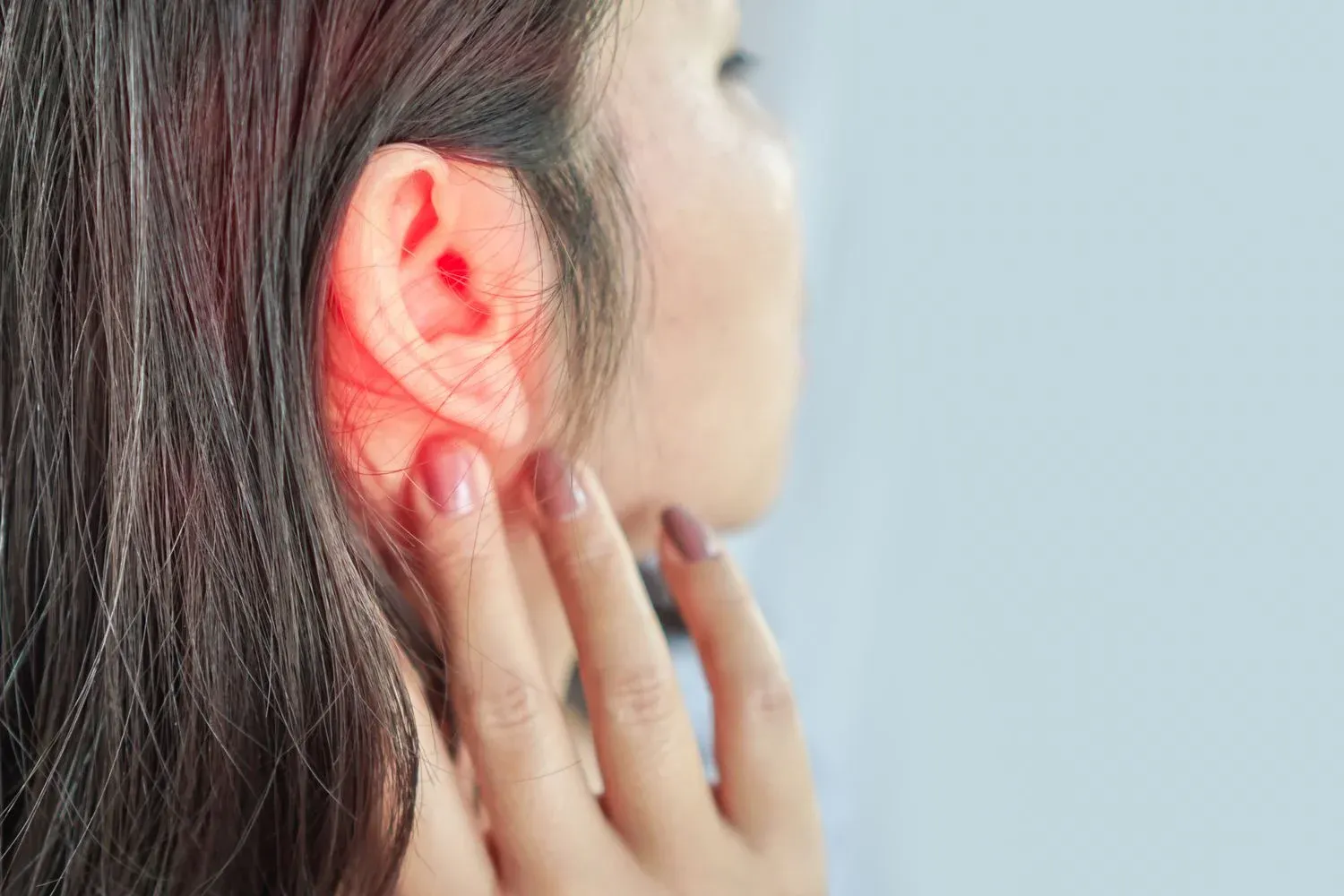
Ear Infection Treatment Dubai: Causes & Care
Ear Wax Removal Cost Dubai: From AED 300
ENT Doctor Dubai: When to See a Specialist
More in General Health

Corporate Wellness Dubai: Programs & Cost (2026)
Читать далее
Pre Employment Medical Test Dubai: Cost (2026)
Читать далее
Bronchitis Treatment Dubai: Symptoms & Care (2026)
Читать далее
Wound Care at Home Dubai: Full Guide (2026)
Читать далее
Dizziness Causes Dubai: When to Get Checked (2026)
Читать далее
Elderly Care at Home Dubai: Full Guide (2026)
Читать далее© 2026 Doctors Clinic Diagnostic Center (DCDC), Dubai Healthcare City. Originally published at https://doctorsclinicdubai.ae/blog/hearing-loss-causes-treatment-dubai. All rights reserved. Unauthorized reproduction is prohibited.