मुख्य बातें
- कार्डियक स्ट्रेस टेस्ट (जिसे TMT या ट्रेडमिल टेस्ट भी कहा जाता है) शारीरिक श्रम के दौरान आपके हृदय के प्रदर्शन का मूल्यांकन करता है — यह कोरोनरी आर्टरी डिजीज, एरिथमिया और व्यायाम क्षमता का पता लगाता है जो रेस्टिंग ECG और इकोकार्डियोग्राम नहीं दिखा सकते
- मानक ट्रेडमिल स्ट्रेस टेस्ट (TMT) में ब्रूस प्रोटोकॉल का उपयोग करते हुए 15-20 मिनट का वास्तविक व्यायाम होता है, तैयारी और रिकवरी मॉनिटरिंग सहित पूरी विजिट लगभग 60-90 मिनट की होती है
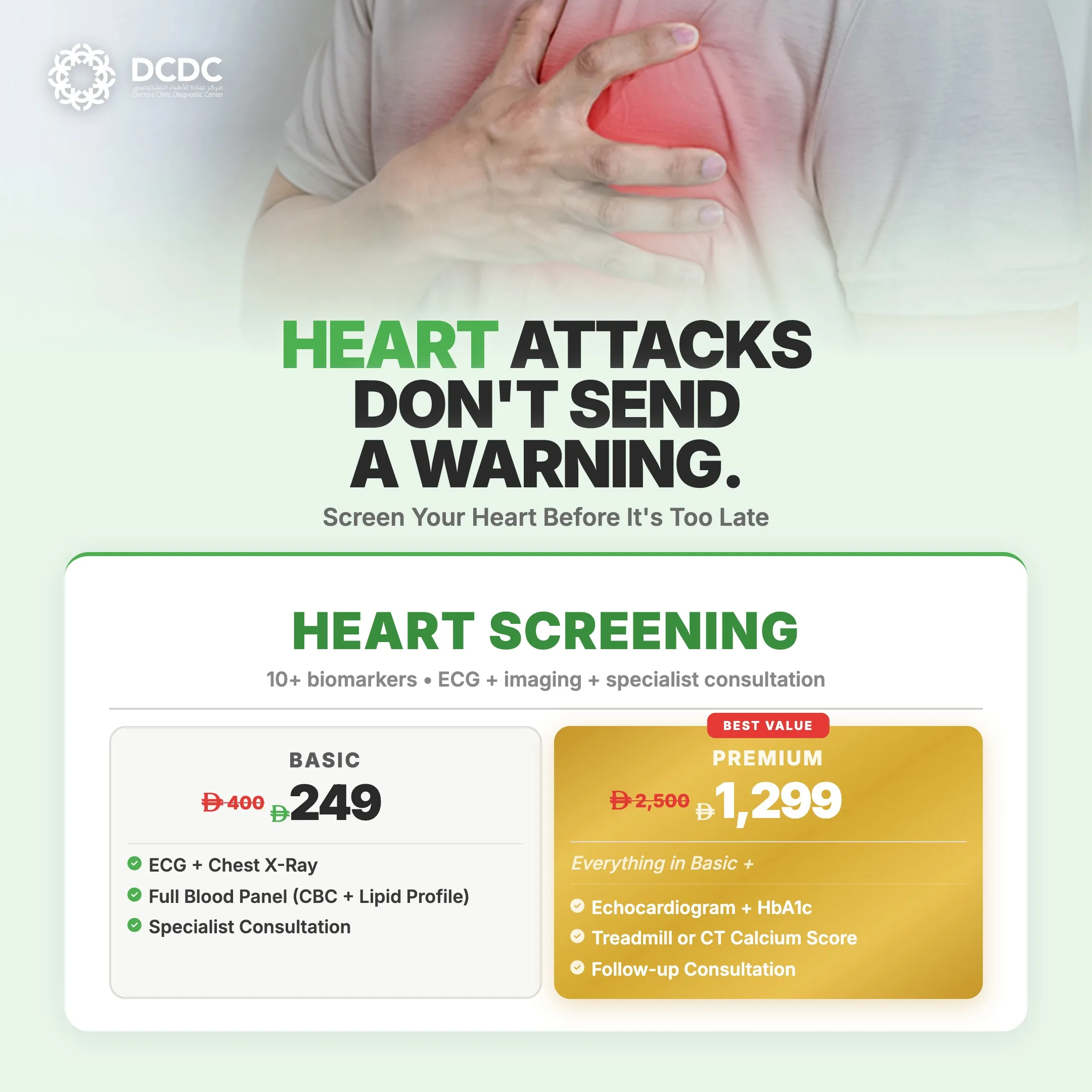
- दुबई में स्ट्रेस टेस्ट की लागत मानक TMT के लिए AED 800-1,500, स्ट्रेस इकोकार्डियोग्राफी के लिए AED 1,500-2,500 और न्यूक्लियर स्ट्रेस टेस्ट के लिए AED 3,000-5,000 है
- अगर आपको श्रम के दौरान सीने में दर्द, अस्पष्ट सांस की तकलीफ, कार्डियक रिस्क फैक्टर्स के साथ डायबिटीज, हाई ब्लड प्रेशर, हृदय रोग का पारिवारिक इतिहास है या 40 से ऊपर उम्र में नया व्यायाम कार्यक्रम शुरू कर रहे हैं तो स्ट्रेस टेस्ट की आवश्यकता है
- स्ट्रेस टेस्ट अत्यंत सुरक्षित हैं — गंभीर जटिलताएं 10,000 में से 1 से कम टेस्ट में होती हैं, और पूरी प्रक्रिया निरंतर चिकित्सा पर्यवेक्षण में की जाती है
आपका हृदय आराम पर सामान्य लग सकता है — सामान्य ECG, सामान्य रक्तचाप, कोई लक्षण नहीं। लेकिन इसे तनाव में डालें, और छिपी समस्याएं सामने आ सकती हैं। यही कार्डियक स्ट्रेस टेस्ट का उद्देश्य है: यह देखना कि जब आपका हृदय कड़ी मेहनत कर रहा हो तब कैसा प्रदर्शन करता है। इसे TMT (ट्रेडमिल मेडिकल टेस्ट), एक्सरसाइज स्ट्रेस टेस्ट, या स्ट्रेस ECG भी कहा जाता है, यह व्यायाम-संबंधी हृदय लक्षणों और कोरोनरी आर्टरी डिजीज के जोखिम का मूल्यांकन करने के लिए सबसे महत्वपूर्ण परीक्षण है।
चाहे आपके डॉक्टर ने स्ट्रेस टेस्ट की सिफारिश की हो, आप व्यायाम के दौरान सीने में असुविधा अनुभव कर रहे हों, या नया फिटनेस प्रोग्राम शुरू करने से पहले कार्डियक क्लीयरेंस चाहते हों — यह गाइड पूरी तस्वीर को कवर करती है। टेस्ट कैसे काम करता है, चरण-दर-चरण प्रक्रिया, ब्रूस प्रोटोकॉल की व्याख्या, परिणामों का अर्थ, दुबई में लागत और स्ट्रेस टेस्ट कब वास्तव में आवश्यक है। डॉ. शाहू मज़हरी, कंसल्टेंट कार्डियोलॉजिस्ट, DCDC दुबई हेल्थकेयर सिटी द्वारा समीक्षित।
कार्डियक स्ट्रेस टेस्ट (TMT) क्या है?
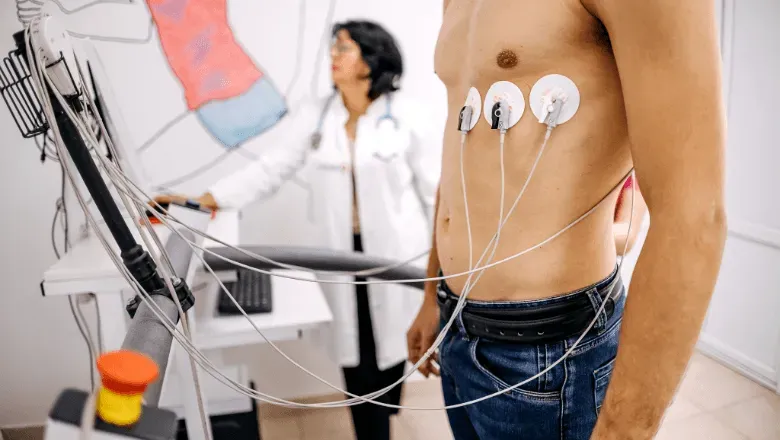
कार्डियक स्ट्रेस टेस्ट ट्रेडमिल पर व्यायाम करते समय आपके हृदय की विद्युत गतिविधि, रक्तचाप और लक्षणों की निगरानी करता है। कार्यभार धीरे-धीरे बढ़ता है — आप हर 3 मिनट में तेज और अधिक तीव्र ढलान पर चलते हैं — जब तक आप अपनी लक्ष्य हृदय गति (आमतौर पर आपकी उम्र-अनुमानित अधिकतम का 85%) तक नहीं पहुंच जाते।
तर्क सीधा है: आराम पर, काफी अवरुद्ध कोरोनरी धमनियां भी हृदय को सामान्य रूप से काम करने के लिए पर्याप्त रक्त की आपूर्ति कर सकती हैं। व्यायाम की बढ़ी हुई मांग के तहत, वही धमनियां पर्याप्त रक्त नहीं पहुंचा सकतीं — और परिणामी ऑक्सीजन की कमी ECG ट्रेसिंग में विशिष्ट परिवर्तनों, सीने में दर्द, या असामान्य रक्तचाप प्रतिक्रियाओं के रूप में दिखाई देती है।
आप इस टेस्ट को कई नामों से देख सकते हैं: TMT (ट्रेडमिल मेडिकल टेस्ट), एक्सरसाइज स्ट्रेस टेस्ट, एक्सरसाइज ECG, ग्रेडेड एक्सरसाइज टेस्ट (GXT), या कार्डियक स्ट्रेस टेस्ट। ये सभी एक ही जांच का वर्णन करते हैं।
कार्डियक स्ट्रेस टेस्ट के प्रकार
सभी स्ट्रेस टेस्ट में ट्रेडमिल शामिल नहीं होता। आपके कार्डियोलॉजिस्ट द्वारा सुझाया गया प्रकार आपके लक्षणों, शारीरिक क्षमता और उत्तर दिए जाने वाले नैदानिक प्रश्न पर निर्भर करता है।
| स्ट्रेस टेस्ट का प्रकार | यह कैसे काम करता है | किसके लिए सबसे अच्छा | अवधि |
|---|---|---|---|
| एक्सरसाइज स्ट्रेस टेस्ट (TMT) | बढ़ती गति और ढलान के साथ ट्रेडमिल पर चलना जबकि ECG लगातार रिकॉर्ड करता है | सीने में दर्द का मूल्यांकन, व्यायाम क्षमता, प्री-एक्सरसाइज क्लीयरेंस, सामान्य कोरोनरी स्क्रीनिंग | 15-20 मिनट व्यायाम |
| स्ट्रेस इकोकार्डियोग्राफी | ट्रेडमिल व्यायाम से पहले और तुरंत बाद इकोकार्डियोग्राम — आराम और तनाव पर हृदय की दीवार की गति की तुलना | विशिष्ट कोरोनरी आर्टरी ब्लॉकेज का पता लगाना, तनाव में वाल्व फंक्शन का मूल्यांकन | 30-40 मिनट कुल |
| फार्माकोलॉजिकल स्ट्रेस टेस्ट | IV दवा (डोबुटामाइन या एडेनोसिन) हृदय गति बढ़ाकर या धमनियों को चौड़ा करके व्यायाम की नकल करती है — ट्रेडमिल की जरूरत नहीं | वे मरीज जो ट्रेडमिल पर नहीं चल सकते (गठिया, गतिशीलता की समस्या, गंभीर COPD) | 30-45 मिनट कुल |
| न्यूक्लियर स्ट्रेस टेस्ट (मायोकार्डियल परफ्यूजन इमेजिंग) | रेडियोएक्टिव ट्रेसर तनाव से पहले और बाद में इंजेक्ट किया जाता है — गामा कैमरा हृदय की मांसपेशी में रक्त प्रवाह का मैप बनाता है | कम रक्त प्रवाह के सटीक स्थान और सीमा का निर्धारण, हस्तक्षेप निर्णयों की योजना | 3-4 घंटे (दो इमेजिंग सत्र) |
आपका कार्डियोलॉजिस्ट आपकी नैदानिक स्थिति के लिए सबसे उपयुक्त प्रकार की सिफारिश करेगा।
किसे कार्डियक स्ट्रेस टेस्ट की आवश्यकता है?
स्ट्रेस टेस्ट सभी के लिए नियमित स्क्रीनिंग नहीं है — यह उन लोगों के लिए लक्षित है जिनमें लक्षण, जोखिम कारक, या विशिष्ट नैदानिक परिदृश्य हैं जहां टेस्ट प्रबंधन निर्णयों को बदलता है।
लक्षण जिनमें स्ट्रेस टेस्ट की आवश्यकता हो सकती है
- श्रम के दौरान सीने में दर्द या दबाव जो आराम करने पर कम हो जाता है — एनजाइना का क्लासिक पैटर्न
- अस्पष्ट सांस की तकलीफ शारीरिक गतिविधि के दौरान जो आपके फिटनेस स्तर के अनुपातहीन लगती है
- धड़कन या अनियमित हृदय गति व्यायाम से ट्रिगर होती है लेकिन आराम पर मौजूद नहीं
- चक्कर आना या बेहोशी शारीरिक श्रम के दौरान
- अस्पष्ट थकान व्यायाम के साथ जो हफ्तों या महीनों में बिगड़ गई है
जोखिम कारक जो स्ट्रेस टेस्टिंग को उचित ठहराते हैं
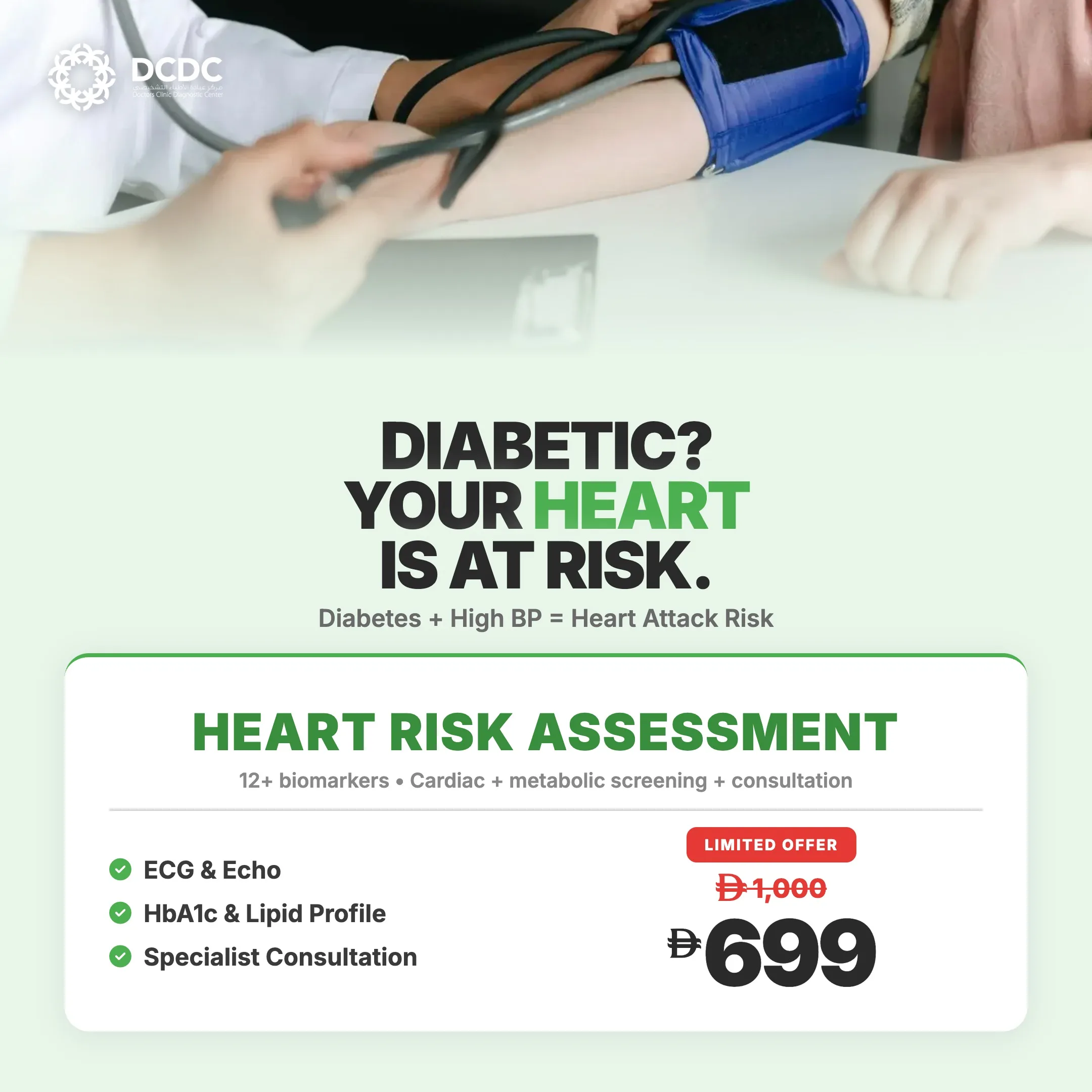
- डायबिटीज मेलिटस — विशेष रूप से 10+ वर्षों की अवधि के साथ, क्योंकि डायबिटिक मरीजों में "साइलेंट इस्कीमिया" विकसित हो सकता है
- हाई ब्लड प्रेशर जो कई वर्षों से मौजूद है, विशेषकर खराब नियंत्रित
- उच्च कोलेस्ट्रॉल अन्य जोखिम कारकों (धूम्रपान, मोटापा, बैठे रहने वाली जीवनशैली) के साथ
- प्रारंभिक हृदय रोग का पारिवारिक इतिहास — 55 वर्ष (पुरुष) या 65 वर्ष (महिला) से कम उम्र के प्रथम-डिग्री रिश्तेदार में हार्ट अटैक या अचानक मृत्यु
- वर्तमान या पूर्व भारी धूम्रपानकर्ता 10+ पैक-ईयर के साथ
- 40 से अधिक उम्र के वयस्क नया तीव्र व्यायाम कार्यक्रम शुरू कर रहे हैं जो शारीरिक रूप से सक्रिय नहीं रहे हैं
DCDC दुबई में अपना कार्डियक स्ट्रेस टेस्ट बुक करें
कंसल्टेंट कार्डियोलॉजिस्ट डॉ. शाहू मज़हरी के साथ उसी दिन परिणाम। वॉक-इन या अपॉइंटमेंट। बीमा स्वीकार्य। आज ही अपना कार्डियक स्ट्रेस टेस्ट बुक करें।
कार्डियक स्ट्रेस टेस्ट की तैयारी कैसे करें
उचित तैयारी सटीक परिणाम और सुचारू अनुभव सुनिश्चित करती है। अधिकांश तैयारी के कदम सरल हैं, लेकिन कुछ महत्वपूर्ण हैं — विशेष रूप से दवाओं के संबंध में।
टेस्ट से 24-48 घंटे पहले
- बंद करने वाली दवाएं (डॉक्टर की अनुमति से): बीटा-ब्लॉकर्स (एटेनोलोल, मेटोप्रोलोल, बिसोप्रोलोल) आमतौर पर टेस्ट से 48 घंटे पहले बंद की जाती हैं क्योंकि वे हृदय गति प्रतिक्रिया को सीमित करती हैं। कैल्शियम चैनल ब्लॉकर्स भी रोके जा सकते हैं। डॉक्टर के निर्देश के बिना कभी दवाएं बंद न करें।
- 24 घंटे कैफीन से बचें: कॉफी, चाय, एनर्जी ड्रिंक्स, चॉकलेट हृदय गति और रक्तचाप को प्रभावित कर सकते हैं
- 24 घंटे धूम्रपान न करें: निकोटीन हृदय गति बढ़ाता है और रक्त वाहिकाओं को संकुचित करता है
टेस्ट के दिन
- केवल हल्का भोजन: टेस्ट से 2-3 घंटे पहले हल्का नाश्ता या स्नैक खाएं। भारी भोजन से बचें
- आरामदायक कपड़े पहनें: ढीली शर्ट, अच्छे सपोर्ट वाले आरामदायक वॉकिंग शूज, और एथलेटिक पैंट
- अपनी दवाओं की सूची लाएं: सभी वर्तमान दवाएं, खुराक और समय शामिल करें
- 15-20 मिनट पहले पहुंचें: पंजीकरण, सहमति और बेसलाइन माप के लिए समय चाहिए
स्ट्रेस टेस्ट प्रक्रिया: चरण-दर-चरण
चरण 1: तैयारी (10-15 मिनट)
आवश्यकतानुसार आप आरामदायक कपड़ों में बदलते हैं। तकनीशियन अल्कोहल से आपकी छाती के छोटे क्षेत्रों को साफ करता है। 10 ECG इलेक्ट्रोड आपकी छाती, बाहों और पैरों पर लगाए जाते हैं, जो निरंतर 12-लीड ECG मॉनिटर से जुड़े होते हैं। ब्लड प्रेशर कफ आपकी ऊपरी बांह पर लगाया जाता है।
चरण 2: ब्रूस प्रोटोकॉल — व्यायाम चरण (8-15 मिनट)
ट्रेडमिल धीमी गति से शुरू होता है। हर 3 मिनट में, ब्रूस प्रोटोकॉल के अनुसार गति और ढलान बढ़ता है। कार्डियोलॉजिस्ट और तकनीशियन पूरे समय ECG ट्रेसिंग, रक्तचाप और लक्षणों की निरंतर निगरानी करते हैं।
| ब्रूस प्रोटोकॉल चरण | गति (किमी/घंटा) | गति (मील/घंटा) | ढलान (%) | अनुमानित प्रयास |
|---|---|---|---|---|
| चरण 1 (0-3 मिनट) | 2.7 | 1.7 | 10% | धीमी चढ़ाई पर चलना |
| चरण 2 (3-6 मिनट) | 4.0 | 2.5 | 12% | तेज चढ़ाई पर चलना |
| चरण 3 (6-9 मिनट) | 5.5 | 3.4 | 14% | तेज चलना / हल्की जॉगिंग |
| चरण 4 (9-12 मिनट) | 6.8 | 4.2 | 16% | जॉगिंग |
| चरण 5 (12-15 मिनट) | 8.0 | 5.0 | 18% | दौड़ना |
| चरण 6+ (15+ मिनट) | 8.8+ | 5.5+ | 20%+ | तेज दौड़ (शायद ही पहुंचा जाए) |
अधिकांश मरीज 3-4 चरण पूरे करते हैं। एलीट एथलीट चरण 5 या उससे आगे तक पहुंच सकते हैं।
लक्ष्य कम से कम आपकी उम्र-अनुमानित अधिकतम हृदय गति का 85% (220 माइनस आपकी उम्र) तक पहुंचना है। 50 वर्षीय व्यक्ति के लिए, इसका अर्थ है लगभग 145 बीट्स प्रति मिनट तक पहुंचना।
अपने स्ट्रेस टेस्ट के परिणामों को समझना
सामान्य (नेगेटिव) स्ट्रेस टेस्ट
सामान्य परिणाम का अर्थ है कि आप महत्वपूर्ण ECG परिवर्तन, सीने में दर्द या असामान्य रक्तचाप प्रतिक्रिया के बिना अपनी लक्ष्य हृदय गति तक पहुंच गए। यह आश्वस्त करने वाला है: इसका मतलब है कि तनाव में आपकी कोरोनरी धमनियां आपके हृदय को पर्याप्त रक्त की आपूर्ति कर रही हैं। नेगेटिव स्ट्रेस टेस्ट का महत्वपूर्ण कोरोनरी आर्टरी डिजीज के लिए नेगेटिव प्रेडिक्टिव वैल्यू लगभग 95-98% है।
असामान्य (पॉजिटिव) स्ट्रेस टेस्ट
असामान्य परिणाम का स्वचालित रूप से यह अर्थ नहीं है कि हार्ट अटैक आने वाला है। इसका मतलब है कि एक या अधिक निष्कर्ष हृदय की मांसपेशी के हिस्से में रक्त प्रवाह कम होने की संभावना सुझाते हैं।
- ST-सेगमेंट डिप्रेशन ≥1mm: मायोकार्डियल इस्कीमिया का सबसे आम संकेतक
- व्यायाम के दौरान सीने में दर्द: विशेष रूप से यदि यह आपके सामान्य लक्षणों को दोहराता है
- असामान्य रक्तचाप प्रतिक्रिया: व्यायाम के दौरान सिस्टोलिक रक्तचाप में गिरावट
- व्यायाम-प्रेरित एरिथमिया: वेंट्रिकुलर टैकीकार्डिया या बार-बार PVCs
- खराब व्यायाम क्षमता: लक्ष्य हृदय गति तक न पहुंचना या 5 METs से कम व्यायाम पूरा करना
अपने हृदय के बारे में चिंतित हैं? जांच कराएं
DCDC में कार्डियक स्ट्रेस टेस्टिंग डॉ. शाहू मज़हरी, कंसल्टेंट कार्डियोलॉजिस्ट द्वारा की जाती है। उसी दिन परिणाम, बीमा स्वीकार्य। कार्डियोलॉजी परामर्श बुक करें।
क्या कार्डियक स्ट्रेस टेस्ट सुरक्षित है?
कार्डियक स्ट्रेस टेस्टिंग कार्डियोलॉजी में सबसे सुरक्षित जांचों में से एक है। गंभीर जटिलता — हार्ट अटैक, सतत एरिथमिया, या मृत्यु — का जोखिम लगभग 10,000 में 1 है।
- पूरी प्रक्रिया के दौरान निरंतर 12-लीड ECG मॉनिटरिंग
- हर चरण में रक्तचाप माप
- कार्डियोलॉजिस्ट और प्रशिक्षित तकनीशियन हर समय कमरे में मौजूद
- आपातकालीन पुनर्जीवन उपकरण तुरंत उपलब्ध
- स्पष्ट रोकने के मानदंड — कोई भी चिंताजनक परिवर्तन पाए जाने पर टेस्ट तुरंत रोका जाता है
दुबई में कार्डियक स्ट्रेस टेस्ट की लागत (2026)
| स्ट्रेस टेस्ट का प्रकार | दुबई में सामान्य लागत (AED) | क्या शामिल है |
|---|---|---|
| एक्सरसाइज स्ट्रेस टेस्ट (TMT) | 800 – 1,500 | ट्रेडमिल व्यायाम, निरंतर ECG मॉनिटरिंग, रक्तचाप मॉनिटरिंग, कार्डियोलॉजिस्ट पर्यवेक्षण और व्याख्या |
| स्ट्रेस इकोकार्डियोग्राफी | 1,500 – 2,500 | TMT + व्यायाम से पहले और बाद में इकोकार्डियोग्राम |
| फार्माकोलॉजिकल स्ट्रेस टेस्ट | 1,500 – 3,000 | IV दवा + इकोकार्डियोग्राम या न्यूक्लियर इमेजिंग |
| न्यूक्लियर स्ट्रेस टेस्ट (MPI) | 3,000 – 5,000 | रेडियोएक्टिव ट्रेसर इंजेक्शन + दो गामा कैमरा इमेजिंग सत्र |
कीमतें दुबई स्वास्थ्य सुविधाओं में सामान्य बाजार दरों को दर्शाती हैं।
स्ट्रेस टेस्ट बनाम अन्य कार्डियक टेस्ट: आपको कौन सा चाहिए?
| टेस्ट | यह क्या दिखाता है | इसे कब चुनें | सीमाएं |
|---|---|---|---|
| रेस्टिंग ECG | आराम पर हृदय ताल और विद्युत गतिविधि | धड़कन, सीने में दर्द, सामान्य स्क्रीनिंग के लिए प्रथम-पंक्ति टेस्ट | व्यायाम के दौरान दिखने वाली समस्याओं का पता नहीं लगा सकता |
| इकोकार्डियोग्राम | हृदय संरचना, वाल्व फंक्शन, पम्पिंग शक्ति | हार्ट मर्मर, सांस की तकलीफ, संदिग्ध हार्ट फेलियर | कोरोनरी आर्टरी रक्त प्रवाह का मूल्यांकन नहीं करता |
| स्ट्रेस टेस्ट (TMT) | व्यायाम तनाव में हृदय कार्य | श्रम से सीने में दर्द, व्यायाम-संबंधी लक्षण, कोरोनरी आर्टरी डिजीज स्क्रीनिंग | ब्लॉकेज का सटीक स्थान नहीं बता सकता |
| CT एंजियोग्राम | कोरोनरी धमनियों का सीधा दृश्य | मध्यवर्ती जोखिम वाले मरीज, असामान्य लक्षणों वाले युवा मरीज | विकिरण जोखिम, कंट्रास्ट डाई की आवश्यकता |
| होल्टर मॉनिटर | 24-48 घंटों के लिए निरंतर ECG | रुक-रुक कर धड़कन, एरिथमिया का पता लगाना | व्यायाम क्षमता या कोरोनरी रक्त प्रवाह का मूल्यांकन नहीं करता |
कई मरीजों को एक से अधिक टेस्ट की आवश्यकता होती है।
DCDC दुबई हेल्थकेयर सिटी में कार्डियक स्ट्रेस टेस्ट
DCDC के कार्डियोलॉजी विभाग में, स्ट्रेस टेस्टिंग डॉ. शाहू मज़हरी, कंसल्टेंट कार्डियोलॉजिस्ट द्वारा नवीनतम ट्रेडमिल स्ट्रेस टेस्ट उपकरण के साथ निरंतर 12-लीड ECG मॉनिटरिंग से की जाती है।
- कंसल्टेंट कार्डियोलॉजिस्ट उपस्थित — डॉ. शाहू मज़हरी व्यक्तिगत रूप से हर स्ट्रेस टेस्ट की निगरानी और व्याख्या करते हैं
- उसी दिन परिणाम — टेस्ट के तुरंत बाद अपनी रिपोर्ट प्राप्त करें और निष्कर्षों पर चर्चा करें
- पूर्ण कार्डियक मूल्यांकन उपलब्ध — ECG, इकोकार्डियोग्राम और स्ट्रेस टेस्ट एक ही विजिट में पूरे किए जा सकते हैं
- बीमा स्वीकार्य — हम दुबई के सभी प्रमुख बीमा प्रदाताओं के साथ काम करते हैं
- DHA-लाइसेंस प्राप्त सुविधा — दुबई हेल्थकेयर सिटी, बिल्डिंग 47 में स्थित
- वॉक-इन या अपॉइंटमेंट — स्ट्रेस टेस्टिंग के लिए उसी सप्ताह उपलब्धता
- पूर्ण फॉलो-अप पाथवे — यदि आगे की जांच की आवश्यकता है तो CT एंजियोग्राफी, होल्टर मॉनिटरिंग, और विशेषज्ञ रेफरल निर्बाध रूप से समन्वित किए जाते हैं
आज ही अपना कार्डियक स्ट्रेस टेस्ट बुक करें
एक्सरसाइज स्ट्रेस टेस्ट, स्ट्रेस इकोकार्डियोग्राफी और व्यापक कार्डियक पैकेज उपलब्ध। अपना स्ट्रेस टेस्ट बुक करें DCDC दुबई हेल्थकेयर सिटी में।
DCDC में संबंधित सेवाएं
दुबई हेल्थकेयर सिटी में विशेषज्ञ देखभाल और उन्नत निदान
Cardiology Consultation
Expert cardiac evaluation and personalized heart care
अपॉइंटमेंट बुक करेंCardiac Stress Test
Treadmill exercise stress test with real-time ECG monitoring
अपॉइंटमेंट बुक करेंEchocardiogram
Heart ultrasound to evaluate cardiac structure and function
अपॉइंटमेंट बुक करेंPreventive Cardiology
Proactive heart disease risk assessment and prevention programs
अपॉइंटमेंट बुक करेंअक्सर पूछे जाने वाले प्रश्न
अंतिम विचार
कार्डियक स्ट्रेस टेस्ट कार्डियोलॉजी में सबसे मूल्यवान उपकरणों में से एक है — यह दिखाता है कि सबसे महत्वपूर्ण स्थितियों में आपका हृदय कैसा प्रदर्शन करता है: शारीरिक गतिविधि के दौरान। सामान्य रेस्टिंग ECG कोरोनरी आर्टरी डिजीज को खारिज नहीं करता, लेकिन बिना असामान्यताओं के लक्ष्य हृदय गति तक पहुंचने वाला स्ट्रेस टेस्ट मजबूत आश्वासन देता है।
यदि आपमें श्रम से लक्षण, कार्डियक जोखिम कारक हैं, या तीव्र व्यायाम कार्यक्रम शुरू करने की योजना है, तो स्ट्रेस टेस्ट आपको और आपके कार्डियोलॉजिस्ट को आपके हृदय स्वास्थ्य के बारे में आत्मविश्वास से भरे निर्णय लेने के लिए आवश्यक जानकारी देता है।
Doctors Clinic Diagnostic Center दुबई हेल्थकेयर सिटी में, कार्डियक स्ट्रेस टेस्टिंग कंसल्टेंट कार्डियोलॉजिस्ट डॉ. शाहू मज़हरी द्वारा उसी दिन परिणामों के साथ की जाती है। चाहे आपको स्टैंडअलोन स्ट्रेस टेस्ट चाहिए या व्यापक कार्डियक मूल्यांकन, हम एक ही विजिट में डायग्नोस्टिक कार्डियोलॉजी का पूरा स्पेक्ट्रम प्रदान करते हैं।
स्रोत एवं संदर्भ
यह लेख हमारी चिकित्सा टीम द्वारा समीक्षित है और निम्नलिखित स्रोतों का संदर्भ देता है:
- अमेरिकन हार्ट एसोसिएशन — एक्सरसाइज स्ट्रेस टेस्टिंग: AHA वैज्ञानिक वक्तव्य
- यूरोपियन सोसाइटी ऑफ कार्डियोलॉजी — 2019 क्रोनिक कोरोनरी सिंड्रोम दिशानिर्देश
- ACC/AHA — 2021 सीने के दर्द का मूल्यांकन और प्रबंधन दिशानिर्देश
- ACSM — एक्सरसाइज टेस्टिंग और प्रिस्क्रिप्शन दिशानिर्देश (11वां संस्करण)
- दुबई स्वास्थ्य प्राधिकरण — कार्डियक डायग्नोस्टिक सेवा मानक
इस साइट पर चिकित्सा सामग्री DHA-लाइसेंस प्राप्त चिकित्सकों द्वारा समीक्षित है। हमारी देखें संपादकीय नीति अधिक जानकारी के लिए।
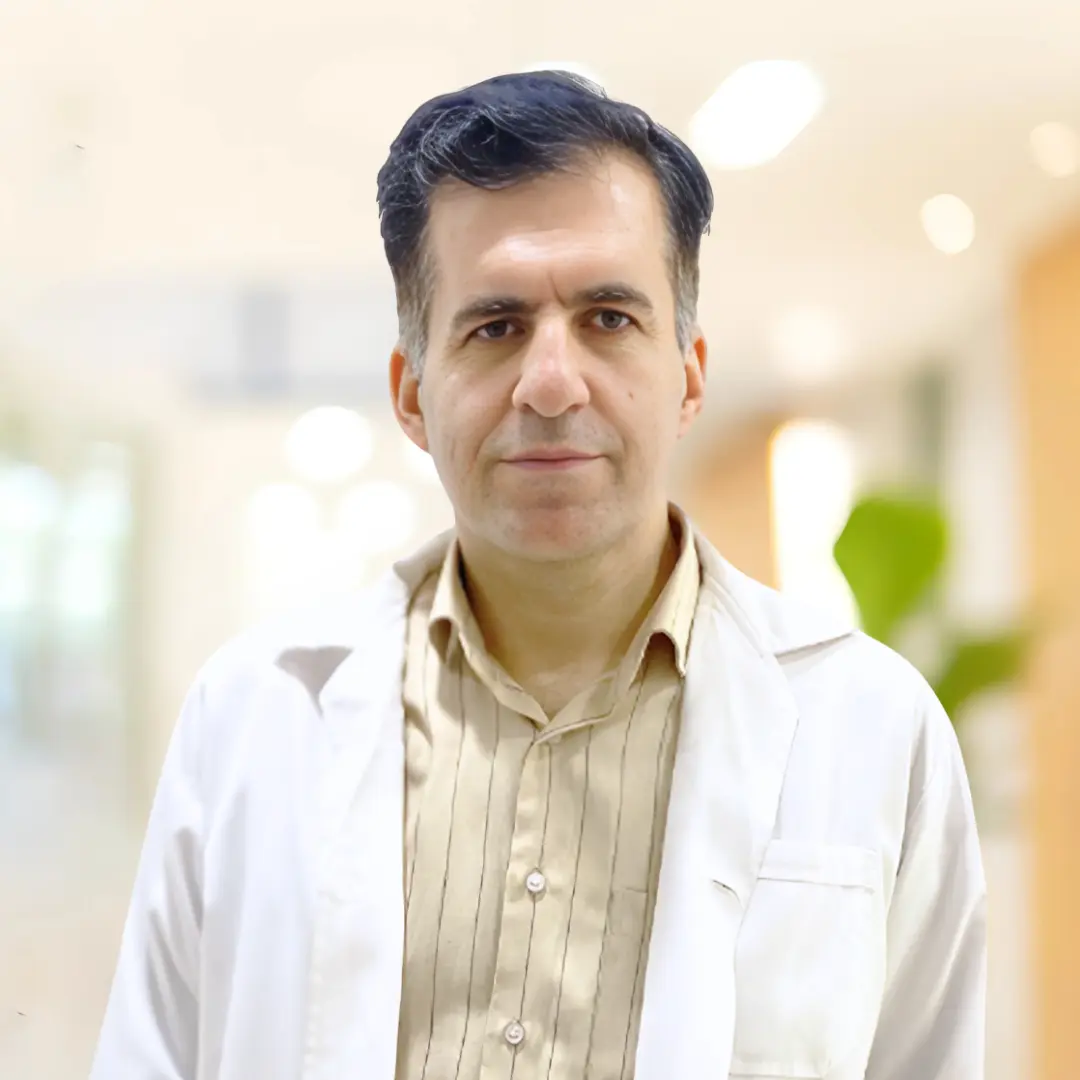
लेखक
Dr. Shahoo Mazhari
कंसल्टेंट कार्डियोलॉजिस्ट
MD, Cardiology
डॉ. शाहू मज़हरी DCDC दुबई हेल्थकेयर सिटी में कंसल्टेंट कार्डियोलॉजिस्ट हैं, जो प्रिवेंटिव कार्डियोलॉजी, कार्डियक डायग्नोस्टिक्स और इंटरवेंशनल कार्डियोलॉजी में विशेषज्ञ हैं। वे DCDC में सभी कार्डियक स्ट्रेस टेस्ट करते और उनकी व्याख्या करते हैं।
संबंधित लेख

दुबई में ECG टेस्ट: लागत, प्रकार, परिणाम और क्या उम्मीद करें
दुबई में हृदय स्वास्थ्य रोकथाम: पूर्ण गाइड
दुबई में कार्डियक टेस्ट: ECG बनाम इको बनाम स्ट्रेस टेस्ट तुलना
दुबई में CT एंजियोग्राम की लागत: पूर्ण गाइड
और अधिक Cardiology में
Angiogram Dubai: Types, Cost & Guide (2026)
और पढ़ेंECG Test Dubai: Cost, Types & Results (2026)
और पढ़ें
Echocardiogram (Echo) Test in Dubai: Cost, Procedure & What to Expect (2026)
और पढ़ेंHolter Monitor Test Dubai: Cost & Guide (2026)
और पढ़ेंECG Cost in Dubai: From AED 200 (2026)
और पढ़ें
Echo at Home Dubai: From AED 799 (2026)
और पढ़ें© 2026 Doctors Clinic Diagnostic Center (DCDC), Dubai Healthcare City. Originally published at https://doctorsclinicdubai.ae/blog/stress-test-dubai. All rights reserved. Unauthorized reproduction is prohibited.