मुख्य बातें
- Dr. Mersad Moosavi is a fellowship-trained spine surgeon at DCDC Dubai Healthcare City, offering both minimally invasive and complex spinal procedures with consultations available in Persian and English
- Not all spine conditions require surgery — conservative treatment including physiotherapy, pain management, and lifestyle modification is always the first line, with surgery reserved for cases that fail to improve or involve neurological compromise
- Disc herniation is the most common surgical spine condition, typically presenting as sciatica (leg pain radiating from the lower back), and can often be treated with minimally invasive microdiscectomy with a recovery period of 4 to 6 weeks
- Spinal stenosis surgery (decompression laminectomy) relieves nerve compression and is recommended when patients develop progressive weakness, numbness, or difficulty walking despite conservative treatment
- Scoliosis treatment depends on curve severity: mild curves are monitored, moderate curves may benefit from bracing, and surgical correction is considered for progressive curves exceeding 40-50 degrees
- Post-surgical physiotherapy is critical for spine surgery outcomes — DCDC offers integrated rehabilitation with the same team that planned the surgery, ensuring continuity of care
Spine conditions are among the most common reasons patients seek orthopaedic care in Dubai. From disc herniation causing debilitating sciatica to spinal stenosis producing progressive weakness and scoliosis affecting posture and quality of life, spinal disorders can significantly impact daily functioning. At DCDC Healthcare City, Dr. Mersad Moosavi — a fellowship-trained Specialist Orthopaedic Surgeon with dedicated spine surgery training — provides comprehensive diagnosis and treatment for the full spectrum of spinal conditions, from conservative management to complex surgical reconstruction.
When Does a Spine Condition Require Surgery?
The decision to proceed with spine surgery is never taken lightly. Most spinal conditions improve with conservative treatment — including physiotherapy, anti-inflammatory medication, epidural steroid injections, and lifestyle modifications. Surgery is recommended only when:
- Conservative treatment has failed: If 6 to 12 weeks of structured physiotherapy, pain management, and activity modification have not produced meaningful improvement, surgical options are discussed
- Neurological deficit is present: Progressive weakness, numbness, loss of reflexes, or bowel/bladder dysfunction (cauda equina syndrome) require urgent surgical evaluation — cauda equina syndrome is a surgical emergency
- Structural instability exists: Conditions such as spondylolisthesis (vertebral slippage), unstable fractures, or progressive scoliosis may require surgical stabilisation to prevent worsening
- Pain is severely impacting quality of life: When persistent pain prevents work, sleep, and daily activities despite adequate conservative management, surgery may offer the best path to functional recovery
Disc Herniation (Slipped Disc) Treatment
A herniated disc occurs when the soft inner core (nucleus pulposus) of an intervertebral disc pushes through the outer ring (annulus fibrosus), compressing adjacent spinal nerves. This is the most common surgical spine condition and the leading cause of sciatica — radiating pain from the lower back down the leg.
Symptoms of Disc Herniation
- Sharp or burning pain radiating from the lower back into the buttock, thigh, calf, or foot (lumbar disc herniation)
- Pain radiating from the neck into the shoulder, arm, or hand (cervical disc herniation)
- Numbness, tingling, or pins-and-needles sensation in the affected limb
- Muscle weakness — difficulty lifting the foot (foot drop), gripping objects, or climbing stairs
- Pain worsening with sitting, bending, coughing, or sneezing
Surgical Treatment: Microdiscectomy
When conservative treatment fails, microdiscectomy is the gold-standard surgical procedure for lumbar disc herniation. This minimally invasive technique uses a small incision (typically 2-3 cm) and an operating microscope to remove the herniated disc fragment pressing on the nerve. Benefits include minimal tissue disruption, less post-operative pain, shorter hospital stay (often same-day or overnight), and faster return to work — typically 4 to 6 weeks for desk jobs.
For cervical disc herniation, Dr. Mersad performs anterior cervical discectomy and fusion (ACDF), removing the damaged disc through a small incision at the front of the neck and replacing it with a spacer or cage to maintain disc height and stability.
Spinal Stenosis Treatment
Spinal stenosis is the narrowing of the spinal canal or neural foramina (the openings through which nerves exit the spine), resulting in compression of the spinal cord or nerve roots. It is most common in patients over 50 and is typically caused by degenerative changes including disc bulging, facet joint hypertrophy, and ligament thickening.
Symptoms of Spinal Stenosis
- Neurogenic claudication: Pain, heaviness, or weakness in both legs when walking or standing, relieved by sitting or bending forward — the hallmark symptom of lumbar spinal stenosis
- Gradual reduction in walking distance over months or years
- Numbness or tingling in the legs or feet
- Balance difficulties and increased fall risk
- In cervical stenosis: hand clumsiness, difficulty with fine motor tasks, and gait instability (cervical myelopathy)
Surgical Treatment: Decompression Laminectomy
When stenosis causes progressive neurological symptoms or significantly limits mobility, decompression laminectomy is the standard surgical approach. The procedure involves removing the thickened bone and ligament tissue that is compressing the nerves, creating more space within the spinal canal. In cases with associated instability, spinal fusion may be performed simultaneously to stabilise the affected segments.
Scoliosis Diagnosis and Treatment
Scoliosis is an abnormal lateral curvature of the spine, most commonly diagnosed in adolescents but also affecting adults through degenerative changes. Treatment at DCDC depends on the type, severity, and progression of the curve.
| Curve Severity | Cobb Angle | Treatment Approach |
|---|---|---|
| Mild | 10-25 degrees | Observation, physiotherapy, postural exercises — regular monitoring with X-rays |
| Moderate | 25-40 degrees | Bracing (in growing adolescents) plus physiotherapy — surgery considered if progression continues |
| Severe | 40-50+ degrees | Surgical correction (spinal fusion with instrumentation) — recommended for progressive curves causing pain, deformity, or functional limitation |
Scoliosis treatment based on curve severity
For adult degenerative scoliosis causing pain and neurological symptoms, Dr. Mersad evaluates each case individually — some patients benefit from targeted decompression alone, while others require decompression with corrective fusion to restore spinal alignment.
Other Spine Conditions Treated at DCDC
- Spondylolisthesis: Forward slippage of one vertebra over another, causing lower back pain and nerve compression. Treated with decompression and fusion when conservative measures fail
- Vertebral compression fractures: Common in osteoporotic patients and after trauma. Treatment options include bracing, vertebroplasty (cement injection), and kyphoplasty (balloon-assisted cement injection)
- Degenerative disc disease: Age-related disc wear causing chronic back or neck pain. Management ranges from physiotherapy to disc replacement or fusion depending on severity
- Cervical myelopathy: Spinal cord compression in the neck causing hand clumsiness, gait instability, and weakness. Requires surgical decompression to prevent permanent neurological damage
- Spinal tumours: Benign and malignant tumours affecting the vertebrae or spinal cord. Surgical excision is coordinated with oncology as needed
- Failed back surgery syndrome: Patients with persistent or recurrent pain after previous spine surgery. Dr. Mersad evaluates these complex cases for potential revision surgery
Minimally Invasive Spine Surgery at DCDC
Where clinically appropriate, Dr. Mersad utilises minimally invasive surgical (MIS) techniques that offer significant advantages over traditional open surgery:
- Smaller incisions: Typically 2-4 cm versus 10-15 cm for traditional open procedures
- Less muscle and tissue damage: Tubular retractors allow access to the spine without cutting through large back muscles
- Reduced blood loss: Fewer transfusion requirements and lower infection risk
- Shorter hospital stay: Many MIS procedures allow discharge within 24-48 hours
- Faster recovery: Return to daily activities and work weeks earlier compared to open surgery
- Less post-operative pain: Reduced need for narcotic pain medication
Recovery and Rehabilitation After Spine Surgery
Successful spine surgery outcomes depend heavily on structured post-operative rehabilitation. At DCDC, the physiotherapy team works directly with Dr. Mersad to create individualised recovery plans that begin in the early post-operative period.
| Recovery Phase | Timeline | Focus |
|---|---|---|
| Immediate post-op | Days 1-14 | Wound care, pain management, safe movement patterns, walking protocol |
| Early rehabilitation | Weeks 2-6 | Gentle core activation, progressive walking, posture retraining |
| Active rehabilitation | Weeks 6-12 | Strengthening exercises, flexibility work, return to daily activities |
| Full recovery | Months 3-6 | Sport-specific training, heavy lifting clearance, full functional return |
Typical spine surgery recovery timeline
Book a Spine Surgery Consultation
Dr. Mersad Moosavi offers comprehensive spine evaluations at DCDC Dubai Healthcare City. Consultations available in Persian and English.
Bring any existing MRI or CT scan images to your appointment for review.
DCDC में संबंधित सेवाएं
दुबई हेल्थकेयर सिटी में विशेषज्ञ देखभाल और उन्नत निदान
Frequently Asked Questions
Expert Spine Care at DCDC Dubai
Spine conditions can be life-altering, but with the right specialist, the right diagnosis, and the right treatment approach, the vast majority of patients achieve significant pain relief and functional recovery. Dr. Mersad Moosavi combines fellowship-level spine surgery training with a conservative-first philosophy — surgery is recommended only when it offers a clear advantage over continued non-surgical care.
Whether you are dealing with a herniated disc causing sciatica, spinal stenosis limiting your walking, or scoliosis affecting your quality of life, DCDC Healthcare City provides the full spectrum of diagnostic, surgical, and rehabilitative care under one roof.
Book a spine consultation today at DCDC. Dr. Mersad sees patients in Persian and English, and all major insurance plans are accepted.
स्रोत एवं संदर्भ
यह लेख हमारी चिकित्सा टीम द्वारा समीक्षित है और निम्नलिखित स्रोतों का संदर्भ देता है:
- Weinstein JN et al. Surgical vs nonoperative treatment for lumbar disk herniation: the SPORT randomized trial. JAMA. 2006
- Deyo RA et al. Revision surgery following operations for lumbar stenosis. J Bone Joint Surg Am. 2011
- Negrini S et al. 2016 SOSORT guidelines: orthopaedic and rehabilitation treatment of idiopathic scoliosis during growth. Scoliosis Spinal Disord. 2018
- North American Spine Society (NASS) — Clinical Guidelines for Lumbar Disc Herniation 2024
- American Academy of Orthopaedic Surgeons (AAOS) — Spinal Stenosis Management Guidelines
इस साइट पर चिकित्सा सामग्री DHA-लाइसेंस प्राप्त चिकित्सकों द्वारा समीक्षित है। हमारी देखें संपादकीय नीति अधिक जानकारी के लिए।
लेखक
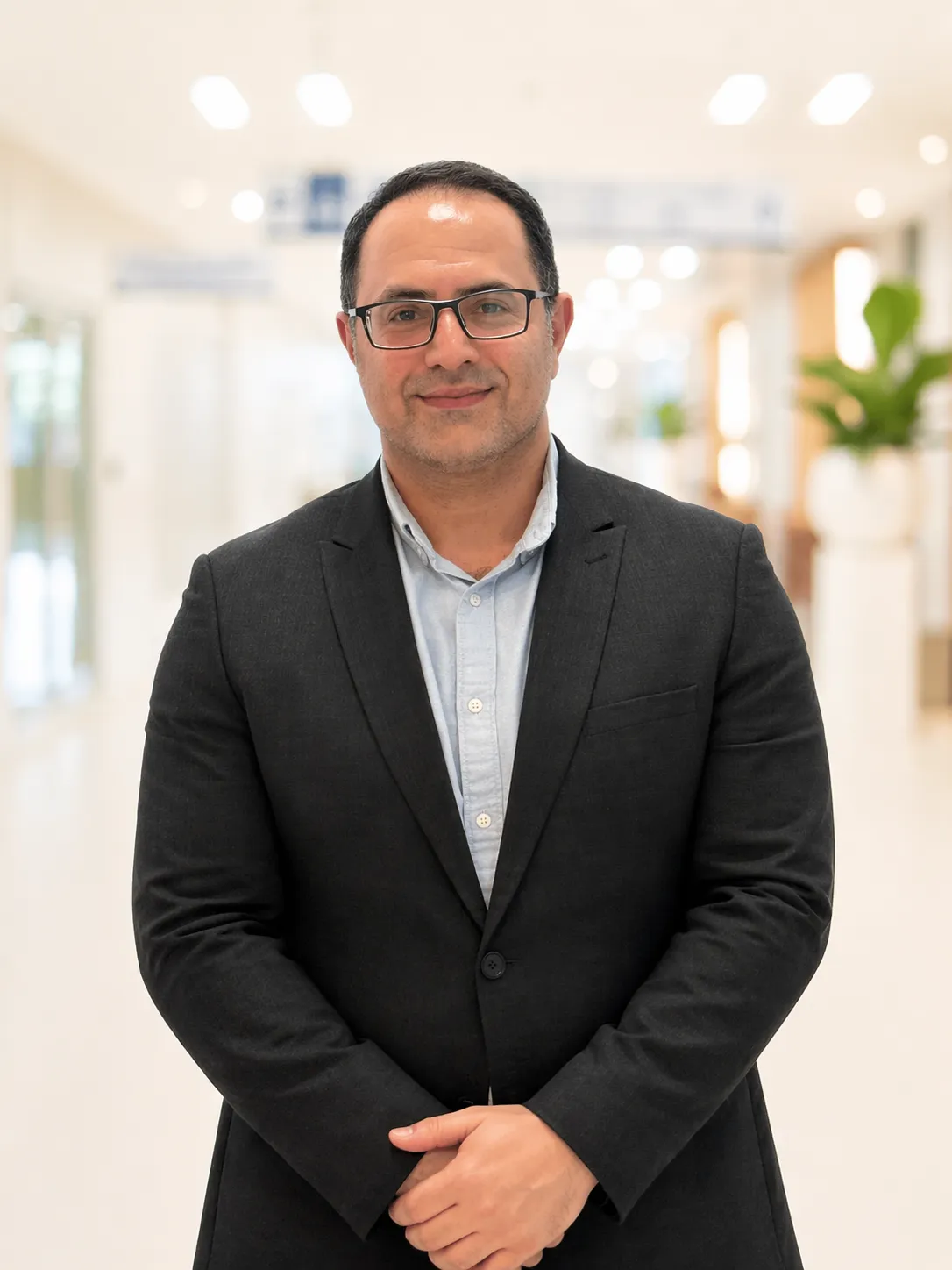
Dr. Mersad Moosavi
Specialist Orthopaedic Surgeon — Spine Surgery
MD, Spine Surgery Fellowship
Dr. Mersad Moosavi is a DHA-licensed Specialist Orthopaedic Surgeon with fellowship training in spine surgery at DCDC Dubai Healthcare City. He treats disc herniation, spinal stenosis, scoliosis, and complex spinal conditions using both minimally invasive and open surgical techniques. Consultations available in Persian and English.
Related Articles
Back Pain: Causes, Diagnosis & Treatment

Sciatica Treatment: Physiotherapy vs Surgery
Spine Surgery Rehabilitation: What to Expect
Herniated Disc Rehabilitation Timeline

Best Iranian Doctors in Dubai at DCDC
Spine MRI Cost in Dubai
More in Orthopedics
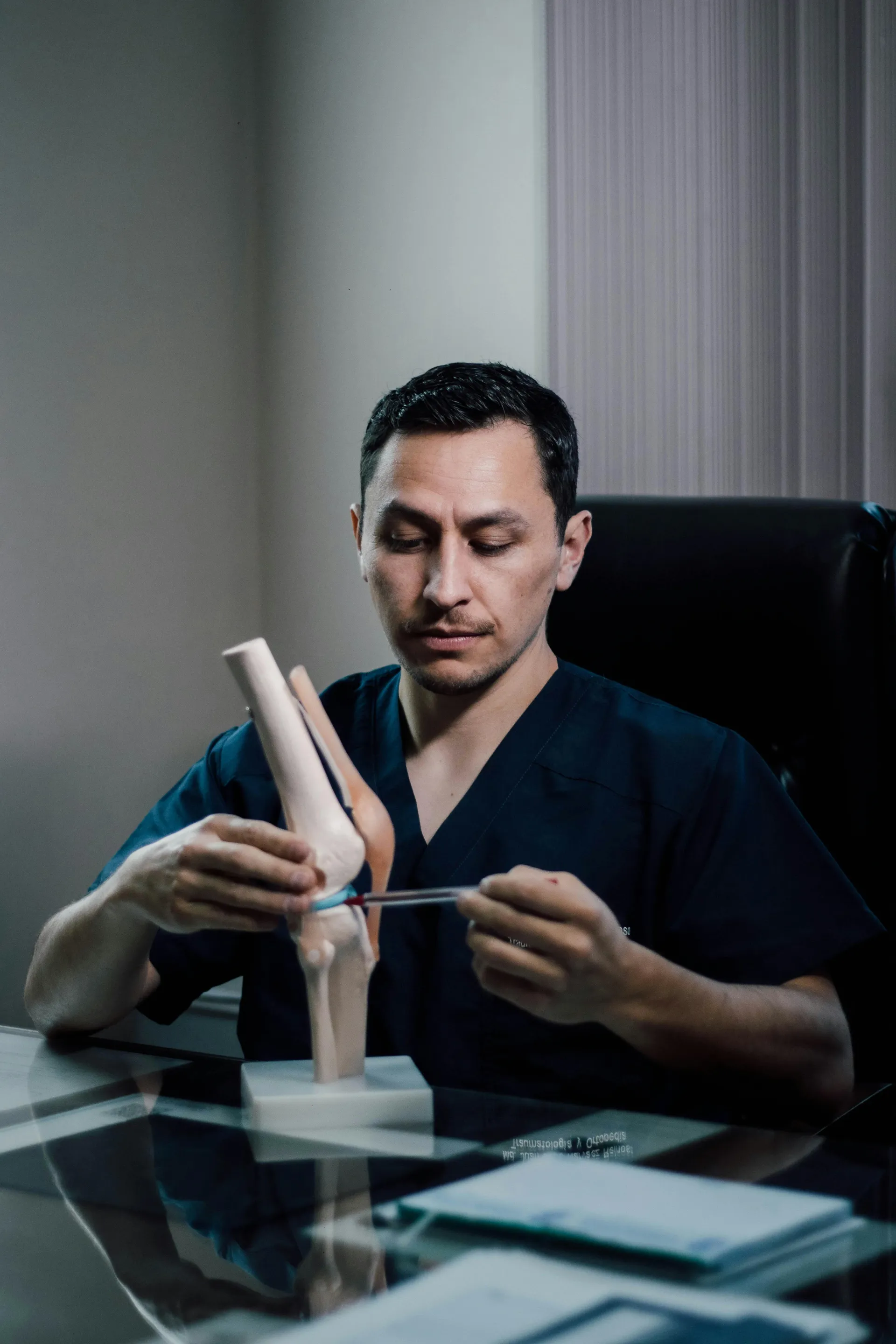
Orthopedic Consultation Cost Dubai (2026)
और पढ़ें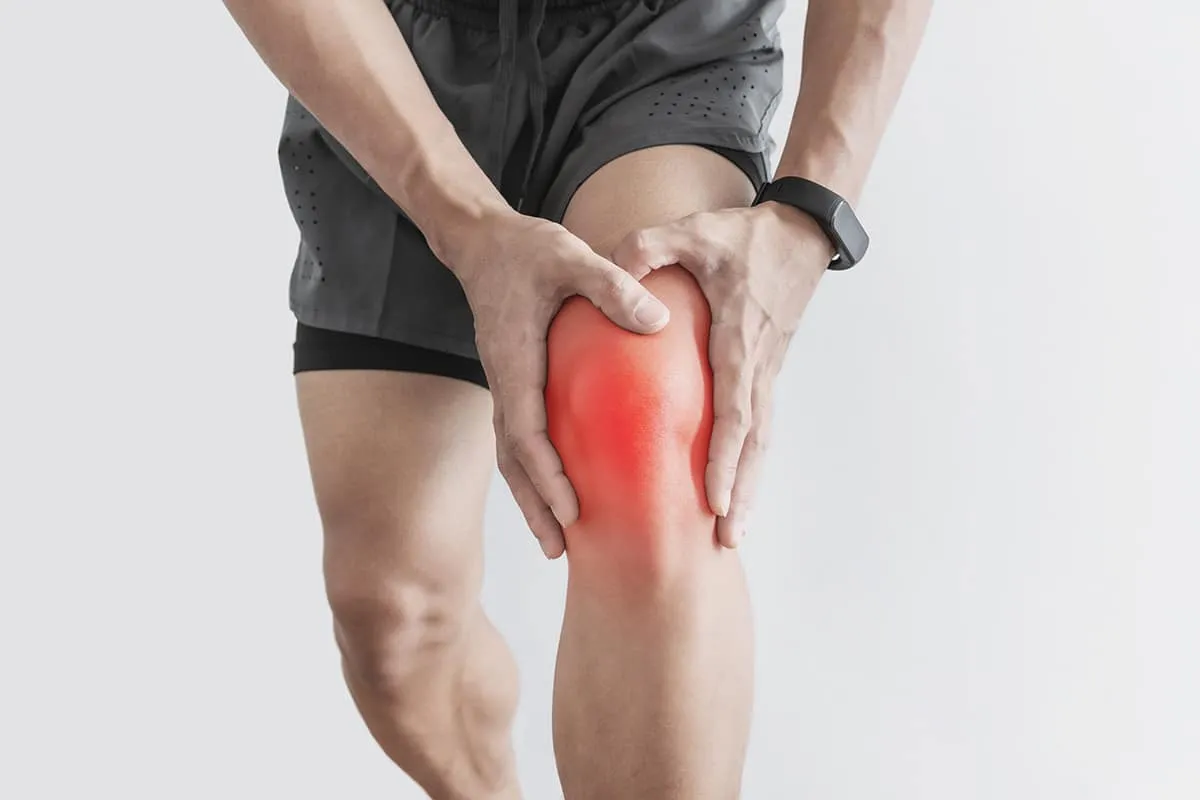
ACL Reconstruction Surgery in Dubai: Cost (2026)
और पढ़ेंBest Orthopedic Surgeon in Dubai: Dr. Mersad Moosavi at DCDC (2026)
और पढ़ेंIranian Orthopedic Surgeon in Dubai: Dr. Mersad Moosavi at DCDC (2026)
और पढ़ेंKnee Replacement Surgery in Dubai: Cost, Recovery & Best Surgeon (2026)
और पढ़ें
Orthopedic Surgeon in Dubai Healthcare City: Dr. Mersad Moosavi (2026)
और पढ़ें© 2026 Doctors Clinic Diagnostic Center (DCDC), Dubai Healthcare City. Originally published at https://doctorsclinicdubai.ae/blog/spine-surgery-dubai-guide. All rights reserved. Unauthorized reproduction is prohibited.