मुख्य बातें
- Cortisone injections provide rapid pain relief within 2-7 days but typically last only 4-8 weeks, while PRP takes 4-6 weeks to show results but can last 6-12 months or longer
- Clinical evidence consistently shows PRP outperforms cortisone at 6-month and 12-month follow-ups for mild-to-moderate knee osteoarthritis
- Repeated cortisone injections carry a risk of cartilage damage, tendon weakening, and accelerated joint degeneration, whereas PRP uses your own blood and has minimal side effects
- PRP treatment in Dubai costs from AED 1,500 per session, while cortisone injections typically cost AED 400-800 per session
- The best choice depends on your specific condition: cortisone suits acute inflammatory flare-ups needing rapid relief, while PRP is better for chronic conditions requiring long-term tissue healing
- Both treatments are safe and effective when administered by a qualified orthopedic specialist, and they can sometimes be used at different stages of the same recovery plan
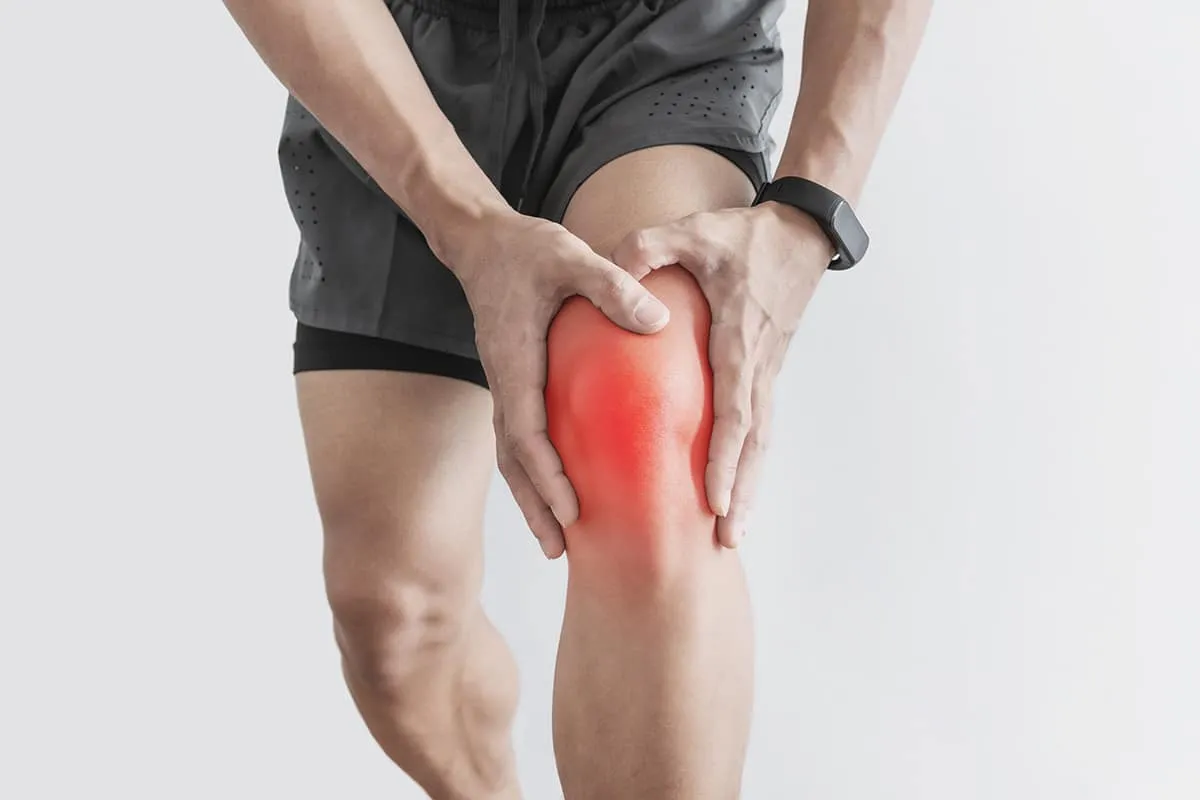
If you are dealing with joint pain in Dubai, your orthopedic specialist may recommend either PRP (platelet-rich plasma) or cortisone (corticosteroid) injections. Both are widely used, but they work through fundamentally different mechanisms and suit different clinical situations. This evidence-based comparison will help you understand the key differences so you can make an informed decision with your doctor. Our PRP Therapy service at DCDC in Dubai Healthcare City offers same-day consultations and treatment.
Choosing between PRP and cortisone is not simply a matter of picking the newer treatment. Each injection has specific strengths, limitations, and ideal use cases. This guide, written by an orthopedic surgeon with over 14 years of clinical experience and 20+ international publications, provides an honest, side-by-side comparison of both options including cost, effectiveness, recovery, side effects, and which conditions respond best to each treatment.
How PRP and Cortisone Injections Work: The Key Difference
Understanding the mechanism behind each injection is essential because it explains why they produce such different results. Cortisone (a synthetic corticosteroid) works by suppressing inflammation. It blocks the chemical signals that cause swelling, pain, and irritation in the joint. Think of it as turning off the fire alarm: the symptom stops, but the underlying cause of the alarm remains.
PRP (platelet-rich plasma) takes the opposite approach. It is a concentrated solution derived from your own blood that contains 3-5 times the normal level of platelets. These platelets release hundreds of growth factors, including platelet-derived growth factor (PDGF), transforming growth factor beta (TGF-B), and vascular endothelial growth factor (VEGF), that actively stimulate tissue repair, recruit stem cells, promote collagen production, and modulate inflammation naturally.
In practical terms: cortisone masks pain quickly by reducing inflammation, while PRP aims to heal the damaged tissue causing the pain. This fundamental difference drives every aspect of the comparison that follows, from onset time and duration to side effects and long-term outcomes.
PRP vs Cortisone: Side-by-Side Comparison Table
The following table summarises the key differences between PRP and cortisone injections across the factors that matter most to patients. Use this as a quick reference before reading the detailed analysis in subsequent sections.
| Factor | PRP Injection | Cortisone Injection |
|---|---|---|
| Mechanism | Stimulates tissue repair using your own growth factors | Suppresses inflammation by blocking immune response |
| Onset of relief | 4-6 weeks (gradual improvement) | 2-7 days (rapid relief) |
| Duration of benefit | 6-12+ months | 4-8 weeks (temporary) |
| Effect on cartilage | May promote repair and slow degeneration | Repeated use can accelerate cartilage breakdown |
| Repeat injections | 1-3 sessions, 2-4 weeks apart | Limited to 3-4 per year per joint |
| Side effects | Mild soreness for 2-5 days (from your own blood) | Facial flushing, blood sugar spikes, tissue thinning |
| Long-term safety | Excellent (autologous, no foreign substances) | Risk increases with repeated use |
| Best for | Chronic joint conditions, tissue healing, long-term management | Acute flare-ups, severe inflammation, short-term relief |
| Cost per session in Dubai | From AED 1,500 | AED 400-800 |
| Insurance coverage | Varies; some plans cover with specialist referral | Widely covered by most insurance plans |
PRP vs cortisone injection comparison. Costs are approximate Dubai market ranges as of 2026.
Clinical Evidence: What Research Says About Each Injection
The clinical evidence comparing PRP to cortisone has grown substantially over the past decade. Multiple systematic reviews and meta-analyses now provide a clear picture of how these treatments compare across different conditions and timeframes.
Knee osteoarthritis: A 2024 systematic review published in EFORT Open Reviews, analysing 60 years of comparative literature, found that corticosteroid injections offer clinical benefits similar to hyaluronic acid but lower than platelet-rich plasma for knee osteoarthritis. A separate 2020 prospective randomised controlled trial published in the Journal of Clinical Medicine followed patients for one year and reported that PRP demonstrated statistically significant improvement over cortisone at 6-month and 12-month follow-ups, despite cortisone providing better results in the first 6-8 weeks.
Tennis elbow (lateral epicondylitis): A systematic review in PMC found that cortisone provided rapid relief at 4-6 weeks for lateral epicondylitis, but PRP patients showed significantly better outcomes at 6 and 12 months. The re-injury rate in PRP-treated patients was only 10% compared to 72% in the cortisone group at one year, suggesting PRP addresses the underlying tendon pathology rather than temporarily reducing symptoms. For patients dealing with sports-related conditions, our guide on sports injury recovery in Dubai covers comprehensive rehabilitation approaches.
Rotator cuff tendinopathy: A 2021 systematic review and meta-analysis in PMC found short-term efficacy of corticosteroid injection and no significant medium- to long-term difference between corticosteroid and PRP injection for rotator cuff lesions. However, PRP avoids the tendon-weakening risk associated with repeated steroid injections near the shoulder tendons.
Lumbar spine and sacroiliac conditions: A 2021 systematic review in Cureus comparing PRP versus corticosteroid injection for lumbar spondylosis and sacroiliac arthropathy found that three of five included studies demonstrated more significant improvements in PRP patients at three- to six-month follow-up, while two studies found no difference at 6-12 weeks. The authors concluded there is some evidence that PRP is more effective at long-term follow-up.
When Cortisone Is the Better Choice
Despite the growing evidence favouring PRP for long-term outcomes, cortisone injections remain an important and appropriate treatment in specific clinical situations. Dismissing cortisone entirely would be a disservice to patients who genuinely need rapid relief.
- Acute inflammatory flare-ups: When a joint is severely swollen, hot, and painful due to an inflammatory flare (such as a gout attack, rheumatoid arthritis flare, or acute bursitis), cortisone provides relief within days that PRP simply cannot match
- Diagnostic purposes: Cortisone injections can help confirm that a specific structure is the source of pain. If a targeted cortisone injection eliminates pain, it helps your specialist pinpoint the diagnosis
- Pre-surgical pain management: For patients awaiting joint replacement surgery, cortisone can manage pain in the interim period without the higher investment of PRP for a joint that will be replaced
- Severe inflammation blocking rehabilitation: When pain and swelling are so severe that a patient cannot participate in physiotherapy, a cortisone injection can reduce symptoms enough to begin rehabilitation exercises
- Budget constraints: At AED 400-800 per session compared to from AED 1,500 for PRP, cortisone is the more affordable option for patients paying out of pocket, and it is more widely covered by insurance plans in Dubai
- First-time joint injection: For patients trying injection therapy for the first time, cortisone provides a faster indication of whether injection-based treatment helps their condition
The key limitation of cortisone is the restriction on frequency. Most orthopedic guidelines recommend no more than 3-4 cortisone injections per joint per year due to the cumulative risk of cartilage damage and tissue thinning. Patients who need ongoing joint management beyond these limits should consider transitioning to PRP or other biologic treatments. For a broader look at managing chronic joint conditions, our joint pain treatment guide covers all available options in Dubai.
When PRP Is the Better Choice
PRP is particularly well-suited for patients who need long-term joint management and want a treatment that works with the body's natural healing processes rather than suppressing symptoms.
- Mild-to-moderate osteoarthritis: Patients with Kellgren-Lawrence grade 1-3 knee osteoarthritis consistently show the best PRP outcomes, with 40-60% improvement in pain scores lasting 6-12 months or longer
- Chronic tendon injuries: Tennis elbow, golfer's elbow, Achilles tendinopathy, and rotator cuff tendinitis that have not responded to 3-6 months of physiotherapy are strong candidates for PRP
- Patients who have had multiple cortisone injections: If you have reached the recommended limit for cortisone in a joint, PRP offers a safe alternative that does not carry the same tissue-degradation risks
- Athletes and active individuals: PRP supports tissue repair rather than masking pain, which is important for patients who need their joints and tendons to withstand ongoing physical demands
- Patients seeking to delay surgery: For those with early-to-moderate joint disease who want to postpone joint replacement, PRP may slow disease progression and extend the functional life of the joint
- Those concerned about steroid side effects: Patients who have experienced blood sugar spikes, facial flushing, insomnia, or other cortisone side effects often prefer PRP as a side-effect-free alternative
It is worth noting that PRP is not appropriate for everyone. Patients with severe bone-on-bone arthritis (KL grade 4) typically do not respond well to PRP because there is insufficient cartilage remaining for regeneration. For a detailed guide on PRP candidacy, treatment steps, and expected results, see our comprehensive article on PRP injection for joints in Dubai.
Not Sure Which Injection Is Right for You?
Book a consultation with our orthopedic team at DCDC Dubai Healthcare City. We will assess your joint condition with on-site imaging (X-ray and MRI), review your medical history, and recommend the most appropriate injection therapy for your specific situation.
PRP therapy from AED 1,500 | 20+ insurance partners with direct billing
Side Effects and Risks: A Detailed Comparison
The safety profiles of PRP and cortisone differ significantly, and understanding these differences is important for making an informed treatment decision, particularly if you require ongoing injections over months or years.
Cortisone Injection Side Effects
- Common: Post-injection flare (temporary increased pain for 24-48 hours), facial flushing lasting 1-3 days, elevated blood sugar (particularly important for diabetic patients), difficulty sleeping for 1-2 nights
- With repeated use: Cartilage thinning and accelerated joint degeneration, tendon weakening and increased rupture risk (especially in the Achilles and rotator cuff), skin thinning and depigmentation at the injection site, local fat atrophy
- Rare: Joint infection (estimated 1 in 10,000-25,000), systemic effects from cortisone absorption (adrenal suppression with frequent injections), osteonecrosis (bone death) near the injection site
PRP Injection Side Effects
- Common: Temporary pain and swelling at the injection site for 2-5 days (this is part of the intended healing response, not a complication)
- Uncommon: Bruising at the injection site or blood draw site, minor stiffness resolving within 1-2 weeks
- Rare: Joint infection (same risk as any intra-articular injection, minimised by sterile technique), nerve or blood vessel irritation at the injection site (minimised by ultrasound guidance)
- Not reported: Allergic reaction, immune rejection, tissue degradation, or systemic side effects. Because PRP is derived from your own blood, the body does not recognise it as foreign
The critical distinction is what happens with repeated treatment. Cortisone becomes riskier with each additional injection as cumulative tissue damage compounds. PRP remains equally safe regardless of the number of sessions because it introduces no synthetic chemicals and does not degrade tissue. This makes PRP the clearly safer option for patients requiring ongoing injection management over years.
Cost Comparison: PRP vs Cortisone Injections
Cost is a practical consideration for many patients, and the pricing difference between PRP and cortisone is significant. However, evaluating cost requires looking beyond the per-session price to consider the total cost of treatment over time.
| Cost Factor | PRP Injection | Cortisone Injection |
|---|---|---|
| Per session cost in Dubai | From AED 1,500 | AED 400-800 |
| Sessions per treatment cycle | 1-3 (spaced 2-4 weeks apart) | 1 per flare-up |
| Duration of benefit | 6-12+ months | 4-8 weeks |
| Estimated annual cost (ongoing management) | AED 1,500-4,500 (1-3 sessions per year) | AED 1,600-3,200 (4 sessions per year at max frequency) |
| Insurance coverage in Dubai | Varies; some comprehensive plans cover with specialist referral | Widely covered by most plans |
| Additional imaging costs | MRI or X-ray may be needed for initial assessment | Often not required for cortisone |
Cost comparison of PRP vs cortisone injections in Dubai (2026). All prices are approximate and subject to individual assessment.
When you calculate the annualised cost, the difference between PRP and cortisone narrows considerably. A patient with chronic knee osteoarthritis who needs 4 cortisone injections per year at AED 600 each spends AED 2,400 annually for temporary relief. A single PRP session at from AED 1,500 that provides 12 months of benefit can actually be more cost-effective over time, even before considering the reduced risk of joint damage from avoiding repeated steroid exposure.
At DCDC, we work with 20+ insurance partners including Daman, AXA, Bupa, MetLife, and Cigna for direct billing. Our team can provide a detailed treatment plan and cost breakdown during your initial consultation to help you understand your out-of-pocket costs before committing to treatment.
Which Conditions Respond Best to Each Injection?
Not every joint condition responds equally to PRP and cortisone. The following breakdown, based on current clinical evidence, helps match each treatment to the conditions where it performs best.
Conditions Where PRP Outperforms Cortisone
- Mild-to-moderate knee osteoarthritis (KL grade 1-3): Strongest evidence base. PRP consistently outperforms cortisone at 6 and 12 months. Systematic reviews show PRP provides better pain reduction and functional improvement over the long term
- Chronic lateral epicondylitis (tennis elbow): PRP shows 10% recurrence at 1 year vs 72% with cortisone. Strong evidence favouring PRP for chronic cases unresponsive to physiotherapy
- Chronic plantar fasciitis: PRP provides longer-lasting relief without the risk of plantar fascia rupture associated with steroid injections
- Chronic Achilles tendinopathy: PRP supports tendon healing without the tendon-weakening risk of cortisone, which is particularly important in this load-bearing structure
Conditions Where Cortisone May Be Preferred
- Acute inflammatory arthritis flare: Gout attacks, rheumatoid arthritis flares, and acute crystal arthropathy respond best to rapid anti-inflammatory action
- Acute bursitis: Trochanteric, olecranon, or prepatellar bursitis with significant swelling benefits from cortisone's rapid inflammation control
- Carpal tunnel syndrome: Cortisone injection into the carpal tunnel can reduce nerve compression symptoms while patients consider surgical decompression
- Trigger finger: A single cortisone injection resolves trigger finger in approximately 60-70% of cases, making it a cost-effective first-line treatment
Conditions Where Evidence Is Similar
- Rotator cuff tendinopathy: Both show comparable medium-term results. PRP is preferred when patients need ongoing management, while cortisone suits acute shoulder pain needing rapid relief
- Lumbar facet joint pain: Both provide benefit, with some evidence favouring PRP at 3-6 months but equivalent results at shorter follow-up periods
- Hip osteoarthritis: Growing evidence for PRP, though the hip joint requires specialist guidance for accurate injection placement. Results appear comparable to knee PRP studies
For patients with arthritis affecting multiple joints, combining injection therapy with structured exercise is important for sustained improvement. Our guide on arthritis physiotherapy management explains how rehabilitation complements injection therapy for long-term joint health.
What to Expect at DCDC: The Treatment Process
At Doctors Clinic Diagnostic Center in Dubai Healthcare City, both PRP and cortisone injections follow a structured, specialist-led process designed to ensure accurate diagnosis, appropriate treatment selection, and optimal outcomes. With a Google rating of 4.8 from over 1,000 verified reviews and 98% patient satisfaction, we prioritise evidence-based care over one-size-fits-all protocols.
- Step 1 - Comprehensive assessment: Dr. Mersad Moosavi or one of our orthopedic specialists performs a detailed clinical examination and reviews your medical history, previous imaging, and prior treatments. This consultation determines whether injection therapy is appropriate and which type is best for your condition
- Step 2 - On-site diagnostic imaging: If needed, we have X-ray and MRI facilities on site to accurately grade your joint condition before recommending treatment. Accurate staging is essential because PRP works best for early-to-moderate disease, not end-stage arthritis
- Step 3 - Treatment recommendation: Based on your diagnosis, disease stage, activity level, and goals, your specialist recommends either PRP, cortisone, or an alternative approach. We are transparent about when injection therapy is not the best option
- Step 4 - Same-day treatment: Both PRP and cortisone injections can be performed on the same day as your consultation. PRP preparation takes approximately 20-30 minutes (blood draw, centrifuge processing, and injection). Cortisone injection takes about 10-15 minutes. All joint injections are performed under ultrasound guidance
- Step 5 - Post-injection care: You receive detailed aftercare instructions specific to your injection type. PRP patients are advised to avoid anti-inflammatory medications for two weeks (they interfere with the healing response). Cortisone patients can resume normal activity the same day
- Step 6 - Follow-up and rehabilitation: We schedule a follow-up at 6-8 weeks to assess your response and adjust the treatment plan if needed. Physiotherapy referral is coordinated in-house when appropriate
DCDC is located in Building 64, Block A, Al Razi Medical Complex in Dubai Healthcare City, with free parking and just 10 minutes from Downtown Dubai. We are open Saturday through Thursday from 8 AM to 10 PM and Friday from 9 AM to 9 PM. Before starting any injection therapy, accurate imaging helps determine the best treatment path. Our guide on knee MRI scans in Dubai explains what imaging can reveal about your joint condition.
Dr. Mersad Moosavi's Clinical Perspective on PRP vs Cortisone
With over 14 years of orthopedic experience and 20+ international publications on musculoskeletal conditions, Dr. Mersad Moosavi takes a pragmatic approach to injection therapy that prioritises long-term outcomes over quick fixes.
"In my clinical practice, I view PRP and cortisone as complementary tools rather than competitors. Cortisone remains invaluable for acute flare-ups where a patient is in severe pain and needs rapid relief to function and participate in rehabilitation. However, for chronic conditions like osteoarthritis and tendinopathy, I increasingly favour PRP because the evidence consistently shows better sustained outcomes at 6-12 months, and crucially, it does not carry the tissue-degradation risks of repeated steroid use. The ideal approach is matching the right injection to the right clinical situation at the right time in a patient's treatment journey."
This philosophy aligns with the growing consensus in orthopedic medicine: there is no single best injection for all patients. Proper diagnosis, disease staging with imaging, and honest discussion about expected outcomes are more important than the choice of injectable itself.
Recovery Comparison: PRP vs Cortisone Timeline
The recovery experience after PRP and cortisone injections is notably different, and understanding these differences helps set realistic expectations.
Cortisone Recovery Timeline
- Day 1: Mild soreness at the injection site. Some patients experience a post-injection flare (increased pain for 24-48 hours before improvement begins)
- Days 2-7: Significant pain relief as the anti-inflammatory effect takes hold. Most patients report noticeable improvement within this window
- Weeks 2-6: Peak benefit period. Pain and swelling are typically at their lowest
- Weeks 6-12: Benefits gradually diminish as the cortisone metabolises. Symptoms may return to pre-injection levels or close to it
- Activity: Most patients can resume normal activities the same day. No specific restrictions on anti-inflammatory medication use
PRP Recovery Timeline
- Days 1-3: Mild to moderate soreness and potential swelling at the injection site. This inflammatory response is intentional and part of the healing process. Paracetamol is permitted; avoid ibuprofen and naproxen
- Weeks 1-2: Soreness gradually resolves. Light activity and walking are encouraged. Avoid high-impact exercise and heavy lifting
- Weeks 3-6: Tissue remodelling begins. Early improvements in stiffness and pain may become noticeable. Gradual return to normal activity
- Months 2-3: Meaningful pain reduction and functional improvement for most patients. Growth factors have stimulated new collagen production and tissue repair
- Months 3-6: Peak benefit period. This is when PRP overtakes cortisone in comparative studies. Greatest improvement in pain relief, joint function, and ability to perform previously painful activities
- Months 6-12+: Sustained benefit. Some patients experience improvement lasting 18 months or longer. Booster sessions can maintain results if needed
The key takeaway is patience. PRP patients who expect cortisone-speed relief will be disappointed. But those willing to wait 4-6 weeks for initial improvement are rewarded with substantially longer-lasting results.
Can You Combine PRP and Cortisone Injections?
Yes, and in many cases this is the most practical approach. PRP and cortisone are not mutually exclusive; they can be used strategically at different points in a patient's treatment plan.
A common clinical scenario: a patient presents with an acute inflammatory flare of knee osteoarthritis causing severe pain that prevents them from walking or participating in physiotherapy. A cortisone injection provides rapid relief within days, enabling the patient to begin rehabilitation exercises. Once the acute flare settles and the underlying chronic condition is assessed with imaging, PRP is then used for long-term joint management.
However, timing matters. Cortisone is an anti-inflammatory that can suppress the healing cascade that PRP relies on. If both are being considered, the cortisone should be given first and allowed to take full effect (2-4 weeks) before PRP is administered. Injecting PRP into a joint that has just received cortisone can reduce the effectiveness of the PRP.
Your orthopedic specialist at DCDC will design a sequenced treatment plan based on your specific condition, ensuring each injection is timed for maximum effect. The goal is always to use the minimum number of injections needed to achieve meaningful, lasting improvement.
Which Injection Is Right for You? A Decision Framework
Choosing between PRP and cortisone ultimately depends on your specific condition, timeline, budget, and treatment goals. Use this decision framework as a starting point for your discussion with an orthopedic specialist.
Choose cortisone if: You need rapid pain relief within days, you are experiencing an acute inflammatory flare, you are awaiting surgery and need temporary pain management, your budget is limited, or this is your first experience with injection therapy and you want a faster indicator of whether injections help your condition.
Choose PRP if: You want long-term relief lasting 6-12+ months, you have mild-to-moderate osteoarthritis or a chronic tendon injury, you have already had multiple cortisone injections and reached the safe annual limit, you are an athlete or active person who needs tissue healing rather than symptom masking, or you are concerned about the side effects of repeated steroid use.
Consider both (sequenced) if: You have an acute flare on top of a chronic condition, you need rapid relief now but also want a long-term solution, or your specialist recommends cortisone to enable rehabilitation followed by PRP for sustained management.
Regardless of which injection you choose, the most important step is an accurate diagnosis. The wrong injection for the wrong condition will not produce good results. At DCDC, our MOHAP-licensed orthopedic team (License: NIMY7VY5-240925) ensures proper diagnostic workup with on-site X-ray and MRI before recommending any injection therapy.
Get an Expert Assessment for Your Joint Pain
Visit our orthopedic clinic at DCDC Dubai Healthcare City for a thorough evaluation. Dr. Mersad Moosavi and our specialist team will recommend the most effective injection therapy for your condition, backed by on-site imaging and evidence-based protocols.
Same-day consultations available | Sat-Thu 8AM-10:30PM, Fri 9AM-10PM
PRP vs Cortisone for Athletes and Sports Injuries
Athletes and physically active individuals face a specific dilemma when it comes to injection therapy: they need effective pain relief, but they also need their joints and tendons to withstand ongoing physical demands. This makes the choice between PRP and cortisone particularly important for this population.
Cortisone is often the go-to injection in sports medicine for acute injuries because it provides rapid pain relief that allows athletes to return to training sooner. However, this approach has significant drawbacks. Cortisone masks pain without addressing the underlying tissue damage, which can lead athletes to overload an injured structure and worsen the injury. Repeated cortisone injections into tendons significantly increase the risk of tendon rupture, a career-altering complication for competitive athletes.
PRP has become increasingly popular in sports medicine precisely because it supports actual tissue repair. Professional athletes in football, tennis, basketball, and running have publicly credited PRP with helping them recover from chronic tendon injuries that did not respond to cortisone or physiotherapy alone. While PRP requires more patience (4-6 weeks to see results versus days with cortisone), the tissue-healing mechanism means athletes can return to full activity with a healthier, more resilient structure rather than a weakened one.
For athletes dealing with sports injuries, the ideal approach often combines initial rest and physiotherapy with PRP to support healing, reserving cortisone only for severe inflammatory episodes that cannot be managed otherwise. Our comprehensive guide on sports injury recovery in Dubai outlines the full spectrum of treatment options available.
Final Thoughts: Making the Right Choice
The PRP vs cortisone debate is not about one injection being universally better than the other. Both have earned their place in orthopedic medicine because both are genuinely effective when used for the right condition, at the right time, in the right patient.
Cortisone remains the gold standard for rapid anti-inflammatory relief and is appropriate for acute flare-ups, severe inflammation, and situations requiring quick symptom control. PRP has established itself as the superior option for long-term management of chronic joint and tendon conditions, offering sustained improvement without the tissue-degradation risks of repeated steroid use.
The most important factor in achieving a good outcome with either injection is not the injectable itself but the quality of the diagnostic workup and clinical decision-making that precedes it. An injection administered into the wrong structure, for the wrong diagnosis, or at the wrong stage of disease will not produce good results regardless of whether it contains PRP or cortisone.
If you are considering injection therapy for joint pain, start with a thorough orthopedic assessment. Bring any previous imaging, describe your symptoms honestly, discuss your goals and activity level, and ask your specialist to explain why they recommend one injection over the other for your specific situation.
DCDC में संबंधित सेवाएं
दुबई हेल्थकेयर सिटी में विशेषज्ञ देखभाल और उन्नत निदान
अक्सर पूछे जाने वाले प्रश्न
अंतिम विचार
Both PRP and cortisone injections are valuable tools in orthopedic medicine, and the best choice depends entirely on your individual condition, timeline, and treatment goals. The evidence clearly shows that cortisone excels at rapid, short-term relief while PRP delivers superior long-term outcomes for chronic conditions. An honest orthopedic assessment is the essential first step in determining which injection will serve you best.
If you are considering injection therapy in Dubai, book a consultation at DCDC in Dubai Healthcare City for an evidence-based evaluation. Our orthopedic team will assess your condition thoroughly, discuss both options candidly, and help you make an informed decision that aligns with your health goals and lifestyle.
स्रोत एवं संदर्भ
यह लेख हमारी चिकित्सा टीम द्वारा समीक्षित है और निम्नलिखित स्रोतों का संदर्भ देता है:
- EFORT Open Reviews - Corticosteroids vs PRP for knee osteoarthritis: systematic review and meta-analysis (2024)
- Journal of Clinical Medicine - Intra-articular PRP vs corticosteroids for moderate knee osteoarthritis: 1-year follow-up RCT (2020)
- Cureus - PRP vs Corticosteroid Injection for Lumbar Spondylosis and Sacroiliac Arthropathy: Systematic Review (2021)
- PMC - PRP injection vs corticosteroid injection for rotator cuff lesions: systematic review and meta-analysis (2021)
- PMC - Corticosteroid vs platelet-rich plasma for lateral epicondylitis: systematic review (2018)
- American Academy of Orthopaedic Surgeons - Platelet-Rich Plasma (PRP)
- Mayo Clinic - Platelet-rich plasma (PRP) therapy
इस साइट पर चिकित्सा सामग्री DHA-लाइसेंस प्राप्त चिकित्सकों द्वारा समीक्षित है। हमारी देखें संपादकीय नीति अधिक जानकारी के लिए।
लेखक
Dr. Mersad Moosavi
Orthopedic Surgeon
MD, Orthopedic Surgery
Dr. Mersad Moosavi is an Orthopedic Surgeon at Doctors Clinic Diagnostic Center (DCDC) in Dubai Healthcare City with over 14 years of clinical experience and 20+ international publications on musculoskeletal conditions.
संबंधित लेख
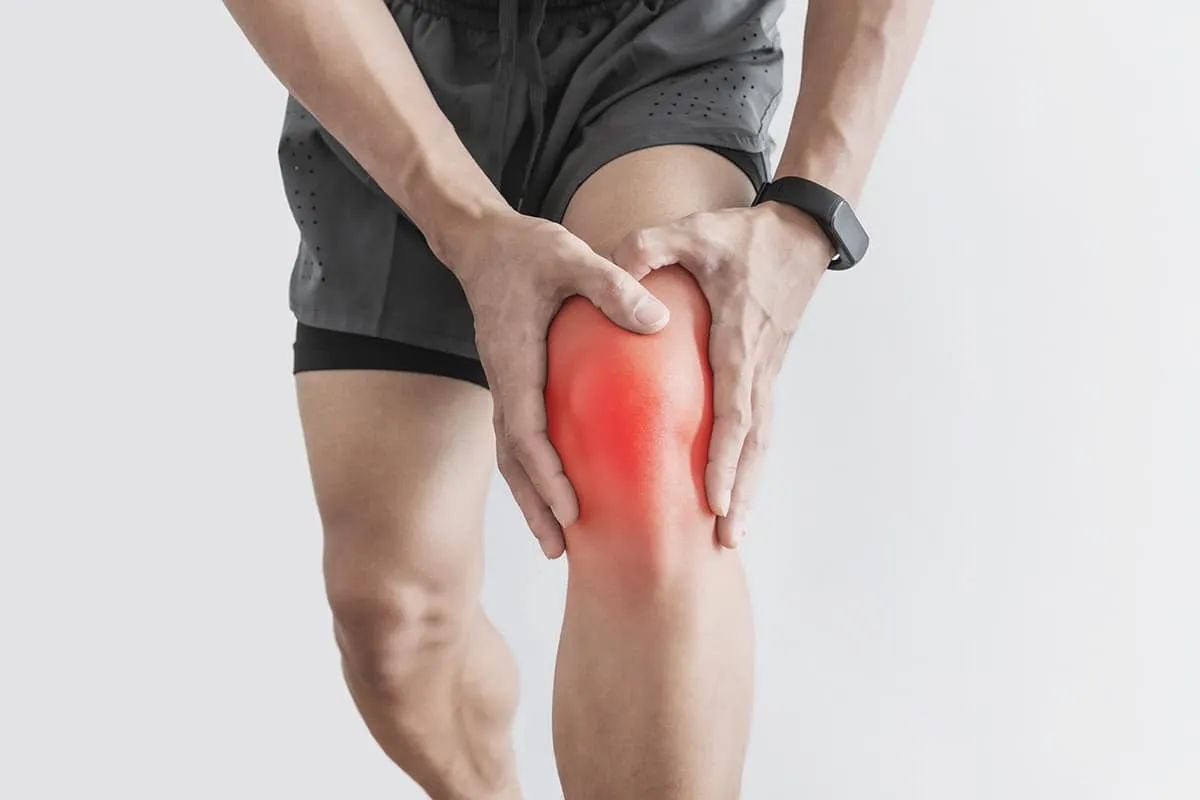
PRP Injection for Joints Dubai: From AED 1,500 (2026)
Joint Pain Treatment Dubai: Causes & Relief (2026)
Sports Injury Recovery Dubai: PRP & Rehab (2026)
Arthritis: Physiotherapy Management Guide (2026)

Frozen Shoulder Treatment: Physiotherapy Guide (2026)
और अधिक Physiotherapy में
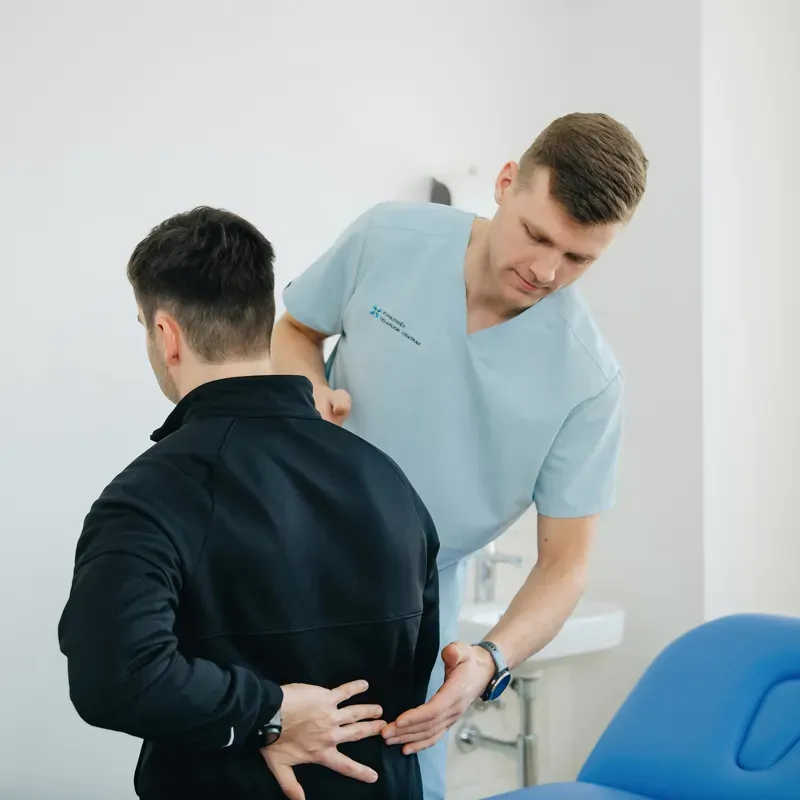
Physiotherapy Dubai: Types, Cost & Guide (2026)
और पढ़ें
Vestibular Rehab Dubai: Treatment for Vertigo (2026)
और पढ़ेंPhysiotherapy Packages Dubai: Save 20%+ (2026)
और पढ़ेंShoulder Pain Dubai: 7 Causes & When to Worry (2026)
और पढ़ेंPRP Injection for Joints Dubai: From AED 1,500 (2026)
और पढ़ेंPhysiotherapy Cost Dubai: AED 250–500/Session (2026)
और पढ़ें© 2026 Doctors Clinic Diagnostic Center (DCDC), Dubai Healthcare City. Originally published at https://doctorsclinicdubai.ae/blog/prp-vs-cortisone-injection-dubai. All rights reserved. Unauthorized reproduction is prohibited.