मुख्य बातें
- Peripheral neuropathy affects over 2 percent of the general population, but in the UAE where diabetes prevalence reaches approximately 17 percent, the condition is significantly more common — 60 to 70 percent of diabetic patients develop neuropathy during their lifetime
- The earliest symptoms typically begin in the feet: persistent tingling, numbness, or a burning sensation that gradually progresses upward in a stocking-glove pattern — early detection at this stage offers the best chance of halting nerve damage
- Neuropathy has over 100 known causes including diabetes, vitamin B12 deficiency, thyroid disorders, alcohol use, and autoimmune conditions — identifying the underlying cause is essential for effective treatment
- Diagnosis requires a neurological examination combined with EMG and nerve conduction studies (NCV) to measure nerve function, plus blood tests including HbA1c, vitamin B12, folate, and thyroid panels to identify treatable causes
- At DCDC Dubai Healthcare City, patients can complete a full neuropathy evaluation in a single visit — neurology consultation, EMG/NCV testing, and on-site lab work — with same-day results for routine blood tests
- When nerve damage is detected before significant axonal loss, progression can often be halted and symptoms partially or fully reversed, especially in vitamin deficiency and early diabetic neuropathy cases
If you have been experiencing persistent tingling, numbness, or burning sensations in your hands or feet, you may be showing early signs of peripheral neuropathy — a condition caused by damage to the nerves outside the brain and spinal cord. In the UAE, where diabetes affects approximately 1 in 6 adults, neuropathy is one of the most common neurological complaints seen in clinical practice. This comprehensive guide explains the symptoms, causes, and warning signs of peripheral neuropathy, when to seek evaluation, and how neuropathy diagnosis and treatment works at Doctors Clinic Diagnostic Center (DCDC) in Dubai Healthcare City. Recognizing neuropathy symptoms early is critical — nerve damage that is identified and treated promptly has the best chance of being slowed, halted, or even reversed.
Health Screening Packages
Save with our bundled screening packages — specialist consultation included






What Is Peripheral Neuropathy?
Peripheral neuropathy is a condition that occurs when the peripheral nerves — the vast communication network that transmits signals between the central nervous system (your brain and spinal cord) and the rest of your body — become damaged or diseased. These nerves control sensation, movement, and automatic functions such as blood pressure, heart rate, and digestion. When they malfunction, the result can range from mild tingling and numbness to severe pain, muscle weakness, and organ dysfunction.
The peripheral nervous system contains three types of nerves, and neuropathy symptoms depend on which type is affected. Sensory nerves carry information about touch, temperature, pain, and vibration — damage causes numbness, tingling, and burning pain. Motor nerves control voluntary muscle movement — damage leads to weakness, cramping, and muscle wasting. Autonomic nerves regulate involuntary functions — damage can cause dizziness upon standing, digestive problems, excessive sweating, and changes in blood pressure. Most patients with peripheral neuropathy experience a combination of sensory and motor symptoms, with sensory symptoms typically appearing first.
Globally, peripheral neuropathy affects an estimated 2 to 8 percent of the adult population, with prevalence increasing sharply with age and in populations with high diabetes rates. In the UAE and the broader Gulf region, the combination of high diabetes prevalence (approximately 17 percent according to the International Diabetes Federation) and lifestyle factors means that neuropathy is encountered in clinical practice at rates substantially above the global average. Understanding the warning signs is the first step toward protecting your nerve health.
Early Warning Signs of Neuropathy
Neuropathy symptoms typically develop gradually, and many patients dismiss the earliest signs as minor discomfort or attribute them to fatigue, aging, or poor circulation. However, recognizing these early warning signs is crucial because nerve damage identified at an early stage — before significant axonal loss has occurred — responds much better to treatment. The following are the most common initial symptoms that should prompt further evaluation:
- Tingling or pins-and-needles sensation: A persistent prickling feeling, most commonly starting in the toes and the balls of the feet. This is often the very first symptom patients notice. Unlike the temporary tingling that occurs when a limb 'falls asleep,' neuropathic tingling does not resolve with movement or position changes and tends to worsen at night.
- Numbness or reduced sensation: A feeling that your feet or hands are 'wrapped in cotton' or that you cannot feel textures, temperature, or light touch as clearly as before. Some patients notice they can no longer feel the ground properly when walking, leading to an unsteady gait.
- Burning or shooting pain: A spontaneous burning, stabbing, or electric-shock-like pain in the feet, legs, or hands, often worse at night or at rest. This neuropathic pain is distinct from musculoskeletal pain and does not respond well to standard painkillers such as paracetamol or ibuprofen.
- Hypersensitivity to touch: Also known as allodynia — even light contact from bed sheets, socks, or shoes may cause significant discomfort or pain. This occurs because damaged sensory nerves send amplified or distorted pain signals to the brain.
- Muscle weakness or cramping: Difficulty gripping objects, buttoning shirts, or opening jars (hands) or tripping, foot drop, and difficulty climbing stairs (feet and legs). This indicates motor nerve involvement.
- Loss of balance and coordination: Unsteadiness when walking, particularly in the dark or on uneven surfaces, due to impaired proprioception — the body's ability to sense its position in space. This increases the risk of falls and injuries.
- Temperature perception changes: Inability to distinguish hot from cold, or perceiving a neutral temperature as burning or freezing. This is a significant safety concern as patients may not notice burns or frostbite injuries.
The hallmark pattern of peripheral neuropathy is a stocking-glove distribution — symptoms begin in the toes and feet, gradually progress upward to the ankles and lower legs, and later may affect the fingertips and hands. This pattern occurs because the longest nerves in the body (those reaching the feet) are most vulnerable to damage. If you notice any combination of these symptoms persisting for more than two to three weeks, particularly if you have diabetes or other risk factors, you should arrange a neurological assessment.
Types of Peripheral Neuropathy Symptoms
Peripheral neuropathy is not a single disease but a broad term encompassing damage to any peripheral nerve. The symptoms vary significantly depending on which nerves are affected and the underlying cause. Understanding the different types helps both patients and clinicians identify the most likely diagnosis and appropriate investigations.
Sensory Neuropathy (Most Common)
Sensory neuropathy is the most frequently encountered form, accounting for the majority of cases seen in clinical practice. Symptoms are predominantly sensory — numbness, tingling, burning pain, and hypersensitivity — and follow the classic stocking-glove distribution. Diabetic sensorimotor polyneuropathy is the most common subtype, affecting up to 50 percent of patients with long-standing diabetes. Sensory neuropathy is also caused by vitamin B12 deficiency, chronic alcohol use, certain chemotherapy drugs, and idiopathic (unknown) causes.
Motor Neuropathy
Motor neuropathy primarily affects the nerves controlling voluntary muscle movement. Symptoms include muscle weakness, wasting (atrophy), fasciculations (involuntary muscle twitching), and cramping. In the legs, motor neuropathy may cause foot drop — an inability to lift the front part of the foot, leading to a dragging gait. In the hands, patients struggle with fine motor tasks such as writing, typing, or fastening buttons. Guillain-Barre syndrome, chronic inflammatory demyelinating polyneuropathy (CIDP), and certain hereditary neuropathies are examples of conditions where motor symptoms predominate.
Autonomic Neuropathy
Autonomic neuropathy affects the nerves controlling involuntary body functions and is particularly common in patients with long-standing or poorly controlled diabetes. Symptoms include orthostatic hypotension (dizziness or lightheadedness upon standing), gastroparesis (delayed stomach emptying causing nausea, bloating, and early fullness), urinary retention or incontinence, erectile dysfunction, excessive or reduced sweating, and resting tachycardia. Autonomic symptoms are often overlooked or attributed to other conditions, delaying diagnosis.
Focal and Multifocal Neuropathy
Unlike the symmetric pattern seen in polyneuropathy, focal neuropathies affect a single nerve or nerve group. Carpal tunnel syndrome (median nerve compression at the wrist) is the most common focal neuropathy. Other examples include ulnar neuropathy (elbow), peroneal neuropathy (knee causing foot drop), and cranial neuropathies (affecting facial or eye movement nerves). Mononeuritis multiplex — damage to multiple individual nerves in different areas — can indicate vasculitis or other systemic inflammatory conditions requiring urgent evaluation.
Diabetic Neuropathy: A Growing Concern in the UAE
Diabetes is by far the most common cause of peripheral neuropathy worldwide, and in the UAE, the scale of this problem is substantial. According to the International Diabetes Federation (IDF) Diabetes Atlas, the UAE has one of the highest diabetes prevalence rates globally, with approximately 17 percent of adults affected — nearly 1 in 6. Among the broader adult population, an additional significant percentage have prediabetes or undiagnosed diabetes. Research consistently shows that 60 to 70 percent of people with diabetes will develop some form of neuropathy during their lifetime, making it the most common complication of diabetes.
Diabetic neuropathy develops because chronically elevated blood glucose levels damage the small blood vessels supplying peripheral nerves (vasa nervorum) and directly injure nerve fibres through metabolic pathways involving oxidative stress, advanced glycation end-products, and the polyol pathway. The risk increases with the duration of diabetes, the degree of glycaemic control, and the presence of other cardiovascular risk factors such as hypertension, dyslipidaemia, and smoking.
The most common form, distal symmetric polyneuropathy (DSPN), affects up to 50 percent of patients with type 2 diabetes and is a leading cause of foot ulceration and lower-limb amputation in Dubai and the UAE. Because DSPN can be present for years before symptoms become noticeable — up to 50 percent of cases are asymptomatic at diagnosis — the American Diabetes Association recommends annual neuropathy screening for all diabetic patients, beginning at the time of type 2 diabetes diagnosis and 5 years after a type 1 diagnosis.
For residents in Dubai managing diabetes, regular neuropathy screening is not optional — it is an essential part of comprehensive diabetes care. A simple 10-minute clinical screening using monofilament testing and tuning fork assessment can detect early neuropathy before symptoms develop, enabling early intervention that can prevent progression to painful neuropathy or diabetic foot complications. Diabetes management in Dubai should always include periodic neurological assessment as a core component of care.
Other Common Causes of Neuropathy
While diabetes accounts for approximately 30 to 40 percent of all neuropathy cases, there are over 100 other known causes. Identifying the specific aetiology is essential because many of these causes are treatable or reversible when detected early. The following are the most common non-diabetic causes encountered in clinical practice in Dubai:
- Vitamin B12 deficiency: One of the most important treatable causes of neuropathy. B12 is essential for myelin maintenance (the protective sheath around nerve fibres). Deficiency causes a progressive sensory neuropathy with tingling, numbness, and balance problems. Common in vegetarians, older adults, patients taking metformin (a widely prescribed diabetes medication), and those with pernicious anaemia or gastrointestinal absorption disorders. Supplementation can reverse nerve damage if treatment begins before severe axonal degeneration.
- Thyroid disorders: Both hypothyroidism and hyperthyroidism can cause peripheral neuropathy. Hypothyroidism is more commonly associated, causing carpal tunnel syndrome and a diffuse sensory polyneuropathy. The mechanism involves myxedematous tissue deposition around nerves and metabolic impairment of nerve function.
- Alcohol-related neuropathy: Chronic alcohol consumption causes neuropathy through direct neurotoxic effects of ethanol and its metabolites, combined with nutritional deficiencies (particularly thiamine, folate, and B12). Alcohol-related neuropathy is typically a painful sensory-predominant polyneuropathy affecting the legs more than the hands.
- Autoimmune conditions: Rheumatoid arthritis, lupus, Sjogren syndrome, sarcoidosis, and vasculitis can all cause neuropathy through immune-mediated inflammation and damage to peripheral nerves or their blood supply. Guillain-Barre syndrome (GBS) and chronic inflammatory demyelinating polyneuropathy (CIDP) are primary autoimmune neuropathies requiring immunotherapy.
- Medications and toxins: Several commonly prescribed medications can cause neuropathy as a side effect, including certain chemotherapy agents (vincristine, cisplatin, paclitaxel), antiretroviral drugs, metronidazole, isoniazid, and high-dose pyridoxine (vitamin B6). Occupational exposure to heavy metals (lead, mercury, arsenic) and industrial solvents can also cause toxic neuropathy.
- Kidney disease: Uraemic neuropathy affects patients with chronic kidney disease, particularly those on dialysis. The accumulation of uraemic toxins directly damages peripheral nerves. This is relevant in the UAE population given the association between diabetes, hypertension, and chronic kidney disease.
- Infections: HIV, hepatitis C, Lyme disease, and herpes zoster (shingles) can cause neuropathy. Post-herpetic neuralgia — persistent nerve pain after a shingles outbreak — is a common form of infectious neuropathy, particularly in older adults.
- Idiopathic neuropathy: In approximately 20 to 30 percent of cases, no identifiable cause is found despite thorough investigation. These cases are classified as idiopathic neuropathy and are managed symptomatically while monitoring for emerging causes.
When to See a Neurologist for Nerve Symptoms
Not every episode of tingling or numbness requires a neurologist — temporary symptoms from sleeping in an awkward position, sitting cross-legged, or repetitive strain are common and resolve on their own. However, certain patterns and features should prompt you to seek a neurological evaluation without delay. You should book a neurology consultation if you experience any of the following:
- Tingling, numbness, or burning in both feet (or both hands) that persists for more than two to three weeks
- Symptoms that are progressively worsening — spreading from toes upward, or from fingertips toward the wrists
- Numbness or loss of sensation in the feet combined with diabetes, prediabetes, or a family history of diabetes
- Muscle weakness in the hands (difficulty gripping, dropping objects) or feet (tripping, foot slapping during walking)
- Sharp, electric-shock-like pain or burning that disrupts your sleep
- Loss of balance or unsteadiness, particularly in the dark or on uneven surfaces
- Autonomic symptoms such as dizziness when standing up, unexplained changes in sweating, or digestive problems alongside nerve symptoms
- Any sudden onset of weakness in multiple limbs — this could indicate Guillain-Barre syndrome and requires urgent evaluation
The critical message is this: earlier evaluation leads to better outcomes. Peripheral nerve damage that is identified at an early stage, before extensive axonal degeneration, is far more amenable to treatment. In some cases — particularly vitamin B12 deficiency, thyroid-related neuropathy, and early diabetic neuropathy with good glycaemic control — symptoms can be partially or fully reversed. Waiting months or years to seek evaluation often means the window for reversal has closed and treatment focuses on slowing progression and managing symptoms. Vitamin B12 deficiency in Dubai is a particularly common and entirely treatable cause that should always be investigated early.
How Neuropathy Is Diagnosed
Diagnosing peripheral neuropathy involves two parallel objectives: confirming that nerve damage is present and identifying the underlying cause. A systematic diagnostic approach is essential because treatment depends entirely on the specific aetiology. The evaluation typically includes the following components:
Clinical Neurological Examination
The neurologist begins with a thorough clinical history — the pattern, distribution, and timeline of symptoms, medical history, medication use, alcohol intake, occupational exposures, and family history. This is followed by a detailed neurological examination testing sensory function (light touch, pinprick, vibration, temperature, proprioception), motor strength (graded on the MRC scale), deep tendon reflexes (ankle and knee reflexes are often reduced or absent in neuropathy), and coordination and gait. The clinical examination alone can determine the type and distribution of neuropathy and guide the subsequent investigations.
Electrodiagnostic Studies (EMG and NCV)
Electromyography (EMG) and nerve conduction velocity (NCV) studies are the gold standard for objectively confirming neuropathy and characterizing its severity and type. These tests measure the electrical activity of nerves and muscles, providing information that clinical examination alone cannot. They determine whether the neuropathy is axonal (nerve fibre damage), demyelinating (damage to the insulating myelin sheath), or mixed — a distinction that significantly narrows the differential diagnosis and guides treatment.
Blood Tests for Underlying Causes
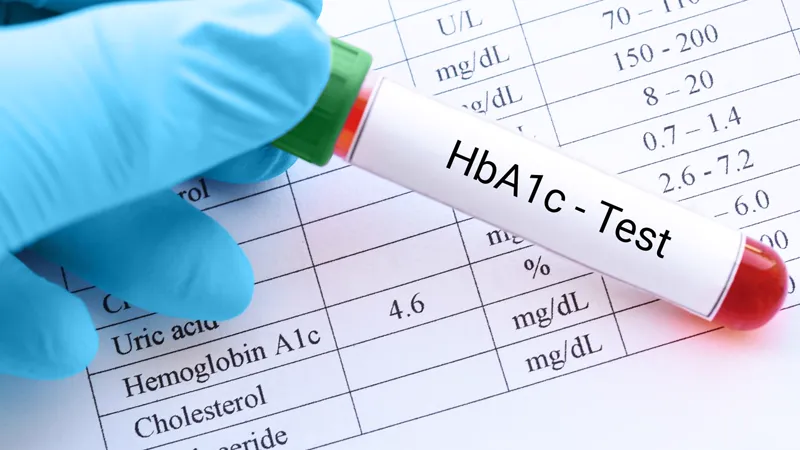
A comprehensive blood panel is ordered to identify treatable causes of neuropathy. Standard tests include fasting blood glucose and HbA1c (to detect diabetes or prediabetes), vitamin B12 and folate levels, thyroid function tests (TSH, free T4), complete blood count, erythrocyte sedimentation rate (ESR), liver and kidney function tests, and serum protein electrophoresis. Depending on the clinical picture, additional tests may include ANA (autoimmune screening), anti-ganglioside antibodies, heavy metal levels, and HIV and hepatitis C serology.
EMG and Nerve Conduction Studies Explained
EMG and nerve conduction studies (NCV) are the cornerstone diagnostic tests for peripheral neuropathy, and patients understandably have questions about what these tests involve. Understanding the process can help alleviate anxiety and ensure optimal preparation.
Nerve conduction studies (NCV) are performed first. Small surface electrodes are placed on the skin over specific nerves, and brief, low-intensity electrical impulses are delivered to stimulate the nerve. The speed at which the electrical signal travels along the nerve (conduction velocity) and the strength of the response (amplitude) are measured. Reduced conduction velocity indicates demyelination, while reduced amplitude indicates axonal loss. Both motor and sensory nerves in the arms and legs are typically tested, requiring approximately 20 to 30 minutes.
Electromyography (EMG) follows the NCV. A thin, sterile needle electrode is inserted into specific muscles to record their electrical activity at rest and during voluntary contraction. The needle is very fine — thinner than those used for blood draws — and while mild discomfort is expected, most patients tolerate the procedure well. EMG can detect nerve damage, muscle disease, and abnormal nerve-muscle communication. The combined EMG/NCV examination takes approximately 45 to 60 minutes in total.
Preparation for EMG/NCV testing is straightforward: avoid applying lotions or oils to the arms and legs on the day of the test (they interfere with electrode adhesion), wear loose-fitting clothing, inform your neurologist about any blood thinners or pacemakers, and avoid caffeine for 2 to 3 hours before the test. Results are typically available immediately or within 24 hours, as the neurologist interprets the tracings during the procedure.
What to Expect at DCDC for Neuropathy Assessment
At Doctors Clinic Diagnostic Center (DCDC) in Dubai Healthcare City, we have designed our neuropathy evaluation pathway for efficiency and thoroughness, allowing most patients to complete the entire diagnostic workup in a single visit. This is particularly valuable for patients travelling from other Emirates or those who cannot take multiple days away from work for medical appointments.
- Step 1 — Neurology consultation (30 to 45 minutes): Your appointment begins with a comprehensive neurological history and examination by Dr. Riad Trabulsi. Based on the clinical findings, the appropriate investigations are determined.
- Step 2 — EMG/Nerve conduction studies (45 to 60 minutes): If electrodiagnostic testing is indicated, it is performed in our on-site neurology suite during the same visit. Results are interpreted immediately by the neurologist.
- Step 3 — On-site laboratory blood tests: Blood samples are collected at our in-house laboratory for HbA1c, fasting glucose, vitamin B12, folate, thyroid function, and other relevant panels. Routine blood test results are available the same day.
- Step 4 — Diagnosis and treatment plan: Once all results are available, your neurologist provides a clear diagnosis, explains the findings, and outlines a personalised treatment plan. If the neuropathy is related to diabetes, coordination with our internal medicine team for glycaemic optimisation can be arranged immediately.
This one-visit diagnostic capability — combining neurology, electrodiagnostic testing, and laboratory work under one roof — is a significant advantage. Patients rated DCDC 4.8 out of 5 on Google from over 1,000 verified reviews, with a 98 percent patient satisfaction rate. Our average wait time is just 15 minutes, and we offer extended hours (Saturday to Thursday 8 AM to 10 PM, Friday 9 AM to 9 PM) with free parking at Building 64, Block A, Al Razi Medical Complex, Dubai Healthcare City. Neuropathy treatment in Dubai should always begin with a thorough diagnostic evaluation, and that evaluation should be as streamlined as possible.
Book Your Neuropathy Assessment at DCDC
Complete your full neuropathy evaluation in a single visit — neurology consultation, EMG/nerve conduction studies, and on-site blood tests with same-day results. Learn about our neuropathy services or call to book your appointment today. We accept 20+ insurance providers with direct billing.
Extended hours: Sat-Thu 8 AM-10:30 PM, Fri 9 AM-10 PM
Dr. Riad Trabulsi's Clinical Perspective on Neuropathy in Dubai

Neurologist
Dr. Riad Trabulsi is a Neurologist at Doctors Clinic Diagnostic Center (DCDC) in Dubai Healthcare City.
According to Dr. Riad Trabulsi, "In the UAE, where diabetes affects approximately 1 in 6 adults, I see patients with neuropathy symptoms daily. The most critical message I give patients is this: early detection makes all the difference. When nerve damage is identified before significant axonal loss, we can often halt progression and in some cases reverse symptoms entirely — particularly in vitamin deficiency and early diabetic cases. If you notice persistent tingling or numbness in your hands or feet, don't wait months to seek evaluation. A comprehensive assessment including EMG testing and targeted blood work can provide a clear diagnosis within a single visit, and the earlier we start treatment, the better the outcomes. I would also strongly recommend that every patient with diabetes in Dubai undergoes annual neuropathy screening, even if they have no symptoms — up to half of diabetic neuropathy cases are asymptomatic until damage becomes advanced."
Treatment Options for Peripheral Neuropathy
Treatment for peripheral neuropathy is directed at two goals: addressing the underlying cause (to halt or reverse nerve damage) and managing symptoms (to relieve pain and improve function). The specific treatment plan depends entirely on the diagnosis, which is why thorough diagnostic evaluation is the essential first step.
Treating the Underlying Cause
- Diabetic neuropathy: Strict glycaemic control is the single most important intervention. Reducing HbA1c to target levels (typically below 7 percent) significantly slows neuropathy progression. This requires optimised diabetes management including medication adjustment, dietary modification, and regular monitoring. At DCDC, coordination between neurology and our diabetes clinic ensures a unified treatment approach.
- Vitamin B12 deficiency: B12 supplementation — either oral high-dose supplements or intramuscular injections — can reverse nerve damage if treatment begins before severe degeneration. Response to treatment is typically seen within 3 to 6 months. Patients on metformin should have B12 levels monitored regularly, as this common diabetes medication impairs B12 absorption.
- Thyroid disorders: Thyroid hormone replacement (for hypothyroidism) or antithyroid treatment (for hyperthyroidism) typically leads to gradual improvement of associated neuropathy over several months.
- Autoimmune neuropathies: Immunotherapy — including corticosteroids, intravenous immunoglobulin (IVIG), or plasma exchange — is used for Guillain-Barre syndrome, CIDP, and vasculitic neuropathy. These conditions require specialist management and regular monitoring.
- Medication-induced neuropathy: Discontinuation or dose reduction of the offending medication, when medically safe, often leads to gradual improvement. Alternative medications may be prescribed.
Symptom Management for Neuropathic Pain
Neuropathic pain does not respond to standard analgesics (paracetamol, NSAIDs). Instead, specific medications that modulate nerve signalling are used. First-line treatments include pregabalin and gabapentin (which reduce nerve hyperexcitability), duloxetine and amitriptyline (antidepressants that also act on pain pathways), and topical agents such as capsaicin cream and lidocaine patches for localised symptoms. A multimodal approach combining pharmacological treatment with physical therapy, transcutaneous electrical nerve stimulation (TENS), and lifestyle modifications produces the best outcomes. Treatment is tailored to each patient's symptom profile, tolerability, and coexisting conditions.
Preventing Neuropathy Progression
While not all forms of neuropathy can be prevented, many of the most common causes are modifiable through lifestyle measures and proactive medical management. The following strategies are supported by clinical evidence and are relevant to the Dubai population:
- Maintain optimal blood sugar control: For people with diabetes, keeping HbA1c at or below the target recommended by your physician is the most effective way to prevent diabetic neuropathy or slow its progression. Regular HbA1c testing (every 3 months) and continuous glucose monitoring help maintain tight control.
- Ensure adequate vitamin B12 intake: This is particularly important for vegetarians, older adults, and patients taking metformin. Regular B12 level checks and supplementation when needed can prevent deficiency-related nerve damage entirely.
- Limit alcohol consumption: Chronic heavy alcohol use is a well-established cause of neuropathy. Reducing or eliminating alcohol intake can halt progression and allow partial nerve recovery.
- Exercise regularly: Physical activity improves blood flow to peripheral nerves, enhances insulin sensitivity (reducing diabetes risk), and has been shown in clinical studies to improve neuropathy symptoms and nerve fibre density. Aim for at least 150 minutes of moderate aerobic activity per week.
- Protect your feet: For patients with existing neuropathy or diabetes, daily foot inspection is essential. Check for cuts, blisters, calluses, and colour changes. Wear well-fitting shoes, avoid walking barefoot, and seek medical attention promptly for any foot wounds.
- Annual neuropathy screening: If you have diabetes, an annual neurological screening — including monofilament testing and vibration assessment — should be a routine part of your care. Early detection of subclinical neuropathy enables early intervention.
Concerned About Neuropathy Symptoms?
Do not wait for symptoms to worsen. At DCDC Dubai Healthcare City, Dr. Riad Trabulsi provides comprehensive neuropathy evaluation with same-day EMG testing and on-site lab work. We offer direct billing with 20+ insurance partners and extended evening hours for your convenience.
MOHAP-licensed facility with 4.8/5 Google rating from 1,000+ verified reviews
Neuropathy Testing and Consultation Cost in Dubai
Understanding the cost of neuropathy evaluation helps patients plan their healthcare budget. At DCDC, we are committed to transparent, competitive pricing with no hidden fees. The following table outlines typical costs for neuropathy-related services:
| Service | DCDC Price | Dubai Average |
|---|---|---|
| Neurology consultation | From AED 350 | AED 500-1,000 |
| EMG / Nerve conduction studies | From AED 800 | AED 1,200-2,500 |
| HbA1c + glucose test | From AED 150 | AED 200-400 |
| Vitamin B12 + folate test | From AED 200 | AED 250-500 |
| Comprehensive nerve panel (B12, folate, thyroid, glucose, HbA1c, CBC, ESR) | From AED 500 | AED 700-1,500 |
Prices are approximate and subject to change. Insurance coverage varies by provider and plan. DCDC offers direct billing with 20+ insurance partners.
Most major health insurance plans in Dubai cover neurology consultations and diagnostic testing when medically indicated. DCDC works with over 20 insurance providers and offers direct billing, meaning you typically pay only your co-pay or deductible at the time of your visit. Our front desk team can verify your coverage and out-of-pocket costs before your appointment. For uninsured patients, our pricing remains significantly below the Dubai average for equivalent specialist services, and bundled diagnostic packages are available for comprehensive neuropathy evaluation.
DCDC में संबंधित सेवाएं
दुबई हेल्थकेयर सिटी में विशेषज्ञ देखभाल और उन्नत निदान
Frequently Asked Questions
Final Thoughts
Peripheral neuropathy is one of the most common neurological conditions in the UAE, driven primarily by the region's high diabetes prevalence. The tingling, numbness, and burning pain that characterise this condition are not merely inconveniences — they are signals that your peripheral nerves are under stress or sustaining damage. Left untreated, neuropathy can progress to significant disability, chronic pain, foot ulceration, and loss of independence.
The most important takeaway from this guide is that early detection fundamentally changes the outcome. When neuropathy is identified at an early stage, before extensive axonal degeneration has occurred, treatment can halt progression and in many cases reverse symptoms — particularly when the cause is a vitamin deficiency, thyroid disorder, or early-stage diabetic nerve damage. Conversely, delaying evaluation until symptoms are severe typically means the window for reversal has closed.
If you are experiencing persistent tingling, numbness, burning, or weakness in your hands or feet — especially if you have diabetes, prediabetes, or other risk factors — do not wait. At Doctors Clinic Diagnostic Center in Dubai Healthcare City, you can complete a comprehensive neuropathy evaluation in a single visit, including neurology consultation with Dr. Riad Trabulsi, on-site EMG/nerve conduction studies, and same-day blood test results. Contact us to book your assessment.
स्रोत एवं संदर्भ
यह लेख हमारी चिकित्सा टीम द्वारा समीक्षित है और निम्नलिखित स्रोतों का संदर्भ देता है:
- International Diabetes Federation — IDF Diabetes Atlas (UAE Country Report)
- Mayo Clinic — Peripheral Neuropathy: Symptoms and Causes
- NHS — Peripheral Neuropathy Overview
- Cleveland Clinic — Diabetic Neuropathy: Types, Symptoms, Prevention and Treatment
- American Academy of Neurology — Practice Guidelines for Distal Symmetric Polyneuropathy
- The Lancet Neurology — Peripheral Neuropathy: Diagnosis and Treatment
इस साइट पर चिकित्सा सामग्री DHA-लाइसेंस प्राप्त चिकित्सकों द्वारा समीक्षित है। हमारी देखें संपादकीय नीति अधिक जानकारी के लिए।
लेखक
Dr. Riad Trabulsi
Neurologist
MD, Neurology
Dr. Riad Trabulsi is a Neurologist at Doctors Clinic Diagnostic Center (DCDC) in Dubai Healthcare City.
Related Articles

Neuropathy Treatment Dubai: Expert Nerve Pain Diagnosis and Management
Diabetes Management Dubai: Complete Guide to Care and Monitoring

Vitamin B12 Deficiency Dubai: Signs, Tests and Treatment
Neurologist Dubai: Complete Guide to Neurological Care
HbA1c Test Dubai: What It Measures and Why It Matters
More in General Health

Wound Care at Home Dubai: Full Guide (2026)
और पढ़ें
Dizziness Causes Dubai: When to Get Checked (2026)
और पढ़ें
Elderly Care at Home Dubai: Full Guide (2026)
और पढ़ेंIV Drip at Home Dubai: From AED 449 (2026)
और पढ़ें
Nurse at Home Dubai: Cost & Services (2026)
और पढ़ेंStomach Infection Treatment Dubai (2026)
और पढ़ें© 2026 Doctors Clinic Diagnostic Center (DCDC), Dubai Healthcare City. Originally published at https://doctorsclinicdubai.ae/blog/peripheral-neuropathy-symptoms-dubai. All rights reserved. Unauthorized reproduction is prohibited.