
मुख्य बातें
- Perimenopause typically begins 4–10 years before menopause, often in your early-to-mid 40s — but can start as early as 35. Symptoms are real, treatable, and should not be dismissed.
- The 12 most common symptoms include irregular periods, hot flashes, night sweats, mood changes, brain fog, sleep disruption, weight gain, joint pain, reduced libido, vaginal dryness, heart palpitations, and fatigue.
- Dubai's extreme summer heat (40–50°C) significantly worsens hot flashes and night sweats — making June through September particularly challenging for perimenopausal women.
- Diagnosis involves a comprehensive hormone panel (FSH, estradiol, progesterone, thyroid) combined with symptom assessment — a single blood test alone cannot confirm perimenopause.
- Treatment ranges from hormone replacement therapy (HRT) to non-hormonal medications, lifestyle modifications, and complementary therapies — personalized to your symptoms and risk profile.
- At DCDC Dubai Healthcare City, perimenopause consultations start from AED 500 with female specialists, same-day appointments, on-site hormone testing, and DEXA bone density scanning available.
If you are a woman in your late 30s or 40s experiencing unexplained mood swings, irregular periods, or sudden hot flashes — you may be entering perimenopause. This transitional phase before menopause affects every woman differently, yet it remains widely misunderstood, frequently misdiagnosed, and often dismissed as "just stress." Our Menopause Management service at DCDC provides specialized perimenopause assessments with female OB-GYN specialists in Dubai Healthcare City.
In this comprehensive guide, Dr. Parisa Dini — OB-GYN at Doctors Clinic Diagnostic Center (DCDC) — explains what perimenopause is, how to recognize the symptoms, what triggers make them worse in Dubai's climate, which diagnostic tests you need, the full range of treatment options, and what to expect when you visit our clinic. Whether your symptoms are mild or severely affecting your quality of life, understanding perimenopause is the first step toward taking back control.
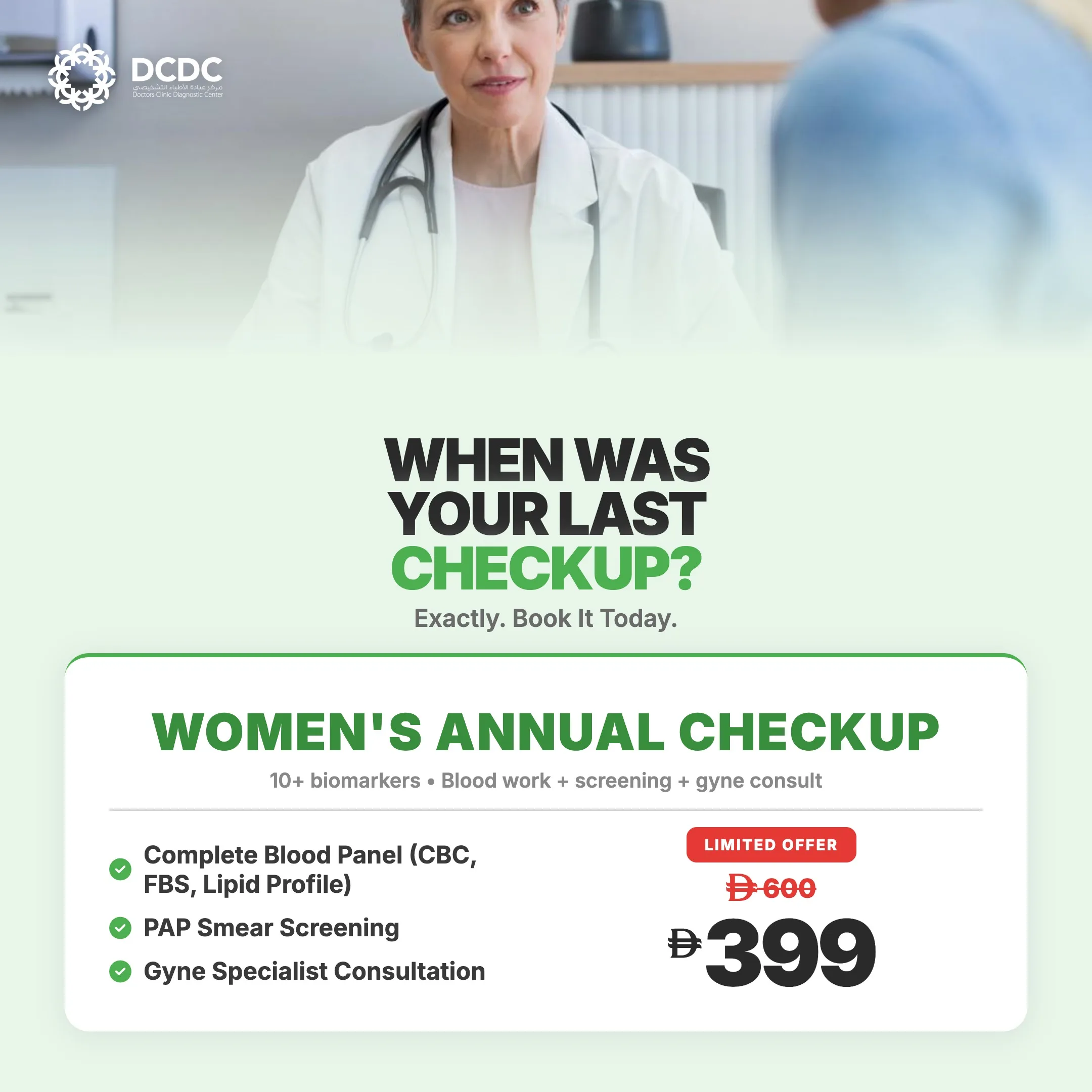
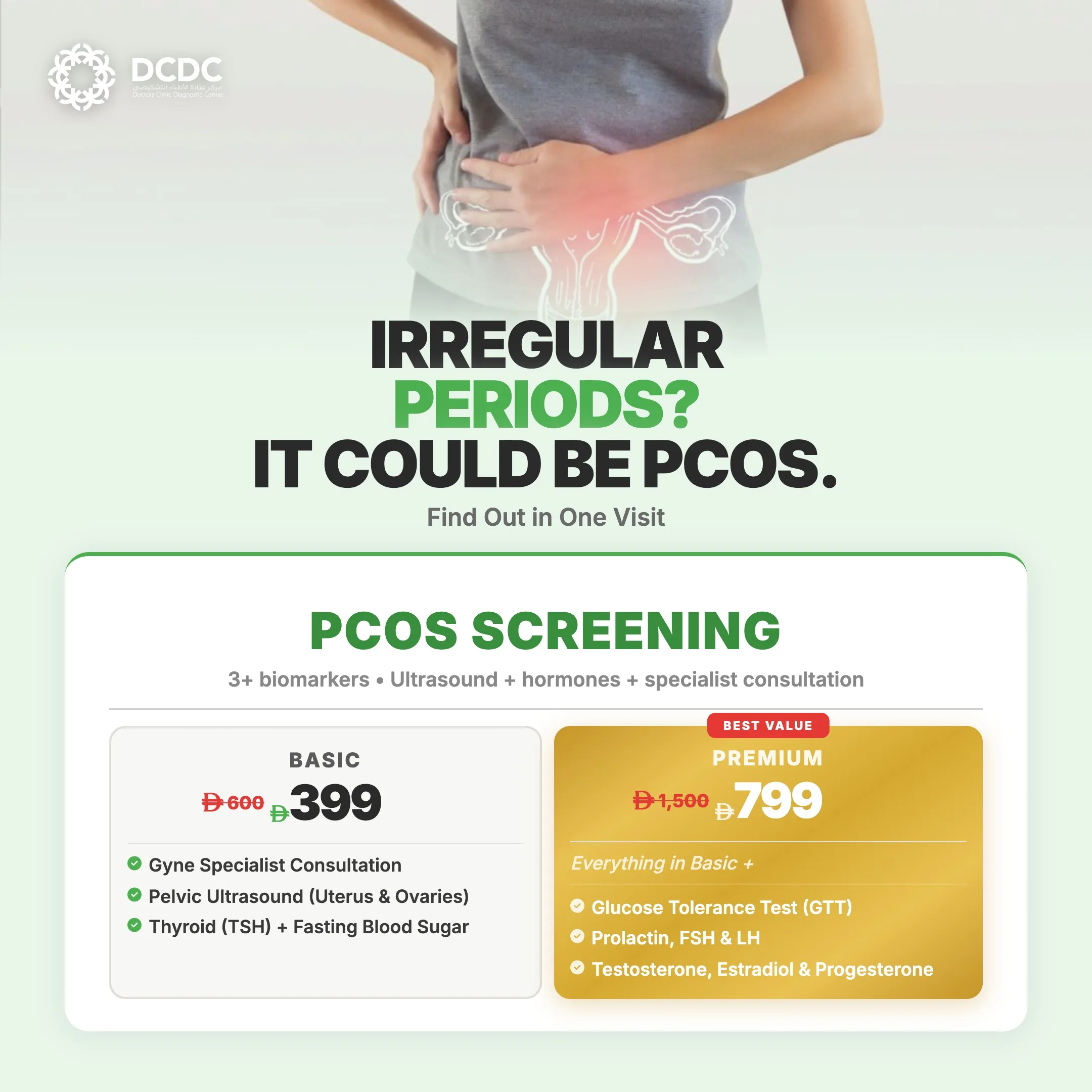
Health Screening Packages
Save with our bundled screening packages — specialist consultation included




What Is Perimenopause? Understanding the Transition
Perimenopause literally means "around menopause" — it is the transitional period when your ovaries gradually produce less estrogen and progesterone before eventually stopping ovulation altogether. Unlike menopause (which is a single point in time — 12 consecutive months without a period), perimenopause is a process that unfolds over 4 to 10 years.
During perimenopause, your hormone levels do not decline in a straight line. Instead, they fluctuate unpredictably — sometimes spiking higher than normal, sometimes dropping dramatically within the same month. This hormonal volatility is what makes perimenopause symptoms so unpredictable and often more intense than menopause itself. Many women report that perimenopause is actually more disruptive than post-menopause, because the body has not yet adjusted to consistently low hormone levels.
When Does Perimenopause Start?
The average age of perimenopause onset is mid-40s, but it varies significantly. Some women notice symptoms as early as their mid-30s, while others do not experience any changes until their late 40s. Factors that influence timing include genetics (when did your mother reach menopause?), smoking history, ethnicity, body weight, prior ovarian surgery, and certain medical treatments such as chemotherapy or pelvic radiation.
In Dr. Parisa Dini's clinical experience: "Many of my patients in Dubai are surprised when I explain that their symptoms — the anxiety, the insomnia, the brain fog that appeared seemingly overnight in their early 40s — are perimenopause. They have often spent months seeing other specialists for individual symptoms without anyone connecting the dots to hormonal transition."
The 12 Most Common Perimenopause Symptoms
Perimenopause can produce over 40 documented symptoms, but these 12 are the most frequently reported by women in Dubai and worldwide. If you are experiencing three or more of these — especially if they appeared together in your late 30s or 40s — perimenopause should be considered.
1. Irregular Periods
Often the first sign. Your cycle may become shorter (21–25 days instead of 28), longer (35–60 days), heavier, lighter, or skip months entirely. You might experience spotting between periods or sudden flooding episodes. This happens because ovulation becomes inconsistent — some months you ovulate, some months you do not, and progesterone levels fluctuate accordingly.
2. Hot Flashes
Sudden waves of heat spreading across your face, neck, and chest — lasting 1 to 5 minutes. Your skin may flush red, you may sweat profusely, and your heart rate may increase. Hot flashes affect approximately 75% of perimenopausal women and can occur several times daily. They are triggered by the brain's thermoregulatory centre becoming hypersensitive to small temperature changes due to fluctuating estrogen.
3. Night Sweats
The nocturnal version of hot flashes — intense sweating during sleep that soaks through clothing and bedding. Night sweats disrupt sleep architecture, preventing you from reaching deep restorative sleep stages. Over time, this leads to chronic fatigue, impaired concentration, and mood deterioration. In Dubai, where air conditioning settings and outdoor heat create large temperature differentials, night sweats can be particularly disruptive.
4. Mood Changes and Anxiety
Irritability, unexplained sadness, heightened anxiety, or emotional reactions that feel disproportionate to the trigger. Estrogen influences serotonin, dopamine, and GABA — the brain's key mood-regulating neurotransmitters. When estrogen fluctuates unpredictably, so does your emotional equilibrium. Many women describe feeling "not like themselves" or experiencing anxiety for the first time in their lives.
5. Brain Fog and Memory Issues
Difficulty concentrating, forgetting words mid-sentence, walking into a room and forgetting why, struggling with tasks that used to be easy. Estrogen receptors are concentrated in the hippocampus and prefrontal cortex — brain regions responsible for memory and executive function. Research confirms that cognitive changes during perimenopause are real and measurable, not imagined.
6. Sleep Disruption
Beyond night sweats, perimenopause directly affects sleep through changes in melatonin production, progesterone decline (progesterone is a natural sedative), and increased cortisol sensitivity. You may find it harder to fall asleep, wake multiple times during the night, or wake at 3–4 AM unable to return to sleep.
7. Weight Gain and Body Composition Changes
A shift in fat distribution from hips and thighs toward the abdomen, even without dietary changes. Declining estrogen alters how your body metabolizes fat and builds muscle. Many women gain 2–5 kg during perimenopause despite maintaining the same diet and exercise routine. Metabolic rate decreases by approximately 5% per decade after 40.
8. Joint Pain and Muscle Stiffness
Morning stiffness, aching joints (particularly hands, knees, and hips), or a general increase in musculoskeletal discomfort. Estrogen has anti-inflammatory properties and helps maintain joint lubrication. Its decline leads to increased inflammatory markers and reduced synovial fluid production.
9. Reduced Libido
Decreased sexual desire, difficulty with arousal, or reduced satisfaction. This involves both hormonal factors (declining testosterone and estrogen) and physical factors (vaginal dryness, discomfort during intercourse). It is one of the most under-reported perimenopause symptoms due to cultural stigma.
10. Vaginal Dryness and Urinary Changes
Declining estrogen thins the vaginal and urethral tissues, reducing natural lubrication and increasing susceptibility to urinary tract infections. You may experience discomfort during intercourse, itching, or increased urinary frequency and urgency.
11. Heart Palpitations
Sudden awareness of your heartbeat — racing, fluttering, or pounding sensations. These are usually benign and caused by estrogen's effect on the autonomic nervous system and cardiac electrical conductivity. However, new-onset palpitations should always be evaluated to rule out thyroid disorders or cardiac arrhythmias.
12. Fatigue and Energy Depletion
A persistent, bone-deep tiredness that is not relieved by rest. This is compounded by sleep disruption, but also exists independently due to hormonal effects on mitochondrial function and cellular energy production. Many women describe it as "hitting a wall" in the afternoon or feeling exhausted despite adequate sleep hours.
How Dubai's Summer Heat Worsens Perimenopause Symptoms
Living in Dubai presents unique challenges for perimenopausal women — particularly during the summer months from June through September when temperatures regularly exceed 40–50°C and humidity reaches 80–90%. This is not just uncomfortable — it has a direct physiological impact on perimenopause symptoms. For a deeper understanding of treatment approaches, see our guide to menopause treatment options in Dubai.
The brain's thermoregulatory centre (the hypothalamus) becomes hypersensitive during perimenopause due to fluctuating estrogen. In a temperate climate, this might mean occasional hot flashes. In Dubai's extreme heat, the already-narrowed thermoneutral zone is constantly challenged by: stepping from heavily air-conditioned interiors (often set to 18–22°C) into 45°C+ outdoor heat, car interiors that reach 60–70°C, high humidity that prevents effective sweat evaporation, and the psychological stress of heat avoidance.
- Hot flashes intensify: External heat triggers the same thermoregulatory response as an internal hot flash — in Dubai's summer, you may experience both simultaneously, making episodes more severe and prolonged
- Night sweats worsen: Despite air conditioning, the body's circadian temperature rhythm is disrupted by the extreme day-night temperature differential, leading to more frequent nocturnal sweating episodes
- Dehydration accelerates: Perimenopausal women are already prone to dehydration due to altered fluid regulation — Dubai's heat compounds this, worsening fatigue, brain fog, and headaches
- Sleep quality declines further: Heat exposure during the day raises core body temperature, making it harder to achieve the temperature drop needed for sleep onset — even in a cool bedroom
- Exercise becomes harder: The heat discourages outdoor physical activity, reducing one of the most effective natural symptom management tools
Dr. Parisa Dini notes: "I see a marked increase in perimenopause consultations every June and July. Women who were managing their symptoms adequately during the cooler months find that Dubai's summer pushes them past their coping threshold. The heat does not cause perimenopause, but it absolutely amplifies every symptom."
When to See a Gynecologist: Warning Signs
While perimenopause is a natural transition, certain symptoms require prompt medical evaluation. See a gynecologist if you experience any of the following:
- Very heavy bleeding: Soaking through a pad or tampon every hour for more than 2 hours, passing clots larger than a 50-fils coin, or periods lasting longer than 7 days
- Bleeding between periods: Any spotting or bleeding outside your expected cycle — particularly post-intercourse bleeding — needs investigation to rule out cervical or endometrial pathology
- Bleeding after 12 months without a period: Once you have gone 12 months without menstruating, any subsequent bleeding is considered postmenopausal bleeding and requires urgent evaluation
- Symptoms severely affecting daily life: If brain fog is affecting your work performance, mood changes are damaging relationships, or sleep deprivation is making driving unsafe
- Symptoms before age 40: Perimenopause before 40 (premature ovarian insufficiency) requires specialist assessment and typically long-term hormone therapy to protect bones and heart
- New onset depression or suicidal thoughts: Hormonal changes can trigger clinical depression — this is medical, not a character weakness, and requires prompt treatment
- Heart palpitations with dizziness or chest pain: While most perimenopausal palpitations are benign, these accompanying symptoms need cardiac assessment
- Recurrent urinary tract infections: More than 3 UTIs per year may indicate vaginal atrophy from estrogen decline, which is treatable with local estrogen
Diagnosing Perimenopause: Tests at DCDC
Perimenopause is primarily a clinical diagnosis — meaning your symptoms and history matter more than any single blood test. However, laboratory investigations help confirm the diagnosis, rule out other conditions that mimic perimenopause (particularly thyroid disease), and establish a baseline for monitoring treatment.
At DCDC Dubai Healthcare City, our on-site laboratory provides comprehensive hormone panel results within 24 hours. The following tests are typically included in a perimenopause assessment:
| Test | What It Measures | Why It Matters |
|---|---|---|
| FSH (Follicle-Stimulating Hormone) | Pituitary signal to ovaries | Rising FSH indicates declining ovarian reserve — though levels fluctuate in early perimenopause |
| Estradiol (E2) | Primary circulating estrogen | Low or fluctuating levels correlate with symptom severity — helps guide HRT dosing |
| Progesterone | Ovulation confirmation | Low progesterone with irregular cycles confirms anovulation — common in perimenopause |
| TSH & Free T4 | Thyroid function | Thyroid disease mimics many perimenopause symptoms — must be excluded before treatment |
| AMH (Anti-Mullerian Hormone) | Ovarian reserve | Helps predict time to menopause — very low levels suggest transition is advancing |
| Testosterone (total & free) | Androgen levels | Relevant for libido assessment and overall well-being — declines significantly in perimenopause |
| Vitamin D | Bone health marker | Deficiency is extremely common in Dubai (despite sunshine) and worsens bone loss risk |
| Lipid Profile | Cardiovascular markers | Estrogen decline accelerates cholesterol changes — baseline essential for cardiovascular risk assessment |
Standard perimenopause hormone panel at DCDC. Additional tests may be ordered based on individual symptoms and risk factors.
Our on-site lab means you can have blood drawn immediately after your consultation — no need for a separate appointment at an external laboratory. Most results are available within 24 hours.
DEXA Bone Density Scanning
Estrogen is critical for maintaining bone density. During perimenopause, women can lose up to 2% of bone mass per year — accelerating further in the first 5 years after menopause. DCDC has an on-site DEXA scanner that provides a painless, 10-minute assessment of your bone density, identifying early osteopenia before fractures occur. Early detection means early intervention.
Perimenopause Treatment Options
Treatment is highly individualized — there is no single approach that works for every woman. Your treatment plan should consider symptom severity, personal risk factors, medical history, and your own preferences. Before starting any treatment, comprehensive blood work is essential — see our hormone testing guide for details on what to expect. Here are the main categories of treatment available in Dubai:
Hormone Replacement Therapy (HRT)
HRT remains the most effective treatment for perimenopause symptoms. It replaces the declining estrogen (and progesterone if you have a uterus) to stabilize hormone levels. Modern HRT formulations are significantly safer than older versions, and the latest evidence from the British Menopause Society and International Menopause Society confirms that for most women under 60, the benefits of HRT outweigh the risks.
- Transdermal estrogen (patches or gel): Applied through the skin — bypasses the liver, lowest risk of blood clots, preferred for most women. Brands available in Dubai include Estradot, Oestrogel, and Divigel
- Oral estrogen tablets: Convenient but slightly higher clot risk than transdermal — may be appropriate for some women. Includes brands like Progynova and Premarin
- Micronized progesterone (Utrogestan): Body-identical progesterone — required alongside estrogen if you have a uterus. Also aids sleep due to its sedative metabolite
- Mirena IUS: Progesterone-releasing coil that provides endometrial protection while also serving as contraception — popular choice during perimenopause
- Testosterone: Available as cream or gel for women with persistent low libido not resolved by estrogen alone — used off-label but with growing evidence base
Non-Hormonal Medications
For women who cannot or prefer not to take HRT, several evidence-based non-hormonal options exist:
- Fezolinetant (Veozah): A new NK3 receptor antagonist specifically designed for hot flashes — FDA-approved 2023, now available in Dubai. Reduces hot flash frequency by 50–60% without hormones
- SSRIs/SNRIs: Low-dose venlafaxine, paroxetine, or escitalopram can reduce hot flashes by 40–60% and help mood symptoms simultaneously
- Gabapentin: Effective for hot flashes and night sweats, particularly useful when taken at bedtime as it also promotes sleep
- Clonidine: Reduces hot flash frequency by approximately 40% — available as tablets or patches
- Vaginal moisturizers and lubricants: Non-prescription options for vaginal dryness — hyaluronic acid-based products are particularly effective
- Local vaginal estrogen: Even women who cannot take systemic HRT can usually use ultra-low-dose vaginal estrogen (pessaries or cream) as negligible amounts enter the bloodstream
Lifestyle and Complementary Approaches
- Cognitive Behavioural Therapy (CBT): NICE-recommended for hot flashes and mood symptoms — works by changing the brain's response to vasomotor triggers
- Regular exercise: 150 minutes per week of moderate activity reduces hot flashes, improves mood, protects bones, and combats weight gain. Swimming and indoor activities are ideal in Dubai's summer
- Weight management: Maintaining a healthy BMI reduces hot flash severity — adipose tissue affects estrogen metabolism
- Stress reduction: Yoga, mindfulness, and meditation can reduce cortisol levels that amplify perimenopause symptoms
- Dietary modifications: Mediterranean diet rich in phytoestrogens (soy, flaxseed, legumes), calcium, and omega-3 fatty acids supports hormonal health
Book a Perimenopause Assessment at DCDC
Struggling with perimenopause symptoms this summer? Our female OB-GYN specialists at Doctors Clinic Diagnostic Centre in Dubai Healthcare City offer same-day perimenopause consultations with on-site hormone testing. Book your appointment or message us on WhatsApp.
What to Expect at DCDC: Your Perimenopause Consultation
Walking into a new clinic can feel daunting — especially when discussing intimate symptoms. Here is exactly what happens when you visit Doctors Clinic Diagnostic Centre (DCDC) in Dubai Healthcare City for a perimenopause assessment:
Before Your Visit
- Book via phone, WhatsApp (+971 56 403 3528), or online — same-day appointments available
- Bring your Emirates ID or passport, insurance card, and any previous blood test results
- Track your symptoms for at least 2 weeks beforehand if possible (period dates, hot flash frequency, sleep quality, mood changes)
- List all medications, supplements, and contraception you currently use
During Your Consultation (30–45 Minutes)
- Reception and registration: Our team verifies your insurance (we accept 20+ providers with direct billing including Daman, AXA, Bupa, MetLife, and Cigna) — average wait time is just 15 minutes
- Detailed symptom history: Dr. Parisa Dini or our female OB-GYN specialist will discuss all your symptoms systematically — nothing is too embarrassing or trivial to mention
- Medical and family history: Including menstrual history, pregnancies, contraception use, breast cancer family history, blood clot history, and cardiovascular risk factors
- Physical examination if needed: Blood pressure, weight, BMI, and targeted examination based on your symptoms
- Personalized plan discussion: Your doctor will explain the diagnosis, recommend investigations, and discuss treatment options tailored to your situation
After Your Consultation
- Blood tests: Walk directly to our on-site laboratory for comprehensive hormone panels — most results available within 24 hours
- DEXA scan: If bone density assessment is recommended, this 10-minute painless scan is done on-site the same day
- Treatment initiation: If appropriate, HRT or other medications can be prescribed immediately — our pharmacy partners stock all major formulations
- Follow-up scheduled: Typically 6–8 weeks after starting treatment to assess response and adjust dosing
DCDC is located in Building 64, Block A, Al Razi Medical Complex, Dubai Healthcare City — with free dedicated parking and operating hours Saturday–Thursday 8 AM–10 PM, Friday 9 AM–9 PM. Our 4.8/5 Google rating from over 1,000 reviews reflects the experience most patients have.
Cost of Perimenopause Care in Dubai
Understanding costs upfront helps you plan your healthcare. Dubai offers perimenopause care across different facility types — from basic GP consultations to specialist-led comprehensive programmes. Here is what to expect:
| Service | Cost (AED) | What's Included |
|---|---|---|
| Initial perimenopause consultation (specialist OB-GYN) | From 500 | 30–45 minute assessment with female specialist, personalized treatment plan |
| Follow-up consultation | 300–450 | 15–30 minute review, treatment adjustment, symptom reassessment |
| Comprehensive hormone panel (FSH, estradiol, progesterone, thyroid, AMH) | 500–1,200 | On-site blood draw at DCDC lab, results within 24 hours |
| DEXA bone density scan | 400–800 | 10-minute scan, immediate results, fracture risk assessment |
| Pelvic ultrasound | 400–800 | Endometrial thickness assessment, ovarian evaluation — recommended before starting HRT |
| HRT prescription (monthly) | 150–400 | Varies by type: transdermal patches, gel, oral tablets, or combination |
| Women's health package (comprehensive) | 299–1,499 | Bundled consultation + blood tests + imaging — best value for initial assessment |
Prices are indicative and may vary. Most Dubai insurance plans cover specialist consultations, blood tests, and imaging when medically indicated. DCDC accepts 20+ insurance partners with direct billing.
Most major insurance providers in Dubai — including Daman, AXA, Bupa, MetLife, and Cigna — cover gynecology specialist consultations and diagnostic investigations when clinically indicated. Our reception team can verify your coverage before your visit. For patients without insurance, DCDC offers competitive self-pay rates and women's health packages starting from AED 299.
Lifestyle Modifications for Perimenopausal Women in Dubai
Beyond medical treatment, targeted lifestyle changes can significantly reduce perimenopause symptom severity. These strategies are specifically adapted for women living in Dubai's unique environment. For related bone health monitoring, consider our DEXA bone density scanning guide.
Exercise in Dubai's Heat
- Indoor swimming: Excellent for hot flash management — water naturally cools the body while providing full-body resistance exercise
- Early morning walks: Before 7 AM during summer, temperatures are manageable (28–32°C) and morning light helps reset circadian rhythm
- Gym-based resistance training: Weight-bearing exercise is essential for bone density — aim for 2–3 sessions per week in air-conditioned facilities
- Yoga and Pilates: Widely available in Dubai studios — combines flexibility, strength, stress reduction, and mindfulness
- Mall walking: Dubai's extensive malls provide air-conditioned walking routes when outdoor temperatures are prohibitive
Nutrition for Perimenopause
- Increase calcium and vitamin D: Essential for bone protection — dairy, sardines, fortified foods. Vitamin D supplementation is critical in Dubai despite abundant sunshine (most residents are deficient due to indoor lifestyles and covered skin)
- Phytoestrogens: Soy products, flaxseeds, chickpeas, and lentils contain plant compounds that weakly mimic estrogen — may help mild symptoms
- Reduce triggers: Caffeine, alcohol, spicy food, and hot beverages can trigger hot flashes — identify your personal triggers and minimize them
- Hydration: In Dubai's heat, aim for 2.5–3 litres of water daily — dehydration worsens hot flashes, brain fog, and fatigue
- Mediterranean diet pattern: Rich in omega-3 fatty acids, vegetables, whole grains, and lean protein — associated with reduced menopausal symptom severity in clinical studies
Sleep Optimization
- Cool bedroom (18–20°C): Dubai air conditioning makes this achievable — invest in a separate AC thermostat for the bedroom
- Moisture-wicking sleepwear: Bamboo or technical fabrics reduce discomfort from night sweats
- Layered bedding: Allows quick adjustment when temperature fluctuates during the night
- Consistent sleep schedule: Go to bed and wake at the same time daily — even on weekends. This reinforces circadian rhythm
- Limit screen time after 9 PM: Blue light suppresses melatonin production, which is already declining in perimenopause
Perimenopause vs. Menopause: Key Differences
Many women confuse perimenopause with menopause, or are not aware that perimenopause exists as a distinct phase. Understanding the differences helps you identify where you are in the transition and what to expect next:
| Feature | Perimenopause | Menopause (Post-Menopause) |
|---|---|---|
| Definition | Transitional phase — ovarian function declining but not ceased | 12 consecutive months without a period — ovarian function ceased |
| Duration | 4–10 years | Permanent (post-menopausal state for life) |
| Typical age | Late 30s to early 50s | Average age 51 (range 45–55) |
| Periods | Irregular — shorter, longer, heavier, lighter, skipped | Absent for 12+ months |
| Hormone pattern | Fluctuating wildly — high one month, low the next | Consistently low estrogen and progesterone |
| Fertility | Reduced but still possible — contraception still needed | No longer fertile |
| Symptom character | Unpredictable, variable intensity, may come and go | More consistent — though many symptoms improve over time |
| Blood test reliability | Low — hormones fluctuate too much for a single test to be definitive | High — consistently elevated FSH (>30 IU/L) confirms menopause |
| Treatment approach | May need cyclical HRT, contraception consideration, symptom management | Continuous combined HRT, long-term bone and heart protection focus |
Perimenopause is the journey; menopause is the destination. Recognizing which phase you are in determines the right treatment approach.
Long-Term Health Risks of Untreated Perimenopause
Perimenopause is not just about managing uncomfortable symptoms — declining estrogen has profound long-term health implications that extend far beyond hot flashes. Without appropriate management, women face increased risks of several serious conditions:
Osteoporosis and Fracture Risk
Bone density loss accelerates dramatically during perimenopause — women can lose up to 20% of their bone density in the 5–7 years around menopause. Without intervention, this leads to osteoporosis, fragility fractures (hip, spine, wrist), loss of height, and chronic pain. DEXA scanning at DCDC identifies bone loss early — when it is still reversible with treatment.
Cardiovascular Disease
Estrogen is cardioprotective — it maintains healthy blood vessel elasticity, favourable cholesterol ratios, and anti-inflammatory effects. After menopause, women's cardiovascular risk catches up with and eventually exceeds men's. The perimenopausal years are a critical window for cardiovascular prevention — addressing cholesterol, blood pressure, and metabolic markers before permanent vascular damage occurs.
Cognitive Decline
Research increasingly links estrogen decline to accelerated cognitive ageing. Women have a two-thirds higher lifetime risk of Alzheimer's disease compared to men — and the perimenopausal transition is now considered a key vulnerability window for the brain. Early estrogen intervention during perimenopause (the "critical window hypothesis") may offer neuroprotective benefits.
Metabolic Syndrome and Type 2 Diabetes
Perimenopause-related changes in body composition (increased visceral fat, decreased lean muscle mass) combined with insulin resistance create a metabolic environment that favours diabetes development. Women who gain more than 5 kg during perimenopause have significantly higher diabetes risk. Proactive management of weight, diet, and potentially HRT can modify this trajectory.
Genitourinary Syndrome of Menopause (GSM)
Unlike hot flashes (which often improve with time), vaginal and urinary symptoms worsen progressively without treatment. Without estrogen, vaginal and urethral tissues thin, lose elasticity, and become prone to recurrent infections. GSM affects up to 84% of postmenopausal women and does not improve spontaneously — but responds excellently to local estrogen therapy when initiated early.
Perimenopause and Mental Health
The psychological impact of perimenopause is perhaps its most underestimated dimension. Hormonal fluctuations during this transition create genuine neurochemical changes — these are not "in your head" in the dismissive sense, but very much in your brain in the biological sense.
- Depression risk doubles: Women are 2–4 times more likely to experience clinical depression during perimenopause than at any other time in their lives — even those with no prior psychiatric history
- Anxiety disorders emerge: Panic attacks, generalized anxiety, and health anxiety commonly appear for the first time during perimenopause
- Rage and irritability: Sudden anger or disproportionate frustration — often the symptom that most alarms women and their families
- Loss of confidence: Brain fog and memory issues erode professional confidence — many high-achieving women question their competence during perimenopause
- Relationship strain: Mood changes, reduced libido, and fatigue can significantly impact intimate relationships and family dynamics
These symptoms respond well to treatment — particularly HRT (which addresses the root hormonal cause), CBT (which builds coping strategies), and in some cases, short-term antidepressant therapy. The critical message is: do not accept these changes as inevitable or untreatable. If you are also experiencing symptoms related to polycystic ovary syndrome, our PCOS treatment guide may be helpful.
Technology and Equipment at DCDC
Accurate diagnosis and monitoring require reliable technology. DCDC Dubai Healthcare City invests in modern diagnostic equipment to provide comprehensive perimenopause care under one roof:
- On-site clinical laboratory: Fully automated analysers for hormone panels (FSH, estradiol, progesterone, AMH, testosterone, thyroid function), metabolic markers, vitamin levels, and lipid profiles — most results available within 24 hours
- DEXA bone densitometer: Gold-standard dual-energy X-ray absorptiometry for bone density measurement — essential for assessing osteoporosis risk during perimenopause and monitoring treatment response
- High-resolution ultrasound: For endometrial thickness measurement, ovarian assessment, and pelvic evaluation — important baseline before initiating HRT
- ECG and cardiac monitoring: For women experiencing palpitations — rules out arrhythmias and provides reassurance when symptoms are benign
- Digital health records: Secure electronic medical records allow seamless tracking of symptoms, test results, and treatment response over time
Having all diagnostic facilities on-site means you complete your entire assessment in a single visit — consultation, blood tests, imaging, and treatment plan — without referrals to external facilities. This integrated approach saves time and ensures continuity of care.
Take Control of Your Perimenopause — Book Today
You do not have to endure perimenopause symptoms in silence. DCDC Dubai Healthcare City offers same-day appointments with female OB-GYN specialists, comprehensive on-site testing, and personalized treatment plans. MOHAP licensed (License No. NIMY7VY5-240925) with 98% patient satisfaction. Contact us or WhatsApp us now.
DCDC में संबंधित सेवाएं
दुबई हेल्थकेयर सिटी में विशेषज्ञ देखभाल और उन्नत निदान
Menopause Management
Personalized perimenopause and menopause care with female specialists
अपॉइंटमेंट बुक करेंHormone Testing
Comprehensive hormone panels including FSH, estrogen, and progesterone
अपॉइंटमेंट बुक करेंWomen's Health Screening
Complete gynecological evaluation and preventive screening
अपॉइंटमेंट बुक करेंFrequently Asked Questions
Perimenopause Is Treatable — You Do Not Have to Suffer in Silence
Perimenopause is not a disease — but it can significantly impair your quality of life if symptoms go unrecognized and untreated. The brain fog that makes you doubt your competence, the anxiety that appeared from nowhere, the night sweats that leave you exhausted every morning, the joint pain that makes you feel decades older — these are all legitimate, physiological consequences of hormonal transition. And every single one of them is treatable.
Dr. Parisa Dini emphasizes: "My approach is to listen first, investigate thoroughly, and then create a treatment plan that fits your life — not a generic protocol. Every woman's perimenopause journey is different, and your care should reflect that individuality."
At Doctors Clinic Diagnostic Centre in Dubai Healthcare City, our menopause management team provides comprehensive perimenopause care — from initial assessment and hormone testing through treatment initiation and long-term monitoring. With on-site laboratory facilities, DEXA scanning, and same-day appointments, we make it easy to take the first step. Book your consultation today.
स्रोत एवं संदर्भ
यह लेख हमारी चिकित्सा टीम द्वारा समीक्षित है और निम्नलिखित स्रोतों का संदर्भ देता है:
- NICE Guidelines — Menopause: Diagnosis and Management (NG23, updated 2024)
- British Menopause Society — Tools for Clinicians: Perimenopause Management
- International Menopause Society — IMS Recommendations on Menopausal Hormone Therapy
- The Lancet — Menopausal Hormone Therapy and Long-term All-Cause and Cause-Specific Mortality (2024)
- North American Menopause Society (NAMS) — The 2022 Hormone Therapy Position Statement
- Journal of Clinical Endocrinology & Metabolism — Perimenopause: From Research to Practice (2023)
इस साइट पर चिकित्सा सामग्री DHA-लाइसेंस प्राप्त चिकित्सकों द्वारा समीक्षित है। हमारी देखें संपादकीय नीति अधिक जानकारी के लिए।

लेखक
Dr. Parisa Dini
OB-GYN
MD, OB-GYN
Dr. Parisa Dini is an OB-GYN at Doctors Clinic Diagnostic Center (DCDC) in Dubai Healthcare City, specializing in PCOS, menopause, and preventive women's health.
Related Articles

Menopause Treatment Dubai: Symptoms, HRT & Management

Best Menopause Doctor in Dubai: How to Choose
Hormone Testing in Dubai: Complete Guide
DEXA Scan: Bone Density Test in Dubai
Women's Health Screening Guide
More in Women's Health

Perimenopause vs Menopause Dubai: Signs (2026)
और पढ़ें
Mother & Baby Home Care Dubai: Guide (2026)
और पढ़ें
Gestational Diabetes Dubai: Screening (2026)
और पढ़ें
Mammogram Preparation Dubai: What to Expect (2026)
और पढ़ें
CA-125 Test Dubai: Ovarian Cancer Marker (2026)
और पढ़ेंMammogram vs Breast Ultrasound Dubai (2026)
और पढ़ें© 2026 Doctors Clinic Diagnostic Center (DCDC), Dubai Healthcare City. Originally published at https://doctorsclinicdubai.ae/blog/perimenopause-symptoms-treatment-dubai. All rights reserved. Unauthorized reproduction is prohibited.