मुख्य बातें
- A penile Doppler ultrasound is the gold-standard imaging test for diagnosing vascular causes of erectile dysfunction, with diagnostic accuracy exceeding 90%
- Vascular problems (arterial insufficiency or venous leak) account for 70–80% of all ED cases, making Doppler the most clinically valuable first-line investigation
- The test measures peak systolic velocity (PSV) and end-diastolic velocity (EDV) in the penile arteries — PSV above 30 cm/s indicates adequate arterial inflow, while EDV below 5 cm/s confirms normal venous closure
- Penile Doppler costs AED 1,500–2,500 at DCDC in Dubai Healthcare City, including the vasoactive medication injection and detailed radiologist report
- Penile arteries (1–2 mm diameter) are among the smallest in the body — ED caused by arterial disease often precedes heart disease by 3–5 years, making this test a potential early cardiovascular warning
- The entire procedure takes approximately 30–45 minutes, results are available the same day, and all appointments at DCDC are conducted with strict confidentiality and privacy
Erectile dysfunction affects up to 52% of men between the ages of 40 and 70 worldwide, and in the UAE, prevalence estimates range from 40–60% in men over 40. While the condition is common, its underlying cause varies significantly from one patient to another — and identifying that cause is essential for effective treatment. A penile Doppler ultrasound is the most accurate non-invasive test available for determining whether ED has a vascular origin, which is the case in 70–80% of affected men. At DCDC in Dubai Healthcare City, this examination is performed confidentially by experienced radiologists, with same-day results and a complete diagnostic report.
This comprehensive guide explains what a penile Doppler test involves, how it works, what your results mean, how much it costs in Dubai, and why this test may be one of the most important diagnostic decisions you make — not just for sexual health, but for cardiovascular health as well.



What Is a Penile Doppler Ultrasound Test?
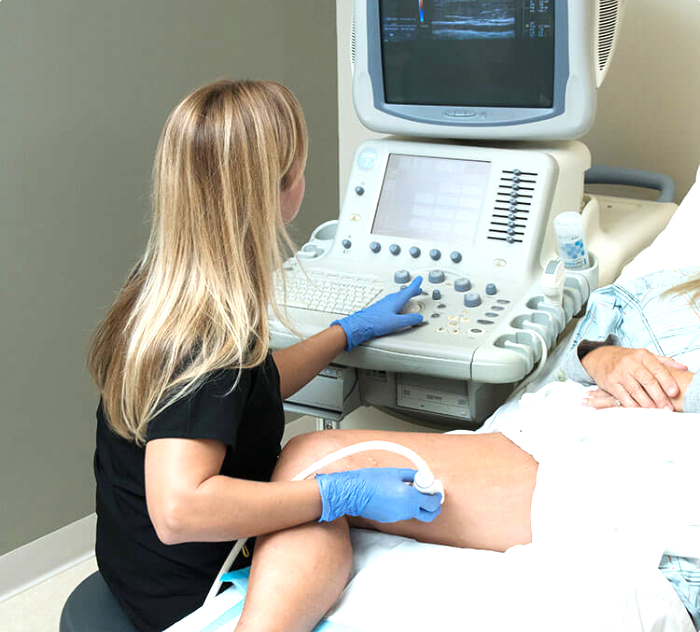
A penile Doppler ultrasound is a specialised vascular imaging study that uses high-frequency sound waves to evaluate blood flow through the penile arteries and veins. Unlike a standard ultrasound that produces structural images, a Doppler examination measures the speed, direction, and volume of blood flowing through the cavernosal arteries — the vessels responsible for achieving and maintaining an erection. The test is painless, uses no radiation, and provides real-time, dynamic assessment of penile vascular function.
The procedure is performed in two phases. The first phase is a baseline scan at rest, during which the radiologist measures arterial diameter and resting blood flow. The second phase is a dynamic scan performed after the injection of a vasoactive agent (typically Prostaglandin E1) directly into the penile tissue. This medication stimulates the natural erection mechanism, allowing the radiologist to observe arterial inflow and venous outflow under conditions that mimic physiological arousal. By comparing baseline and post-injection measurements, the test can precisely identify whether ED is caused by inadequate arterial supply, failure of venous closure, or both.
Globally, approximately 150 million men are affected by erectile dysfunction, and this number is projected to exceed 300 million by 2030. Despite the scale of the problem, many men never receive a definitive vascular diagnosis. Penile Doppler provides objective, quantifiable data that removes guesswork from ED management and directs treatment toward the actual underlying cause — whether that is medication, lifestyle modification, vascular surgery, or other interventions.
Why Your Doctor May Recommend a Penile Doppler
Not every man with erectile dysfunction requires a penile Doppler ultrasound. Your doctor is most likely to recommend this test when initial treatments (such as PDE5 inhibitors like sildenafil or tadalafil) have failed or produced inconsistent results. A poor response to oral medication is one of the strongest clinical indicators of an underlying vascular cause, because these drugs work by enhancing the natural erection mechanism — if the blood vessels themselves are compromised, the medication has less to work with.
Other common reasons for referral include: ED that developed gradually over months or years (suggesting progressive vascular disease rather than a psychological cause), the presence of cardiovascular risk factors such as diabetes, hypertension, hyperlipidaemia, or smoking, a history of pelvic trauma or surgery (such as radical prostatectomy), Peyronie's disease with concurrent ED, and ED occurring in younger men without obvious psychological triggers. In each of these scenarios, identifying the precise vascular pattern helps your urologist choose the most effective treatment pathway.
A penile Doppler is also indicated as part of the pre-operative workup before penile implant surgery. Surgeons need to know the vascular anatomy and any structural abnormalities (such as fibrosis or plaque) before proceeding with prosthesis placement. Additionally, the test is valuable for medicolegal documentation in cases of trauma-related ED, providing objective evidence of vascular damage.
How Penile Doppler Diagnoses Erectile Dysfunction
The diagnostic power of penile Doppler lies in its ability to separate ED into distinct vascular subtypes. During the dynamic phase (after vasoactive injection), the radiologist uses colour Doppler and spectral Doppler to measure specific hemodynamic parameters in each cavernosal artery. The two most important measurements are peak systolic velocity (PSV) and end-diastolic velocity (EDV).
PSV reflects arterial inflow — how effectively the cavernosal arteries deliver blood to the erectile tissue. A PSV above 30 cm/s is considered normal and indicates adequate arterial function. PSV between 25 and 30 cm/s falls into a borderline range that requires clinical correlation. PSV below 25 cm/s indicates arterial insufficiency, meaning the arteries cannot supply enough blood to achieve a full erection. This is most commonly caused by atherosclerosis — the same process that narrows coronary arteries and causes heart disease.
EDV reflects venous outflow — whether blood is being retained within the erectile tissue or leaking back out through the veins. An EDV below 5 cm/s is normal and indicates that the veins are compressing properly to trap blood (the veno-occlusive mechanism). An EDV above 5 cm/s suggests a venous leak (corporeal veno-occlusive dysfunction), where blood flows in adequately but escapes before a rigid erection can be maintained. The resistive index (RI), calculated from PSV and EDV, adds further precision: an RI above 0.8 confirms normal venous closure.
For a comprehensive overview of Doppler ultrasound technology and how vascular assessments are performed across different body regions, see our detailed guide on Doppler ultrasound types and costs in Dubai.
Understanding Your Penile Doppler Results
After the examination, your radiologist will provide a detailed report that categorises your results into one of several diagnostic patterns. Understanding these patterns helps you have a more informed discussion with your urologist about next steps.
| Parameter | Normal Value | Abnormal Value | Clinical Significance |
|---|---|---|---|
| Peak Systolic Velocity (PSV) | Above 30 cm/s | Below 25 cm/s | Low PSV indicates arterial insufficiency — blood supply to the erectile tissue is inadequate |
| End-Diastolic Velocity (EDV) | Below 5 cm/s | Above 5 cm/s | High EDV indicates venous leak — blood escapes from the erectile chambers before full rigidity is achieved |
| Resistive Index (RI) | Above 0.8 | Below 0.75 | Low RI confirms venous leak; high RI confirms effective venous trapping |
| Cavernosal Artery Diameter | 0.7–1.0 mm (post-injection) | Below 0.5 mm | Small diameter after injection suggests structural arterial disease or fibrosis |
Key penile Doppler parameters and their interpretation. Values are measured in the dynamic phase after vasoactive injection.
A normal result (PSV above 30, EDV below 5, RI above 0.8) effectively rules out a major vascular cause and redirects the clinical investigation toward neurogenic, hormonal, or psychogenic factors. A pure arterial pattern (low PSV with normal EDV) points to atherosclerotic disease and warrants cardiovascular risk assessment. A pure venous leak pattern (normal PSV with elevated EDV) suggests corporeal veno-occlusive dysfunction. A mixed pattern (both abnormal PSV and EDV) indicates combined arterial and venous disease, which is the most challenging subtype to treat and often correlates with advanced systemic vascular disease.
It is important to note that diagnostic accuracy exceeds 90% when the test is performed by an experienced radiologist using proper technique and an adequate vasoactive dose. Anxiety during the procedure can cause sympathetic activation that artificially suppresses the erectile response, potentially yielding a false-positive arterial insufficiency result. A skilled examiner recognises this scenario and may repeat the injection or use visual or vibratory stimulation to achieve adequate relaxation.
Arterial Insufficiency vs Venous Leak: Key Differences
Distinguishing between arterial insufficiency and venous leak is clinically critical because the two conditions have different causes, different prognoses, and fundamentally different treatment approaches. Arterial insufficiency is the more common vascular cause of ED, accounting for approximately 40–50% of vascular ED cases. It results from narrowing or hardening of the cavernosal arteries, typically due to atherosclerosis. The same risk factors that cause coronary artery disease — smoking, diabetes, hypertension, and hyperlipidaemia — drive penile arterial disease.
Men with arterial insufficiency typically describe a gradual onset of ED, often beginning with reduced rigidity and progressing to complete inability to achieve an erection. They may notice that erections require more stimulation and take longer to develop. Morning erections (nocturnal penile tumescence) are often diminished or absent. On Doppler, the hallmark is PSV below 25 cm/s with preserved venous closure.
Venous leak (corporeal veno-occlusive dysfunction) accounts for approximately 20–30% of vascular ED cases. In this condition, blood enters the erectile chambers adequately but escapes through incompetent veins before sufficient pressure builds for rigidity. Men with venous leak often report that they can achieve a partial erection but cannot maintain it — the erection fades quickly despite ongoing stimulation. On Doppler, the hallmark is EDV above 5 cm/s and RI below 0.75 with normal arterial inflow.
Some men present with a mixed pattern, where both arterial inflow is compromised and venous closure is defective. This combined pattern is most common in men with longstanding diabetes or advanced peripheral vascular disease, and it typically requires a more aggressive treatment approach. Penile Doppler is the only non-invasive test that can reliably separate these subtypes and guide targeted therapy.
Book a Confidential Penile Doppler Assessment
If you are experiencing erectile difficulties and want to understand the underlying cause, our team at Doctors Clinic Diagnostic Center in Dubai Healthcare City provides confidential penile Doppler ultrasound with same-day results. All appointments are private, and your results are discussed with you personally by a specialist radiologist.
Call or WhatsApp to schedule a discreet appointment.
The ED–Heart Disease Connection: Why Penile Doppler Matters
One of the most clinically significant findings in modern cardiovascular medicine is the strong link between erectile dysfunction and coronary artery disease. The connection is anatomical: the penile cavernosal arteries are only 1–2 mm in diameter, while the coronary arteries are 3–4 mm. Because smaller arteries become symptomatic before larger ones, ED caused by atherosclerosis typically precedes cardiac symptoms by 3–5 years. This makes penile Doppler not just an ED test, but a potential early-warning system for heart disease.
Research published in major cardiology and urology journals has consistently demonstrated that men with vascular ED have a 65% higher risk of a coronary event (heart attack or angina requiring intervention) within 10 years compared to men without ED. The European Association of Urology (EAU) and the American Urological Association (AUA) both recommend that men diagnosed with vascular ED undergo formal cardiovascular risk assessment, including lipid profile, fasting glucose, blood pressure measurement, and potentially a coronary calcium score or stress test.
This connection means that a penile Doppler result showing arterial insufficiency should prompt a broader health conversation, not just a discussion about ED treatment. At DCDC, we offer integrated cardiovascular screening alongside penile Doppler for men who want a comprehensive assessment. For more information on cardiac screening options available in Dubai, read our guide on cardiac screening and heart disease prevention.
The relationship also works in reverse: treating cardiovascular risk factors often improves erectile function. Smoking cessation, weight loss, improved glycaemic control, statin therapy, and blood pressure management have all been shown to improve penile blood flow. A penile Doppler that shows borderline arterial values (PSV 25–30 cm/s) may improve to normal range after 6–12 months of aggressive cardiovascular risk-factor modification, potentially avoiding the need for more invasive ED treatments.
What to Expect During the Penile Doppler Procedure
Understanding the procedure beforehand can significantly reduce anxiety, which in turn improves the diagnostic accuracy of the test. At DCDC, every penile Doppler examination is performed in a private, dedicated room by a specialist radiologist. No other staff members are present unless specifically requested by the patient.
Before the test: No special preparation is required. You do not need to fast. Continue all regular medications unless your doctor specifically advises otherwise. If you take PDE5 inhibitors (sildenafil, tadalafil, vardenafil, or avanafil), you will typically be asked to stop them 48–72 hours before the test, as they can artificially enhance the vascular response and obscure the true baseline. Avoid sexual activity for 24 hours before the appointment to ensure a standardised baseline. Wear comfortable, loose-fitting clothing.
During the test: The procedure takes approximately 30–45 minutes in total. You will lie comfortably on an examination table. The radiologist begins with a baseline scan using a high-frequency linear ultrasound probe with warm gel, measuring resting arterial diameter and flow velocities. Next, a small injection of Prostaglandin E1 (alprostadil) is administered using a very fine needle into the lateral aspect of the penile shaft. This injection causes mild stinging for a few seconds. Within 5–10 minutes, the medication induces a pharmacological erection. The radiologist then performs the dynamic scan, taking serial velocity measurements at 5-minute intervals for 20–30 minutes, tracking how arterial flow increases and venous drainage responds.
After the test: The pharmacological erection typically resolves on its own within 1–2 hours. You will be monitored briefly to ensure the erection is subsiding appropriately. In very rare cases (less than 1% of patients), the erection persists beyond 2–3 hours — a condition called priapism. If this occurs, it is treated with a simple aspiration and injection of a sympathomimetic agent, and resolves quickly. You can return to normal activities immediately after the test, though driving is not recommended until the medication effect has fully worn off.
Penile Doppler Cost in Dubai
The cost of a penile Doppler ultrasound in Dubai varies depending on the facility, the radiologist's experience, and whether additional diagnostic tests are included. At DCDC in Dubai Healthcare City, we offer transparent, all-inclusive pricing that covers the ultrasound examination, vasoactive medication, and a detailed written report reviewed by a consultant radiologist.
| Service | Details | Price Range |
|---|---|---|
| Penile Doppler Ultrasound | Includes vasoactive medication injection & detailed radiologist report | AED 1,500–2,500 |
| Hormone Panel (Testosterone, LH, FSH, Prolactin) | Same-day results for complete ED hormonal workup | From AED 300 |
| Cardiology Consultation | Heart health screening recommended for men with vascular ED | From AED 500 |
| Lipid Profile | Cardiovascular risk assessment (total cholesterol, LDL, HDL, triglycerides) | From AED 150 |
Penile Doppler and related ED diagnostic costs at DCDC Dubai Healthcare City (2026). Prices are subject to change; contact clinic for current rates.
Insurance coverage for penile Doppler varies between providers and plans. Many major insurers in the UAE (including Daman, Oman Insurance, AXA, and Cigna) cover the test when it is medically indicated and ordered by a specialist. Pre-authorisation may be required. If you are self-paying, DCDC offers the test at competitive rates with no hidden fees — the quoted price includes everything needed for the examination and report.
We recommend considering the penile Doppler as part of a broader ED workup that may include a hormone panel and lipid profile. Combining these tests in one visit saves time, reduces repeat appointments, and gives your treating physician a comprehensive picture of all potential contributing factors. For many men, the investment in accurate diagnosis prevents months or years of trial-and-error treatment with medications that may not address the actual underlying problem.
Treatment Options After Penile Doppler Diagnosis
The value of a penile Doppler lies not just in the diagnosis itself but in how it directs treatment. Once the vascular pattern is identified, your urologist can recommend therapies targeted specifically at your type of vascular dysfunction, rather than relying on a one-size-fits-all approach.
For arterial insufficiency: First-line management focuses on cardiovascular risk-factor modification — smoking cessation, exercise, weight loss, blood pressure control, statin therapy, and glycaemic management in diabetic patients. PDE5 inhibitors (sildenafil, tadalafil) may still be effective if arterial disease is mild to moderate, as they work by enhancing the available blood flow. For severe arterial insufficiency (PSV below 20 cm/s), options include intracavernosal injection therapy (using prostaglandin E1, papaverine, or combination agents), vacuum erection devices, or low-intensity extracorporeal shockwave therapy (Li-ESWT), which aims to stimulate new blood vessel formation (angiogenesis) in the penile tissue.
For venous leak: Treatment is more challenging. PDE5 inhibitors are often less effective in pure venous leak because the problem is not insufficient inflow but inadequate trapping. Intracavernosal injection therapy can sometimes overcome mild venous leak by producing a stronger erectile response. Penile constriction rings may help maintain rigidity by reducing venous outflow. Surgical ligation of leaking veins (venous surgery for ED) has variable long-term success rates. For men who do not respond to conservative treatments, a penile prosthesis (inflatable or malleable implant) offers a definitive solution with high patient satisfaction rates exceeding 90%.
For mixed arterial-venous disease: A combination approach is typically needed. Aggressive cardiovascular risk-factor management is essential. Intracavernosal injection therapy is often the most effective non-surgical option for mixed disease. A penile prosthesis remains the definitive treatment for men who do not achieve satisfactory results with injections.
Hormonal factors should also be addressed alongside vascular findings. Testosterone deficiency is present in approximately 20–30% of men with ED and can exacerbate vascular dysfunction. A complete hormonal profile — including total and free testosterone, LH, FSH, and prolactin — should be part of every comprehensive ED evaluation. For more information on testosterone testing and what the results mean, see our guide on testosterone testing in Dubai.
Get a Complete ED Vascular Assessment
At DCDC Dubai Healthcare City, we offer penile Doppler ultrasound combined with hormone testing and cardiovascular screening for a thorough, evidence-based ED evaluation. Every consultation is completely confidential.
Contact us by phone or WhatsApp to arrange your private appointment.
Confidentiality and Privacy at DCDC Dubai
We understand that erectile dysfunction is a deeply personal concern, and many men delay seeking help because of embarrassment or worry about privacy. At DCDC in Dubai Healthcare City, we have implemented specific measures to ensure that your experience is as discreet and comfortable as possible.
All penile Doppler examinations are conducted in a private, dedicated room with only the performing radiologist present. Your appointment is booked under a general diagnostic imaging slot — no specific test details appear on waiting-room screens or public-facing schedules. Results are shared directly with you and your referring physician only, in compliance with MOHAP (Ministry of Health and Prevention) and DHA (Dubai Health Authority) patient confidentiality regulations. Your medical records are stored securely and cannot be accessed by unauthorised parties.
Our reception and administrative staff are trained in handling sensitive appointments with discretion. You can book by phone, WhatsApp, or through our online portal. If you prefer, you can request that all communication regarding your appointment and results be directed exclusively to a specified phone number or email address. We offer flexible scheduling, including early morning and late afternoon appointments, to accommodate patients who prefer times when the clinic is less busy.
DCDC is located within Dubai Healthcare City, a dedicated medical free zone that is home to over 150 healthcare facilities. The multi-specialty environment means that visiting the clinic does not draw attention — patients attend for a wide range of diagnostic and clinical services, from routine blood tests to advanced imaging. This setting provides an additional layer of anonymity that standalone urology clinics may not offer.
Who Should Get a Penile Doppler Test?
While not every man with ED needs a penile Doppler, certain groups stand to benefit most from this investigation. The test is particularly valuable for men who meet one or more of the following criteria:
- Failed oral medication: Men who have tried PDE5 inhibitors (Viagra, Cialis, or equivalents) at adequate doses without satisfactory response — this strongly suggests a vascular cause that requires objective assessment
- Cardiovascular risk factors: Men with diabetes, hypertension, hyperlipidaemia, obesity, or a smoking history — all of which are independent risk factors for both penile arterial disease and coronary artery disease
- Gradual onset ED: A slow, progressive decline in erectile rigidity over months or years, typically without a clear psychological trigger, which suggests underlying vascular deterioration
- Young men with unexplained ED: ED in men under 40 without obvious psychological causes may indicate congenital venous leak, post-traumatic vascular injury, or early-onset atherosclerosis requiring specific investigation
- Pre-surgical evaluation: Men being considered for penile prosthesis implantation, venous ligation surgery, or vascular reconstructive procedures need Doppler to map the vascular anatomy
- Post-trauma assessment: ED following pelvic fracture, perineal injury, or radical pelvic surgery (prostatectomy, cystectomy) — Doppler can identify specific arterial injuries or venous damage
- Medicolegal documentation: Objective vascular evidence is sometimes required for insurance claims, disability assessments, or litigation related to trauma or surgical complications
- Men seeking proactive cardiovascular screening: Given the established link between vascular ED and future heart disease, some men choose penile Doppler as part of a comprehensive cardiovascular risk assessment
The test is generally not recommended for men with clearly psychogenic ED (e.g., ED that is situational, occurs only with a partner but not during masturbation, or is accompanied by normal nocturnal erections), unless there is clinical uncertainty. In such cases, other investigations such as nocturnal penile tumescence testing or psychological evaluation may be more appropriate first-line assessments.
Men with ED who also have undiagnosed diabetes or metabolic syndrome represent a particularly important group. In the UAE, where diabetes prevalence exceeds 15% of the adult population, ED is frequently the first symptom that brings a man to medical attention — and the subsequent workup reveals undiagnosed glucose intolerance, dyslipidaemia, or hypertension. A penile Doppler that shows vascular changes in a man without known risk factors should prompt a thorough metabolic screening, including fasting glucose, HbA1c, and a lipid profile.
DCDC में संबंधित सेवाएं
दुबई हेल्थकेयर सिटी में विशेषज्ञ देखभाल और उन्नत निदान
Frequently Asked Questions
Final Thoughts
Erectile dysfunction is a medical condition, not a personal failing — and like any medical condition, accurate diagnosis leads to better treatment outcomes. A penile Doppler ultrasound provides the objective, quantifiable vascular data that transforms ED management from guesswork into evidence-based medicine. For the 70–80% of men whose ED has a vascular cause, this 30-minute test can mean the difference between years of ineffective treatment and a targeted intervention that addresses the actual problem.
Equally important is what penile Doppler reveals about overall cardiovascular health. A test that shows arterial insufficiency is not just an ED diagnosis — it is a warning that the same atherosclerotic process may be silently affecting the heart and brain. Acting on this information with cardiovascular risk-factor management can prevent far more serious health events down the line.
At Doctors Clinic Diagnostic Center in Dubai Healthcare City, we offer penile Doppler ultrasound in a confidential, professional setting with same-day results and experienced specialist radiologists. If you have questions about whether this test is right for you, contact us by phone or WhatsApp for a private, no-obligation conversation.
स्रोत एवं संदर्भ
यह लेख हमारी चिकित्सा टीम द्वारा समीक्षित है और निम्नलिखित स्रोतों का संदर्भ देता है:
- European Association of Urology (EAU) — Guidelines on Male Sexual Dysfunction
- American Urological Association (AUA) — Erectile Dysfunction Guidelines
- Montorsi F, et al. — Association Between ED and Coronary Artery Disease (European Heart Journal, 2006)
- Feldman HA, et al. — Massachusetts Male Aging Study (Journal of Urology, 1994)
- World Health Organization (WHO) — Sexual and Reproductive Health
- International Society for Sexual Medicine (ISSM) — Penile Duplex Ultrasonography
इस साइट पर चिकित्सा सामग्री DHA-लाइसेंस प्राप्त चिकित्सकों द्वारा समीक्षित है। हमारी देखें संपादकीय नीति अधिक जानकारी के लिए।

लेखक
Dr. Osama Elzamzami
Consultant Radiologist
MD, FRCR
Dr. Osama Elzamzami is a Consultant Radiologist specialising in diagnostic and interventional imaging at DCDC Dubai Healthcare City. With extensive experience in vascular Doppler studies including penile Doppler ultrasound, he provides confidential, accurate vascular assessments with a focus on patient-centred care and same-day reporting.
Related Articles

Doppler Ultrasound Cost Dubai: Types, Prices & What to Expect

Cardiac Screening Dubai: Heart Checkup & Prevention Guide

Best Cardiologist Dubai: Heart Tests, ECG & Cardiac Screening
Diabetes Management in Dubai: Your Complete Guide

Testosterone Test Dubai: Costs, Normal Levels & Testing Guide
More in Diagnostic Imaging

Ultrasound Preparation Dubai: What to Expect (2026)
और पढ़ें
3D vs 2D Mammogram Dubai: Key Differences (2026)
और पढ़ें
X-Ray at Home Dubai: Cost & Guide (2026)
और पढ़ेंUltrasound at Home Dubai: From AED 599 (2026)
और पढ़ें
Neck MRI Dubai: What It Shows & Cost (2026)
और पढ़ें
X-Ray Scan Dubai: Complete Guide (2026)
और पढ़ें© 2026 Doctors Clinic Diagnostic Center (DCDC), Dubai Healthcare City. Originally published at https://doctorsclinicdubai.ae/blog/penile-doppler-test-dubai. All rights reserved. Unauthorized reproduction is prohibited.