मुख्य बातें
- सर्वाइकल कैंसर की रोकथाम के लिए 21 वर्ष की आयु से पैप स्मीयर स्क्रीनिंग की सिफारिश की जाती है
- टेस्ट में 5 मिनट से कम समय लगता है और आमतौर पर अच्छी तरह सहन किया जाता है
- दुबई में परिणाम आमतौर पर 3-7 कार्य दिवसों में उपलब्ध होते हैं
- दुबई में पैप स्मीयर की लागत 250-750 AED के बीच होती है, यह इस पर निर्भर करता है कि HPV टेस्ट शामिल है या नहीं
- नियमित स्क्रीनिंग सर्वाइकल कैंसर के जोखिम को 70% से अधिक कम करती है
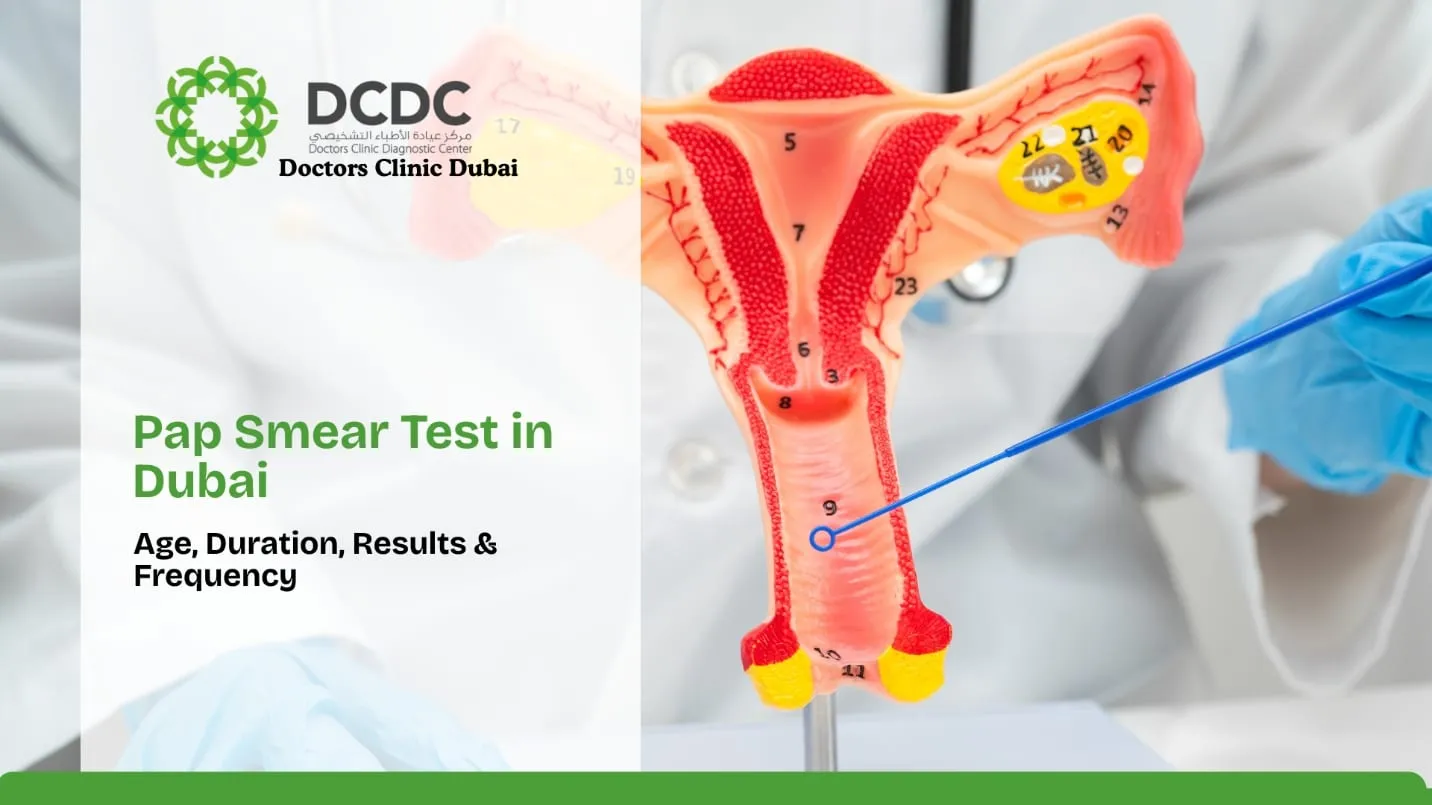
पैप स्मीयर टेस्ट एक नियमित स्त्री रोग संबंधी जांच है जो सर्वाइकल कैंसर और असामान्य गर्भाशय ग्रीवा कोशिकाओं के शुरुआती लक्षणों की जांच करती है। दुबई में, यह आमतौर पर बीस की शुरुआती उम्र से महिलाओं के लिए सलाह दी जाती है और नियमित रूप से कराने पर गंभीर सर्वाइकल स्थितियों को रोकने में महत्वपूर्ण भूमिका निभाती है।
यह गाइड सब कुछ स्पष्ट रूप से बताती है: किसे टेस्ट की जरूरत है, शुरू करने की सही उम्र, कितना समय लगता है, परिणामों का क्या मतलब है, कितनी बार दोहराना है, और दुबई में इसकी सामान्य लागत क्या है। अगर आप अनिश्चित हैं या टेस्ट टाल रही हैं, तो यह आपको आत्मविश्वास के साथ निर्णय लेने में मदद करेगी।
Health Screening Packages
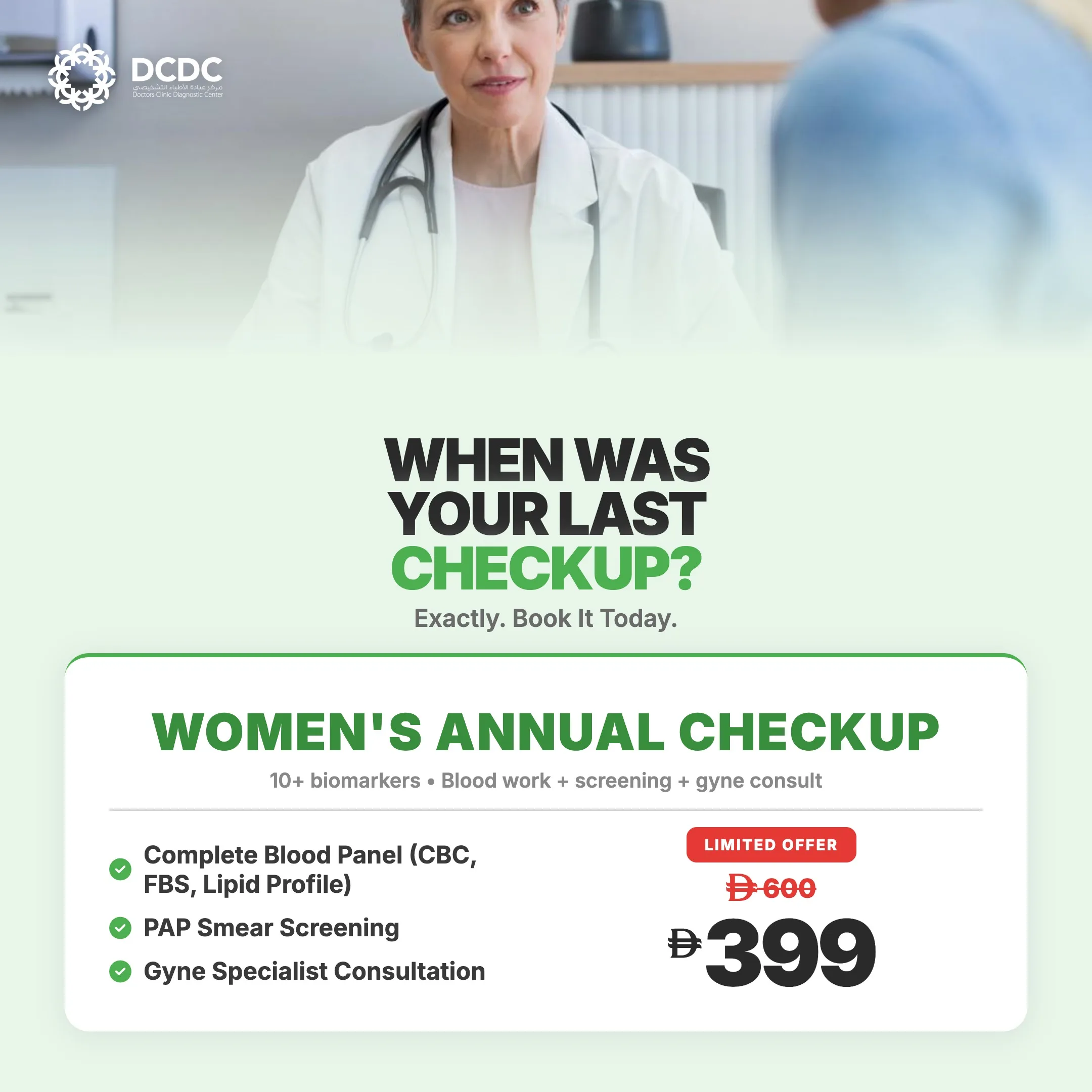
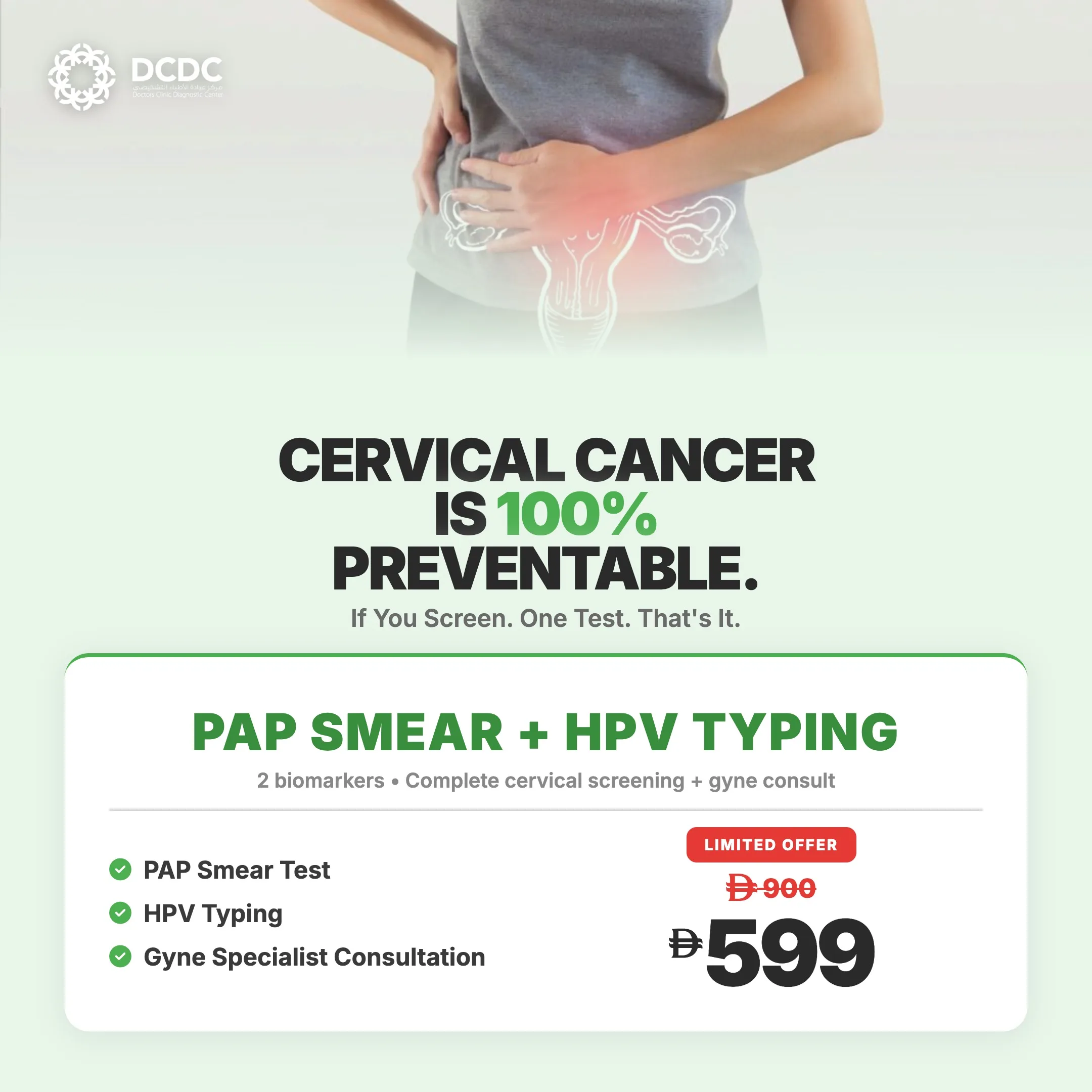
Save with our bundled screening packages — specialist consultation included



पैप स्मीयर टेस्ट क्या है और यह क्यों महत्वपूर्ण है
पैप स्मीयर, जिसे पैप टेस्ट भी कहा जाता है, गर्भाशय ग्रीवा से कोशिकाएं एकत्र करता है ताकि उन परिवर्तनों की जांच की जा सके जो सर्वाइकल कैंसर में विकसित हो सकते हैं। ये परिवर्तन अक्सर लक्षणों से वर्षों पहले दिखाई देते हैं, इसीलिए नियमित स्क्रीनिंग महत्वपूर्ण है, भले ही आप पूरी तरह से ठीक महसूस करें।
सर्वाइकल कैंसर आमतौर पर धीरे-धीरे विकसित होता है। जब असामान्य कोशिकाएं जल्दी पाई जाती हैं, तो उपचार सरल और अत्यधिक प्रभावी होता है। इसीलिए दुबई में स्त्री रोग विशेषज्ञ पैप स्मीयर स्क्रीनिंग को नियमित महिला स्वास्थ्य देखभाल के हिस्से के रूप में दृढ़ता से अनुशंसा करते हैं, न कि केवल जब लक्षण दिखाई दें।
पैप स्मीयर टेस्ट किस उम्र में शुरू करना चाहिए?
अधिकांश स्त्री रोग विशेषज्ञ 21 वर्ष की आयु से पैप स्मीयर टेस्ट शुरू करने की सिफारिश करते हैं, चाहे वैवाहिक स्थिति या यौन गतिविधि का इतिहास कुछ भी हो। इस बिंदु से, स्क्रीनिंग लक्षणों की प्रतिक्रिया के बजाय निवारक देखभाल का हिस्सा बन जाती है।
जैसे-जैसे महिलाओं की उम्र बढ़ती है, स्क्रीनिंग अंतराल उम्र, टेस्ट परिणामों और HPV टेस्ट भी किया जा रहा है या नहीं के आधार पर बदल सकता है। आपके स्त्री रोग विशेषज्ञ व्यक्तिगत और पारिवारिक चिकित्सा इतिहास के आधार पर समय समायोजित कर सकते हैं।
सामान्य आयु-आधारित मार्गदर्शन में शामिल हैं:
- उम्र 21-29: हर 3 साल में पैप स्मीयर
- उम्र 30-65: हर 3 साल में पैप स्मीयर या हर 5 साल में संयुक्त पैप + HPV टेस्ट
- 65 से ऊपर: यदि पिछले परिणाम लगातार सामान्य रहे हों तो स्क्रीनिंग बंद हो सकती है
पैप स्मीयर कितनी बार करानी चाहिए?
पैप स्मीयर की आवृत्ति उम्र, पिछले परिणामों और समग्र जोखिम कारकों पर निर्भर करती है। इसे बहुत बार कराना आमतौर पर आवश्यक नहीं है, जबकि इसमें देरी करने से स्वास्थ्य जोखिम बढ़ सकते हैं।
सामान्य परिणामों वाली अधिकांश महिलाओं को वार्षिक टेस्ट की आवश्यकता नहीं होती है। हालांकि, असामान्य निष्कर्षों, कमजोर प्रतिरक्षा, या पिछली सर्वाइकल समस्याओं वाली महिलाओं को निकट अनुवर्ती की आवश्यकता हो सकती है। एक स्त्री रोग विशेषज्ञ आपके व्यक्तिगत मामले के आधार पर आपका मार्गदर्शन करेंगे।
पैप स्मीयर टेस्ट कैसे किया जाता है?
टेस्ट सरल है और आमतौर पर नियमित स्त्री रोग विजिट के दौरान किया जाता है। आप आराम से लेटेंगी जबकि एक छोटा उपकरण धीरे से योनि मार्ग को खोलता है ताकि गर्भाशय ग्रीवा स्पष्ट रूप से दिखाई दे।
गर्भाशय ग्रीवा की कोशिकाओं को इकट्ठा करने के लिए एक नरम ब्रश या स्पैटुला का उपयोग किया जाता है। प्रक्रिया तेज है, न्यूनतम असुविधा होती है, और एनेस्थीसिया की आवश्यकता नहीं होती है। अधिकांश महिलाएं इसे दर्द की बजाय हल्के दबाव के रूप में वर्णित करती हैं।
पैप स्मीयर टेस्ट की अवधि और रिकवरी
वास्तविक टेस्ट में 5 मिनट से कम समय लगता है, हालांकि परामर्श सहित पूर्ण अपॉइंटमेंट लगभग 15-20 मिनट तक चल सकती है।
आप तुरंत सामान्य गतिविधियों में लौट सकती हैं। कुछ घंटों के लिए हल्का स्पॉटिंग या हल्की असुविधा हो सकती है, जो पूरी तरह से सामान्य है। कोई डाउनटाइम की आवश्यकता नहीं है।
पैप स्मीयर परिणामों को समझना
पैप स्मीयर परिणाम आमतौर पर स्पष्ट श्रेणियों में आते हैं। यह जानना कि उनका क्या मतलब है, प्रतीक्षा के दौरान चिंता को कम कर सकता है।
दुबई की प्रयोगशालाओं में परिणाम आमतौर पर 3-7 कार्य दिवसों में उपलब्ध होते हैं।
सामान्य परिणाम प्रकारों में शामिल हैं:
- सामान्य: कोई असामान्य कोशिकाएं नहीं पाई गईं
- सूजन संबंधी परिवर्तन: अक्सर संक्रमण या जलन के कारण
- असामान्य कोशिकाएं: ऐसे परिवर्तन जिनमें अनुवर्ती टेस्ट की आवश्यकता हो सकती है
- असंतोषजनक नमूना: टेस्ट दोहराने की आवश्यकता हो सकती है
असामान्य परिणामों का स्वचालित रूप से कैंसर नहीं होता है। अधिकांश शुरुआती, उपचार योग्य परिवर्तनों को इंगित करते हैं जिन्हें निगरानी की आवश्यकता है।
दुबई में पैप स्मीयर की लागत
दुबई में पैप स्मीयर की लागत क्लिनिक, लैब गुणवत्ता और अतिरिक्त HPV टेस्ट शामिल है या नहीं के आधार पर भिन्न होती है।
| टेस्ट का प्रकार | औसत लागत सीमा (AED) |
|---|---|
| पैप स्मीयर (मानक) | 250 - 450 |
| पैप स्मीयर + HPV टेस्ट | 450 - 750 |
| अनुवर्ती कोल्पोस्कोपी | 800 - 1,500 |
बीमा कवरेज आपकी योजना पर निर्भर करता है, लेकिन कई स्त्री रोग पैकेज में निवारक स्क्रीनिंग शामिल है।
पैप स्मीयर टेस्ट कब नहीं कराना चाहिए?
सटीक परिणामों के लिए समय महत्वपूर्ण है। यदि आप मासिक धर्म चक्र पर हैं या सक्रिय योनि संक्रमण है तो टेस्ट स्थगित कर देना चाहिए।
इसे आपकी अंतिम माहवारी के पहले दिन के 10-20 दिन बाद शेड्यूल करना सबसे अच्छा है। टेस्ट से कम से कम 48 घंटे पहले संभोग, योनि क्रीम, या डूशिंग से बचें।
क्या पैप स्मीयर दर्दनाक या जोखिमपूर्ण है?
पैप स्मीयर आमतौर पर सुरक्षित है और अच्छी तरह सहन किया जाता है। गंभीर जटिलताएं अत्यंत दुर्लभ हैं। हल्की असुविधा या स्पॉटिंग हो सकती है लेकिन जल्दी ठीक हो जाती है।
अगर आप चिंतित महसूस करती हैं, तो अपने स्त्री रोग विशेषज्ञ से खुलकर बात करना मदद करता है। उचित तकनीक और शांत वातावरण आराम में बड़ा अंतर लाते हैं।
नियमित पैप स्मीयर टेस्ट जीवन क्यों बचाता है
सर्वाइकल कैंसर सबसे अधिक रोकथाम योग्य कैंसरों में से एक है जब जल्दी पकड़ा जाता है। वैश्विक स्वास्थ्य डेटा के अनुसार, नियमित स्क्रीनिंग सर्वाइकल कैंसर के जोखिम को 70% से अधिक कम करती है।
टेस्ट छोड़ने से अक्सर देर से निदान होता है, जिसके लिए अधिक जटिल उपचार की आवश्यकता होती है। नियमित पैप स्मीयर समस्याओं को गंभीर होने से बहुत पहले संबोधित करने की अनुमति देता है।
दुबई हेल्थकेयर सिटी में विश्वसनीय स्त्री रोग देखभाल
विश्वसनीय स्त्री रोग देखभाल की तलाश करने वाली महिलाओं को एक ऐसे क्लिनिक को चुनने से लाभ होता है जो आराम, गोपनीयता और सटीक निदान को प्राथमिकता देता है। डॉक्टर्स क्लिनिक डायग्नोस्टिक सेंटर में, स्त्री रोग सेवाओं को आधुनिक नैदानिक मानकों का उपयोग करते हुए अनुभवी विशेषज्ञों द्वारा संभाला जाता है। दुबई हेल्थकेयर सिटी में स्थित, ऊद मेथा, उम हुरैर 2 दुबई, और कर्मा दुबई के पास, क्लिनिक नियमित स्क्रीनिंग और दीर्घकालिक देखभाल की तलाश करने वाली महिलाओं के लिए पसंदीदा विकल्प है।
DCDC में संबंधित सेवाएं
दुबई हेल्थकेयर सिटी में विशेषज्ञ देखभाल और उन्नत निदान
Frequently Asked Questions
अंतिम विचार
पैप स्मीयर टेस्ट एक सरल कदम है जिसका दीर्घकालिक महिला स्वास्थ्य पर बड़ा प्रभाव पड़ता है। सही उम्र, आवृत्ति, लागत और परिणाम के अर्थ को समझना टेस्ट के आसपास के डर और भ्रम को दूर करता है। दुबई में, डॉक्टर्स क्लिनिक डायग्नोस्टिक सेंटर में योग्य स्त्री रोग विशेषज्ञों और विश्वसनीय प्रयोगशालाओं तक पहुंच नियमित स्क्रीनिंग को आसान और सुरक्षित बनाती है।
नियमित पैप स्मीयर बीमारी पर प्रतिक्रिया करने के बारे में नहीं हैं; वे इससे आगे रहने के बारे में हैं। जब लगातार किया जाता है, तो वे सर्वाइकल कैंसर को देर से इलाज करने के बजाय रोकने में मदद करते हैं। यदि आपने अभी तक अपनी स्क्रीनिंग शेड्यूल नहीं की है या अनिश्चित हैं कि इसे कब दोहराना है, तो अब स्त्री रोग विशेषज्ञ से बात करने और आत्मविश्वास के साथ अपने स्वास्थ्य पर नियंत्रण लेने का सही समय है।
स्रोत एवं संदर्भ
यह लेख हमारी चिकित्सा टीम द्वारा समीक्षित है और निम्नलिखित स्रोतों का संदर्भ देता है:
- दुबई स्वास्थ्य प्राधिकरण - महिला स्वास्थ्य दिशानिर्देश
- अमेरिकन कॉलेज ऑफ ऑब्स्टेट्रीशियंस एंड गायनेकोलॉजिस्ट्स - सर्वाइकल कैंसर स्क्रीनिंग
- विश्व स्वास्थ्य संगठन - सर्वाइकल कैंसर रोकथाम
इस साइट पर चिकित्सा सामग्री DHA-लाइसेंस प्राप्त चिकित्सकों द्वारा समीक्षित है। हमारी देखें संपादकीय नीति अधिक जानकारी के लिए।

लेखक
डॉ. परिसा दिनी
सलाहकार प्रसूति एवं स्त्री रोग विशेषज्ञ
एमडी, प्रसूति एवं स्त्री रोग
डॉ. परिसा दिनी एक सलाहकार प्रसूति एवं स्त्री रोग विशेषज्ञ हैं जो DCDC दुबई हेल्थकेयर सिटी में महिला स्वास्थ्य स्क्रीनिंग और प्रसव पूर्व देखभाल में विशेषज्ञता रखती हैं।
संबंधित लेख
गर्भावस्था में एनोमली स्कैन: क्या जांच होती है, कब होती है, और लागत
दुबई में प्रसूति एवं स्त्री रोग सेवाएं
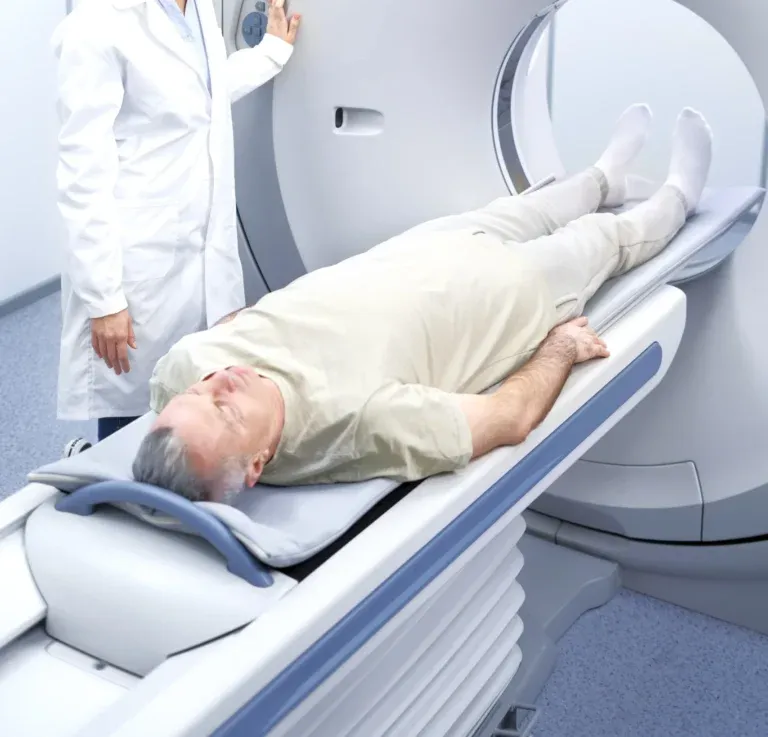
महिला स्वास्थ्य जांच: संपूर्ण गाइड
More in Gynecology
Irregular Periods Treatment Dubai (2026)
और पढ़ें
Premature Ovarian Failure Dubai: Guide (2026)
और पढ़ेंOvarian Cyst Dubai: Symptoms & Treatment (2026)
और पढ़ें
Uterine Fibroids Dubai: Treatment Guide (2026)
और पढ़ेंBest Gynecologist in Dubai: Dr. Parisa Dini at DCDC (2026)
और पढ़ेंFemale Gynecologist in Dubai: Dr. Parisa Dini at DCDC Healthcare City (2026)
और पढ़ें© 2026 Doctors Clinic Diagnostic Center (DCDC), Dubai Healthcare City. Originally published at https://doctorsclinicdubai.ae/blog/pap-smear-test-dubai. All rights reserved. Unauthorized reproduction is prohibited.