मुख्य बातें
- Acne affects up to 85% of people aged 12-24 and approximately 25% of adults over 25. It is not just a teenage condition and often requires medical treatment rather than over-the-counter products alone.
- The four root causes of acne are excess sebum production, follicular hyperkeratinisation (clogged pores), bacterial colonisation by Cutibacterium acnes, and inflammation. Effective treatment targets one or more of these pathways.
- Dubai's hot, humid climate increases sebum production and sweat, while frequent air conditioning disrupts the skin barrier. UV exposure also worsens post-acne hyperpigmentation, making Dubai residents particularly prone to persistent breakouts.
- At DCDC Dubai Healthcare City, GP acne consultations start from AED 250 and include same-day blood tests for hormones, vitamin levels, and CBC to identify underlying causes before prescribing treatment.
- The American Academy of Dermatology (AAD) recommends multimodal therapy combining topical retinoids, benzoyl peroxide, and antibiotics as the standard of care. Oral isotretinoin is strongly recommended for severe, scarring, or treatment-resistant acne.
- Hormonal blood tests are essential for adult acne, particularly in women. PCOS, thyroid dysfunction, and androgen excess are common hormonal causes that require targeted treatment beyond topical skincare.
Acne is the most common skin condition worldwide, affecting an estimated 650 million people globally and up to 85% of adolescents. If you are dealing with persistent breakouts, painful cysts, or acne that has not responded to over-the-counter products, professional medical assessment is the next step. At DCDC in Dubai Healthcare City, our approach starts with a thorough GP consultation and same-day blood tests to identify hormonal imbalances, nutritional deficiencies, or other underlying causes before prescribing a tailored treatment plan. This guide covers everything you need to know about acne treatment in Dubai: what causes it, how it is classified, what treatments are available, what they cost, and when to see a specialist.
Whether you are a teenager experiencing your first breakouts or an adult frustrated by acne that will not clear, understanding the science behind your skin condition is the first step toward effective treatment.
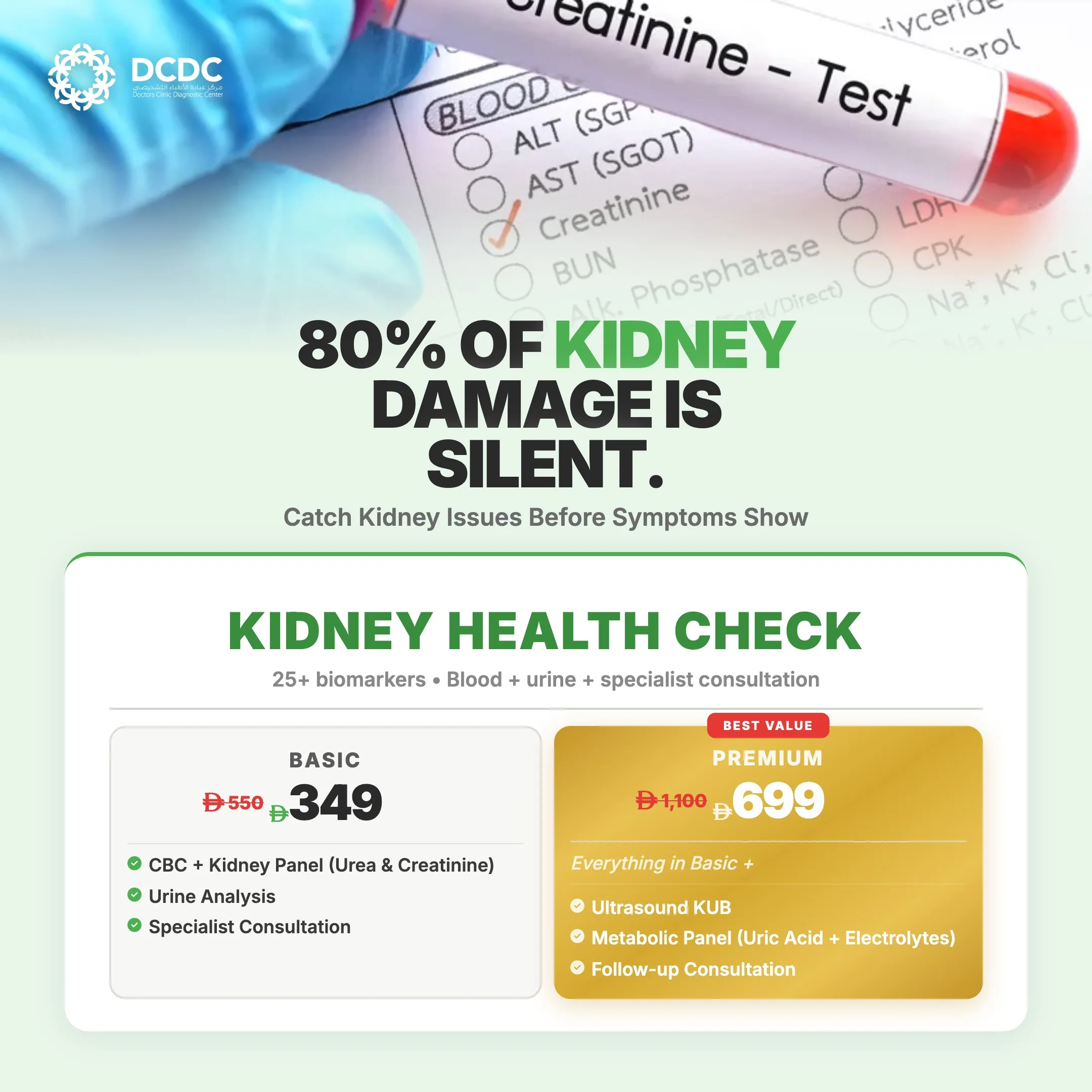
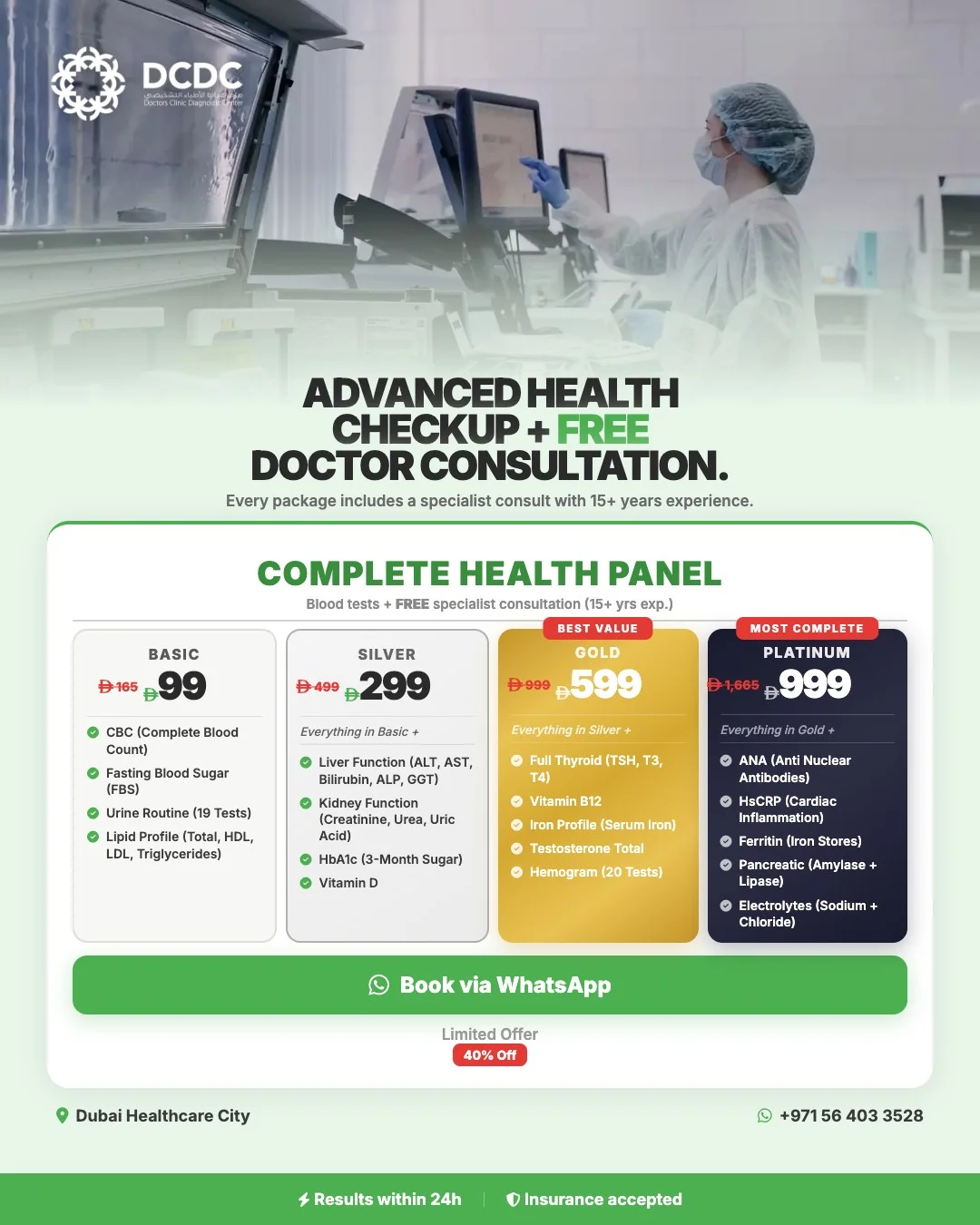
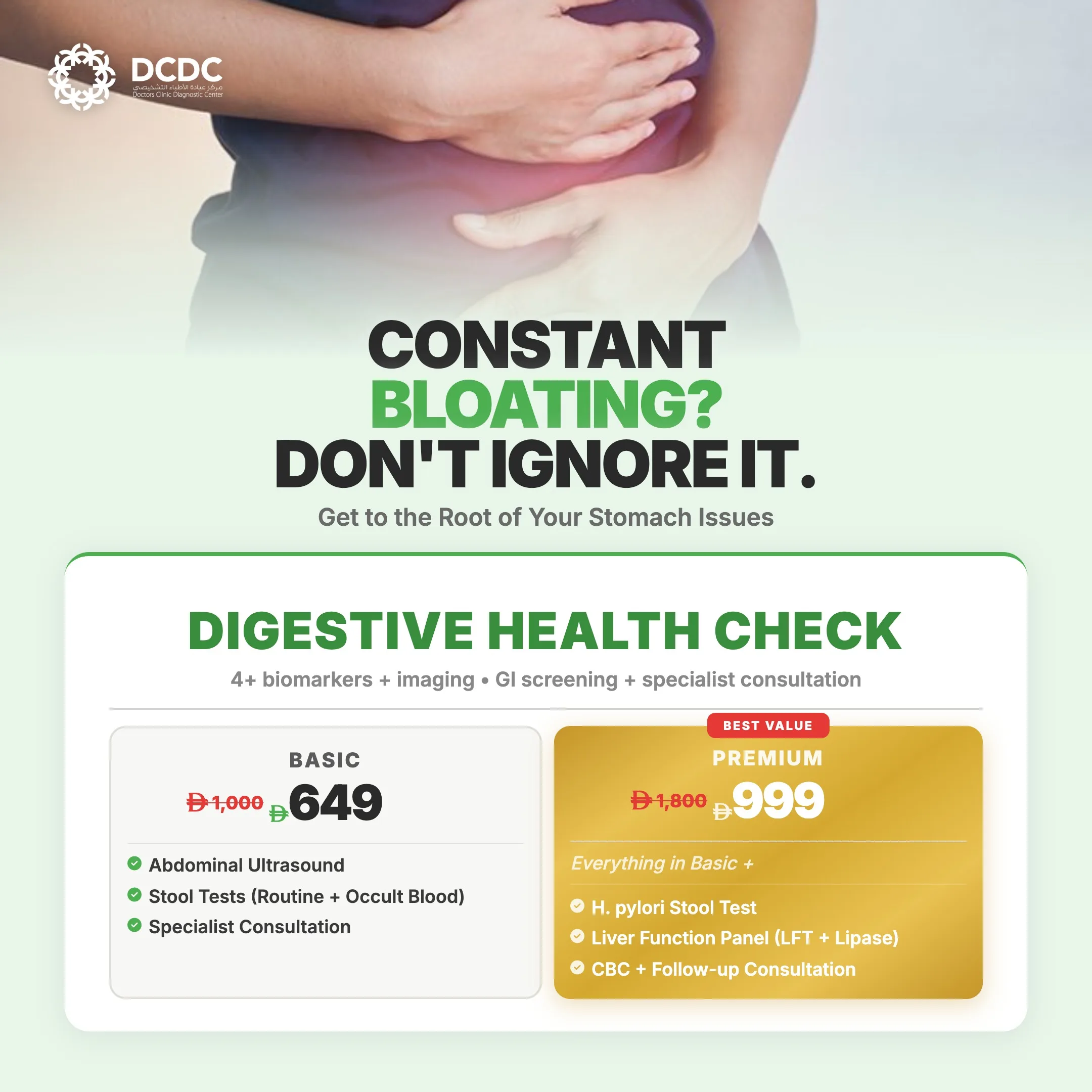
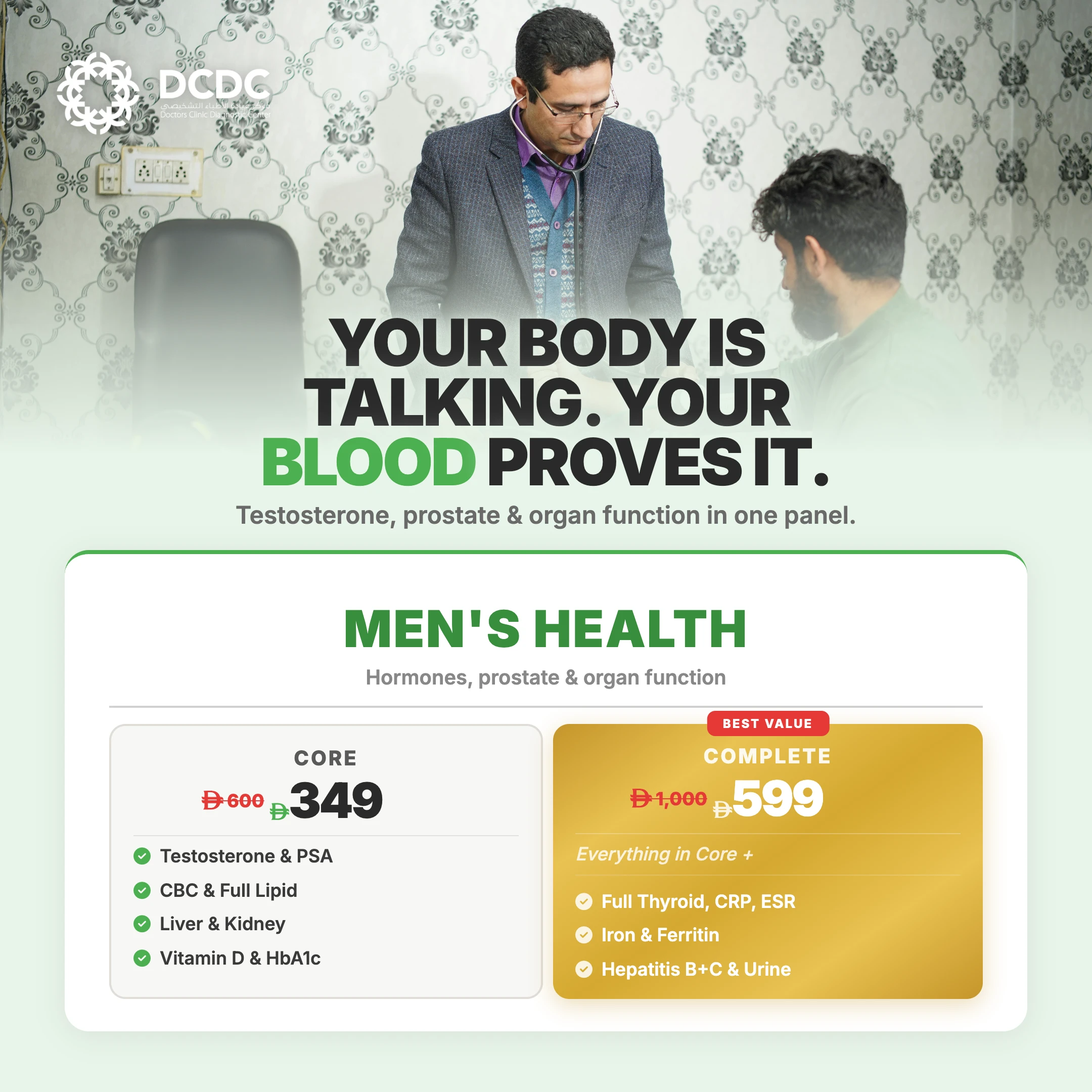
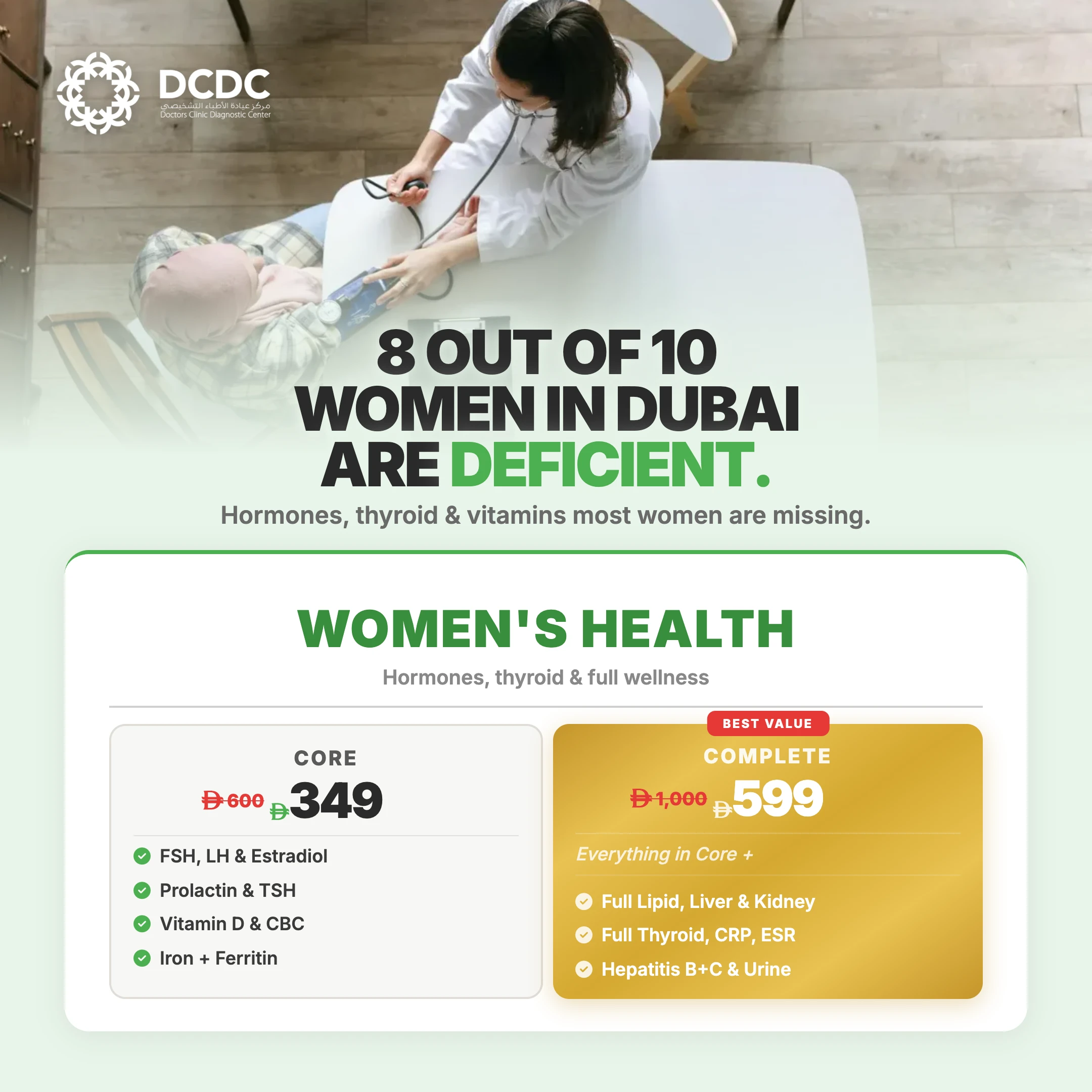
Health Screening Packages
Save with our bundled screening packages — specialist consultation included

What Is Acne and Why Does It Develop?
Acne vulgaris is a chronic inflammatory disease of the pilosebaceous unit (the hair follicle and its attached oil gland). It develops when four key processes occur simultaneously. First, the sebaceous glands produce excess sebum (oil), often driven by androgen hormones such as testosterone and DHEA-S. Second, dead skin cells accumulate inside the follicle instead of shedding normally, a process called follicular hyperkeratinisation. Third, the bacterium Cutibacterium acnes (formerly Propionibacterium acnes) colonises the blocked follicle and multiplies in the oxygen-free, oil-rich environment. Fourth, the immune system reacts to the bacterial colonisation, triggering inflammation that produces redness, swelling, and pain.
According to the American Academy of Dermatology, acne is the most common skin condition in the United States, affecting up to 50 million Americans annually. Globally, the Global Burden of Disease study estimated that acne affects approximately 9.4% of the world's population, making it the eighth most prevalent disease worldwide. While acne is most common during puberty, it increasingly affects adults well into their 30s, 40s, and beyond, particularly women.
Types of Acne: From Mild to Severe
Accurate classification of your acne type is critical because treatment varies significantly depending on severity and type. Your doctor will assess both the type of lesions present and their overall severity before recommending a treatment plan.
Non-Inflammatory Acne (Comedonal)
- Open comedones (blackheads): Pores clogged with sebum and dead skin cells that remain open at the surface. The dark colour is oxidised melanin, not dirt. Typically found on the nose, chin, and forehead.
- Closed comedones (whiteheads): Pores clogged beneath a thin layer of skin, appearing as small flesh-coloured or white bumps. Common on the forehead and chin.
Inflammatory Acne
- Papules: Small, raised, red bumps less than 5mm in diameter caused by inflammation around a clogged pore. Tender to touch but without visible pus.
- Pustules: Similar to papules but with a visible white or yellow centre filled with pus. These are what most people refer to as pimples.
- Nodules: Large (over 5mm), hard, painful lumps deep within the skin. They do not have a visible head and can persist for weeks. Nodular acne requires medical treatment.
- Cysts: The most severe form. Large, soft, painful, pus-filled lumps deep under the skin. Cystic acne carries the highest risk of permanent scarring and almost always requires prescription medication.
Special Types of Acne
- Hormonal acne: Typically presents along the jawline, chin, and lower cheeks in adult women. Flares with the menstrual cycle and is driven by androgen hormones. Often associated with PCOS.
- Fungal acne (pityrosporum folliculitis): Caused by yeast overgrowth rather than bacteria. Presents as uniform, itchy bumps on the chest, back, and shoulders. Does not respond to standard acne treatments and requires antifungal medication.
- Acne mechanica: Triggered by friction, pressure, or heat on the skin. Common in athletes, helmet wearers, and people in Dubai who sweat under face masks or tight-fitting clothing.
What Causes Acne? Key Triggers and Risk Factors
While the four pathological processes described above are consistent across all acne, the triggers that set them in motion vary from person to person. Identifying your specific triggers is essential for effective treatment. According to Dr. Hadeel Elnur, "Most acne cases respond well to a combination of topical treatments and lifestyle modifications. At DCDC, we start with a thorough assessment including blood work to rule out hormonal imbalances before prescribing treatment."
Hormonal Factors
Androgens (testosterone, DHEA-S, DHT) are the primary hormonal drivers of acne. They stimulate sebaceous glands to enlarge and produce more oil. This explains why acne commonly begins at puberty when androgen levels surge. In adult women, conditions such as polycystic ovary syndrome (PCOS), which affects 10-15% of reproductive-age women, cause elevated androgens that drive persistent breakouts along the jawline and chin. Thyroid disorders, cortisol imbalances, and insulin resistance can also contribute. A comprehensive hormone test can identify these imbalances.
Dubai-Specific Environmental Factors
- Heat and humidity: Dubai's summer temperatures regularly exceed 40 degrees Celsius with high humidity. Heat stimulates excess sebum production and sweat, which can clog pores and worsen breakouts.
- Air conditioning: Most Dubai residents spend the majority of their time in heavily air-conditioned environments. AC strips moisture from the skin, prompting the sebaceous glands to compensate by producing more oil, creating a paradoxical cycle of dry skin that is simultaneously oily and acne-prone.
- UV exposure: Intense year-round sun exposure in Dubai accelerates post-inflammatory hyperpigmentation (PIH), the dark marks acne leaves behind. PIH can persist for months or even years, particularly in darker skin tones. This is why sun protection is a critical part of any acne treatment plan in Dubai.
- Hard water: Dubai's desalinated water has a high mineral content that can disrupt the skin's natural pH barrier, making it more susceptible to irritation and breakouts.
- Sand and dust particles: Construction dust and desert sand particles can settle on the skin, clogging pores and triggering inflammation.
Other Contributing Factors
- Diet: High-glycaemic foods (white bread, sugary drinks, processed snacks) and dairy products have been linked to increased acne severity in clinical studies. The mechanism involves insulin-like growth factor 1 (IGF-1), which stimulates sebum production.
- Stress: Chronic stress elevates cortisol levels, which in turn increases sebum production and inflammation. Dubai's fast-paced lifestyle can contribute to stress-driven breakouts.
- Genetics: If both parents had acne, you are significantly more likely to develop it. Genetic factors influence sebum production, skin cell turnover rate, and inflammatory response.
- Medications: Certain drugs including corticosteroids, lithium, anabolic steroids, and some hormonal contraceptives can trigger or worsen acne.
- Skincare products: Comedogenic (pore-clogging) ingredients in moisturisers, sunscreens, and makeup are a common cause of acne, particularly in Dubai where heavy sunscreen use is necessary.
Struggling With Persistent Acne?
Book a GP consultation at DCDC from AED 250. Same-day blood tests available to check hormones and vitamin levels.
WhatsApp +971 56 403 3528 to book
When to See a Doctor for Acne
Many people try to manage acne with over-the-counter products for months or even years before seeking medical help. The AAD and NHS recommend seeing a doctor when any of the following apply: your acne has not improved after 3 months of consistent over-the-counter treatment, you have nodular or cystic acne (deep, painful lumps), acne is causing scarring, acne is significantly affecting your self-esteem or mental health, you suspect hormonal acne (breakouts along the jawline that worsen before your period), or you are an adult developing acne for the first time.
Early medical intervention reduces the risk of permanent scarring. The longer inflammatory acne persists without treatment, the greater the likelihood of atrophic (indented) or hypertrophic (raised) scars that are much more difficult and expensive to treat than the acne itself.
Medical Acne Treatment Options
The AAD's 2024 clinical guidelines strongly recommend multimodal therapy — combining multiple treatments that target different acne pathways — rather than relying on a single product. Treatment is selected based on acne severity, type, location, patient age, skin type, and any underlying conditions identified through blood work. If you are concerned about nutritional factors contributing to your skin health, a vitamin D assessment is often included in the initial workup.
Topical Treatments (Applied to the Skin)
Topical medications are the foundation of acne treatment for mild to moderate cases. They are applied directly to the skin and work by reducing oil production, killing bacteria, promoting skin cell turnover, or reducing inflammation.
- Topical retinoids (tretinoin, adapalene, tazarotene, trifarotene): The AAD considers retinoids a cornerstone of acne therapy. They normalise skin cell turnover, prevent pore clogging, and have anti-inflammatory properties. Adapalene 0.1% (Differin) is available over the counter. Prescription-strength tretinoin and tazarotene are more potent. Side effects include dryness, peeling, and sun sensitivity, which is particularly important to manage in Dubai's intense UV environment.
- Benzoyl peroxide (2.5%-10%): Kills C. acnes bacteria through oxidation and helps prevent antibiotic resistance. Available in washes, creams, and gels. The 2.5% concentration is as effective as 10% with less irritation. Essential as a combination partner when topical antibiotics are used.
- Topical antibiotics (clindamycin, erythromycin): Reduce bacterial load and inflammation. The AAD strongly advises against using topical antibiotics as monotherapy to prevent antibiotic resistance. Always combine with benzoyl peroxide.
- Azelaic acid (15%-20%): Antibacterial, anti-inflammatory, and helps fade post-inflammatory hyperpigmentation. Particularly useful for Dubai patients with darker skin tones who are prone to PIH.
- Salicylic acid (0.5%-2%): A beta-hydroxy acid (BHA) that penetrates oil and exfoliates inside the pore. Effective for comedonal (blackhead and whitehead) acne. Available in cleansers, toners, and leave-on treatments.
- Niacinamide (vitamin B3): Reduces sebum production by up to 40% at 4% concentration, strengthens the skin barrier, and reduces redness. Well-tolerated and suitable for sensitive skin.
Oral Medications (Systemic Treatment)
When topical treatments alone are insufficient, oral medications are added. These are prescription-only and require medical supervision.
- Oral antibiotics (doxycycline, minocycline): The AAD recommends oral doxycycline as first-line systemic therapy for moderate to severe inflammatory acne. Antibiotics reduce C. acnes bacteria and inflammation. Treatment duration should be limited to 3-4 months to minimise antibiotic resistance risk, and antibiotics must be combined with topical benzoyl peroxide.
- Oral isotretinoin (Accutane/Roaccutane): The AAD strongly recommends isotretinoin for severe, scarring, or treatment-resistant acne. It is the only medication that targets all four acne pathways: reduces sebum production by up to 90%, normalises skin cell turnover, has anti-inflammatory properties, and indirectly reduces C. acnes by eliminating its oil-rich environment. Treatment typically lasts 5-7 months. Requires monthly blood monitoring (liver function, lipids) and strict pregnancy prevention in women.
- Hormonal therapies (for women): Combined oral contraceptive pills (containing ethinyl estradiol with norgestimate, drospirenone, or norethindrone) reduce androgen-driven sebum production. Spironolactone (25-200mg daily) is an anti-androgen that blocks testosterone receptors in the skin. Both are effective for hormonal acne along the jawline.
- Oral corticosteroids: Short courses may be prescribed for severe inflammatory flares to rapidly reduce swelling and pain. Not suitable for long-term use.
Procedural Treatments
- Chemical peels (glycolic acid, salicylic acid, TCA): Professional-strength peels exfoliate the skin surface and unclog pores. Superficial peels (AED 300-800 per session) are used for active acne, while deeper peels target acne scars. A course of 4-6 sessions is typically recommended.
- Intralesional corticosteroid injections: A dilute corticosteroid is injected directly into large, painful nodules or cysts. Provides rapid flattening within 24-72 hours. The AAD recommends this for larger acne lesions, rapid resolution, or to minimise scarring.
- Laser and light therapies: Various laser platforms target sebaceous glands, kill bacteria, and stimulate collagen remodelling. Options include blue light therapy, pulsed dye laser, and fractional CO2 laser (primarily for scarring). Costs in Dubai range from AED 500-2,000 per session.
- RF microneedling: Combines microneedling with radiofrequency energy to reduce active acne and improve scarring. Popular in Dubai at AED 800-2,500 per session.
Acne Treatment by Severity: A Step-by-Step Approach
Treatment follows a stepwise approach based on severity, as recommended by the AAD clinical guidelines and international consensus.
| Severity | Characteristics | First-Line Treatment | If No Improvement (12 Weeks) |
|---|---|---|---|
| Mild (comedonal) | Blackheads and whiteheads only, few papules, no scarring | Topical retinoid + benzoyl peroxide wash | Add topical antibiotic (with benzoyl peroxide) |
| Mild-Moderate (mixed) | Comedones plus moderate papules and pustules | Topical retinoid + benzoyl peroxide + topical antibiotic | Consider oral antibiotic (doxycycline) |
| Moderate (inflammatory) | Widespread papules and pustules, some nodules | Oral doxycycline + topical retinoid + benzoyl peroxide | Switch antibiotic or consider hormonal therapy (women) |
| Severe (nodular/cystic) | Nodules, cysts, widespread inflammation, scarring risk | Oral isotretinoin (strong recommendation) | Adjust isotretinoin dose, add intralesional injections |
AAD-guided acne treatment approach by severity level
Acne Treatment Cost in Dubai
Acne treatment costs in Dubai vary widely depending on the type of treatment, the provider, and the severity of the condition. The following table provides realistic market price ranges based on current Dubai clinic rates.
| Treatment | Cost Range (AED) | Notes |
|---|---|---|
| GP acne consultation (DCDC) | From AED 250-500 | Includes assessment, treatment plan, and blood test orders |
| Dermatologist consultation | AED 400-800 | Specialist referral for severe or treatment-resistant cases |
| Blood tests (hormone panel) | From AED 200-600 | Includes testosterone, DHEA-S, thyroid, and vitamin levels |
| Topical prescription medications | AED 50-200 per product | Retinoids, antibiotics, benzoyl peroxide (monthly) |
| Oral isotretinoin (full course) | AED 150-400 per month | 5-7 month course plus monthly blood monitoring |
| Chemical peel (per session) | AED 300-1,500 | 4-6 sessions typically recommended |
| Laser acne treatment (per session) | AED 500-2,000 | 3-6 sessions depending on type and severity |
| RF microneedling (per session) | AED 800-2,500 | 3-4 sessions typically recommended for best results |
| Intralesional injection | AED 200-500 | Per session, for individual nodules or cysts |
Acne treatment prices in Dubai (2026 market rates). DCDC GP consultation from AED 250 with insurance direct billing available.
At DCDC, GP consultations for acne start from AED 250, which is significantly more affordable than specialist dermatology rates. Many insurance plans cover acne consultations and prescription medications when ordered by a physician. DCDC accepts direct billing with over 20 insurance providers including Daman, AXA, Bupa, MetLife, and Cigna, reducing your out-of-pocket costs.
The Role of Blood Tests in Acne Diagnosis
One of the most overlooked aspects of acne treatment is laboratory investigation. While many clinics prescribe topical creams or antibiotics without any blood work, identifying the underlying cause of acne through blood tests often leads to more effective and lasting results. This is particularly important for adult-onset acne, hormonal acne, and treatment-resistant cases. At DCDC, on-site laboratory facilities mean your blood tests can be collected and processed on the same day as your consultation.
Key Blood Tests for Acne Assessment
- Hormone panel: Total and free testosterone, DHEA-S, androstenedione, sex hormone-binding globulin (SHBG), FSH, LH, and prolactin. Elevated androgens are the most common hormonal driver of acne. An LH:FSH ratio above 2:1 may suggest PCOS.
- Thyroid function: TSH, free T3, and free T4. Both hypothyroidism and hyperthyroidism can contribute to skin changes and acne.
- Fasting insulin and glucose: Insulin resistance increases androgen production and is common in PCOS. Elevated insulin also stimulates IGF-1, which drives sebum production.
- Vitamin D level: Research shows that vitamin D deficiency is associated with increased acne severity. Vitamin D has anti-inflammatory and antimicrobial properties relevant to acne. Deficiency is extremely common in Dubai despite the sunshine, as most residents avoid direct sun exposure.
- Zinc level: Zinc has anti-inflammatory and antibacterial properties. Studies show that acne patients often have lower serum zinc levels compared to those with clear skin.
- Complete blood count (CBC): Baseline assessment to check for any underlying conditions and to establish pre-treatment values if isotretinoin or antibiotics are being considered.
- Liver function tests and lipid panel: Required before and during isotretinoin treatment, as the medication can affect liver enzymes and cholesterol levels.
All of these tests are available at DCDC's on-site laboratory with same-day sample collection. Routine results including CBC, liver function, and basic hormones are typically available within 24 hours. Your GP will review the results and adjust your treatment plan accordingly, often during a follow-up consultation in the same week.
Hormonal Acne in Women: Causes and Treatment
Hormonal acne deserves special attention because it affects a large proportion of adult women in Dubai and requires a fundamentally different treatment approach compared to teenage acne. The hallmark of hormonal acne is breakouts concentrated along the jawline, chin, and lower cheeks that typically flare in the week before menstruation.
The most common hormonal causes include PCOS (affecting 10-15% of women of reproductive age), perimenopause and menopause-related hormonal shifts, post-contraceptive acne (after stopping birth control pills), and conditions causing elevated cortisol from chronic stress. A thorough hormonal imbalance assessment is essential before starting treatment.
Treatment for hormonal acne often includes spironolactone (an anti-androgen), combined oral contraceptive pills containing drospirenone or norgestimate, and topical retinoids. Addressing insulin resistance through dietary changes and exercise is also important, as insulin drives androgen production. Blood tests should include a full female hormone panel, fasting insulin, and DHEA-S.
Acne Scarring: Prevention and Treatment Options
Acne scarring is one of the most distressing long-term consequences of untreated or inadequately treated inflammatory acne. Scarring occurs when the dermis (deep skin layer) is damaged by severe inflammation. The body's wound-healing response produces either too much collagen (hypertrophic or keloid scars) or too little (atrophic or depressed scars). In Dubai, post-inflammatory hyperpigmentation (dark spots) is equally common, especially in South Asian, Middle Eastern, and African skin tones.
Types of Acne Scars
- Ice pick scars: Narrow, deep, pitted scars that look like the skin has been punctured. Most difficult to treat.
- Boxcar scars: Broad, rectangular depressions with sharp, defined edges. Respond well to fractional laser and RF microneedling.
- Rolling scars: Wide, shallow depressions with smooth, sloping edges that give the skin a wave-like appearance. Often treated with subcision and fillers.
- Post-inflammatory hyperpigmentation (PIH): Not true scars but dark marks left after acne heals. Extremely common in Dubai's diverse population. Fades with time but can be accelerated with azelaic acid, vitamin C, niacinamide, and sun protection.
The single most effective strategy for acne scars is prevention — treating active acne early and aggressively to prevent scarring in the first place. Never squeeze or pop pimples, as this increases inflammation and scarring risk.
Get Your Acne Assessed Today
DCDC offers GP acne consultations from AED 250 with same-day blood tests. MOHAP-licensed facility in Dubai Healthcare City with 4.8/5 Google rating.
Call +971 56 403 3528 or WhatsApp to book
What to Expect at DCDC: Your Acne Treatment Journey
If you decide to seek acne treatment at DCDC in Dubai Healthcare City, here is what the process looks like from start to finish.
- Step 1 — Arrival and check-in: DCDC is located in Building 64, Block A, Al Razi Medical Complex in DHCC, with dedicated free parking on-site. Check-in takes approximately 5 minutes. Walk-ins are welcome, or you can book ahead for a specific time. Average wait time is just 15 minutes.
- Step 2 — GP consultation: Your consultation with a General Practitioner like Dr. Hadeel Elnur typically lasts 15-20 minutes. The doctor will assess your skin, ask about your acne history, medications, diet, stress levels, menstrual cycle (for women), and family history. The severity and type of acne will be classified.
- Step 3 — Blood tests (same day): Based on the clinical assessment, the doctor may order blood tests to investigate underlying causes. At DCDC, samples are collected at the on-site laboratory immediately after your consultation. A hormone panel, vitamin levels, CBC, and other relevant markers can all be drawn from a single blood sample.
- Step 4 — Treatment plan: For mild to moderate cases, your GP will prescribe a tailored treatment plan that may include topical retinoids, benzoyl peroxide, antibiotics, and lifestyle modifications. Prescriptions can be filled at nearby DHCC pharmacies.
- Step 5 — Results review and follow-up: Blood test results are typically available within 24-48 hours for routine panels. Your doctor will review the results and may adjust the treatment plan based on findings. For example, if hormonal imbalances are identified, hormonal therapy may be added.
- Step 6 — Specialist referral (if needed): For severe or treatment-resistant cases, your GP will refer you to a dermatologist. Complex hormonal cases may be referred to an endocrinologist. DCDC's integrated care model means referrals happen quickly, often within the same week.
DCDC's 98% patient satisfaction rate and 4.8/5 Google rating from over 1,000 verified reviews reflect the clinic's commitment to thorough, patient-centred care. The clinic is open Saturday through Thursday from 8 AM to 10 PM and Friday from 9 AM to 9 PM, making it easy to schedule appointments around work.
Skincare Routine for Acne-Prone Skin in Dubai
A well-structured skincare routine is a critical complement to medical treatment. Dubai's climate demands specific adjustments compared to routines designed for temperate climates.
Morning Routine
- Gentle cleanser: Use a non-foaming or low-foam cleanser with a pH of 4.5-5.5. Avoid harsh scrubs and physical exfoliants. Cetaphil Gentle Skin Cleanser or CeraVe Foaming Cleanser are suitable options.
- Treatment serum: Apply niacinamide serum (4-10%) to reduce oil production and redness, or azelaic acid (15-20%) if prescribed.
- Lightweight moisturiser: Even oily, acne-prone skin needs hydration, especially in Dubai's AC-dried environments. Choose an oil-free, non-comedogenic moisturiser with ceramides or hyaluronic acid.
- Sunscreen (essential in Dubai): Apply SPF 30-50 broad-spectrum sunscreen every morning. Choose a non-comedogenic, matte-finish formula. Re-apply every 2 hours if outdoors. This is non-negotiable in Dubai's UV environment to prevent post-acne hyperpigmentation.
Evening Routine
- Double cleanse: First remove sunscreen and makeup with a micellar water or oil-based cleanser, then wash with your gentle cleanser.
- Prescription treatment: Apply your prescribed retinoid (tretinoin, adapalene) or other topical medication. Wait 5-10 minutes for it to absorb.
- Moisturiser: Follow with a barrier-repair moisturiser, especially if using retinoids which can cause dryness and peeling.
Diet and Lifestyle Modifications for Acne
While diet alone does not cause acne, research increasingly supports a connection between certain dietary patterns and acne severity. The following evidence-based modifications can complement medical treatment.
- Reduce high-glycaemic foods: White bread, white rice, sugary drinks, pastries, and processed snacks cause rapid insulin spikes that increase androgen production and sebum output. Switch to whole grains, legumes, and low-GI alternatives.
- Consider dairy reduction: Multiple studies have found an association between dairy consumption (particularly skim milk) and acne. Dairy contains hormones and bioactive molecules that may influence sebum production. Whey protein supplements are a common trigger.
- Increase omega-3 fatty acids: Found in fatty fish (salmon, sardines), walnuts, and flaxseeds. Omega-3s have anti-inflammatory effects that may help reduce acne inflammation.
- Ensure adequate zinc intake: Zinc-rich foods include oysters, beef, pumpkin seeds, chickpeas, and cashews. Zinc supplementation (30-45mg daily) has been shown to reduce inflammatory acne in some studies.
- Manage stress: Incorporate stress-reduction techniques such as exercise, adequate sleep (7-9 hours), and mindfulness practices. Chronic stress elevates cortisol, which worsens acne.
- Stay hydrated: Drink 2-3 litres of water daily, especially in Dubai's heat. Adequate hydration supports skin barrier function and helps maintain a healthy skin turnover rate.
- Check vitamin D levels: Vitamin D deficiency is extremely common in Dubai residents (studies suggest up to 80% prevalence) and is associated with increased acne severity. If you are concerned about your levels, a comprehensive panel at DCDC can assess both allergies and nutritional status.
Common Acne Treatment Mistakes to Avoid
Many acne sufferers inadvertently make their condition worse through well-intentioned but counterproductive habits. Avoiding these common mistakes is as important as following the right treatment plan.
- Picking and squeezing: Popping pimples pushes bacteria deeper into the skin, increases inflammation, and dramatically increases the risk of scarring and PIH.
- Over-washing and over-exfoliating: Washing your face more than twice daily strips the skin barrier and triggers rebound oil production. Physical scrubs can cause micro-tears and spread bacteria.
- Stopping treatment too early: Most acne treatments take 8-12 weeks to show significant results. Switching products every few weeks does not give any single treatment enough time to work.
- Skipping moisturiser: Acne-prone skin still needs hydration. Stripping the skin of moisture causes the sebaceous glands to overproduce oil, worsening acne.
- Skipping sunscreen: In Dubai, this is a critical mistake. UV exposure worsens PIH and can make retinoid-treated skin more vulnerable to burns and damage.
- Using multiple active ingredients at once: Layering benzoyl peroxide, retinoids, AHAs, BHAs, and vitamin C simultaneously can destroy the skin barrier, causing irritation, redness, and more breakouts.
- Self-prescribing antibiotics: Taking oral antibiotics without medical supervision contributes to antibiotic resistance and may cause side effects. Always consult a doctor.
Acne in Different Age Groups
Acne is not a one-size-fits-all condition. The triggers, distribution, and optimal treatment differ significantly across age groups.
Teenage Acne (12-19 Years)
Driven primarily by the surge in androgen hormones during puberty. Typically affects the T-zone (forehead, nose, chin) with a mix of comedones, papules, and pustules. Treatment focuses on topical retinoids, benzoyl peroxide, and proper skincare education. Isotretinoin may be considered for severe cases with scarring risk. Paediatric GP consultations are available at DCDC for teenage patients.
Adult Female Acne (20-45 Years)
Affects approximately 25% of women in their 20s and 15% in their 30s. Hormonal acne along the jawline is most common. Treatment often includes hormonal therapy (spironolactone, contraceptive pills), topical retinoids, and investigation of underlying conditions like PCOS or thyroid dysfunction. Comprehensive blood work is essential for this group. For women experiencing related hair changes, a hair loss assessment may also be relevant, as hormonal imbalances can affect both skin and hair.
Adult Male Acne (20+ Years)
Often more severe than female adult acne, with a higher prevalence of nodular and cystic forms on the back, chest, and face. May be worsened by anabolic steroid use, high-protein/whey supplement consumption, or excessive gym-related sweating. Treatment focuses on topical retinoids, oral antibiotics, and isotretinoin for severe cases.
Why Choose DCDC for Acne Treatment in Dubai?
- Affordable GP consultations: Acne assessments from AED 250, significantly lower than specialist dermatology rates of AED 400-800 at other Dubai clinics
- On-site laboratory: Hormone panels, vitamin levels, CBC, liver function tests, and lipid panels all collected and processed in our MOHAP-licensed laboratory. Same-day sample collection with routine results in 24 hours.
- Comprehensive approach: We investigate underlying causes through blood work rather than just treating surface symptoms. This leads to more effective, lasting results.
- Insurance direct billing: Over 20 insurance partners including Daman, AXA, Bupa, MetLife, and Cigna. Many plans cover acne consultations and prescription medications.
- Convenient DHCC location: Building 64, Block A, Al Razi Medical Complex, Dubai Healthcare City. Free parking, extended hours (Sat-Thu 8 AM-10 PM, Fri 9 AM-9 PM), and average wait times of just 15 minutes.
- Integrated specialist referrals: When cases require specialist input, referrals to dermatologists and endocrinologists are arranged promptly.
- Proven patient satisfaction: 4.8/5 Google rating from over 1,000 verified reviews and a 98% patient satisfaction rate.
DCDC में संबंधित सेवाएं
दुबई हेल्थकेयर सिटी में विशेषज्ञ देखभाल और उन्नत निदान
Blood Tests
Comprehensive blood panels including hormones and vitamins for acne assessment.
अपॉइंटमेंट बुक करेंHormone Testing
Hormone level testing to identify hormonal causes of acne breakouts.
अपॉइंटमेंट बुक करेंGeneral Consultation
Expert GP consultation for acne diagnosis and personalized treatment plans.
अपॉइंटमेंट बुक करेंFrequently Asked Questions
Final Thoughts
Acne is a medical condition, not a cosmetic inconvenience. It has well-understood pathological mechanisms, evidence-based treatment guidelines from organisations like the American Academy of Dermatology, and a range of effective prescription options that go far beyond over-the-counter cleansers and spot treatments. The key to successful treatment is accurate diagnosis, identifying underlying causes through blood work, and following a consistent, multimodal treatment plan tailored to your specific acne type and severity.
At DCDC in Dubai Healthcare City, our approach combines affordable GP consultations (from AED 250), same-day on-site blood tests for hormones and vitamins, evidence-based prescription protocols, and prompt specialist referrals when needed. With extended hours, free parking, direct insurance billing with 20+ providers, and an average wait time of just 15 minutes, getting professional help for your acne has never been more accessible. Book your consultation today by calling +971 56 403 3528 or send us a WhatsApp message.
स्रोत एवं संदर्भ
यह लेख हमारी चिकित्सा टीम द्वारा समीक्षित है और निम्नलिखित स्रोतों का संदर्भ देता है:
- American Academy of Dermatology — Guidelines of Care for the Management of Acne Vulgaris (2024)
- Cleveland Clinic — Acne: Types, Causes, Treatment & Prevention
- NHS — Acne: Overview, Causes and Treatment
- Mayo Clinic — Acne: Diagnosis and Treatment
- Global Burden of Disease Study — Skin and Subcutaneous Diseases (Acne Vulgaris)
- World Health Organization — Adolescent Health and Development
इस साइट पर चिकित्सा सामग्री DHA-लाइसेंस प्राप्त चिकित्सकों द्वारा समीक्षित है। हमारी देखें संपादकीय नीति अधिक जानकारी के लिए।

लेखक
Dr. Hadeel Elnur
General Practitioner
MD, General Practice
Dr. Hadeel Elnur is a General Practitioner at Doctors Clinic Diagnostic Center (DCDC) in Dubai Healthcare City.
Related Articles
Hair Loss Treatment Dubai: Costs & Options (2026)
Hormone Test Dubai: Types & Cost Guide (2026)
Blood Test Dubai: Types, Cost & Fasting Guide (2026)

Hormonal Imbalance Treatment Dubai (2026)

Vitamin D Deficiency Dubai: Symptoms & Treatment (2026)
More in Dermatology

© 2026 Doctors Clinic Diagnostic Center (DCDC), Dubai Healthcare City. Originally published at https://doctorsclinicdubai.ae/blog/acne-treatment-dubai. All rights reserved. Unauthorized reproduction is prohibited.