
Prenez votre rendez-vous
Avis verifies des patients du centre de diagnostic DCDC a Dubai
Avis verifies et temoignages reels de patients de Dubai Healthcare City
Je suis très satisfaite de cette clinique médicale. J'ai fait mon premier dépistage de grossesse ici. C'était abordable et très professionnel. Le radiologue était accueillant, gentil et a rendu l'expérience formidable.
Aizhan Tokmanbetova
Je me suis blessée au genou vendredi soir et j'ai obtenu un rendez-vous IRM dimanche soir (réservé dimanche après-midi). J'ai attendu environ 2 minutes et c'était terminé en un peu plus de 30 minutes. L'équipe était incroyable, sympathique et efficace.
Kirsten Evans
L'équipe du Dr Osama était douce et incroyable. Après une mauvaise expérience ailleurs, mon examen pelvien ici était beaucoup plus professionnel. Excellent rapport et très précis.
Mary


Traitement de l'Hypertension à Dubaï : Gestion de la Pression Artérielle et Soins de l'Hypertension Résistante
Le Lien Rénal

Focus Rénal
Identifier les causes rénales de l'hypertension
Protéger les Reins
Sécurité médicamenteuse et contrôle de la protéinurie
Soins le Jour Même
Consultations le jour même si disponibles ; surveillance 24h si nécessaire
L'hypertension artérielle et la santé rénale sont étroitement liées. L'hypertension peut endommager les reins, et la maladie rénale peut provoquer l'hypertension. Briser ce cycle protège à la fois le cœur et les reins. Notre traitement de l'hypertension offre des services complets de gestion de la pression artérielle et de soins de l'hypertension résistante.
Dans notre clinique d'hypertension à Dubaï, nous sommes spécialisés dans l'hypertension rénale et l'hypertension résistante. Nous vérifions les causes rénales, ajustons les médicaments pour la sécurité rénale et utilisons une surveillance sur 24 heures si nécessaire dans notre établissement de Dubai Healthcare City.
Situé près d'Oud Metha à Umm Hurair 2, nous proposons des rendez-vous de néphrologie le jour même lorsque disponibles. La capacité est limitée, réservez tôt. Notre objectif est de contrôler la TA, protéger les reins et réduire votre risque cardiovasculaire à long terme.
Focus Rénal
Identifier les causes rénales de l'hypertension
Protéger les Reins
Sécurité médicamenteuse et contrôle de la protéinurie
Soins le Jour Même
Consultations le jour même si disponibles ; surveillance 24h si nécessaire
Traitement de l'Hypertension à Dubaï : Gestion de la Pression Artérielle et Soins de l'Hypertension Résistante
Le Lien Rénal
L'hypertension artérielle et la santé rénale sont étroitement liées. L'hypertension peut endommager les reins, et la maladie rénale peut provoquer l'hypertension. Briser ce cycle protège à la fois le cœur et les reins. Notre traitement de l'hypertension offre des services complets de gestion de la pression artérielle et de soins de l'hypertension résistante.
Dans notre clinique d'hypertension à Dubaï, nous sommes spécialisés dans l'hypertension rénale et l'hypertension résistante. Nous vérifions les causes rénales, ajustons les médicaments pour la sécurité rénale et utilisons une surveillance sur 24 heures si nécessaire dans notre établissement de Dubai Healthcare City.
Situé près d'Oud Metha à Umm Hurair 2, nous proposons des rendez-vous de néphrologie le jour même lorsque disponibles. La capacité est limitée, réservez tôt. Notre objectif est de contrôler la TA, protéger les reins et réduire votre risque cardiovasculaire à long terme.
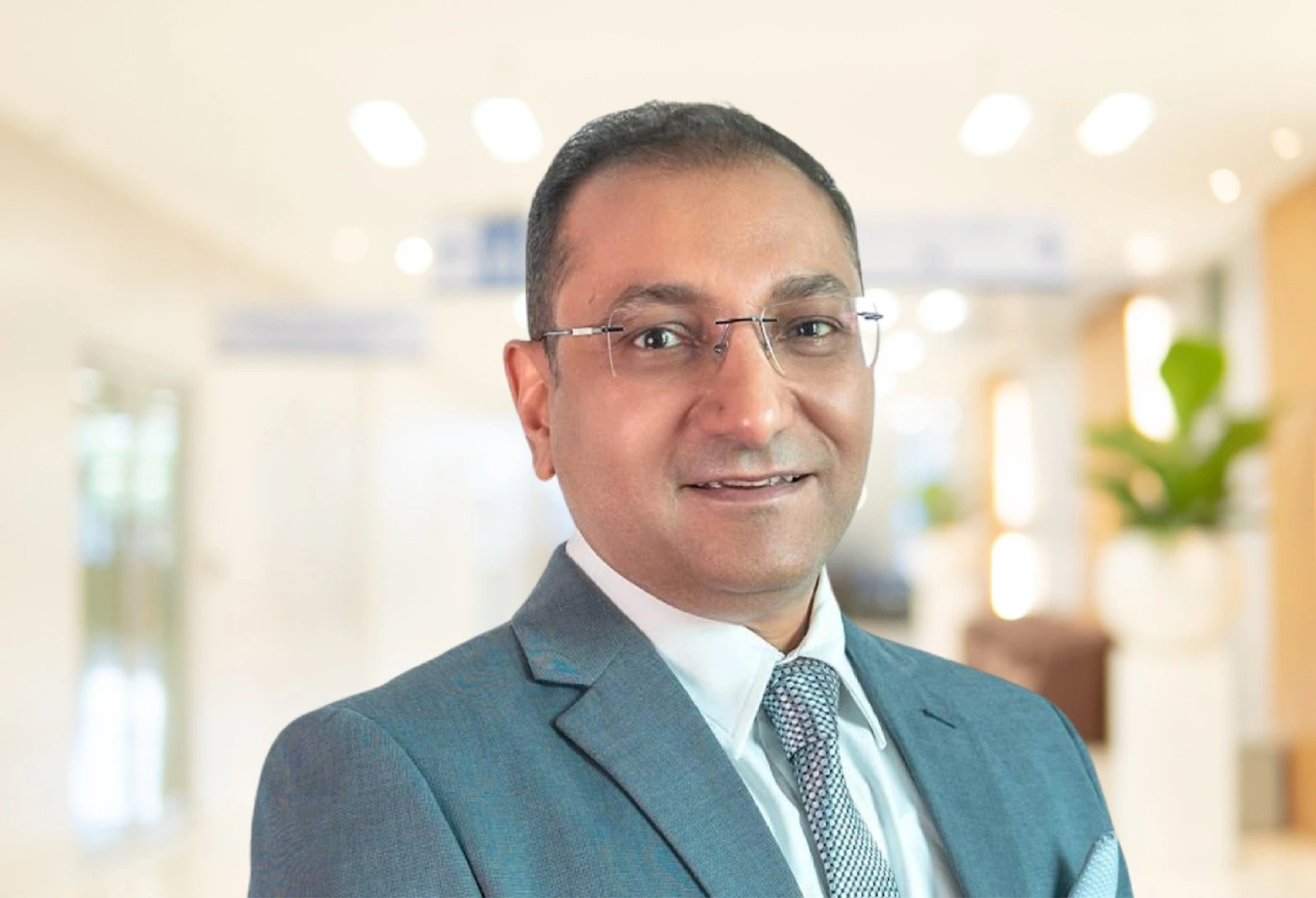
Dr. Manish Tripathi
Découvrez nos services
Services traitement de l'hypertension rénale complets au DCDC Dubai Healthcare City.


Tous les services realises par des specialistes agrees DHA
Qui devrait beneficier de Traitement de l'Hypertension Rénale ?
Consultez un néphrologue si votre tension est difficile à contrôler ou si vous avez des préoccupations rénales.
Hypertension avec maladie rénale connue
Pression artérielle non contrôlée par 3+ médicaments
Protéine dans les urines
Apparition d'hypertension à un jeune âge (<30)
Aggravation soudaine de la pression artérielle
Diabète et hypertension artérielle
Pourquoi Choisir DCDC pour l'Hypertension Rénale ?
Clinique de néphrologie licenciée MOHAP à Dubai Healthcare City avec expertise en TA résistante, dépistage artériel rénal et sécurité médicamenteuse. Rendez-vous le jour même si disponibles ; capacité limitée.
Licencié MOHAP
Établissement licencié au DHCC (licence MOHAP NIMY7VY5-240925) avec des normes de sécurité strictes.
Spécialistes TA Rénale
Néphrologues spécialisés dans l'hypertension liée aux reins et résistante.
Accès le Jour Même
Créneaux le jour même souvent disponibles ; cas urgents de TA prioritaires.
Sécurité Médicamenteuse
Combinaisons sûres pour les reins et contrôle de la protéinurie.
Surveillance Complète
Surveillance TA 24h, analyses et dépistage artériel rénal si nécessaire.
Emplacement DHCC Premium
Bâtiment 64, Bloc A, Dubai Healthcare City avec accès facile et parking.
Votre visite en tout confort
Un processus d'examen Traitement simple, etape par etape, concu pour le confort, la rapidite et la precision.
Frais de Consultation
Les tarifs Traitement à Dubaï varient selon le type de service et la couverture d'assurance pour différents types de services.
- Les tarifs varient selon le type d'examen et la necessite de produit de contraste
- Couverture d'assurance acceptee avec ordonnance et verification
- Tarifs transparents pour paiement direct avec devis instantane sur demande
Verification d'assurance en quelques minutes - Pas de frais caches - Reponse rapide sur WhatsApp
Guide du patient
Ce à Quoi S'attendre Lors de Votre Visite Hypertension
Évaluation de la TA axée sur les reins avec surveillance, sécurité médicamenteuse et objectifs clairs.
Assurance et localisation
Partenaires d'assurance
- •Plus de 20 assureurs à Dubaï dont Daman, AXA, ADNIC et d'autres
- •Assistance pré-autorisation et facturation directe (le cas échéant)
- •Vérification de la couverture avant votre rendez-vous dans notre clinique de Dubai Healthcare City
- •Tarification transparente sans frais cachés pour les services de traitement de l'hypertension rénale






Rendez-nous visite a Dubai Healthcare City
Doctors Clinic Diagnostic Center
Batiment 64, Bloc A, Al Razi Medical Complex, Dubai Healthcare City, Dubai, EAU
Pres de Oud Metha Road - Acces facile depuis Bur Dubai, Downtown Dubai, Business Bay - Parking gratuit dedie disponible
Horaires d'ouverture
Lun-Jeu, Sam : 8h - 22h30 | Dim : 8h30 - 22h30 | Ven : 9h - 22h
Comment fonctionne l'assurance chez DCDC
Vérifier la couverture
Vérifiez que votre plan couvre Traitement de l'Hypertension Rénale
Obtenir une référence
Certains assureurs exigent une référence du médecin — nous pouvons vous guider
Pré-autorisation
Nous gérons la pré-autorisation directement avec votre assureur
Facturation directe
Pas de paiement initial — nous facturons directement votre assureur
Co-paiement uniquement
Vous ne payez que le co-paiement applicable à la clinique
Vérifier la couverture
Vérifiez que votre plan couvre Traitement de l'Hypertension Rénale
Obtenir une référence
Certains assureurs exigent une référence du médecin — nous pouvons vous guider
Pré-autorisation
Nous gérons la pré-autorisation directement avec votre assureur
Facturation directe
Pas de paiement initial — nous facturons directement votre assureur
Co-paiement uniquement
Vous ne payez que le co-paiement applicable à la clinique
Your Specialist
Dr. Manish Tripathi
Specialist Nephrologist
MD, Specialist Nephrologist
English · Hindi
Guide du patient
Renal Hypertension: The Kidney-Blood Pressure Connection
The relationship between hypertension and kidney disease is one of the most important in medicine, creating a dangerous cycle where each condition worsens the other. High blood pressure damages the kidneys\
Hypertension is classified as either essential (primary) or secondary. Essential hypertension, which accounts for about 90-95% of cases, develops gradually over years from a combination of genetic predisposition, dietary factors (especially sodium intake), obesity, physical inactivity, and aging. Secondary hypertension is caused by an identifiable underlying condition, with kidney disease being the most common cause. Other secondary causes include renal artery stenosis, primary aldosteronism, pheochromocytoma, thyroid disorders, and sleep apnea. Identifying and treating secondary causes can dramatically improve blood pressure control.
Management of renal hypertension requires a comprehensive approach combining lifestyle modifications, targeted medications, and ongoing monitoring. First-line medications include ACE inhibitors and ARBs, which not only lower blood pressure but also protect kidneys by reducing proteinuria and intra-glomerular pressure. Diuretics are essential for managing the fluid retention that accompanies kidney disease. Calcium channel blockers, beta-blockers, and aldosterone antagonists may be added as needed. SGLT2 inhibitors have emerged as important kidney-protective agents with blood pressure-lowering benefits. Medication selection must consider renal function, electrolyte balance, and potential interactions, requiring nephrological expertise.
Monitoring blood pressure in kidney patients goes beyond occasional office readings. Home blood pressure monitoring with a validated device provides more accurate jour-to-jour data and improves medication adherence. Ambulatory 24-heure blood pressure monitoring identifies important patterns including nocturnal non-dipping (failure of blood pressure to decrease during sleep), which is common in kidney disease and associated with increased cardiovascular risk. Regular laboratory monitoring of kidney function, proteinuria, electrolytes, and medication levels ensures treatment safety and effectiveness. The target blood pressure for kidney patients is typically below 130/80 mmHg, with individualization based on age, proteinuria, and overall risk profile.
Hypertension-Related Conditions We Manage
Essential Hypertension with CKD
Blood pressure optimization in patients with chronic kidney disease using renal-protective medications and monitoring.
Resistant Hypertension
Investigation and management of blood pressure uncontrolled by three or more medications, including secondary cause screening.
Renal Artery Stenosis
Screening and management of narrowed kidney arteries causing renovascular hypertension through Doppler and angiography.
Hypertensive Nephrosclerosis
Management of kidney damage caused by long-standing high blood pressure with targeted BP control and monitoring.
Primary Aldosteronism
Screening and management of excess aldosterone production causing hypertension and potassium imbalance.
Diabetic Hypertension
Coordinated management of concurrent diabetes and hypertension with medications protecting both kidneys and heart.
Articles associés
Hypertension: The Silent Killer in Dubai
Understanding why high blood pressure is called the silent killer and how early detection saves lives.
Kidney Health Prevention Tips
Practical steps to protect your kidneys, including blood pressure management and lifestyle modifications.
Doppler Ultrasound: Assessing Blood Flow
How Doppler ultrasound evaluates blood flow in the kidneys and helps diagnose renal vascular conditions.
Diabetes Management in Dubai
Managing diabetes effectively to prevent hypertension and kidney damage through coordinated care.
Services connexes
Decouvrez d'autres services de diagnostic et de consultation disponibles dans notre clinique de Dubai Healthcare City.
Questions frequentes
Questions courantes sur Traitement de l'Hypertension Rénale a Dubai.
La pression élevée endommage les petits vaisseaux sanguins des reins, réduisant leur capacité à filtrer les déchets. Cela peut mener à la CKD.
C'est une hypertension qui reste élevée malgré la prise de trois médicaments différents. Cela nécessite souvent une investigation spécialisée.
La protéine dans l'urine (albuminurie) est l'un des premiers signes de dommage rénal causé par l'hypertension.
Non, votre TA est normale *grâce aux* médicaments. L'arrêt peut provoquer une poussée dangereuse. Consultez toujours votre médecin d'abord.
C'est un rétrécissement des artères qui alimentent les reins, pouvant causer une hypertension sévère. Nous pouvons en faire le dépistage.
Faits cles
Supervision medicale
Tous les services sont fournis sous la supervision de professionnels medicaux agrees dans notre etablissement accredite MOHAP.