
Points cles
- Premature ovarian failure (POI) affects roughly 1 in 100 women under 40 and requires prompt diagnosis to prevent long-term health complications.
- Diagnosis involves measuring FSH, AMH, and estradiol levels on two occasions at least four weeks apart, all available same-day at DCDC's on-site laboratory.
- Hormone replacement therapy (HRT) is the cornerstone of POI treatment and should continue until at least the natural age of menopause (around 51) to protect bones and heart.
- Approximately 5-10% of women with POI may still conceive spontaneously; fertility preservation options including egg freezing and donor-egg IVF should be discussed early.
- Bone density screening via DEXA scan is essential because estrogen loss accelerates osteoporosis risk significantly in young women with POI.
- Emotional support and mental health screening are integral to POI management, as the diagnosis can carry significant psychological impact, particularly for women still planning families.
- At DCDC in Dubai Healthcare City, Dr. Parisa Dini provides comprehensive POI evaluation, treatment, and follow-up with blood work, ultrasound, and specialist consultation in one visit.
Being told your ovaries are no longer functioning as expected before the age of 40 can feel overwhelming. Premature ovarian failure, now more accurately called premature ovarian insufficiency (POI), is not simply "early menopause." It is a distinct medical condition that affects hormone balance, bone health, cardiovascular risk, and fertility. The good news is that with early diagnosis and the right treatment plan, women with POI can live full, healthy lives. This guide explains everything you need to know about premature ovarian failure treatment in Dubai, from understanding the condition and its causes to the diagnostic tests, hormone therapy options, and fertility considerations available at Doctors Clinic Diagnostic Center (DCDC) in Dubai Healthcare City.
According to Dr. Parisa Dini, OB-GYN at DCDC, "Early diagnosis of premature ovarian insufficiency is crucial because timely hormone replacement can protect bone density and cardiovascular health while we explore every option to support the patient's fertility goals. POI is not just a reproductive issue; it is a whole-body health concern that requires a personalized, long-term management plan."
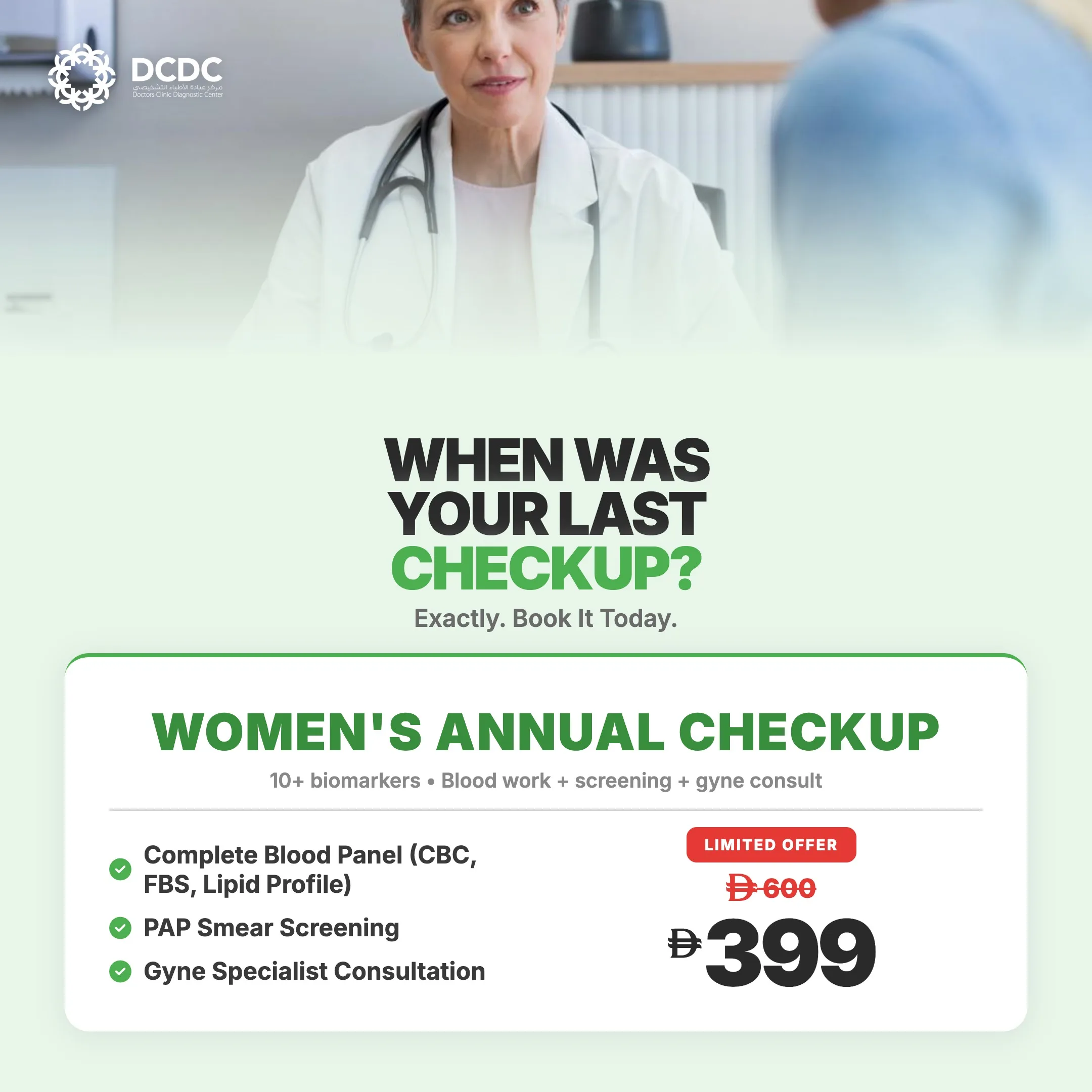
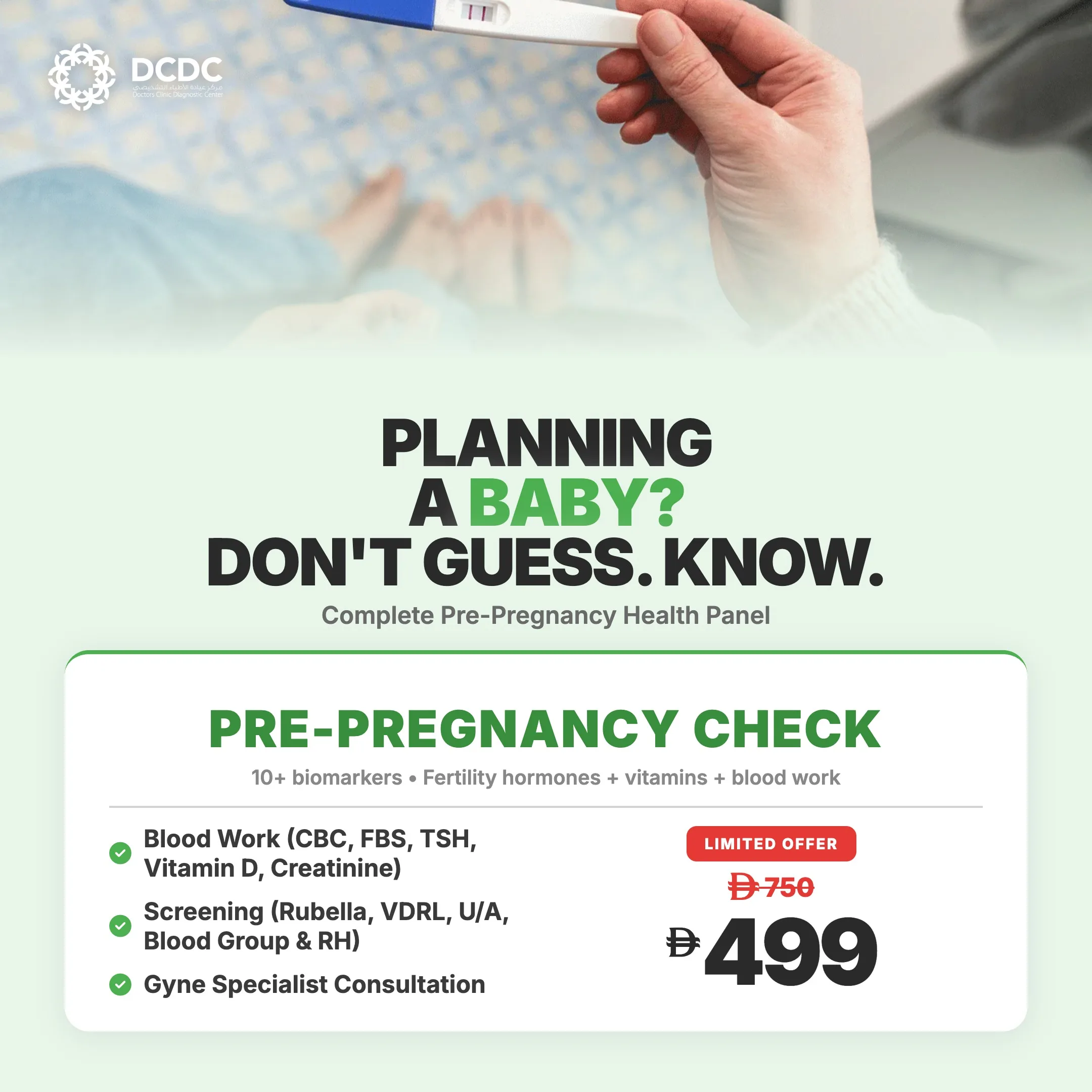
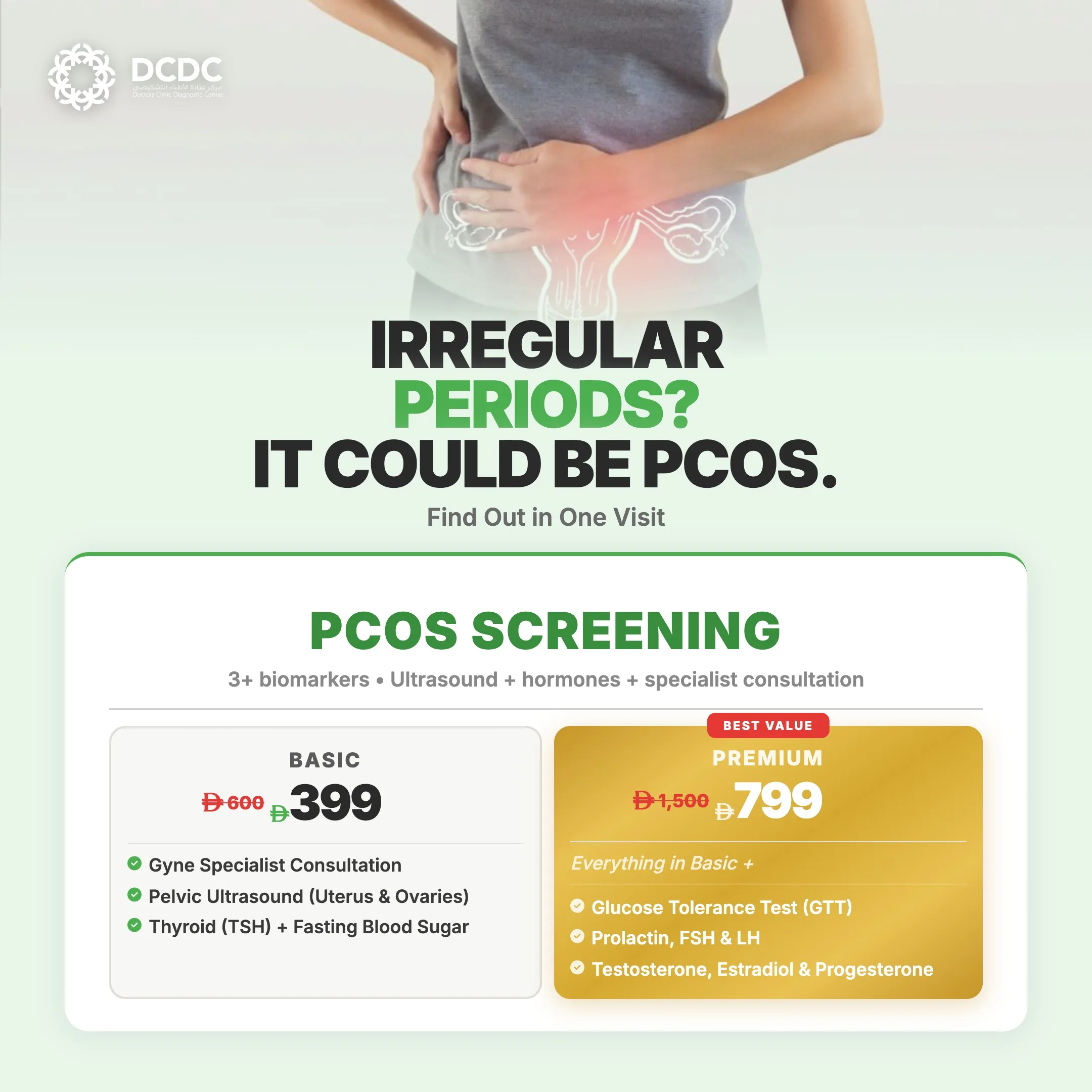
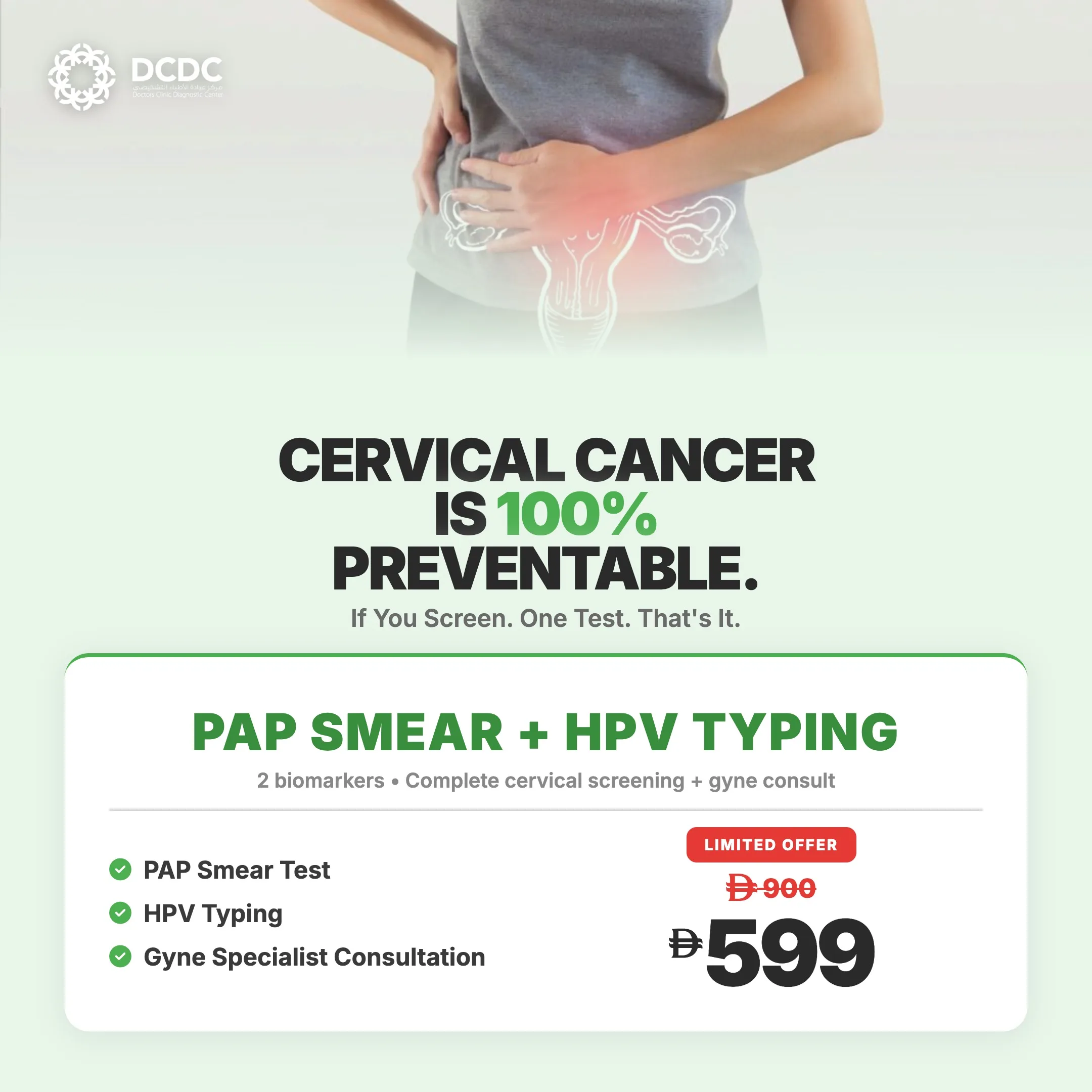
Health Screening Packages
Save with our bundled screening packages — specialist consultation included


What Is Premature Ovarian Failure (POI)?
Premature ovarian failure (POF), now referred to as premature ovarian insufficiency (POI) by the European Society of Human Reproduction and Embryology (ESHRE), is a condition in which the ovaries lose their normal function before the age of 40. This means they stop producing eggs regularly and reduce their output of the hormones estrogen and progesterone. The term "insufficiency" is preferred over "failure" because ovarian function can fluctuate unpredictably; some women with POI still have intermittent ovarian activity, and approximately 5-10% may conceive spontaneously.
POI is different from natural menopause, which typically occurs around age 51. In natural menopause, the ovaries gradually wind down over several years. In POI, the decline can be abrupt or erratic, and it happens decades earlier, exposing the body to prolonged estrogen deficiency. This estrogen gap has significant implications for bone density, cardiovascular health, brain function, and overall quality of life.
The condition affects approximately 1% of women under 40 and 0.1% of women under 30. While these numbers may seem small, POI has a profound impact on those diagnosed, particularly when it interrupts family planning. Understanding the difference between POI, diminished ovarian reserve (DOR), and perimenopause is essential for accurate diagnosis and appropriate treatment.
POI vs. Diminished Ovarian Reserve vs. Early Menopause
Diminished ovarian reserve (DOR) refers to a reduced number of remaining eggs but does not necessarily mean ovarian function has ceased. Women with DOR may still have regular cycles. POI, by contrast, involves both reduced egg supply and hormonal disruption, with irregular or absent periods. Early menopause (between ages 40-45) is a related but distinct category. All three conditions benefit from hormone-level testing, which is available same-day at DCDC's on-site laboratory.
What Causes Premature Ovarian Insufficiency?
In roughly half of all cases, the exact cause of POI remains unknown (idiopathic). However, several established risk factors and causes have been identified through research.
Genetic Factors
Chromosomal abnormalities account for a significant proportion of identifiable causes. Turner syndrome (45,X) and Fragile X premutation (FMR1 gene) are the most well-documented genetic links. Women who carry the Fragile X premutation have a 20-28% risk of developing POI. A family history of early menopause (mother or sister affected before 40) also increases risk.
Autoimmune Conditions
Up to 20% of POI cases are associated with autoimmune disorders. The body's immune system mistakenly attacks ovarian tissue. Common co-existing conditions include autoimmune thyroiditis (Hashimoto's), Addison's disease, type 1 diabetes, and rheumatoid arthritis. If you have one autoimmune condition, screening for POI may be advisable, and vice versa.
Iatrogenic Causes (Medical Treatments)
- Chemotherapy: Alkylating agents (such as cyclophosphamide) are particularly toxic to ovarian tissue. The risk depends on the drug type, dose, and the patient's age at treatment.
- Radiation therapy: Pelvic radiation can directly damage ovarian follicles. Total body irradiation before bone marrow transplant carries the highest risk.
- Ovarian surgery: Repeated surgeries for endometriosis, ovarian cysts, or ectopic pregnancy can reduce ovarian reserve. This is one reason conservative surgical approaches are preferred when possible.
Other Identified Causes
- Infections: Mumps oophoritis (rare in vaccinated populations), tuberculosis, and HIV have been associated with ovarian damage.
- Environmental toxins: Cigarette smoking, pesticides, and certain industrial chemicals may accelerate follicle depletion.
- Metabolic conditions: Galactosemia (a rare enzyme deficiency) is strongly associated with POI.
Signs and Symptoms of Premature Ovarian Failure
The symptoms of POI are largely driven by estrogen deficiency and can range from subtle to significantly disruptive. Many women first notice menstrual changes, but the symptom profile is broader than most expect.
Menstrual Irregularities
- Irregular periods (cycles shorter than 21 days or longer than 35 days)
- Skipped periods for three or more consecutive months (secondary amenorrhea)
- Lighter or heavier flow than previously normal
- Difficulty conceiving after 6-12 months of unprotected intercourse
Estrogen-Deficiency Symptoms
- Hot flashes and night sweats: Vasomotor symptoms affect up to 75% of women with POI.
- Vaginal dryness and discomfort during intercourse: Reduced estrogen thins the vaginal lining.
- Sleep disturbances: Often linked to night sweats but can also result from hormonal imbalance.
- Mood changes: Irritability, anxiety, difficulty concentrating, and depressive symptoms.
- Decreased libido: Related to both hormonal changes and psychological adjustment.
- Joint pain and dry skin: Estrogen supports collagen production and joint lubrication.
- Fatigue: Persistent low energy despite adequate rest.
Dr. Parisa Dini notes, "Many of my patients come in thinking their irregular periods are just stress-related. I encourage any woman under 40 who has missed three or more periods, or who is experiencing unexplained hot flashes, to get her hormone levels checked. Early detection gives us the most options for treatment and protection."
Concerned About Irregular Periods or Early Menopause Symptoms?
Book a gynecology consultation with Dr. Parisa Dini at DCDC Dubai Healthcare City. Same-day hormone testing available with our on-site laboratory.
How Is POI Diagnosed? Tests and Evaluation
Diagnosing premature ovarian insufficiency requires a combination of clinical evaluation, menstrual history, and specific blood tests. The European Society of Human Reproduction and Embryology (ESHRE) defines POI by three criteria: (1) age under 40, (2) menstrual disturbance (oligomenorrhea or amenorrhea for at least four months), and (3) elevated FSH levels on two measurements taken at least four weeks apart.
Key Diagnostic Blood Tests
- Follicle-Stimulating Hormone (FSH): Levels above 25-40 IU/L on two separate occasions (at least 4 weeks apart) confirm the diagnosis. FSH rises when the ovaries are not responding to normal hormonal signals.
- Anti-Mullerian Hormone (AMH): Reflects ovarian reserve. Very low or undetectable AMH levels support a diagnosis of POI and help assess remaining fertility potential.
- Estradiol (E2): Typically low in POI, confirming the ovaries are producing insufficient estrogen.
- Luteinizing Hormone (LH): Usually elevated alongside FSH.
- Thyroid function tests (TSH, free T4): To rule out thyroid disease, which can mimic or co-exist with POI.
- Anti-adrenal and anti-ovarian antibodies: If autoimmune cause is suspected.
- Karyotype analysis: Recommended for women diagnosed with POI under age 30 to check for Turner syndrome or other chromosomal variants.
- FMR1 gene testing: To screen for Fragile X premutation.
Imaging Studies
A transvaginal ultrasound assesses ovarian size and antral follicle count (AFC). Women with POI typically have small ovaries with few or no visible antral follicles. A DEXA scan (dual-energy X-ray absorptiometry) is recommended at diagnosis to establish baseline bone density, as estrogen deficiency accelerates bone loss. Both imaging modalities are available at DCDC.
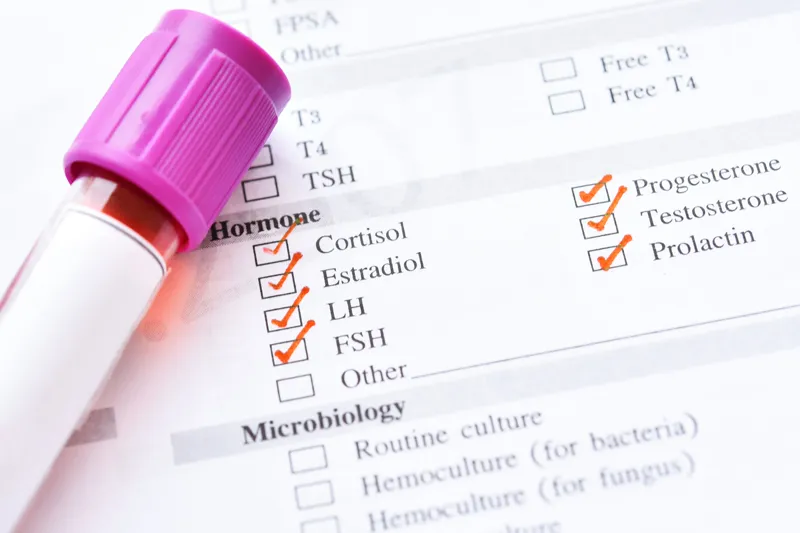
All diagnostic blood work, including FSH, AMH, estradiol, and thyroid panels, can be completed same-day at DCDC's on-site laboratory in Dubai Healthcare City. Results are typically available within hours, allowing Dr. Parisa Dini to discuss findings and begin treatment planning in a timely manner. If you are looking for comprehensive hormone testing in Dubai, DCDC offers a full panel with rapid turnaround.
Premature Ovarian Failure Treatment Options
The primary goals of POI treatment are to replace deficient hormones, manage symptoms, protect long-term health (especially bones and cardiovascular system), and address fertility where desired. Treatment is highly individualized, and Dr. Parisa Dini works with each patient to develop a plan that accounts for their age, symptoms, health history, and family-planning goals.
Hormone Replacement Therapy (HRT)
HRT is the cornerstone of POI management and is recommended by ACOG, ESHRE, and the International Menopause Society for all women with POI who do not have a contraindication. Unlike HRT for age-appropriate menopause, where the risk-benefit balance is carefully weighed, HRT for POI is considered hormone restoration rather than supplementation. These women are replacing hormones their body should still be making.
- Estrogen: Transdermal estradiol (patches or gel) is generally preferred over oral forms because it avoids first-pass liver metabolism and carries a lower risk of blood clots. Typical doses aim to achieve physiological estradiol levels (100-150 pg/mL).
- Progesterone: Required alongside estrogen in women who have a uterus to prevent endometrial hyperplasia. Micronized progesterone (oral) or the levonorgestrel IUS (Mirena) are common options.
- Combined oral contraceptives (COC): Sometimes used, particularly for younger women who also want contraception (spontaneous ovulation can still occur). However, COCs provide supraphysiological ethinylestradiol and do not replicate the natural hormone profile as closely as transdermal estradiol plus progesterone.
- Testosterone: May be considered for women with persistent low libido or fatigue despite adequate estrogen replacement, although evidence is still evolving.
HRT should typically continue until at least the natural age of menopause (around 50-51), at which point the risks and benefits are reassessed. Women with POI who take HRT until the average age of menopause are not at the increased breast cancer risk that has been associated with HRT use beyond the natural menopause age.
Managing Specific Symptoms
- Vaginal dryness: Topical estrogen (vaginal tablets, cream, or ring) can be used alongside systemic HRT for persistent symptoms.
- Mood and anxiety: HRT often improves mood. Cognitive behavioral therapy (CBT) and, when needed, antidepressants (SSRIs/SNRIs) may be helpful adjuncts.
- Sleep disturbances: Typically improve with HRT; sleep hygiene counseling is also part of comprehensive care.
For more on hormone therapy approaches, see our detailed guide on menopause treatment options in Dubai, which covers HRT types, delivery methods, and what to expect from therapy.
Fertility and Family Planning with POI
For many women, the most distressing aspect of a POI diagnosis is its impact on fertility. While the diagnosis is serious, it is important to understand that POI does not always mean permanent infertility.
Spontaneous Conception
Unlike definitive menopause, POI can involve intermittent ovarian activity. Studies indicate that 5-10% of women with POI will conceive spontaneously after diagnosis. However, this is unpredictable, and relying on spontaneous conception is not a recommended strategy for women who wish to become pregnant.
Fertility Preservation Options
- Egg freezing (oocyte cryopreservation): If diagnosed early and there is still some ovarian function, egg freezing may be possible. Success depends on the number and quality of eggs retrieved.
- Embryo freezing: For women in a relationship or using donor sperm, embryos can be created and frozen for future use.
- Donor-egg IVF: The most successful fertility treatment for women with established POI. Donor eggs are fertilized and transferred to the patient's uterus. Success rates are comparable to the donor's age group, often 50-60% per cycle.
- Adoption and surrogacy: Important family-building alternatives that should be discussed as part of comprehensive counseling.
Dr. Parisa Dini emphasizes early referral for fertility counseling: "I discuss fertility options with every patient at the time of diagnosis, regardless of whether they are currently planning a pregnancy. Waiting too long can close doors that might still be open."
Bone Health and Cardiovascular Risk in POI
The long-term health consequences of premature estrogen loss extend well beyond reproductive concerns. Two of the most significant risks are accelerated bone loss and increased cardiovascular disease.
Osteoporosis Risk
Estrogen plays a critical role in maintaining bone density. Women with POI who do not receive HRT lose bone at an accelerated rate and are at significantly higher risk of developing osteoporosis and sustaining fractures at a younger age than the general population. ACOG and ESHRE recommend baseline DEXA scanning at diagnosis and follow-up scans every 2-3 years. DEXA scanning is available at DCDC and takes approximately 10-15 minutes.
- Start HRT promptly to slow bone loss.
- Ensure adequate calcium intake (1,000-1,200 mg/day through diet and supplements if needed).
- Maintain vitamin D levels above 30 ng/mL (vitamin D testing available at DCDC).
- Engage in weight-bearing exercise (walking, jogging, resistance training) for at least 30 minutes most days.
- Avoid smoking and excessive alcohol, both of which accelerate bone loss.
Cardiovascular Health
Estrogen has a protective effect on the cardiovascular system. Women who lose estrogen prematurely have a higher risk of coronary heart disease, stroke, and cardiovascular mortality compared to women who reach menopause at the normal age. Studies show that women with untreated POI have up to a 50% higher risk of cardiovascular death. HRT mitigates this risk significantly when started at the time of diagnosis.
DCDC's menopause management service includes cardiovascular risk assessment as part of the comprehensive POI evaluation. Lipid profiles, blood pressure monitoring, and glucose testing are all available on-site. If you are also experiencing early signs such as those described in our guide on perimenopause symptoms, timely evaluation can help differentiate between perimenopause and POI.
Lifestyle Management and Self-Care for POI
While medical treatment (particularly HRT) is the foundation of POI management, lifestyle modifications play an important supporting role in symptom relief and long-term health.
Nutrition
- Calcium-rich foods: Dairy products, sardines, leafy greens, and fortified plant milks support bone health.
- Vitamin D: Fatty fish, fortified foods, and safe sun exposure. Supplementation is often necessary in Dubai despite the sunshine, as indoor lifestyles and sun avoidance limit natural synthesis.
- Phytoestrogens: Soy products, flaxseeds, and chickpeas contain plant-based estrogens that may offer modest symptom relief, though they are not a substitute for HRT.
- Omega-3 fatty acids: Found in oily fish, walnuts, and chia seeds, omega-3s support cardiovascular health and may help with joint pain.
- Limit processed foods, sugar, and excessive caffeine: These can worsen hot flashes, mood swings, and sleep disturbances.
Exercise
Regular physical activity is essential for women with POI. Weight-bearing exercises (walking, jogging, dance, resistance training) protect bone density. Cardiovascular exercise supports heart health. Yoga, Pilates, and tai chi can help manage stress and improve flexibility. Aim for at least 150 minutes of moderate-intensity exercise per week, as recommended by the World Health Organization.
Stress Management and Sleep
Chronic stress worsens POI symptoms, including hot flashes and mood disturbances. Mindfulness meditation, deep breathing exercises, and adequate sleep (7-9 hours) are important components of a holistic management plan. Keeping the bedroom cool and wearing breathable sleepwear can help manage night sweats.
Emotional and Psychological Impact of POI
A diagnosis of premature ovarian insufficiency carries significant emotional weight. Women may experience grief over lost fertility, anxiety about long-term health, changes in self-image, and relationship stress. Research published in Human Reproduction indicates that women with POI have higher rates of depression and anxiety compared to age-matched controls.
- Grief and loss: Even women who have completed their families may mourn the loss of reproductive potential and the premature end of a life stage.
- Identity concerns: Feeling "old before your time" is a common sentiment, particularly for women in their 20s and 30s.
- Relationship impact: Changes in libido, mood, and fertility can strain partnerships. Open communication and couples counseling may help.
- Social isolation: POI is relatively uncommon, and women may feel they lack peers who understand their experience.
Dr. Parisa Dini integrates mental health screening into every POI consultation: "I ask about mood, sleep, and quality of life at every visit. If a patient is struggling emotionally, I refer to a mental health professional alongside continuing medical treatment. No one should navigate this alone."
Support groups, both in-person and online, can be valuable. Organizations such as the Daisy Network (UK) and the POI Support Group offer resources and community connections. In Dubai, DCDC's holistic approach means patients have access to multidisciplinary support within a single facility. For women who also have related conditions, our guides on PCOS diagnosis and ovarian cyst treatment provide additional context on overlapping gynecological concerns.
POI Treatment Costs at DCDC Dubai
Understanding the financial aspect of care is an important part of planning your treatment. DCDC offers transparent pricing and direct billing with over 20 insurance providers, including Daman, AXA, and Bupa. Below is an overview of typical costs for POI-related services.
| Service | Approximate Cost (AED) | Notes |
|---|---|---|
| Gynecologist Consultation | From AED 500 | Initial assessment with Dr. Parisa Dini |
| Hormone Panel (FSH, AMH, Estradiol, LH) | AED 299-600 | Same-day results from on-site lab |
| Thyroid Function Tests | AED 150-300 | TSH, free T4 included in many panels |
| Transvaginal Ultrasound | AED 400-700 | Antral follicle count and ovarian assessment |
| DEXA Scan (Bone Density) | AED 400-800 | Baseline and follow-up every 2-3 years |
| Women's Health Screening Package | AED 299-1,499 | Comprehensive packages with bundled savings |
| Follow-up Consultation | From AED 300 | Ongoing monitoring and HRT adjustment |
Approximate costs for POI-related services at DCDC Dubai Healthcare City. Prices may vary; confirm at booking. Insurance direct billing available with 20+ providers.
DCDC's women's health packages (AED 299-1,499) bundle multiple tests and consultations at reduced rates, which can be particularly cost-effective for the comprehensive workup required in POI. All pricing is transparent, and the front desk team can confirm coverage with your insurance provider before your appointment.
Book Your POI Evaluation at DCDC
Comprehensive hormone testing, DEXA scan, and specialist consultation available under one roof at DCDC Dubai Healthcare City. Direct insurance billing with 20+ providers. Call or WhatsApp to schedule.
What to Expect at DCDC Dubai Healthcare City
Visiting DCDC for a premature ovarian failure evaluation is designed to be efficient, thorough, and supportive. Here is what a typical first visit looks like.
Before Your Visit
- Book your appointment by phone or WhatsApp. The reception team can verify your insurance coverage in advance.
- If you have previous blood work, ultrasound reports, or medical records, bring them along or email them ahead of time.
- Write down your menstrual history (dates of last few periods, any changes in cycle length or flow) and any symptoms you have noticed.
During Your Visit
- Consultation with Dr. Parisa Dini: A thorough review of your menstrual history, symptoms, medical background, family history, and fertility goals. This typically takes 30-45 minutes.
- Blood work: FSH, AMH, estradiol, LH, thyroid panel, and any additional tests are drawn on-site. Results are usually available the same day or within 24 hours.
- Ultrasound: A transvaginal ultrasound to assess ovarian volume and antral follicle count, performed in the same building.
- DEXA scan: If POI is confirmed or strongly suspected, a bone density scan may be scheduled during the same visit.
- Discussion and plan: Dr. Parisa Dini reviews available results, explains the diagnosis, and outlines a preliminary treatment plan including HRT options and any further testing needed.
After Your Visit
- You will receive a detailed report and follow-up plan.
- HRT prescriptions can be started immediately if indicated.
- Follow-up appointments are typically scheduled at 6-8 weeks after starting HRT to assess symptom response, then every 3-6 months for ongoing monitoring.
- Referrals for fertility counseling, genetic testing, or mental health support are arranged as needed.
DCDC is located in Building 64, Block A, Dubai Healthcare City. The clinic offers free parking, extended hours, and a one-stop diagnostic approach, meaning blood work, ultrasound, and specialist consultation happen in one visit rather than across multiple facilities and appointments. With a 4.8/5 Google rating from over 1,000 verified reviews and a 98% patient satisfaction rate, DCDC is one of Dubai's most trusted multi-specialty clinics.
When to See a Gynecologist About POI
Early evaluation is critical for the best outcomes. You should consult a gynecologist if you are under 40 and experiencing any of the following.
- You have missed three or more consecutive menstrual periods without being pregnant.
- Your periods have become significantly irregular after previously being regular.
- You are experiencing hot flashes, night sweats, or vaginal dryness before age 40.
- You have been trying to conceive for 6-12 months without success.
- You have a family history of early menopause or premature ovarian failure.
- You have undergone chemotherapy, radiation therapy, or ovarian surgery.
- You have an autoimmune condition and are noticing menstrual changes.
- You have been told you have low AMH or elevated FSH levels.
The sooner POI is diagnosed, the sooner hormone replacement can begin, minimizing the period of estrogen deficiency and its impact on bones, heart, and quality of life. At DCDC, Dr. Parisa Dini and the women's health team are experienced in recognizing, diagnosing, and managing premature ovarian insufficiency with a compassionate, evidence-based approach. As a MOHAP-licensed facility, DCDC upholds the highest clinical standards while providing accessible, patient-centered care.
Frequently Asked Questions About Premature Ovarian Failure
Services associés au DCDC
Soins spécialisés et diagnostics avancés à Dubai Healthcare City
Menopause Management
Personalized HRT, bone health screening and symptom relief for menopause and premature ovarian failure.
Prendre rendez-vousHormone Testing
FSH, AMH, estradiol and full hormone panel with same-day results at DCDC.
Prendre rendez-vousFertility Testing
Comprehensive fertility hormone panel including AMH, FSH, and ovarian reserve assessment.
Prendre rendez-vousFrequently Asked Questions
Taking Control of Your Health with POI
Premature ovarian insufficiency is a life-changing diagnosis, but it does not define your future. With early detection, appropriate hormone replacement therapy, proactive bone and cardiovascular monitoring, and emotional support, women with POI can maintain excellent health and quality of life.
The most important step is getting evaluated promptly. If you are under 40 and experiencing irregular periods, unexplained menopausal symptoms, or difficulty conceiving, schedule a consultation with a gynecologist experienced in managing POI.
At DCDC in Dubai Healthcare City, Dr. Parisa Dini and the women's health team provide comprehensive, compassionate care for premature ovarian insufficiency, from initial diagnosis through long-term management. With same-day hormone testing, on-site DEXA scanning, and a multidisciplinary approach, DCDC ensures you receive everything you need in one visit. Your health is too important to wait.
Sources et references
Cet article a ete revise par notre equipe medicale et fait reference aux sources suivantes :
- ESHRE Guideline: Management of Women with Premature Ovarian Insufficiency (2024)
- ACOG Committee Opinion: Primary Ovarian Insufficiency in Adolescents and Young Women
- Mayo Clinic: Primary Ovarian Insufficiency - Symptoms and Causes
- NHS: Premature Ovarian Insufficiency
- Cleveland Clinic: Primary Ovarian Insufficiency (POI)
- The Lancet: Premature Ovarian Insufficiency - Review
Le contenu medical de ce site est revise par des medecins agrees DHA. Voir notre politique editoriale pour plus d'informations.

Redige par
Dr. Parisa Dini
OB-GYN
MD, OB-GYN
Dr. Parisa Dini is an OB-GYN at Doctors Clinic Diagnostic Center (DCDC) in Dubai Healthcare City.
Related Articles

Menopause Treatment Dubai: Symptoms & HRT Options

Perimenopause Symptoms Dubai: Signs & Care
Hormone Test Dubai: Types, Cost & Guide
PCOS Treatment & Diagnosis Dubai: Guide
Women's Health Screening Dubai: Tests by Age
More in Gynecology

Menstrual Cramps Dubai: Relief & When to Worry (2026)
Lire la suiteIrregular Periods Treatment Dubai (2026)
Lire la suiteOvarian Cyst Dubai: Symptoms & Treatment (2026)
Lire la suite
Uterine Fibroids Dubai: Treatment Guide (2026)
Lire la suiteBest Gynecologist in Dubai: Dr. Parisa Dini at DCDC (2026)
Lire la suiteFemale Gynecologist in Dubai: Dr. Parisa Dini at DCDC Healthcare City (2026)
Lire la suite© 2026 Doctors Clinic Diagnostic Center (DCDC), Dubai Healthcare City. Originally published at https://doctorsclinicdubai.ae/blog/premature-ovarian-failure-dubai. All rights reserved. Unauthorized reproduction is prohibited.