Points cles
- Vaginal and C-section deliveries require different recovery approaches — C-section recovery takes longer due to abdominal surgery
- Gentle pelvic floor exercises can begin within days of a vaginal delivery, but wait for wound comfort after C-section
- A formal postnatal physiotherapy assessment at 6 weeks postpartum catches diastasis recti and pelvic floor issues early
- Running and high-impact exercise should wait until at least 12 weeks postpartum — and only after pelvic floor screening
- Diastasis recti (abdominal separation) affects 60% of women at 6 weeks postpartum and needs specific rehabilitation
- Breastfeeding does not prevent you from exercising — just feed or pump before your workout
- Progressive return to exercise follows a clear timeline: weeks 1–2, weeks 3–6, months 2–3, months 4–6
You have just had a baby. Your body has done something extraordinary, and now it needs to recover. But the advice you are getting is confusing: rest completely, or get moving? When is it safe to exercise? Why does your stomach still look pregnant? And why does nobody talk about the fact that you leak every time you pick up your newborn? Book at DCDC.
Postnatal recovery is not about bouncing back — it is about rebuilding. Your body took nine months to change, and it needs time and targeted rehabilitation to recover properly. At DCDC's Obstetrics & Gynaecology department, we guide new mothers through evidence-based postnatal recovery that respects healing timelines while getting you stronger, not just thinner.
Health Screening Packages
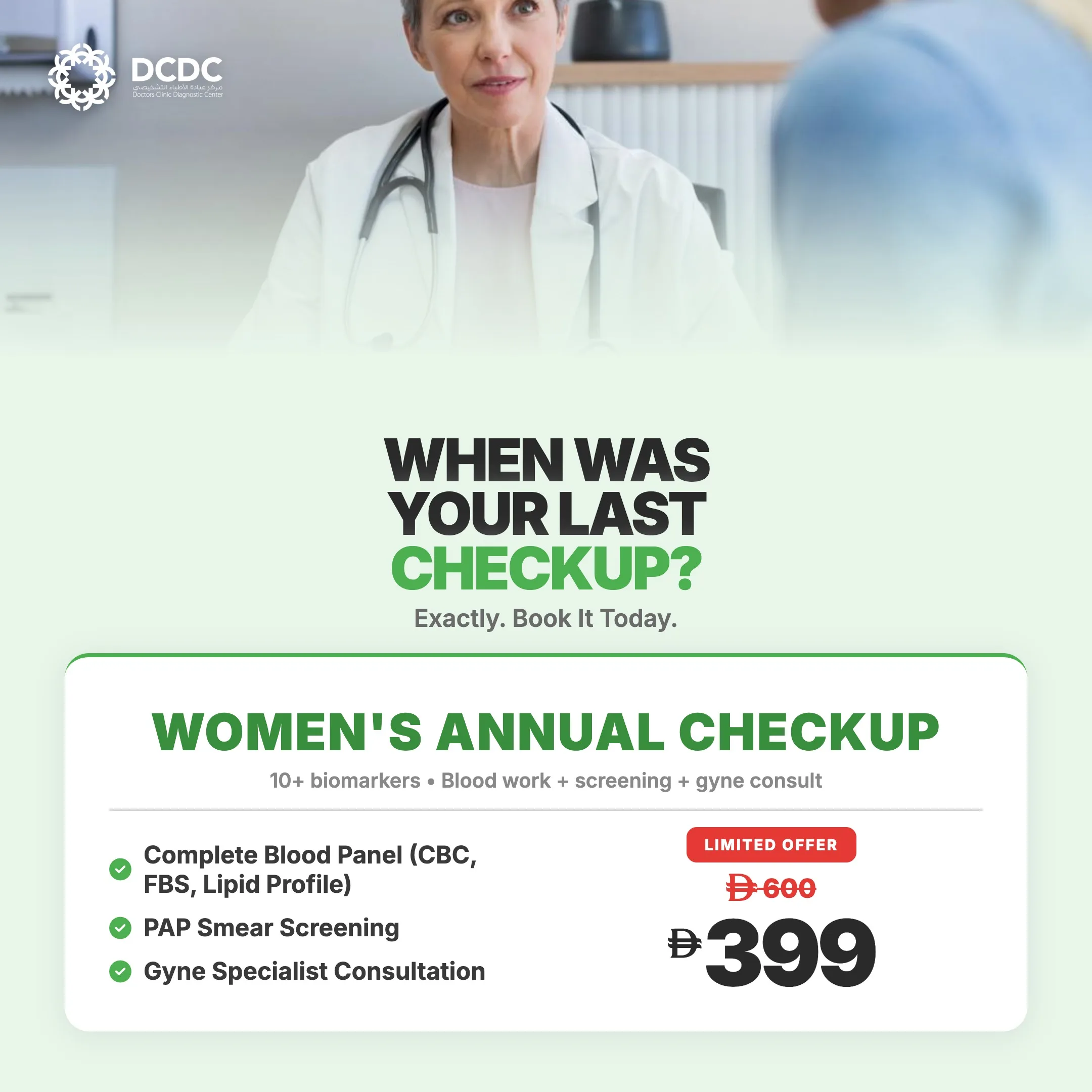
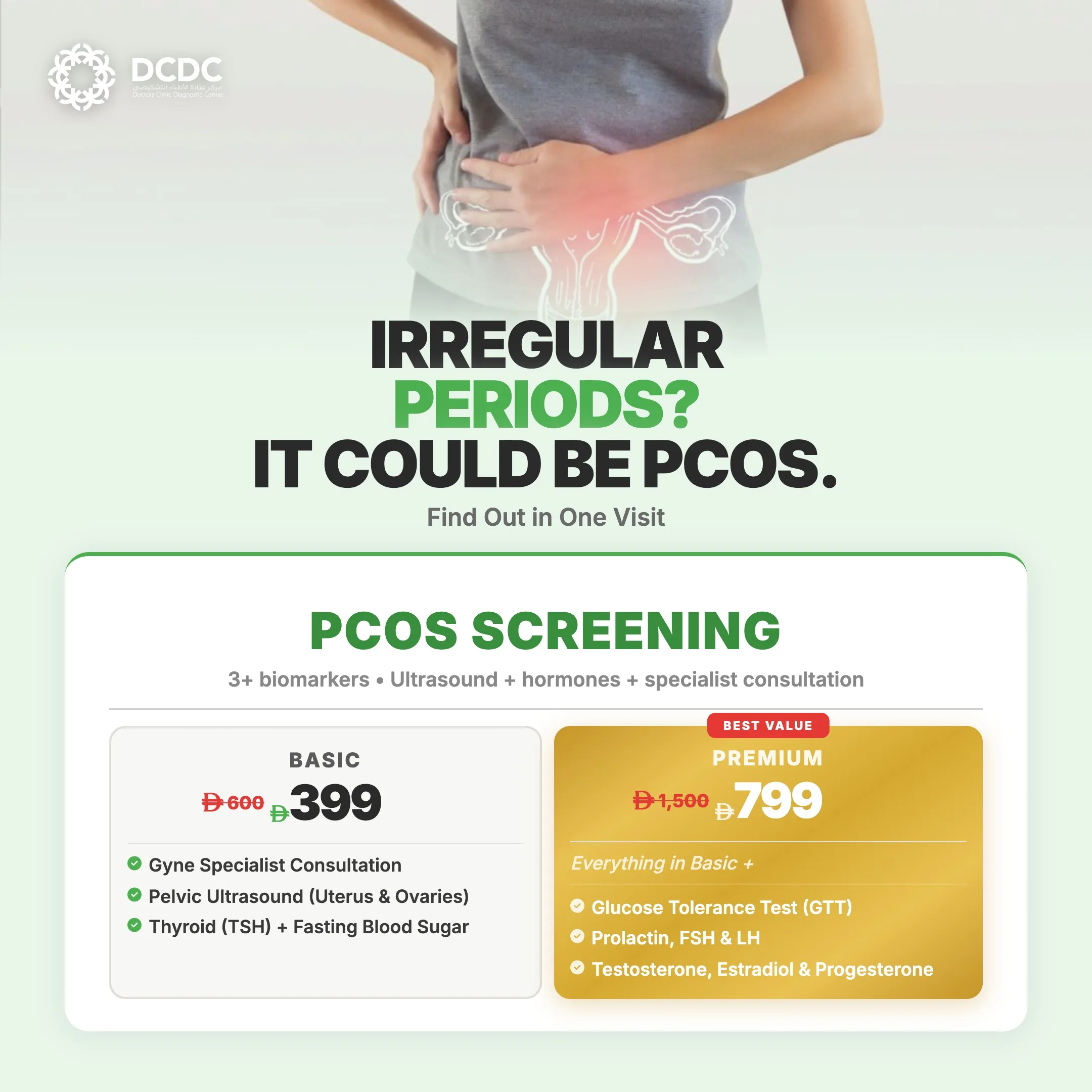
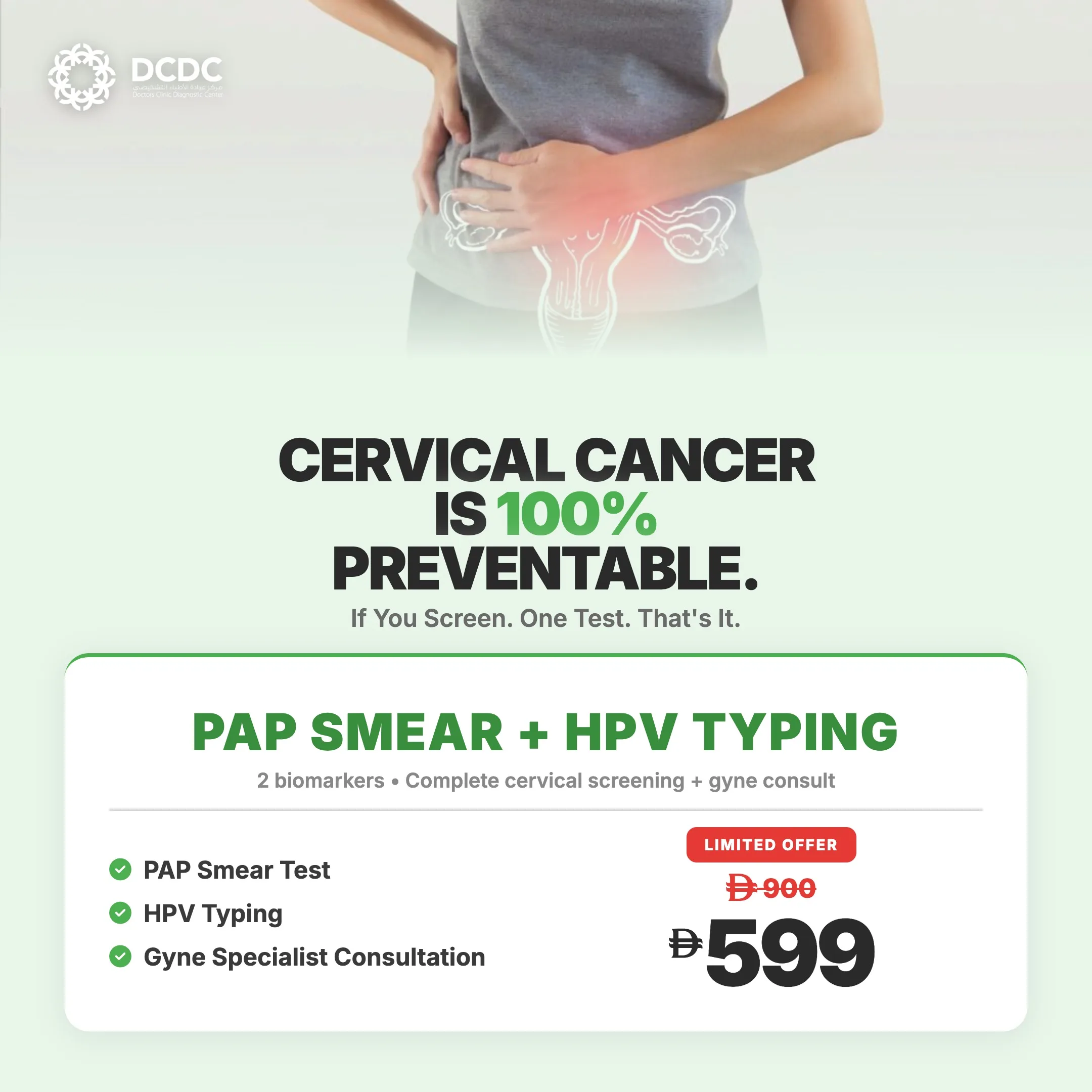
Save with our bundled screening packages — specialist consultation included



How Does Recovery Differ Between Vaginal and C-Section Delivery?
The type of delivery significantly affects your recovery timeline and what exercises are safe to begin with. A vaginal delivery primarily affects the pelvic floor, while a C-section involves major abdominal surgery requiring wound healing before core rehabilitation can begin. Both need targeted physiotherapy, but the approach and timing differ.
| Recovery Factor | Vaginal Delivery | C-Section Delivery |
|---|---|---|
| Pelvic floor exercises | Can begin within 1–2 days | Wait until wound comfortable (1–2 weeks) |
| Walking | Same day or next day | Day 1 post-surgery (short, gentle) |
| Light exercise | From 2–3 weeks | From 4–6 weeks (after wound check) |
| Core rehabilitation | From 6 weeks | From 8–10 weeks |
| Return to gym/running | From 12 weeks (with screening) | From 16 weeks (with screening) |
| Full recovery | 3–6 months | 6–12 months |
| Key concern | Pelvic floor weakness, perineal healing | Scar tissue, abdominal wall reconnection |
When Should You Start Exercising After Giving Birth?
The short answer: gently and immediately, but progressively. Gentle walking and pelvic floor exercises can begin within days of delivery. But jumping into your pre-pregnancy workout at six weeks because your doctor "cleared" you is a recipe for injury. The six-week check confirms your wound has healed — it does not mean your deep core and pelvic floor have recovered.
This is why we recommend a dedicated postnatal physiotherapy assessment at 6 weeks. A physiotherapist will check your pelvic floor strength, test for diastasis recti, and create a progressive exercise plan based on your actual recovery — not an arbitrary timeline.
What Does a Progressive Postnatal Exercise Plan Look Like?
Postnatal exercise should progress through four distinct phases. Rushing through phases or skipping the foundations leads to problems like persistent incontinence, prolapse, and ongoing back pain. The following timeline applies to uncomplicated vaginal deliveries — add 2–4 weeks for C-section recovery.
Phase 1: Weeks 1–2 (Recovery)
- Gentle pelvic floor contractions (if comfortable) — 5 second holds, 5 repetitions, 3 times daily
- Diaphragmatic breathing to reconnect the deep core
- Short walks (5–10 minutes), gradually increasing
- Gentle stretching for neck, shoulders, and upper back (counteracting feeding posture)
Phase 2: Weeks 3–6 (Foundation)
- Progress pelvic floor exercises to 8–10 second holds, 10 repetitions
- Gentle core activation: pelvic tilts, heel slides, single leg extensions (supine)
- Walking 20–30 minutes at a comfortable pace
- Glute bridges, wall push-ups, and supported squats
- Book a postnatal physiotherapy assessment at 6 weeks
Phase 3: Months 2–3 (Rebuilding)
- Light resistance training with bodyweight or resistance bands
- Modified Pilates and yoga (avoid deep twists and full planks until core is assessed)
- Swimming (once lochia has stopped and any wounds have healed)
- Increase walking duration and pace
- Continue daily pelvic floor exercises
Phase 4: Months 4–6 (Return to Full Activity)
- Gradual return to running (after completing a return-to-running screening)
- Resume gym workouts with appropriate modifications
- Introduce higher-impact exercise progressively
- Continue core and pelvic floor strengthening as part of every workout
What Is Diastasis Recti and How Is It Screened?
Diastasis recti is the separation of the two sides of the rectus abdominis (six-pack) muscle along the midline of the abdomen. It affects approximately 60% of women at 6 weeks postpartum and 30% at 12 months. The separation happens because the growing uterus stretches the connective tissue (linea alba) between the muscles. Symptoms include a visible ridge or dome along the midline when you sit up, persistent "mummy tummy," lower back pain, and a feeling of core weakness.
Your physiotherapist will check for diastasis by measuring the gap between the muscles at three points above and below your belly button. A gap wider than two finger-widths at 6 weeks postpartum warrants targeted rehabilitation. Read our detailed guide on diastasis recti treatment for the full programme.
How Does the Pelvic Floor Recover After Delivery?
Vaginal delivery stretches the pelvic floor muscles up to three times their resting length. Even without tearing, this causes temporary weakness that takes 3–6 months to recover fully with regular exercises. Women who had instrumental deliveries (forceps or vacuum) or significant tearing may need longer. A pelvic floor assessment at 6 weeks identifies any dysfunction and guides your rehabilitation.
- Start early: Begin gentle pelvic floor contractions within the first week, even if sensation is reduced
- Be consistent: Three sets of 10 repetitions daily for at least 3 months
- Progress gradually: Move from lying to sitting to standing positions as strength improves
- Integrate with function: Practise engaging your pelvic floor before lifting your baby, coughing, or sneezing
Can You Exercise While Breastfeeding?
Yes. Moderate exercise does not affect milk supply, milk composition, or your baby's acceptance of breast milk. This has been thoroughly studied and confirmed. The only practical consideration is comfort — exercise in a supportive sports bra and try to feed or pump before your workout so your breasts are not uncomfortably full.
When Is It Safe to Return to Running and the Gym?
The 2019 guidelines from Grainne Donnelly and colleagues recommend waiting at least 12 weeks before returning to running after delivery, and only after passing a postnatal screening that includes pelvic floor assessment, single-leg balance test, single-leg calf raises (20 reps), and single-leg bridge (20 reps). Returning to running too early is a significant risk factor for pelvic organ prolapse and stress incontinence.
For gym workouts, a progressive approach is safest. Start with machines and lighter weights before returning to free weights and compound movements. Avoid heavy overhead pressing and Valsalva breathing until your core and pelvic floor can manage the increased intra-abdominal pressure.
Book Your Postnatal Assessment
At DCDC in Dubai Healthcare City, our physiotherapists provide comprehensive postnatal assessments at 6 weeks, including diastasis recti screening and pelvic floor evaluation, to create your personalised recovery plan.
Services associés au DCDC
Soins spécialisés et diagnostics avancés à Dubai Healthcare City
Frequently Asked Questions
Recovery Is Not a Race
Your body grew and delivered a human being. That deserves respect, patience, and proper rehabilitation. The pressure to "bounce back" ignores the reality of what your muscles, joints, and connective tissue have been through.
A structured postnatal recovery programme does not just get you back to exercise — it protects you from the pelvic floor problems, chronic back pain, and persistent abdominal weakness that affect women who skip rehabilitation. Book your postnatal assessment at DCDC's Pelvic Health clinic and invest in your long-term recovery.
Sources et references
Cet article a ete revise par notre equipe medicale et fait reference aux sources suivantes :
- ACOG: Physical Activity and Exercise During Pregnancy and the Postpartum Period
- Donnelly et al: Returning to Running Postnatal Guidelines (BJSM 2019)
- Cochrane Review: Pelvic Floor Muscle Training for Postnatal Urinary Incontinence
- Sperstad et al: Diastasis Recti Abdominis During Pregnancy and 12 Months After Childbirth (BJSM 2016)
- NICE Guidelines: Postnatal Care (NG194)
Le contenu medical de ce site est revise par des medecins agrees DHA. Voir notre politique editoriale pour plus d'informations.

Redige par
Dr. Parisa Dini
Gynecology & Obstetrics
MD, OB-GYN
Dr. Parisa Dini is a Gynecologist at Doctors Clinic Diagnostic Center (DCDC) in Dubai Healthcare City, providing comprehensive women's health care services including prenatal care, screening, and preventive gynecology.
Related Articles
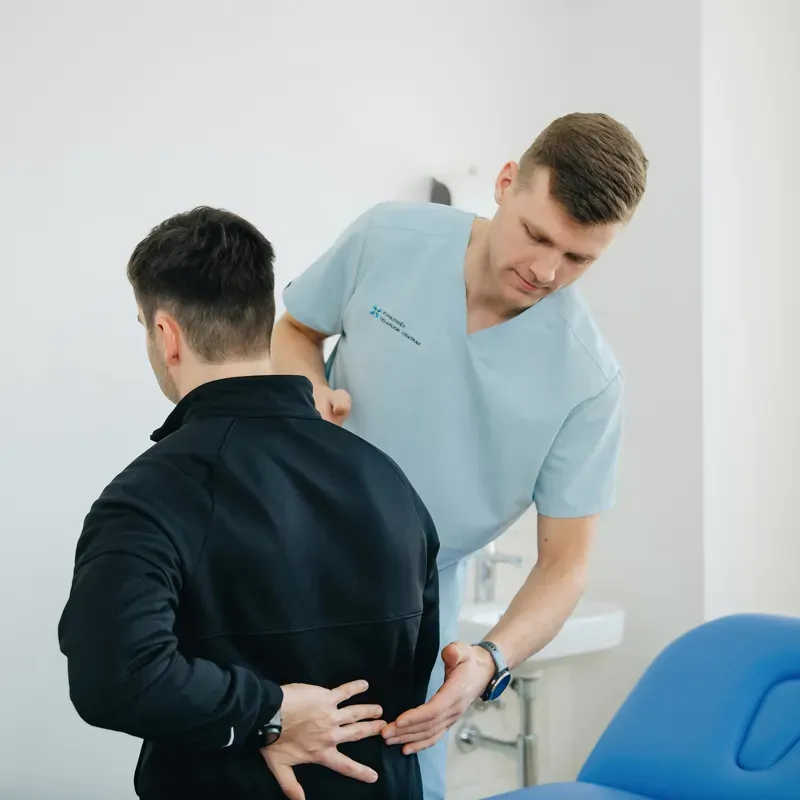
Complete Guide to Physiotherapy in Dubai: Types, Costs & What to Expect
Diastasis Recti: How Physiotherapy Helps Recovery
Pelvic Floor Physiotherapy Dubai: Complete Guide

Prenatal Physiotherapy Exercises for a Healthy Pregnancy
More in Women's Health

Perimenopause vs Menopause Dubai: Signs (2026)
Lire la suite
Mother & Baby Home Care Dubai: Guide (2026)
Lire la suite
Gestational Diabetes Dubai: Screening (2026)
Lire la suite
Mammogram Preparation Dubai: What to Expect (2026)
Lire la suite
CA-125 Test Dubai: Ovarian Cancer Marker (2026)
Lire la suiteMammogram vs Breast Ultrasound Dubai (2026)
Lire la suite© 2026 Doctors Clinic Diagnostic Center (DCDC), Dubai Healthcare City. Originally published at https://doctorsclinicdubai.ae/blog/postnatal-recovery-physiotherapy. All rights reserved. Unauthorized reproduction is prohibited.