Points cles
- An ENT doctor (otolaryngologist) specialises in diagnosing and treating conditions of the ear, nose, throat, head, and neck — from chronic sinusitis and ear infections to hearing loss, tonsillitis, voice disorders, and sleep apnea.
- Dubai's climate — air conditioning, desert dust, high humidity, and chlorinated pools — contributes to a high prevalence of sinus congestion, allergic rhinitis, ear infections, and throat irritation that often require ENT evaluation.
- See an ENT specialist (rather than a GP) when symptoms persist beyond 2-3 weeks, recur frequently, affect hearing or breathing, involve unexplained neck lumps, or when initial GP treatment has not resolved the problem.
- An ENT consultation in Dubai costs from AED 300. During the visit, expect a detailed history, physical examination with an otoscope and nasal endoscope, and possibly same-day diagnostic tests such as audiometry or allergy testing.
- Most ENT conditions are treatable with medication, lifestyle changes, or minor procedures — early specialist evaluation prevents complications like hearing damage, chronic infections, and sleep-disordered breathing.
- DCDC Dubai Healthcare City offers comprehensive ENT services including consultation, allergy testing, hearing assessments, and snoring/sleep apnea evaluation — all under one roof in Building 47.
Ear, nose, and throat problems are among the most common reasons for doctor visits in Dubai — and the city's unique environment makes them even more prevalent. Constant air conditioning dries out nasal passages, desert dust triggers allergic rhinitis, chlorinated pool water causes swimmer's ear, and the rapid indoor-outdoor temperature swings irritate the throat. If you have been dealing with recurring sinus headaches, persistent ear pain, snoring that wakes your partner, a hoarse voice that will not clear, or hearing that seems to be fading — this guide explains when you need an ENT specialist rather than a GP, what happens during an ENT consultation, and the diagnostic tests and treatments available in Dubai.
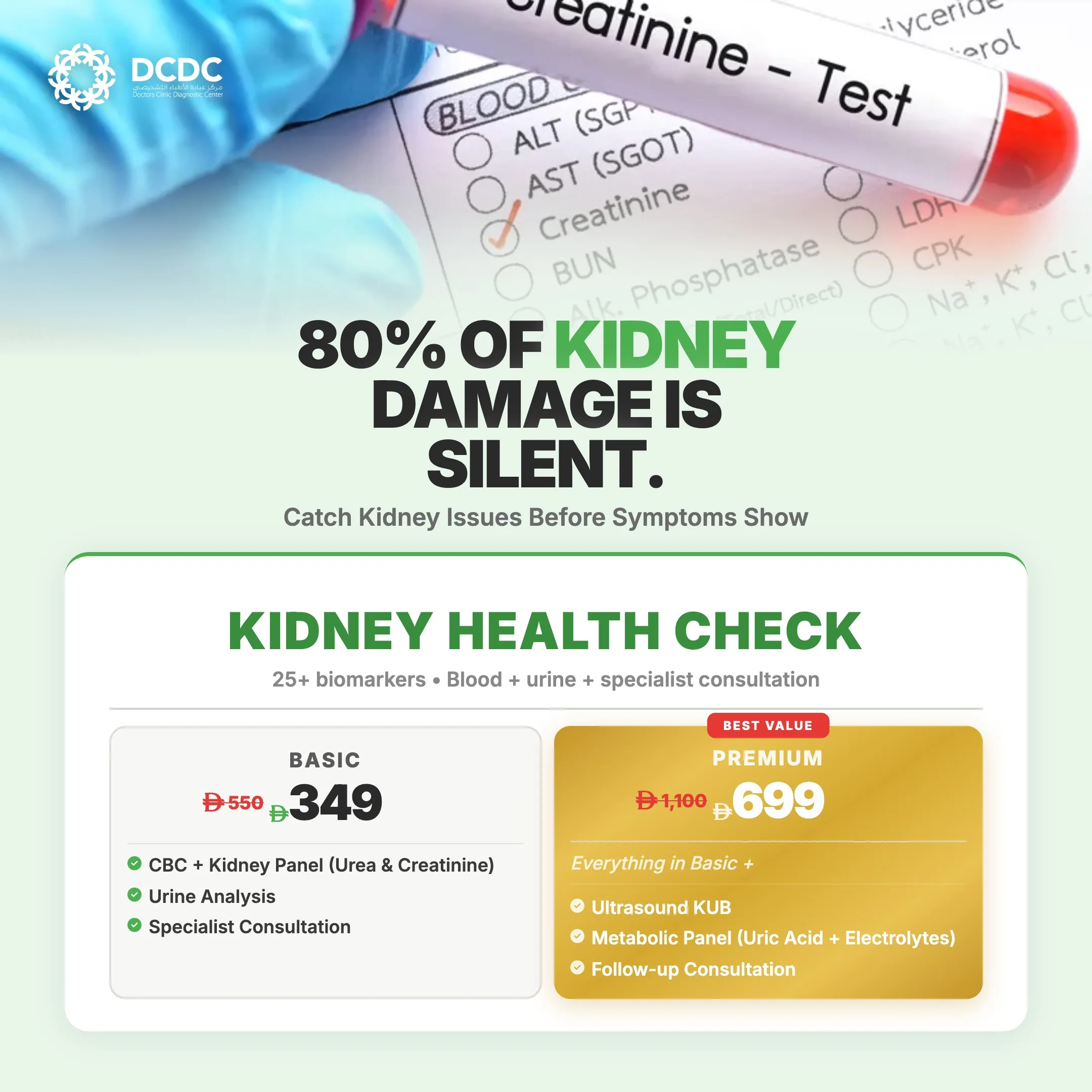
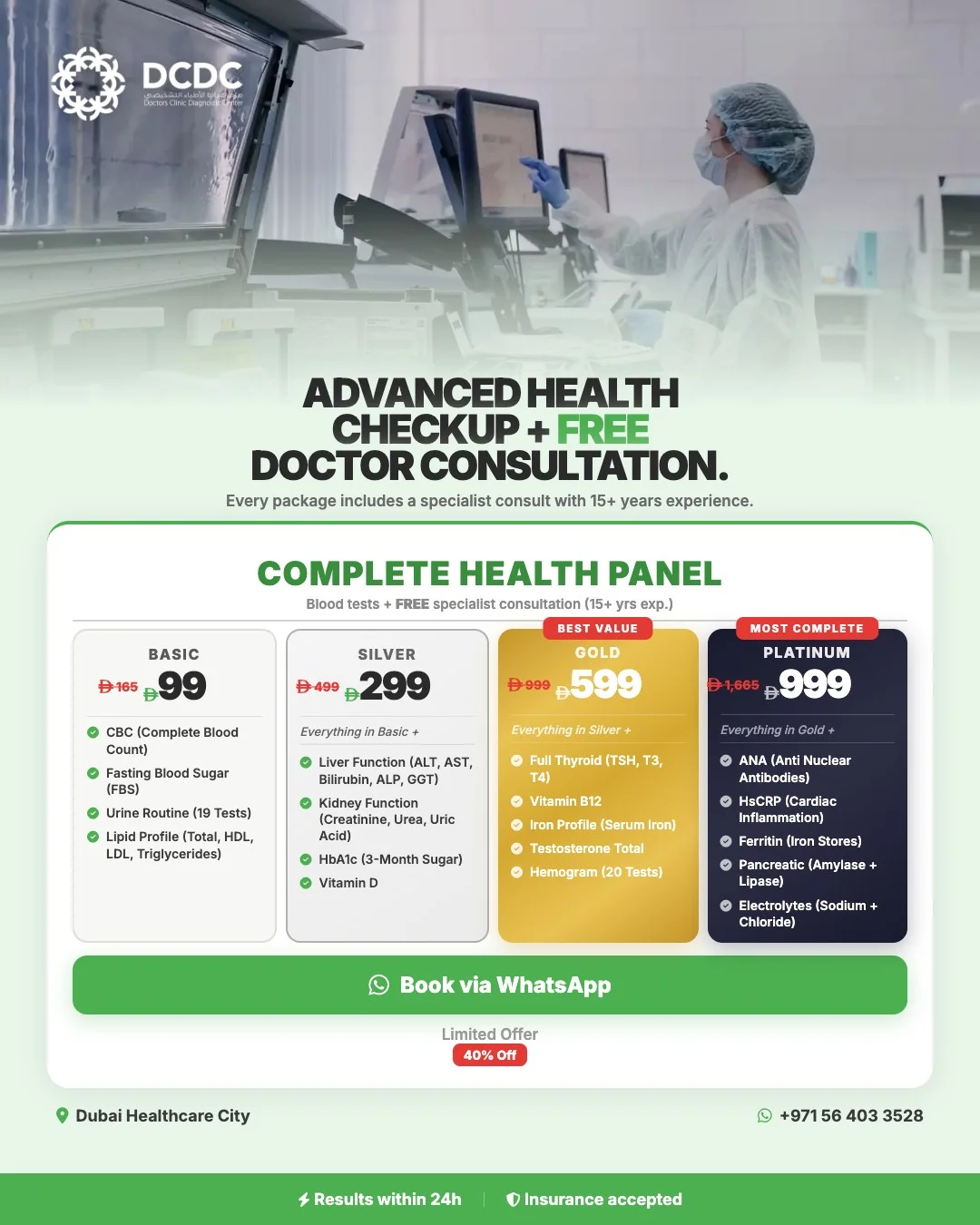
Health Screening Packages
Save with our bundled screening packages — specialist consultation included




What Is an ENT Doctor?
An ENT doctor — formally called an otolaryngologist — is a medical specialist who diagnoses and treats disorders of the ear (otology), nose and sinuses (rhinology), throat and larynx (laryngology), and the head and neck region. ENT is one of the oldest medical specialities, and today's ENT specialists complete 5-6 years of surgical residency training after medical school.
Unlike a general practitioner who manages a broad range of conditions, an ENT doctor has specialised equipment — flexible nasal endoscopes, otomicroscopes, audiometers, and videostroboscopes — that allow direct visualisation and assessment of structures that a GP cannot examine with standard tools. This is why your GP may refer you to an ENT when initial treatment does not work or when symptoms suggest a condition requiring specialist investigation.
Conditions ENT Doctors Treat
ENT specialists manage an extremely wide range of conditions across three anatomical areas. Below is a breakdown by category.
Ear Conditions
- Ear infections (otitis media & otitis externa): Middle ear infections are extremely common in children, while outer ear infections (swimmer's ear) are prevalent in Dubai due to frequent pool and beach use. Recurrent infections may require specialist assessment for underlying causes
- Hearing loss: Conductive hearing loss (from fluid, wax, or eardrum perforation), sensorineural hearing loss (from nerve damage, ageing, or noise exposure), and mixed hearing loss all require ENT evaluation and audiometric testing
- Tinnitus: Persistent ringing, buzzing, or whooshing sounds in the ears affect up to 15% of adults. ENT assessment identifies treatable causes such as wax impaction, Meniere's disease, or vascular abnormalities
- Vertigo and balance disorders: Benign paroxysmal positional vertigo (BPPV), Meniere's disease, and vestibular neuritis cause debilitating dizziness. ENT evaluation combined with vestibular rehabilitation is the standard approach
- Earwax impaction: Dubai's dusty environment and frequent earbud use contribute to excessive wax buildup. ENT doctors remove impacted wax safely using microsuction or irrigation
- Eardrum perforation: From infection, trauma, or barotrauma (pressure changes during flights or diving). Small perforations often heal spontaneously; larger ones may require surgical repair (tympanoplasty)
Nose & Sinus Conditions
- Chronic sinusitis: Sinus inflammation lasting more than 12 weeks, causing facial pain, nasal congestion, post-nasal drip, and reduced smell. Dubai's AC/dust cycle is a major contributing factor. ENT evaluation includes nasal endoscopy and may require CT imaging
- Allergic rhinitis: Sneezing, itchy nose, nasal congestion, and watery eyes triggered by dust mites, mould (from AC units), pet dander, or pollen. Allergy testing identifies specific triggers for targeted treatment
- Nasal polyps: Non-cancerous growths in the nasal passages that cause obstruction and reduced smell. Diagnosed by nasal endoscopy and treated with steroids or surgical removal
- Deviated nasal septum: A crooked partition between the nostrils causing one-sided obstruction, snoring, and recurrent sinusitis. Diagnosed by ENT examination and corrected surgically (septoplasty) when symptomatic
- Nosebleeds (epistaxis): Common in Dubai's dry climate. Recurrent or heavy nosebleeds require ENT assessment to rule out structural or vascular causes and may need cauterisation
- Loss of smell (anosmia): Reduced or absent sense of smell from polyps, chronic sinusitis, viral infections (including post-COVID), or neurological conditions
Throat & Larynx Conditions
- Tonsillitis and adenoiditis: Recurrent throat infections with fever, pain, and difficulty swallowing. Tonsillectomy is recommended after 7+ episodes per year, 5+ per year for two consecutive years, or 3+ per year for three consecutive years (Paradise criteria)
- Snoring and sleep apnea: Habitual snoring affects up to 40% of adults and may indicate obstructive sleep apnea (OSA) — a condition linked to hypertension, heart disease, stroke, and daytime fatigue. ENT assessment identifies the anatomical site of obstruction
- Voice disorders (dysphonia): Hoarseness lasting more than 2 weeks, vocal cord nodules, polyps, or paralysis. ENT assessment with videostroboscopy visualises vocal cord movement
- Acid reflux affecting the throat (LPR): Laryngopharyngeal reflux causes chronic throat clearing, hoarseness, and a sensation of a lump in the throat — often without typical heartburn symptoms
- Difficulty swallowing (dysphagia): Sensation of food getting stuck, pain with swallowing, or choking episodes require ENT evaluation to rule out structural causes or growths
- Neck lumps: Any unexplained lump in the neck persisting for more than 2-3 weeks should be assessed by an ENT specialist to rule out lymphadenopathy, thyroid nodules, salivary gland tumours, or other causes
When to See an ENT Specialist vs a GP
A general practitioner (GP) is the right first point of contact for most acute ear, nose, and throat symptoms — a single ear infection, a short-lived sore throat, or mild seasonal allergies. However, you should see an ENT specialist directly — or ask your GP for a referral — in the following situations.
- Symptoms persist beyond 2-3 weeks despite GP treatment — nasal congestion, ear pain, hoarseness, or sore throat that does not resolve
- Recurrent infections — more than 3-4 episodes of sinusitis, ear infections, or tonsillitis per year suggest an underlying structural or immunological cause
- Hearing loss or tinnitus — any degree of hearing difficulty or persistent ear ringing warrants specialist assessment with audiometric testing
- Snoring with witnessed breathing pauses — this suggests obstructive sleep apnea, which requires specialist diagnosis with a sleep study
- Unexplained neck lump — any lump in the neck lasting more than 2-3 weeks needs urgent ENT evaluation (NHS two-week wait guidelines)
- Nosebleeds that are heavy, frequent, or one-sided — especially in adults, persistent nosebleeds require endoscopic assessment
- Difficulty breathing through the nose — chronic nasal obstruction affecting sleep and quality of life
- Voice change lasting more than 2 weeks — hoarseness without an obvious cause (like a cold) needs vocal cord examination
- Dizziness or vertigo — spinning sensation, especially with hearing changes, requires ENT evaluation to assess inner ear function
- Foreign body in ear, nose, or throat — especially in children, requires specialist removal with proper instruments
Dubai-Specific ENT Factors
Living in Dubai creates unique ENT challenges that residents from other climates may not have experienced before. Understanding these environmental factors helps explain why ENT visits are so common here.
Air Conditioning & Dry Air
Dubai residents spend the majority of their time in aggressively air-conditioned environments — homes, offices, malls, and cars. AC systems reduce humidity to 20-30% (compared to the 40-60% considered optimal for respiratory health), drying out nasal mucous membranes. This makes the nose more susceptible to infection, bleeding, and crusting. Additionally, poorly maintained AC units harbour mould and bacteria that are circulated directly into the air you breathe, triggering allergic rhinitis, sinusitis, and throat irritation.
Desert Dust & Sand
Dubai experiences frequent sandstorms and year-round elevated particulate matter (PM2.5 and PM10). Fine dust particles irritate the nasal lining, worsen allergic rhinitis, and can aggravate asthma. Construction dust — ubiquitous in Dubai's rapidly developing areas — adds to the airborne particle load. Residents who commute with car windows open or exercise outdoors are particularly affected.
Swimming & Pool Infections
With year-round warm weather and pools in virtually every residential compound, swimmer's ear (otitis externa) is extremely common in Dubai. Chlorinated water strips the protective wax layer from the ear canal, and warm, moist conditions create an ideal environment for bacterial growth. Children who swim daily during the summer months are particularly vulnerable.
Temperature Swings
Moving repeatedly between 45°C outdoor heat and 18-20°C air-conditioned interiors causes rapid vasomotor changes in the nasal blood vessels. This leads to vasomotor rhinitis — a non-allergic form of nasal congestion and runny nose triggered by temperature changes rather than allergens.
What Happens During an ENT Consultation
Knowing what to expect during your ENT visit helps reduce anxiety and ensures you get the most from your appointment. A comprehensive ENT consultation typically lasts 20-30 minutes and includes the following.
1. Detailed Medical History
The ENT doctor will ask about your symptoms (when they started, severity, triggers, what makes them better or worse), previous ENT problems, medications, allergies, family history, smoking status, and occupational exposures. If you are being seen for hearing problems, you will be asked about noise exposure history and whether tinnitus is present.
2. Physical Examination
- Ear examination (otoscopy): Using an otoscope (or microscope for detailed assessment), the doctor examines the ear canal and eardrum. This detects wax impaction, infections, perforations, and middle ear fluid
- Nasal examination (anterior rhinoscopy and endoscopy): A thin flexible nasal endoscope (about 3mm diameter) is passed into the nose after applying topical anaesthetic spray. This provides a magnified view of the nasal passages, turbinates, septum, and sinus openings — far superior to looking with a standard light
- Throat examination: Inspection of the oral cavity, tonsils, pharynx, and — using a flexible laryngoscope passed through the nose — the larynx (voice box) and vocal cords
- Neck palpation: Checking for enlarged lymph nodes, thyroid abnormalities, salivary gland swelling, or other neck masses
3. Same-Day Diagnostic Tests
Depending on your symptoms, the ENT doctor may perform or order same-day tests.
- Audiometry (hearing test): A pure tone audiogram takes 15-20 minutes and provides a detailed map of your hearing ability across different frequencies
- Tympanometry: Tests middle ear pressure and eardrum mobility — essential for detecting fluid behind the eardrum, Eustachian tube dysfunction, or ossicular chain problems
- Allergy testing: IgE blood panel or skin prick testing to identify specific allergen triggers
- Nasal endoscopy: Already described above — a core part of the ENT examination that is performed in the consultation room
- Flexible laryngoscopy: Examination of the voice box, performed in the consultation room with topical anaesthetic
4. Treatment Plan
After examination and any diagnostic tests, the ENT doctor will explain the diagnosis, discuss treatment options (medical, procedural, or surgical), prescribe medication if needed, and schedule follow-up. Most ENT conditions are managed medically first, with surgery reserved for cases that do not respond to conservative treatment.
ENT Diagnostic Tests Available in Dubai
Modern ENT practice relies on a range of diagnostic tools to accurately assess conditions. The following tests are commonly available at ENT clinics in Dubai.
| Test | What It Assesses | Duration | Approximate Cost |
|---|---|---|---|
| Pure Tone Audiometry | Hearing thresholds across frequencies | 15-20 min | From AED 250 |
| Tympanometry | Middle ear pressure and eardrum mobility | 5 min | Included with audiometry |
| Nasal Endoscopy | Nasal passages, sinuses, nasopharynx | 5-10 min | Included with ENT consultation |
| Flexible Laryngoscopy | Voice box and vocal cords | 5 min | Included with ENT consultation |
| IgE Allergy Panel | Specific allergen sensitivities (blood test) | Blood draw: 5 min | From AED 550 |
| Skin Prick Test | Immediate allergic reactions to common allergens | 20-30 min | From AED 300 |
| Sleep Study | Snoring, sleep apnea, oxygen levels | Overnight | From AED 3,000 |
| CT Sinuses | Detailed sinus anatomy and disease extent | 10 min | From AED 800 |
Common ENT diagnostic tests available in Dubai (2026 pricing)
ENT Consultation Cost in Dubai
An ENT consultation in Dubai costs from AED 300, which typically includes the physical examination with otoscopy, nasal examination, and throat assessment. Flexible nasal endoscopy and laryngoscopy are usually included in the specialist consultation fee. Additional diagnostic tests such as audiometry, allergy panels, and imaging are charged separately.
| Service | Cost Range (AED) |
|---|---|
| ENT Specialist Consultation | From AED 300 |
| Follow-Up Consultation | From AED 200 |
| Hearing Test (Audiometry) | From AED 250 |
| Allergy Panel (IgE Blood Test) | From AED 550 |
| Skin Prick Allergy Test | From AED 300 |
| Sleep Study (Polysomnography) | From AED 3,000 |
| Ear Wax Removal (Microsuction) | From AED 200 |
ENT consultation and procedure costs in Dubai (2026)
Insurance Coverage for ENT
Most Dubai health insurance plans (DHA-mandated basic cover and above) cover ENT consultations and medically necessary diagnostic tests. However, coverage varies by plan. Some procedures classified as "elective" (such as septoplasty for cosmetic reasons or tonsillectomy without meeting clinical criteria) may require pre-authorisation or may not be covered. Check with your insurer before your appointment, or ask the clinic to verify your coverage. At DCDC, we process insurance claims directly for most major providers.
Pediatric ENT: Children's Ear, Nose & Throat Issues
Children are among the most frequent ENT patients. Their shorter, more horizontal Eustachian tubes make them more prone to middle ear infections, and their developing immune systems mean they are exposed to new pathogens frequently — especially after starting nursery or school.
Common Pediatric ENT Conditions
- Recurrent ear infections: 3 or more episodes in 6 months or 4+ in a year may warrant consideration of grommet (ventilation tube) insertion
- Glue ear (otitis media with effusion): Persistent fluid behind the eardrum causing hearing difficulty and potential speech delay. Common in children aged 2-5 and the most common cause of hearing loss in children
- Enlarged adenoids: Causing nasal obstruction, mouth breathing, snoring, and recurrent sinusitis. May require adenoidectomy if symptoms are persistent
- Tonsillitis: Recurrent throat infections with high fever. Tonsillectomy is considered using the Paradise criteria (frequency and severity of episodes)
- Pediatric snoring and sleep apnea: Enlarged tonsils and adenoids are the most common cause of obstructive sleep apnea in children, which can affect growth, behaviour, and school performance
- Foreign bodies: Children commonly insert small objects into their ears and nose. These require specialist removal to avoid pushing them deeper or causing injury
If your child has recurrent ear infections, persistent mouth breathing, snoring, or speech delay, an ENT consultation can identify the underlying cause and prevent long-term complications.
Book Your ENT Consultation
Comprehensive ENT evaluation with nasal endoscopy, otoscopy, and same-day diagnostic tests available. Walk-in or appointment at DCDC Dubai Healthcare City (Building 47).
ENT consultation from AED 300 — most insurance accepted
Common ENT Treatments
Most ENT conditions are managed conservatively with medication and lifestyle modifications. When these measures fail, procedural or surgical options are available.
Medical Treatments
- Nasal corticosteroid sprays: First-line treatment for allergic rhinitis, nasal polyps, and chronic sinusitis. Reduce inflammation when used consistently
- Antihistamines: For allergic rhinitis — second-generation (non-sedating) antihistamines like cetirizine or loratadine are preferred
- Antibiotics: For confirmed bacterial infections — sinusitis lasting more than 10 days, acute otitis media with high fever, streptococcal tonsillitis
- Nasal saline irrigation: Evidence-based adjunctive treatment for sinusitis and allergic rhinitis — helps clear mucus and allergens from the nasal passages
- Ear drops: Antibiotic and/or steroid drops for otitis externa (swimmer's ear). Acetic acid drops for prevention in swimmers
- Proton pump inhibitors: For laryngopharyngeal reflux (LPR) affecting the throat and voice
Procedures & Surgery
- Ear wax removal (microsuction): Quick, safe in-office procedure using a small suction device under microscope guidance
- Nasal cauterisation: For recurrent nosebleeds — silver nitrate or electrocautery applied to the bleeding vessel
- Grommet insertion: Tiny ventilation tubes placed in the eardrum to drain persistent middle ear fluid (especially in children)
- Tonsillectomy and adenoidectomy: Surgical removal of tonsils and/or adenoids for recurrent infections or obstructive sleep apnea
- Septoplasty: Surgical correction of a deviated nasal septum to improve breathing
- Functional endoscopic sinus surgery (FESS): Minimally invasive surgery to open blocked sinus drainage pathways in chronic sinusitis or nasal polyps
Preventing ENT Problems in Dubai
While not all ENT conditions are preventable, several evidence-based strategies can significantly reduce your risk of developing common ear, nose, and throat problems in Dubai's challenging environment.
- Use a humidifier: Maintain bedroom humidity at 40-60% to counteract the drying effect of air conditioning. Clean the humidifier regularly to prevent mould growth
- Service AC units regularly: Professional cleaning of AC filters and ducts every 6-12 months reduces mould, dust mites, and bacteria circulating in your indoor air
- Nasal saline rinse daily: A simple saline rinse (using a neti pot or squeeze bottle) clears dust, allergens, and irritants from the nasal passages — particularly beneficial after outdoor activities
- Wear earplugs when swimming: Custom-fit or well-fitting silicone earplugs prevent water entering the ear canal and dramatically reduce the risk of swimmer's ear
- Avoid cotton buds in ears: They push wax deeper, can damage the eardrum, and strip protective cerumen. Let the ear self-clean or see an ENT for professional removal
- Stay hydrated: Adequate water intake (at least 2-3 litres daily in Dubai's heat) keeps mucous membranes moist and functioning properly
- Limit outdoor exercise during sandstorms: Check the air quality index (AQI) before outdoor activities and exercise indoors when particulate levels are high
- Do not smoke or vape: Tobacco smoke and vaping aerosols directly irritate and damage the mucous membranes of the nose, sinuses, throat, and lungs
How to Choose an ENT Doctor in Dubai
When selecting an ENT specialist, consider the following factors to ensure you receive the best possible care.
- DHA/DOH/MOH licence: Verify the doctor is licensed to practise in Dubai by checking the DHA healthcare professional registry
- Board certification: Look for fellowship or board certification in otolaryngology from a recognised international body (e.g., FRCS ORL-HNS, American Board of Otolaryngology)
- Sub-speciality expertise: If you have a specific condition (e.g., hearing loss, sleep apnea, voice disorders), look for an ENT with particular experience in that area
- In-house diagnostics: A clinic with audiometry, allergy testing, and endoscopy on-site means faster diagnosis and fewer visits
- Insurance acceptance: Confirm the clinic accepts your insurance plan and can process claims directly
- Location and accessibility: Dubai Healthcare City clinics offer the advantage of being in a dedicated healthcare free zone with multiple specialists under one roof
Need to See an ENT Specialist?
DCDC Dubai Healthcare City offers comprehensive ENT services — consultation, allergy testing, hearing assessment, and sleep apnea evaluation. Walk-in or book online.
Building 47, Dubai Healthcare City — most insurance accepted
Services associés au DCDC
Soins spécialisés et diagnostics avancés à Dubai Healthcare City
ENT Consultation
Comprehensive ear, nose, and throat evaluation by specialist ENT doctor
Prendre rendez-vousAllergy Testing
IgE blood tests and skin prick testing for environmental and food allergies
Prendre rendez-vousHearing Assessment
Audiometry, tympanometry, and comprehensive hearing evaluation
Prendre rendez-vousFrequently Asked Questions
Final Thoughts
Ear, nose, and throat conditions are among the most prevalent health complaints in Dubai — and the city's unique combination of air conditioning, desert dust, swimming culture, and temperature extremes means that many residents experience ENT symptoms they never had in their home countries.
While a GP can manage many acute ENT problems effectively, persistent, recurrent, or complex symptoms warrant specialist evaluation. An ENT doctor has the tools, training, and experience to diagnose conditions that are simply not visible to a GP — from sinus polyps and eardrum perforations to vocal cord abnormalities and early signs of obstructive sleep apnea.
At Doctors Clinic Diagnostic Center in Dubai Healthcare City, we offer comprehensive ENT services including specialist consultations, allergy testing, hearing assessments, and snoring and sleep apnea evaluation — all under one roof in Building 47. Most insurance plans are accepted, and walk-in appointments are available.
Sources et references
Cet article a ete revise par notre equipe medicale et fait reference aux sources suivantes :
- American Academy of Otolaryngology-Head and Neck Surgery (AAO-HNS) — Clinical Practice Guidelines
- European Position Paper on Rhinosinusitis and Nasal Polyps (EPOS 2020)
- National Institute on Deafness and Other Communication Disorders (NIDCD) — Ear Infections in Children
- British Association of Otorhinolaryngology (ENT UK) — Patient Information
- Dubai Health Authority — Healthcare Professional Registry
- World Health Organization — Deafness and Hearing Loss (2024)
Le contenu medical de ce site est revise par des medecins agrees DHA. Voir notre politique editoriale pour plus d'informations.

Redige par
DCDC Medical Team
Doctors Clinic Diagnostic Center
Dubai Healthcare City
DCDC (Doctors Clinic Diagnostic Centre) is a multi-specialty medical center in Dubai Healthcare City offering comprehensive healthcare services across cardiology, orthopedics, gynecology, internal medicine, neurology, radiology, laboratory, and more.
Related Articles

Allergy Testing Dubai: IgE, Skin Prick & Cost Guide
Sleep Apnea & Snoring Dubai: Treatment & Cost Guide
Hearing Test Dubai: Audiometry Types & Cost Guide

Vestibular Rehabilitation for Vertigo in Dubai
MRI for Vertigo & Balance Disorders
More in General Health
Dizziness Causes Dubai: When to Get Checked (2026)
Lire la suite
Elderly Care at Home Dubai: Full Guide (2026)
Lire la suite
IV Drip at Home Dubai: From AED 449 (2026)
Lire la suite
Nurse at Home Dubai: Cost & Services (2026)
Lire la suite
Stomach Infection Treatment Dubai (2026)
Lire la suite
Cholesterol Levels by Age Dubai: Chart (2026)
Lire la suite© 2026 Doctors Clinic Diagnostic Center (DCDC), Dubai Healthcare City. Originally published at https://doctorsclinicdubai.ae/blog/ent-doctor-dubai-guide. All rights reserved. Unauthorized reproduction is prohibited.