
I-book ang Iyong Appointment
Mga Na-verify na Review ng Pasyente ng DCDC Diagnostic Center sa Dubai
Mga na-verify na review at totoong kwento ng pasyente mula sa Dubai Healthcare City
Lubos akong nasiyahan sa medikal na klinikang ito. Dito ko ginawa ang aking unang pregnancy screening. Abot-kaya at napaka-propesyonal. Ang radiologist ay malugod, mabait, at nagpaganda ng karanasan.
Aizhan Tokmanbetova
Nasaktan ang tuhod ko noong Biyernes ng gabi at nakakuha ng MRI appointment noong Linggo ng hapon (na-book noong Linggo ng hapon). Naghintay ng mga 2 minuto lang at natapos sa mahigit 30 minuto. Kamangha-mangha, magiliw, at mahusay ang team.
Kirsten Evans
Ang team ni Dr. Osama ay malambot at kamangha-mangha. Pagkatapos ng masamang karanasan sa ibang lugar, ang aking pelvic exam dito ay mas propesyonal. Magandang report at napaka-tumpak.
Mary




Paggamot sa Hypertension sa Dubai: High Blood Pressure Management at Resistant Hypertension Care
Ang Kidney Connection

Renal Focus
Tukuyin ang kidney causes ng high BP
Kidney Protection
Medication safety at proteinuria control
Same-Day Care
Same-day consultations kapag available; 24-hr monitoring kung kinakailangan
Ang high blood pressure at kidney health ay lubhang magkaugnay. Ang high BP ay maaaring makapinsala sa kidneys, at ang kidney disease ay maaaring magdulot ng high BP. Ang pagputol sa cycle na ito ay nagpoprotekta sa puso at kidneys. Ang aming hypertension treatment ay nagbibigay ng komprehensibong high blood pressure management at resistant hypertension care services.
Sa aming hypertension clinic sa Dubai, dalubhasa kami sa renal hypertension at resistant high blood pressure na may specialized care. Sinusuri namin ang mga kidney causes, ina-adjust ang medications para sa kidney safety, at gumagamit ng 24-hour monitoring kapag kinakailangan sa aming Dubai Healthcare City facility.
Matatagpuan malapit sa Oud Metha sa Umm Hurair 2, nag-aalok kami ng same-day nephrology appointments kapag available. Limitado ang kapasidad, kaya mag-book nang maaga. Ang layunin namin ay kontrolin ang BP, protektahan ang kidneys, at bawasan ang iyong pangmatagalang cardiovascular risk.
Renal Focus
Tukuyin ang kidney causes ng high BP
Kidney Protection
Medication safety at proteinuria control
Same-Day Care
Same-day consultations kapag available; 24-hr monitoring kung kinakailangan
Paggamot sa Hypertension sa Dubai: High Blood Pressure Management at Resistant Hypertension Care
Ang Kidney Connection
Ang high blood pressure at kidney health ay lubhang magkaugnay. Ang high BP ay maaaring makapinsala sa kidneys, at ang kidney disease ay maaaring magdulot ng high BP. Ang pagputol sa cycle na ito ay nagpoprotekta sa puso at kidneys. Ang aming hypertension treatment ay nagbibigay ng komprehensibong high blood pressure management at resistant hypertension care services.
Sa aming hypertension clinic sa Dubai, dalubhasa kami sa renal hypertension at resistant high blood pressure na may specialized care. Sinusuri namin ang mga kidney causes, ina-adjust ang medications para sa kidney safety, at gumagamit ng 24-hour monitoring kapag kinakailangan sa aming Dubai Healthcare City facility.
Matatagpuan malapit sa Oud Metha sa Umm Hurair 2, nag-aalok kami ng same-day nephrology appointments kapag available. Limitado ang kapasidad, kaya mag-book nang maaga. Ang layunin namin ay kontrolin ang BP, protektahan ang kidneys, at bawasan ang iyong pangmatagalang cardiovascular risk.
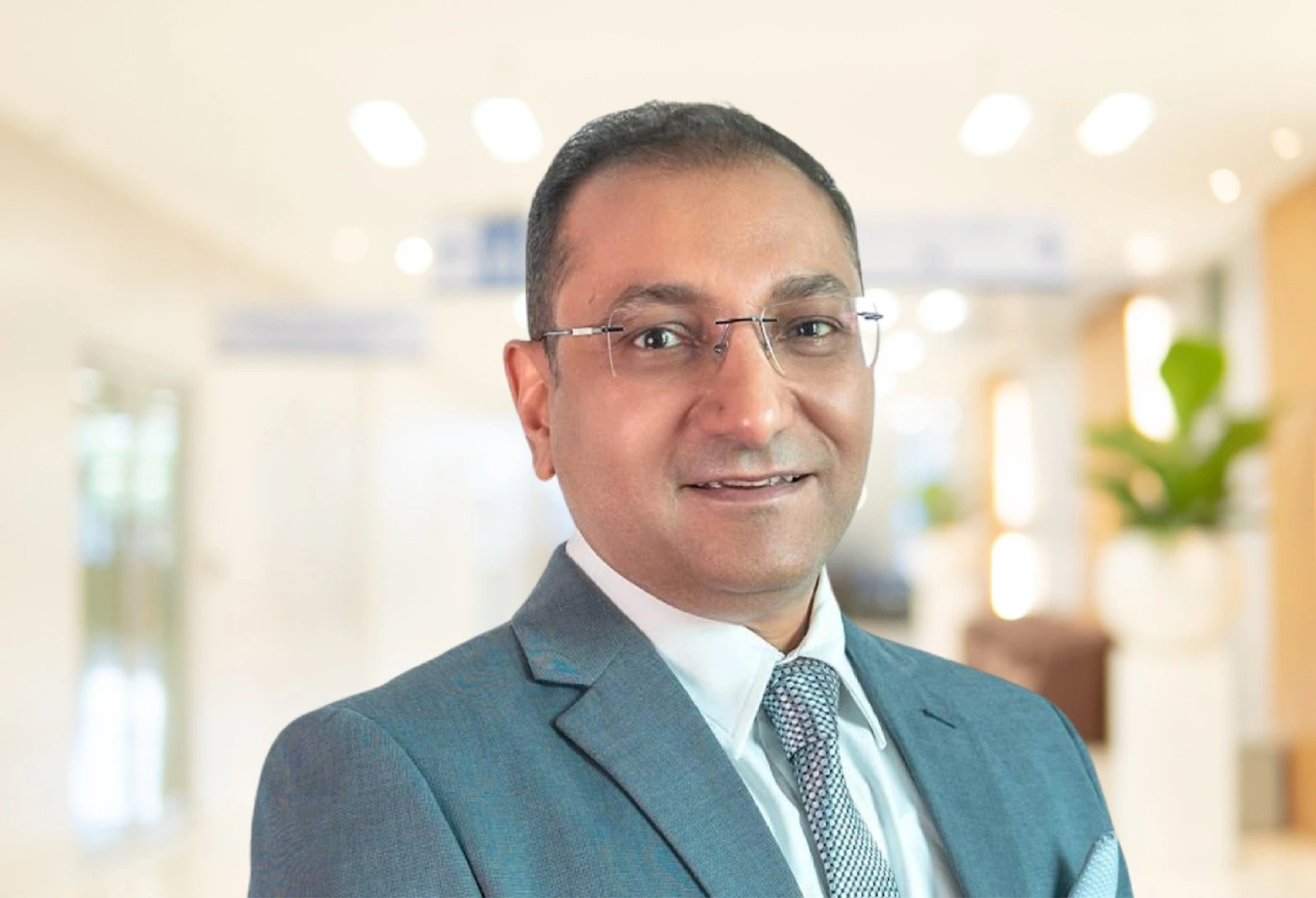
Dr. Manish Tripathi
Tuklasin ang Aming mga Serbisyo
Komprehensibong serbisyo sa paggamot sa renal hypertension sa DCDC Dubai Healthcare City.



Lahat ng serbisyo ay ginagawa ng mga DHA-licensed na espesyalista
Sino ang Dapat Kumuha ng Paggamot sa Renal Hypertension?
Kumonsulta sa nephrologist kung mahirap kontrolin ang iyong blood pressure o may kidney concerns ka.
High BP na may kilalang kidney disease
Uncontrolled blood pressure sa 3+ medications
Protein sa ihi
Maagang onset ng high BP (<30 taong gulang)
Biglang paglala ng blood pressure
Diabetes at high blood pressure
Bakit Piliin ang DCDC para sa Renal Hypertension Care?
MOHAP-licensed nephrology clinic sa Dubai Healthcare City na may resistant BP expertise, renal artery screening, at medication safety. Same-day appointments kapag available; limitadong kapasidad.
MOHAP Licensed
Licensed na pasilidad sa DHCC (MOHAP license NIMY7VY5-240925) na may mahigpit na safety standards.
Renal BP Specialists
Mga nephrologist na nakatuon sa kidney-related at resistant hypertension.
Same-Day Access
Same-day slots madalas available; urgent BP cases ang priority.
Medication Safety
Renal-safe combinations at proteinuria control.
Comprehensive Monitoring
24-hour BP monitoring, labs, at renal artery screening kung kinakailangan.
Prime DHCC Location
Building 64, Block A, Dubai Healthcare City na may madaling access at parking.
Ang Iyong Komportableng Pagbisita
Isang simple, hakbang-hakbang na proseso ng Paggamot scan na dinisenyo para sa kaginhawahan, bilis, at katumpakan.
Bayarin sa Konsultasyon
Ang presyo ng Paggamot sa Dubai ay nag-iiba ayon sa uri ng serbisyo at insurance coverage para sa iba't ibang uri ng serbisyo.
- Ang presyo ay nag-iiba ayon sa uri ng scan at kung kailangan ng contrast
- Tinatanggap ang insurance coverage na may referral at verification
- Transparent na self-pay rate na available na may instant na presyo kapag hiniling
Verification ng insurance sa ilang minuto • Walang nakatagong bayad • Mabilis na sagot sa WhatsApp
Gabay para sa Pasyente
Ano ang Aasahan sa Iyong Hypertension Visit
Renal-focused BP assessment na may monitoring, medication safety, at malinaw na mga target.
Insurance at Lokasyon
Mga Kasosyo sa Insurance
- •20+ na insurance provider sa Dubai kabilang ang Daman, AXA, ADNIC, at iba pa
- •Suporta sa pre-authorization at direct billing (kung naaangkop)
- •Verification ng coverage bago ang iyong appointment sa aming klinika sa Dubai Healthcare City
- •Transparent na presyo na walang nakatagong bayad para sa mga serbisyo ng paggamot sa renal hypertension








Bisitahin Kami sa Dubai Healthcare City
Doctors Clinic Diagnostic Center
Building 64, Block A, Al Razi Medical Complex, Dubai Healthcare City, Dubai, UAE
Malapit sa Oud Metha Road · Madaling puntahan mula sa Bur Dubai, Downtown Dubai, Business Bay · May libreng dedikadong parking
Oras ng Trabaho
Lun-Huw, Sab: 8AM - 10:30PM | Lin: 8:30AM - 10:30PM | Biy: 9AM - 10PM
Paano Gumagana ang Insurance sa DCDC
Suriin ang Coverage
I-verify na sakop ng iyong plano ang Paggamot sa Renal Hypertension
Kumuha ng Referral
Ang ilang insurer ay nangangailangan ng GP referral — maaari ka naming gabayan
Pre-Autorisation
Kami ang mag-aasikaso ng pre-auth nang direkta sa iyong insurer
Direktang Pagsingil
Walang bayad sa una — direkta kaming nagbi-bill sa iyong insurer
Co-Pay Lang
Ikaw ay magbabayad lamang ng anumang naaangkop na co-pay sa klinika
Suriin ang Coverage
I-verify na sakop ng iyong plano ang Paggamot sa Renal Hypertension
Kumuha ng Referral
Ang ilang insurer ay nangangailangan ng GP referral — maaari ka naming gabayan
Pre-Autorisation
Kami ang mag-aasikaso ng pre-auth nang direkta sa iyong insurer
Direktang Pagsingil
Walang bayad sa una — direkta kaming nagbi-bill sa iyong insurer
Co-Pay Lang
Ikaw ay magbabayad lamang ng anumang naaangkop na co-pay sa klinika
Your Specialist
Dr. Manish Tripathi
Specialist Nephrologist
MD, Specialist Nephrologist
English · Hindi
Gabay para sa Pasyente
Renal Hypertension: The Kidney-Blood Pressure Connection
The relationship between hypertension and kidney disease is one of the most important in medicine, creating a dangerous cycle where each condition worsens the other. High blood pressure damages the kidneys\
Hypertension is classified as either essential (primary) or secondary. Essential hypertension, which accounts for about 90-95% of cases, develops gradually over years from a combination of genetic predisposition, dietary factors (especially sodium intake), obesity, physical inactivity, and aging. Secondary hypertension is caused by an identifiable underlying condition, with kidney disease being the most common cause. Other secondary causes include renal artery stenosis, primary aldosteronism, pheochromocytoma, thyroid disorders, and sleep apnea. Identifying and treating secondary causes can dramatically improve blood pressure control.
Management of renal hypertension requires a comprehensive approach combining lifestyle modifications, targeted medications, and ongoing monitoring. First-line medications include ACE inhibitors and ARBs, which not only lower blood pressure but also protect kidneys by reducing proteinuria and intra-glomerular pressure. Diuretics are essential for managing the fluid retention that accompanies kidney disease. Calcium channel blockers, beta-blockers, and aldosterone antagonists may be added as needed. SGLT2 inhibitors have emerged as important kidney-protective agents with blood pressure-lowering benefits. Medication selection must consider renal function, electrolyte balance, and potential interactions, requiring nephrological expertise.
Monitoring blood pressure in kidney patients goes beyond occasional office readings. Home blood pressure monitoring with a validated device provides more accurate araw-to-araw data and improves medication adherence. Ambulatory 24-oras blood pressure monitoring identifies important patterns including nocturnal non-dipping (failure of blood pressure to decrease during sleep), which is common in kidney disease and associated with increased cardiovascular risk. Regular laboratory monitoring of kidney function, proteinuria, electrolytes, and medication levels ensures treatment safety and effectiveness. The target blood pressure for kidney patients is typically below 130/80 mmHg, with individualization based on age, proteinuria, and overall risk profile.
Hypertension-Related Conditions We Manage
Essential Hypertension with CKD
Blood pressure optimization in patients with chronic kidney disease using renal-protective medications and monitoring.
Resistant Hypertension
Investigation and management of blood pressure uncontrolled by three or more medications, including secondary cause screening.
Renal Artery Stenosis
Screening and management of narrowed kidney arteries causing renovascular hypertension through Doppler and angiography.
Hypertensive Nephrosclerosis
Management of kidney damage caused by long-standing high blood pressure with targeted BP control and monitoring.
Primary Aldosteronism
Screening and management of excess aldosterone production causing hypertension and potassium imbalance.
Diabetic Hypertension
Coordinated management of concurrent diabetes and hypertension with medications protecting both kidneys and heart.
Mga Kaugnay na Artikulo
Hypertension: The Silent Killer in Dubai
Understanding why high blood pressure is called the silent killer and how early detection saves lives.
Kidney Health Prevention Tips
Practical steps to protect your kidneys, including blood pressure management and lifestyle modifications.
Doppler Ultrasound: Assessing Blood Flow
How Doppler ultrasound evaluates blood flow in the kidneys and helps diagnose renal vascular conditions.
Diabetes Management in Dubai
Managing diabetes effectively to prevent hypertension and kidney damage through coordinated care.
Mga Kaugnay na Serbisyo
Galugarin ang iba pang serbisyo sa diagnostics at konsultasyon na available sa aming klinika sa Dubai Healthcare City.
Mga Madalas Itanong
Mga karaniwang tanong tungkol sa Paggamot sa Renal Hypertension sa Dubai.
Ang mataas na presyon ay sumisira sa maliliit na blood vessels sa kidneys, binabawasan ang kakayahan nilang mag-filter ng waste. Ito ay maaaring humantong sa CKD.
Ito ay high blood pressure na nananatiling mataas kahit umiinom ng tatlong magkakaibang BP medications. Madalas itong nangangailangan ng specialized investigation.
Ang protein sa ihi (albuminuria) ay isa sa mga pinakamaagang senyales ng kidney damage mula sa high blood pressure.
Hindi, normal ang iyong BP *dahil* sa gamot. Ang paghinto ay maaaring magdulot ng mapanganib na pagtaas. Laging kumonsulta muna sa iyong doktor.
Ito ay pagkitid ng mga arteries na nagsu-supply ng dugo sa kidneys, na maaaring magdulot ng malubhang high blood pressure. Maaari naming i-screen ito.
Mga Pangunahing Katotohanan
Medikal na Pagsusuri at Pamamahala
Lahat ng serbisyo ay ibinibigay sa ilalim ng pamamahala ng mga lisensyadong propesyonal sa medisina sa aming MOHAP-accredited na pasilidad.