Mga Pangunahing Punto
- Up to 50% of adults have thyroid nodules — most are benign and found incidentally during imaging or routine examinations.
- Only 5-15% of thyroid nodules are cancerous, making accurate diagnosis critical to avoid unnecessary procedures.
- Diagnosis involves thyroid blood tests (from AED 150), ultrasound (from AED 300), and sometimes fine needle aspiration biopsy.
- TIRADS classification on ultrasound determines whether a nodule needs biopsy based on its appearance and size.
- Most benign nodules require only periodic monitoring with ultrasound, not treatment or surgery.
- DCDC offers same-day thyroid testing with specialist coordination in Dubai Healthcare City.
- Risk factors include family history, radiation exposure, iodine deficiency, and female sex — women are 4 times more likely to develop thyroid nodules.
Discovering a lump in your neck or being told you have a thyroid nodule can be unsettling. The good news is that thyroid nodules are extremely common and the vast majority are benign. Up to 50% of adults have thyroid nodules detectable on ultrasound, yet most never cause symptoms or require treatment. The key is accurate diagnosis to distinguish the small percentage of concerning nodules from the harmless majority. Our endocrine care team at DCDC in Dubai Healthcare City provides comprehensive thyroid nodule evaluation, from same-day blood tests and on-site ultrasound to ultrasound-guided fine needle aspiration when needed — all under one roof.
A thyroid nodule is a growth of thyroid cells that forms a lump within the thyroid gland. While the word 'nodule' can sound alarming, these growths are one of the most common endocrine findings worldwide. Studies show that while only about 4-7% of the general population has thyroid nodules detectable by physical examination, high-resolution ultrasound reveals nodules in 19-68% of randomly selected individuals. The prevalence increases with age, female sex, iodine deficiency, and history of radiation exposure. In Dubai's diverse population, we see patients from regions with varying iodine status and genetic backgrounds, making thorough evaluation essential. This guide covers everything you need to know about thyroid nodules: what they are, what causes them, how they are diagnosed, when they need treatment, and what to expect at DCDC.
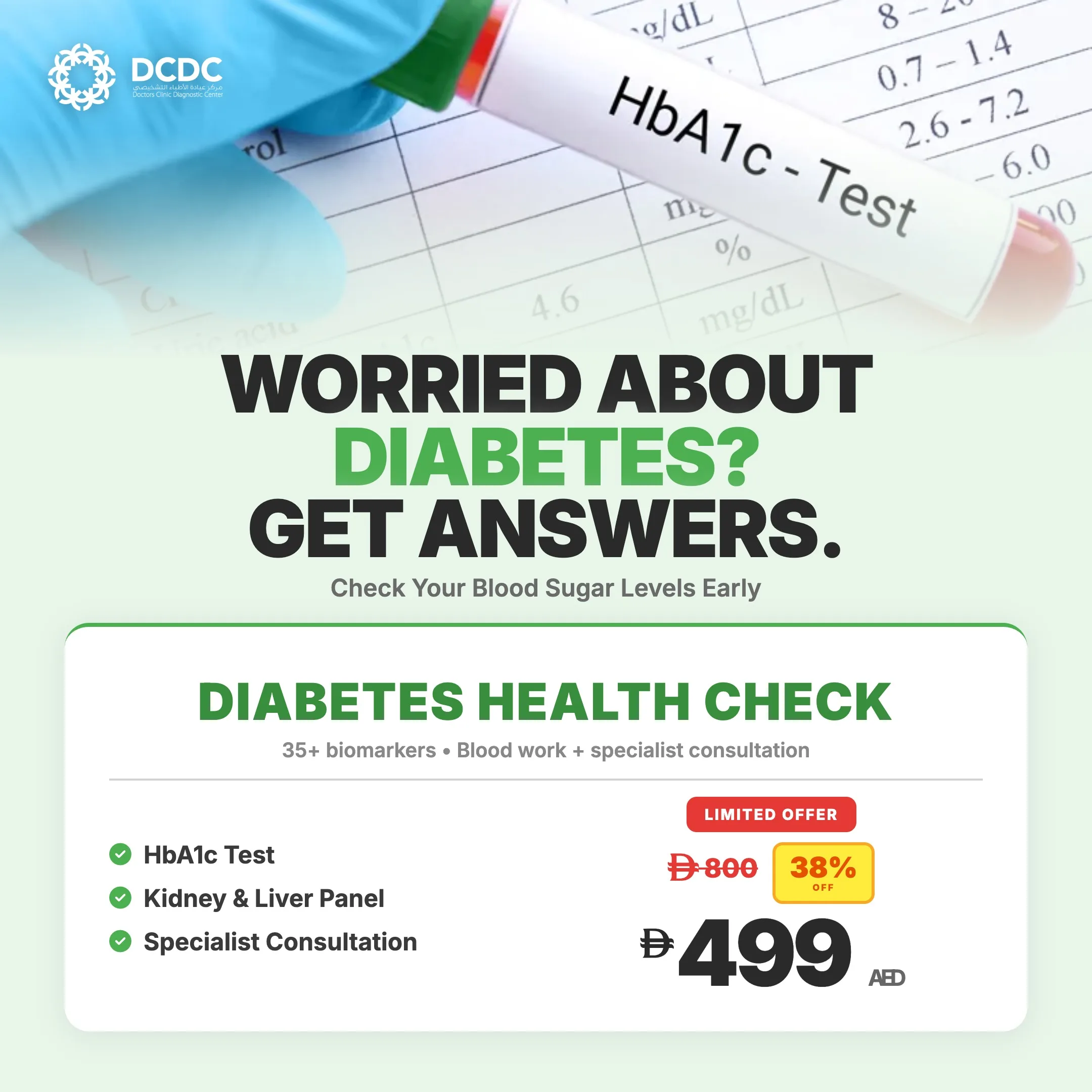
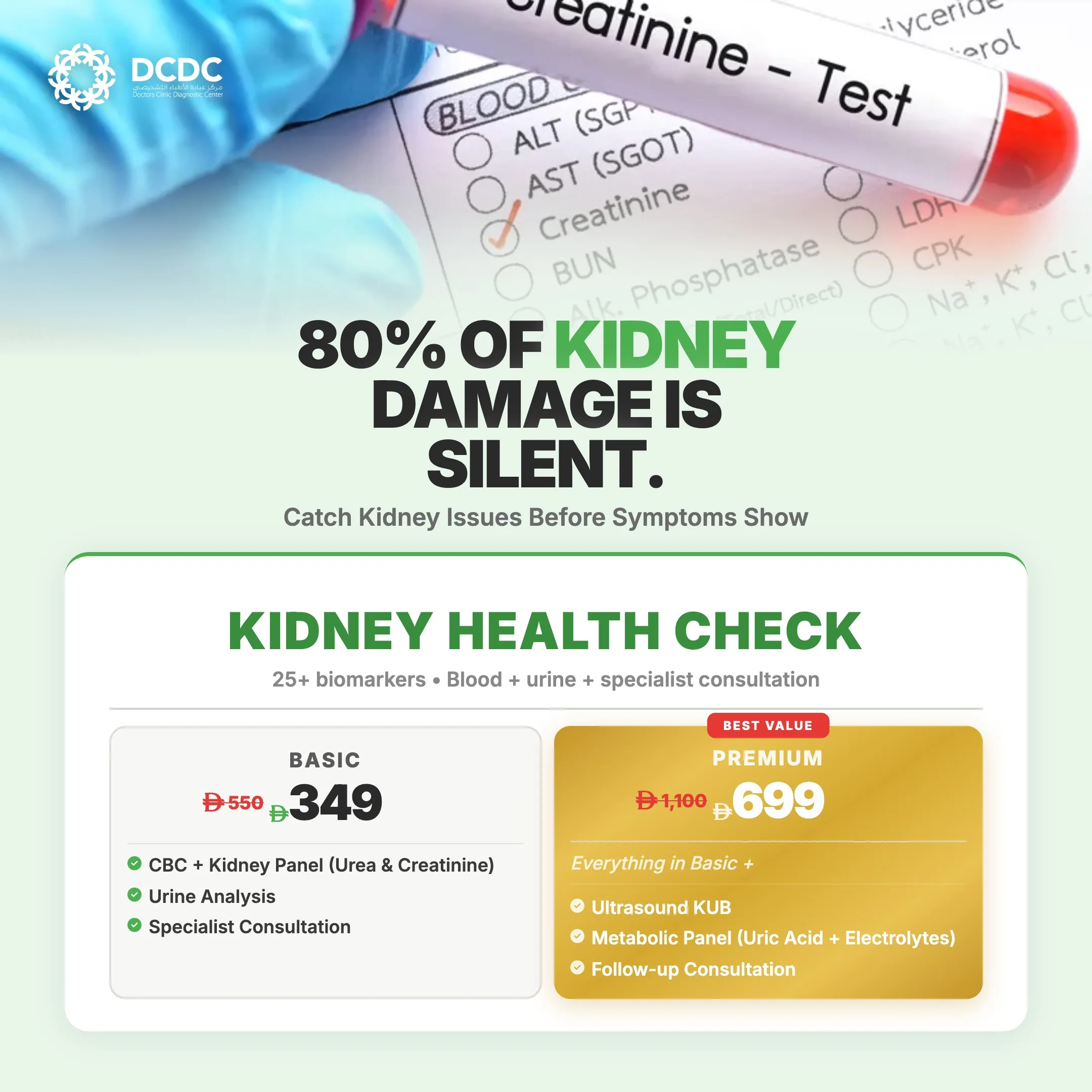
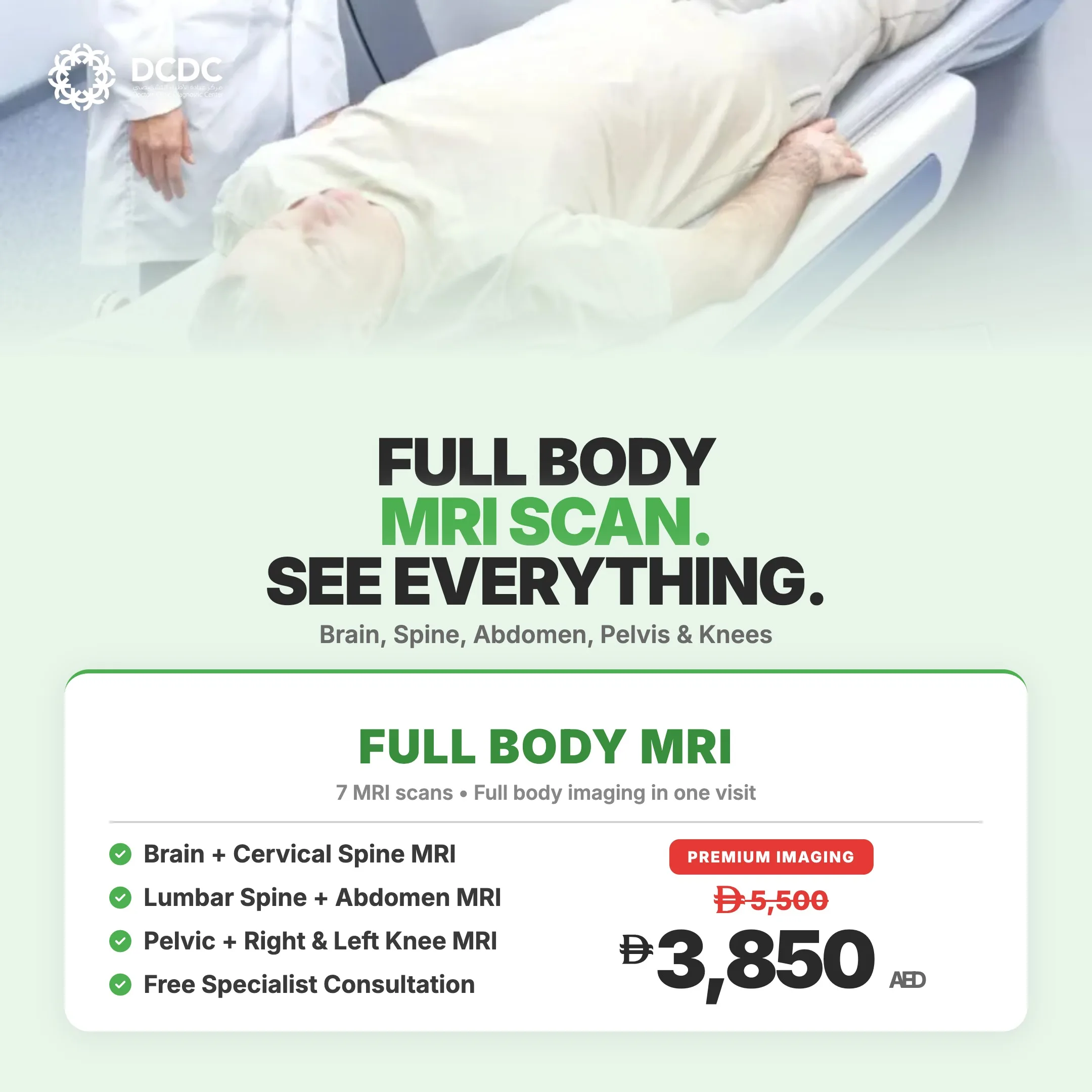
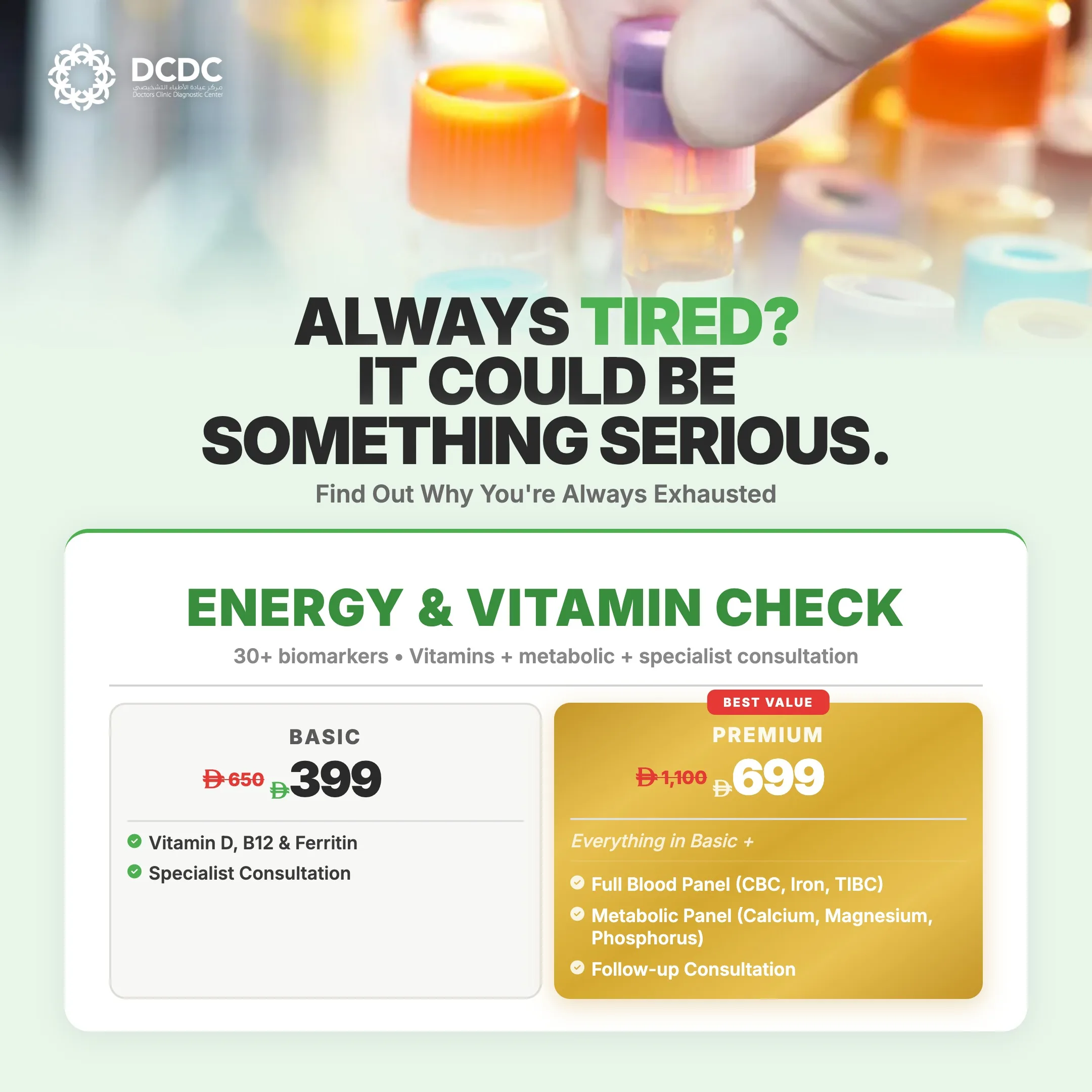
Health Screening Packages
Save with our bundled screening packages — specialist consultation included


What Is a Thyroid Nodule?
Your thyroid is a butterfly-shaped gland located at the front of your neck, just below the Adam's apple. It produces hormones (T3 and T4) that regulate metabolism, heart rate, body temperature, and energy levels. A thyroid nodule is a discrete lump that forms within this gland due to abnormal growth of thyroid cells.
Thyroid nodules can be solid, filled with fluid (cystic), or a mixture of both (mixed). They range in size from a few millimetres, too small to feel, to several centimetres, large enough to be visible in the neck. Most nodules are asymptomatic and discovered incidentally during imaging performed for other reasons, such as a CT scan of the neck, a carotid ultrasound, or a PET scan.
Thyroid Nodule Prevalence
| Detection Method | Estimated Prevalence | Notes |
|---|---|---|
| Physical examination (palpation) | 4-7% of adults | Only larger or superficial nodules are palpable |
| Ultrasound screening | 19-68% of adults | Detects nodules as small as 2-3 mm |
| Autopsy studies | Up to 65% | Many nodules are never detected during life |
Prevalence data from the American Thyroid Association. The wide range in ultrasound prevalence reflects differences in study populations, age groups, and iodine status.
The important takeaway is that having a thyroid nodule is common and, in most cases, not dangerous. The challenge is identifying the small minority of nodules — roughly 5-15% — that are malignant. This is why a structured diagnostic approach matters.
Types of Thyroid Nodules
Not all thyroid nodules are the same. Understanding the type of nodule you have helps predict its behaviour and guides treatment decisions. Nodule type is typically determined by ultrasound appearance and, when needed, fine needle aspiration biopsy results.
| Nodule Type | Description | Cancer Risk | Typical Management |
|---|---|---|---|
| Colloid nodule | Overgrowth of normal thyroid tissue; most common type | Very low (< 2%) | Observation; no treatment unless large |
| Cystic nodule | Fluid-filled sac; may be purely cystic or have solid components | Very low if purely cystic (< 1%) | Aspiration if symptomatic; observation otherwise |
| Mixed solid-cystic | Contains both solid and fluid components | Low to moderate (5-15% depending on solid component) | Ultrasound monitoring; biopsy if solid portion > 1 cm |
| Solid nodule (hypoechoic) | Solid mass that appears darker than surrounding tissue on ultrasound | Moderate to higher (10-20%) | Biopsy often recommended based on TIRADS score |
| Autonomous (hot) nodule | Produces excess thyroid hormone independently | Very low (< 1%) | Treatment of hyperthyroidism; rarely cancerous |
| Thyroid adenoma | Benign neoplasm with a distinct capsule | Low (benign by definition) | Observation; surgery if large or causing compression |
| Malignant nodule | Cancerous growth; most commonly papillary thyroid carcinoma | 100% (confirmed cancer) | Surgery, possibly radioactive iodine, and monitoring |
Cancer risk percentages are approximate and vary based on individual patient factors, ultrasound features, and biopsy results.
Multinodular goitre, where several nodules develop within the thyroid, is another common pattern. Having multiple nodules does not significantly increase the overall cancer risk compared to having a single nodule. Each nodule is assessed individually based on its characteristics.
What Causes Thyroid Nodules?
The exact cause of thyroid nodules is not always identifiable. In many cases, they develop from normal thyroid tissue that simply overgrows. However, several risk factors increase the likelihood of developing thyroid nodules.
Common Risk Factors
- Age: The prevalence of thyroid nodules increases with age. They are uncommon in children but affect up to 50-70% of adults over 60.
- Female sex: Women are approximately 4 times more likely to develop thyroid nodules than men, likely due to hormonal influences on thyroid tissue.
- Iodine deficiency: In regions with insufficient dietary iodine, the thyroid gland enlarges and develops nodules as it struggles to produce adequate hormones. While Dubai has generally adequate iodine intake through iodized salt, some patients originate from iodine-deficient regions.
- Radiation exposure: Previous radiation therapy to the head, neck, or chest — particularly during childhood — significantly increases the risk of thyroid nodules and thyroid cancer.
- Family history: A first-degree relative with thyroid nodules or thyroid cancer increases your risk. Certain genetic syndromes (MEN2, familial adenomatous polyposis, Cowden syndrome) carry higher thyroid cancer risk.
- Hashimoto's thyroiditis: Chronic autoimmune inflammation of the thyroid can lead to nodule formation alongside hypothyroidism.
- Obesity: Higher body mass index has been associated with increased thyroid nodule prevalence and greater nodule size.
Thyroid nodules are not caused by stress, diet, or lifestyle choices in most cases. They develop from cellular changes within the thyroid gland that are largely driven by genetics, age, and environmental exposures. For a broader understanding of thyroid-related conditions, see our guide on thyroid problems and their symptoms.
Thyroid Nodule Symptoms: When to See a Doctor
Most thyroid nodules produce no symptoms whatsoever. They sit quietly within the thyroid gland and are discovered only when a doctor palpates your neck during a routine examination or when imaging reveals them incidentally. However, some nodules do cause noticeable symptoms, and these warrant medical evaluation.
Symptoms That May Indicate a Thyroid Nodule
- A visible lump in the neck: A nodule large enough to see or feel as a swelling at the base of the neck.
- Difficulty swallowing (dysphagia): A large nodule can press on the oesophagus, creating a sensation of something stuck in the throat.
- Difficulty breathing: Very large nodules or substernal goitres can compress the trachea, particularly when lying down.
- Hoarseness or voice changes: Compression of or invasion into the recurrent laryngeal nerve can alter voice quality.
- Neck pain or tenderness: Uncommon with typical nodules but can occur with haemorrhage into a cyst or subacute thyroiditis.
- Symptoms of hyperthyroidism: If the nodule produces excess thyroid hormone (a 'hot' nodule), you may experience weight loss, rapid heartbeat, tremors, anxiety, heat intolerance, and increased sweating.
- Swollen lymph nodes: Enlarged lymph nodes in the neck alongside a thyroid nodule may suggest the nodule is malignant and has spread.
When to Seek Medical Attention
You should see a doctor if you notice any lump in your neck, experience unexplained hoarseness lasting more than two weeks, have difficulty swallowing or breathing, have a family history of thyroid cancer, or have a history of radiation exposure. Even without symptoms, thyroid nodules discovered incidentally on imaging should be evaluated with a dedicated thyroid ultrasound.
How Are Thyroid Nodules Diagnosed in Dubai?
Diagnosing a thyroid nodule involves a systematic workup that moves from general assessment to targeted investigation. At DCDC, we follow international guidelines from the American Thyroid Association (ATA) and the European Thyroid Association (ETA) to ensure every nodule is evaluated appropriately.
Step 1: Clinical History and Physical Examination
Your doctor reviews your medical history, focusing on risk factors such as family history of thyroid disease or cancer, radiation exposure, and current symptoms. A physical examination of the neck assesses the thyroid gland for size, consistency, tenderness, and whether nodules are palpable. Your doctor also checks for enlarged lymph nodes.
Step 2: Thyroid Blood Tests
Blood tests are essential to evaluate how the thyroid is functioning. The standard thyroid panel includes TSH (thyroid-stimulating hormone), free T4, free T3, and thyroid antibodies (TPO and thyroglobulin antibodies). TSH is the most important initial test: if it is low, suggesting hyperthyroidism, the nodule may be an autonomously functioning ('hot') nodule, which carries a very low cancer risk. If TSH is normal or elevated, further imaging and possibly biopsy are needed. At DCDC, our on-site laboratory processes routine thyroid panels with same-day results.
Step 3: Thyroid Ultrasound
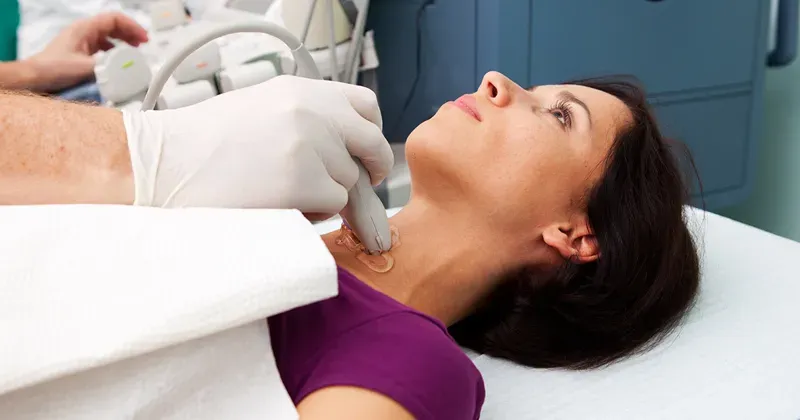
Thyroid ultrasound is the single most important imaging tool for evaluating thyroid nodules. It provides detailed information about nodule size, composition (solid, cystic, or mixed), echogenicity, margins, vascularity, and the presence of calcifications. These features determine the risk of malignancy and guide the decision about whether biopsy is needed. At DCDC, thyroid ultrasound is performed on-site with reads by a subspecialty radiologist.
Step 4: Fine Needle Aspiration Biopsy (FNA)
When ultrasound features suggest a nodule may be suspicious, or when a nodule meets certain size criteria, fine needle aspiration is recommended. FNA is a minimally invasive procedure where a thin needle is inserted into the nodule under ultrasound guidance to collect cell samples for microscopic examination. The procedure takes about 15-20 minutes, is performed in the clinic, and most patients return to normal activities the same day. DCDC offers ultrasound-guided FNA on-site, eliminating the need for hospital referral.
Step 5: Additional Tests (When Needed)
- Thyroid scintigraphy (radioiodine scan): Used when TSH is low to determine if a nodule is 'hot' (overproducing hormone) or 'cold' (non-functioning). Hot nodules are rarely cancerous.
- Molecular testing: For biopsy results that are indeterminate (Bethesda categories III or IV), molecular testing of the aspirated cells can help determine cancer risk and guide management.
- CT or MRI of the neck: Rarely needed but may be ordered for large nodules causing compression or when assessing substernal extension.
- Calcitonin level: Measured when medullary thyroid carcinoma is suspected based on family history or nodule characteristics.
For a detailed breakdown of the blood tests involved, see our complete thyroid test guide covering TSH, T3, and T4 panels.
Thyroid Nodule Ultrasound: What Radiologists Look For
Thyroid ultrasound is not simply about detecting a nodule — it is about characterising it. Radiologists assess multiple features to estimate the likelihood that a nodule is benign or malignant. The most widely used standardised system is the ACR TI-RADS (American College of Radiology Thyroid Imaging Reporting and Data System).
Key Ultrasound Features Assessed
- Composition: Cystic (fluid-filled), predominantly cystic, predominantly solid, or solid. More solid nodules carry higher cancer risk.
- Echogenicity: How the nodule appears relative to surrounding thyroid tissue. Hypoechoic (darker) and markedly hypoechoic nodules are more suspicious.
- Shape: 'Taller-than-wide' nodules (measuring more in the anteroposterior dimension than in width) are more concerning because malignant cells tend to grow across tissue planes.
- Margins: Well-defined, smooth margins suggest benign disease. Irregular, lobulated, or ill-defined margins raise suspicion.
- Echogenic foci: Punctate echogenic foci (tiny bright spots) may represent microcalcifications, which are associated with papillary thyroid carcinoma. Macrocalcifications and peripheral rim calcifications have different implications.
ACR TI-RADS Classification
The TI-RADS system assigns points based on each ultrasound feature and classifies nodules into risk categories that guide whether biopsy is recommended.
| TI-RADS Category | Points | Risk Level | FNA Recommendation |
|---|---|---|---|
| TR1 - Benign | 0 points | Benign | No FNA needed |
| TR2 - Not Suspicious | 2 points | Not suspicious | No FNA needed |
| TR3 - Mildly Suspicious | 3 points | Low risk (~5%) | FNA if nodule >= 2.5 cm; follow-up if >= 1.5 cm |
| TR4 - Moderately Suspicious | 4-6 points | Moderate risk (~5-20%) | FNA if nodule >= 1.5 cm; follow-up if >= 1.0 cm |
| TR5 - Highly Suspicious | 7+ points | High risk (>20%) | FNA if nodule >= 1.0 cm; follow-up if >= 0.5 cm |
ACR TI-RADS categories. Size thresholds determine whether FNA biopsy or follow-up imaging is recommended. Smaller nodules in the same category may be monitored with repeat ultrasound.
At DCDC, our subspecialty radiologist reads all thyroid ultrasounds and provides a TI-RADS classification in the report. This standardised approach ensures consistency and helps your doctor make evidence-based decisions about whether further investigation is needed. For a more detailed overview of the imaging process, read our guide to thyroid ultrasound in Dubai.
Thyroid Nodule Evaluation at DCDC
Concerned about a thyroid nodule? Our team at DCDC in Dubai Healthcare City offers same-day thyroid blood tests, on-site ultrasound with subspecialty radiologist reads, and ultrasound-guided FNA when needed. Thyroid panel from AED 150. Ultrasound from AED 300. 20+ insurance partners with direct billing.
Are Thyroid Nodules Cancerous?
This is the question every patient asks first, and the statistics are reassuring. Only 5-15% of thyroid nodules are malignant. The vast majority are benign growths that pose no threat to health. However, accurate diagnosis is essential because the small percentage that are cancerous benefit significantly from early treatment.
Thyroid Cancer Statistics
- Most common type: Papillary thyroid carcinoma accounts for approximately 80% of all thyroid cancers. It grows slowly and has an excellent prognosis, with a 10-year survival rate exceeding 95%.
- Follicular thyroid carcinoma: Accounts for about 10-15% of thyroid cancers. Generally has a good prognosis, though slightly less favourable than papillary.
- Medullary thyroid carcinoma: Accounts for 3-5%. Can be sporadic or familial (associated with MEN2 syndrome). Detected by elevated calcitonin levels.
- Anaplastic thyroid carcinoma: Very rare (1-2%) but aggressive. Typically seen in older adults with longstanding goitre.
Red Flags That Increase Cancer Suspicion
- Rapid nodule growth over weeks to months
- Nodule that is very firm or hard on palpation
- Fixation to surrounding structures (nodule does not move with swallowing)
- New or persistent hoarseness indicating possible nerve involvement
- Enlarged or firm cervical lymph nodes
- History of head or neck radiation, especially in childhood
- Family history of thyroid cancer or associated genetic syndromes
- Male sex (nodules in men have a slightly higher cancer probability)
- Age under 20 or over 60 (both age extremes carry higher risk)
Even when these red flags are present, the majority of nodules still turn out to be benign. The purpose of the diagnostic workup — blood tests, ultrasound, and FNA — is to identify the true cancers without subjecting patients with benign nodules to unnecessary surgery. For more on cancer detection, see our comprehensive cancer screening guide.
Thyroid Nodule Treatment Options
Treatment for thyroid nodules depends entirely on the diagnosis. The majority of nodules — those confirmed as benign — require no treatment at all. For nodules that do need intervention, several options are available.
1. Observation and Monitoring
Most benign thyroid nodules are managed with periodic ultrasound monitoring. The ATA recommends repeat ultrasound at 12-24 months after initial diagnosis for low-risk nodules. If the nodule remains stable over time, monitoring intervals can be extended. Nodules that grow significantly (more than 50% increase in volume or 20% increase in at least two dimensions) may warrant repeat biopsy.
2. Thyroid Hormone Suppression Therapy
In the past, levothyroxine was sometimes prescribed to suppress TSH and shrink benign nodules. Current guidelines generally do not recommend routine TSH suppression therapy because the modest reduction in nodule size does not outweigh the risks of subclinical hyperthyroidism, including bone loss and cardiac arrhythmias. However, it may be considered in select younger patients with small nodules in iodine-deficient areas.
3. Radioactive Iodine (RAI) Therapy
RAI is effective for autonomous (hot) nodules causing hyperthyroidism and for large multinodular goitres in patients who are not surgical candidates. The radioactive iodine is taken up by overactive thyroid tissue and destroys it over several months. RAI often leads to hypothyroidism requiring lifelong thyroid hormone replacement.
4. Surgery (Thyroidectomy)
Surgery is recommended for thyroid nodules that are confirmed or strongly suspected to be malignant, large benign nodules causing compressive symptoms (difficulty swallowing or breathing), nodules with indeterminate biopsy results where molecular testing is inconclusive, and for patient preference when close surveillance creates significant anxiety. Surgery may involve removing half the thyroid (lobectomy) or the entire gland (total thyroidectomy), depending on the indication.
5. Minimally Invasive Ablation Techniques
For symptomatic benign nodules in patients who prefer to avoid surgery, newer techniques include ethanol ablation (for cystic nodules), radiofrequency ablation (RFA), and laser ablation. These procedures shrink nodules without removing the thyroid gland and are performed under ultrasound guidance. While increasingly available, they are not suitable for all nodule types.
Treatment Decision Summary
| Diagnosis | Recommended Approach | Follow-Up |
|---|---|---|
| Benign nodule (stable) | Observation with periodic ultrasound | Repeat ultrasound at 12-24 months, then less frequently |
| Benign nodule (symptomatic) | Surgery or ablation if compressing structures | Post-procedure monitoring |
| Autonomous (hot) nodule | Radioactive iodine or surgery | Thyroid function testing; hormone replacement if needed |
| Indeterminate biopsy | Molecular testing, repeat FNA, or diagnostic lobectomy | Based on final pathology |
| Malignant nodule | Surgery (lobectomy or total thyroidectomy) | Radioactive iodine, TSH suppression, and surveillance |
Treatment decisions are individualized based on nodule characteristics, patient factors, and shared decision-making between patient and physician.
Thyroid Nodule Treatment Cost in Dubai
Understanding the cost of thyroid nodule evaluation and treatment helps you plan your healthcare. Here is a breakdown of typical costs in Dubai, including what DCDC charges for the most common tests and procedures.
| Service | Typical Dubai Range | DCDC Starting From | Insurance Coverage |
|---|---|---|---|
| GP / Internal Medicine consultation | AED 200-600 | From AED 250 | Covered by most plans |
| Thyroid blood panel (TSH, T3, T4) | AED 150-500 | From AED 150 | Covered by most plans |
| Thyroid antibodies (TPO, TG) | AED 150-400 | From AED 150 | Covered when clinically indicated |
| Thyroid ultrasound | AED 300-800 | From AED 300 | Covered when clinically indicated |
| Fine needle aspiration (FNA) | AED 500-2,000 | From AED 500-1,500 | Covered when clinically indicated |
| Endocrine consultation (specialist) | AED 300-800 | From AED 250 | Covered by most plans |
| Thyroid lobectomy (surgery) | AED 15,000-35,000 | Hospital referral | Covered when medically necessary |
| Total thyroidectomy (surgery) | AED 20,000-50,000 | Hospital referral | Covered when medically necessary |
Prices are approximate and may vary based on individual clinical needs and insurance plan. DCDC works with 20+ insurance partners including Daman, AXA, and Bupa with direct billing available.
For the majority of patients with benign nodules, the total cost of initial evaluation (consultation, blood tests, and ultrasound) ranges from AED 700-1,200. Ongoing monitoring costs are limited to periodic ultrasound (from AED 300) and a follow-up consultation. Most of these costs are covered by insurance in Dubai. For a broader overview of blood testing costs, see our comprehensive blood test guide for Dubai.
What to Expect at DCDC
At Doctors Clinic Diagnostic Center in Dubai Healthcare City (Building 64, Block A, Al Razi Medical Complex), we have structured our thyroid nodule care pathway to be efficient, thorough, and patient-centred. Here is what your journey looks like from first visit to long-term management.
Your First Visit
- Medical history review: Dr. Hadeel Elnur or another physician reviews your symptoms, family history of thyroid disease or cancer, radiation exposure history, and any previous thyroid test results.
- Physical examination: Thorough palpation of the thyroid gland and cervical lymph nodes. The doctor assesses nodule size, consistency, mobility, and any signs of compression.
- Same-day blood tests: TSH, free T4, free T3, and thyroid antibodies are drawn on-site. Our laboratory processes routine thyroid panels with same-day results, so you often have answers before you leave the building.
- On-site thyroid ultrasound: Performed the same day when clinically indicated. A subspecialty radiologist reads the images and provides a TI-RADS classification.
- Ultrasound-guided FNA (if needed): When the ultrasound identifies a nodule meeting biopsy criteria, FNA can be scheduled promptly, often within the same week.
Results and Next Steps
Once all results are available, your doctor discusses the findings in detail, explains the TI-RADS classification, and outlines the recommended management plan. For benign nodules, a monitoring schedule is established. For suspicious or indeterminate results, referral to an endocrinologist is coordinated. DCDC's endocrine service specifically lists thyroid nodules as a managed condition, ensuring seamless specialist coordination when needed.
Why Patients Choose DCDC
- All-in-one evaluation: Blood tests, ultrasound, and FNA available on-site — no separate hospital visits.
- Same-day hormone results: Routine thyroid panel results returned the same day.
- Subspecialty imaging: Thyroid ultrasound read by a subspecialty radiologist for accurate TI-RADS classification.
- Multi-specialty coordination: GP assessment with endocrinologist referral when needed, all within the same clinic.
- Proven patient satisfaction: 4.8/5 Google rating from over 1,000 verified reviews and 98% patient satisfaction rate.
- Insurance and access: 20+ insurance partners with direct billing. MOHAP Licensed. Open Saturday to Thursday 8 AM to 10 PM, Friday 9 AM to 9 PM. Free parking on-site. Average wait time: 15 minutes.
Living with Thyroid Nodules: Monitoring and Follow-Up
If your thyroid nodule has been evaluated and found to be benign, the most important next step is establishing a monitoring schedule. Most benign nodules remain stable for years and never require treatment. However, regular follow-up ensures that any changes are caught early.
Recommended Surveillance Schedule
| Nodule Category | First Follow-Up | Subsequent Follow-Ups | When to Re-Biopsy |
|---|---|---|---|
| Benign (low-risk, TR1-TR2) | 12-24 months | Every 2-3 years if stable | If significant growth (>50% volume increase) |
| Benign (biopsied, TR3) | 12-24 months | Every 1-2 years for 3-5 years | If growing or new suspicious features |
| Benign (biopsied, TR4-TR5) | 6-12 months | Every 12 months for 3-5 years | If any growth or change in ultrasound features |
| Not biopsied (sub-threshold) | 12-24 months | Every 1-3 years based on TI-RADS | If nodule grows to meet size threshold for FNA |
Surveillance intervals based on ATA and ACR TI-RADS guidelines. Your doctor may adjust these based on individual risk factors.
What Counts as Significant Growth?
A nodule is considered to have grown significantly if it increases by 50% or more in volume, or by 20% or more in at least two dimensions with a minimum increase of 2 mm. Minor size fluctuations between ultrasound examinations are normal and may reflect measurement variability rather than true growth. This is why comparisons should be made between dedicated thyroid ultrasounds performed on the same type of equipment when possible.
Thyroid Function Monitoring
In addition to ultrasound surveillance, periodic thyroid function tests (TSH at minimum) are recommended to ensure the nodule is not affecting hormone production. This is particularly important if you have multiple nodules, Hashimoto's thyroiditis, or if a nodule is autonomous. Annual TSH testing is reasonable for most patients with thyroid nodules.
When to Worry About a Thyroid Nodule
While the message throughout this guide has been reassuring — most nodules are benign — it is equally important to know when a thyroid nodule warrants urgent attention. Early identification of concerning features leads to timely treatment and excellent outcomes, even in the uncommon event that cancer is present.
Red Flag Checklist
- Rapid growth of a known nodule, especially over weeks rather than months
- New hoarseness or voice changes that persist for more than 2-3 weeks
- A nodule that feels very hard or fixed (does not move when you swallow)
- Enlarged, firm, or non-tender lymph nodes in the neck
- New difficulty swallowing or a sensation of progressive throat compression
- Family history of thyroid cancer, especially medullary thyroid carcinoma or MEN2 syndrome
- Previous radiation exposure to the head, neck, or chest
- Ultrasound showing TI-RADS 4 or 5 features: hypoechoic, taller-than-wide, irregular margins, or microcalcifications
- FNA result showing suspicious or malignant cells (Bethesda category V or VI)
If any of these apply to you, do not delay evaluation. Even thyroid cancer, when caught early, is one of the most treatable cancers with survival rates exceeding 95% for the most common types.
Dr. Hadeel Elnur's Perspective on Thyroid Nodule Management
"Thyroid nodules are one of the most common reasons patients come to see me at DCDC, and I understand the anxiety that comes with finding a lump in your neck. My role as a general practitioner is to be your first point of contact: to take a thorough history, examine your thyroid, order the right tests, and interpret the results in context."
"What makes thyroid nodule management effective at DCDC is the coordination. I can order your blood tests and have results the same day. I can arrange a thyroid ultrasound on-site with a subspecialty radiologist who knows exactly what to look for. If the ultrasound shows something that needs further investigation, I coordinate directly with our endocrinology colleagues for specialist review or FNA biopsy. The patient does not have to navigate between different clinics or wait weeks for appointments."
"The most important thing I tell patients is this: a thyroid nodule is not a diagnosis of cancer. It is a finding that needs proper evaluation. Once we have done that evaluation, the vast majority of patients leave with reassurance and a simple monitoring plan. For the few who do need treatment, early and accurate diagnosis makes all the difference."
Book Your Thyroid Evaluation at DCDC
If you have discovered a thyroid nodule or have symptoms such as a neck lump, difficulty swallowing, or hoarseness, book a consultation at DCDC Dubai Healthcare City. Same-day thyroid blood tests from AED 150. On-site ultrasound from AED 300. Ultrasound-guided FNA available. 20+ insurance partners with direct billing including Daman, AXA, and Bupa. Building 64, Block A, DHCC. Open Sat-Thu 8AM-10:30PM, Fri 9AM-10PM. Free parking.
Kaugnay na Serbisyo sa DCDC
Dalubhasang pangangalaga at advanced diagnostics sa Dubai Healthcare City
Mga Madalas Itanong
Related Resources
Thyroid Test Dubai: TSH, T3 & T4 Guide
Thyroid Ultrasound Dubai: When You Need It
Thyroid Problems Symptoms Dubai
Hypothyroidism Treatment Dubai: Full Guide
Mga Sanggunian at Reperensya
Ang artikulong ito ay sinuri ng aming medikal na team at tumutukoy sa mga sumusunod na sanggunian:
- American Thyroid Association - Thyroid Nodules
- Mayo Clinic - Thyroid Nodules
- NHS - Thyroid Lumps (Goitre)
- Cleveland Clinic - Thyroid Nodule
- World Health Organization - Iodine Deficiency
- European Thyroid Association - Guidelines on Thyroid Nodule Management
Ang medikal na nilalaman sa site na ito ay sinusuri ng mga DHA-licensed na manggagamot. Tingnan ang aming patakarang editorial para sa higit pang impormasyon.

Isinulat ni
Dr. Hadeel Elnur
General Practitioner
MD, General Practice
Si Dr. Hadeel Elnur ay General Practitioner sa DCDC sa Dubai Healthcare City.
Related Articles
Thyroid Test Dubai: TSH, T3 & T4 Guide
Thyroid Ultrasound Dubai: When You Need It
Thyroid Problems Symptoms Dubai
Hypothyroidism Treatment Dubai: Full Guide
Cancer Screening Dubai: Tests & Cost by Age
Higit pa sa Internal Medicine
Gastritis vs GERD Dubai: Key Differences (2026)
Basahin Pa
Endoscopy Dubai: Types, Cost & Guide (2026)
Basahin Pa
Uric Acid & Gout Treatment Dubai: Guide (2026)
Basahin Pa
Low Testosterone Symptoms & Treatment Dubai (2026)
Basahin PaStomach Ulcer Dubai: Symptoms & Treatment (2026)
Basahin PaBloating Causes & Treatment in Dubai (2026)
Basahin Pa© 2026 Doctors Clinic Diagnostic Center (DCDC), Dubai Healthcare City. Originally published at https://doctorsclinicdubai.ae/blog/thyroid-nodule-diagnosis-dubai. All rights reserved. Unauthorized reproduction is prohibited.