Mga Pangunahing Punto
- PCOS affects 8 to 13 percent of women of reproductive age globally, but prevalence in the UAE and Middle East is estimated at 15 to 20 percent due to genetic predisposition and lifestyle factors
- Diagnosis requires meeting at least 2 of 3 Rotterdam criteria: irregular or absent ovulation, clinical or biochemical hyperandrogenism, and polycystic ovarian morphology on ultrasound
- PCOS is the leading cause of anovulatory infertility, with 70 to 80 percent of affected women experiencing difficulty conceiving without treatment
- Women with PCOS have a 4 to 7 times higher risk of developing type 2 diabetes, making insulin resistance screening an essential part of ongoing management
- A weight reduction of just 5 to 10 percent of body weight can restore regular ovulation and significantly improve hormonal profiles in many women with PCOS
- PCOS treatment in Dubai at DCDC starts from AED 500 for an initial OB-GYN consultation, with hormone panels ranging from AED 350 to 800 and pelvic ultrasound from AED 300 to 600
- PCOS is a lifelong condition that requires ongoing management — there is no cure, but symptoms can be effectively controlled with a combination of lifestyle modifications, medication, and regular monitoring
Polycystic ovary syndrome (PCOS) is the most common endocrine disorder affecting women of reproductive age, yet it remains significantly underdiagnosed. In the UAE, an estimated 15 to 20 percent of women are affected — a prevalence rate notably higher than the global average. If you are experiencing irregular periods, unexplained weight gain, acne, or difficulty conceiving, early evaluation is critical. At Doctors Clinic Diagnostic Center (DCDC) in Dubai Healthcare City, our OB-GYN specialists provide comprehensive PCOS treatment in Dubai using evidence-based diagnostic protocols and individualized treatment plans. This guide covers everything you need to know about PCOS — from symptoms and diagnosis to treatment options, costs, and long-term health management.
PCOS is not simply a reproductive condition. It is a complex metabolic and hormonal disorder with implications that extend far beyond the ovaries. Women with PCOS face elevated risks of type 2 diabetes, cardiovascular disease, endometrial cancer, and mental health conditions including anxiety and depression. The good news is that with accurate diagnosis and a structured treatment plan, most women with PCOS can manage their symptoms effectively, protect their fertility, and reduce their long-term health risks. Understanding the condition is the first step.
Health Screening Packages
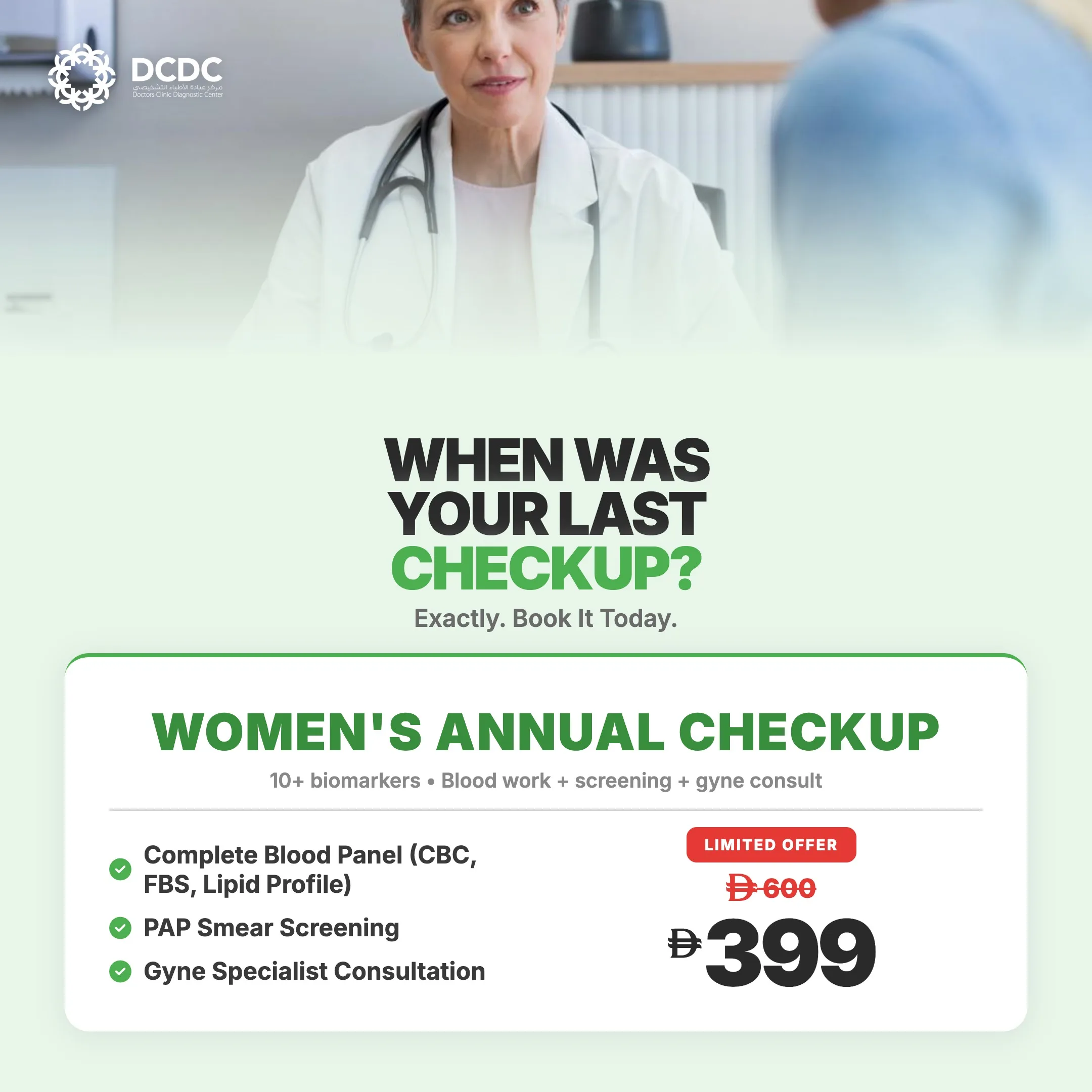
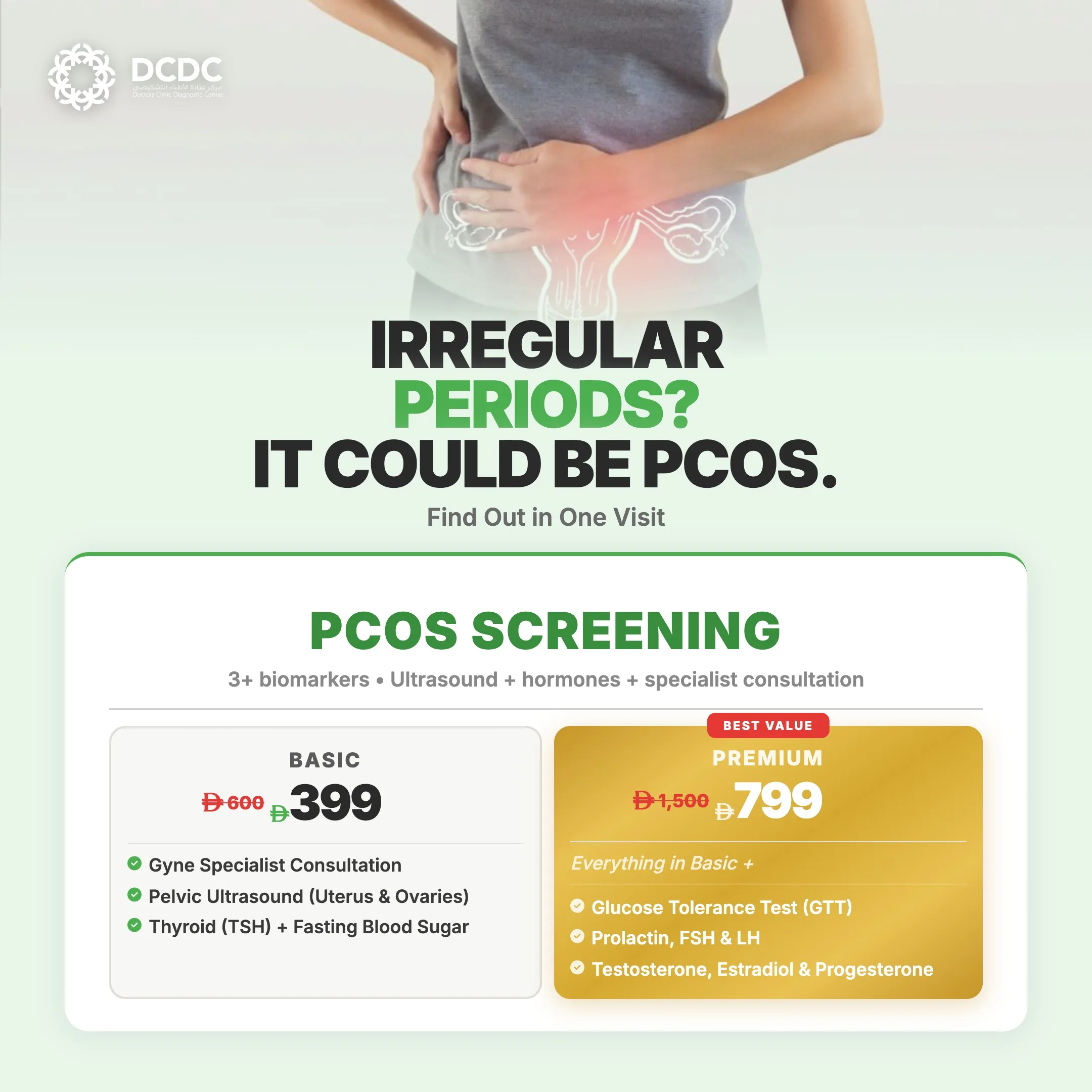
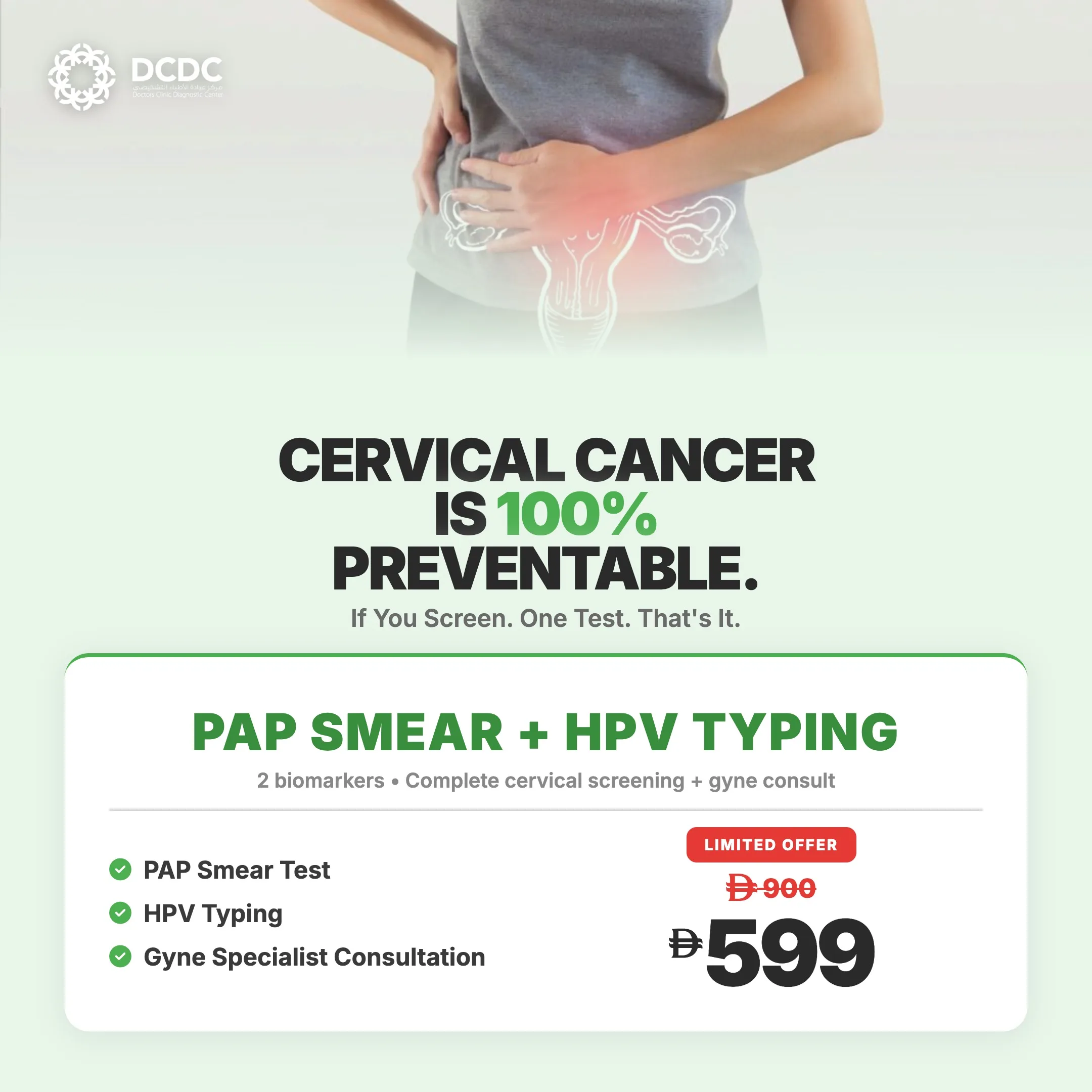
Save with our bundled screening packages — specialist consultation included



What Is PCOS? Understanding Polycystic Ovary Syndrome
Polycystic ovary syndrome (PCOS) is a hormonal disorder characterized by a combination of reproductive, metabolic, and dermatological symptoms. The name can be misleading — not all women with PCOS have ovarian cysts, and having ovarian cysts does not necessarily mean you have PCOS. The condition is defined by a specific pattern of hormonal imbalances, primarily involving elevated androgens (male hormones such as testosterone) and disrupted ovulation.
According to the World Health Organization (WHO), PCOS affects approximately 8 to 13 percent of women of reproductive age worldwide, with up to 70 percent of cases remaining undiagnosed. In the Middle East and Gulf region, including the UAE, prevalence rates are estimated at 15 to 20 percent — substantially higher than the global average. Researchers attribute this elevated prevalence to a combination of genetic susceptibility, higher rates of insulin resistance, sedentary lifestyles, and dietary patterns common in the region.
At the cellular level, PCOS involves a disruption of the hypothalamic-pituitary-ovarian (HPO) axis. The pituitary gland produces excessive luteinizing hormone (LH) relative to follicle-stimulating hormone (FSH), which stimulates the ovaries to produce excess androgens. This hormonal imbalance prevents follicles from maturing fully, resulting in anovulation (failure to release an egg) and the accumulation of small, immature follicles on the ovaries — the so-called polycystic appearance on ultrasound. Simultaneously, most women with PCOS exhibit some degree of insulin resistance, where the body's cells respond poorly to insulin, prompting the pancreas to produce more. Elevated insulin further stimulates androgen production, creating a self-reinforcing cycle.
PCOS Symptoms: Signs You Should Not Ignore
PCOS presents with a wide spectrum of symptoms, and no two women experience the condition identically. Some women have primarily reproductive symptoms, while others present with metabolic or dermatological complaints. The severity can range from mild irregularities to profoundly disruptive symptoms affecting quality of life. Recognizing these signs early is essential for timely diagnosis and intervention.
- Irregular menstrual cycles: This is the most common presenting symptom. Women with PCOS may have cycles longer than 35 days (oligomenorrhea), fewer than 8 periods per year, or complete absence of periods (amenorrhea). Some women experience unpredictable bleeding patterns with cycles varying widely in length from month to month.
- Hyperandrogenism (excess male hormones): Elevated androgens cause hirsutism (excess hair growth on the face, chest, back, and abdomen), persistent acne (particularly along the jawline and chin), and androgenic alopecia (thinning hair on the scalp, especially at the crown). Approximately 60 to 80 percent of women with PCOS exhibit at least one sign of hyperandrogenism.
- Weight gain and difficulty losing weight: Approximately 40 to 80 percent of women with PCOS are overweight or obese, with fat accumulation typically concentrated in the abdominal area (central obesity). Insulin resistance makes weight loss particularly challenging, as excess insulin promotes fat storage and increases appetite.
- Acanthosis nigricans: Dark, velvety patches of skin in body folds — the neck, armpits, groin, and under the breasts — are a visible marker of insulin resistance. This finding is common in women with PCOS and metabolic syndrome.
- Infertility: PCOS is the most common cause of anovulatory infertility. Without regular ovulation, conception becomes difficult or impossible without medical assistance. An estimated 70 to 80 percent of women with PCOS experience some degree of fertility difficulty.
- Mood disturbances: Women with PCOS have significantly higher rates of anxiety, depression, and reduced quality of life compared to women without the condition. Hormonal imbalances, body image concerns, and the stress of managing a chronic condition all contribute to psychological burden.
- Fatigue and sleep disturbances: Insulin resistance-related energy fluctuations, combined with a higher prevalence of obstructive sleep apnea in women with PCOS (particularly those who are overweight), contribute to chronic fatigue and poor sleep quality.
What Causes PCOS? Risk Factors and Triggers
The exact cause of PCOS remains incompletely understood, but research has identified several interconnected factors that contribute to its development. PCOS is considered a multifactorial condition, meaning it arises from a combination of genetic predisposition and environmental influences rather than a single cause.
- Genetic factors: PCOS has a strong hereditary component. Studies show that if your mother or sister has PCOS, your risk is approximately 40 to 50 percent higher than the general population. Research has identified over 20 gene variants associated with PCOS, many of which are involved in hormone signaling, insulin metabolism, and inflammation pathways. Twin studies consistently demonstrate concordance rates of 70 percent or higher.
- Insulin resistance: Approximately 50 to 70 percent of women with PCOS have insulin resistance, regardless of body weight. When cells fail to respond efficiently to insulin, the pancreas compensates by producing more. Hyperinsulinemia directly stimulates the ovaries to produce excess androgens and reduces the liver's production of sex hormone-binding globulin (SHBG), increasing the amount of free (active) testosterone in the bloodstream.
- Chronic low-grade inflammation: Women with PCOS exhibit elevated levels of inflammatory markers such as C-reactive protein (CRP), interleukin-6 (IL-6), and tumor necrosis factor-alpha (TNF-alpha). This chronic inflammation stimulates androgen production, worsens insulin resistance, and contributes to cardiovascular risk.
- Excess androgen production: While elevated androgens are a hallmark of PCOS, they are also part of the causal pathway. The ovaries and adrenal glands both contribute to androgen excess. Approximately 20 to 30 percent of women with PCOS have elevated adrenal androgens (particularly DHEA-S), indicating an adrenal contribution to the condition.
- Lifestyle and environmental factors: Sedentary lifestyles, high-glycemic diets, stress, and environmental endocrine disruptors (such as BPA and certain pesticides) can worsen or unmask PCOS in genetically predisposed women. In the UAE, rapid urbanization and dietary shifts toward processed, high-sugar foods have paralleled rising PCOS prevalence.
Understanding the root causes of your PCOS is important because treatment should target the underlying drivers — particularly insulin resistance and inflammation — not just the surface symptoms. For a deeper understanding of hormonal health, read our Hormone Test Dubai guide, which explains the key hormones involved and what each test measures.
How PCOS Is Diagnosed: The Rotterdam Criteria
Accurate diagnosis of PCOS is critical because the condition shares symptoms with several other endocrine disorders — including thyroid dysfunction, congenital adrenal hyperplasia (CAH), Cushing's syndrome, and hyperprolactinemia. A diagnosis of PCOS should only be made after these conditions have been excluded. The most widely accepted diagnostic framework is the Rotterdam criteria, established in 2003 by the European Society of Human Reproduction and Embryology (ESHRE) and the American Society for Reproductive Medicine (ASRM), and reaffirmed in the 2023 International Evidence-Based Guidelines.
Under the Rotterdam criteria, a diagnosis of PCOS requires the presence of at least 2 of the following 3 features, after exclusion of other causes:
- Oligo-ovulation or anovulation: Clinically manifested as irregular menstrual cycles (fewer than 8 cycles per year, cycle lengths greater than 35 days, or amenorrhea for 3 or more consecutive months). In adolescents, irregular cycles are common in the first 2 years after menarche, so this criterion must be interpreted with caution in younger patients.
- Clinical and/or biochemical hyperandrogenism: Clinical signs include hirsutism (assessed using the modified Ferriman-Gallwey score, where a score of 4 to 6 or higher is considered significant depending on ethnicity), severe acne, and androgenic alopecia. Biochemical hyperandrogenism is confirmed by elevated free testosterone, total testosterone, free androgen index (FAI), or DHEA-S levels.
- Polycystic ovarian morphology (PCOM) on ultrasound: Defined as the presence of 20 or more follicles (2 to 9 mm in diameter) in at least one ovary, and/or an ovarian volume of 10 mL or greater, when assessed using transvaginal ultrasound with a transducer frequency of 8 MHz or higher. The older threshold of 12 follicles has been updated based on improvements in ultrasound resolution. In adolescents, ultrasound is not recommended as a diagnostic criterion due to high rates of multi-follicular ovaries in this age group.
It is important to understand that a normal ultrasound does not exclude PCOS. Many women with PCOS have normal-appearing ovaries, particularly those with the non-classic phenotypes. Similarly, polycystic-appearing ovaries are found in up to 20 to 30 percent of women without PCOS. The diagnosis is clinical, based on the overall pattern of symptoms, hormone levels, and ultrasound findings — not any single test in isolation.
PCOS Blood Tests: Hormones and Markers to Check
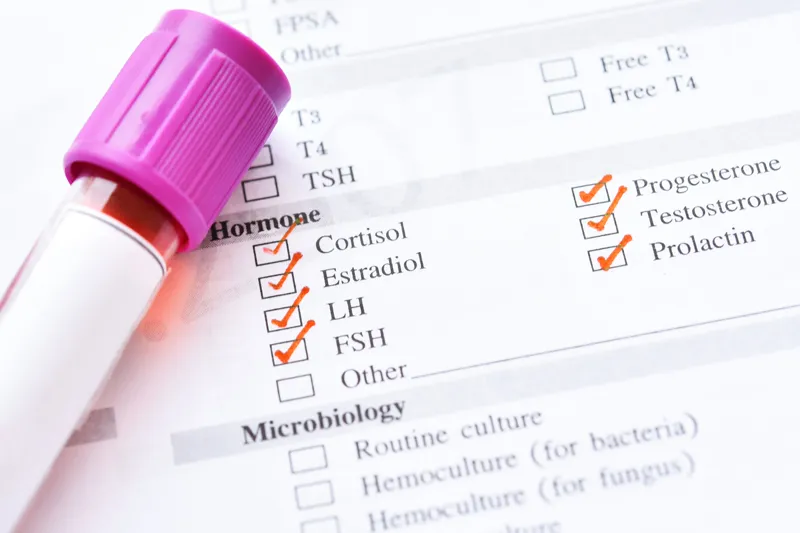
Blood tests are a cornerstone of PCOS evaluation. They serve two purposes: confirming the hormonal features of PCOS and excluding conditions that mimic it. At DCDC in Dubai, our OB-GYN team orders a comprehensive panel tailored to each patient's symptoms and clinical presentation. The following tests are typically included in a PCOS workup:
- Luteinizing hormone (LH) and follicle-stimulating hormone (FSH): In PCOS, the LH-to-FSH ratio is often elevated (greater than 2:1 or even 3:1), although this ratio alone is not diagnostic. These tests should be drawn on day 2 to 5 of the menstrual cycle for accurate interpretation.
- Total and free testosterone: Elevated testosterone is the most common biochemical marker of hyperandrogenism in PCOS. Free testosterone (the biologically active fraction) is more sensitive than total testosterone. A free androgen index (FAI) calculated from total testosterone and SHBG levels provides the most reliable assessment.
- Sex hormone-binding globulin (SHBG): SHBG levels are typically low in PCOS, particularly in women with insulin resistance. Low SHBG increases the proportion of free testosterone, exacerbating androgenic symptoms even when total testosterone is only mildly elevated.
- Dehydroepiandrosterone sulfate (DHEA-S): An adrenal androgen that is elevated in approximately 20 to 30 percent of women with PCOS. Markedly elevated DHEA-S requires further investigation to exclude adrenal tumors or congenital adrenal hyperplasia.
- 17-hydroxyprogesterone (17-OHP): Measured to exclude non-classic congenital adrenal hyperplasia (NCAH), which can mimic PCOS. A morning 17-OHP level below 6 nmol/L (or 200 ng/dL) generally excludes NCAH.
- Thyroid-stimulating hormone (TSH): Thyroid dysfunction — both hypothyroidism and hyperthyroidism — can cause menstrual irregularity, weight changes, and hair loss that overlap with PCOS symptoms. TSH screening is essential in every PCOS evaluation.
- Prolactin: Mildly elevated prolactin is found in approximately 5 to 30 percent of women with PCOS. However, significantly elevated prolactin levels suggest a prolactinoma (pituitary tumor) or other hypothalamic-pituitary pathology that must be excluded.
- Fasting insulin and glucose, HbA1c: These tests assess insulin resistance and glucose metabolism. A fasting insulin level above 20 mIU/L, a HOMA-IR index above 2.5, or an HbA1c of 5.7 percent or higher indicates metabolic concern. Approximately 30 to 40 percent of women with PCOS develop prediabetes or type 2 diabetes by age 40.
- Lipid panel: Women with PCOS frequently have dyslipidemia — elevated triglycerides, low HDL cholesterol, and elevated LDL cholesterol — contributing to cardiovascular risk. A fasting lipid profile is recommended at baseline and periodically thereafter.
- Anti-Mullerian hormone (AMH): AMH levels are typically 2 to 3 times higher in women with PCOS due to the increased number of small antral follicles. While not yet part of formal diagnostic criteria, AMH is increasingly used as a supportive marker, particularly in cases where ultrasound is inconclusive or unavailable.
Get a Comprehensive PCOS Evaluation in Dubai
At Doctors Clinic Diagnostic Center in Dubai Healthcare City, our OB-GYN specialists provide thorough PCOS evaluations including hormone panels, pelvic ultrasound, and metabolic screening. Book your consultation — initial OB-GYN assessment from AED 500.
PCOS and Fertility: What Every Woman Should Know
PCOS is the leading cause of anovulatory infertility worldwide, and fertility concerns are among the primary reasons women in Dubai seek PCOS evaluation. An estimated 70 to 80 percent of women with PCOS experience difficulty conceiving naturally. However, having PCOS does not mean you cannot have children. With appropriate treatment, the majority of women with PCOS can achieve successful pregnancies.
The fertility challenge in PCOS stems directly from anovulation — without regular ovulation, there is no egg available for fertilization. Even women who menstruate may not be ovulating (anovulatory cycles), which is why cycle regularity alone is not a reliable indicator of fertility. The approach to fertility treatment in PCOS follows a stepwise protocol:
- Step 1 — Lifestyle optimization: For overweight women with PCOS, a weight loss of just 5 to 10 percent of total body weight can restore ovulation in 50 to 60 percent of cases. This is always the first-line recommendation before any medication is introduced. Dietary modifications focusing on lower glycemic index foods, combined with regular exercise (150 minutes per week minimum), can produce measurable hormonal improvements within 3 to 6 months.
- Step 2 — Ovulation induction with letrozole: Letrozole (an aromatase inhibitor) has replaced clomiphene citrate as the first-line ovulation induction medication for PCOS, based on evidence showing higher ovulation rates, higher live birth rates, and lower multiple pregnancy rates. Letrozole works by temporarily suppressing estrogen production, triggering the pituitary gland to increase FSH and stimulate follicle development.
- Step 3 — Clomiphene citrate or combination therapy: If letrozole is ineffective, clomiphene citrate (with or without metformin) may be tried. Clomiphene has been used for decades and induces ovulation in approximately 75 to 80 percent of women with PCOS, though pregnancy rates per cycle are lower than with letrozole.
- Step 4 — Gonadotropin therapy: Injectable FSH (gonadotropins) is used when oral medications fail. This requires careful monitoring with serial ultrasounds to minimize the risk of ovarian hyperstimulation syndrome (OHSS), to which women with PCOS are particularly susceptible.
- Step 5 — In vitro fertilization (IVF): When other interventions are unsuccessful, or when there are additional fertility factors (such as tubal damage or male factor infertility), IVF may be recommended. Women with PCOS generally respond well to IVF stimulation, though OHSS risk must be carefully managed with appropriate protocols.
Women with PCOS who do conceive face higher risks of pregnancy complications including gestational diabetes (2 to 3 times higher risk), pre-eclampsia, preterm delivery, and cesarean section. Preconception optimization — including achieving a healthy BMI, controlling blood glucose, and supplementing with folic acid — can significantly reduce these risks. For a detailed overview of imaging used during fertility workup, see our Pelvic Ultrasound for Women guide, which explains how transvaginal and transabdominal scans assess ovarian morphology.
PCOS Treatment Options in Dubai
There is no single cure for PCOS, but a wide range of treatments can effectively manage symptoms and reduce long-term health risks. The optimal treatment plan depends on your primary concerns — whether that is menstrual regulation, fertility, androgen-related symptoms, metabolic health, or a combination. At DCDC in Dubai, treatment plans are individualized based on each patient's phenotype, lab results, and personal goals.
- Combined oral contraceptive pills (COCPs): For women not currently seeking pregnancy, COCPs are the first-line treatment for menstrual regulation, hyperandrogenism, and endometrial protection. They work by suppressing ovarian androgen production, increasing SHBG (which binds free testosterone), and providing regular withdrawal bleeds. Pills containing anti-androgenic progestins (such as drospirenone or cyproterone acetate) are preferred for women with significant hirsutism or acne.
- Metformin: An insulin-sensitizing medication originally developed for type 2 diabetes, metformin is widely used in PCOS management. It reduces insulin levels, lowers androgen production, and can improve menstrual regularity. Metformin is particularly beneficial for women with PCOS who have documented insulin resistance, prediabetes, or metabolic syndrome. It may also be used as an adjunct to ovulation induction.
- Spironolactone: An anti-androgen medication that blocks testosterone receptors and reduces androgen production. Spironolactone is effective for treating hirsutism and acne in women with PCOS. It must be used with reliable contraception, as it can cause feminization of a male fetus. Effects on hair growth typically take 6 to 12 months to become apparent.
- Inositol supplementation: Myo-inositol and D-chiro-inositol (in a 40:1 ratio) have emerged as evidence-based supplements for PCOS. They function as insulin sensitizers and have been shown to improve ovulation rates, reduce androgen levels, and improve oocyte quality. The recommended daily dose is typically 4 grams of myo-inositol with 100 mg of D-chiro-inositol.
- Topical treatments for skin and hair: Eflornithine cream can slow facial hair growth, while retinoids and topical antibiotics address acne. Laser hair removal and electrolysis provide longer-term solutions for hirsutism, though they treat the symptom rather than the underlying hormonal cause.
- Progestins for endometrial protection: Women with PCOS who do not menstruate regularly are at increased risk of endometrial hyperplasia and endometrial cancer due to unopposed estrogen stimulation. If COCPs are not appropriate, cyclical progestins (such as medroxyprogesterone acetate for 10 to 14 days every 1 to 3 months) or a levonorgestrel-releasing intrauterine device (Mirena IUD) can provide endometrial protection.
Lifestyle Changes for PCOS Management
Lifestyle modification is considered the first-line treatment for PCOS across all international guidelines, regardless of body weight. While medications address specific symptoms, lifestyle changes target the underlying metabolic drivers of the condition — insulin resistance and chronic inflammation. In Dubai's climate, where outdoor physical activity may be limited during summer months, adapting exercise routines and dietary patterns to local conditions is essential for long-term adherence.
- Dietary modifications: A low-glycemic-index (GI) diet is the most evidence-supported dietary approach for PCOS. This means prioritizing whole grains, legumes, vegetables, lean proteins, and healthy fats while minimizing refined carbohydrates, sugar-sweetened beverages, and processed foods. Studies show that low-GI diets improve insulin sensitivity, reduce androgen levels, and promote weight loss in women with PCOS. The Mediterranean diet pattern, which emphasizes olive oil, fish, nuts, and fresh produce, has also shown benefits. Caloric restriction of 500 to 750 calories per day below maintenance can achieve the target 5 to 10 percent weight loss over 3 to 6 months.
- Exercise: Current guidelines recommend at least 150 minutes per week of moderate-intensity aerobic exercise (brisk walking, swimming, cycling) or 75 minutes per week of vigorous-intensity exercise, combined with 2 to 3 sessions of resistance training. Both aerobic and resistance exercise independently improve insulin sensitivity. In Dubai, indoor gyms, swimming pools, and fitness studios offer climate-controlled options year-round. Walking in air-conditioned malls during summer months is a practical alternative.
- Stress management: Chronic stress elevates cortisol, which worsens insulin resistance and can increase adrenal androgen production. Mind-body practices including yoga, meditation, deep breathing exercises, and cognitive behavioral therapy (CBT) have been shown to improve hormonal profiles and quality of life in women with PCOS.
- Sleep hygiene: Women with PCOS are at higher risk of obstructive sleep apnea (OSA), particularly if overweight. OSA worsens insulin resistance and metabolic dysfunction. Aim for 7 to 9 hours of sleep per night, maintain a consistent sleep schedule, and discuss screening for sleep apnea with your physician if you experience daytime sleepiness, snoring, or frequent night awakenings.
- Supplements with evidence: Beyond inositol, several supplements have varying degrees of evidence for PCOS management. Vitamin D supplementation (particularly relevant in Dubai despite abundant sunshine, as indoor lifestyles and sun avoidance result in widespread deficiency) may improve insulin sensitivity and ovulation. Omega-3 fatty acids can improve lipid profiles and reduce inflammation. Berberine has demonstrated insulin-sensitizing effects comparable to metformin in some studies. Always discuss supplementation with your physician before starting.
The most important point about lifestyle management is consistency over perfection. Small, sustainable changes maintained over months and years produce far greater results than drastic short-term interventions. For women with PCOS in Dubai, partnering with a multidisciplinary team — including your OB-GYN, a nutritionist, and a fitness professional — provides the best framework for long-term success. For a comprehensive overview of all recommended health screenings, including metabolic and hormonal assessments, see our Women's Health Screening guide.
PCOS Treatment Cost in Dubai: Pricing Breakdown
Understanding the cost of PCOS diagnosis and treatment in Dubai helps you plan your healthcare effectively. PCOS management is an ongoing process involving initial diagnostic workup, treatment initiation, and regular follow-up visits. The following table outlines typical costs at DCDC in Dubai Healthcare City. Most health insurance plans in the UAE cover PCOS-related consultations and diagnostic tests when medically indicated. Our team assists with insurance pre-authorization.
| Service | Price Range (AED) | Notes |
|---|---|---|
| OB-GYN Consultation | From AED 500 | Initial assessment, history review, and diagnosis |
| PCOS Hormone Panel (FSH, LH, Testosterone, DHEA-S, Insulin) | AED 350–800 | Comprehensive blood tests for hormonal markers |
| Pelvic Ultrasound | AED 300–600 | Ovarian morphology and follicle assessment |
| HbA1c / Glucose Testing | AED 100–250 | Insulin resistance and prediabetes screening |
| Follow-Up Consultation | AED 300–500 | Treatment monitoring and plan adjustment |
Prices are approximate and reflect typical ranges at DCDC Dubai Healthcare City. Contact us for exact pricing and insurance coverage.
The total cost of an initial PCOS diagnostic workup — including the consultation, hormone panel, ultrasound, and metabolic screening — typically ranges from AED 1,250 to AED 2,150. Ongoing management costs depend on treatment complexity: women managed with lifestyle modifications and basic medications may spend AED 300 to 500 per follow-up visit every 3 to 6 months, while those undergoing fertility treatment will incur additional costs for ovulation induction medications, serial monitoring ultrasounds, and potentially assisted reproductive technologies.
PCOS and Long-Term Health Risks
PCOS is not a condition you simply grow out of. While symptoms may change over time — androgen levels and menstrual irregularity often improve with age — the metabolic consequences tend to worsen if left unmanaged. Understanding these long-term risks is essential for proactive health management and early intervention.
- Type 2 diabetes: Women with PCOS have a 4 to 7 times higher risk of developing type 2 diabetes compared to women without the condition. Approximately 30 to 40 percent of women with PCOS develop impaired glucose tolerance by age 30, and up to 10 percent develop overt type 2 diabetes. Regular screening with fasting glucose, HbA1c, and oral glucose tolerance testing (OGTT) is recommended every 1 to 3 years, depending on risk factors.
- Cardiovascular disease: PCOS is associated with multiple cardiovascular risk factors including dyslipidemia, hypertension, central obesity, chronic inflammation, and endothelial dysfunction. While long-term cardiovascular outcome studies are limited, the clustering of metabolic risk factors places women with PCOS at significantly elevated cardiovascular risk. Regular blood pressure monitoring, lipid panels, and assessment of inflammatory markers are important.
- Endometrial cancer: Chronic anovulation results in prolonged exposure of the endometrium to estrogen without the protective counterbalance of progesterone. This increases the risk of endometrial hyperplasia and, if untreated, endometrial cancer. The risk is estimated at 2.7 to 3 times higher in women with PCOS. Regular menstrual cycles — achieved through COCPs, cyclical progestins, or an IUD — provide essential endometrial protection.
- Non-alcoholic fatty liver disease (NAFLD): NAFLD affects an estimated 30 to 40 percent of women with PCOS, driven by insulin resistance and metabolic dysfunction. It can progress to non-alcoholic steatohepatitis (NASH), fibrosis, and eventually cirrhosis. Liver function tests should be included in routine PCOS monitoring.
- Obstructive sleep apnea (OSA): Women with PCOS are 5 to 30 times more likely to develop OSA compared to weight-matched controls, suggesting that PCOS independently increases OSA risk beyond the contribution of obesity alone. OSA worsens insulin resistance and cardiovascular risk, creating a vicious cycle.
- Mental health: Depression affects approximately 28 to 64 percent of women with PCOS, and anxiety affects approximately 34 to 57 percent. These rates are significantly higher than in the general population and persist even after adjusting for BMI. Mental health screening should be a routine component of PCOS care.
The key message is that PCOS management extends far beyond reproductive health. A comprehensive, long-term management plan should include regular metabolic screening, cardiovascular risk assessment, mental health evaluation, and endometrial monitoring. Women with PCOS should view their condition as requiring lifelong health vigilance, much like managing any other chronic condition.
Why Choose DCDC for PCOS Care in Dubai
Effective PCOS management requires a healthcare team that understands the complexity of the condition and provides comprehensive, individualized care. At Doctors Clinic Diagnostic Center in Dubai Healthcare City, our approach to PCOS combines expert OB-GYN evaluation with on-site diagnostic capabilities and a patient-centered treatment philosophy.
- Expert OB-GYN specialists: Our gynecology team, led by experienced physicians including Dr. Parisa Dini (MD, OB-GYN), provides evidence-based PCOS diagnosis and treatment aligned with the latest international guidelines, including the 2023 International Evidence-Based PCOS Guidelines.
- On-site diagnostics: DCDC offers comprehensive in-house laboratory testing and advanced ultrasound imaging. Hormone panels, metabolic screening, and pelvic ultrasound can all be completed in a single visit, minimizing the time from initial consultation to confirmed diagnosis.
- Individualized treatment plans: PCOS is not one-size-fits-all. We tailor treatment plans based on your specific PCOS phenotype, primary concerns (menstrual regulation, fertility, androgen symptoms, metabolic health), lifestyle factors, and personal preferences.
- Dubai Healthcare City location: DCDC is located in Dubai Healthcare City (DHCC), the region's premier healthcare free zone, providing easy access for patients across Dubai and the wider UAE. Our central location is accessible by metro and major road networks.
- Insurance and affordability: We work with major insurance providers in the UAE and assist with pre-authorization for PCOS-related services. Self-pay patients benefit from transparent pricing with no hidden fees.
- Continuity of care: PCOS is a lifelong condition requiring ongoing management. DCDC provides continuity of care with regular follow-up visits, repeat testing, treatment adjustments, and proactive screening for long-term complications.
Book Your PCOS Consultation at DCDC Dubai
Do not wait for symptoms to worsen. At Doctors Clinic Diagnostic Center in Dubai Healthcare City, our OB-GYN specialists provide comprehensive PCOS evaluation, diagnosis, and individualized treatment plans. Initial consultation from AED 500. Call us or book online today.
Kaugnay na Serbisyo sa DCDC
Dalubhasang pangangalaga at advanced diagnostics sa Dubai Healthcare City
Gynecological Conditions
Expert treatment for PCOS, fibroids, ovarian cysts, and endometriosis.
Mag-book ng AppointmentHormone Testing
Comprehensive hormone panel including FSH, LH, testosterone, and insulin.
Mag-book ng AppointmentPelvic Ultrasound
High-resolution pelvic ultrasound for ovarian and uterine assessment.
Mag-book ng AppointmentFrequently Asked Questions
Final Thoughts
PCOS is one of the most common yet underdiagnosed hormonal conditions affecting women in Dubai and worldwide. With a prevalence of 15 to 20 percent in the UAE, early recognition of symptoms — irregular periods, unexplained weight gain, acne, excess hair growth, or difficulty conceiving — is the first step toward effective management. A proper diagnosis using the Rotterdam criteria, comprehensive hormone panels, and pelvic ultrasound allows your physician to develop a targeted treatment plan that addresses your specific needs.
At Doctors Clinic Diagnostic Center in Dubai Healthcare City, we provide complete PCOS care — from initial diagnostic evaluation to long-term treatment monitoring. Whether your primary concern is menstrual regulation, fertility, managing androgen-related symptoms, or protecting your metabolic health, our OB-GYN team delivers individualized, evidence-based care. PCOS is a manageable condition, and with the right support, most women can control their symptoms, achieve their reproductive goals, and reduce their long-term health risks. Contact us to schedule your PCOS consultation today.
Mga Sanggunian at Reperensya
Ang artikulong ito ay sinuri ng aming medikal na team at tumutukoy sa mga sumusunod na sanggunian:
- World Health Organization - Polycystic Ovary Syndrome
- American College of Obstetricians and Gynecologists - PCOS Guidelines
- Mayo Clinic - Polycystic Ovary Syndrome (PCOS)
- The Lancet - PCOS Prevalence and Management
- Endocrine Society - PCOS Clinical Practice Guideline
- ESHRE/ASRM - Rotterdam Criteria for PCOS Diagnosis
Ang medikal na nilalaman sa site na ito ay sinusuri ng mga DHA-licensed na manggagamot. Tingnan ang aming patakarang editorial para sa higit pang impormasyon.

Isinulat ni
Dr. Parisa Dini
OB-GYN Specialist
MD, OB-GYN
Dr. Parisa Dini is an OB-GYN Specialist at Doctors Clinic Diagnostic Center (DCDC) in Dubai Healthcare City.
Related Articles
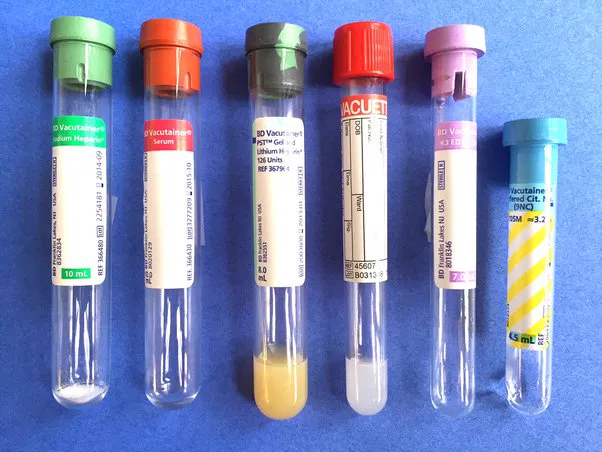
Hormone Test Dubai: Types, Cost & Guide (2026)
Pelvic Ultrasound for Women Dubai: Types & Guide (2026)
Women's Health Screening Dubai: Tests by Age (2026)

Menopause Treatment Dubai: Symptoms & HRT Options (2026)
More in Women's Health

Perimenopause vs Menopause Dubai: Signs (2026)
Basahin Pa
Mother & Baby Home Care Dubai: Guide (2026)
Basahin Pa
Gestational Diabetes Dubai: Screening (2026)
Basahin Pa
Mammogram Preparation Dubai: What to Expect (2026)
Basahin Pa
CA-125 Test Dubai: Ovarian Cancer Marker (2026)
Basahin PaMammogram vs Breast Ultrasound Dubai (2026)
Basahin Pa© 2026 Doctors Clinic Diagnostic Center (DCDC), Dubai Healthcare City. Originally published at https://doctorsclinicdubai.ae/blog/pcos-treatment-diagnosis-dubai. All rights reserved. Unauthorized reproduction is prohibited.