
Mga Pangunahing Punto
- Menopause typically occurs between ages 45–55 (average 51), with perimenopause symptoms starting up to 10 years earlier — over 80% of women experience symptoms that affect quality of life
- HRT (hormone replacement therapy) remains the most effective treatment for hot flashes, night sweats, and vaginal dryness, reducing symptoms by 75–90% in most women
- Modern HRT is safe for most women under 60 or within 10 years of menopause — the "window of opportunity" when cardiovascular and bone benefits outweigh risks
- Non-hormonal options include SSRIs/SNRIs, gabapentin, CBT for mood and sleep, and lifestyle modifications (exercise, Mediterranean diet, stress management)
- Common symptoms beyond hot flashes include brain fog, joint pain, weight gain, hair thinning, anxiety, insomnia, and UTIs — all manageable with proper treatment
- Menopause consultation at DCDC Dubai Healthcare City includes hormone level testing, bone density screening, cardiovascular risk assessment, and personalized treatment plans from AED 300
Menopause is not a disease — it is a natural transition. But for the 80% of women who experience disruptive symptoms, "natural" does not mean "just live with it." From hot flashes that interrupt your workday to insomnia that leaves you exhausted, menopause symptoms are real, measurable, and most importantly — treatable. This guide covers every evidence-based treatment option available in Dubai, from HRT to lifestyle strategies, with transparent pricing so you know exactly what to expect. Our Menopause Management service at DCDC offers same-day appointments in Dubai Healthcare City.
Whether you are in early perimenopause wondering if your symptoms are "normal," or in full menopause seeking relief, this guide gives you the complete picture: what is happening in your body, which treatments actually work (and which are myths), costs in Dubai, and how to find the right specialist. Based on the latest NICE, ACOG, and International Menopause Society (IMS) guidelines.
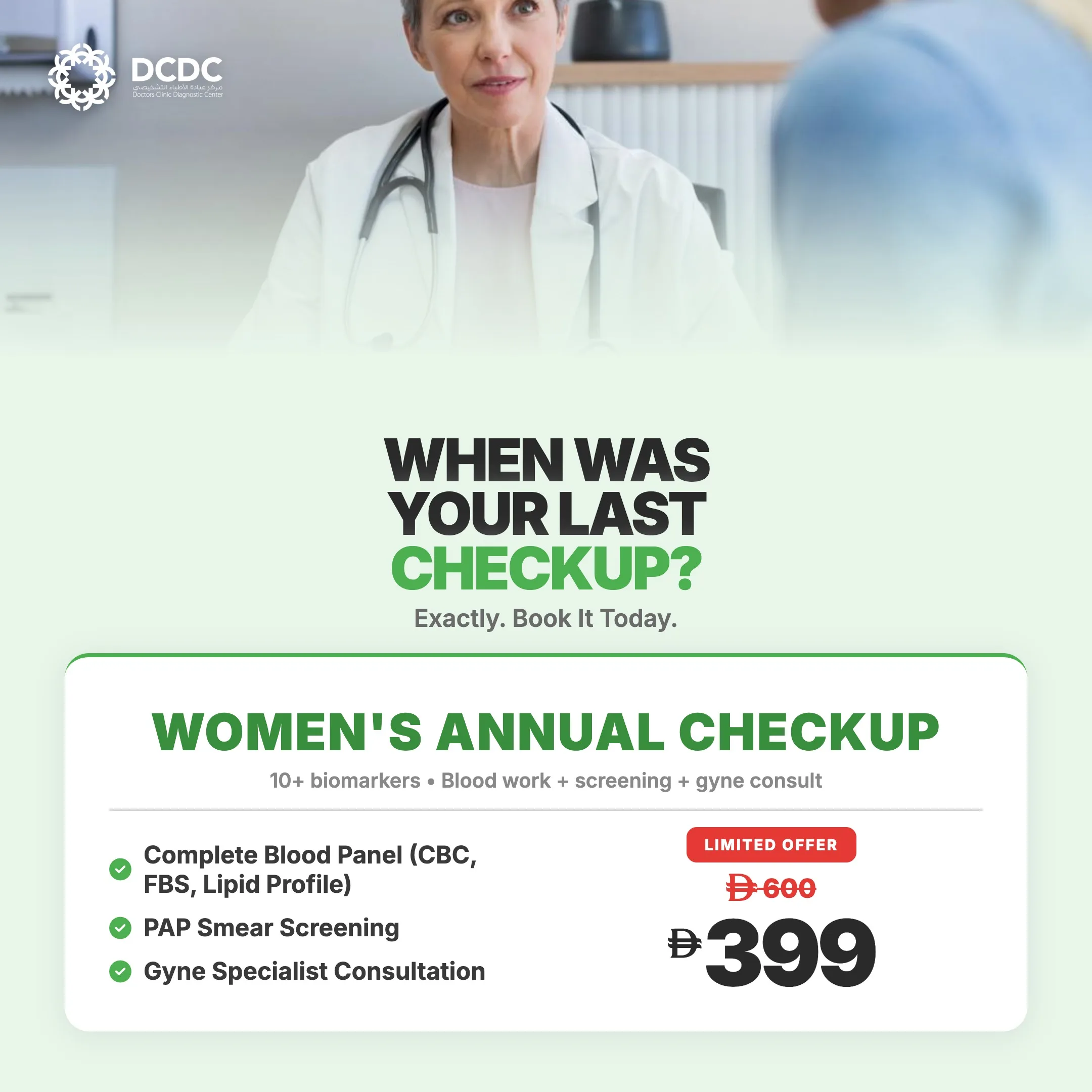
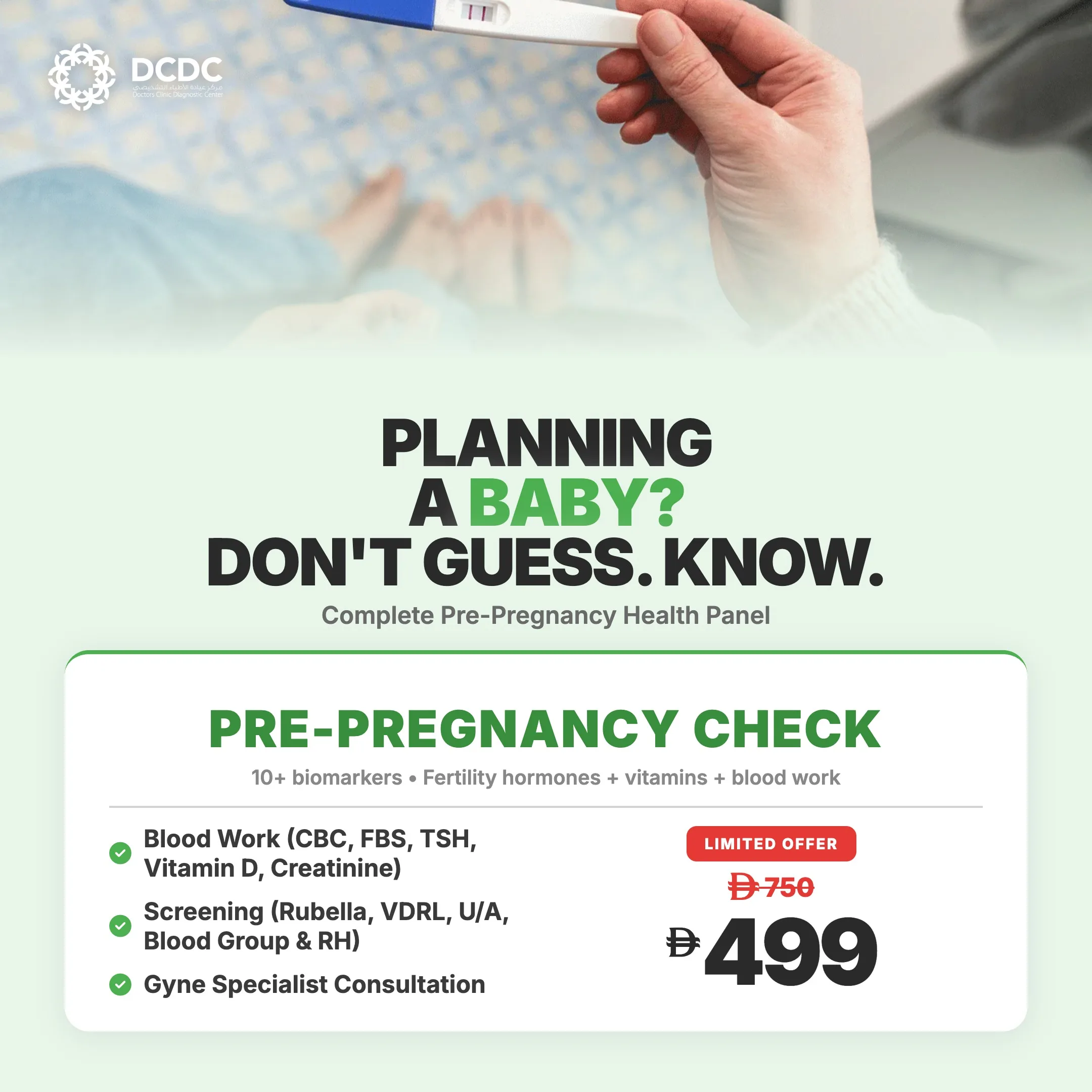
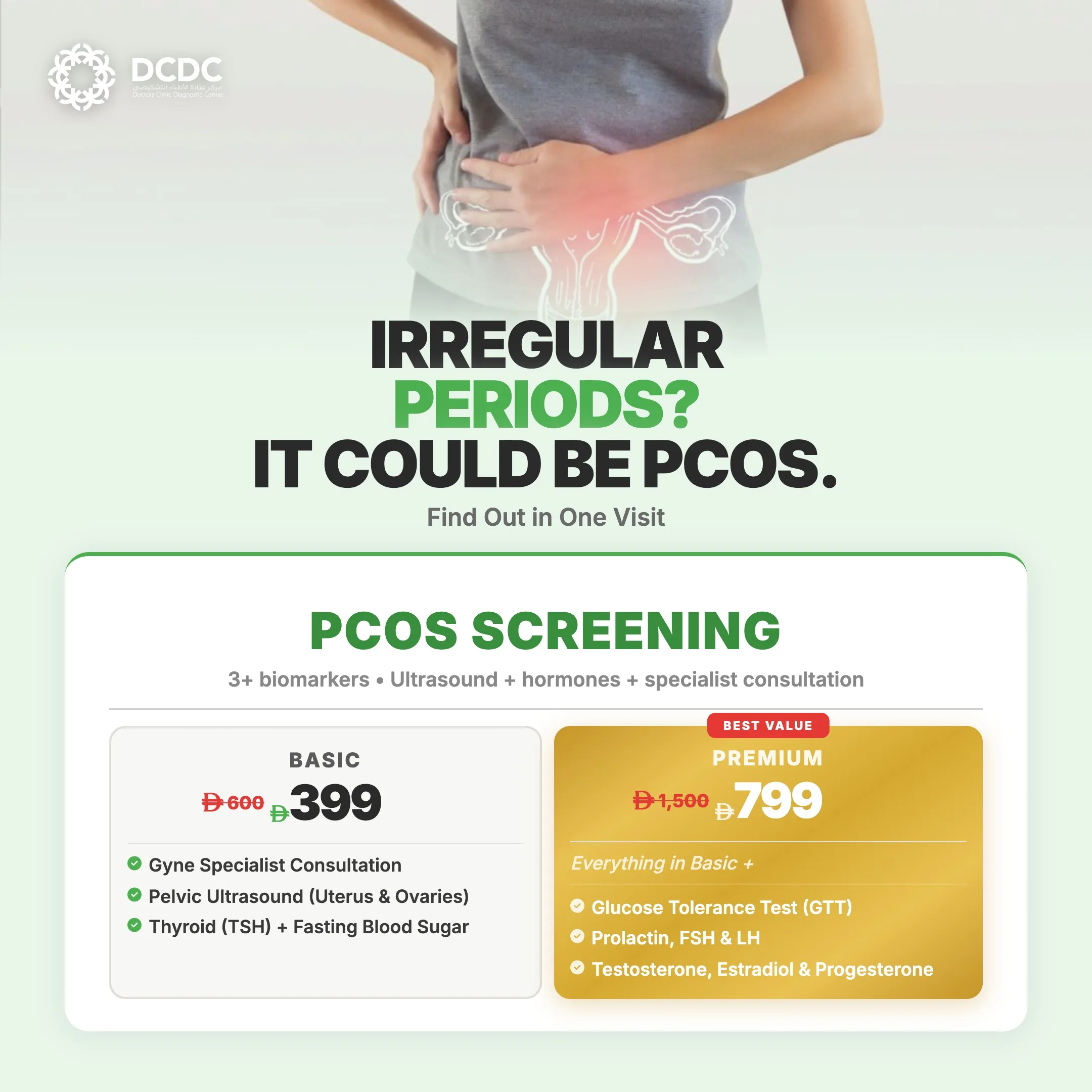
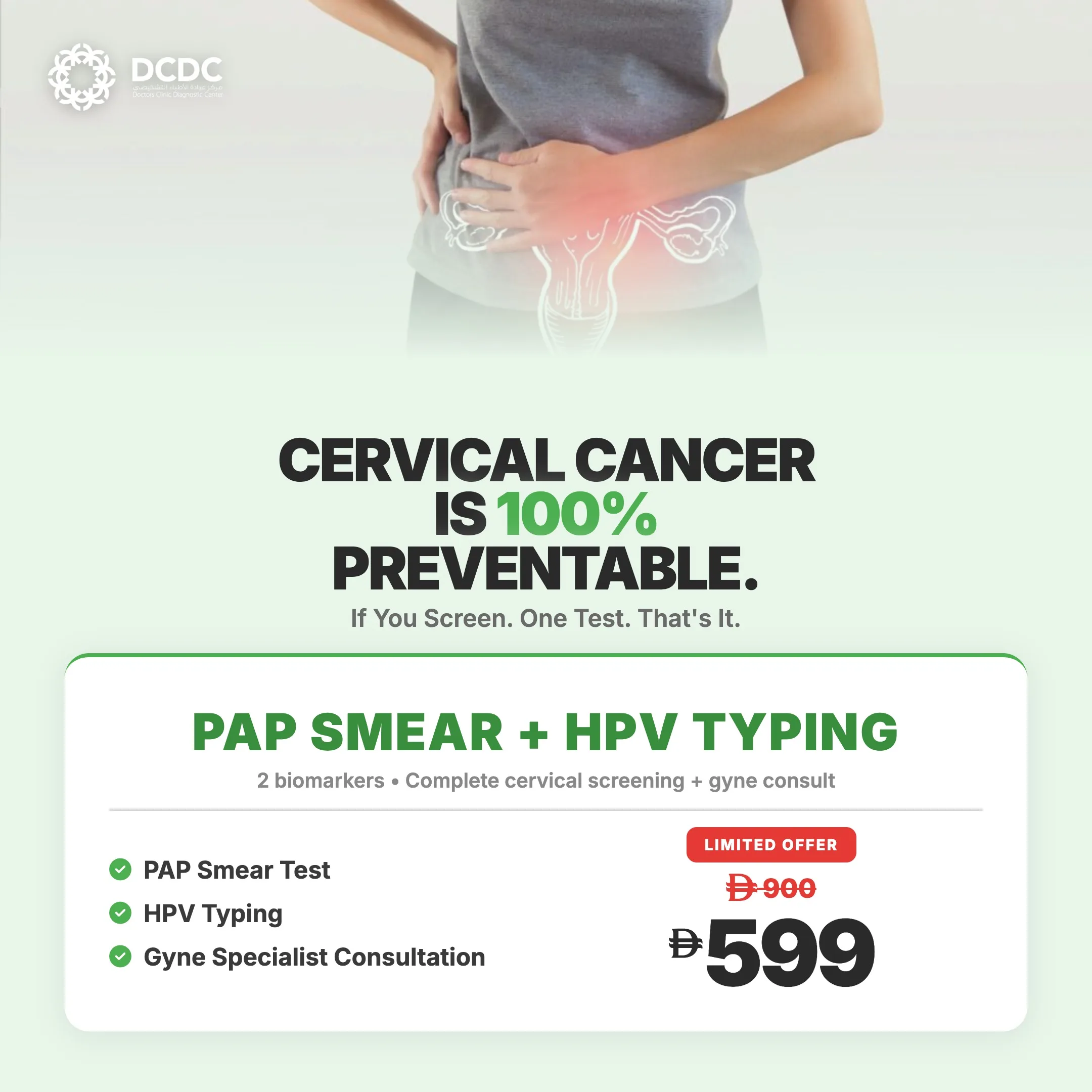
Health Screening Packages
Save with our bundled screening packages — specialist consultation included


What Is Menopause and When Does It Happen?
Menopause is defined as 12 consecutive months without a menstrual period, marking the permanent end of reproductive fertility. It is a natural biological process caused by the decline of oestrogen and progesterone production by the ovaries. The average age of menopause is 51 years, but the normal range spans from 45 to 55. Early menopause (before age 45) affects approximately 5% of women, while premature menopause (before age 40) affects about 1%.
Perimenopause: The Transition Phase
Perimenopause is the transition period leading up to menopause, and it is where most symptoms actually begin. This phase can last 4–10 years, typically starting in the early to mid-40s. During perimenopause, oestrogen levels do not simply decline — they fluctuate wildly, sometimes higher than normal and sometimes crashing, creating a hormonal roller coaster that produces unpredictable symptoms. Periods become irregular (shorter, longer, heavier, lighter, or skipped entirely), and women may experience the full range of menopausal symptoms years before their final period.
What Triggers Menopause?
- Natural menopause: Gradual decline in ovarian function with age — the most common cause
- Surgical menopause: Removal of both ovaries (bilateral oophorectomy), often during hysterectomy — causes immediate, abrupt menopause regardless of age
- Chemotherapy or radiation-induced: Cancer treatments that damage ovarian tissue can trigger early or premature menopause
- Premature ovarian insufficiency (POI): The ovaries stop working normally before age 40, affecting approximately 1 in 100 women — requires specialist evaluation and long-term hormone therapy
Complete List of Menopause Symptoms
Menopause produces over 40 documented symptoms, yet many women only associate it with hot flashes. Understanding the full spectrum helps you recognise that what you are experiencing is hormonal — and treatable — rather than dismissing symptoms as "just ageing" or "just stress." The following table groups symptoms by category:
| Category | Symptoms | Prevalence |
|---|---|---|
| Vasomotor | Hot flashes, night sweats, flushing | 75% of women |
| Psychological | Anxiety, mood swings, irritability, brain fog, difficulty concentrating | 60% of women |
| Musculoskeletal | Joint pain, muscle aches, frozen shoulder, carpal tunnel | 50% of women |
| Urogenital | Vaginal dryness, painful intercourse, UTIs, urinary incontinence | 45% of women |
| Sleep | Insomnia, disrupted sleep, early morning waking | 60% of women |
| Metabolic | Weight gain (especially abdominal), fatigue, bloating | 40% of women |
| Other | Hair thinning, dry skin, heart palpitations, tinnitus, burning mouth | 30% of women |
Menopause symptoms by category. Most women experience symptoms from multiple categories simultaneously. Source: NICE NG23, British Menopause Society.
The Symptoms No One Talks About
Beyond the well-known hot flashes, menopause causes symptoms that many women do not connect to hormonal changes: brain fog (difficulty concentrating, forgetting words, losing your train of thought), burning mouth syndrome (a metallic taste or burning sensation), electric shock sensations (sudden jolts under the skin), formication (a crawling or itching feeling on the skin), and heart palpitations (which can be alarming but are usually benign). If you are experiencing any of these in your 40s or 50s, hormonal changes are the most likely explanation — and effective treatment exists.
Hormone Replacement Therapy (HRT): The Gold Standard Treatment
HRT replaces the declining oestrogen (and in most cases, progesterone) that your ovaries no longer produce in sufficient quantities. It is the most effective treatment for vasomotor symptoms (hot flashes and night sweats), reducing their frequency and severity by 75–90% in most women. HRT also effectively treats vaginal dryness, urogenital symptoms, mood disturbances, joint pain, and helps protect bone density.
Types of HRT Available in Dubai
- Oestrogen-only HRT: For women who have had a hysterectomy (no uterus). Simplest regimen with the fewest side effects
- Combined HRT (oestrogen + progesterone): For women with an intact uterus — progesterone is added to protect the uterine lining from endometrial hyperplasia
- Cyclical HRT: For women in perimenopause who are still having periods — oestrogen is taken daily with progesterone for 12–14 days per month, producing a monthly withdrawal bleed
- Continuous combined HRT: For postmenopausal women (12+ months since last period) — both hormones taken daily with no planned bleed
- Body-identical (micronised) hormones: Oestradiol and micronised progesterone derived from plant sources, molecularly identical to human hormones — the preferred choice in current guidelines
- Local vaginal oestrogen: Low-dose cream, pessary, or ring for urogenital symptoms only — minimal systemic absorption, safe for most women including some breast cancer survivors
HRT Delivery Methods
| Method | How It Works | Best For |
|---|---|---|
| Oral tablets | Daily oestrogen tablet (± progesterone) | Women who prefer simple daily routine; not ideal if overweight, smoker, or migraine sufferer |
| Transdermal patches | Oestrogen patch changed twice weekly or weekly | Women with migraine, high BMI, blood clot risk factors, or liver concerns — bypasses first-pass liver metabolism |
| Gel (e.g. Oestrogel) | Daily oestrogen gel applied to skin | Women who want flexible dosing and easy absorption — popular choice in Dubai |
| Spray (e.g. Lenzetto) | Daily oestrogen spray to forearm | Quick absorption, dries fast, discreet |
| Vaginal preparations | Cream, pessary, or ring applied locally | Women with vaginal dryness, painful intercourse, or recurrent UTIs — can be used alone or with systemic HRT |
HRT delivery methods available in Dubai. Your doctor will recommend the best option based on your symptoms, medical history, and preferences.
Is HRT Safe? Debunking the Myths
The 2002 Women's Health Initiative (WHI) study caused widespread fear about HRT, leading millions of women worldwide to stop or avoid hormone therapy. However, subsequent analysis of the WHI data and over 20 years of additional research have significantly changed the picture. The original study used a specific type of HRT (conjugated equine oestrogen + synthetic progestin) in older women (average age 63) who were many years past menopause — a population very different from the typical woman starting HRT in her late 40s or 50s.
Here is what the current evidence shows:
- For women under 60 or within 10 years of menopause, the benefits of HRT outweigh the risks — this is the "window of opportunity" endorsed by NICE, the IMS, the British Menopause Society, and ACOG
- Transdermal oestrogen (patches, gel, spray) does NOT increase blood clot risk — unlike oral oestrogen, it bypasses the liver and does not affect clotting factors
- Micronised progesterone has a better safety profile than the synthetic progestins used in the WHI study — it does not increase breast cancer risk when used for up to 5 years
- HRT may actually reduce cardiovascular risk when started in the window of opportunity — the "timing hypothesis" is now well-supported by evidence
- Breast cancer risk is small and depends on the type of HRT: Oestrogen-only HRT may actually reduce breast cancer risk. Combined HRT with micronised progesterone shows minimal increased risk — less than that associated with obesity or drinking 2 glasses of wine per day
Who Should NOT Take HRT
- Current or recent breast cancer: Oestrogen can stimulate hormone-receptor-positive breast cancers (but local vaginal oestrogen may be discussed with your oncologist)
- Active blood clots (DVT/PE): Oral HRT increases clot risk — but transdermal HRT may be considered after specialist review
- Undiagnosed vaginal bleeding: Must be investigated before starting HRT
- Active liver disease: Oral HRT is metabolised by the liver — transdermal may be safer
- Untreated endometrial hyperplasia: Must be treated first
Important: Many so-called "contraindications" from the early 2000s have been revised. A family history of breast cancer, cardiovascular disease, or blood clots does not automatically exclude you from HRT. A specialist can perform an individualised risk assessment and recommend the safest regimen for your situation.
Book a Menopause Consultation
Struggling with hot flashes, insomnia, mood changes, or other menopause symptoms? Our menopause specialists at DCDC Dubai Healthcare City provide personalised treatment plans including HRT assessment, hormone testing, and bone density screening.
Non-Hormonal Treatment Options for Menopause
Not every woman can or wants to take HRT. Fortunately, effective non-hormonal treatments exist for most menopause symptoms. The following options are supported by clinical evidence and recommended by NICE guidelines.
Prescription Medications
- SSRIs and SNRIs: Paroxetine (the only FDA-approved non-hormonal treatment for hot flashes), venlafaxine, and escitalopram can reduce hot flash frequency by 40–65%. Also help with mood, anxiety, and sleep
- Gabapentin: Originally an anti-seizure medication, gabapentin reduces hot flashes by 45–70% and improves sleep. Particularly useful for women who experience hot flashes predominantly at night
- Clonidine: A blood pressure medication that can reduce hot flashes, though typically less effective than SSRIs or gabapentin. Best for women who also have mild hypertension
- Oxybutynin: Newer evidence shows this anticholinergic medication can reduce hot flashes by up to 80% — a promising option for women who cannot take other treatments
- Ospemifene: A selective oestrogen receptor modulator (SERM) specifically for vaginal dryness and painful intercourse in women who cannot use vaginal oestrogen
Vaginal Treatments (Non-Hormonal)
- Vaginal moisturisers: Products like Replens and Hyalofemme provide ongoing hydration (used 2–3 times per week, not just during intercourse)
- Water-based lubricants: For use during intercourse to reduce friction and discomfort
- Vaginal laser therapy (MonaLisa Touch): CO2 laser treatment that stimulates collagen production and restores vaginal tissue — typically 3 sessions, 4–6 weeks apart
- Vaginal DHEA (prasterone): A naturally occurring hormone that is converted to oestrogen and testosterone locally in vaginal tissue — effective for dryness and painful intercourse
Cognitive Behavioural Therapy (CBT)
CBT is NICE-recommended for menopausal hot flashes, low mood, and sleep problems. Clinical trials show that 4–6 sessions of CBT can reduce the impact of hot flashes by 50% — not by eliminating them, but by changing how your brain processes them, reducing their distress and disruption. CBT is also highly effective for menopause-related insomnia, anxiety, and low mood. It can be used alongside HRT or as a standalone treatment.
Lifestyle and Natural Approaches
- Regular exercise (150 min/week): Reduces hot flash frequency by up to 50%, improves mood, sleep, bone density, and cardiovascular health. Combination of aerobic and resistance training is ideal
- Mediterranean diet: Rich in vegetables, fruits, whole grains, fish, and olive oil — associated with fewer hot flashes and better cardiovascular outcomes
- Weight management: Excess body fat acts as an "oestrogen factory" in a way that paradoxically increases hot flashes. Losing even 5–10% of body weight can significantly reduce symptom severity
- Stress reduction: Yoga, mindfulness meditation, and deep breathing exercises have moderate evidence for reducing hot flash severity and improving sleep quality
- Avoiding triggers: Alcohol, spicy food, caffeine, and hot environments can trigger or worsen hot flashes in susceptible women
- Sleep hygiene: Cool bedroom (18–20°C), consistent sleep schedule, moisture-wicking bedding, and limiting screen time before bed
Supplements: What the Evidence Actually Says
| Supplement | Evidence Level | Verdict |
|---|---|---|
| Black cohosh | Moderate | May modestly reduce hot flashes in some women. Generally safe for up to 6 months. Not recommended for women with liver conditions |
| Phytoestrogens / Soy isoflavones | Moderate | Modest reduction in hot flash frequency (1–2 fewer per day). Works better in women who produce equol (a metabolite). Safe for most women |
| Red clover | Weak | Limited evidence of benefit beyond placebo. Generally safe but may interact with blood thinners |
| Evening primrose oil | Weak | No better than placebo for hot flashes in clinical trials. May help breast tenderness |
| St. John's wort | Moderate | May help mood symptoms. CAUTION: significant drug interactions (contraceptives, antidepressants, blood thinners) |
| Vitamin D + Calcium | Strong | Essential for bone health during and after menopause. Does not treat hot flashes but prevents osteoporosis. Recommended: 1,000–1,200 mg calcium + 800–2,000 IU vitamin D daily |
| Magnesium | Moderate | May help with sleep, muscle cramps, and mood. Generally safe. 200–400 mg daily |
Supplements for menopause: evidence review. "Strong" = consistent results from multiple clinical trials. "Moderate" = some positive evidence but inconsistent. "Weak" = insufficient evidence or no better than placebo.
"I always tell my patients: supplements are not a replacement for proven treatments," says Dr. Parisa Dini, Consultant OB/GYN at DCDC. "If your symptoms are significantly affecting your quality of life, HRT or prescription medications will be far more effective than any supplement. But for mild symptoms or as an add-on to other treatments, some supplements can play a supportive role."
Menopause Brain Fog: Why It Happens and How to Treat It
If you are forgetting words, losing your train of thought mid-sentence, walking into rooms and forgetting why, or struggling to concentrate at work — you are not losing your mind. Menopause brain fog affects approximately 60% of women during the menopausal transition, and it is directly linked to fluctuating oestrogen levels. Oestrogen plays a crucial role in brain function: it supports neurotransmitter production (serotonin, dopamine, acetylcholine), promotes blood flow to the brain, and helps maintain neural connections.
The good news: menopause brain fog is usually temporary. Research from the SWAN (Study of Women's Health Across the Nation) study shows that cognitive function typically returns to pre-menopause levels in the postmenopausal years. In the meantime, effective strategies include HRT (which can improve cognitive function in some women), regular aerobic exercise (30 minutes, 5 times per week improves blood flow to the brain), adequate sleep, stress management, and cognitive training exercises.
Menopause and Bone Health: Preventing Osteoporosis
Women lose up to 20% of their bone density in the 5–7 years after menopause due to declining oestrogen, which normally helps maintain bone mineral density. This rapid bone loss significantly increases the risk of osteoporosis and fractures. A DEXA bone density scan is recommended for all women at menopause to establish a baseline and identify early bone loss.
- HRT is the most effective treatment for preventing menopausal bone loss and reduces fracture risk by 30–50% when started within 10 years of menopause
- Weight-bearing exercise: Walking, jogging, dancing, stair climbing, and resistance training all stimulate bone formation
- Calcium: 1,000–1,200 mg daily from diet and supplements combined
- Vitamin D: 800–2,000 IU daily — essential for calcium absorption. Vitamin D deficiency is extremely common in Dubai despite the sunshine
- Bisphosphonates: Medications like alendronate or risedronate if osteoporosis is diagnosed on DEXA scan
For a detailed guide to bone density testing, see our DXA Scan Bone Density Guide.
Menopause and Heart Health
Before menopause, oestrogen provides significant cardiovascular protection: it helps maintain healthy cholesterol levels, keeps blood vessels flexible, and reduces inflammation. After menopause, this protection diminishes, and women's cardiovascular risk rises rapidly to match men's. Heart disease is the leading cause of death in women in the UAE — more than all cancers combined.
Cardiovascular screening at menopause should include blood pressure measurement, lipid profile (cholesterol, LDL, HDL, triglycerides), fasting glucose and HbA1c, and potentially a coronary calcium score for women with multiple risk factors. For a comprehensive guide, see our heart health prevention guide.
Check Your Hormone Levels
Concerned about menopause symptoms? A comprehensive hormone panel (FSH, oestradiol, progesterone, thyroid) helps confirm whether your symptoms are hormone-related and guides treatment decisions. Book blood tests at our in-house laboratory — results typically available within 24 hours.
Menopause Treatment Cost in Dubai (2026)
Understanding treatment costs helps you plan and budget for menopause management. Here is a transparent breakdown of typical costs in Dubai:
| Treatment | Typical Cost in Dubai (AED) | Frequency |
|---|---|---|
| Menopause specialist consultation | 300 – 600 | Every 3–6 months initially, then annually |
| Hormone level blood tests (FSH, oestradiol, progesterone, thyroid) | 500 – 1,200 | At diagnosis + every 6–12 months |
| Complete metabolic panel (lipids, glucose, liver, kidney, vitamins) | 400 – 800 | Annually |
| HRT prescription (monthly) | 150 – 400 | Monthly (ongoing) |
| DEXA bone density scan | 400 – 800 | At menopause baseline, then every 2–3 years |
| Vaginal laser therapy (MonaLisa Touch) per session | 1,500 – 3,000 | 3 initial sessions, then annually |
| CBT sessions | 400 – 800 per session | 4–6 sessions total |
Menopause treatment costs in Dubai (2026). Prices are approximate and vary by facility. Insurance coverage varies by plan.
Insurance coverage: Most comprehensive insurance plans in Dubai cover menopause consultations and blood tests. HRT medications are typically covered under pharmacy benefits. DEXA scans are usually covered when ordered by a physician for clinical indication. Check your specific policy or contact DCDC for insurance verification before your appointment.
When to See a Menopause Specialist in Dubai
While mild menopause symptoms may not require specialist care, you should see a menopause specialist if:
- Symptoms are affecting your work, sleep, or relationships — you don't need to suffer in silence
- Perimenopause symptoms before age 45: Earlier-than-expected symptoms may require investigation and earlier HRT consideration
- Premature menopause (before age 40): Requires specialist management and long-term HRT for bone and cardiovascular protection
- Confusion about treatment options: A specialist can explain the latest evidence and help you make an informed choice
- Failed first-line treatments: If lifestyle changes or initial HRT regimen haven't helped, a specialist can adjust or change your treatment
- History of breast cancer: You need specialist guidance on non-HRT options or whether certain forms of HRT are appropriate for your situation
- Surgical menopause at any age: Sudden oestrogen loss from oophorectomy requires prompt HRT evaluation
Menopause Management at DCDC Dubai Healthcare City
At DCDC, our approach to menopause goes beyond simply prescribing medication. We provide comprehensive, evidence-based menopause management that addresses symptoms, long-term health risks, and quality of life:
- Comprehensive hormone panel: FSH, oestradiol, progesterone, testosterone, thyroid function, vitamin D, and metabolic markers — all tested in our in-house laboratory
- Symptom assessment and scoring: Structured evaluation of symptom severity to track improvement over time
- DEXA bone density screening: On-site DEXA scanning to assess osteoporosis risk
- Cardiovascular risk evaluation: Blood pressure, lipids, glucose, and referral to our cardiology team if needed
- Personalised treatment plan: HRT (if appropriate), non-hormonal options, lifestyle recommendations, and follow-up monitoring
- DHA-licensed specialists: Female gynaecologists with expertise in menopause medicine
- Same-week appointments: We understand that menopause symptoms can be urgent — you shouldn't wait weeks for relief
- Follow-up monitoring: Regular review to adjust treatment and ensure safety
Book Your Menopause Consultation Today
You don't have to navigate menopause alone. Our specialists at Doctors Clinic Diagnostic Center in Dubai Healthcare City provide expert, empathetic menopause care with same-week appointments. Contact us to book your consultation.
Kaugnay na Serbisyo sa DCDC
Dalubhasang pangangalaga at advanced diagnostics sa Dubai Healthcare City
Menopause Management
Personalized HRT and symptom management for perimenopause and menopause
Mag-book ng AppointmentHormone Testing
Comprehensive hormone panels including estrogen, FSH, and progesterone
Mag-book ng AppointmentWomen's Health Consultation
Expert gynecological evaluation and holistic menopause care
Mag-book ng AppointmentFrequently Asked Questions
Take Control of Your Menopause Journey
Menopause is not something you need to endure in silence. With the right treatment — whether HRT, non-hormonal medication, lifestyle changes, or a combination — the vast majority of women can find significant relief from their symptoms and protect their long-term health. The key is seeking help from a specialist who understands menopause medicine and can tailor a treatment plan to your individual needs, risk profile, and preferences.
At Doctors Clinic Diagnostic Center in Dubai Healthcare City, our menopause management team provides comprehensive, evidence-based care that goes beyond symptom relief to protect your bones, heart, and mental well-being throughout the menopausal transition and beyond. Book your consultation today.
Mga Sanggunian at Reperensya
Ang artikulong ito ay sinuri ng aming medikal na team at tumutukoy sa mga sumusunod na sanggunian:
- NICE Guidelines — Menopause: Diagnosis and Management (NG23, updated 2024)
- International Menopause Society — Global Consensus Statement on Menopausal Hormone Therapy (2024)
- American College of Obstetricians and Gynecologists — Management of Menopausal Symptoms
- British Menopause Society — HRT: Benefits and Risks (2024)
- The Lancet — WHI Trial Revisited: Hormone Therapy Benefits and Risks
- Dubai Health Authority — Women's Health Guidelines
Ang medikal na nilalaman sa site na ito ay sinusuri ng mga DHA-licensed na manggagamot. Tingnan ang aming patakarang editorial para sa higit pang impormasyon.

Isinulat ni
Dr. Parisa Dini
Consultant Obstetrician & Gynecologist
MD, Consultant OB/GYN
Dr. Parisa Dini is a Consultant Obstetrician and Gynecologist at DCDC Dubai Healthcare City with extensive experience in menopause management, hormone replacement therapy, and women's preventive health. She provides evidence-based, personalised care for women navigating perimenopause and menopause.
Related Articles
Women's Health Screening Guide
DXA Scan Bone Density Guide

Heart Health Prevention Dubai

Vitamin D Deficiency in Dubai
More in Women's Health

Perimenopause vs Menopause Dubai: Signs (2026)
Basahin Pa
Mother & Baby Home Care Dubai: Guide (2026)
Basahin Pa
Gestational Diabetes Dubai: Screening (2026)
Basahin Pa
Mammogram Preparation Dubai: What to Expect (2026)
Basahin Pa
CA-125 Test Dubai: Ovarian Cancer Marker (2026)
Basahin PaMammogram vs Breast Ultrasound Dubai (2026)
Basahin Pa© 2026 Doctors Clinic Diagnostic Center (DCDC), Dubai Healthcare City. Originally published at https://doctorsclinicdubai.ae/blog/menopause-treatment-dubai. All rights reserved. Unauthorized reproduction is prohibited.