
Mga Pangunahing Punto
- Hormonal imbalances affect an estimated 80% of women at some point in their lives and are increasingly common in men over 40, making early detection through targeted blood panels essential for effective treatment
- The most common symptoms include unexplained weight gain, persistent fatigue, mood changes, irregular periods, hair loss, and sleep disturbances — many of which overlap with other conditions and require proper laboratory testing to diagnose
- Dubai-specific factors such as extreme heat, indoor sedentary lifestyles, widespread vitamin D deficiency, and high-stress work environments can contribute to hormonal disruption in both residents and expatriates
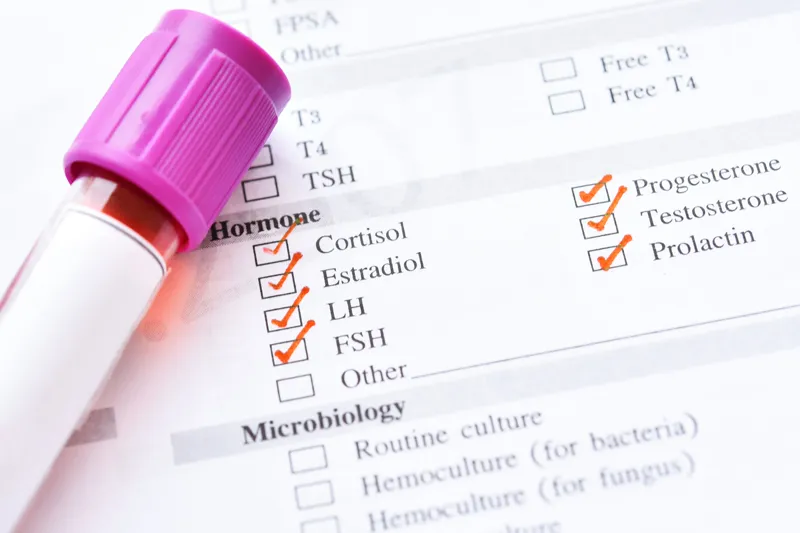
- Diagnosis requires targeted blood panels including TSH, T3, T4, cortisol, estrogen, progesterone, testosterone, insulin, DHEA, and prolactin — DCDC offers comprehensive hormone panels with same-day results for routine tests
- Treatment ranges from lifestyle modifications and dietary changes to hormone replacement therapy and medication, with the best outcomes achieved through a holistic approach that addresses the root cause rather than individual symptoms
- Endocrine consultation at DCDC starts from AED 250, with basic hormone panels from AED 150-400 and comprehensive panels from AED 400-1,200, with direct billing available through 20+ insurance partners
Hormones regulate virtually every process in the human body, from metabolism and sleep to mood, fertility, and heart function. When even one hormone falls outside its optimal range, the cascading effects can disrupt daily life in ways that are difficult to identify without proper testing. According to the Endocrine Society, endocrine disorders affect more than one in ten people worldwide, and hormonal imbalances are among the most underdiagnosed conditions in general practice. In the UAE, lifestyle factors unique to the region — extreme heat that limits outdoor activity, widespread vitamin D deficiency, and high-stress professional environments — make hormonal disruption particularly prevalent. This guide covers the signs, causes, diagnostic process, and hormonal imbalance treatment options available in Dubai, including what to expect at Doctors Clinic Diagnostic Center (DCDC) in Dubai Healthcare City.
Whether you are experiencing unexplained fatigue, sudden weight changes, mood swings, hair thinning, or irregular menstrual cycles, understanding the hormonal mechanisms behind these symptoms is the first step toward effective treatment. Below, we break down the medical definition of hormonal imbalance, the specific signs to watch for in women and men, Dubai-specific risk factors, how doctors diagnose the condition, and the full range of treatment options from lifestyle changes to medical therapy.
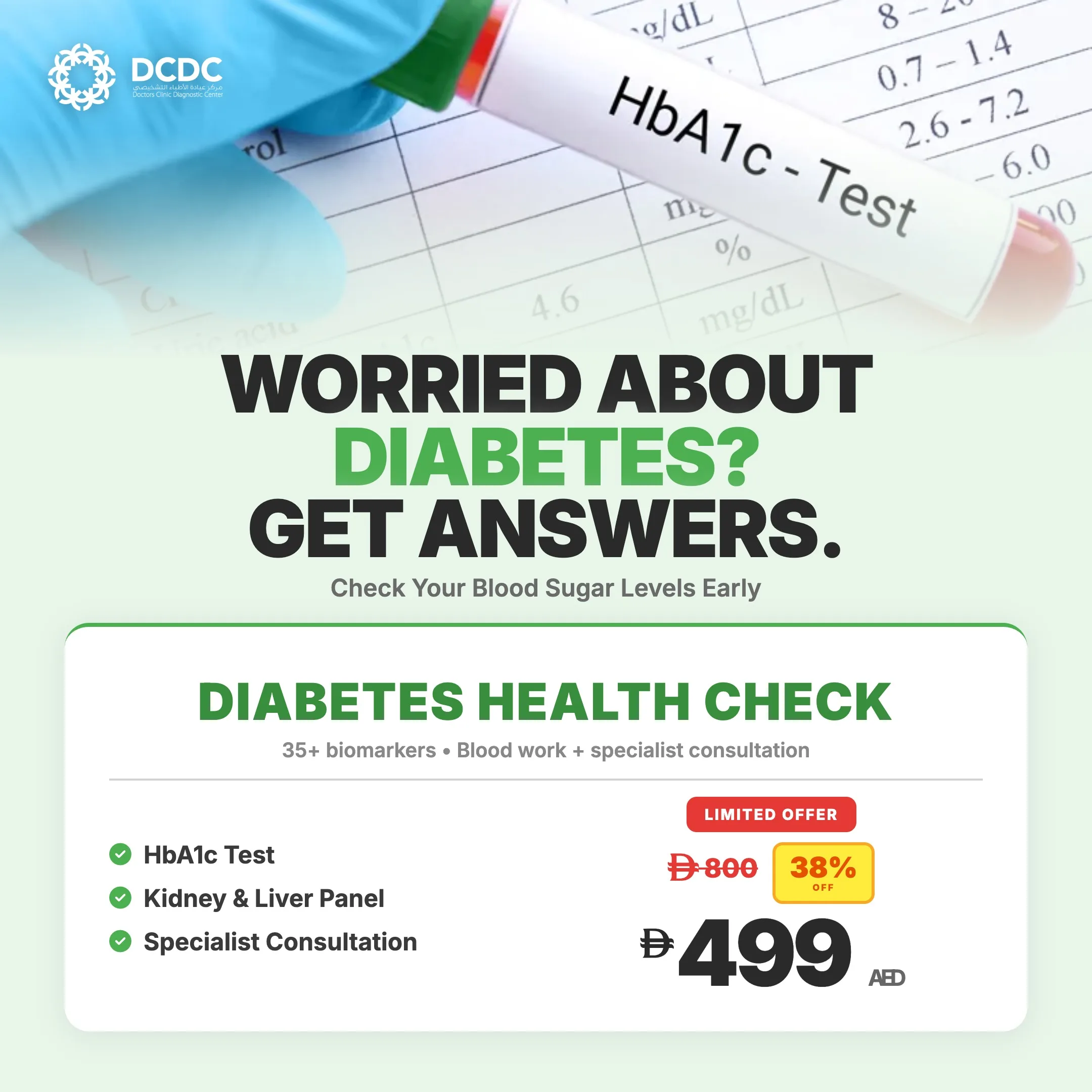
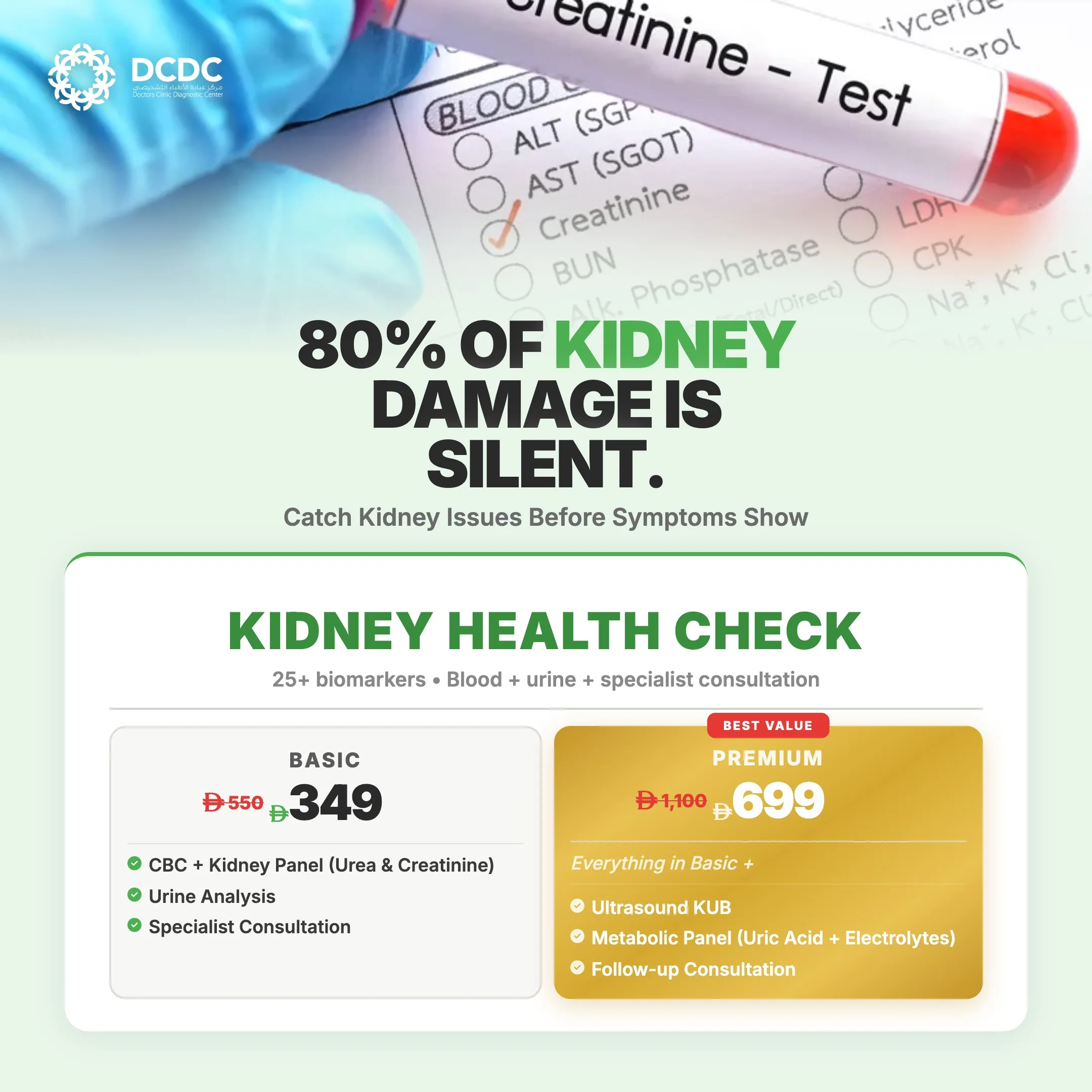
Health Screening Packages
Save with our bundled screening packages — specialist consultation included




What Is a Hormonal Imbalance?
A hormonal imbalance occurs when the body produces too much or too little of one or more hormones — the chemical messengers that travel through the bloodstream and instruct organs and tissues how to function. The endocrine system, which includes the thyroid, adrenal glands, pituitary gland, pancreas, ovaries, and testes, maintains a tightly regulated feedback loop. When any part of this loop is disrupted, the consequences can affect multiple organ systems simultaneously.
Hormones operate at extremely small concentrations. A change of even a few picograms per milliliter in estradiol or a fraction of a milli-international unit in TSH can produce noticeable symptoms. This is why hormonal imbalances are often described as a domino effect: a single disruption in one gland can alter the output of several others. For example, chronic stress elevates cortisol (the stress hormone), which in turn suppresses thyroid function, disrupts insulin sensitivity, and lowers reproductive hormones — a single trigger producing symptoms across the entire body.
The World Health Organization estimates that thyroid disorders alone affect approximately 750 million people globally, with more than half undiagnosed. When other endocrine conditions such as insulin resistance, adrenal dysfunction, and reproductive hormone imbalances are included, the true prevalence of hormonal disorders is significantly higher. In the Gulf region, studies published in the Emirates Medical Journal have documented elevated rates of thyroid dysfunction, vitamin D deficiency–related hormonal disruption, and metabolic syndrome, all of which share hormonal imbalance as a root cause.
12 Common Signs of Hormonal Imbalance
Hormonal imbalance symptoms can be subtle, nonspecific, and easily attributed to stress, ageing, or lifestyle. The following 12 signs are the most commonly reported by patients presenting with confirmed endocrine disorders. If you are experiencing three or more of these symptoms persistently, a hormone panel blood test is the most reliable way to determine whether an imbalance is the cause.
- 1. Unexplained weight gain or difficulty losing weight: Hormones including thyroid hormones (T3, T4), insulin, cortisol, and estrogen directly regulate metabolism. Hypothyroidism slows metabolic rate, insulin resistance promotes fat storage around the abdomen, and elevated cortisol drives visceral fat accumulation. If diet and exercise are not producing expected results, a hormonal cause should be investigated
- 2. Persistent fatigue that sleep does not resolve: Feeling exhausted despite adequate sleep is one of the hallmark signs of thyroid dysfunction (both hypothyroidism and Hashimoto's thyroiditis), adrenal insufficiency, and low testosterone. Cortisol dysregulation can also invert the natural energy curve, leaving patients wired at night and depleted during the day
- 3. Mood changes, anxiety, or depression: Estrogen, progesterone, testosterone, and thyroid hormones all influence neurotransmitter production and brain chemistry. Low progesterone is associated with anxiety, low estrogen with depressive episodes, and thyroid dysfunction with both. Mood changes that coincide with menstrual cycle phases, perimenopause, or andropause are strongly suggestive of hormonal origin
- 4. Irregular, heavy, or absent menstrual periods: The menstrual cycle is orchestrated by a precise interplay of estrogen, progesterone, FSH, and LH. Conditions such as PCOS, thyroid disorders, hyperprolactinemia, and premature ovarian insufficiency all disrupt this cycle, producing irregular, heavy, painful, or absent periods
- 5. Hair thinning or excessive hair growth: Androgenic alopecia (thinning at the crown and temples) in women often signals elevated androgens, as seen in PCOS. Conversely, diffuse hair thinning can indicate hypothyroidism or iron deficiency secondary to hormonal disruption. Excess facial or body hair (hirsutism) is a classic sign of androgen excess
- 6. Skin changes — acne, dryness, or pigmentation: Hormonal acne along the jawline and chin in adult women is strongly associated with androgen excess. Dry, rough skin may indicate hypothyroidism. Darkening of skin in body folds (acanthosis nigricans) suggests insulin resistance
- 7. Sleep disturbances and insomnia: Declining progesterone (a natural sedative) disrupts sleep in perimenopausal women. Low testosterone in men is associated with sleep apnea. Elevated cortisol at night prevents the body from entering deep sleep, creating a cycle of fatigue and hormonal further disruption
- 8. Low libido or sexual dysfunction: Testosterone is the primary driver of libido in both sexes. Low testosterone in men and low testosterone combined with low estrogen in women are the most common hormonal causes of reduced sexual desire. Thyroid dysfunction can also suppress libido independently
- 9. Difficulty concentrating or brain fog: Thyroid hormones are critical for cognitive function. Both hypothyroidism and hyperthyroidism impair concentration, memory, and processing speed. Estrogen decline during perimenopause and menopause is also a well-documented cause of cognitive changes that patients describe as brain fog
- 10. Hot flashes and night sweats: Declining estrogen disrupts the hypothalamus (the body's thermostat), causing sudden waves of heat, flushing, and sweating. While most commonly associated with menopause, hot flashes can also occur in younger women with premature ovarian insufficiency and in men with severely low testosterone
- 11. Digestive issues — bloating, constipation, or diarrhea: Thyroid hormones regulate gut motility. Hypothyroidism slows the digestive tract (causing constipation and bloating), while hyperthyroidism speeds it up (causing loose stools and frequent bowel movements). Cortisol excess can also alter gut permeability and microbiome composition
- 12. Muscle weakness or joint pain: Low testosterone and growth hormone reduce muscle mass and recovery capacity. Hypothyroidism causes generalized muscle aching and stiffness. Estrogen decline accelerates joint cartilage deterioration, contributing to pain that is often misattributed to ageing or overuse
"Many patients come to us having been told their symptoms are just stress or normal ageing," says Dr. Hadeel Elnur, MD, at DCDC. "In a significant number of cases, a simple blood panel reveals a clear hormonal cause — and once we address that cause, the symptoms improve dramatically."
Hormonal Imbalance in Women vs Men
While both women and men experience hormonal imbalances, the specific hormones involved, the triggers, and the symptom patterns differ significantly between the sexes. Understanding these differences is essential for accurate diagnosis and targeted treatment.
Hormonal Imbalance in Women
Women are particularly vulnerable to hormonal fluctuations due to the cyclical nature of the menstrual cycle, the major hormonal transitions of pregnancy and menopause, and the prevalence of conditions such as polycystic ovary syndrome (PCOS). The primary hormones involved in female hormonal imbalance include estrogen, progesterone, testosterone, thyroid hormones, insulin, and prolactin.
- PCOS: Affecting an estimated 8-13% of women of reproductive age according to the WHO, PCOS is the most common endocrine disorder in young women. It is characterized by androgen excess, insulin resistance, and ovulatory dysfunction. Read more in our detailed guide on PCOS treatment and diagnosis in Dubai
- Thyroid disorders: Women are 5-8 times more likely than men to develop thyroid dysfunction. Hypothyroidism, Hashimoto's thyroiditis, and postpartum thyroiditis are especially common. Learn more about thyroid disorder signs in Dubai
- Perimenopause and menopause: The years surrounding menopause (typically ages 45-55) involve a progressive decline in estrogen and progesterone that produces symptoms including hot flashes, sleep disturbances, mood changes, vaginal dryness, and accelerated bone loss. See our guide on perimenopause symptoms and treatment in Dubai
- Premenstrual and menstrual disorders: Severe PMS and premenstrual dysphoric disorder (PMDD) are driven by abnormal sensitivity to normal hormonal fluctuations during the luteal phase
- Fertility-related imbalances: Anovulation, luteal phase deficiency, and hyperprolactinemia can all prevent conception and are identifiable through hormone testing
Hormonal Imbalance in Men
Male hormonal imbalance is increasingly recognized, particularly the gradual decline in testosterone that begins around age 30 and accelerates after 40. Unlike the relatively abrupt hormonal shift of menopause in women, testosterone decline in men occurs at a rate of approximately 1-2% per year, a process sometimes called andropause or late-onset hypogonadism.
- Low testosterone (hypogonadism): Symptoms include fatigue, reduced muscle mass, increased body fat, low libido, erectile dysfunction, mood changes, and reduced bone density. The Endocrine Society defines low testosterone as a total testosterone level below 300 ng/dL in men. For comprehensive information, see our testosterone test guide for Dubai
- Thyroid dysfunction: Although less common in men than women, hypothyroidism and hyperthyroidism do occur and can cause fatigue, weight changes, and sexual dysfunction
- Insulin resistance and metabolic syndrome: Men who carry excess visceral fat are at high risk for insulin resistance, which further suppresses testosterone production, creating a reinforcing cycle. Our guide on insulin resistance signs and testing in Dubai covers this in detail
- Cortisol excess: Chronic stress and high-pressure work environments elevate cortisol, which directly suppresses testosterone production and promotes abdominal fat storage
- Estrogen elevation: In men with obesity, adipose tissue converts testosterone to estrogen via the aromatase enzyme, leading to gynecomastia (breast tissue growth), further fat gain, and mood changes
| Feature | Women | Men |
|---|---|---|
| Primary hormones affected | Estrogen, progesterone, androgens, thyroid, insulin | Testosterone, thyroid, insulin, cortisol, estrogen |
| Most common condition | PCOS, thyroid disorders, perimenopause | Low testosterone (hypogonadism) |
| Typical onset | Puberty through menopause (cyclical) | Gradual from age 30-40 onward |
| Key symptoms | Irregular periods, weight gain, mood changes, hair changes | Fatigue, low libido, muscle loss, mood changes |
| Diagnostic tests | Estrogen, progesterone, FSH, LH, androgens, TSH, insulin | Total/free testosterone, SHBG, TSH, cortisol, insulin |
| Prevalence | ~80% experience an imbalance at some point in life | ~40% of men over 45 have low testosterone |
Key differences in hormonal imbalance presentation between women and men.
What Causes Hormonal Imbalance in Dubai?
While hormonal imbalances have universal medical causes — genetics, ageing, autoimmune conditions, tumours, and medication side effects — residents of Dubai and the wider UAE face additional environmental and lifestyle factors that elevate their risk. Understanding these regional contributors is important for both prevention and treatment.
- Vitamin D deficiency: Despite year-round sunshine, an estimated 80-90% of UAE residents are vitamin D deficient, according to studies published in the Journal of Steroid Biochemistry and Molecular Biology. This is due to indoor lifestyles, cultural dress practices that limit skin exposure, and the extreme summer heat that discourages outdoor activity. Vitamin D functions as a hormone precursor and its deficiency is directly linked to thyroid dysfunction, insulin resistance, and reproductive hormone imbalance. Read more about vitamin D deficiency in Dubai
- Extreme heat and sedentary lifestyles: Summer temperatures exceeding 45°C keep most residents indoors for 4-6 months of the year. Reduced physical activity slows metabolism, promotes insulin resistance, and lowers testosterone production. Air-conditioned indoor environments also disrupt circadian rhythm, which affects melatonin and cortisol cycling
- High-stress work culture: Dubai's fast-paced professional environment drives chronic cortisol elevation. Prolonged stress suppresses thyroid-stimulating hormone (TSH), impairs insulin sensitivity, and reduces gonadotropin release, leading to suppressed reproductive hormone production in both sexes
- Dietary patterns: The high availability of processed foods, sugar-laden beverages, and dining out culture in Dubai contributes to elevated insulin levels and metabolic disruption. Excessive refined carbohydrate intake is a primary driver of insulin resistance, which in turn disrupts sex hormone balance
- Disrupted sleep patterns: Late-night social culture, shift work in hospitality and healthcare, and blue light exposure from screens suppress melatonin production and disrupt the hypothalamic-pituitary-adrenal (HPA) axis, which coordinates cortisol, thyroid, and growth hormone release
- Environmental endocrine disruptors: Plastics, certain cosmetics, pesticides, and industrial chemicals contain compounds (BPA, phthalates, parabens) that mimic estrogen in the body. High use of bottled water stored in heat, plastic food containers, and personal care products increases exposure in the UAE
- Rapid weight changes: Crash dieting, extreme caloric restriction, and rapid weight loss protocols popular in Dubai's fitness culture can suppress thyroid function and halt menstrual cycles in women by triggering hypothalamic amenorrhea
How Hormonal Imbalance Is Diagnosed
Diagnosing a hormonal imbalance requires a combination of clinical evaluation and targeted laboratory testing. Symptoms alone are insufficient for diagnosis because many hormonal conditions produce overlapping symptoms. A blood test that measures specific hormone levels at the correct time of the menstrual cycle (for women) or time of day (cortisol follows a circadian rhythm) is the cornerstone of endocrine diagnosis.
Key Hormone Tests
At DCDC, the on-site laboratory offers comprehensive hormone panels with same-day results for routine tests. The specific hormones tested depend on the patient's symptoms, age, and sex, but the most commonly ordered panels include the following. For a full breakdown of available tests, see our hormone test guide for Dubai.
| Hormone Test | What It Measures | Common Indications |
|---|---|---|
| TSH (thyroid-stimulating hormone) | Pituitary signal to thyroid gland | Fatigue, weight changes, cold intolerance, hair loss |
| Free T3 and Free T4 | Active thyroid hormones in circulation | Suspected hypo- or hyperthyroidism |
| Cortisol (morning) | Adrenal gland stress hormone output | Fatigue, anxiety, weight gain, sleep disruption |
| Estradiol (E2) | Primary estrogen level | Irregular periods, menopause symptoms, fertility issues |
| Progesterone | Ovulation confirmation, luteal function | Irregular periods, recurrent miscarriage, PMS |
| Total and free testosterone | Androgen levels in both sexes | Low libido, fatigue, PCOS, muscle loss, erectile dysfunction |
| Fasting insulin | Pancreatic insulin output and resistance | Weight gain, PCOS, dark skin patches, metabolic syndrome |
| DHEA-S | Adrenal androgen precursor | Acne, hirsutism, adrenal dysfunction |
| Prolactin | Pituitary hormone affecting reproduction | Irregular periods, galactorrhea, low libido, infertility |
| FSH and LH | Pituitary gonadotropins controlling ovulation and sperm production | Irregular periods, suspected menopause, fertility assessment |
Common hormone tests ordered for suspected hormonal imbalance. Testing is tailored to each patient's symptoms and clinical presentation.
Additional Diagnostic Tools
- Thyroid ultrasound: Available on-site at DCDC, thyroid ultrasound assesses the gland for nodules, enlargement, or structural abnormalities that may accompany thyroid hormone dysfunction
- HbA1c and glucose tolerance test: Used alongside insulin testing to evaluate the degree of metabolic disruption and insulin resistance
- Vitamin D, B12, and ferritin: Nutritional deficiencies that mimic or worsen hormonal symptoms are tested concurrently to ensure a complete clinical picture
- Pelvic ultrasound: For women with suspected PCOS or ovarian cysts, pelvic ultrasound assesses ovarian morphology and endometrial thickness
Hormonal Imbalance Treatment Options in Dubai
Treatment for hormonal imbalance depends entirely on which hormones are affected, the underlying cause, the severity of the disruption, and the patient's individual health profile. At DCDC, the endocrine and internal medicine team takes a root-cause approach, addressing the driver of the imbalance rather than masking symptoms. Treatment plans are individualized and may include one or more of the following strategies.
Thyroid Hormone Therapy
Hypothyroidism (underactive thyroid) is treated with synthetic thyroid hormone replacement, typically levothyroxine, which restores TSH, T3, and T4 to optimal levels. Dosing is carefully titrated based on blood test results, usually reassessed every 6-8 weeks until stable. Hyperthyroidism (overactive thyroid) may be treated with anti-thyroid medications, radioactive iodine, or referral for surgical evaluation depending on the cause. For comprehensive coverage, see our guide on hypothyroidism treatment in Dubai.
Hormone Replacement Therapy (HRT)
For women in perimenopause or menopause experiencing moderate to severe symptoms such as hot flashes, night sweats, mood changes, and vaginal dryness, hormone replacement therapy using bioidentical estrogen and progesterone can provide significant relief. The decision to initiate HRT is made on an individual basis, weighing the benefits against the patient's risk profile for breast cancer, cardiovascular disease, and blood clots. At DCDC, HRT is prescribed under close monitoring with regular follow-up blood tests. For more information, read our guide on menopause treatment and HRT options in Dubai.
Insulin-Sensitizing Therapy
For patients with insulin resistance — a condition frequently seen alongside PCOS, metabolic syndrome, and type 2 diabetes — medications such as metformin improve the body's response to insulin, lower circulating insulin levels, and by extension, help normalize sex hormone balance. Insulin-sensitizing therapy is often combined with dietary modification for maximum effect. Our detailed guide covers metabolic syndrome warning signs in Dubai.
Testosterone Replacement Therapy (TRT)
Men with confirmed low testosterone (below 300 ng/dL on two separate morning blood draws) may benefit from testosterone replacement therapy, delivered via topical gel, intramuscular injection, or subcutaneous pellets. TRT can improve energy, mood, libido, muscle mass, and bone density. Monitoring of hematocrit, PSA, and liver function is required at regular intervals during treatment.
Adrenal Support and Cortisol Management
Adrenal insufficiency is treated with cortisol replacement (hydrocortisone), while functional cortisol dysregulation from chronic stress is managed through a combination of stress reduction techniques, sleep optimization, adaptogenic supplementation where appropriate, and in some cases, short-term pharmacological support. DCDC's internal medicine team coordinates with the patient's broader care team when adrenal disorders are identified.
Combined Oral Contraceptives and Anti-Androgens
For women with PCOS or androgen excess, combined oral contraceptives regulate the menstrual cycle, suppress ovarian androgen production, and improve symptoms such as acne and hirsutism. Anti-androgen medications like spironolactone may be added for persistent symptoms. Treatment is coordinated between DCDC's internal medicine and gynecology teams.
Book a Hormonal Health Assessment at DCDC
Get answers about your hormonal health. At Doctors Clinic Diagnostic Center in Dubai Healthcare City, our endocrine specialists offer comprehensive hormone panels with same-day results, thyroid ultrasound, and personalized treatment plans. Consultations from AED 250 with direct billing for 20+ insurance partners.
Open Sat-Thu 8 AM-10:30 PM, Fri 9 AM-10 PM. Building 64, Block A, Al Razi Medical Complex, Dubai Healthcare City.
Natural Ways to Balance Hormones
While medical treatment is essential for significant hormonal disorders, lifestyle modifications form the foundation of hormonal health and can meaningfully improve mild imbalances, support medical therapy, and prevent recurrence. The following evidence-based strategies are recommended by endocrinologists as part of a comprehensive hormonal health plan.
Diet and Nutrition
- Prioritize protein at every meal: Amino acids from protein are required for the synthesis of peptide hormones (insulin, growth hormone, thyroid hormones). Aim for 25-30 grams of protein per meal from fish, poultry, eggs, legumes, or dairy
- Increase healthy fats: Cholesterol is the precursor molecule for all steroid hormones (estrogen, progesterone, testosterone, cortisol). Include olive oil, avocados, nuts, seeds, and fatty fish (salmon, sardines) daily
- Reduce refined sugar and processed carbohydrates: Refined carbohydrates spike insulin, which over time leads to insulin resistance and downstream disruption of sex hormones. Choose whole grains, vegetables, and legumes as primary carbohydrate sources
- Eat cruciferous vegetables: Broccoli, cauliflower, cabbage, and kale contain indole-3-carbinol, a compound that supports healthy estrogen metabolism and clearance through the liver
- Ensure adequate fibre intake: Dietary fibre binds excess estrogen in the gut and promotes its excretion. A minimum of 25-30 grams daily from vegetables, fruits, legumes, and whole grains is recommended
- Limit alcohol: Alcohol impairs liver detoxification of hormones, increases estrogen levels, and disrupts sleep architecture, compounding hormonal disruption
Exercise
- Resistance training: Strength training 2-4 times per week is the most effective exercise type for improving insulin sensitivity, boosting testosterone (in both sexes), and supporting thyroid function. It also preserves lean muscle mass, which declines with hormonal ageing
- Moderate cardio: 150 minutes of moderate-intensity aerobic exercise per week (brisk walking, cycling, swimming) improves insulin sensitivity and supports cortisol regulation. Indoor gyms and swimming pools in Dubai make this achievable year-round
- Avoid overtraining: Excessive endurance exercise without adequate recovery can elevate cortisol, suppress thyroid function, and halt menstrual cycles in women (exercise-induced amenorrhea). Balance intensity with rest
Sleep and Stress Management
- Prioritize 7-9 hours of sleep: Growth hormone is released primarily during deep sleep, and melatonin (the sleep hormone) helps regulate cortisol cycling. Poor sleep is one of the most potent disruptors of hormonal balance
- Manage stress actively: Regular stress-reduction practices such as meditation, deep breathing, yoga, or nature walks (during cooler months in Dubai) lower cortisol and restore HPA axis function
- Limit blue light at night: Screen use within two hours of bedtime suppresses melatonin production. Use blue light filters or blue-blocking glasses if evening screen use is unavoidable
Targeted Supplementation
The following supplements have evidence supporting their role in hormonal health, but should be taken under medical guidance with baseline blood levels checked first: vitamin D (critical in the UAE given the 80-90% deficiency rate), magnesium (supports over 300 enzymatic reactions including hormone production), omega-3 fatty acids (reduce inflammation that disrupts endocrine signalling), zinc (essential for testosterone synthesis), selenium (supports thyroid hormone conversion), and B vitamins (required for estrogen metabolism and adrenal function).
When to See a Doctor for Hormonal Imbalance
Not every symptom requires immediate medical intervention, but certain patterns and severity levels warrant prompt evaluation by a doctor. Seek an endocrine consultation if you experience any of the following:
- Three or more symptoms from the checklist above persisting for more than 4-6 weeks despite adequate sleep, stress management, and a balanced diet
- Missed periods for 3 or more consecutive months (not due to pregnancy, contraception, or known cause)
- Rapid, unexplained weight gain or loss (more than 5 kg in a month without dietary changes)
- Severe fatigue that affects daily functioning and does not improve with rest
- New-onset depression or anxiety with no clear psychological trigger, especially if coinciding with physical symptoms
- Heart palpitations, tremors, or heat intolerance — these may indicate hyperthyroidism, which requires prompt treatment
- Difficulty conceiving after 12 months of unprotected intercourse (or 6 months if over 35)
- Erectile dysfunction or significant libido changes in men, especially with fatigue and mood changes
- A visible or palpable lump in the neck — this could indicate a thyroid nodule requiring ultrasound evaluation
"I always tell patients that hormonal symptoms should not be dismissed as something you just have to live with," says Dr. Hadeel Elnur. "If your body is sending signals — fatigue, weight changes, mood shifts, cycle irregularities — those signals have a cause, and in many cases, that cause is identifiable with a blood test and treatable with the right approach."
What to Expect at DCDC for Hormonal Treatment
At Doctors Clinic Diagnostic Center in Dubai Healthcare City, hormonal conditions are managed through a structured, patient-centered pathway that takes the guesswork out of diagnosis and treatment. Here is what a typical patient journey looks like:
- Step 1 — Initial consultation (30-45 minutes): You meet with an internal medicine or endocrine specialist who takes a detailed medical history, reviews your symptoms using a structured questionnaire, and performs a focused physical examination. This consultation starts from AED 250
- Step 2 — Targeted blood work: Based on your symptoms and clinical assessment, the doctor orders a tailored hormone panel. Blood is drawn at DCDC's on-site laboratory, and routine results (TSH, cortisol, insulin, basic metabolic markers) are typically available the same day. Comprehensive panels including sex hormones and specialized markers may take 24-48 hours
- Step 3 — Imaging if needed: If thyroid abnormalities are suspected, a thyroid ultrasound is performed on-site. Pelvic ultrasound for women with suspected PCOS or ovarian pathology is also available
- Step 4 — Results review and treatment plan: The doctor reviews all results with you, explains the findings in plain language, and develops a personalized treatment plan. This may include medication, lifestyle recommendations, nutritional guidance, and referral to allied specialists if needed
- Step 5 — Multidisciplinary coordination: DCDC's holistic approach means your endocrine specialist coordinates with on-site cardiologists, gynecologists, and dietitians as needed to address the full picture. For example, a woman with PCOS may receive metabolic care from internal medicine alongside gynecological management
- Step 6 — Follow-up monitoring: Hormone levels are rechecked at intervals appropriate to the condition (typically 6-8 weeks for thyroid adjustments, 3-6 months for metabolic conditions). Treatment is adjusted based on objective lab data and symptom improvement
DCDC is MOHAP licensed (NIMY7VY5-240925), holds a 4.8/5 Google rating from over 1,000 reviews, and maintains a 98% patient satisfaction rate. The clinic is open extended hours — Saturday through Thursday 8 AM to 10 PM, Friday 9 AM to 9 PM — with free parking, a 15-minute average wait time, and multilingual staff speaking Arabic, English, Farsi, Urdu, and Hindi.
Cost of Hormonal Imbalance Treatment in Dubai
The cost of hormonal imbalance diagnosis and treatment in Dubai depends on the complexity of the condition, the number of hormones tested, and the type of treatment required. Below is a general pricing guide based on DCDC's fee schedule. All prices are indicative and may vary based on the specific tests ordered and the patient's insurance coverage.
| Service | Price Range (AED) | What's Included |
|---|---|---|
| Endocrine consultation | From AED 250 | 30-45 minute specialist assessment, symptom evaluation, test ordering |
| Basic hormone panel (TSH, cortisol, insulin) | AED 150-400 | Core screening for thyroid, adrenal, and metabolic function |
| Comprehensive female hormone panel | AED 500-1,200 | Estrogen, progesterone, testosterone, FSH, LH, TSH, prolactin, DHEA, insulin, vitamin D |
| Comprehensive male hormone panel | AED 400-900 | Total/free testosterone, SHBG, TSH, cortisol, insulin, estradiol, prolactin, vitamin D |
| Thyroid ultrasound | AED 300-600 | Real-time imaging of thyroid gland for nodules, size, and structural assessment |
| Follow-up consultation | From AED 200 | Results review, treatment adjustment, progress monitoring |
Indicative pricing for hormonal imbalance diagnosis and treatment at DCDC Dubai Healthcare City. Final costs depend on the specific tests and treatments required.
DCDC offers direct billing with 20+ insurance partners including Daman, AXA, Bupa, Cigna, and MetLife, meaning insured patients may have their consultation and laboratory fees covered partially or fully depending on their plan. Patients paying out of pocket receive transparent pricing with no hidden charges.
Doctor's Perspective: Hormonal Health in the UAE
"In my practice at DCDC, I see hormonal imbalances across every demographic — young women with PCOS and thyroid disorders, men in their 40s and 50s with declining testosterone and energy, expatriates struggling with the metabolic effects of the Dubai lifestyle, and patients of all ages dealing with the consequences of chronic stress and vitamin D deficiency," says Dr. Hadeel Elnur, MD.
"What I emphasize to every patient is that hormonal imbalance is not a single diagnosis — it is a pattern. When one hormone is off, others follow. That is why we take a comprehensive approach at DCDC: we do not test one hormone in isolation. We look at the full endocrine picture, we consider the patient's lifestyle, stress levels, diet, sleep patterns, and medical history, and we build a treatment plan that addresses the root cause, not just the loudest symptom."
"The UAE has unique challenges. The vitamin D deficiency rate here is among the highest in the world, and we see its effects on thyroid function, insulin sensitivity, and reproductive health every day. The sedentary indoor lifestyle during the hotter months compounds this. But the good news is that with accurate diagnosis — which starts with the right blood tests — most hormonal conditions are highly treatable. Patients are often surprised by how much better they feel within weeks of starting the correct treatment."
"My advice to anyone in Dubai who suspects a hormonal issue is simple: do not wait, and do not self-diagnose. Get a proper blood panel, have it interpreted by a doctor who understands endocrinology, and follow a structured treatment plan. The difference between guessing and knowing is a blood test."
Take Control of Your Hormonal Health
If you are experiencing symptoms of hormonal imbalance, the first step is a comprehensive blood panel interpreted by a specialist. At DCDC Dubai Healthcare City, our internal medicine and endocrine team offers same-day hormone testing, thyroid ultrasound, and personalized treatment plans — all under one roof.
Call us or book online. Open 7 days a week including evenings.
Self-Assessment: Could You Have a Hormonal Imbalance?
While this questionnaire is not a substitute for professional diagnosis, answering yes to three or more of the following questions suggests that a hormone panel may be beneficial. Bring your answers to your consultation to help your doctor tailor the right tests.
- Have you gained weight in the past 6 months without a clear change in diet or exercise?
- Do you feel tired most days even after 7-8 hours of sleep?
- Have your menstrual cycles become irregular, heavier, or absent? (women)
- Have you noticed thinning hair on your head or new hair growth on your face or body?
- Do you experience persistent anxiety, irritability, or low mood that is unlike your usual self?
- Has your sex drive decreased noticeably in the past year?
- Do you experience brain fog, difficulty concentrating, or memory lapses?
- Do you have difficulty falling or staying asleep?
- Have you experienced hot flashes, night sweats, or temperature regulation issues?
- Do you have adult acne, particularly along the jawline and chin?
If you answered yes to three or more questions, consider booking a hormone panel. Early detection and targeted treatment can prevent progression and significantly improve quality of life.
Kaugnay na Serbisyo sa DCDC
Dalubhasang pangangalaga at advanced diagnostics sa Dubai Healthcare City
Mga Madalas Itanong
Mga Huling Kaisipan
Hormonal imbalance is among the most common yet underdiagnosed conditions affecting residents of Dubai. The combination of regional lifestyle factors — vitamin D deficiency, sedentary indoor living, chronic occupational stress, and dietary patterns high in refined carbohydrates — creates an environment where endocrine disruption thrives. The encouraging reality is that once identified through proper testing, the vast majority of hormonal conditions are highly treatable with the right combination of medical therapy and lifestyle modification.
At Doctors Clinic Diagnostic Center in Dubai Healthcare City, patients receive a comprehensive, root-cause approach to hormonal health. From targeted blood panels with same-day results and on-site thyroid ultrasound to personalized treatment plans developed by internal medicine and endocrine specialists, every step of the diagnostic and treatment journey happens under one roof. With extended hours (open until 10 PM), direct insurance billing, free parking, and multilingual staff, accessing expert hormonal care has never been more convenient. If you are experiencing symptoms that may be hormonal in origin, the difference between uncertainty and clarity is a single blood test.
Mga Sanggunian at Reperensya
Ang artikulong ito ay sinuri ng aming medikal na team at tumutukoy sa mga sumusunod na sanggunian:
- Endocrine Society — Endocrine Facts and Figures
- World Health Organization — Thyroid Disease
- Mayo Clinic — Hormonal Imbalance Overview
- Journal of Steroid Biochemistry and Molecular Biology — Vitamin D Status in the UAE
- The Lancet Diabetes & Endocrinology — Global Prevalence of Endocrine Disorders
- American Thyroid Association — Thyroid Function Tests
Ang medikal na nilalaman sa site na ito ay sinusuri ng mga DHA-licensed na manggagamot. Tingnan ang aming patakarang editorial para sa higit pang impormasyon.

Isinulat ni
Dr. Hadeel Elnur
General Practice
MD, General Practice
Dr. Hadeel Elnur is a General Practitioner at DCDC Dubai Healthcare City with expertise in internal medicine and endocrine conditions. She takes a comprehensive, root-cause approach to hormonal health, integrating targeted diagnostics with personalized treatment plans.
Mga Kaugnay na Artikulo
Hormone Test Dubai: Types, Cost & Guide
Thyroid Problems Symptoms Dubai

Hypothyroidism Treatment Dubai: Full Guide
PCOS Treatment & Diagnosis Dubai: Guide
Insulin Resistance Dubai: Signs & Testing
Higit pa sa Internal Medicine

Gastritis vs GERD Dubai: Key Differences (2026)
Basahin Pa
Endoscopy Dubai: Types, Cost & Guide (2026)
Basahin Pa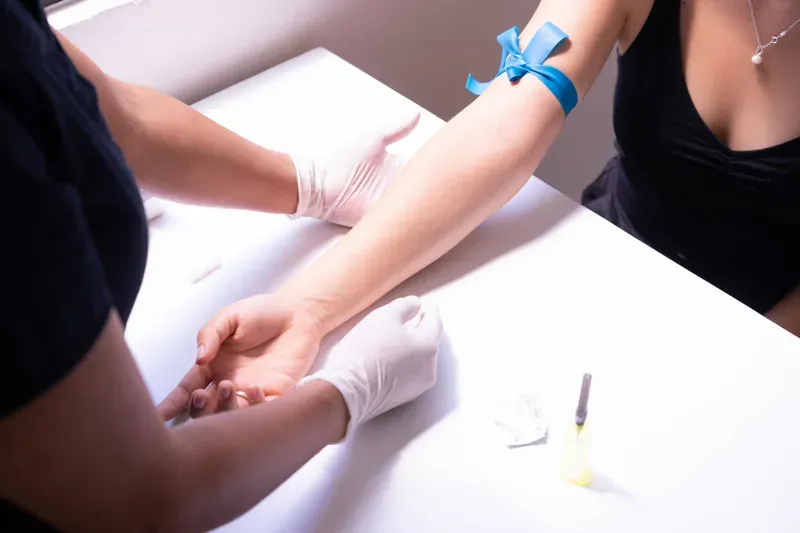
Uric Acid & Gout Treatment Dubai: Guide (2026)
Basahin Pa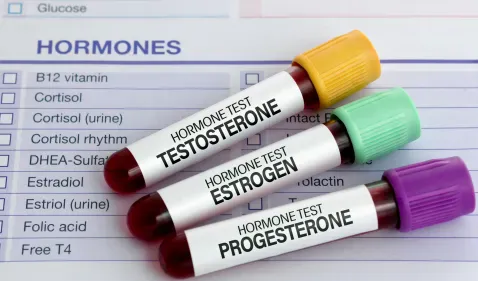
Low Testosterone Symptoms & Treatment Dubai (2026)
Basahin PaStomach Ulcer Dubai: Symptoms & Treatment (2026)
Basahin PaBloating Causes & Treatment in Dubai (2026)
Basahin Pa© 2026 Doctors Clinic Diagnostic Center (DCDC), Dubai Healthcare City. Originally published at https://doctorsclinicdubai.ae/blog/hormonal-imbalance-treatment-dubai. All rights reserved. Unauthorized reproduction is prohibited.