Mga Pangunahing Punto
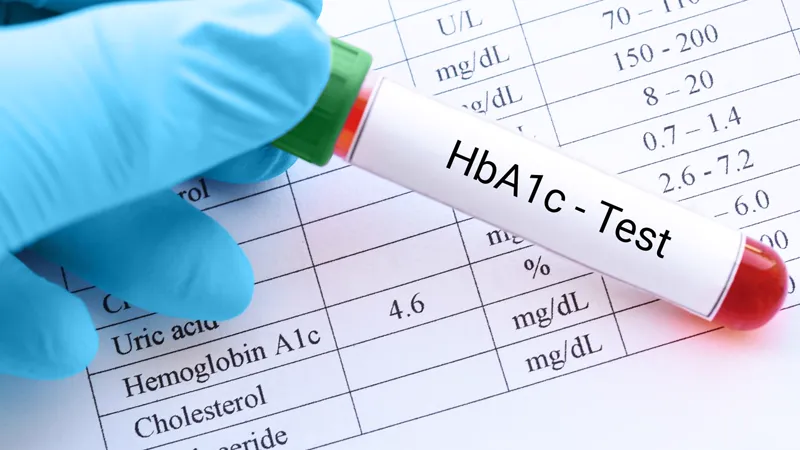
- The HbA1c test measures your average blood sugar over the past 2-3 months and is the gold standard for diagnosing and monitoring diabetes — no fasting is required, and you can test at any time of day
- HbA1c levels below 5.7% are normal, 5.7-6.4% indicate prediabetes, and 6.5% or above confirm diabetes according to ADA and WHO guidelines
- HbA1c testing at DCDC Dubai Healthcare City starts from AED 149 with same-day results from NGSP-certified analyzers, ensuring clinical-grade accuracy
- The UAE has a diabetes prevalence exceeding 20% among adults — nearly triple the global average — making regular HbA1c screening essential for residents over 30 or anyone with risk factors
- Unlike fasting glucose, which captures a single snapshot, HbA1c provides a reliable 2-3 month average that is unaffected by recent meals, stress, or short-term illness
- DCDC offers direct billing with 20+ insurance partners including Daman, AXA, Bupa, MetLife, and Cigna — insured patients typically pay only their 10-20% co-pay
If you are looking for an HbA1c test in Dubai, this guide covers everything you need to know — from what HbA1c measures and how to read your results, to where to get tested and what it costs. The HbA1c test (also called glycated haemoglobin or A1c) is the single most important blood test for detecting, diagnosing, and monitoring diabetes. Unlike a fasting blood glucose test that only shows your blood sugar at one point in time, HbA1c reveals your average blood sugar over the past 2-3 months, giving both you and your doctor a far more complete picture of your metabolic health.
With the UAE reporting a diabetes prevalence exceeding 20% of the adult population — one of the highest rates in the world — regular HbA1c screening is not just recommended, it is essential. At DCDC in Dubai Healthcare City, HbA1c testing starts from AED 149 with same-day results from our NGSP-certified on-site laboratory. No fasting is required, walk-ins are welcome, and 20+ insurance partners are accepted with direct billing. This guide explains every aspect of the HbA1c test so you can make informed decisions about your diabetes risk and long-term health.
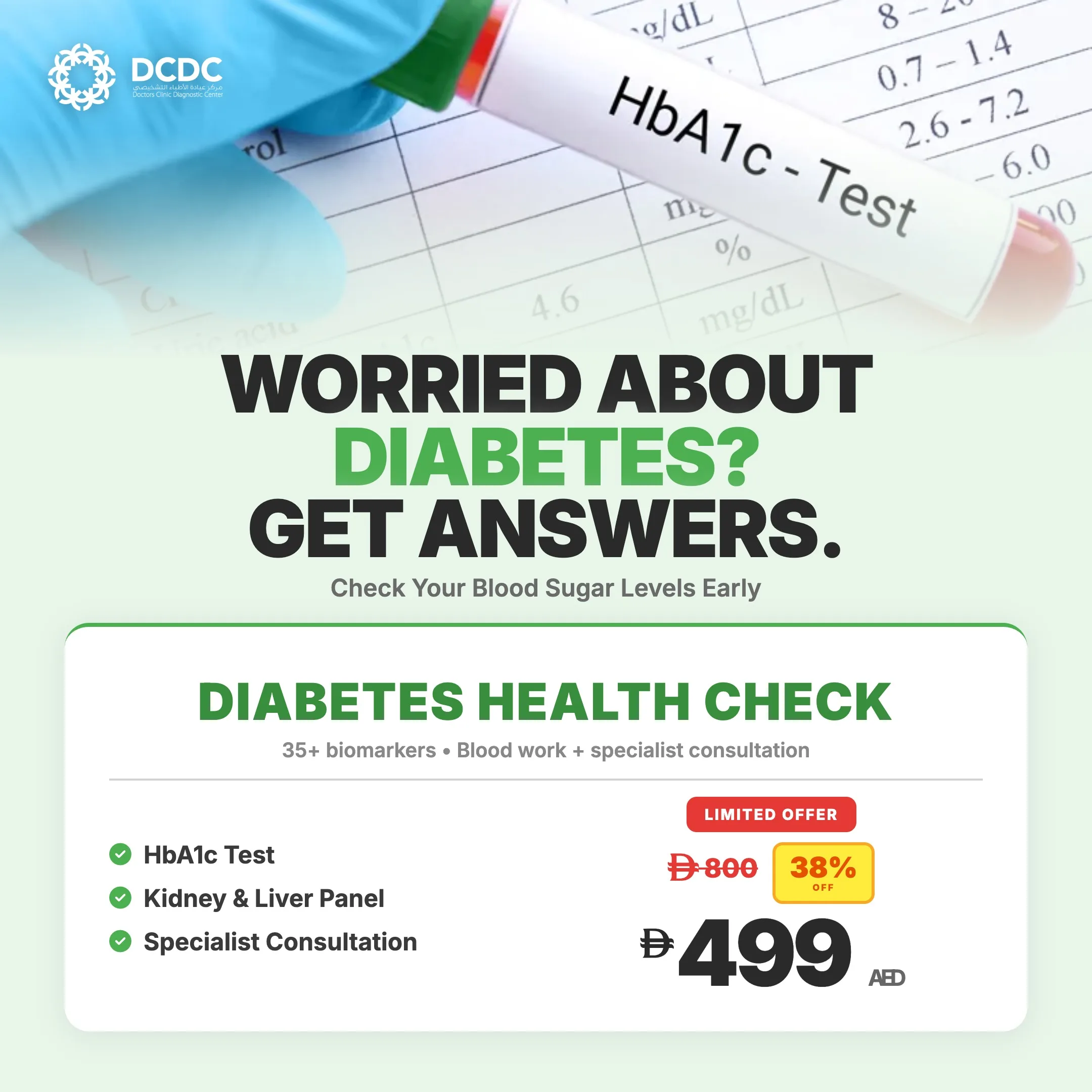
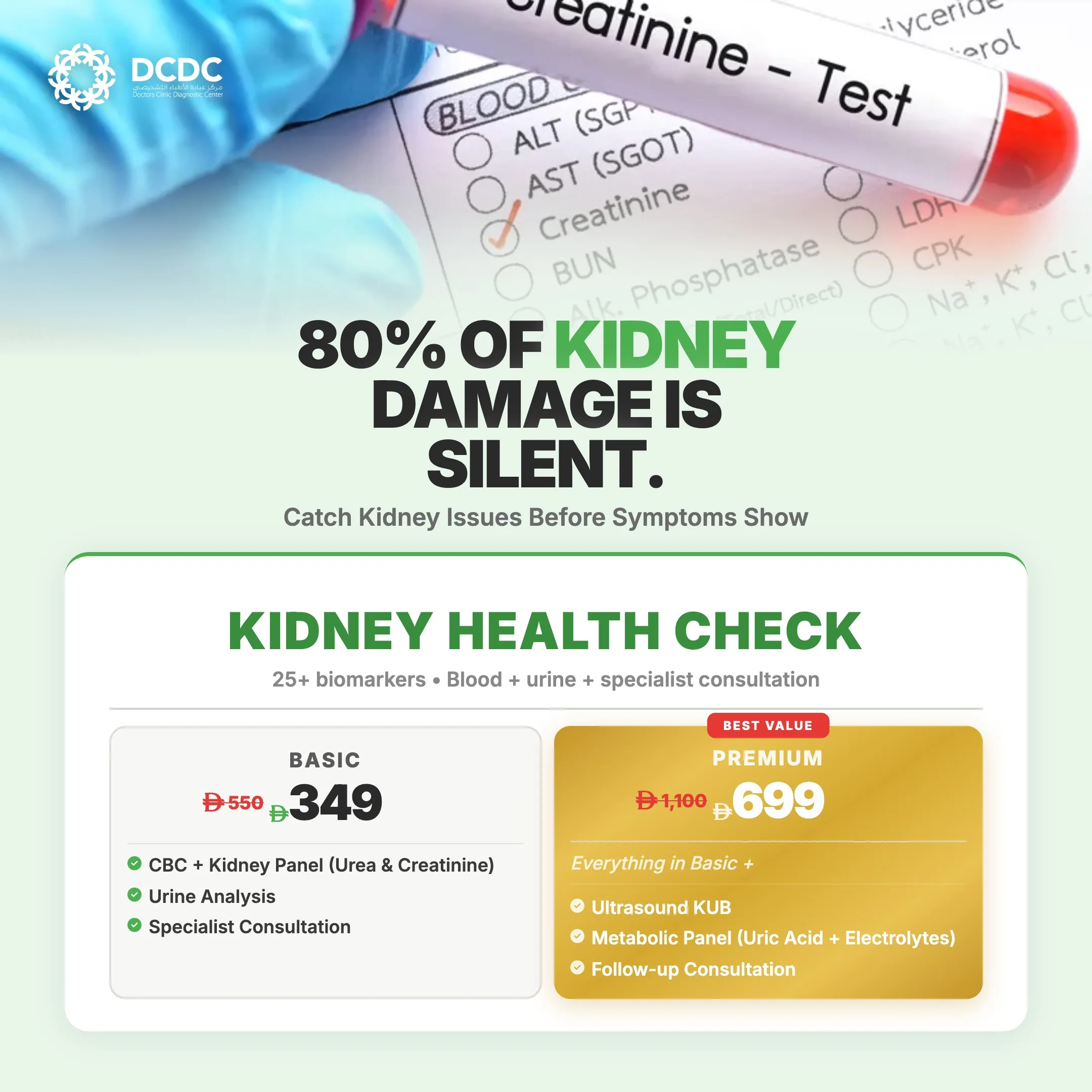
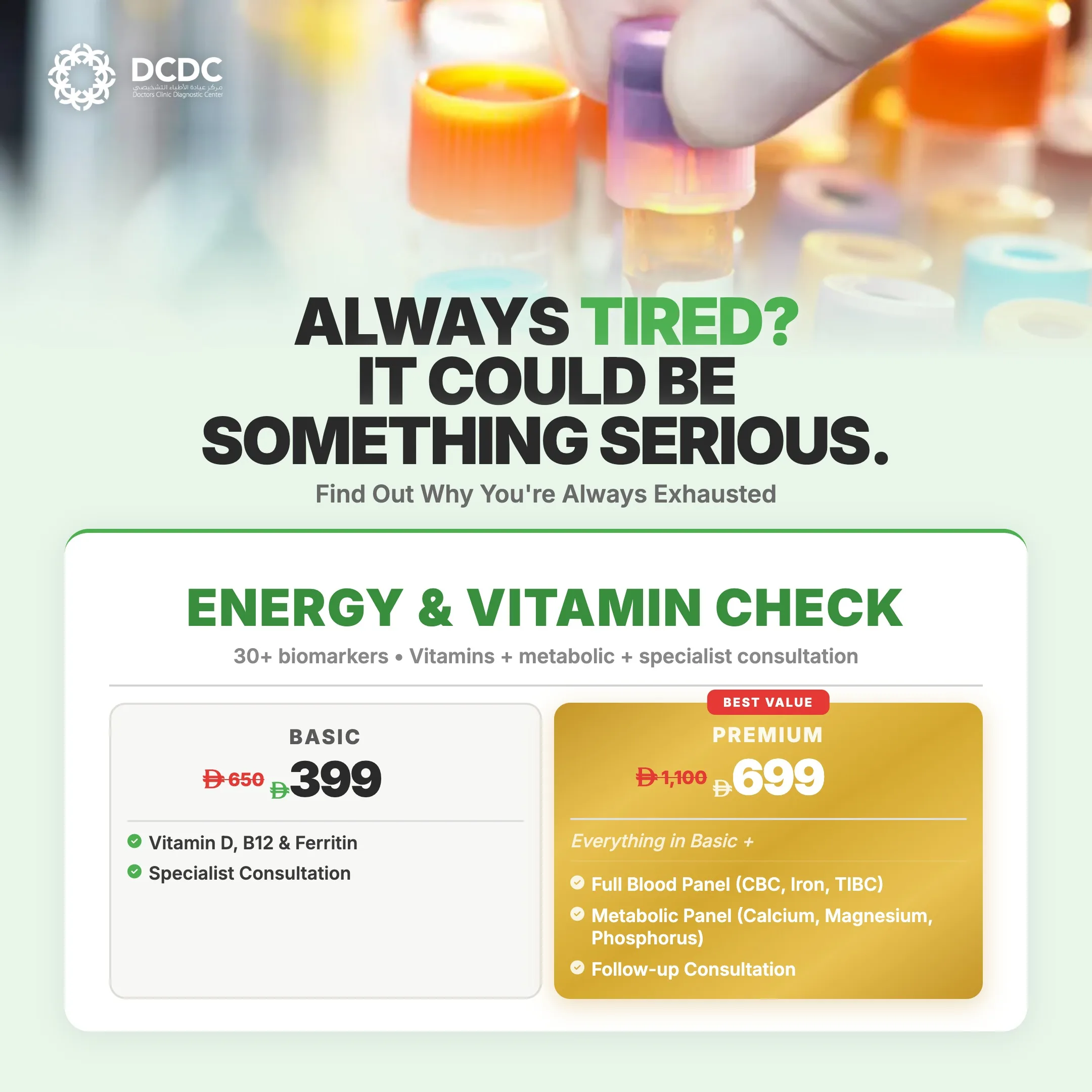
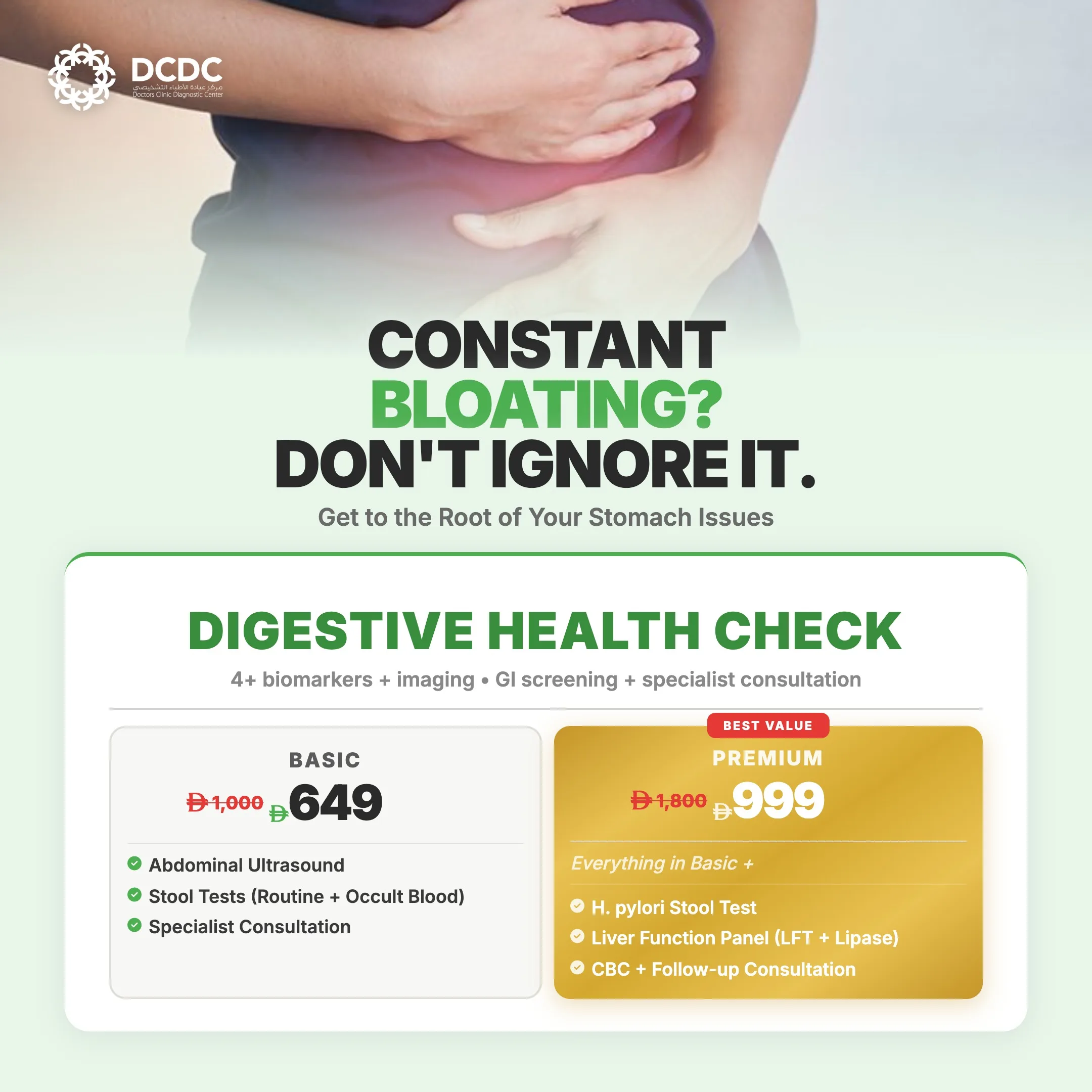
Health Screening Packages
Save with our bundled screening packages — specialist consultation included


What Is the HbA1c Test and How Does It Work?
The HbA1c test measures the percentage of haemoglobin — the oxygen-carrying protein inside your red blood cells — that has glucose molecules permanently attached to it. This process is called glycation and it happens naturally: when glucose circulates in your bloodstream, some of it binds to haemoglobin. The higher your average blood sugar over a given period, the more glycated haemoglobin accumulates in your red blood cells.
Because red blood cells have a lifespan of approximately 120 days (3-4 months), the HbA1c test reflects your average blood glucose level over the preceding 2-3 months. This is fundamentally different from a fasting blood glucose test, which only captures a snapshot of your blood sugar at the exact moment the blood is drawn. A single fasting glucose reading can be influenced by what you ate the night before, stress, sleep quality, or a recent illness — HbA1c is immune to all of these short-term fluctuations.
The test itself is simple: a small blood sample is drawn from a vein in your arm (or sometimes a finger prick for point-of-care testing). At DCDC, samples are processed on site using NGSP-certified (National Glycohemoglobin Standardization Program) analyzers, which ensures that your HbA1c result is accurate and comparable to the reference values used in landmark clinical trials such as the DCCT (Diabetes Control and Complications Trial) and UKPDS (UK Prospective Diabetes Study). Even small measurement errors of 0.3-0.5% can change treatment decisions, so analyzer certification matters.
HbA1c Levels: What Your Results Mean
Understanding your HbA1c result is straightforward once you know the established diagnostic thresholds. Both the American Diabetes Association (ADA) and the World Health Organization (WHO) use HbA1c as a primary diagnostic criterion for diabetes. The table below shows the standard interpretation ranges used worldwide and the recommended clinical response for each level.
| HbA1c Level (%) | HbA1c (mmol/mol) | Interpretation | What It Means for You |
|---|---|---|---|
| Below 5.7% | Below 39 | Normal | No diabetes — retest every 1-3 years depending on risk factors |
| 5.7% - 6.4% | 39 - 47 | Prediabetes | Elevated risk — lifestyle changes recommended, retest in 6-12 months |
| 6.5% or above | 48 or above | Diabetes | Diagnostic of diabetes — confirm with repeat test, begin treatment plan |
| Below 7.0% (diabetic patient) | Below 53 | Well-controlled | Target met — continue current management, retest every 3 months |
| 7.0% - 8.9% (diabetic patient) | 53 - 74 | Suboptimal control | Medication or lifestyle adjustment needed, closer monitoring |
| 9.0% or above (diabetic patient) | 75 or above | Poorly controlled | Urgent medication review and specialist referral recommended |
HbA1c interpretation based on ADA and WHO diagnostic guidelines. Targets may be individualized for elderly patients, pregnant women, or those with comorbidities.
It is important to note that the prediabetes range (5.7-6.4%) is a critical window of opportunity. At this stage, type 2 diabetes has not yet developed, and research from the Diabetes Prevention Program (DPP) trial has shown that structured lifestyle changes — including moderate weight loss of 5-7% and 150 minutes of weekly physical activity — can reduce the risk of progression to diabetes by 58%. If your HbA1c falls in this range, your doctor may recommend dietary changes, exercise, and more frequent monitoring before considering medication.
Why the HbA1c Test Is the Gold Standard for Diabetes
While several blood tests can detect diabetes — including fasting blood glucose, random glucose, and the oral glucose tolerance test (OGTT) — the HbA1c has emerged as the preferred test for both diagnosis and long-term monitoring. Medical organizations including the ADA, WHO, and the International Diabetes Federation (IDF) endorse HbA1c as a primary diagnostic tool. Here is why it has earned that distinction.
- No fasting required: You can take the test at any time of day without dietary preparation, making it far more convenient than fasting glucose or OGTT tests that require 8-12 hours without food
- Long-term average vs point-in-time snapshot: HbA1c reflects 2-3 months of blood sugar history, which is far more clinically meaningful than a single fasting glucose reading that can fluctuate daily
- Less affected by acute variables: Unlike fasting glucose, HbA1c is not significantly affected by recent meals, short-term stress, illness, or medications taken the day before the test
- Directly linked to complication risk: Large clinical trials (DCCT, UKPDS) have demonstrated a direct relationship between HbA1c levels and the risk of diabetes complications — each 1% reduction in HbA1c is associated with a 21% reduction in diabetes-related deaths and a 37% reduction in microvascular complications
- Standardized measurement: NGSP certification ensures HbA1c results are consistent across laboratories worldwide, making it reliable for tracking changes over time even if you switch healthcare providers
- Single-sample convenience: Only one blood draw is needed, unlike the OGTT which requires multiple blood draws over 2 hours in a clinical setting
For a deeper understanding of how HbA1c fits into a comprehensive diabetes care plan — including medication, lifestyle, and monitoring strategies — read our detailed guide on diabetes management in Dubai.
HbA1c vs Fasting Glucose: Key Differences Explained
One of the most common questions patients ask is whether they should get an HbA1c test or a fasting blood glucose test. The short answer is that they measure different things and are complementary rather than interchangeable. Understanding the differences helps you and your doctor choose the right test — or combination of tests — for your situation.
| Feature | HbA1c Test | Fasting Blood Glucose (FBG) |
|---|---|---|
| What it measures | Average blood sugar over 2-3 months | Blood sugar at a single point in time |
| Fasting required | No | Yes (8-12 hours) |
| Normal result | Below 5.7% | Below 100 mg/dL (5.6 mmol/L) |
| Prediabetes range | 5.7% - 6.4% | 100-125 mg/dL (5.6-6.9 mmol/L) |
| Diabetes threshold | 6.5% or above | 126 mg/dL (7.0 mmol/L) or above |
| Affected by recent meals | No | Yes |
| Affected by stress or illness | Minimally | Significantly |
| Best for | Diagnosis, long-term monitoring | Daily checks, acute assessment |
| Cost at DCDC | From AED 149 | AED 50-100 |
Both tests are valuable — your doctor may recommend one or both depending on your clinical situation.
In clinical practice, many doctors recommend both tests together for initial diabetes screening because they can occasionally produce discordant results. A patient may have a normal fasting glucose but an elevated HbA1c (suggesting postprandial — after-meal — spikes that fasting tests miss), or vice versa. Using both provides the most complete diagnostic picture. For a full breakdown of all diabetes-related blood tests and their pricing, see our guide to diabetes test costs in Dubai.
Who Should Get an HbA1c Test in Dubai?
Given the UAE's exceptionally high diabetes prevalence — over 20% of adults aged 20-79, according to World Bank and IDF data — HbA1c screening should be part of routine healthcare for a wide range of Dubai residents. The ADA and international guidelines recommend screening for the following groups.
- Adults aged 35 and older: The ADA recommends baseline diabetes screening starting at age 35 for all adults, regardless of risk factors. In the UAE, where diabetes develops earlier than in Western populations, many physicians recommend starting at age 30
- Overweight or obese individuals (BMI 25+): Excess body weight is the single strongest risk factor for type 2 diabetes. A BMI above 25 (or above 23 for South Asian, Filipino, and Arab populations) with any additional risk factor warrants screening
- Family history of diabetes: Having a first-degree relative (parent or sibling) with type 2 diabetes doubles your risk. If both parents are diabetic, your lifetime risk exceeds 50%
- Women with a history of gestational diabetes: Women who developed diabetes during pregnancy have a 50% chance of developing type 2 diabetes within 5-10 years and should be screened annually with HbA1c
- PCOS (Polycystic Ovary Syndrome) patients: PCOS is closely linked to insulin resistance and significantly increases the risk of type 2 diabetes and metabolic syndrome
- Previously diagnosed prediabetes: If a prior test showed HbA1c of 5.7-6.4%, you should be retested every 6-12 months to track whether lifestyle changes are working or medication is needed
- Sedentary lifestyle: Physical inactivity reduces insulin sensitivity. Dubai's climate-driven indoor lifestyle — combined with high-calorie diets — contributes to the region's elevated diabetes rates
- Known diabetic patients: If you have type 1 or type 2 diabetes, the ADA recommends HbA1c testing every 3 months (or at least twice yearly if your control is stable) to guide treatment decisions
According to Dr. Hadeel Elnur, General Practitioner at DCDC: "In my practice, I see many patients in their 30s and 40s who are shocked to discover they have prediabetes or early diabetes — they feel perfectly healthy. The HbA1c test is invaluable because it catches these cases early, often years before symptoms like excessive thirst or frequent urination develop. As the first point of contact at DCDC, I coordinate the full screening workup and ensure patients get specialist follow-up the same day if their results warrant it."
HbA1c Test Cost in Dubai (2026)
The cost of an HbA1c test in Dubai varies depending on the provider, facility type, and whether you are paying through insurance or out of pocket. Standalone HbA1c tests at diagnostic laboratories in Dubai range from AED 60-300, while hospital-based labs typically charge more. At DCDC in Dubai Healthcare City, HbA1c testing starts from AED 149, which includes on-site processing by NGSP-certified analyzers with same-day results.
| Test or Package | Price at DCDC (AED) | What Is Included |
|---|---|---|
| HbA1c (standalone) | From 149 | Glycated haemoglobin with same-day results |
| HbA1c + Fasting Glucose | 200-250 | Two complementary diabetes markers |
| Diabetes Screening Panel | From 399 | HbA1c + fasting glucose + lipid profile + kidney function |
| Comprehensive Diabetes Panel | 600-900 | Full panel + fasting insulin + HOMA-IR + microalbumin + liver function |
Self-pay pricing at DCDC Dubai Healthcare City. Insured patients pay their co-pay only (typically 10-20%).
For first-time screening, the diabetes screening panel from AED 399 offers the best value: it captures your long-term blood sugar average (HbA1c), current fasting level, cholesterol profile (which is closely linked to cardiovascular risk in diabetics), and kidney function (since diabetes is the leading cause of chronic kidney disease). For a broader view of all laboratory testing options and pricing, see our complete guide to blood tests in Dubai.
Book Your HbA1c Test at DCDC
Walk-in or book by phone/WhatsApp. No fasting required. Same-day results from our NGSP-certified laboratory in Dubai Healthcare City.
20+ insurance partners accepted with direct billing
How to Prepare for an HbA1c Test
One of the biggest practical advantages of the HbA1c test is that it requires virtually no preparation. Unlike a fasting blood glucose or OGTT test — where you must avoid all food and drink (except water) for 8-12 hours — the HbA1c can be taken at any time of day, regardless of when you last ate. This makes it ideal for busy professionals, parents, shift workers, and elderly patients for whom prolonged fasting can be difficult or medically inadvisable.
- No fasting needed: Eat and drink normally before your test. Your recent meal will not affect the result because HbA1c measures a 2-3 month average, not your current blood sugar
- No special dietary preparation: Unlike lipid tests, there is no need to avoid specific foods or alcohol in the days before your HbA1c test
- Continue your medications: Take all prescribed medications as usual, including diabetes medications and insulin. Do not skip doses before the test
- Stay hydrated: Drinking water before your blood draw helps make the vein easier to find and reduces the chance of bruising
- Timing flexibility: You can have the test done at any time during DCDC operating hours — Saturday-Thursday 8AM-10:30PM or Friday 9AM-10PM. There is no need to come first thing in the morning
- Bring your insurance card: If you are insured through one of DCDC's 20+ partner insurers, bring your insurance card for direct billing. You will only pay your co-pay
If your doctor has ordered both an HbA1c and a fasting glucose test (or a full diabetes panel), fasting is required for the glucose component. In this case, schedule your appointment for the morning after an overnight fast. The HbA1c portion of the blood draw will not be affected either way, but having everything done in a single visit saves time.
What to Expect at DCDC: Your HbA1c Test Visit
Getting an HbA1c test at DCDC is a straightforward process designed for minimal wait time and maximum convenience. DCDC is located in Building 64, Block A, Al Razi Medical Complex in Dubai Healthcare City — approximately 10 minutes from Downtown Dubai with free parking available. Here is a step-by-step overview of what your visit looks like.
- Step 1 — Arrival and registration: Walk in or arrive at your scheduled time. Registration takes approximately 5 minutes. Bring your Emirates ID or passport and insurance card if applicable
- Step 2 — Brief consultation (if needed): If you do not already have a doctor's order for HbA1c, a brief consultation with a GP can assess your risk factors and determine which tests to include. This is also when Dr. Hadeel Elnur or another physician may recommend adding fasting glucose, lipid profile, or kidney markers to get a more complete picture
- Step 3 — Blood draw: A trained phlebotomist collects a small blood sample from your arm. The entire draw takes less than 2 minutes. On-site collection means your sample goes directly to our laboratory — no external courier delays
- Step 4 — Same-day results: Routine HbA1c results are typically ready within a few hours. You can wait at the clinic, step out, or have results sent to you electronically
- Step 5 — Results review: Your doctor reviews and explains your HbA1c result in the context of your overall health. If your result is elevated, DCDC offers same-day specialist referral to our internal medicine and diabetes team — no need to schedule a separate visit at another facility
DCDC's average wait time is just 15 minutes, and the clinic maintains a 4.8/5 Google rating from over 1,000 verified reviews with a 98% patient satisfaction rate. The entire visit — from walking in to having blood drawn — typically takes under 30 minutes. DCDC is MOHAP licensed (License No. NIMY7VY5-240925), ensuring full regulatory compliance with UAE healthcare standards.
Factors That Can Affect HbA1c Accuracy
While HbA1c is highly reliable for the vast majority of patients, certain medical conditions and biological factors can produce falsely high or falsely low results. Your doctor should be aware of these when interpreting your results. Understanding these limitations ensures you receive the most accurate assessment of your blood sugar status.
Conditions That May Falsely Elevate HbA1c
- Iron deficiency anaemia: When red blood cells are iron-deficient, they live longer than normal, allowing more glucose to attach to haemoglobin and inflating the HbA1c reading
- Chronic kidney disease: Advanced kidney failure can alter red blood cell lifespan and haemoglobin chemistry, leading to unreliable HbA1c values
- Splenectomy (spleen removal): Without a spleen to filter old red blood cells, cells circulate longer and accumulate more glycated haemoglobin
- High alcohol consumption: Chronic heavy alcohol use can form acetaldehyde-haemoglobin adducts that interfere with some HbA1c assay methods
Conditions That May Falsely Lower HbA1c
- Haemolytic anaemia: Conditions that destroy red blood cells prematurely reduce the time available for glycation, producing a falsely low HbA1c
- Significant blood loss or recent blood transfusion: Fresh transfused blood dilutes glycated haemoglobin, skewing results downward
- Pregnancy (2nd and 3rd trimesters): Increased red blood cell turnover and haemodilution in pregnancy can lower HbA1c, which is why the OGTT is preferred for gestational diabetes diagnosis
- Haemoglobin variants: Certain genetic haemoglobin variants (such as HbS in sickle cell trait or HbC) can interfere with some laboratory methods. NGSP-certified analyzers at DCDC are validated to handle the most common variants accurately
If you have any of these conditions, your doctor may supplement HbA1c with fructosamine testing (which measures a 2-3 week blood sugar average) or rely more heavily on fasting glucose and continuous glucose monitoring (CGM) for diabetes management.
How Often Should You Test Your HbA1c?
The recommended frequency of HbA1c testing depends on your diabetes status, how well your blood sugar is controlled, and whether your treatment plan has recently changed. Overtesting wastes money and creates unnecessary anxiety, while undertesting risks missing dangerous trends. Here are the evidence-based guidelines.
- No diabetes, no risk factors: Screen with HbA1c at age 35 (or 30 in the UAE), then every 3 years if the result is normal (below 5.7%)
- No diabetes, but risk factors present: Annual HbA1c testing is recommended if you have a family history, are overweight, have PCOS, or had gestational diabetes
- Prediabetes (HbA1c 5.7-6.4%): Retest every 6-12 months to monitor whether lifestyle changes are preventing progression to diabetes
- Diabetes, well-controlled (HbA1c below 7%): Test every 6 months if your treatment plan is stable and you are meeting your glycaemic targets
- Diabetes, changing treatment or not at target: Test every 3 months to evaluate the effect of new medications, dose adjustments, or insulin initiation
- Newly diagnosed diabetes: Test every 3 months for the first year to establish a baseline trend and calibrate treatment
As part of routine diabetes monitoring, your doctor will typically combine the HbA1c test with other markers. A full cardiovascular and metabolic risk assessment may include cholesterol levels — for which you can learn more in our lipid profile and cholesterol test guide for Dubai. If you are considering a complete health check that includes diabetes screening alongside other essential markers, see our guide to health checkup costs in Dubai.
Lowering Your HbA1c: Evidence-Based Strategies
If your HbA1c result is above normal — whether in the prediabetes range or indicating diabetes — there are proven, effective strategies to bring it down. The magnitude of HbA1c reduction depends on your starting point, but improvements of 0.5-2.0% are achievable through lifestyle changes alone, and greater reductions are possible with medication. Here are the strategies supported by the strongest clinical evidence.
Dietary Changes
- Reduce refined carbohydrates: White rice, white bread, sugary drinks, and processed snacks cause rapid blood sugar spikes. Replacing them with whole grains, legumes, and vegetables can lower HbA1c by 0.3-0.5%
- Increase dietary fibre: Aim for 25-30g of fibre daily from vegetables, fruits, nuts, and whole grains. Fibre slows glucose absorption and improves insulin sensitivity
- Portion control: Even healthy carbohydrates raise blood sugar when consumed in large quantities. Using smaller plates and measuring portions helps regulate intake
- Mediterranean or DASH diet patterns: Both dietary patterns have been shown to reduce HbA1c by 0.3-0.5% in clinical trials, while also improving cholesterol and blood pressure
Physical Activity
- 150 minutes of moderate exercise per week: Brisk walking, swimming, or cycling for 30 minutes, 5 days a week is the minimum recommended by the ADA and can reduce HbA1c by 0.5-0.7%
- Resistance training 2-3 times per week: Strength training improves insulin sensitivity by increasing muscle glucose uptake. Combining aerobic and resistance exercise produces greater HbA1c reductions than either alone
- Post-meal walking: A 10-15 minute walk after meals — particularly dinner — has been shown to reduce postprandial glucose spikes by 20-30%, directly lowering HbA1c over time
Weight Management
Losing just 5-7% of body weight (approximately 4-6 kg for someone weighing 80 kg) can reduce HbA1c by 0.5-1.0% and cut the risk of progressing from prediabetes to diabetes by 58%, according to the landmark Diabetes Prevention Program study. Weight loss improves insulin sensitivity, reduces visceral fat (which drives insulin resistance), and lowers inflammation markers.
Medication (When Prescribed)
When lifestyle changes alone are insufficient, your doctor may prescribe medications. Metformin is the first-line medication for type 2 diabetes and typically reduces HbA1c by 1.0-1.5%. Newer medication classes — including SGLT2 inhibitors and GLP-1 receptor agonists — offer additional HbA1c reductions of 0.5-1.5% and have cardiovascular and kidney-protective benefits. Insulin therapy, when needed, can reduce HbA1c by 2.0% or more depending on the regimen. All medication decisions should be made in consultation with your doctor based on your individual health profile.
Diabetes in the UAE: Why HbA1c Screening Matters Here
The UAE has one of the highest diabetes prevalence rates in the world. According to the most recent World Bank data, over 20% of adults aged 20-79 in the UAE have diabetes — nearly three times the global average. The International Diabetes Federation (IDF) has consistently ranked the UAE among the top 10-15 countries globally for diabetes prevalence. Several factors specific to life in Dubai and the broader UAE contribute to this epidemic.
- Genetic predisposition: Arab, South Asian, and Filipino populations — which together make up the majority of UAE residents — have a genetically higher susceptibility to insulin resistance and type 2 diabetes compared to European populations
- Climate and lifestyle: Dubai's extreme summer heat (exceeding 45 degrees C for months) discourages outdoor physical activity, leading to sedentary habits. Air-conditioned environments and car-dependent commuting further reduce daily movement
- Dietary patterns: The availability of high-calorie, high-sugar foods — combined with cultural food traditions centred on refined carbohydrates, sugary beverages, and large portion sizes — drives obesity and insulin resistance
- Rising obesity rates: The UAE's adult obesity rate exceeds 30%, and obesity is the single strongest modifiable risk factor for type 2 diabetes
- Young-onset diabetes: Unlike in many Western countries where type 2 diabetes is predominantly a disease of older adults, the UAE sees significant numbers of diagnoses in the 25-40 age group due to early-onset metabolic risk
These factors make regular HbA1c screening essential for anyone living in Dubai — particularly those over 30, those with a family history, or those carrying excess weight. Early detection through a simple, no-fasting blood test can prevent years of uncontrolled blood sugar damage to your kidneys, eyes, nerves, and cardiovascular system.
Screen Early, Protect Your Health
Diabetes screening panels start from AED 399 at DCDC. Walk-in appointments available Saturday-Thursday 8AM-10:30PM. Building 64, Block A, Al Razi Medical Complex, DHCC.
Free parking available. 10 minutes from Downtown Dubai.
Insurance Coverage for HbA1c Testing in Dubai
HbA1c testing is covered by all major health insurance plans in the UAE when ordered by a physician for medically indicated reasons — whether for diabetes screening, diagnosis, or monitoring. Insurance coverage applies to both the laboratory test itself and the associated doctor consultation. At DCDC, the process is streamlined through direct billing with over 20 insurance partners.
- Insured patients: If you have insurance through Daman, AXA, Bupa, MetLife, Cigna, or any of DCDC's 20+ partner insurers, you pay only your co-pay (typically 10-20% of the total cost). DCDC handles the claim directly — no paperwork for you
- Self-pay patients: Transparent pricing with no hidden fees. HbA1c from AED 149, diabetes screening panel from AED 399. Pay at the clinic and receive your receipt immediately
- Company health plans: Many Dubai employers include diabetes screening in their corporate health benefit packages. Check with your HR department or insurance provider to confirm coverage
- DHA mandatory insurance: Basic insurance plans in Dubai mandated by the Dubai Health Authority include coverage for diabetes screening and management, including HbA1c testing
To maximize your insurance benefit, schedule a GP consultation at DCDC first. The doctor assesses your risk factors, orders the appropriate tests, and the consultation plus lab work are billed together under your insurance plan. This is typically more cost-effective than ordering a self-pay test and then seeking a separate consultation to discuss results.
Understanding Your HbA1c Report: A Practical Example
When you receive your HbA1c result, the laboratory report will typically show your value as both a percentage (e.g., 6.2%) and in mmol/mol units (e.g., 44 mmol/mol). Some reports also provide an estimated average glucose (eAG) — a conversion that translates your HbA1c percentage into an average blood sugar reading in mg/dL or mmol/L, making it easier to relate to daily glucose monitor readings.
| HbA1c (%) | HbA1c (mmol/mol) | Estimated Average Glucose (mg/dL) | Estimated Average Glucose (mmol/L) |
|---|---|---|---|
| 5.0% | 31 | 97 | 5.4 |
| 5.5% | 37 | 111 | 6.2 |
| 6.0% | 42 | 126 | 7.0 |
| 6.5% | 48 | 140 | 7.8 |
| 7.0% | 53 | 154 | 8.6 |
| 8.0% | 64 | 183 | 10.2 |
| 9.0% | 75 | 212 | 11.8 |
| 10.0% | 86 | 240 | 13.4 |
HbA1c to estimated average glucose conversion using the ADAG study formula: eAG (mg/dL) = 28.7 x HbA1c - 46.7
This conversion is particularly helpful for patients who use home glucose monitors. If your daily readings average around 154 mg/dL (8.6 mmol/L), you would expect an HbA1c near 7.0%. A significant discrepancy between your home glucose average and your HbA1c may indicate that your monitor readings do not capture the full picture — for example, overnight highs or postprandial spikes that you are not measuring.
Continuous Glucose Monitoring (CGM) and HbA1c
Continuous glucose monitoring (CGM) devices — such as the FreeStyle Libre and Dexcom — have transformed diabetes management by providing real-time glucose readings every 5-15 minutes. A common question is whether CGM makes the HbA1c test obsolete. The answer is no: CGM and HbA1c are complementary tools that provide different clinical insights.
- CGM shows the journey, HbA1c shows the destination: CGM reveals minute-by-minute glucose fluctuations, helping you see how specific foods, exercise, and medications affect your blood sugar in real time. HbA1c confirms whether all those daily fluctuations are averaging out to a healthy long-term level
- Time in Range (TIR): CGM introduced the concept of Time in Range — the percentage of time your glucose stays between 70-180 mg/dL. A TIR above 70% roughly correlates to an HbA1c below 7%. However, two patients with the same HbA1c can have very different TIR profiles, which is why both metrics are valuable
- CGM requires calibration: Periodic HbA1c testing helps verify that your CGM sensor readings are accurate. CGM sensors can drift or lose accuracy, and HbA1c serves as an independent checkpoint
- HbA1c remains the clinical standard: Treatment guidelines, medication approvals, and complication risk assessments are all based on HbA1c thresholds, not CGM data. Your doctor will continue to use HbA1c for clinical decision-making
At DCDC, our diabetes management team supports both CGM and traditional HbA1c monitoring. Whether you use a CGM device or rely on periodic lab tests, we integrate all your glucose data into a comprehensive management plan tailored to your lifestyle and health goals.
Kaugnay na Serbisyo sa DCDC
Dalubhasang pangangalaga at advanced diagnostics sa Dubai Healthcare City
Mga Madalas Itanong
Mga Huling Kaisipan
The HbA1c test is one of the simplest, most informative blood tests you can take — a single, no-fasting blood draw that reveals months of blood sugar history and can detect diabetes or prediabetes before you notice any symptoms. In a country where more than 1 in 5 adults has diabetes and many cases remain undiagnosed for years, this knowledge is genuinely life-changing. Prediabetes is reversible with early intervention, but only if you know about it.
At DCDC Dubai Healthcare City, we have made HbA1c testing as accessible as possible: pricing starts from AED 149, no fasting or appointment is needed, results come back the same day from our NGSP-certified laboratory, and 20+ insurance partners are accepted with direct billing. If your results require further evaluation, our internal medicine specialists and clinical nutritionists are available in the same building for immediate follow-up — no separate referral appointments at another facility.
Whether you are checking your blood sugar for the first time, monitoring prediabetes, or managing existing diabetes, the team at DCDC — coordinated by doctors like Dr. Hadeel Elnur who guide patients from initial screening through specialist care — is here to support every step of your journey. Contact us by phone or WhatsApp to book your HbA1c test, or simply walk into our Al Razi Medical Complex location in Dubai Healthcare City. Your health starts with knowing your numbers.
Mga Sanggunian at Reperensya
Ang artikulong ito ay sinuri ng aming medikal na team at tumutukoy sa mga sumusunod na sanggunian:
- American Diabetes Association — Standards of Care in Diabetes (2025): Glycemic Targets and Diagnostic Criteria
- World Health Organization — Use of Glycated Haemoglobin (HbA1c) in the Diagnosis of Diabetes Mellitus
- International Diabetes Federation — IDF Diabetes Atlas, 10th Edition (UAE Country Report)
- Diabetes Prevention Program Research Group — Reduction in the Incidence of Type 2 Diabetes with Lifestyle Intervention or Metformin (NEJM)
- National Glycohemoglobin Standardization Program (NGSP) — HbA1c Test Standardization and Certification
- UK Prospective Diabetes Study (UKPDS) — Association of HbA1c with Macrovascular and Microvascular Complications of Type 2 Diabetes (BMJ)
- World Bank — Diabetes Prevalence (% of Population Ages 20-79), United Arab Emirates
Ang medikal na nilalaman sa site na ito ay sinusuri ng mga DHA-licensed na manggagamot. Tingnan ang aming patakarang editorial para sa higit pang impormasyon.

Isinulat ni
Dr. Hadeel Elnur
General Practitioner
MD, General Practice
Dr. Hadeel Elnur is a General Practitioner at Doctors Clinic Diagnostic Center (DCDC) in Dubai Healthcare City.
Mga Kaugnay na Artikulo
Diabetes Management Dubai: Complete Guide
Diabetes Test Cost Dubai: From AED 149
Blood Test Dubai: Complete Guide to Lab Testing
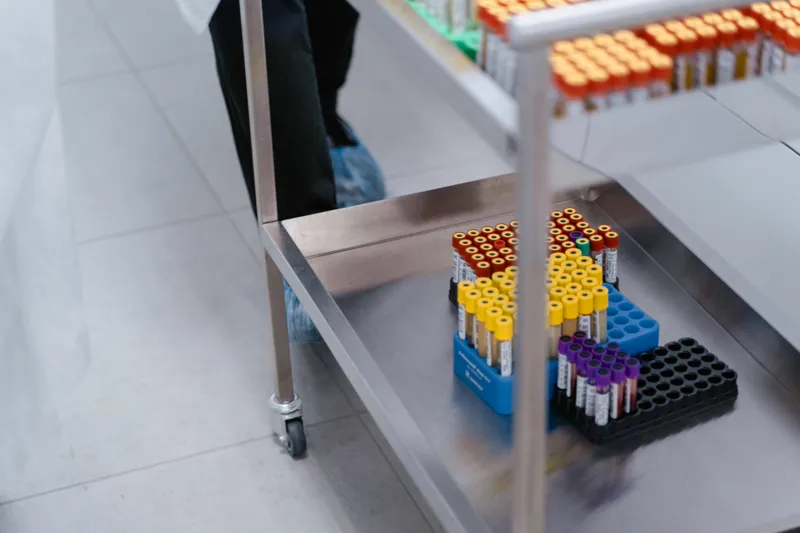
Lipid Profile & Cholesterol Test Dubai

Vitamin D Deficiency Dubai: Signs & Testing
Higit pa sa Internal Medicine

Gastritis vs GERD Dubai: Key Differences (2026)
Basahin Pa
Endoscopy Dubai: Types, Cost & Guide (2026)
Basahin Pa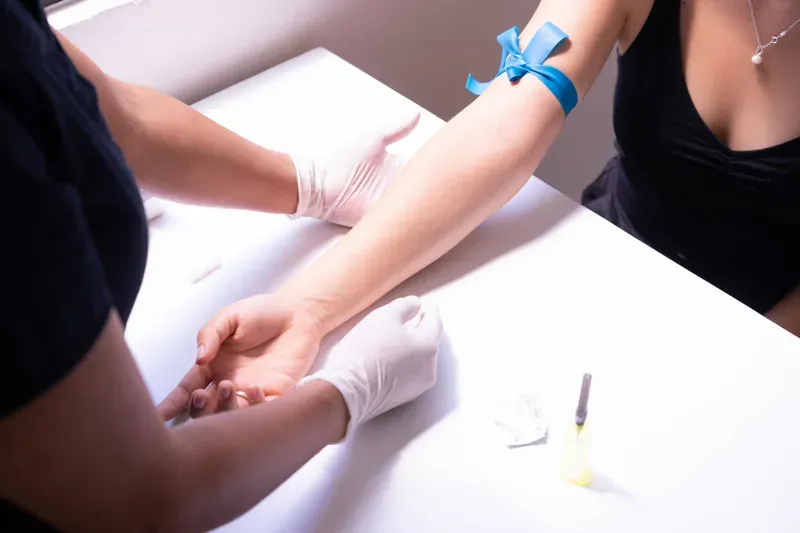
Uric Acid & Gout Treatment Dubai: Guide (2026)
Basahin Pa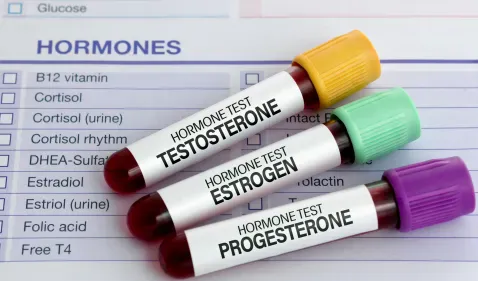
Low Testosterone Symptoms & Treatment Dubai (2026)
Basahin PaStomach Ulcer Dubai: Symptoms & Treatment (2026)
Basahin PaBloating Causes & Treatment in Dubai (2026)
Basahin Pa© 2026 Doctors Clinic Diagnostic Center (DCDC), Dubai Healthcare City. Originally published at https://doctorsclinicdubai.ae/blog/hba1c-test-dubai-guide. All rights reserved. Unauthorized reproduction is prohibited.