Mga Pangunahing Punto
- CT colonography (virtual colonoscopy) is a non-invasive imaging test that examines the entire colon using CT technology without a scope
- Sensitivity for polyps larger than 10mm is over 90%, comparable to optical colonoscopy for clinically significant findings
- No sedation is required and you can return to normal activities immediately after the test
- Bowel preparation is still required (similar to optical colonoscopy prep) and polyps found cannot be removed during the same procedure
- Best suited for patients who cannot tolerate optical colonoscopy, those on blood thinners, or as an alternative screening option
CT colonography, commonly called virtual colonoscopy, is a minimally invasive imaging technique that uses CT scan technology to create detailed 2D and 3D images of the inside of the colon and rectum. It allows radiologists to detect polyps, tumors, and other abnormalities without inserting a camera scope into the body. For patients who are unable or unwilling to undergo a traditional optical colonoscopy, CT colonography provides a valuable screening alternative with high accuracy for clinically significant findings.
Colorectal cancer is one of the most preventable cancers when detected early through screening. While optical colonoscopy remains the gold standard because it allows simultaneous biopsy and polyp removal, CT colonography offers a less invasive option that many patients find more acceptable. As part of a comprehensive health checkup, colorectal screening is essential. This guide provides a thorough comparison of both methods, explains who should consider CT colonography, and covers preparation, procedure, limitations, and cost.



What Is CT Colonography?
CT colonography uses a standard CT scanner to acquire thin-slice images of the abdomen and pelvis after the colon has been distended with air or carbon dioxide. The radiologist then uses specialized software to "fly through" the virtual colon on a computer screen, examining the mucosal surface for polyps, masses, or other abnormalities in much the same way an endoscopist examines the colon with a camera.
The images are acquired in two positions (lying on your back and lying on your stomach) to ensure that all surfaces of the colon are visible and to help distinguish real polyps from residual stool. The entire imaging process takes approximately 15-20 minutes, with no sedation required. Advanced software generates both 2D cross-sectional views and 3D fly-through renderings that allow the radiologist to examine the colon from multiple angles. For pricing, see our CT scan cost guide.
CT Colonography vs Optical Colonoscopy: Complete Comparison
Understanding how virtual colonoscopy compares to traditional colonoscopy helps you and your doctor choose the right screening method.
| Feature | CT Colonography (Virtual) | Optical Colonoscopy (Traditional) |
|---|---|---|
| Method | CT scan with air insufflation | Camera scope inserted through rectum |
| Invasiveness | Minimally invasive (small rectal tube) | Invasive (full scope insertion) |
| Sedation required | No | Yes - conscious sedation or general anesthesia |
| Sensitivity for polyps >10mm | Over 90% | Over 95% |
| Sensitivity for polyps 6-9mm | 70-85% | Over 90% |
| Sensitivity for polyps <6mm | 50-60% | Over 85% |
| Can remove polyps | No - requires follow-up colonoscopy | Yes - removed during same procedure |
| Can take biopsy | No | Yes |
| Bowel preparation | Required (similar to colonoscopy) | Required |
| Procedure duration | 15-20 minutes | 30-60 minutes |
| Recovery time | None - resume activities immediately | 1-2 hours (sedation recovery) + no driving that day |
| Complications risk | Very low (<0.02% perforation) | Low (0.1-0.3% perforation, 0.5-1% bleeding) |
| Radiation exposure | Yes (approximately 5-8 mSv) | None |
| Detects extracolonic findings | Yes - sees kidneys, liver, aorta, etc. | No - only visualizes the colon |
| Cost in Dubai (AED) | 1,500-3,000 | 3,000-6,000 |
| Screening interval | Every 5 years | Every 10 years |
Both methods have distinct advantages. Optical colonoscopy offers higher sensitivity and therapeutic capability, while CT colonography offers non-invasiveness and extracolonic detection.
Who Should Consider CT Colonography?
CT colonography is recognized as an acceptable colorectal cancer screening option by major guidelines including the American Cancer Society and US Multi-Society Task Force. It is particularly appropriate in the following situations. Your doctor may also order blood tests such as a stool occult blood test before recommending screening: For related information, see our guide on MRI Cost Dubai: AED 900–15,000 by Type.
- Incomplete optical colonoscopy: When a traditional colonoscopy cannot visualize the entire colon (due to anatomy, adhesions, or tumor obstruction), CT colonography can image the remaining segments
- Patients on anticoagulants: Those taking blood thinners who cannot safely discontinue them for the polyp removal risk of optical colonoscopy
- High surgical risk patients: Elderly or medically frail individuals for whom sedation poses significant risk
- Patient preference: Individuals who refuse optical colonoscopy but are willing to undergo CT colonography as an alternative screening method
- Prior difficult or failed colonoscopy: Patients with tortuous colons or prior abdominal surgery that makes scope insertion difficult
- Surveillance in low-risk patients: As a less invasive follow-up option for patients with low-risk findings on prior colonoscopy
Preparation for CT Colonography
One common misconception is that CT colonography requires less preparation than optical colonoscopy. In reality, thorough bowel preparation is equally important for both tests because residual stool can mimic polyps and reduce accuracy. For general CT preparation advice, see our CT scan preparation guide.
The standard preparation typically includes:
- Low-residue diet: For 1-2 days before the test, eat easily digestible foods and avoid high-fiber foods, seeds, and nuts
- Clear liquid diet: The day before the scan, consume only clear liquids (water, clear broth, tea without milk, clear juice)
- Laxative preparation: A bowel-cleansing solution prescribed by your doctor, taken the evening before the test
- Stool tagging agent: Some protocols include a contrast agent (barium or iodine) mixed with meals before the prep. This "tags" any remaining stool with contrast, allowing the radiologist to distinguish it from polyps digitally
- Nothing by mouth: No food or drink after midnight before the test
The stool-tagging approach (also called fecal tagging) is a significant advancement that improves accuracy. Tagged stool appears bright white on the CT images, making it instantly distinguishable from polyps, which do not contain the contrast agent. This reduces false positives and the need for repeat testing.
What Happens During the Procedure
The CT colonography procedure is straightforward and well-tolerated by most patients:
- Step 1: You change into a hospital gown and lie on the CT table on your side
- Step 2: A small, thin, flexible tube is gently inserted into the rectum (similar in diameter to a rectal thermometer)
- Step 3: Carbon dioxide or room air is slowly pumped through the tube to distend the colon. You may feel bloating and mild pressure, similar to gas cramps. Carbon dioxide is preferred because it is absorbed much faster than air, reducing post-procedure discomfort
- Step 4: A scout image is taken to confirm adequate colon distension
- Step 5: You lie on your back for the first set of CT images (approximately 15 seconds of scanning)
- Step 6: You turn onto your stomach for a second set of images. This dual-position approach ensures complete visualization
- Step 7: The rectal tube is removed and you can get dressed immediately. Total time on the table is approximately 15-20 minutes
Most patients report that the bloating from colon distension is the most uncomfortable part of the procedure, though it resolves quickly once the gas is expelled. There is no sedation, no recovery period, and you can drive yourself home and resume all normal activities immediately. If you are undergoing CT colonography as part of routine screening, consider combining it with an annual health checkup.
Sensitivity and Limitations
CT colonography performs best for larger polyps. For polyps 10mm and above (the size most likely to harbor cancer or progress to cancer), sensitivity exceeds 90%, which approaches optical colonoscopy performance. For medium polyps (6-9mm), sensitivity ranges from 70-85%. For small polyps below 6mm, sensitivity drops to 50-60%, though these very small polyps have a very low risk of being cancerous. For alternative imaging options, an ultrasound or MRI scan may be considered depending on the clinical scenario. You may also find our Breast MRI Dubai: When You Need It Beyond Mammogram helpful.
The most important limitations of CT colonography include:
- No therapeutic capability: If a significant polyp is found, you will need a follow-up optical colonoscopy to remove it, meaning two procedures and two bowel preparations
- Flat lesions: Flat or sessile polyps are harder to detect on CT colonography than pedunculated (stalked) polyps
- Small polyps: Limited sensitivity below 6mm, though most guidelines suggest these can safely be left unmonitored
- Radiation exposure: Approximately 5-8 mSv per examination, which is a consideration for repeated screening every 5 years. Radiation-free alternatives like MRI exist but are not standard for colon screening
- Bowel preparation still required: The preparation is essentially the same as for optical colonoscopy, which many patients find to be the most unpleasant part of either test
- Extracolonic findings: While detecting kidney stones or an aortic aneurysm can be beneficial, incidental findings can also lead to unnecessary follow-up tests, anxiety, and cost
CT Colonography Cost in Dubai
| Service | Cost Range (AED) | Notes |
|---|---|---|
| CT colonography (scan only) | 1,500 - 3,000 | Imaging with radiologist report |
| CT colonography with consultation | 2,000 - 4,000 | Including gastroenterologist review |
| Optical colonoscopy (for comparison) | 3,000 - 6,000 | Includes sedation and polyp removal if needed |
| Follow-up optical colonoscopy (if polyp found on CT colonography) | 3,000 - 6,000 | Additional cost if therapeutic intervention needed |
CT colonography is typically less expensive than optical colonoscopy but may result in additional cost if polyps require removal.
Insurance coverage for CT colonography varies. Many insurers cover it when optical colonoscopy has failed or is contraindicated. Coverage as a primary screening tool depends on the specific insurance plan. Check with your provider for details. Our health checkup cost guide covers insurance tips for preventive screening.
"CT colonography is an excellent option for patients who have valid reasons not to undergo traditional colonoscopy. For colon cancer screening, the most important thing is that patients actually get screened, whatever the method. A CT colonography that gets done is far more valuable than a colonoscopy that gets cancelled or declined," emphasizes Dr. Osama Elzamzami.
Advanced Colon Screening at DCDC
Our CT scan services include CT colonography with 3D virtual fly-through technology. Discuss screening options with our team.
Comprehensive Cancer Screening at DCDC Dubai Healthcare City
At Doctors Clinic Diagnostic Center, we offer multiple cancer screening modalities to match your needs and preferences. Located in Dubai Healthcare City with experienced radiologists.
Kaugnay na Serbisyo sa DCDC
Dalubhasang pangangalaga at advanced diagnostics sa Dubai Healthcare City
Frequently Asked Questions
Final Thoughts
CT colonography is a validated, non-invasive alternative for colorectal cancer screening that provides high accuracy for clinically significant polyps without sedation, scope insertion, or recovery time. While optical colonoscopy remains the gold standard due to its therapeutic capability, CT colonography serves an important role for patients who cannot or will not undergo traditional colonoscopy.
The most critical point about colorectal cancer screening is that getting screened by any accepted method is far better than not being screened at all. If the prospect of optical colonoscopy is preventing you from getting screened, CT colonography may be the approach that gets you through the door and potentially saves your life through early detection. Similarly, screening tools like DEXA scans for osteoporosis follow the same principle — early detection saves lives.
For CT colonography and other advanced imaging services in Dubai, Doctors Clinic Diagnostic Center in Dubai Healthcare City offers comprehensive diagnostic capabilities with experienced radiologists.
Mga Sanggunian at Reperensya
Ang artikulong ito ay sinuri ng aming medikal na team at tumutukoy sa mga sumusunod na sanggunian:
- American Cancer Society - Colorectal Cancer Screening Guidelines
- US Multi-Society Task Force - CT Colonography Screening
- American College of Radiology - CT Colonography Standards
- New England Journal of Medicine - CT Colonography Accuracy Studies
- European Society of Gastrointestinal and Abdominal Radiology
Ang medikal na nilalaman sa site na ito ay sinusuri ng mga DHA-licensed na manggagamot. Tingnan ang aming patakarang editorial para sa higit pang impormasyon.

Isinulat ni
Dr. Osama Elzamzami
Consultant Radiologist
MD, Radiology
Dr. Osama Elzamzami is a Consultant Radiologist specializing in diagnostic imaging including CT, MRI, DEXA, and ultrasound at DCDC Dubai Healthcare City.
Related Articles
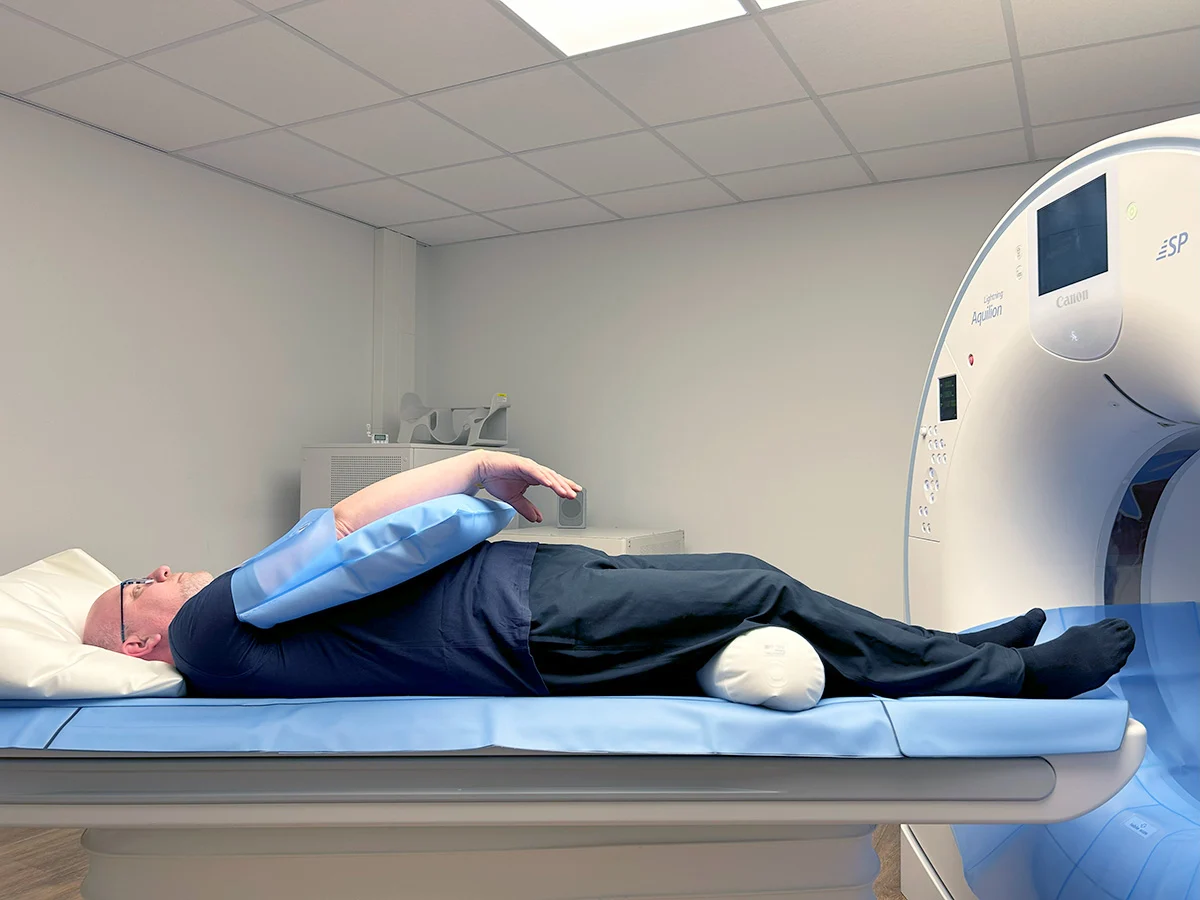
CT Scan Cost Dubai: Complete Guide
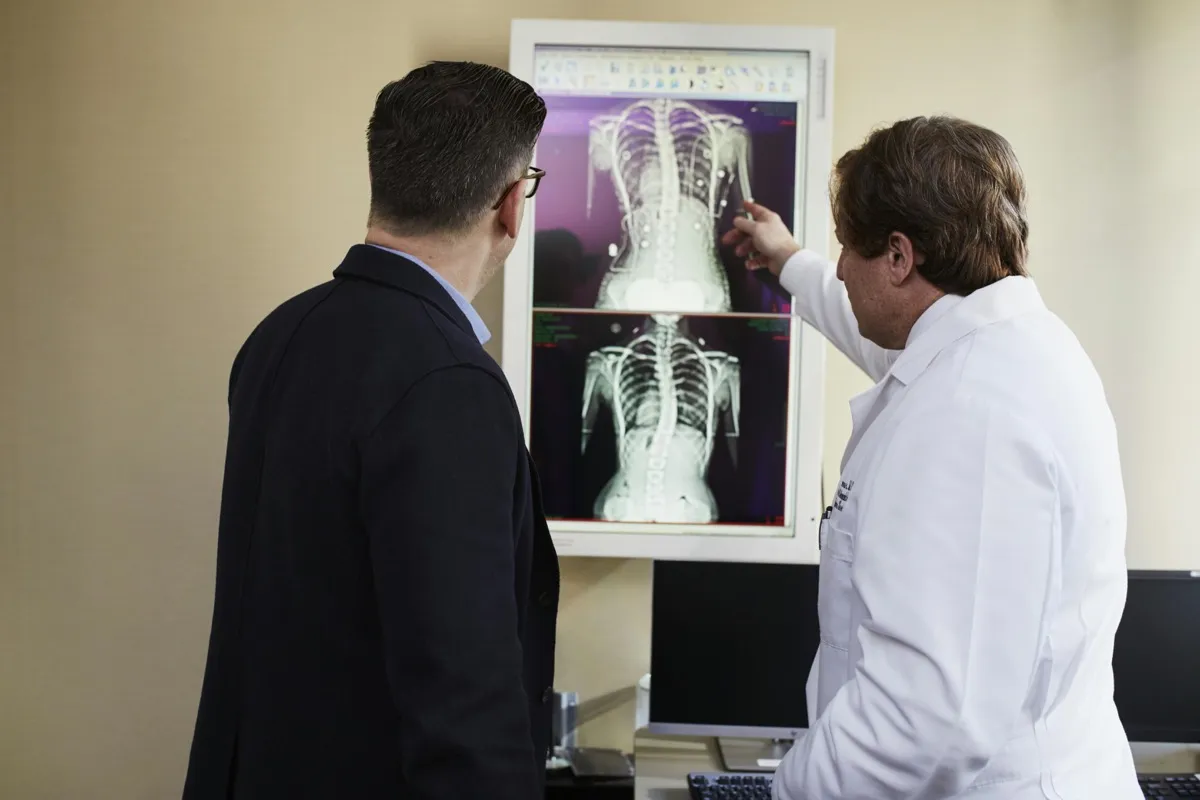
Cancer Screening Dubai: Complete Guide
Abdominal CT Scan: What It Detects
CT Scan Preparation Guide
More in Diagnostic Imaging
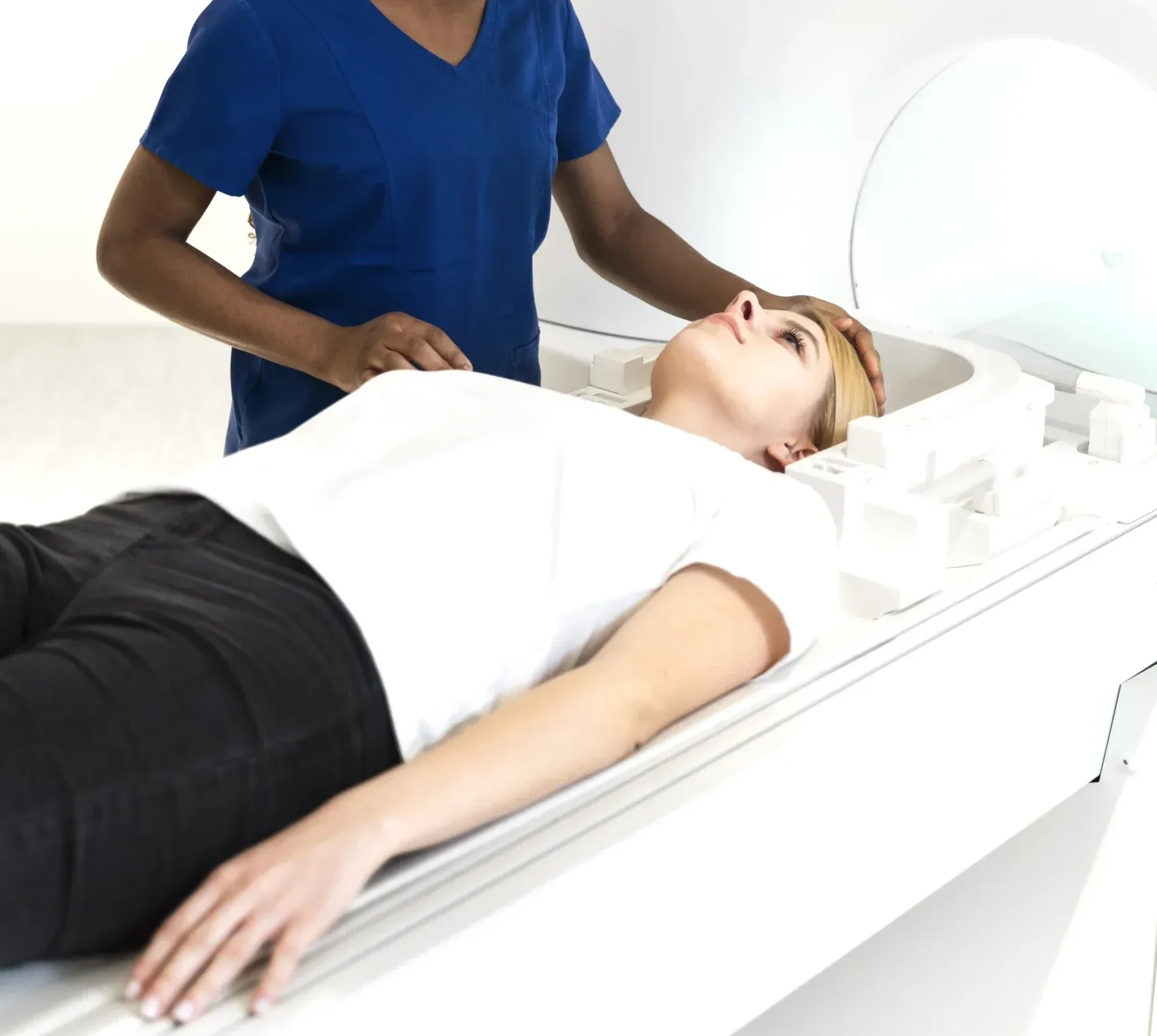
Neck MRI Dubai: What It Shows & Cost (2026)
Basahin Pa
X-Ray Scan Dubai: Complete Guide (2026)
Basahin Pa
MRI vs Ultrasound Dubai: Which Scan? (2026)
Basahin Pa
MRI vs X-Ray Dubai: Which Scan Do You Need? (2026)
Basahin Pa
Kidney Ultrasound vs CT Dubai: Which Test? (2026)
Basahin PaMRI Preparation Dubai: Complete Guide (2026)
Basahin Pa© 2026 Doctors Clinic Diagnostic Center (DCDC), Dubai Healthcare City. Originally published at https://doctorsclinicdubai.ae/blog/ct-colonography-guide. All rights reserved. Unauthorized reproduction is prohibited.