
رزرو نوبت
نظرات تأیید شده بیماران مرکز تشخیصی DCDC در دبی
نظرات تأیید شده و داستانهای واقعی بیماران از شهر سلامت دبی
از این کلینیک پزشکی بسیار راضی هستم. اولین غربالگری بارداری خود را اینجا انجام دادم. قیمت مناسب و بسیار حرفهای بود. رادیولوژیست خوشامدگو، مهربان بود و تجربه عالیای داشتم.
آیژان توکمانبتووا
جمعه شب زانویم آسیب دید و یکشنبه عصر وقت MRI گرفتم (یکشنبه بعدازظهر رزرو کردم). حدود ۲ دقیقه صبر کردم و در کمتر از ۳۰ دقیقه کارم تمام شد. تیم فوقالعاده، دوستانه و کارآمد بود.
کریستن اوانز
تیم دکتر اسامه مهربان و فوقالعاده بود. بعد از یک تجربه بد در جای دیگر، معاینه لگن من اینجا بسیار حرفهایتر بود. گزارش عالی و بسیار دقیق.
ماری




درمان فشار خون بالا در دبی: مدیریت فشار خون بالا و مراقبت فشار خون مقاوم
ارتباط کلیوی

تمرکز کلیوی
شناسایی علل کلیوی فشار خون بالا
محافظت از کلیه
ایمنی دارویی و کنترل پروتئینوری
مراقبت همان روز
مشاوره همان روز در صورت وجود؛ نظارت 24 ساعته در صورت نیاز
فشار خون بالا و سلامت کلیه ارتباط تنگاتنگی دارند. فشار خون بالا میتواند به کلیهها آسیب برساند و بیماری کلیه میتواند فشار خون بالا ایجاد کند. شکستن این چرخه از قلب و کلیهها محافظت میکند. درمان فشار خون ما خدمات جامع مدیریت فشار خون بالا و مراقبت فشار خون مقاوم ارائه میدهد.
در کلینیک فشار خون ما در دبی، ما در فشار خون کلیوی و فشار خون مقاوم با مراقبت متخصص تخصص داریم. علل کلیوی را بررسی میکنیم، داروها را برای ایمنی کلیه تنظیم میکنیم و در صورت نیاز از نظارت 24 ساعته در مرکز ما در شهر پزشکی دبی استفاده میکنیم.
واقع در نزدیکی اود میتا در ام حریر 2، نوبتهای نفرولوژی همان روز در صورت موجود بودن ارائه میدهیم. ظرفیت محدود است، پس زودتر رزرو کنید. هدف ما کنترل فشار خون، محافظت از کلیهها و کاهش خطر قلبی عروقی بلندمدت شماست.
تمرکز کلیوی
شناسایی علل کلیوی فشار خون بالا
محافظت از کلیه
ایمنی دارویی و کنترل پروتئینوری
مراقبت همان روز
مشاوره همان روز در صورت وجود؛ نظارت 24 ساعته در صورت نیاز
درمان فشار خون بالا در دبی: مدیریت فشار خون بالا و مراقبت فشار خون مقاوم
ارتباط کلیوی
فشار خون بالا و سلامت کلیه ارتباط تنگاتنگی دارند. فشار خون بالا میتواند به کلیهها آسیب برساند و بیماری کلیه میتواند فشار خون بالا ایجاد کند. شکستن این چرخه از قلب و کلیهها محافظت میکند. درمان فشار خون ما خدمات جامع مدیریت فشار خون بالا و مراقبت فشار خون مقاوم ارائه میدهد.
در کلینیک فشار خون ما در دبی، ما در فشار خون کلیوی و فشار خون مقاوم با مراقبت متخصص تخصص داریم. علل کلیوی را بررسی میکنیم، داروها را برای ایمنی کلیه تنظیم میکنیم و در صورت نیاز از نظارت 24 ساعته در مرکز ما در شهر پزشکی دبی استفاده میکنیم.
واقع در نزدیکی اود میتا در ام حریر 2، نوبتهای نفرولوژی همان روز در صورت موجود بودن ارائه میدهیم. ظرفیت محدود است، پس زودتر رزرو کنید. هدف ما کنترل فشار خون، محافظت از کلیهها و کاهش خطر قلبی عروقی بلندمدت شماست.
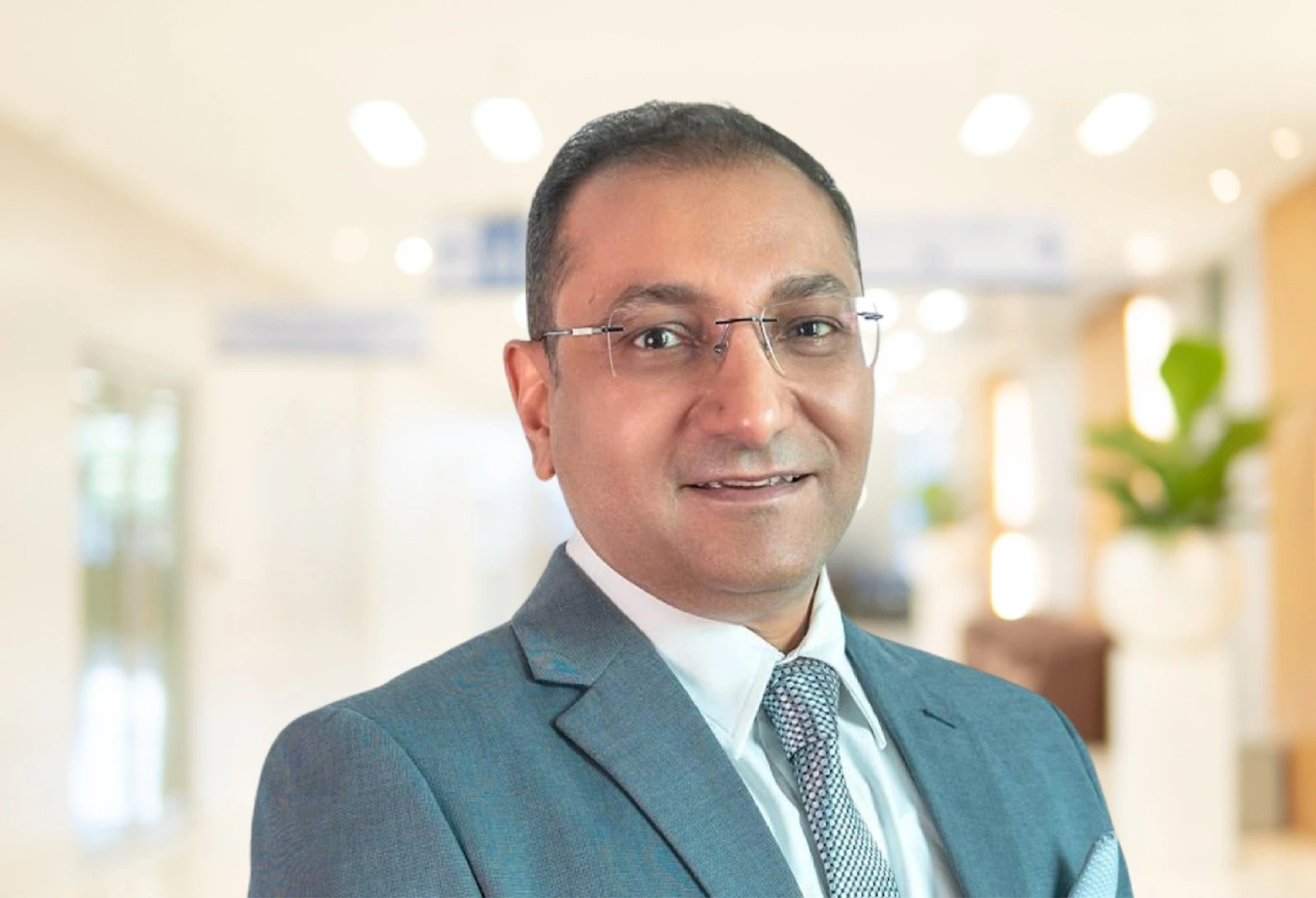
Dr. Manish Tripathi
خدمات ما را کاوش کنید
خدمات جامع درمان فشار خون بالای کلیوی در DCDC شهر سلامت دبی.



تمام خدمات توسط متخصصان دارای مجوز DHA انجام میشود
چه کسانی باید درمان فشار خون بالای کلیوی انجام دهند؟
اگر فشار خون شما به سختی کنترل میشود یا نگرانیهای کلیوی دارید به متخصص کلیه مراجعه کنید.
فشار خون بالا با بیماری کلیوی شناخته شده
فشار خون کنترل نشده با 3 دارو یا بیشتر
پروتئین در ادرار
شروع فشار خون بالا در سن جوانی (کمتر از 30)
بدتر شدن ناگهانی فشار خون
دیابت و فشار خون بالا
چرا DCDC را برای مراقبت فشار خون کلیوی انتخاب کنیم؟
کلینیک کلیه دارای مجوز MOHAP در شهر پزشکی دبی با تخصص فشار خون مقاوم، غربالگری شریان کلیه و ایمنی دارویی. نوبتهای همان روز در صورت موجود بودن؛ ظرفیت محدود.
دارای مجوز MOHAP
مرکز دارای مجوز در DHCC (مجوز MOHAP NIMY7VY5-240925) با استانداردهای ایمنی سخت.
متخصصان فشار خون کلیوی
متخصصان کلیه متمرکز بر فشار خون مرتبط با کلیه و مقاوم.
دسترسی همان روز
نوبتهای همان روز اغلب موجود؛ موارد فوری فشار خون اولویت دارند.
ایمنی دارویی
ترکیبات ایمن برای کلیه و کنترل پروتئینوری.
نظارت جامع
نظارت 24 ساعته فشار خون، آزمایشات و غربالگری شریان کلیه در صورت نیاز.
موقعیت عالی DHCC
ساختمان 64، بلوک A، شهر پزشکی دبی با دسترسی آسان و پارکینگ.
مراجعه راحت شما
فرآیند اسکن درمان ساده و گام به گام که برای راحتی، سرعت و دقت طراحی شده است.
هزینههای مشاوره
قیمت درمان در دبی بسته به نوع خدمت و پوشش بیمه برای انواع مختلف خدمات متفاوت است.
- قیمتها بسته به نوع اسکن و نیاز به ماده حاجب متفاوت است
- پوشش بیمه با ارجاع و تأیید پذیرفته میشود
- نرخهای شفاف پرداخت نقدی با قیمتگذاری فوری در صورت درخواست
تأیید بیمه در چند دقیقه • بدون هزینه پنهان • پاسخ سریع در واتساپ
راهنمای بیمار
آنچه در ویزیت فشار خون خود انتظار دارید
ارزیابی فشار خون با تمرکز کلیوی با نظارت، ایمنی دارویی و اهداف واضح.
بیمه و موقعیت
شرکای بیمه
- •بیش از ۲۰ شرکت بیمه در دبی از جمله ضمان، آکسا، ادنیک و دیگران
- •پشتیبانی پیشتأیید و صورتحساب مستقیم (در صورت امکان)
- •بررسی پوشش بیمه قبل از نوبت شما در کلینیک ما در شهر بهداشت دبی
- •قیمتگذاری شفاف بدون هزینه پنهان برای خدمات درمان فشار خون بالای کلیوی








به ما در شهر سلامت دبی سر بزنید
مرکز تشخیصی کلینیک پزشکان
ساختمان ۶۴، بلوک A، مجتمع پزشکی الرازی، شهر سلامت دبی، دبی، امارات متحده عربی
نزدیک جاده عود متحا · دسترسی آسان از بر دبی، داونتاون دبی، بیزینس بی · پارکینگ اختصاصی رایگان موجود
ساعات کاری
دوشنبه-پنجشنبه، شنبه: ۸ صبح - ۱۰:۳۰ شب | یکشنبه: ۸:۳۰ صبح - ۱۰:۳۰ شب | جمعه: ۹ صبح - ۱۰ شب
نحوه عملکرد بیمه در DCDC
بررسی پوشش
بررسی کنید که بیمه شما درمان فشار خون بالای کلیوی را پوشش میدهد
دریافت ارجاع
برخی بیمهها نیاز به ارجاع پزشک عمومی دارند — ما راهنمایی میکنیم
پیشتأیید
ما پیشتأیید را مستقیماً با بیمهگر انجام میدهیم
فاکتور مستقیم
بدون پرداخت اولیه — ما مستقیماً با بیمهگر تسویه میکنیم
فقط سهم بیمار
فقط سهم بیمار قابل اعمال را در کلینیک پرداخت میکنید
بررسی پوشش
بررسی کنید که بیمه شما درمان فشار خون بالای کلیوی را پوشش میدهد
دریافت ارجاع
برخی بیمهها نیاز به ارجاع پزشک عمومی دارند — ما راهنمایی میکنیم
پیشتأیید
ما پیشتأیید را مستقیماً با بیمهگر انجام میدهیم
فاکتور مستقیم
بدون پرداخت اولیه — ما مستقیماً با بیمهگر تسویه میکنیم
فقط سهم بیمار
فقط سهم بیمار قابل اعمال را در کلینیک پرداخت میکنید
Your Specialist
Dr. Manish Tripathi
Specialist Nephrologist
MD, Specialist Nephrologist
English · Hindi
راهنمای بیمار
فشار خون کلیوی: ارتباط کلیه و فشار خون
رابطه بین فشار خون بالا و بیماری کلیه یکی از مهمترین روابط در پزشکی است که یک چرخه خطرناک ایجاد میکند که در آن هر بیماری دیگری را بدتر میکند. فشار خون بالا به کلیهها آسیب میرساند و بیماری کلیه فشار خون را بالاتر میبرد.
فشار خون بالا به عنوان اولیه (اساسی) یا ثانویه طبقهبندی میشود. فشار خون اساسی که حدود ۹۰-۹۵٪ موارد را شامل میشود، به تدریج طی سالها از ترکیب استعداد ژنتیکی، عوامل غذایی (بهویژه مصرف سدیم)، چاقی، بیتحرکی و پیری توسعه مییابد. فشار خون ثانویه توسط یک بیماری زمینهای قابل شناسایی ایجاد میشود که بیماری کلیه شایعترین علت است. سایر علل ثانویه شامل تنگی شریان کلیه، هیپرآلدوسترونیسم اولیه، فئوکروموسیتوم، اختلالات تیروئید و آپنه خواب میشوند. شناسایی و درمان علل ثانویه میتواند کنترل فشار خون را بهطور چشمگیری بهبود بخشد.
مدیریت فشار خون کلیوی نیازمند رویکردی جامع است که تغییرات سبک زندگی، داروهای هدفمند و پایش مستمر را ترکیب میکند. داروهای خط اول شامل مهارکنندههای ACE و ARBها هستند که نه تنها فشار خون را کاهش میدهند بلکه با کاهش پروتئینوری و فشار داخل گلومرولی از کلیهها محافظت میکنند. دیورتیکها برای مدیریت احتباس مایع همراه با بیماری کلیه ضروری هستند. مسدودکنندههای کانال کلسیم، بتابلاکرها و آنتاگونیستهای آلدوسترون ممکن است در صورت نیاز اضافه شوند. مهارکنندههای SGLT2 به عنوان عوامل مهم محافظ کلیه با مزایای کاهش فشار خون ظهور یافتهاند.
پایش فشار خون در بیماران کلیوی فراتر از قرائتهای گاهگاهی در مطب است. پایش فشار خون در منزل با یک دستگاه تأییدشده دادههای روزانه دقیقتری ارائه میدهد و پایبندی به دارو را بهبود میبخشد. پایش سرپایی ۲۴ ساعته فشار خون الگوهای مهمی از جمله عدم افت شبانه (عدم کاهش فشار خون در طول خواب) را شناسایی میکند که در بیماری کلیه شایع بوده و با افزایش خطر قلبی-عروقی مرتبط است. پایش آزمایشگاهی منظم عملکرد کلیه، پروتئینوری، الکترولیتها و سطح داروها ایمنی و اثربخشی درمان را تضمین میکند.
بیماریهای مرتبط با فشار خون که مدیریت میکنیم
فشار خون اساسی همراه با بیماری مزمن کلیه
بهینهسازی فشار خون در بیماران مبتلا به بیماری مزمن کلیه با استفاده از داروهای محافظ کلیه و پایش.
فشار خون مقاوم
بررسی و مدیریت فشار خونی که با سه یا بیشتر دارو کنترل نمیشود، شامل غربالگری علل ثانویه.
تنگی شریان کلیه
غربالگری و مدیریت باریک شدن شریانهای کلیه که باعث فشار خون کلیه-عروقی میشود از طریق داپلر و آنژیوگرافی.
نفروسکلروز فشار خون
مدیریت آسیب کلیه ناشی از فشار خون بالای طولانیمدت با کنترل هدفمند فشار خون و پایش.
هیپرآلدوسترونیسم اولیه
غربالگری و مدیریت تولید بیش از حد آلدوسترون که باعث فشار خون بالا و عدم تعادل پتاسیم میشود.
فشار خون دیابتی
مدیریت هماهنگ دیابت و فشار خون همزمان با داروهایی که هم کلیه و هم قلب را محافظت میکنند.
مقالات مرتبط
Hypertension: The Silent Killer in Dubai
Understanding why high blood pressure is called the silent killer and how early detection saves lives.
Kidney Health Prevention Tips
Practical steps to protect your kidneys, including blood pressure management and lifestyle modifications.
Doppler Ultrasound: Assessing Blood Flow
How Doppler ultrasound evaluates blood flow in the kidneys and helps diagnose renal vascular conditions.
Diabetes Management in Dubai
Managing diabetes effectively to prevent hypertension and kidney damage through coordinated care.
خدمات مرتبط
سایر خدمات تشخیصی و مشاورهای موجود در کلینیک ما در شهر سلامت دبی را کاوش کنید.
سؤالات متداول
سؤالات متداول درباره درمان فشار خون بالای کلیوی در دبی.
فشار بالا به رگهای خونی کوچک کلیهها آسیب میرساند و توانایی آنها برای تصفیه زبالهها را کاهش میدهد. این میتواند به CKD منجر شود.
فشار خون بالایی است که علیرغم مصرف سه داروی مختلف فشار خون همچنان بالا باقی میماند. این اغلب نیاز به بررسی تخصصی دارد.
پروتئین در ادرار (آلبومینوری) یکی از اولین نشانههای آسیب کلیه ناشی از فشار خون بالاست.
خیر، فشار خون شما *به دلیل* دارو نرمال است. قطع ناگهانی میتواند باعث افزایش خطرناک شود. همیشه ابتدا با پزشک خود مشورت کنید.
تنگی شریانهایی است که کلیهها را تغذیه میکنند، که میتواند فشار خون شدید ایجاد کند. ما میتوانیم این مشکل را غربالگری کنیم.
اطلاعات کلیدی
نظارت پزشکی
تمام خدمات تحت نظارت متخصصین پزشکی دارای مجوز در مرکز معتبر وزارت بهداشت ارائه میشود.