نکات کلیدی
- Food allergies affect an estimated 8% of children in the UAE, with cow's milk, egg, peanut, tree nuts, fish, and shellfish being the most common triggers. Symptoms can appear within minutes to two hours after eating the offending food.
- Immediate warning signs include hives, facial swelling, vomiting, wheezing, and throat tightness. Anaphylaxis is a life-threatening emergency requiring immediate epinephrine and a call to 998 (UAE ambulance).
- IgE blood testing is the safest allergy test for children because it requires only a small blood draw with no risk of triggering an allergic reaction during the test. At DCDC, allergy panel testing starts from AED 550.
- Most children outgrow milk, egg, soy, and wheat allergies by school age, but peanut, tree nut, fish, and shellfish allergies tend to persist into adulthood. Regular follow-up testing can track whether your child is outgrowing an allergy.
- Early introduction of allergenic foods (from 4-6 months of age) has been shown to reduce the risk of developing food allergies by up to 80%, according to landmark studies like the LEAP trial.
- A food allergy is not the same as a food intolerance. Allergies involve the IgE immune pathway and can be life-threatening, while intolerances cause uncomfortable but non-dangerous symptoms like bloating and are IgG-mediated.
Your toddler takes a bite of scrambled egg and within minutes, red welts appear across their face. Or your six-year-old eats a biscuit at a birthday party and suddenly cannot stop vomiting. These moments are terrifying for any parent, and they are more common than you might think. Food allergies affect approximately 8% of children in the UAE, and Dubai's multicultural food environment means children are exposed to a wide range of potential allergens from an early age. This guide explains every symptom you should watch for, when to seek emergency care, how allergy panel testing works, and what to do if your child is diagnosed with a food allergy.
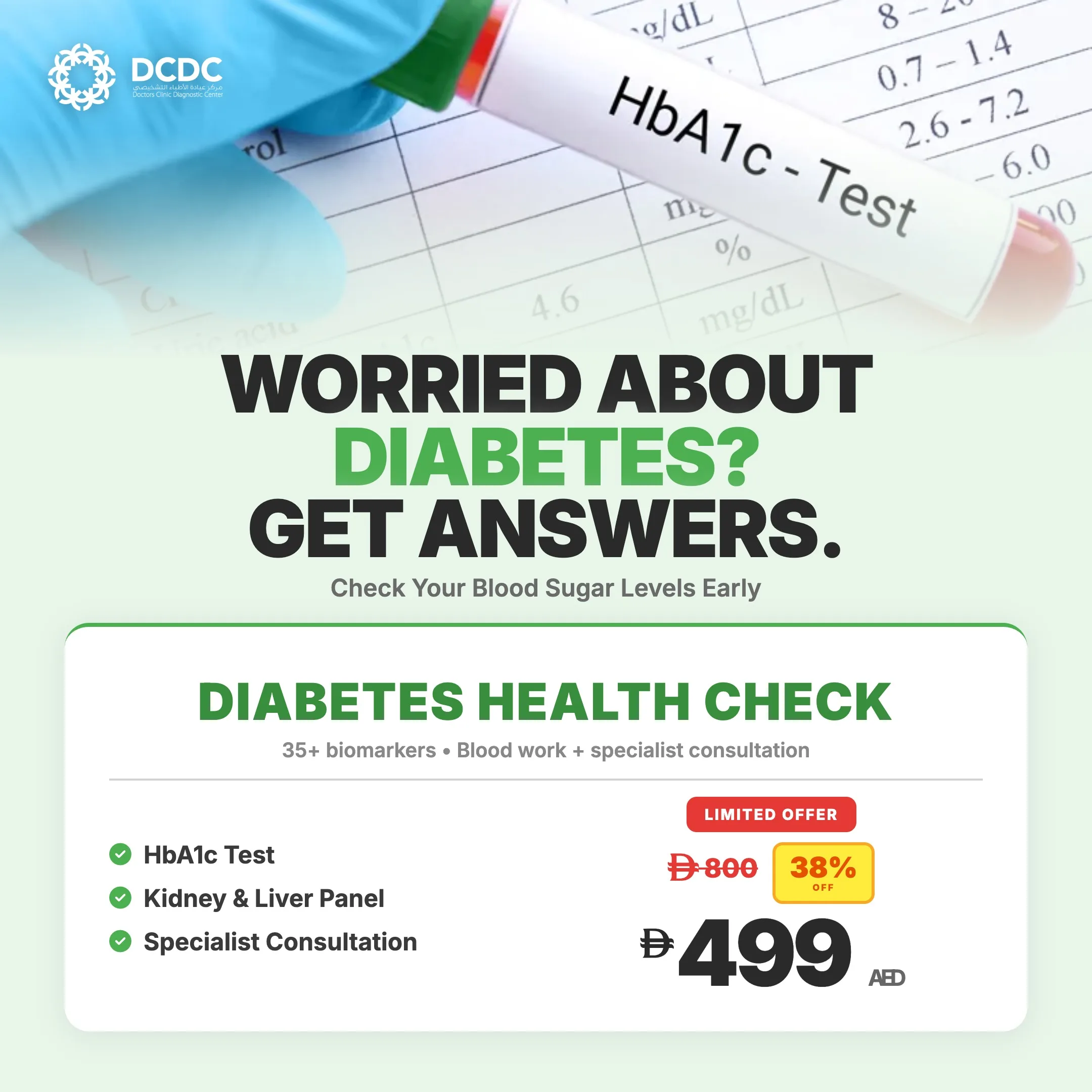
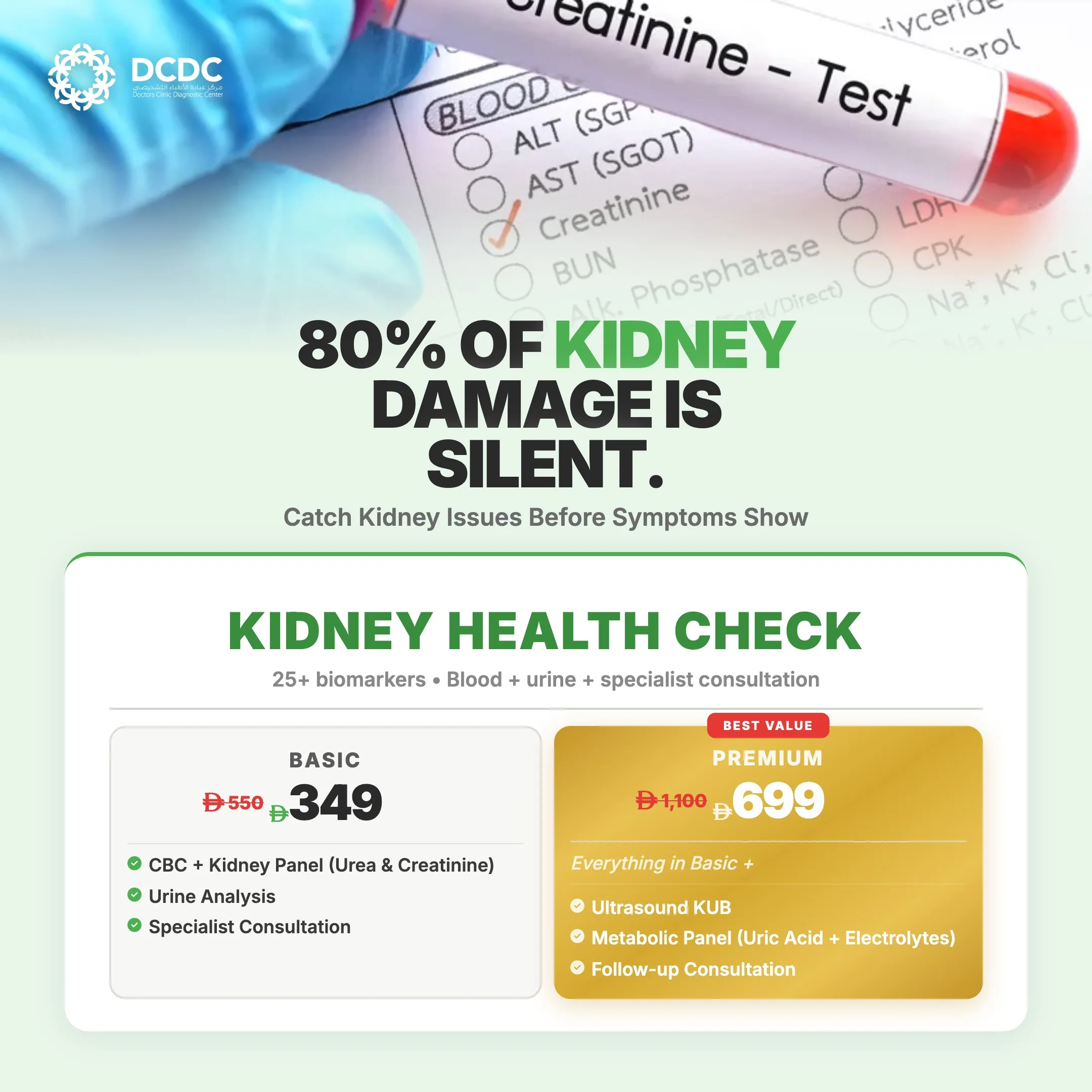
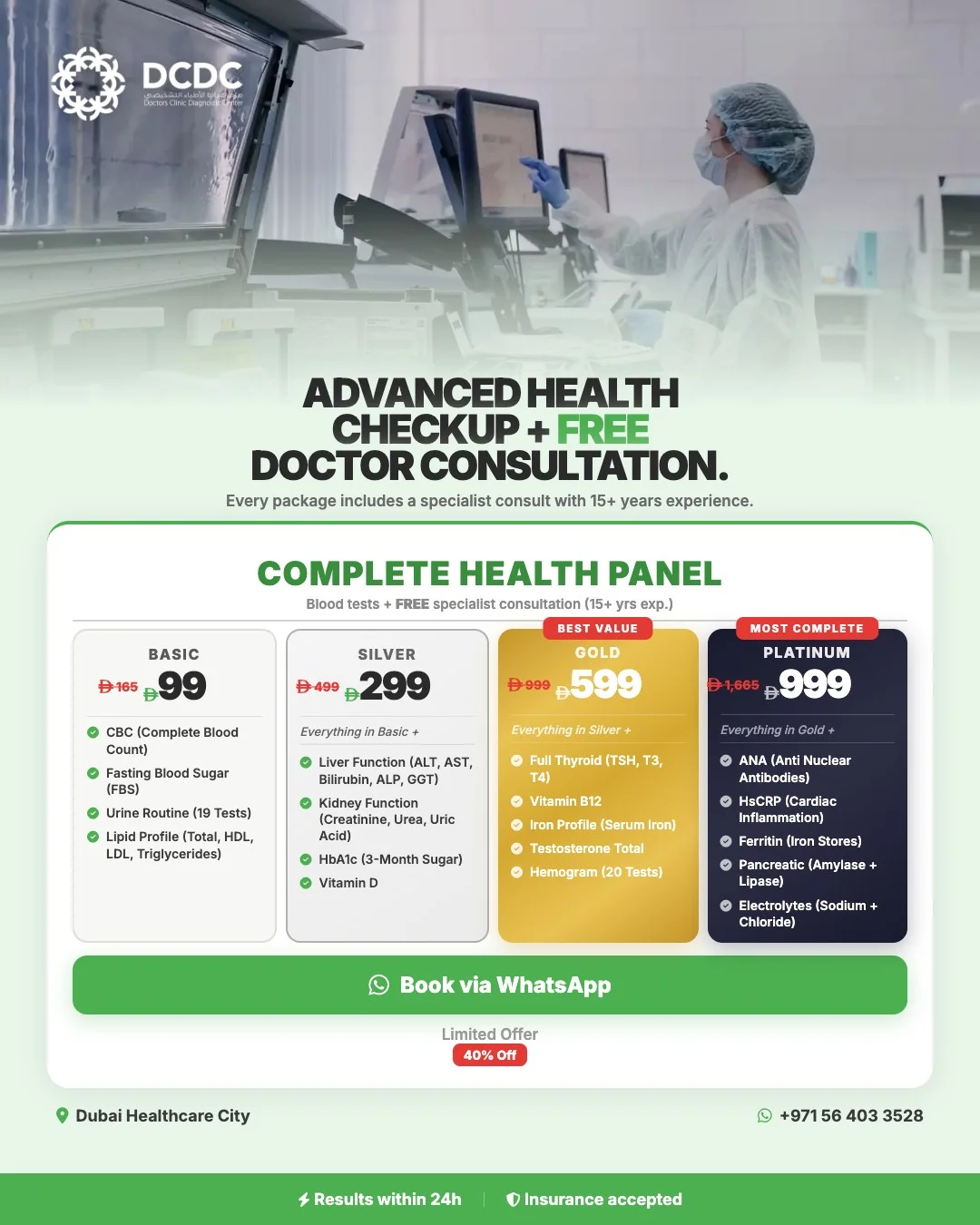
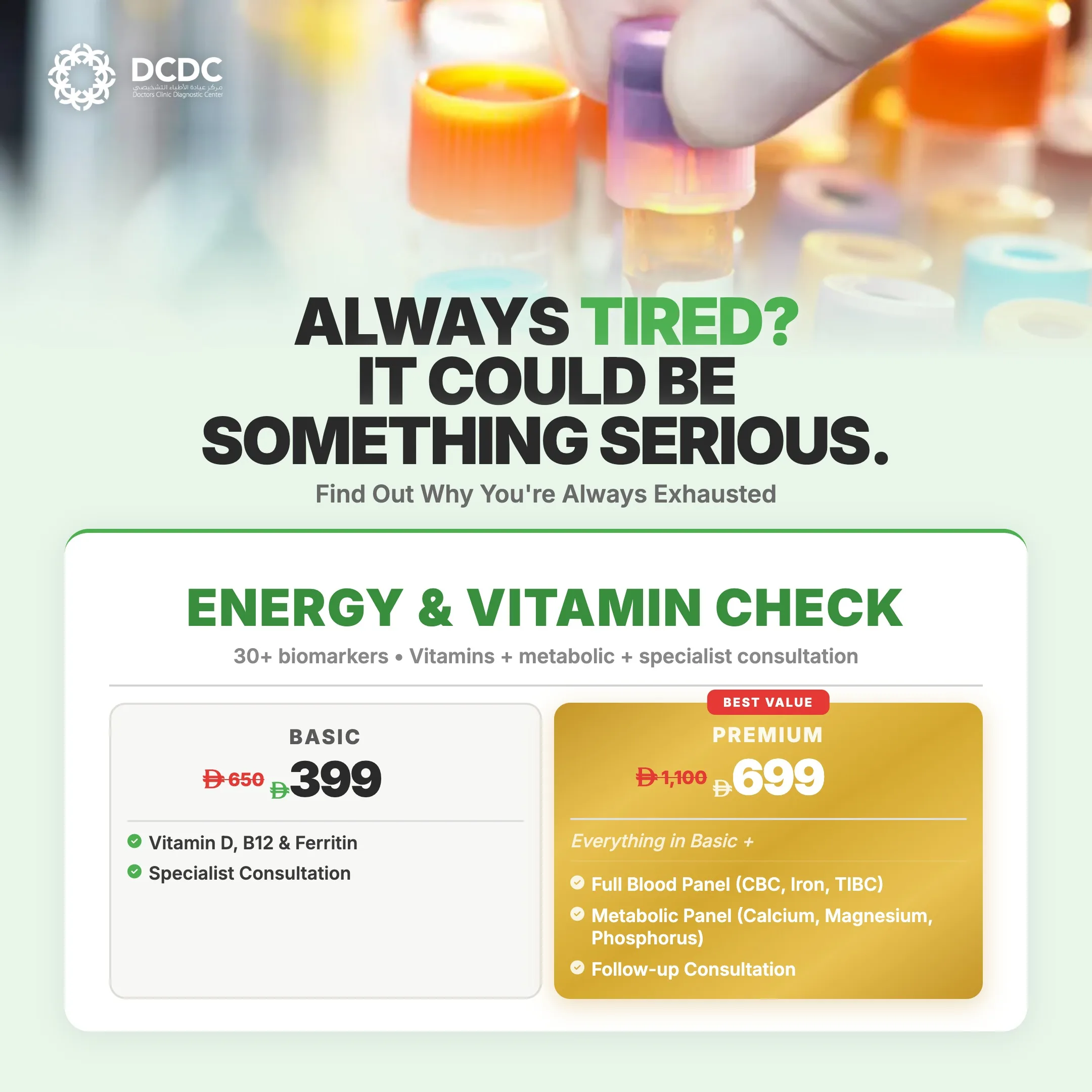
Health Screening Packages
Save with our bundled screening packages — specialist consultation included


How Common Are Food Allergies in Children?
Food allergy prevalence has risen sharply worldwide over the past two decades, and the UAE is no exception. Research published in the International Scholarly Research Notices found that physician-diagnosed food allergy among children in the UAE stands at approximately 8%, with self-reported rates even higher. Globally, the World Allergy Organization estimates that food allergies affect 6-8% of children under five and up to 3-4% of adults.
In Dubai specifically, several factors contribute to the growing number of food allergy diagnoses in children. The expatriate population brings diverse genetic predispositions, and children are introduced to a wider variety of cuisines and ingredients than in many other cities. Additionally, the hygiene hypothesis suggests that modern, ultra-clean urban environments — like Dubai's air-conditioned interiors — may reduce early microbial exposure, potentially skewing the immune system toward allergic responses.
- UAE prevalence: Approximately 8% of children have a physician-diagnosed food allergy
- Global comparison: 6-8% of children under five worldwide are affected
- Rising trend: Food allergy rates have increased by 50% in the past two decades globally
- Regional allergens: Sesame, chickpea, and date allergies are more common in the Middle East than in Western countries
- Multiple allergies: About 30% of children with one food allergy are allergic to more than one food
The 8 Most Common Food Allergens in Children
While any food can theoretically cause an allergic reaction, eight foods account for approximately 90% of all food allergy reactions in children. These are commonly referred to as the "Big 8" allergens and are required to be labelled on packaged foods in the UAE under ESMA (Emirates Authority for Standardization and Metrology) regulations.
- Cow's milk: The most common food allergy in infants and young children, affecting 2-3% of babies. Symptoms typically appear when cow's milk formula is first introduced or when a breastfeeding mother consumes dairy. Most children (approximately 80%) outgrow milk allergy by age 5
- Eggs: The second most common childhood food allergy. Many children react to egg white proteins (ovalbumin, ovomucoid) but tolerate well-cooked egg in baked goods. About 70% outgrow egg allergy by age 6
- Peanuts: One of the most severe and persistent food allergies. Peanut allergy affects about 2% of children and is the leading cause of fatal food-related anaphylaxis. Only about 20% of children outgrow peanut allergy
- Tree nuts: Includes almonds, cashews, walnuts, pistachios, and hazelnuts. Tree nut allergy tends to be lifelong. A child allergic to one tree nut has a 30-50% chance of reacting to another, though cross-reactivity is not universal
- Fish: More common in regions with high fish consumption. Cod, salmon, and tuna are the most frequently allergenic fish. Fish allergy often persists into adulthood
- Shellfish: Includes shrimp, crab, lobster, and molluscs. Shellfish allergy is more common in older children and adults and is usually lifelong
- Wheat: Distinct from coeliac disease (which is an autoimmune condition). Wheat allergy in children typically presents with skin or respiratory symptoms and is usually outgrown by age 5-7
- Soy: Common in infants on soy-based formula. Soy allergy is usually mild and most children outgrow it by age 3
In the Middle East and Dubai specifically, sesame is increasingly recognised as a significant allergen, particularly given its prevalence in hummus, tahini, and baked goods. Sesame was added to the major allergen labelling list in many countries in recent years.
Food Allergy Symptoms in Children: What to Watch For
Food allergy symptoms in children can range from mild skin reactions to life-threatening anaphylaxis. Symptoms typically appear within minutes to two hours after eating the trigger food, though some delayed reactions can occur up to 4-6 hours later. Recognising these signs quickly is critical, especially in young children who cannot describe what they are feeling. For a broader overview of allergic conditions and testing options, see our comprehensive allergy testing guide.
Skin Symptoms (Most Common)
- Hives (urticaria): Red, raised, itchy welts that appear suddenly on any part of the body. This is the single most common food allergy symptom in children
- Facial swelling: Swelling of the lips, tongue, face, or around the eyes (angioedema)
- Eczema flare-up: Worsening of existing eczema or new patches of dry, red, itchy skin. In infants, persistent eczema is a major risk factor for food allergy
- Flushing: Sudden redness of the face, neck, or chest
- Contact rash: Red, irritated skin where the food touched (around the mouth, on the hands)
Gastrointestinal Symptoms
- Vomiting: Sudden, forceful vomiting within 30 minutes to 2 hours of eating. Repeated vomiting in an infant after feeds may indicate cow's milk allergy
- Abdominal pain: Cramping, stomach ache, or colic-like symptoms in babies. Young children may become suddenly fussy or pull their knees to their chest
- Diarrhoea: Loose, watery stools, sometimes containing mucus or blood (particularly in cow's milk protein allergy in infants)
- Nausea: Older children may report feeling sick or having a "funny tummy"
- Reflux: In infants, persistent reflux and spitting up that does not respond to standard reflux treatment may indicate an underlying milk allergy
Respiratory Symptoms
- Wheezing: A whistling sound when breathing, similar to asthma. Children with food allergies have a higher risk of developing asthma
- Coughing: Persistent, dry cough that starts suddenly after eating
- Nasal congestion: Sudden runny nose, sneezing, or blocked nose after a meal
- Throat tightness: A feeling of the throat closing or difficulty swallowing — this is a warning sign of anaphylaxis
- Hoarse voice: Sudden change in voice or a hoarse, raspy quality to the child's cry or speech
Behavioural Changes in Young Children
Babies and toddlers cannot tell you what they feel, so watch for these behavioural clues: sudden inconsolable crying, pulling at the tongue or ears, becoming unusually clingy, refusing to eat or drink, sudden lethargy, or going pale and floppy. In infants, food allergy symptoms can be subtle and easily mistaken for colic, reflux, or general fussiness.
Emergency Warning Signs: When to Call 998
Anaphylaxis is a severe, potentially fatal allergic reaction that requires immediate emergency treatment. It can occur within seconds to minutes of exposure to a food allergen. Any child who has had a previous allergic reaction to food is at risk of anaphylaxis with future exposures, though anaphylaxis can also occur without any prior warning.
Call 998 (UAE ambulance) or go to the nearest emergency department immediately if your child shows any of the following signs after eating:
- Difficulty breathing: Gasping, laboured breathing, turning blue around the lips or fingernails
- Throat swelling: Drooling, inability to swallow, voice changes, stridor (harsh breathing sound)
- Tongue swelling: Visible swelling of the tongue that obstructs the airway
- Widespread hives with breathing difficulty: Hives alone are not an emergency, but hives combined with respiratory symptoms indicate anaphylaxis
- Drop in blood pressure: Signs include pale or bluish skin, dizziness, fainting, confusion, or going limp and unresponsive
- Loss of consciousness: Child becomes unresponsive or collapses
- Repetitive vomiting with other symptoms: Continuous vomiting alongside hives, swelling, or breathing problems
If your child has been prescribed an epinephrine auto-injector (EpiPen), administer it immediately into the outer thigh and then call for emergency services. Do not wait to see if symptoms improve. Always carry two auto-injectors, as a second dose may be needed if symptoms return. After epinephrine, the child must still go to the hospital because a biphasic reaction (second wave of symptoms) can occur up to 12 hours later.
Food Allergy vs Food Intolerance: Understanding the Difference
Parents often confuse food allergies with food intolerances, but the distinction matters greatly because allergies can be life-threatening while intolerances are uncomfortable but not dangerous. Understanding the difference helps you respond appropriately and seek the right type of testing. Our detailed food intolerance testing guide covers IgG testing in depth.
| Feature | Food Allergy (IgE-Mediated) | Food Intolerance (IgG/Non-Immune) |
|---|---|---|
| Immune pathway | IgE antibodies | IgG antibodies or non-immune |
| Reaction timing | Minutes to 2 hours | 4-72 hours (delayed) |
| Severity | Can be life-threatening (anaphylaxis) | Uncomfortable but not dangerous |
| Symptoms | Hives, swelling, vomiting, breathing difficulty | Bloating, gas, diarrhoea, fatigue, headache |
| Amount needed | Tiny trace can trigger reaction | Usually dose-dependent |
| Testing method | IgE blood test or skin prick test | IgG blood panel or elimination diet |
| Outgrown? | Some (milk, egg, wheat, soy) often outgrown | May resolve with gut healing |
Food allergy vs food intolerance comparison
Age-Specific Food Allergy Symptoms
Food allergy symptoms present differently depending on your child's age. Knowing what to look for at each stage helps you spot problems early and seek the right care. If you are concerned about any aspect of your child's health, our child health checkup guide explains what routine paediatric assessments cover.
Infants (0-12 Months)
In infants, food allergy often first appears when cow's milk formula is introduced or when solid foods begin at around 4-6 months. The most common allergens at this age are cow's milk, egg, and soy. Symptoms may include persistent eczema that does not respond to moisturisers, blood or mucus in stools, excessive spitting up or projectile vomiting, poor weight gain or failure to thrive, persistent colic-like crying after feeds, and refusal to feed.
A key clinical clue in infants is eczema severity. Studies show that approximately 30-40% of infants with moderate-to-severe eczema have an underlying food allergy, most commonly to egg or cow's milk. If your baby has eczema that does not improve with standard treatment, food allergy testing should be considered.
Toddlers (1-3 Years)
Toddlers are exposed to an expanding range of foods, which is when many new food allergies are diagnosed. Peanut and tree nut allergies commonly emerge at this stage. Toddlers may show reactions through immediate hives around the mouth or body after eating, vomiting within 30 minutes of a meal, sudden fussiness and crying during or after eating, rubbing or scratching at the mouth and face, or coughing and gagging after eating specific foods.
School-Age Children (4-12 Years)
Older children can describe their symptoms, which makes diagnosis easier. They may report a tingling or itching sensation in the mouth, a feeling of tightness in the throat, stomach pain after eating certain foods, or nausea. School-age children face additional risks from accidental exposure at school, birthday parties, and restaurants. Children with food allergies who also have childhood asthma are at significantly higher risk of severe anaphylactic reactions.
Food Allergy Testing for Children in Dubai
If you suspect your child has a food allergy, proper testing is essential. Self-diagnosing and eliminating foods without medical guidance can lead to nutritional deficiencies, especially in growing children. There are several types of allergy tests available, and your doctor will recommend the most appropriate one based on your child's age, symptoms, and medical history.
IgE Blood Test (Specific IgE / ImmunoCAP)
The IgE blood test is the preferred first-line allergy test for children, especially young children and infants. It measures the level of allergen-specific IgE antibodies in your child's blood. A small blood sample is drawn from the arm (or heel prick in infants) and tested against a panel of food allergens. For a complete breakdown of IgE testing, see our IgE allergy blood test guide.
- Why it is preferred for children: Only requires a small blood draw. No risk of triggering an allergic reaction during the test. No need to stop antihistamines or any medications beforehand. Safe for children with severe eczema where skin testing is not possible
- What it tests: Common food allergens including cow's milk, egg white, egg yolk, peanut, tree nuts (almond, cashew, walnut, hazelnut, pistachio), wheat, soy, fish, shellfish, sesame, and more
- Results interpretation: Results are reported in kU/L and classified from Class 0 (negative, below 0.35 kU/L) to Class 6 (very high). Higher levels generally indicate greater sensitisation, but the correlation with symptom severity is not always linear — clinical context matters
- Turnaround time: 3-5 working days for results
- Cost: From AED 550 for a standard food allergy panel at DCDC
Skin Prick Test
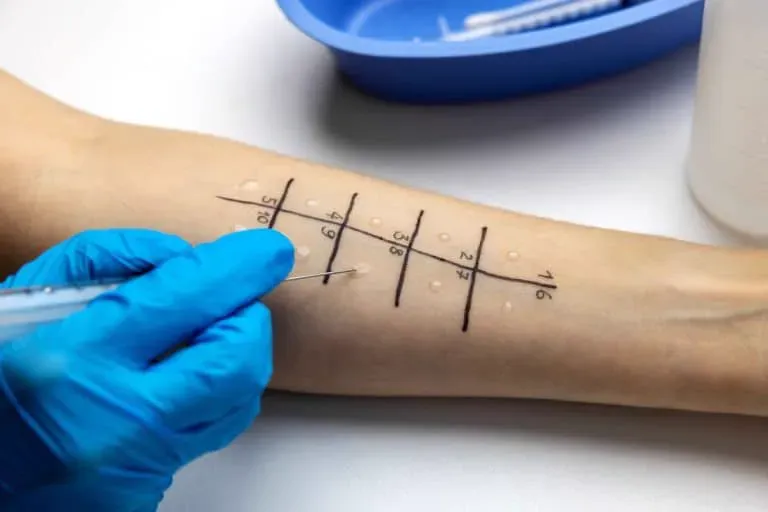
The skin prick test places a tiny drop of allergen extract on the forearm and the skin is lightly pricked through the drop. If the child is allergic, a raised wheal (bump) appears within 15-20 minutes. While highly accurate, skin prick tests are better tolerated by children over the age of 2-3 and require stopping antihistamines 5-7 days beforehand. They also carry a very small risk of triggering an allergic reaction.
Oral Food Challenge (Gold Standard)
The oral food challenge is considered the gold standard for diagnosing food allergies. Under close medical supervision, the child is given gradually increasing amounts of the suspected food while being monitored for reactions. This test is typically reserved for cases where blood test or skin prick results are inconclusive, or to determine whether a child has outgrown an allergy. Oral food challenges must be performed in a clinical setting equipped to manage anaphylaxis.
Food Allergy Testing Cost in Dubai
Understanding the costs involved helps you plan for your child's allergy evaluation. Below is a comparison of typical food allergy testing costs across Dubai clinics in 2026. Prices vary by the number of allergens tested and the type of test.
| Test Type | What It Tests | Results Time | Cost (AED) |
|---|---|---|---|
| IgE Food Panel (20 allergens) | Common food allergens (milk, egg, nuts, wheat, fish) | 3-5 days | From AED 550 |
| IgE Food Panel (40+ allergens) | Extended food panel including spices and regional foods | 3-5 days | From AED 900 |
| Total IgE (screening) | Overall IgE level (not allergen-specific) | 24 hours | From AED 100 |
| Skin Prick Test (food panel) | IgE-mediated food allergies (20-30 allergens) | 15-20 minutes | From AED 300 |
| IgG Food Intolerance (96 foods) | Delayed food sensitivities (IgG-mediated) | 3-5 days | From AED 950 |
| Pediatric Consultation | Clinical assessment, history, physical exam | Same day | From AED 300 |
Food allergy testing costs in Dubai (2026 pricing)
At DCDC, allergy panel testing starts from AED 550 for a standard IgE food panel covering the 20 most common food allergens. This is an IgE blood test — safe, requiring only a small blood draw — with no skin pricks needed. Most major insurance providers in Dubai cover IgE allergy testing when clinically indicated. DCDC works with 20+ insurance partners including Daman, AXA, and Bupa, all with direct billing. For more on the costs of seeing a pediatrician, visit our pediatrician cost guide.
What to Expect at DCDC: Your Child's Allergy Assessment Journey
Bringing your child in for food allergy testing can feel daunting, so here is exactly what happens at Doctors Clinic Diagnostic Center (DCDC) in Dubai Healthcare City, step by step.
Step 1: Arrival and Registration
DCDC is located in Building 64, Block A, Al Razi Medical Complex in Dubai Healthcare City, with free parking available. You can walk in during clinic hours (Saturday-Thursday 8 AM-10:30 PM, Friday 9 AM-10 PM) or book an appointment in advance. Registration is quick, and our multilingual front desk team speaks Arabic, English, Farsi, Urdu, and Hindi. The average wait time is just 15 minutes.
Step 2: Consultation with the Doctor
Dr. Hadeel Elnur or another member of our medical team will take a thorough history, including which foods your child has reacted to, the timing and type of symptoms, family history of allergies, and your child's dietary history. A physical examination will check for signs of eczema, allergic rhinitis, or other atopic conditions. Based on the assessment, the doctor will recommend the most appropriate allergy panel.
Step 3: IgE Blood Draw
The blood draw is performed on-site at our MOHAP-licensed laboratory by trained phlebotomists experienced with paediatric patients. For young children, we use butterfly needles and distraction techniques to minimise stress. The entire blood draw takes less than 5 minutes. No fasting or medication changes are needed beforehand. Parents can stay with their child throughout.
Step 4: Results and Follow-Up
Results are typically available within 3-5 working days. You will receive a call to schedule a follow-up appointment where the doctor will explain your child's results in detail, discuss which foods need to be avoided, provide guidance on label reading, create an emergency action plan if needed, and discuss whether your child is a candidate for oral immunotherapy or desensitisation. DCDC maintains a 4.8/5 Google rating from over 1,000 verified reviews and a 98% patient satisfaction rate, reflecting our commitment to thorough, compassionate paediatric care.
Concerned About Food Allergies in Your Child?
Book a pediatric allergy consultation at DCDC Dubai Healthcare City. Safe IgE blood testing from AED 550, same-day blood draw, results in 3-5 days. No skin pricks needed.
Walk-in or appointment — 20+ insurance partners with direct billing
When to See a Doctor About Your Child's Food Allergy
Not every reaction requires an emergency room visit, but some situations do need prompt medical attention. Here is a practical guide for parents on when to act.
See a Doctor Within 24-48 Hours If:
- Your child develops hives, rash, or mouth itching after eating a specific food for the first time
- Mild vomiting or diarrhoea occurs repeatedly after the same food
- Your baby has persistent eczema that is not improving with moisturisers and prescribed creams
- There is a family history of food allergies and you are starting to introduce solids
- Your child has been avoiding foods based on suspected reactions but has never been formally tested
Go to the Emergency Department Immediately If:
- Any difficulty breathing, wheezing, or throat tightness after eating
- Swelling of the tongue, lips, or throat
- Hives or swelling combined with vomiting or breathing problems (signs of anaphylaxis)
- Your child becomes pale, floppy, or loses consciousness after eating
- A known allergic reaction does not improve after administering epinephrine
Managing Your Child's Food Allergy: Practical Guidance
Once a food allergy is confirmed through testing, management centres on strict avoidance of the trigger food and being prepared for accidental exposure. There is currently no cure for food allergies, though promising treatments like oral immunotherapy are advancing rapidly.
Avoidance Strategies
- Read every food label: UAE food labelling laws require the Big 8 allergens to be declared. Teach older children to read labels themselves. Watch for precautionary statements like "may contain traces of" which indicate cross-contamination risk
- Communicate with schools and caregivers: Provide a written allergy action plan to your child's school, nursery, or childminder. Ensure all caregivers know how to recognise a reaction and use an epinephrine auto-injector
- Restaurant safety: Always inform restaurant staff about your child's allergies. In Dubai, many restaurants are increasingly allergy-aware, but always verify how food is prepared and whether shared cooking surfaces are used
- Cross-contamination at home: Use separate cutting boards, utensils, and cooking surfaces for allergenic foods. Thoroughly clean surfaces and hands after handling allergens
- Hidden allergens: Be aware that milk can appear as casein, whey, or lactoglobulin on labels. Egg may be listed as albumin or lysozyme. Peanut oil is sometimes not refined and can contain allergenic proteins
Emergency Preparedness
- Epinephrine auto-injectors: Children with diagnosed IgE-mediated food allergies should carry two auto-injectors at all times. Teach parents, teachers, and older children how to use them. In the UAE, EpiPens are available by prescription
- Antihistamines: Liquid cetirizine or loratadine can help with mild symptoms (hives, itching) but are not sufficient for anaphylaxis. Never rely on antihistamines alone for a severe reaction
- Medical alert jewellery: Consider a medical ID bracelet or necklace for your child that lists their food allergies
- Written action plan: Your doctor should provide a personalised emergency action plan that clearly outlines mild symptoms (give antihistamine), moderate symptoms (give antihistamine and observe), and severe symptoms (give epinephrine and call 998)
Preventing Food Allergies: The Latest Evidence on Early Introduction
One of the most significant shifts in paediatric allergy guidelines in recent years is the move from avoidance to early introduction of allergenic foods. The landmark LEAP (Learning Early About Peanut Allergy) trial demonstrated that introducing peanut protein to high-risk infants between 4-11 months of age reduced the risk of peanut allergy by up to 80% compared to avoidance.
Current guidelines from the American Academy of Pediatrics and the British Society for Allergy and Clinical Immunology now recommend:
- Introduce allergenic foods early: Start peanut, egg, and other common allergens from 4-6 months of age, alongside other solid foods, not later
- High-risk infants: Babies with severe eczema or existing egg allergy should have IgE testing before peanut introduction, and introduction should be done under medical supervision if test results are positive
- Regular exposure: Once introduced, continue giving the food regularly (2-3 times per week) to maintain tolerance
- Do not delay: There is no benefit to delaying the introduction of allergenic foods beyond 6 months. In fact, delayed introduction may increase the risk of allergy development
- Breastfeeding: Continue breastfeeding while introducing solids. Breast milk provides immune factors that may support tolerance development
"In my practice at DCDC, I always discuss early allergen introduction with parents during well-baby visits. The evidence is clear that early, regular exposure to peanut and egg — starting from around 4-6 months — is one of the most effective ways to prevent food allergies from developing. For families with a history of allergies, I recommend IgE testing before introduction so we can proceed safely and with confidence." — Dr. Hadeel Elnur, General Practitioner, DCDC
Can Children Outgrow Food Allergies?
The good news for many parents is that a significant number of childhood food allergies are outgrown. However, the likelihood depends heavily on the specific allergen.
- Cow's milk: Approximately 80% of children outgrow milk allergy by age 5. Many children with milk allergy can tolerate baked milk (in cakes, biscuits) before they tolerate liquid milk
- Egg: About 70% outgrow egg allergy by age 6. Similar to milk, many children tolerate well-cooked egg in baked goods first
- Soy: Most children outgrow soy allergy by age 3
- Wheat: Usually outgrown by age 5-7
- Peanut: Only about 20% outgrow peanut allergy. Those with lower initial IgE levels and smaller skin prick test wheals are more likely to outgrow it
- Tree nuts: About 10% outgrow tree nut allergy. This is one of the most persistent food allergies
- Fish and shellfish: Rarely outgrown. These allergies are generally considered lifelong
Regular follow-up allergy testing (every 12-18 months) can help track whether IgE levels are declining, which may indicate the child is outgrowing the allergy. If levels decrease significantly, a supervised oral food challenge can confirm whether the allergy has resolved. "I encourage parents not to re-test too frequently, but annual IgE monitoring for milk and egg allergies in young children is valuable. When I see declining levels, it gives families real hope and a pathway toward reintroduction." — Dr. Hadeel Elnur
Living with Food Allergies in Dubai: Practical Tips
Dubai is a cosmopolitan city with excellent awareness of dietary requirements, but managing a child's food allergy still requires vigilance. Here are practical tips for daily life in the city.
- School communication: UAE schools are required to have health policies. Provide your child's school with a completed allergy action plan, copies of test results, and clearly labelled medication. Meet with the school nurse at the start of each year
- Dining out: Many Dubai restaurants, particularly international chains, have allergen menus available on request. Apps like Yummly and Spokin can help identify allergy-friendly restaurants. Always carry your child's medication when eating out
- Birthday parties and playdates: Speak with the host in advance about your child's allergies. Consider sending safe snacks with your child. Teach older children to politely decline foods they are unsure about
- Travel within the UAE: Carry a doctor's letter explaining your child's allergy and the need to carry epinephrine. This is particularly useful when passing through airport security
- Grocery shopping: Major UAE supermarkets (Carrefour, Spinneys, Waitrose) stock clearly labelled products. Many offer "free from" ranges for common allergens. Always re-check labels as manufacturers may change ingredients
- Arabic and multilingual labelling: Food labels in the UAE are in both Arabic and English. If you cannot read Arabic, use a translation app to verify ingredient lists on locally produced items
Get Your Child Tested at DCDC Dubai Healthcare City
Safe IgE blood testing for children — no skin pricks needed. Allergy panels from AED 550 with same-day blood draw and results in 3-5 days. MOHAP licensed, 20+ insurance partners.
Building 64, Block A, Al Razi Medical Complex, DHCC — Sat-Thu 8AM-10:30PM, Fri 9AM-10PM
Dr. Hadeel's Approach to Childhood Food Allergies
"As a general practitioner and the first point of contact for many families at DCDC, I see children with suspected food allergies almost every day. My approach is thorough but reassuring — I know how frightening it is for a parent to watch their child have an allergic reaction. I start with a detailed history because the pattern of symptoms, their timing, and the child's overall health tell me a great deal before we run any tests."
"I prefer IgE blood testing for children because it is safe, requires no fasting, and does not risk triggering a reaction. For families where multiple allergies are suspected, I can order a comprehensive panel that tests 40 or more allergens from a single blood draw. Once we have the results, I sit down with the family to create a practical management plan — not just a list of foods to avoid, but real-world strategies for school, dining out, and travel. When needed, I coordinate with paediatric allergists for oral food challenges or immunotherapy. My goal is to give parents the knowledge and tools to keep their child safe while still enjoying a normal childhood."
Self-Assessment: Does My Child Need Food Allergy Testing?
If you answer yes to any of the following questions, your child may benefit from a formal food allergy evaluation with IgE testing.
- Has your child ever developed hives, swelling, or a rash within 2 hours of eating a specific food?
- Does your child vomit repeatedly after eating certain foods?
- Has your child ever had difficulty breathing, wheezing, or coughing after a meal?
- Does your child have moderate-to-severe eczema that started before age 1?
- Is there a family history of food allergies, asthma, eczema, or hay fever (allergic rhinitis)?
- Has your child ever had an unexplained episode of sudden facial swelling?
- Are you avoiding specific foods for your child based on suspected (but unconfirmed) allergies?
- Does your infant have blood or mucus in stools, persistent reflux, or failure to thrive?
Even one "yes" answer warrants a conversation with your doctor. At DCDC, you can book a pediatric consultation and same-day IgE blood draw without a referral. Walk-in appointments are welcome during all clinic hours.
خدمات مرتبط در DCDC
مراقبت تخصصی و تشخیص پیشرفته در شهر بهداشت دبی
Frequently Asked Questions
Final Thoughts
Food allergies in children are common, manageable, and — in many cases — eventually outgrown. The most important step is getting a proper diagnosis through IgE blood testing rather than guessing or unnecessarily restricting your child's diet. Knowing exactly which foods your child is allergic to empowers you to keep them safe without limiting their nutrition or quality of life more than necessary.
If your child has ever had hives, swelling, vomiting, or breathing difficulty after eating, do not wait for a more severe reaction to seek testing. Allergies can escalate unpredictably, and early diagnosis means early preparation — including having an epinephrine auto-injector, training caregivers, and creating a school action plan.
At Doctors Clinic Diagnostic Center in Dubai Healthcare City, we make food allergy testing straightforward and stress-free for children. Our IgE allergy panel testing starts from AED 550, requires only a simple blood draw — no skin pricks — and results are available within 3-5 days. With same-day appointments, multilingual staff, free parking, and 20+ insurance partners with direct billing, getting your child tested has never been easier. Walk in or call to book your consultation today.
منابع و مراجع
این مقاله توسط تیم پزشکی ما بررسی شده و به منابع زیر ارجاع میدهد:
- American Academy of Allergy, Asthma & Immunology (AAAAI) — Food Allergy in Children
- Mayo Clinic — Food Allergy: Symptoms and Causes
- NHS — Food Allergy in Children
- NIAID/NIH — Guidelines for the Diagnosis and Management of Food Allergy in the United States
- New England Journal of Medicine — LEAP Trial: Randomised Trial of Peanut Consumption in Infants at Risk for Peanut Allergy
- HealthyChildren.org (AAP) — Food Allergies in Children
- World Allergy Organization (WAO) — White Book on Allergy
محتوای پزشکی این سایت توسط پزشکان دارای مجوز DHA بررسی میشود. مشاهده سیاست تحریریه برای اطلاعات بیشتر.

نوشته شده توسط
Dr. Hadeel Elnur
General Practitioner
MD, General Practice
Dr. Hadeel Elnur is a General Practitioner at Doctors Clinic Diagnostic Center (DCDC) in Dubai Healthcare City.
Related Articles
Allergy Testing Dubai: IgE, Skin Prick & Cost (2026)

Childhood Asthma Dubai: Symptoms & Care (2026)
IgE Allergy Blood Test Dubai: Cost & Guide (2026)
Pediatrician Cost Dubai: From AED 300 (2026)
بیشتر در General Health

AC Sickness Dubai: Summer Cold Symptoms (2026)
بیشتر بخوانیدAllergy Specialist Dubai: Tests & Guide (2026)
بیشتر بخوانیدAllergy Testing Dubai: IgE Blood Panels & Cost (2026)
بیشتر بخوانید
Blood Test Dubai: Types, Cost & Fasting Guide (2026)
بیشتر بخوانید
Cancer Screening Dubai: Tests & Cost by Age (2026)
بیشتر بخوانید
Cortisol Test Dubai: Levels & Cost Guide (2026)
بیشتر بخوانید© 2026 Doctors Clinic Diagnostic Center (DCDC), Dubai Healthcare City. Originally published at https://doctorsclinicdubai.ae/blog/child-food-allergy-signs-dubai. All rights reserved. Unauthorized reproduction is prohibited.