
Termin vereinbaren
Verifizierte Patientenbewertungen des DCDC Diagnosezentrum in Dubai
Verifizierte Bewertungen und echte Patientenberichte aus Dubai Healthcare City
Ich bin sehr zufrieden mit dieser medizinischen Klinik. Ich hatte hier mein erstes Schwangerschaftsscreening. Es war erschwinglich und sehr professionell. Der Radiologe war einladend, freundlich und machte die Erfahrung großartig.
Aizhan Tokmanbetova
Am Freitagabend habe ich mir das Knie verletzt und am Sonntagabend einen MRT-Termin bekommen (am Sonntagnachmittag gebucht). Ich habe etwa 2 Minuten gewartet und war in etwas mehr als 30 Minuten fertig. Das Team war erstaunlich, freundlich und effizient.
Kirsten Evans
Das Team von Dr. Osama war sanft und erstaunlich. Nach einer schlechten Erfahrung anderswo war meine Beckenuntersuchung hier viel professioneller. Toller Bericht und sehr präzise.
Mary


Bluthochdruck-Behandlung in Dubai: Management des Hohen Blutdrucks & Versorgung bei Resistenter Hypertonie
Die Nieren-Verbindung

Renaler Fokus
Renale Ursachen für hohen Blutdruck identifizieren
Nieren Schützen
Medikamentensicherheit und Proteinurie-Kontrolle
Versorgung am Selben Tag
Konsultationen am selben Tag wenn verfügbar; 24h-Monitoring bei Bedarf
Hoher Blutdruck und Nierengesundheit sind eng miteinander verbunden. Hoher Blutdruck kann Nieren schädigen, und Nierenerkrankungen können hohen Blutdruck verursachen. Das Durchbrechen dieses Kreislaufs schützt sowohl Herz als auch Nieren. Unsere Hypertonie-Behandlung bietet umfassende Blutdruckmanagement- und resistente Hypertonie-Versorgungsdienste.
In unserer Hypertonie-Klinik in Dubai sind wir auf renale Hypertonie und resistenten Bluthochdruck spezialisiert. Wir prüfen renale Ursachen, passen Medikamente für die Nierensicherheit an und verwenden bei Bedarf 24-Stunden-Monitoring in unserer Dubai Healthcare City-Einrichtung.
In der Nähe von Oud Metha in Umm Hurair 2 gelegen, bieten wir Nephrologie-Termine am selben Tag wenn verfügbar. Die Kapazität ist begrenzt, buchen Sie frühzeitig. Unser Ziel ist es, den Blutdruck zu kontrollieren, die Nieren zu schützen und Ihr langfristiges kardiovaskuläres Risiko zu senken.
Renaler Fokus
Renale Ursachen für hohen Blutdruck identifizieren
Nieren Schützen
Medikamentensicherheit und Proteinurie-Kontrolle
Versorgung am Selben Tag
Konsultationen am selben Tag wenn verfügbar; 24h-Monitoring bei Bedarf
Bluthochdruck-Behandlung in Dubai: Management des Hohen Blutdrucks & Versorgung bei Resistenter Hypertonie
Die Nieren-Verbindung
Hoher Blutdruck und Nierengesundheit sind eng miteinander verbunden. Hoher Blutdruck kann Nieren schädigen, und Nierenerkrankungen können hohen Blutdruck verursachen. Das Durchbrechen dieses Kreislaufs schützt sowohl Herz als auch Nieren. Unsere Hypertonie-Behandlung bietet umfassende Blutdruckmanagement- und resistente Hypertonie-Versorgungsdienste.
In unserer Hypertonie-Klinik in Dubai sind wir auf renale Hypertonie und resistenten Bluthochdruck spezialisiert. Wir prüfen renale Ursachen, passen Medikamente für die Nierensicherheit an und verwenden bei Bedarf 24-Stunden-Monitoring in unserer Dubai Healthcare City-Einrichtung.
In der Nähe von Oud Metha in Umm Hurair 2 gelegen, bieten wir Nephrologie-Termine am selben Tag wenn verfügbar. Die Kapazität ist begrenzt, buchen Sie frühzeitig. Unser Ziel ist es, den Blutdruck zu kontrollieren, die Nieren zu schützen und Ihr langfristiges kardiovaskuläres Risiko zu senken.
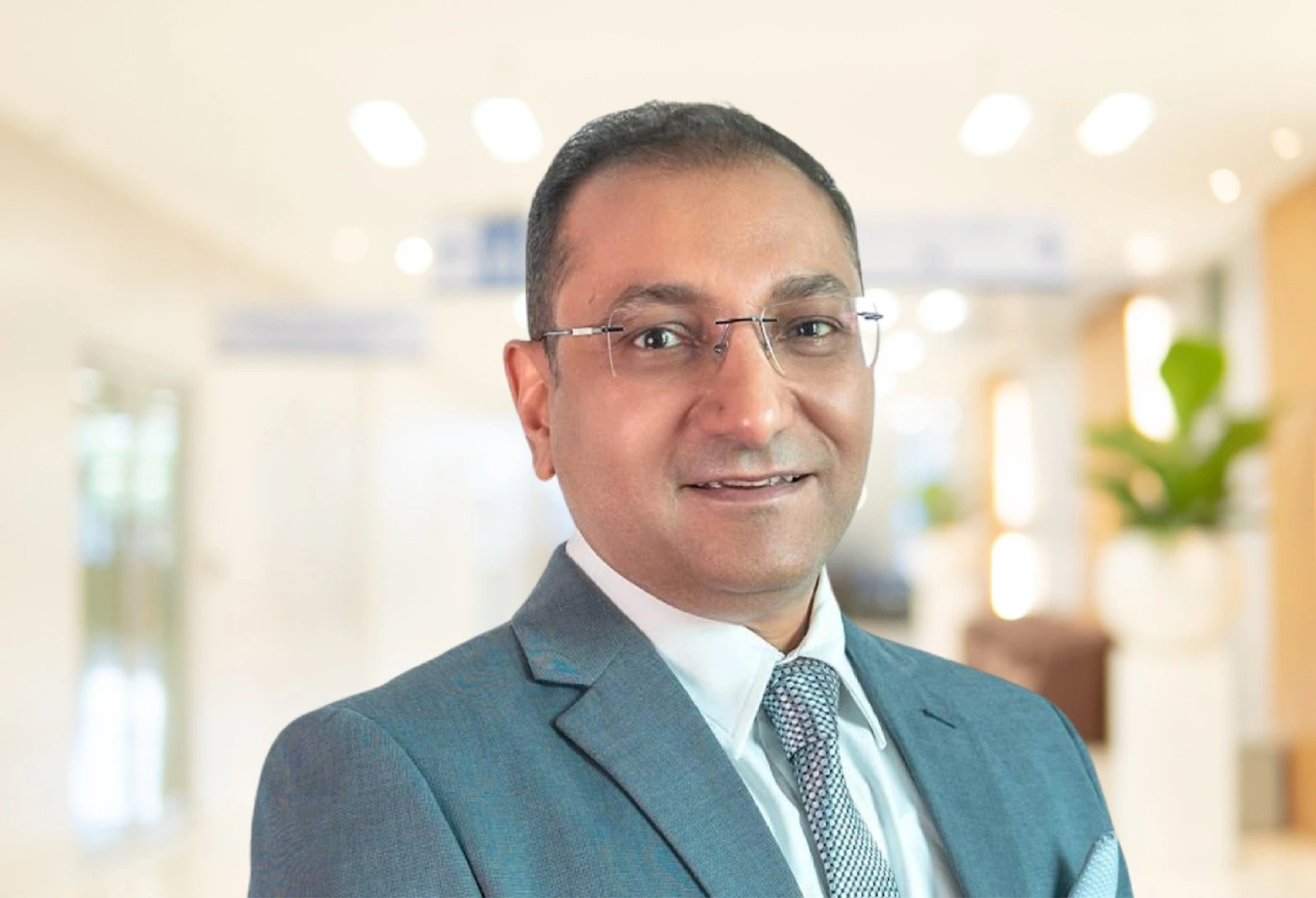
Dr. Manish Tripathi
Unsere Leistungen entdecken
Umfassende behandlung des renalen bluthochdrucks Leistungen im DCDC Dubai Healthcare City.


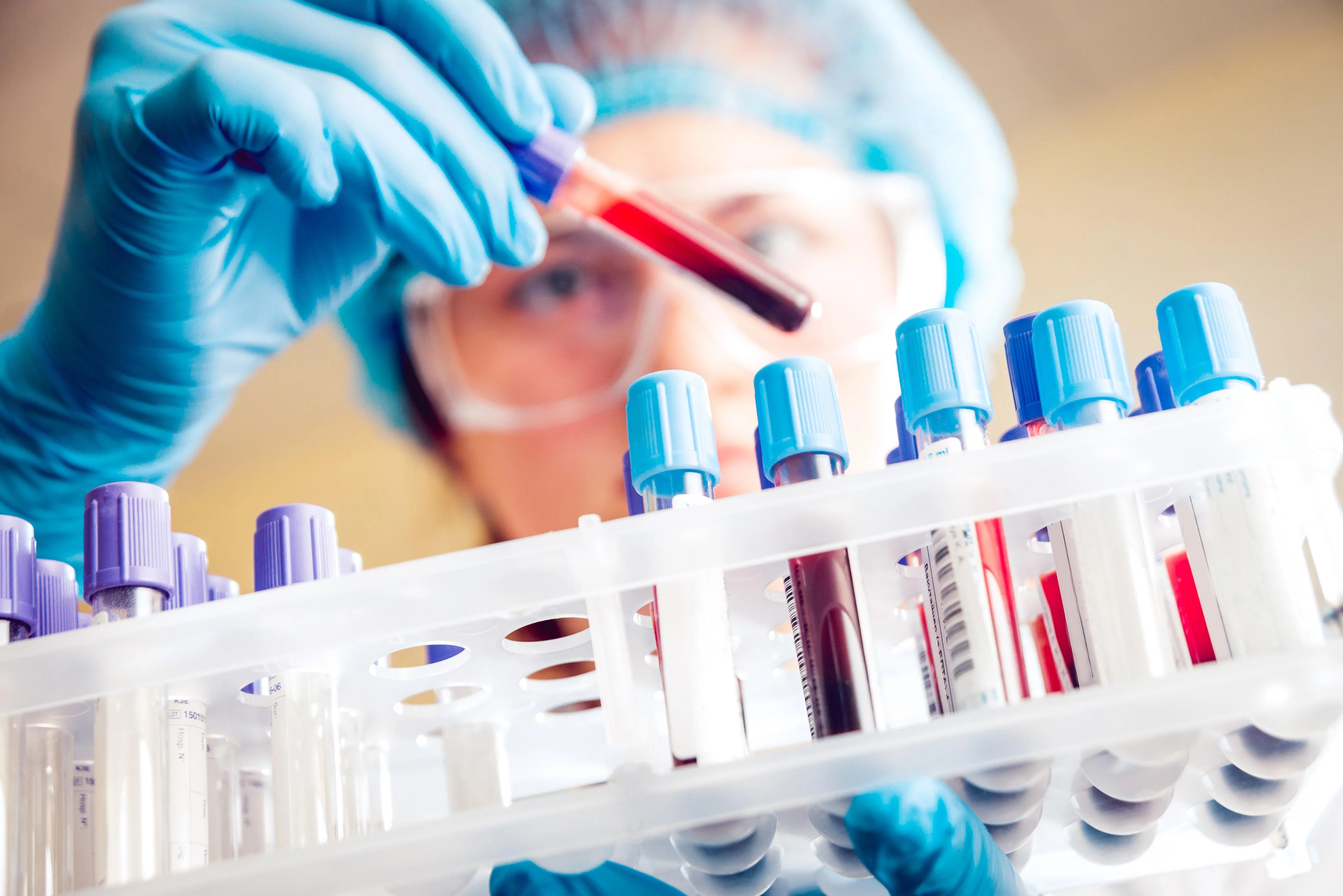
Alle Leistungen werden von DHA-lizenzierten Spezialisten durchgeführt
Für wen ist Behandlung des Renalen Bluthochdrucks geeignet?
Suchen Sie einen Nephrologen auf, wenn Ihr Blutdruck schwer zu kontrollieren ist oder Nierenbedenken bestehen.
Hoher Blutdruck bei bekannter Nierenerkrankung
Blutdruck nicht kontrolliert durch 3+ Medikamente
Protein im Urin
Beginn von Bluthochdruck im jungen Alter (<30)
Plötzliche Verschlechterung des Blutdrucks
Diabetes und Bluthochdruck
Warum DCDC für Renale Hypertonie-Versorgung Wählen?
MOHAP-lizenzierte Nephrologie-Klinik in Dubai Healthcare City mit Expertise bei resistentem Blutdruck, Nierenarterien-Screening und Medikamentensicherheit. Termine am selben Tag wenn verfügbar; begrenzte Kapazität.
MOHAP-Lizenziert
Lizenzierte Einrichtung im DHCC (MOHAP-Lizenz NIMY7VY5-240925) mit strengen Sicherheitsstandards.
Renale Blutdruck-Spezialisten
Nephrologen mit Fokus auf nierenbedingten und resistenten Bluthochdruck.
Zugang am Selben Tag
Termine am selben Tag oft verfügbar; dringende Blutdruckfälle priorisiert.
Medikamentensicherheit
Nierensichere Kombinationen und Proteinurie-Kontrolle.
Umfassende Überwachung
24h-Blutdruckmonitoring, Labor und Nierenarterien-Screening bei Bedarf.
Premium DHCC-Standort
Gebäude 64, Block A, Dubai Healthcare City mit einfachem Zugang und Parkplätzen.
Ihr angenehmer Besuch
Ein einfacher, schrittweiser Behandlung-Untersuchungsprozess für Komfort, Schnelligkeit und Genauigkeit.
Konsultationsgebühren
Die Behandlung-Preise in Dubai variieren je nach Leistungsart und Versicherungsdeckung für verschiedene Leistungstypen.
- Preise variieren je nach Untersuchungsart und Kontrastmittelbedarf
- Versicherungsdeckung akzeptiert mit Überweisung und Verifizierung
- Transparente Selbstzahlerpreise mit sofortigem Angebot auf Anfrage
Versicherungsverifizierung in Minuten • Keine versteckten Gebühren • Schnelle Antwort auf WhatsApp
Patientenratgeber
Was Sie Bei Ihrem Hypertonie-Besuch Erwartet
Nierenfokussierte Blutdruckbeurteilung mit Überwachung, Medikamentensicherheit und klaren Zielen.
Versicherung & Standort
Versicherungspartner
- •Über 20 Versicherungsanbieter in Dubai einschließlich Daman, AXA, ADNIC und andere
- •Vorabgenehmigung-Unterstützung und Direktabrechnung (falls zutreffend)
- •Deckungsüberprüfung vor Ihrem Termin in unserer Klinik in Dubai Healthcare City
- •Transparente Preisgestaltung ohne versteckte Gebühren für behandlung des renalen bluthochdrucks-Leistungen





Besuchen Sie uns in Dubai Healthcare City
Doctors Clinic Diagnostic Center
Gebäude 64, Block A, Al Razi Medical Complex, Dubai Healthcare City, Dubai, VAE
Nahe der Oud Metha Road · Einfacher Zugang von Bur Dubai, Downtown Dubai, Business Bay · Kostenlose Patientenparkplätze verfügbar
Öffnungszeiten
Mo-Do, Sa: 8:00 - 22:30 Uhr | So: 8:30 - 22:30 Uhr | Fr: 9:00 - 22:00 Uhr
So funktioniert die Versicherung bei DCDC
Deckung prüfen
Überprüfen Sie, ob Ihr Plan Behandlung des Renalen Bluthochdrucks abdeckt
Überweisung erhalten
Einige Versicherer verlangen eine Überweisung — wir helfen Ihnen gerne
Vorab-Genehmigung
Wir übernehmen die Vorab-Genehmigung direkt mit Ihrem Versicherer
Direktabrechnung
Keine Vorauszahlung — wir rechnen direkt mit Ihrem Versicherer ab
Nur Eigenanteil
Sie zahlen nur den anfallenden Eigenanteil in der Klinik
Deckung prüfen
Überprüfen Sie, ob Ihr Plan Behandlung des Renalen Bluthochdrucks abdeckt
Überweisung erhalten
Einige Versicherer verlangen eine Überweisung — wir helfen Ihnen gerne
Vorab-Genehmigung
Wir übernehmen die Vorab-Genehmigung direkt mit Ihrem Versicherer
Direktabrechnung
Keine Vorauszahlung — wir rechnen direkt mit Ihrem Versicherer ab
Nur Eigenanteil
Sie zahlen nur den anfallenden Eigenanteil in der Klinik
Your Specialist
Dr. Manish Tripathi
Specialist Nephrologist
MD, Specialist Nephrologist
English · Hindi
Patientenratgeber
Renal Hypertension: The Kidney-Blood Pressure Connection
The relationship between hypertension and kidney disease is one of the most important in medicine, creating a dangerous cycle where each condition worsens the other. High blood pressure damages the kidneys\
Hypertension is classified as either essential (primary) or secondary. Essential hypertension, which accounts for about 90-95% of cases, develops gradually over years from a combination of genetic predisposition, dietary factors (especially sodium intake), obesity, physical inactivity, and aging. Secondary hypertension is caused by an identifiable underlying condition, with kidney disease being the most common cause. Other secondary causes include renal artery stenosis, primary aldosteronism, pheochromocytoma, thyroid disorders, and sleep apnea. Identifying and treating secondary causes can dramatically improve blood pressure control.
Management of renal hypertension requires a comprehensive approach combining lifestyle modifications, targeted medications, and ongoing monitoring. First-line medications include ACE inhibitors and ARBs, which not only lower blood pressure but also protect kidneys by reducing proteinuria and intra-glomerular pressure. Diuretics are essential for managing the fluid retention that accompanies kidney disease. Calcium channel blockers, beta-blockers, and aldosterone antagonists may be added as needed. SGLT2 inhibitors have emerged as important kidney-protective agents with blood pressure-lowering benefits. Medication selection must consider renal function, electrolyte balance, and potential interactions, requiring nephrological expertise.
Monitoring blood pressure in kidney patients goes beyond occasional office readings. Home blood pressure monitoring with a validated device provides more accurate Tag-to-Tag data and improves medication adherence. Ambulatory 24-Stunde blood pressure monitoring identifies important patterns including nocturnal non-dipping (failure of blood pressure to decrease during sleep), which is common in kidney disease and associated with increased cardiovascular risk. Regular laboratory monitoring of kidney function, proteinuria, electrolytes, and medication levels ensures treatment safety and effectiveness. The target blood pressure for kidney patients is typically below 130/80 mmHg, with individualization based on age, proteinuria, and overall risk profile.
Hypertension-Related Conditions We Manage
Essential Hypertension with CKD
Blood pressure optimization in patients with chronic kidney disease using renal-protective medications and monitoring.
Resistant Hypertension
Investigation and management of blood pressure uncontrolled by three or more medications, including secondary cause screening.
Renal Artery Stenosis
Screening and management of narrowed kidney arteries causing renovascular hypertension through Doppler and angiography.
Hypertensive Nephrosclerosis
Management of kidney damage caused by long-standing high blood pressure with targeted BP control and monitoring.
Primary Aldosteronism
Screening and management of excess aldosterone production causing hypertension and potassium imbalance.
Diabetic Hypertension
Coordinated management of concurrent diabetes and hypertension with medications protecting both kidneys and heart.
Verwandte Artikel
Hypertension: The Silent Killer in Dubai
Understanding why high blood pressure is called the silent killer and how early detection saves lives.
Kidney Health Prevention Tips
Practical steps to protect your kidneys, including blood pressure management and lifestyle modifications.
Doppler Ultrasound: Assessing Blood Flow
How Doppler ultrasound evaluates blood flow in the kidneys and helps diagnose renal vascular conditions.
Diabetes Management in Dubai
Managing diabetes effectively to prevent hypertension and kidney damage through coordinated care.
Verwandte Leistungen
Entdecken Sie weitere Diagnose- und Beratungsleistungen in unserer Klinik in Dubai Healthcare City.
Häufig gestellte Fragen
Häufige Fragen zu Behandlung des Renalen Bluthochdrucks in Dubai.
Hoher Druck schädigt die kleinen Blutgefäße in den Nieren und reduziert ihre Fähigkeit, Abfallstoffe zu filtern. Dies kann zu CKD führen.
Es ist ein Bluthochdruck, der trotz Einnahme von drei verschiedenen Blutdruckmedikamenten hoch bleibt. Dies erfordert oft eine spezialisierte Untersuchung.
Protein im Urin (Albuminurie) ist eines der frühesten Zeichen von Nierenschäden durch hohen Blutdruck.
Nein, Ihr Blutdruck ist *wegen* der Medikamente normal. Das Absetzen kann einen gefährlichen Anstieg verursachen. Sprechen Sie immer zuerst mit Ihrem Arzt.
Es ist eine Verengung der Arterien, die die Nieren versorgen, was schweren Bluthochdruck verursachen kann. Wir können darauf screenen.
Wichtige Fakten
Medizinische Aufsicht
Alle Leistungen werden unter Aufsicht lizenzierter medizinischer Fachkräfte in unserer MOHAP-akkreditierten Einrichtung erbracht.