Zum Hauptinhalt springen
DCDC, Dubai Healthcare City, Dubai, VAE
Zurück zum Blog
Cardiology

Best Cardiologist Dubai: Heart Tests, ECG & Cardiac Screening (2026)

DCDC Ärzteteam24 min read
Cardiology in Dubai
Medizinisch überprüft von Dr. Shahoo MazhariConsultant Cardiologist

Wichtigste Erkenntnisse

  • Cardiology covers heart and blood vessel conditions including blood pressure, rhythm issues, and heart disease. In Dubai and the UAE, cardiovascular disease is one of the leading health concerns, affecting both expats and local populations
  • Common reasons to see a cardiologist: chest pain, shortness of breath, irregular heartbeat, high blood pressure, family history of heart disease, diabetes combined with hypertension, or pre-exercise clearance for adults over 40
  • A comprehensive cardiac screening in Dubai includes ECG (AED 150-300), echocardiogram (AED 500-800), stress test (AED 800-1,200), Holter monitoring (AED 600-900), and advanced imaging like CT angiogram (AED 2,000-3,500) or cardiac MRI (AED 3,000-5,000)
  • The UAE has one of the highest rates of cardiovascular disease globally, driven by sedentary lifestyles, restaurant culture with high sodium intake, workplace stress, South Asian genetic predisposition, and vitamin D deficiency
  • Early cardiology care prevents complications and provides long-term heart health stability. Many patients come to us after a scare, but the best time for cardiac screening is before symptoms appear

Cardiology is the medical field that deals with the heart, blood vessels, and conditions that affect how your heart works. It focuses on preventing, diagnosing, and managing heart-related problems before they turn serious. In Dubai, cardiology care is commonly sought for chest pain, blood pressure issues, irregular heartbeat, or routine heart checkups. With the UAE experiencing one of the highest rates of cardiovascular disease globally, understanding when and why to see a cardiologist in Dubai can be life-saving.

Heart problems don't always come with loud warning signs. Sometimes it's just fatigue, shortness of breath, or discomfort that feels easy to ignore. That's why cardiology plays such an important role in early detection and long-term heart health. This comprehensive guide covers everything from cardiac test costs in Dubai to when you should see a heart specialist, what tests you might need, and how to prevent cardiovascular disease in the unique context of life in the UAE.

Bereit für den nächsten Schritt?

Buchen Sie noch heute Ihren Termin und erleben Sie fachkundige Betreuung im Doctors Clinic Diagnostic Center in Dubai Healthcare City.

What Does Cardiology Actually Cover?

Cardiology covers a wide range of heart and circulation-related conditions, from mild rhythm issues to long-term heart disease. A cardiologist doesn't just treat problems after they appear but also works to lower future risks through monitoring and lifestyle guidance.

Most cardiology care involves understanding how well your heart pumps blood, how your arteries function, and whether your heart rhythm is stable. This includes managing conditions like high blood pressure, cholesterol imbalance, coronary artery disease, and heart valve disorders.

In Dubai, cardiology services are often used not only by older adults but also by younger patients with family history, stress-related symptoms, or lifestyle risk factors.

When Should You See a Cardiologist?

Many people delay seeing a cardiologist because symptoms don't always feel urgent. However, early evaluation can prevent complications and reduce long-term treatment needs.

You should consider visiting a cardiologist if you experience ongoing or unexplained symptoms, especially if they keep returning. These signs may feel minor at first, but together they often point to underlying heart stress.

Common reasons people are referred to cardiology include:

  • Chest discomfort or pressure, especially during activity
  • Shortness of breath without clear cause
  • Irregular or fast heartbeat
  • Dizziness or fainting episodes
  • High blood pressure that remains uncontrolled

Even without symptoms, cardiology checkups are often advised for people with diabetes, obesity, smoking history, or close relatives with heart disease.

See a Cardiologist in Dubai Healthcare City

Experiencing chest discomfort, palpitations, or shortness of breath? Or simply due for a routine cardiac screening? Book a cardiology consultation at DCDC for same-day ECG, comprehensive cardiac assessment, and clear answers from our experienced cardiologist. WhatsApp to book your appointment.

Common Cardiology Tests and What They Show

Cardiology relies on a set of well-established tests that help doctors understand heart structure and function. These tests are safe, widely used, and provide clear insights into how your heart is performing.

Before any test, a cardiologist will review your symptoms, medical history, and risk factors. Not everyone needs every test, and many evaluations start with simple, non-invasive checks.

Here are the most common cardiology investigations and their purpose:

These tests help detect conditions early, often before symptoms become severe.

Cardiac Test Comparison: Which Test Do You Need?

Choosing the right cardiac test depends on your symptoms, risk factors, and what your cardiologist is looking for. Each test serves a specific purpose and provides different information about heart function. Understanding the differences helps you know what to expect and why a particular test has been recommended.

Test TypeWhat It DetectsDurationCost Range (AED)When Needed
ECG (Electrocardiogram)Heart rhythm, electrical activity, arrhythmias, ischemia5-10 minutes150 – 300First-line test for chest pain, palpitations, shortness of breath
Echocardiogram (Echo)Heart structure, valve function, pumping efficiency, heart muscle thickness30-45 minutes500 – 800Suspected valve disease, heart failure, murmur evaluation
Stress Test (Treadmill)Exercise capacity, blood flow to heart during exertion, ischemia under stress45-60 minutes800 – 1,200Chest pain with activity, pre-exercise clearance, coronary artery disease screening
Holter Monitor (24-48 hrs)Continuous rhythm monitoring, intermittent arrhythmias, palpitations24-48 hours600 – 900Palpitations that come and go, suspected rhythm disorders, syncope evaluation
CT Angiogram (Cardiac)Coronary artery blockages, calcium score, vessel anatomy30-45 minutes2,000 – 3,500Intermediate-risk chest pain, calcium scoring, detailed vessel imaging
Cardiac MRIDetailed heart muscle imaging, scarring, inflammation, complex anatomy60-90 minutes3,000 – 5,000Suspected cardiomyopathy, heart muscle inflammation, complex congenital heart disease

Cardiac test comparison in Dubai (2026). Your cardiologist will recommend the most appropriate test based on your symptoms and clinical presentation.

"Many patients ask which test is best, but the answer depends entirely on the clinical question we're trying to answer," says Dr. Shahoo Mazhari, Consultant Cardiologist at DCDC. "An ECG is perfect for checking rhythm, but if we need to see how well your heart pumps, an echocardiogram is the right choice. The key is matching the test to the question."

Most cardiac evaluations start with an ECG test and a consultation. Based on those findings, your cardiologist may recommend additional testing. For patients in Dubai Healthcare City, DCDC offers all standard cardiac tests on-site, eliminating the need to travel between facilities for different investigations.

Cardiology Costs in Dubai: Complete Pricing Breakdown

One of the most searched topics around cardiology in Dubai is cost. Understanding cardiac test pricing helps patients plan ahead and make informed decisions about their heart health. Prices in Dubai vary by facility type, technology used, and whether the test includes specialist interpretation. The pricing below reflects 2026 rates at quality facilities like DCDC in Dubai Healthcare City.

Cardiology ServiceDCDC Price Range (AED)What's Included
Cardiologist consultation300 – 600Clinical assessment, history review, treatment plan, referrals if needed
ECG (Electrocardiogram)150 – 300ECG recording, cardiologist interpretation, written report
Echocardiogram (Echo)500 – 800Transthoracic echo, Doppler assessment, specialist report
Treadmill stress test800 – 1,200Supervised exercise test, continuous ECG monitoring, cardiologist report
Holter monitor (24 hours)600 – 900Device rental, 24-hour recording, rhythm analysis report
Holter monitor (48 hours)900 – 1,400Extended monitoring, comprehensive rhythm analysis
CT Angiogram (Cardiac)2,000 – 3,500Contrast-enhanced CT scan, 3D reconstruction, radiologist + cardiologist report
Cardiac MRI3,000 – 5,000Advanced MRI imaging, delayed enhancement, specialist interpretation
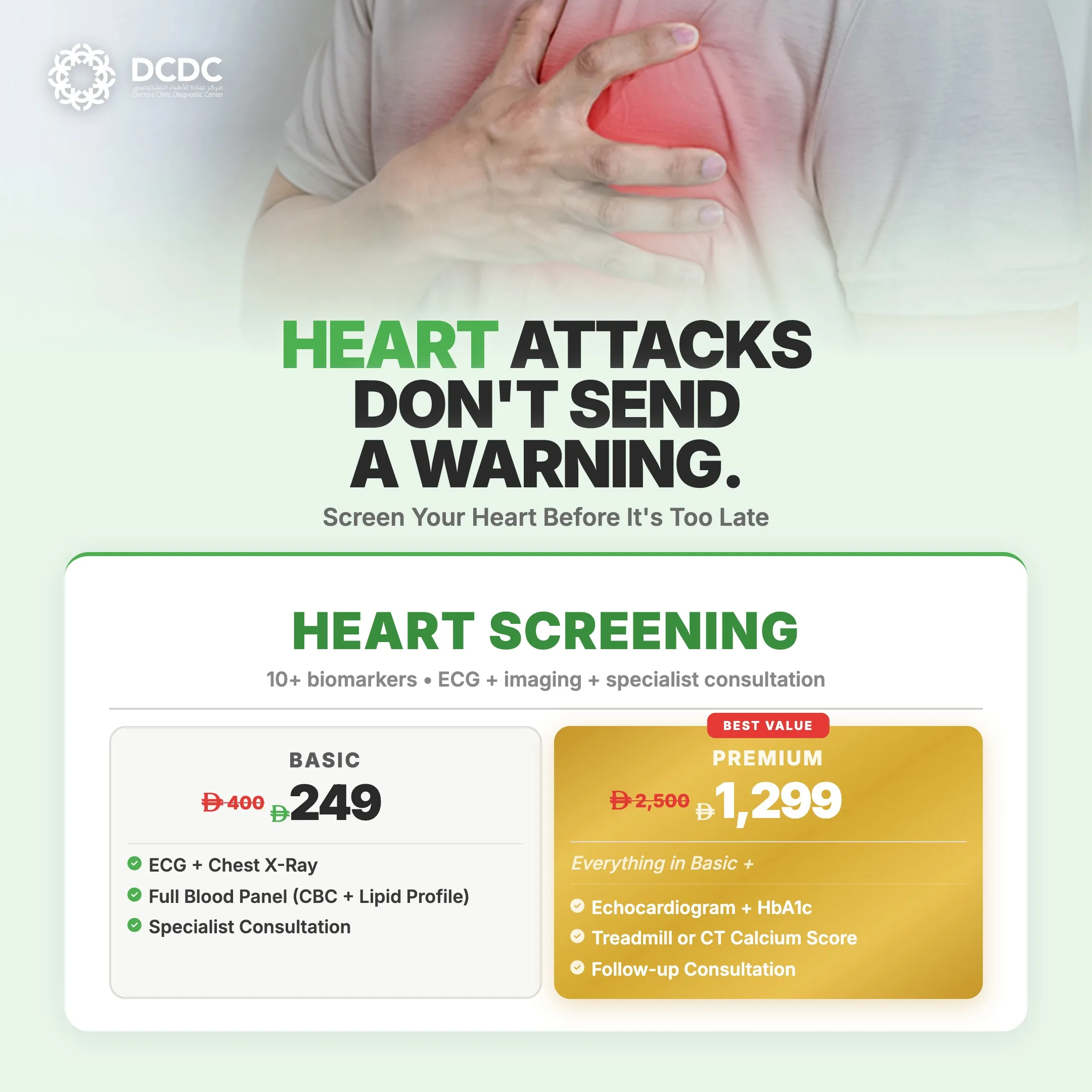
Cardiac screening package1,200 – 2,000Consultation + ECG + Echo + blood tests (lipid profile, glucose)

Cardiac test pricing at DCDC Dubai Healthcare City (2026). Most major insurance plans cover medically necessary cardiac tests. Always verify coverage before appointments.

Insurance coverage significantly reduces out-of-pocket costs for cardiac testing. Most UAE health insurance policies cover cardiac investigations when medically indicated, meaning a referral from your GP or cardiologist makes the test eligible for coverage. For screening tests in asymptomatic patients, coverage varies by insurer and plan tier.

"The cost of cardiac screening is modest compared to the cost of treating advanced heart disease," notes Dr. Shahoo Mazhari. "A comprehensive heart checkup in Dubai costs less than most smartphones, yet it can identify life-threatening conditions years before symptoms appear."

Heart Disease Risk Factors: The Dubai Context

The United Arab Emirates has one of the highest rates of cardiovascular disease globally, with heart disease and stroke accounting for approximately 30-40% of all deaths in the country according to the Dubai Health Authority. This elevated risk reflects a unique combination of lifestyle factors, genetic predisposition, environmental conditions, and the fast-paced nature of life in a modern global city like Dubai.

Understanding these Dubai-specific risk factors helps explain why routine cardiac screening is particularly important for residents and long-term expats in the UAE.

Sedentary Office Lifestyle

Dubai's economy is heavily service-oriented, with a large proportion of the workforce spending 8-12 hours per day in office environments. Air-conditioned offices, long commutes by car, and limited walking infrastructure in many residential areas contribute to extremely low levels of daily physical activity. The World Health Organization identifies physical inactivity as a leading risk factor for cardiovascular disease, and studies show that UAE residents have some of the lowest physical activity levels globally.

Prolonged sitting increases blood pressure, raises bad cholesterol (LDL), lowers good cholesterol (HDL), and promotes insulin resistance. For office workers in Dubai, incorporating even 30 minutes of daily activity can significantly reduce cardiovascular risk.

Restaurant Culture and High Sodium Intake

Dubai's vibrant restaurant culture, while one of the city's great attractions, contributes to cardiovascular risk through high sodium, saturated fat, and refined carbohydrate consumption. Many expats eat out multiple times per week, and restaurant portions tend to be large with generous use of salt, butter, cream, and processed ingredients.

The American Heart Association recommends no more than 2,300 mg of sodium per day (ideally 1,500 mg for those with hypertension), but a single restaurant meal in Dubai can easily contain 3,000-5,000 mg. High sodium intake directly raises blood pressure, the leading risk factor for stroke and heart disease. For more on managing high blood pressure in Dubai, see our guide on hypertension: the silent killer.

Workplace Stress and Long Working Hours

Dubai attracts ambitious professionals working in competitive industries with demanding schedules. Chronic workplace stress triggers the release of cortisol and adrenaline, which over time raise blood pressure, promote inflammation in blood vessels, and increase the risk of heart attack and stroke.

Research published in the European Heart Journal shows that people working more than 55 hours per week have a 13% higher risk of heart attack and 33% higher risk of stroke compared to those working standard hours. For many Dubai professionals, 50-60 hour work weeks are the norm, not the exception.

South Asian Genetic Predisposition

Dubai's large South Asian population (Indian, Pakistani, Bangladeshi, Sri Lankan) faces significantly higher cardiovascular risk compared to other ethnic groups. Studies consistently show that South Asians develop heart disease 5-10 years earlier than Europeans, often despite having similar or even lower cholesterol levels.

This increased risk is partly genetic but also reflects higher rates of central obesity (belly fat), insulin resistance, and metabolic syndrome. For South Asian residents of Dubai, cardiac screening should begin at age 35 rather than 40, and even earlier if additional risk factors like diabetes or family history are present.

Vitamin D Deficiency

Despite abundant sunshine, vitamin D deficiency is epidemic in the UAE, affecting up to 80% of the population according to research published in the Journal of Steroid Biochemistry and Molecular Biology. Indoor lifestyles, air conditioning, cultural clothing that covers skin, and the intense midday sun that keeps people indoors all contribute to this paradox.

Low vitamin D levels are strongly associated with increased cardiovascular risk, including higher blood pressure, increased arterial stiffness, and greater likelihood of heart attack and stroke. Regular vitamin D testing and supplementation, when appropriate, forms an important part of cardiovascular risk reduction in Dubai.

"Every week I see patients shocked to learn they have high blood pressure or pre-diabetes, despite feeling completely fine," says Dr. Shahoo Mazhari. "The combination of desk jobs, eating out, and high stress creates the perfect storm for cardiovascular disease. The good news is that most of these risks are modifiable with the right approach."

When to See a Cardiologist: Warning Signs You Shouldn't Ignore

Knowing when to seek cardiac evaluation can be the difference between early intervention and a medical emergency. While some symptoms are obvious, others are subtle and easily dismissed. The following situations warrant a cardiology consultation.

Chest Pain or Discomfort

Any new chest discomfort, especially if it occurs during physical activity and improves with rest, should be evaluated by a cardiologist. Heart-related chest pain (angina) may feel like pressure, tightness, squeezing, heaviness, or burning. It often radiates to the left arm, jaw, neck, or back. Not all chest pain is cardiac, but the only way to know for certain is through proper evaluation including ECG and possibly stress testing or imaging.

Shortness of Breath

Unexplained shortness of breath, particularly during activities that previously caused no difficulty, may indicate heart failure, valve disease, or coronary artery disease. If you find yourself winded climbing stairs that never bothered you before, or if you need to sleep propped up on pillows to breathe comfortably, these are red flags requiring cardiac assessment.

Palpitations or Irregular Heartbeat

Occasional awareness of your heartbeat is normal, but frequent palpitations, racing heart, skipped beats, or irregular rhythm warrant investigation. Some arrhythmias are benign, but others significantly increase stroke risk or indicate underlying heart disease. A Holter monitor test can capture rhythm abnormalities that don't show up on a standard ECG.

Family History of Heart Disease

If a parent, sibling, or other close relative had a heart attack before age 55 (for men) or 65 (for women), your own risk is significantly elevated. Family history of sudden cardiac death at a young age, cardiomyopathy, or inherited rhythm disorders also increases your risk. In these cases, baseline cardiac screening starting at age 30-35 is appropriate, even without symptoms.

Diabetes Combined with Hypertension

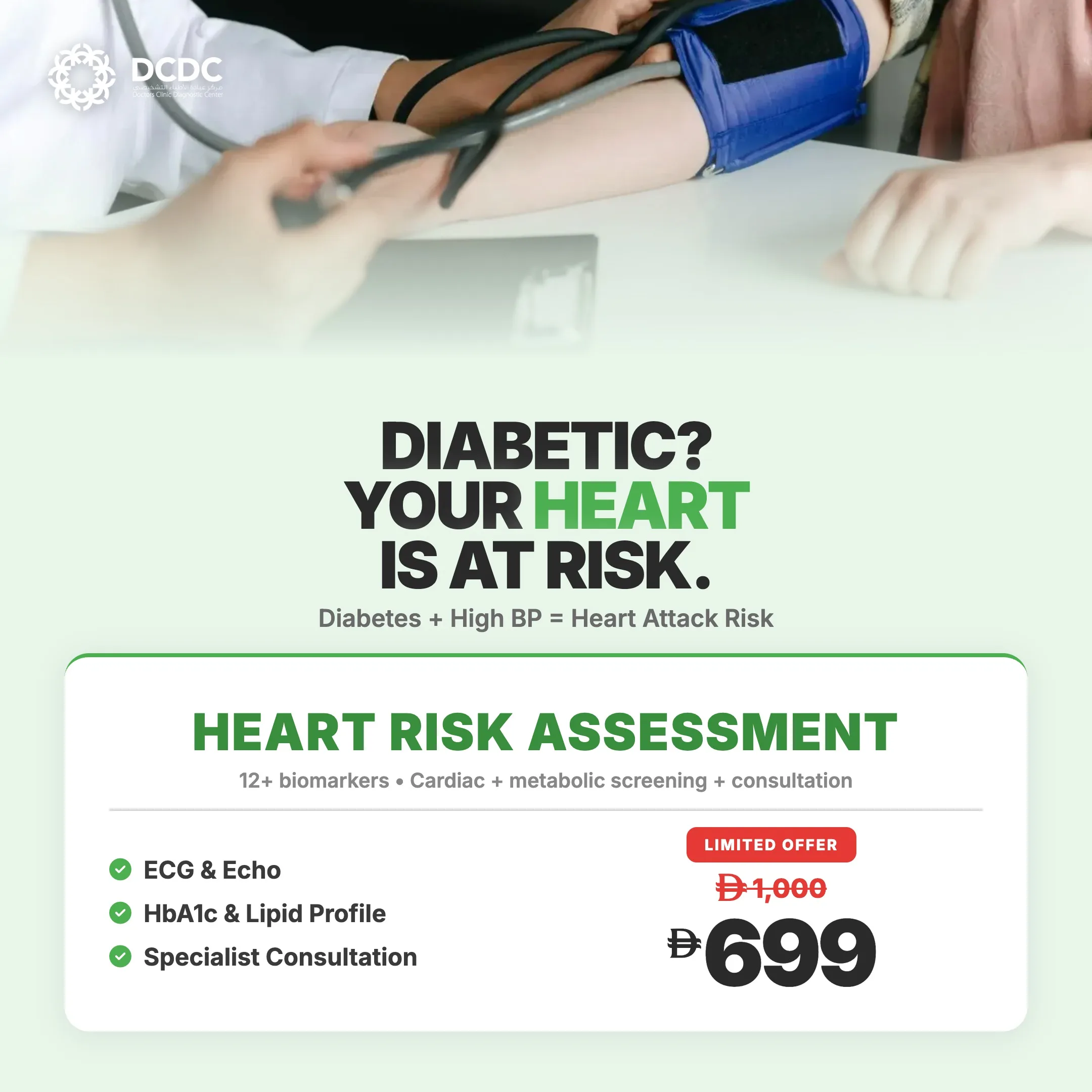
The combination of diabetes and high blood pressure is particularly dangerous for the heart. Each condition independently damages blood vessels, but together they dramatically accelerate atherosclerosis (arterial plaque buildup). Patients with both conditions should have regular cardiology follow-up, including periodic echocardiograms and stress testing even if asymptomatic.

Pre-Exercise Clearance for Adults Over 40

If you're over 40 and planning to start a vigorous exercise program, particularly if you've been sedentary, a cardiac clearance consultation is wise. Many Dubai gyms and personal trainers now require medical clearance for new clients over a certain age. A simple consultation, ECG, and possibly a stress test can identify hidden problems before they cause a cardiac event during exercise.

"Don't wait for a dramatic symptom to see a cardiologist," advises Dr. Shahoo Mazhari. "Many patients come to us after a scare, but the best time for cardiac screening is before symptoms appear. A baseline assessment in your 40s gives us something to compare against as you age, and it often identifies modifiable risks early."

Heart Disease Prevention: A Dubai Lifestyle Approach

Preventing cardiovascular disease doesn't require a complete life overhaul. Small, consistent changes in diet, activity, stress management, and sleep have profound cumulative effects on heart health. The following evidence-based strategies are particularly relevant for Dubai residents.

DASH Diet: The Gold Standard for Heart Health

The DASH (Dietary Approaches to Stop Hypertension) diet consistently ranks as the most effective eating pattern for cardiovascular health. It emphasizes fruits, vegetables, whole grains, lean protein, and low-fat dairy while limiting sodium, red meat, and added sugars. For Dubai residents who eat out frequently, practical DASH adaptations include choosing grilled over fried, requesting sauces on the side, prioritizing vegetable dishes, and limiting bread consumption.

Studies show the DASH diet can lower blood pressure by 8-14 mmHg, reduce LDL cholesterol, and decrease heart attack risk by up to 20%. The key is consistency rather than perfection.

Exercise: 150 Minutes Per Week

The American Heart Association recommends at least 150 minutes of moderate-intensity aerobic activity per week, which translates to 30 minutes of brisk walking, swimming, or cycling five days a week. For Dubai residents, indoor options like gym treadmills, mall walking (during early morning hours before crowds), or swimming pools are practical year-round choices.

Even small amounts of activity matter. Studies show that replacing one hour of sitting with one hour of light activity reduces cardiovascular mortality risk by 15-20%. For office workers, this might mean taking phone calls while walking, using a standing desk for part of the day, or parking farther from building entrances.

Smoking Cessation

Smoking is the single most preventable cause of cardiovascular disease. Within one year of quitting, heart attack risk drops by 50%. Within 5 years, stroke risk returns to that of a non-smoker. Dubai offers smoking cessation programs through the DHA, and medications like varenicline (Champix) and nicotine replacement therapy significantly improve quit rates when combined with counseling.

Sleep Optimization

Poor sleep quality and insufficient sleep duration (less than 6 hours per night) independently increase cardiovascular risk. Research shows that people who sleep less than 6 hours nightly have a 48% increased risk of heart disease. For Dubai's shift workers and frequent travelers dealing with jet lag, establishing consistent sleep routines and seeking treatment for sleep apnea when present are critical preventive measures.

Stress Management in Dubai's Fast-Paced Environment

Chronic stress management requires active intervention. Evidence-based approaches include mindfulness meditation (apps like Headspace or Calm make this accessible), regular physical activity, maintaining social connections, setting work boundaries, and seeking professional counseling when needed. For high-achieving professionals in Dubai, scheduling downtime with the same discipline as work meetings helps ensure recovery time isn't perpetually postponed.

For a comprehensive guide to heart disease prevention tailored to Dubai residents, see our article on heart health prevention in Dubai.

Book Your Cardiac Screening at DCDC

Don't wait for symptoms to check your heart health. Book a comprehensive cardiac screening at Doctors Clinic Diagnostic Center in Dubai Healthcare City. Our cardiologist and diagnostic team provide same-day ECG, echocardiograms, and stress testing with clear, actionable results. WhatsApp us to book now.

Patient Story: Early Detection Prevented Heart Attack

Rajesh, a 48-year-old senior executive at a Dubai financial services firm, came to DCDC for a routine annual health checkup. He had no complaints and felt perfectly healthy, though he admitted to working long hours, eating most meals at restaurants, and exercising infrequently. His only concerning factor was a family history — his father had suffered a heart attack at age 52.

During the consultation, his blood pressure was elevated at 148/92 mmHg, though he'd never been diagnosed with hypertension. His resting ECG appeared normal, showing regular rhythm and no signs of ischemia. However, given his family history and newly discovered high blood pressure, Dr. Shahoo Mazhari recommended an echocardiogram.

The echo revealed mild left ventricular hypertrophy (LVH) — thickening of the heart's main pumping chamber caused by years of undiagnosed high blood pressure. LVH significantly increases the risk of heart failure, arrhythmias, and sudden cardiac death. While his heart function was still normal, the structural changes indicated that his cardiovascular system had been under strain for years.

"I was stunned," Rajesh recalls. "I felt fine. No chest pain, no shortness of breath, nothing. But Dr. Mazhari explained that by the time you feel symptoms, significant damage has often already occurred. The echo caught a problem I didn't know existed."

Rajesh was started on a low-dose ACE inhibitor to lower his blood pressure and reverse the LVH, along with detailed lifestyle guidance on diet, exercise, and stress management. Six months later, a follow-up echo showed modest improvement in the LVH, and his blood pressure had normalized to 122/78 mmHg. By catching the problem early — before a heart attack or heart failure developed — simple interventions prevented what could have been a life-threatening complication.

"That routine checkup probably saved my life," Rajesh says. "Now I tell all my colleagues: don't skip your annual heart screening. You can't feel high blood pressure, but it's doing damage every single day."

How Cardiology Fits Into Preventive Healthcare

Cardiology isn't only about treating heart attacks or serious disease. A large part of modern cardiology focuses on prevention and long-term heart stability. Regular heart checkups can detect silent risks like high cholesterol, early artery narrowing, or borderline blood pressure. Addressing these early often avoids medication escalation or invasive procedures later.

Preventive cardiology typically includes lifestyle review, diet guidance, activity planning, and follow-up monitoring. For many patients in Dubai's busy environment, this structured approach helps manage stress-related heart strain more effectively.

Cardiology Care at Doctors Clinic Diagnostic Center

For patients looking for trusted cardiology care in Dubai Healthcare City, Doctors Clinic Diagnostic Center offers focused, patient-first heart services under one roof. Located near Oud Metha, Umm Hurair 2, and Karama, the clinic is easy to access for both residents and working professionals. Cardiology services are supported by accurate diagnostic testing and coordinated care, helping patients move from evaluation to clarity without unnecessary delays.

How Cardiology Works with Other Medical Services

Heart health is closely connected with other body systems, which is why cardiology often overlaps with additional specialties. Managing heart conditions usually involves coordination, not isolated treatment.

For example, patients with blood pressure or diabetes often benefit from combined care with internal medicine. Those experiencing chest discomfort may require diagnostic imaging for clearer assessment. Preventive screenings and lab tests also support cardiology decisions by providing accurate baseline data. This integrated approach ensures cardiology treatment is based on the full health picture, not just symptoms.

Why Early Cardiology Care Matters

Ignoring heart symptoms rarely makes them go away. What starts as mild discomfort or fatigue can slowly progress into more complex conditions if left unchecked.

Early cardiology care allows doctors to identify risk patterns, adjust lifestyle factors, and recommend targeted treatment before serious damage occurs. In many cases, early steps prevent hospital admissions or invasive procedures altogether.

For people living in Dubai's high-demand lifestyle, timely cardiology evaluation offers peace of mind and long-term health stability.

Häufig gestellte Fragen

A cardiologist treats conditions related to the heart and blood vessels, including high blood pressure (hypertension), coronary artery disease, heart rhythm disorders (arrhythmias), heart failure, valve disease, congenital heart defects, and high cholesterol. Cardiologists also provide preventive care through cardiac risk assessment, screening tests, and lifestyle guidance to prevent heart disease before it develops.
A basic heart checkup in Dubai including a cardiologist consultation (AED 300-600) and ECG (AED 150-300) costs approximately AED 450-900. A comprehensive cardiac screening package including consultation, ECG, echocardiogram, and blood tests (lipid profile, glucose) costs AED 1,200-2,000 at facilities like DCDC. Insurance typically covers medically necessary cardiac tests, significantly reducing out-of-pocket costs.
A comprehensive cardiac screening typically includes: cardiologist consultation with medical history review and physical examination, resting ECG to check heart rhythm and electrical activity, echocardiogram to assess heart structure and function, blood tests including lipid panel (cholesterol, triglycerides), fasting glucose, and sometimes HbA1c, blood pressure measurement, and BMI calculation. Depending on risk factors, additional tests like stress testing, Holter monitoring, or CT calcium scoring may be recommended.
An ECG is excellent for detecting rhythm problems, electrical abnormalities, and signs of previous heart attacks, but it cannot detect all heart problems. An ECG cannot show valve disease, reduced pumping function, or the internal structure of the heart. For comprehensive cardiac assessment, an echocardiogram is usually needed in addition to ECG. Think of ECG as checking the heart's electrical system, while an echo checks the heart's structure and mechanical function.
For average-risk individuals, baseline cardiac screening should begin at age 40. However, earlier screening (age 30-35) is recommended if you have risk factors such as: family history of heart disease (parent or sibling with heart attack before age 55 for men, 65 for women), diabetes, high blood pressure, high cholesterol, obesity, smoking history, or South Asian ethnicity. If you have multiple risk factors or symptoms, screening should begin immediately regardless of age.
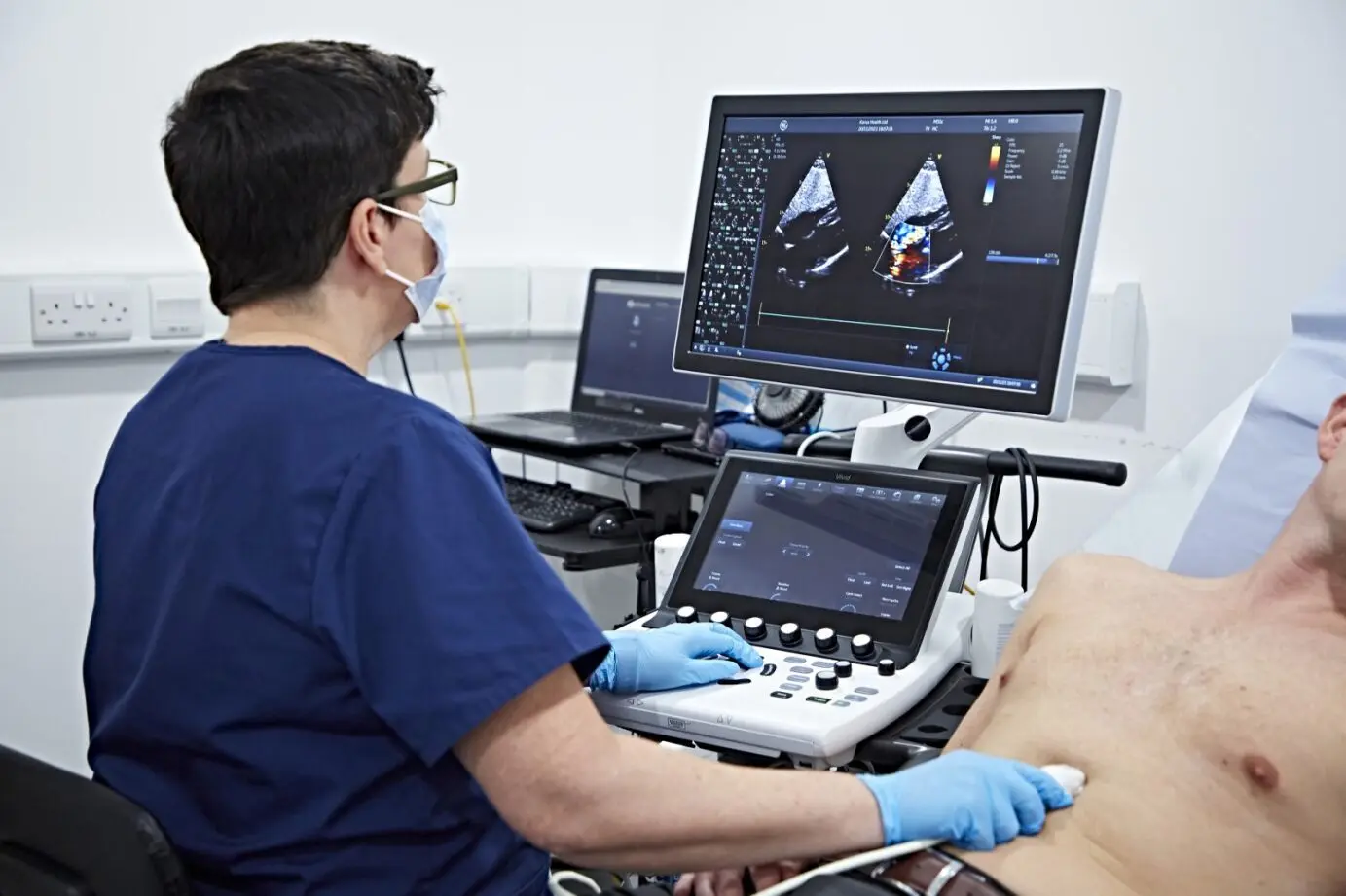
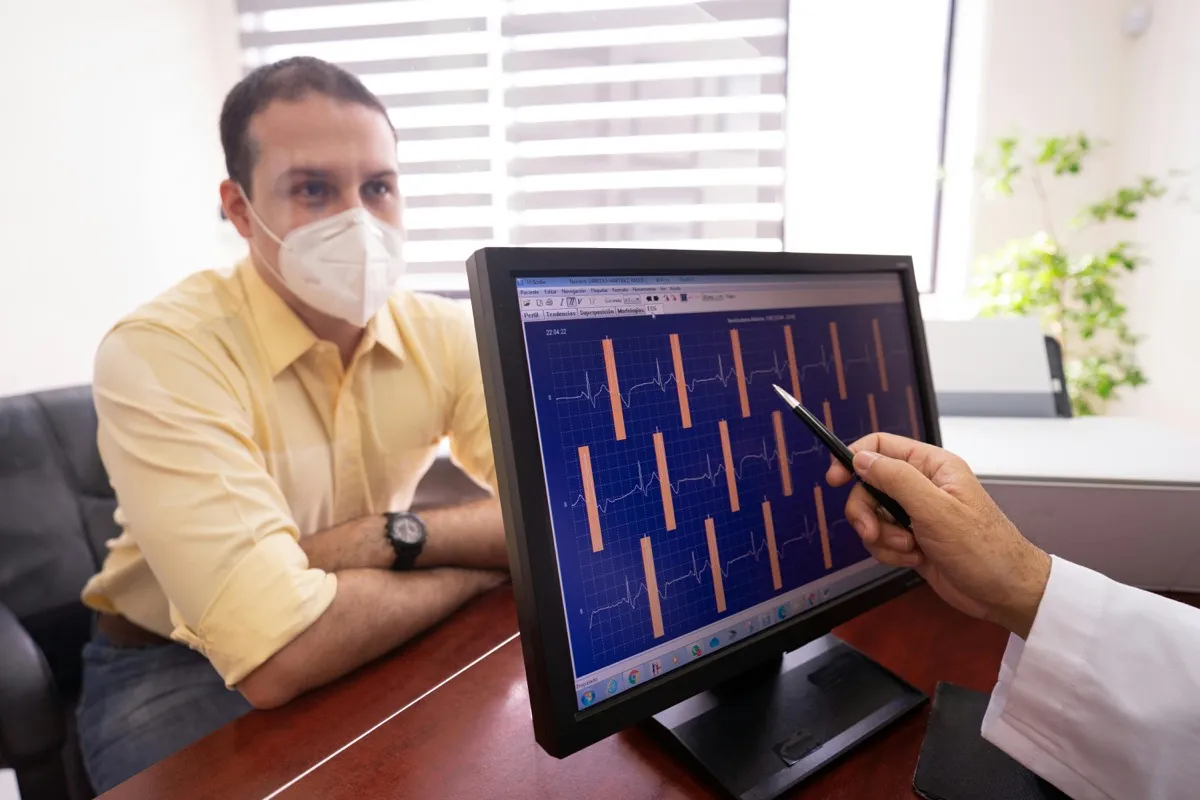
An ECG (electrocardiogram) records the electrical activity of your heart using electrodes placed on your chest, arms, and legs. It shows heart rhythm, rate, and electrical patterns that can indicate problems like arrhythmias, ischemia, or previous heart attacks. It takes 5-10 minutes and costs AED 150-300. An echocardiogram is an ultrasound of the heart that creates moving images showing heart structure, valve function, pumping strength, and blood flow. It takes 30-45 minutes and costs AED 500-800. Both tests are complementary: ECG checks electrical function, echo checks mechanical function.
Yes, chronic stress significantly increases cardiovascular risk. Prolonged stress triggers release of cortisol and adrenaline, which raise blood pressure, increase inflammation in blood vessels, promote arterial plaque formation, and increase blood clotting risk. Research shows that people working more than 55 hours per week have 13% higher heart attack risk and 33% higher stroke risk. Managing stress through exercise, meditation, adequate sleep, and work-life boundaries is an essential component of heart disease prevention, particularly important for Dubai's high-stress professional environment.
Classic heart attack warning signs include: chest pain or discomfort (pressure, squeezing, fullness, or pain in the center or left side of the chest lasting more than a few minutes), pain radiating to arms, back, neck, jaw, or stomach, shortness of breath (with or without chest discomfort), cold sweat, nausea or vomiting, and lightheadedness or sudden dizziness. Women may experience subtler symptoms including unusual fatigue, sleep disturbances, indigestion, and anxiety. If you experience these symptoms, call emergency services immediately (999 in UAE) or go to the nearest emergency room. Time is critical in heart attack treatment.
For healthy adults with no cardiac symptoms or risk factors, a baseline cardiac assessment at age 40 with follow-up every 3-5 years is typically sufficient. If you have risk factors (high blood pressure, diabetes, high cholesterol, family history) but stable controlled conditions, annual cardiology follow-up is recommended. If you have established heart disease, heart failure, or unstable symptoms, follow-up frequency depends on your condition but typically ranges from every 3 months to every 6 months. Your cardiologist will recommend a personalized follow-up schedule based on your individual risk profile and treatment needs.
In most cases, you can book a cardiologist consultation directly at private clinics in Dubai without a referral. However, some insurance plans require a referral from your general practitioner (GP) for specialist visits to be covered. It's always best to check with your insurance provider before booking to confirm coverage requirements. At DCDC, our front desk team can verify your insurance coverage and referral requirements before your appointment.
Most UAE health insurance plans cover medically necessary cardiac tests when ordered by a physician for diagnostic purposes or when risk factors warrant screening. Tests typically covered include ECG, echocardiogram, stress testing, Holter monitoring, and blood tests. Coverage for advanced imaging like CT angiogram or cardiac MRI usually requires pre-authorization. Routine screening in asymptomatic low-risk patients may not be covered by all plans. Always verify coverage with your insurer before scheduling tests. At DCDC, we work with all major UAE insurance providers and can help confirm coverage.
A cardiac calcium score (coronary artery calcium or CAC score) is a specialized CT scan that measures the amount of calcium buildup in the coronary arteries. Calcium deposits indicate atherosclerosis (plaque buildup) and help predict future heart attack risk. The test takes about 10 minutes, uses low radiation dose, and costs approximately AED 800-1,500 in Dubai. It's particularly useful for intermediate-risk patients (those with some risk factors but no symptoms) to determine whether aggressive preventive treatment is warranted. A score of zero indicates very low risk, while higher scores indicate increased risk requiring medical intervention. For more details, see our guide on <a href="/blog/calcium-score-test-meaning" class="text-primary-600 hover:underline">calcium score test meaning</a>.

Bereit für den nächsten Schritt?

Buchen Sie noch heute Ihren Termin und erleben Sie fachkundige Betreuung im Doctors Clinic Diagnostic Center in Dubai Healthcare City.

Final Thoughts

Cardiology plays a key role in protecting long-term health by focusing on one of the body's most vital organs. Whether you're managing an existing condition or simply checking your heart health, timely cardiology care can prevent future complications and provide real peace of mind. In Dubai and the UAE, where cardiovascular disease accounts for 30-40% of all deaths, proactive cardiac screening is not optional — it's essential.

The unique combination of sedentary office work, restaurant culture, workplace stress, and genetic factors makes Dubai residents particularly vulnerable to heart disease. But the same factors that increase risk — lifestyle choices — are also the factors most within your control. A comprehensive cardiac screening at age 40 (or earlier if you have risk factors) establishes your baseline and identifies modifiable risks before they cause irreversible damage.

At Doctors Clinic Diagnostic Center in Dubai Healthcare City, our cardiology team provides evidence-based heart care with the latest diagnostic technology under one roof. From routine ECGs and echocardiograms to advanced stress testing and 24-hour Holter monitoring, we offer comprehensive cardiac evaluation with same-day results and clear, actionable treatment plans. Early detection saves lives. To book your cardiac screening or cardiology consultation, WhatsApp us or call our team today.

Dr. Shahoo Mazhari

Verfasst von

Dr. Shahoo Mazhari

Profil anzeigen

Consultant Cardiologist

MD, Cardiology

Dr. Shahoo Mazhari is a Consultant Cardiologist specializing in preventive cardiology, heart rhythm disorders, and cardiovascular disease management at DCDC Dubai Healthcare City.

Related Articles

Verwandte Leistungen im DCDC

Fachkundige Betreuung und moderne Diagnostik in Dubai Healthcare City

Kontaktieren Sie Doctors Clinic Diagnostic Center Dubai über WhatsAppRufen Sie Doctors Clinic Diagnostic Center Dubai an