Wichtigste Erkenntnisse
- Breast ultrasound at DCDC Dubai Healthcare City starts from AED 399 with same-day results and specialist interpretation.
- Ultrasound is the preferred supplemental imaging tool for women with dense breast tissue, where mammography sensitivity drops to as low as 48%.
- Breast ultrasound uses zero radiation, making it safe during pregnancy, breastfeeding, and for repeated imaging.
- Adding ultrasound to mammography in dense breasts detects 2–3 additional cancers per 1,000 women screened.
- BI-RADS categories 1–2 are normal/benign, category 3 requires short-term follow-up, and categories 4–5 require biopsy.
- Approximately 40–50% of women have dense breasts where ultrasound provides the greatest diagnostic benefit.
Breast ultrasound is a radiation-free imaging technique that uses high-frequency sound waves to produce detailed pictures of breast tissue. It plays a critical role in evaluating breast lumps, supplementing mammography in women with dense breasts, and guiding biopsies. At DCDC's diagnostic ultrasound centre in Dubai Healthcare City, breast ultrasound scans start from AED 399 with same-day radiologist-reported results.
This guide explains when breast ultrasound is recommended over or alongside mammography, what the procedure involves, how to interpret your BI-RADS results, and how much it costs in Dubai in 2026.


What Is a Breast Ultrasound and What Does It Show?
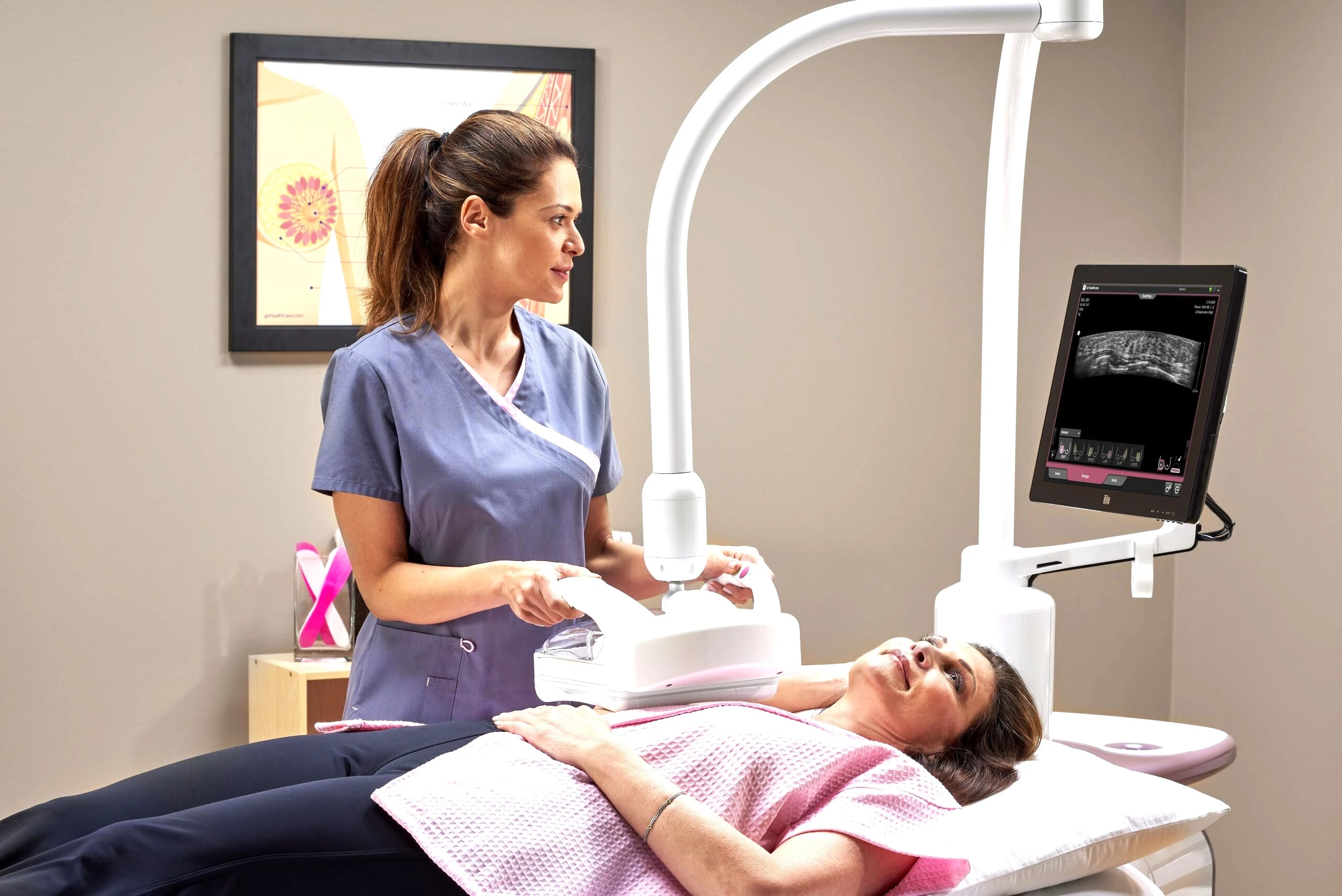
Breast ultrasound (also called breast sonography) uses a handheld transducer to send high-frequency sound waves through breast tissue. The echoes create real-time images that reveal the internal structure of the breast, distinguishing between solid masses and fluid-filled cysts — a distinction that mammography alone often cannot make.
A breast ultrasound can identify and characterise solid masses (fibroadenomas, cancerous tumours), fluid-filled cysts (simple, complex, or complicated), areas of architectural distortion, lymph node abnormalities in the axillary region, and blood flow within suspicious lesions using Doppler technology. Unlike mammography and CT, breast ultrasound uses no ionising radiation, making it safe for use during pregnancy, breastfeeding, and in situations requiring frequent imaging follow-up.
Breast Ultrasound vs Mammogram: Which Do You Need?
Mammography remains the gold standard for routine breast cancer screening. However, breast ultrasound serves as an essential complementary tool in specific clinical scenarios. Understanding when each modality is most valuable helps you and your doctor make the right imaging decision.
| Feature | Breast Ultrasound | Mammogram |
|---|---|---|
| Radiation | None (sound waves only) | Low-dose X-rays |
| Best for | Dense breasts, lumps, cysts, young women | Routine screening, calcifications, fatty breasts |
| Sensitivity (overall) | 67–87% | 55–87% |
| Sensitivity (dense breasts) | 57–85% | 24–62% |
| Detects calcifications | Limited | Excellent |
| Differentiates cyst vs solid | Excellent | Poor |
| Safe during pregnancy | Yes | No (radiation exposure) |
| Procedure time | 15–30 minutes | 10–15 minutes |
| Cost at DCDC | From AED 399 | From AED 250 |
Breast ultrasound versus mammogram comparison
The key clinical principle: mammography is the screening tool, ultrasound is the supplemental and diagnostic tool. In many cases, both are used together for the most complete assessment. Neither test replaces the other.
When to Get a Breast Ultrasound in Dubai
Your doctor may recommend a breast ultrasound in the following situations, each supported by established clinical guidelines from the American College of Radiology (ACR) and international breast imaging societies.
- Dense breast tissue: If your mammogram shows ACR density category C or D, supplemental ultrasound significantly improves cancer detection
- Palpable lump: Any breast lump that you or your doctor can feel should be evaluated with ultrasound to determine if it is solid or cystic
- Mammogram finding requiring clarification: An area of concern on mammogram that needs further characterisation
- Women under 30: Ultrasound is typically the first-line imaging tool for breast concerns in younger women
- Pregnancy or breastfeeding: When breast imaging is needed during pregnancy or lactation, ultrasound avoids radiation exposure
- Breast implant evaluation: Ultrasound can assess implant integrity and surrounding tissue
- Biopsy guidance: Ultrasound provides real-time guidance for needle biopsies of suspicious lesions
- Post-treatment monitoring: Following breast cancer treatment, ultrasound monitors the treated area for recurrence
For a complete overview of breast cancer screening options including mammography, BRCA testing, and MRI, see our breast cancer screening guide.
Breast Ultrasound for Dense Breasts: Why It Matters
Breast density refers to the proportion of fibroglandular tissue versus fatty tissue in the breast. Approximately 40–50% of women have dense breasts (ACR categories C and D). Dense tissue appears white on mammography — the same colour as cancerous tumours — effectively masking cancers and reducing mammography's sensitivity from 87% in fatty breasts to as low as 48% in extremely dense breasts.
A landmark meta-analysis published in The Lancet Oncology found that adding breast ultrasound to mammography in women with dense breasts detects 2–3 additional cancers per 1,000 women screened that mammography alone would miss. Seven of 14 international screening guidelines now recommend ultrasound as the preferred supplemental screening modality for women with dense breast tissue.
In the UAE, where breast cancer is the most common cancer among women (accounting for approximately 38% of all female cancers according to the National Cancer Registry), supplemental screening for dense breasts is particularly relevant. If your mammogram report mentions ACR density category C or D, discuss supplemental ultrasound with your doctor.
Breast Ultrasound Procedure: What to Expect
A breast ultrasound is a quick, painless, and non-invasive procedure. Here is what happens during your appointment at DCDC:
- Preparation: No special preparation is needed. Avoid applying deodorant, lotion, or powder to your chest area on the day of the scan.
- Positioning: You will lie on your back or side on the examination table. Your arm on the side being scanned will be raised above your head.
- Scanning: The sonographer applies warm gel to the breast and moves a small transducer across the skin, capturing images in real time. Both breasts and the armpit area (axilla) are typically scanned.
- Duration: The scan takes 15–30 minutes depending on the complexity and whether both breasts are examined.
- Results: At DCDC, images are reviewed by a subspecialty radiologist and a report is typically available on the same day.
The procedure involves no radiation, no needles, and no compression of the breast (unlike mammography). Most women find breast ultrasound significantly more comfortable than mammography.
Understanding Your Breast Ultrasound Results: BI-RADS Explained
Breast imaging results in Dubai and worldwide are reported using the BI-RADS (Breast Imaging Reporting and Data System) classification, developed by the American College of Radiology. This standardised system ensures consistent communication between radiologists and referring physicians.
| BI-RADS Category | Assessment | Cancer Risk | Recommended Action |
|---|---|---|---|
| 0 | Incomplete | N/A | Additional imaging needed (mammogram or MRI) |
| 1 | Negative | Essentially 0% | Continue routine screening |
| 2 | Benign finding | Essentially 0% | Continue routine screening (e.g., simple cyst) |
| 3 | Probably benign | ≤2% | Short-term follow-up in 6 months |
| 4 | Suspicious | 2–95% | Biopsy recommended |
| 5 | Highly suggestive of malignancy | >95% | Biopsy required |
| 6 | Known cancer | Confirmed | Treatment planning and monitoring |
BI-RADS classification system for breast imaging results
If your breast ultrasound returns a BI-RADS 1 or 2 result, no further action is needed beyond routine screening. A BI-RADS 3 finding requires a follow-up scan in 6 months to confirm stability. BI-RADS 4 or 5 findings require tissue sampling (biopsy) to rule out or confirm malignancy. To learn about the warning signs that should prompt you to seek breast imaging, read our article on early signs of breast cancer.
Book Your Breast Ultrasound at DCDC
From AED 399. Same-day specialist report. Female sonographers available upon request.
Call +971 56 403 3528 or WhatsApp to book
Breast Ultrasound Cost in Dubai: 2026 Price Comparison
Breast ultrasound costs in Dubai vary by facility and whether a consultation is bundled. At DCDC, breast ultrasound starts from AED 399 with a specialist-reported result included.
| Service | DCDC Price | Dubai Market Range |
|---|---|---|
| Breast ultrasound (bilateral) | From AED 399 | AED 350–800 |
| Mammogram (for comparison) | From AED 250 | AED 250–900 |
| Combined mammogram + ultrasound | From AED 600 | AED 600–1,500 |
| Breast MRI (for comparison) | From AED 1,500 | AED 1,500–4,000 |
| Ultrasound-guided biopsy | From AED 1,200 | AED 1,000–3,000 |
Breast imaging costs in Dubai (2026)
DCDC accepts direct billing with over 20 major insurance providers. Breast ultrasound is covered by most plans when ordered by a physician for a clinical indication such as a palpable lump, abnormal mammogram finding, or dense breast tissue. Self-pay patients receive transparent pricing with no additional consultation fees.
Breast Ultrasound vs Breast MRI: When Is MRI Needed?
Breast MRI provides the highest sensitivity of any breast imaging modality (over 95%) but is significantly more expensive (from AED 1,500) and requires contrast injection. It is reserved for specific high-risk scenarios:
- Women with BRCA1/BRCA2 gene mutations or a lifetime breast cancer risk above 20%
- Staging known breast cancer to assess extent of disease
- Evaluating breast implant integrity when ultrasound is inconclusive
- Screening in women who received chest radiation between ages 10 and 30
- Inconclusive mammogram and ultrasound findings that require further characterisation
For most women, breast ultrasound combined with mammography provides comprehensive assessment without the higher cost and contrast requirements of MRI. For details on when breast MRI may be appropriate, see our guide on breast MRI in Dubai.
Breast Ultrasound for Women Under 40
For women under 30, breast ultrasound is typically the first-line imaging tool when a breast concern arises. Younger women generally have denser breast tissue, which makes mammography less effective, and the lower baseline risk of breast cancer at this age means the radiation exposure from mammography is less justified. The American College of Radiology recommends ultrasound as the initial imaging study for women under 30 presenting with a palpable breast lump.
For women between 30 and 39, the approach depends on clinical context. A targeted ultrasound may be sufficient for evaluating a simple concern, while mammography may be added if the ultrasound reveals a suspicious finding. Women in this age group with a strong family history of breast cancer (particularly first-degree relatives diagnosed before age 50) should discuss personalised screening strategies with their doctor, which may include earlier mammography or even breast MRI.
In the UAE, where the median age of breast cancer diagnosis is approximately 49 years — significantly younger than the global median of 62 — awareness of breast imaging options for younger women is especially important. If you notice any changes in your breast tissue, do not wait for routine screening age. A breast ultrasound provides a quick, painless, and radiation-free first assessment.
Breast Screening Recommendations in Dubai: DHA and International Guidelines
Breast cancer screening recommendations vary by organisation, but the core principle remains consistent: early detection saves lives. The five-year survival rate for breast cancer detected at stage I is over 98%, compared to approximately 30% for stage IV disease.
| Organisation | Mammogram Start Age | Ultrasound Recommendation |
|---|---|---|
| Dubai Health Authority (DHA) | Age 40, annually | Supplemental for dense breasts |
| American Cancer Society | Age 40-44 (optional), 45+ (annually) | For high-risk women who cannot have MRI |
| American College of Radiology | Age 40, annually | Recommended for women with dense breasts |
| WHO | Age 50-69 (biennial in limited-resource settings) | Not addressed as universal recommendation |
| ACOG | Age 40, annually or biennially | Consider for dense breasts after discussion |
Breast cancer screening guideline comparison (2026)
Regardless of which guideline your doctor follows, breast self-awareness is recommended for all women from age 20. Know what is normal for your breasts and report any changes — new lumps, skin dimpling, nipple discharge, or persistent pain — promptly. For a detailed guide on mammogram scheduling, see our article on mammogram cost and options in Dubai.
Why Choose DCDC for Breast Ultrasound in Dubai?
- Subspecialty radiologists: All breast ultrasounds are interpreted by radiologists experienced in breast imaging
- High-resolution equipment: Our transducers operate at 12+ MHz, meeting the latest ACR standards for breast imaging
- Same-day results: Radiologist reports typically available within hours of your scan
- Female sonographers available: Request a female technician when booking for your comfort
- Integrated care: If biopsy is needed, ultrasound-guided biopsy is available on-site
- Competitive pricing: Breast ultrasound from AED 399 with no hidden fees
- Insurance accepted: Direct billing with 20+ major Dubai insurance providers
Schedule Your Breast Screening Today
Breast ultrasound from AED 399. Combined mammogram and ultrasound packages available. DHCC Building 64.
WhatsApp +971 56 403 3528 for same-week appointments
Verwandte Leistungen im DCDC
Fachkundige Betreuung und moderne Diagnostik in Dubai Healthcare City
Frequently Asked Questions
Final Thoughts
Breast ultrasound is an essential tool in modern breast imaging, offering radiation-free evaluation that is particularly valuable for women with dense breast tissue, breast lumps, and those requiring imaging during pregnancy. While mammography remains the primary screening tool, ultrasound provides complementary diagnostic information that improves cancer detection and reduces unnecessary biopsies.
At DCDC in Dubai Healthcare City, breast ultrasound starts from AED 399 with same-day specialist reporting. Whether you need a standalone evaluation or combined screening with mammography, our experienced radiology team delivers accurate results in a comfortable, patient-centred environment. Book your scan today by calling +971 56 403 3528 or messaging us on WhatsApp.
Quellen und Referenzen
Dieser Artikel wurde von unserem medizinischen Team überprüft und bezieht sich auf folgende Quellen:
- American College of Radiology - ACR Appropriateness Criteria: Breast Imaging
- American Cancer Society - Breast Ultrasound
- NHS UK - Breast Screening: Types of Tests
- WHO - Breast Cancer Fact Sheet
- Lancet Oncology - Supplemental Ultrasound Screening for Women with Dense Breasts
Medizinische Inhalte auf dieser Website werden von DHA-lizenzierten Ärzten überprüft. Siehe unsere redaktionelle Richtlinien für weitere Informationen.

Verfasst von
Dr. Osama Elzamzami
Diagnostic Radiologist
MD, FRCR
Dr. Osama Elzamzami is a Diagnostic Radiologist at Doctors Clinic Diagnostic Center (DCDC) in Dubai Healthcare City.
Related Articles
Mammogram Cost Dubai: AED 250–900
Breast Cancer Screening: Mammogram & BRCA Guide
10 Early Signs of Breast Cancer to Watch For
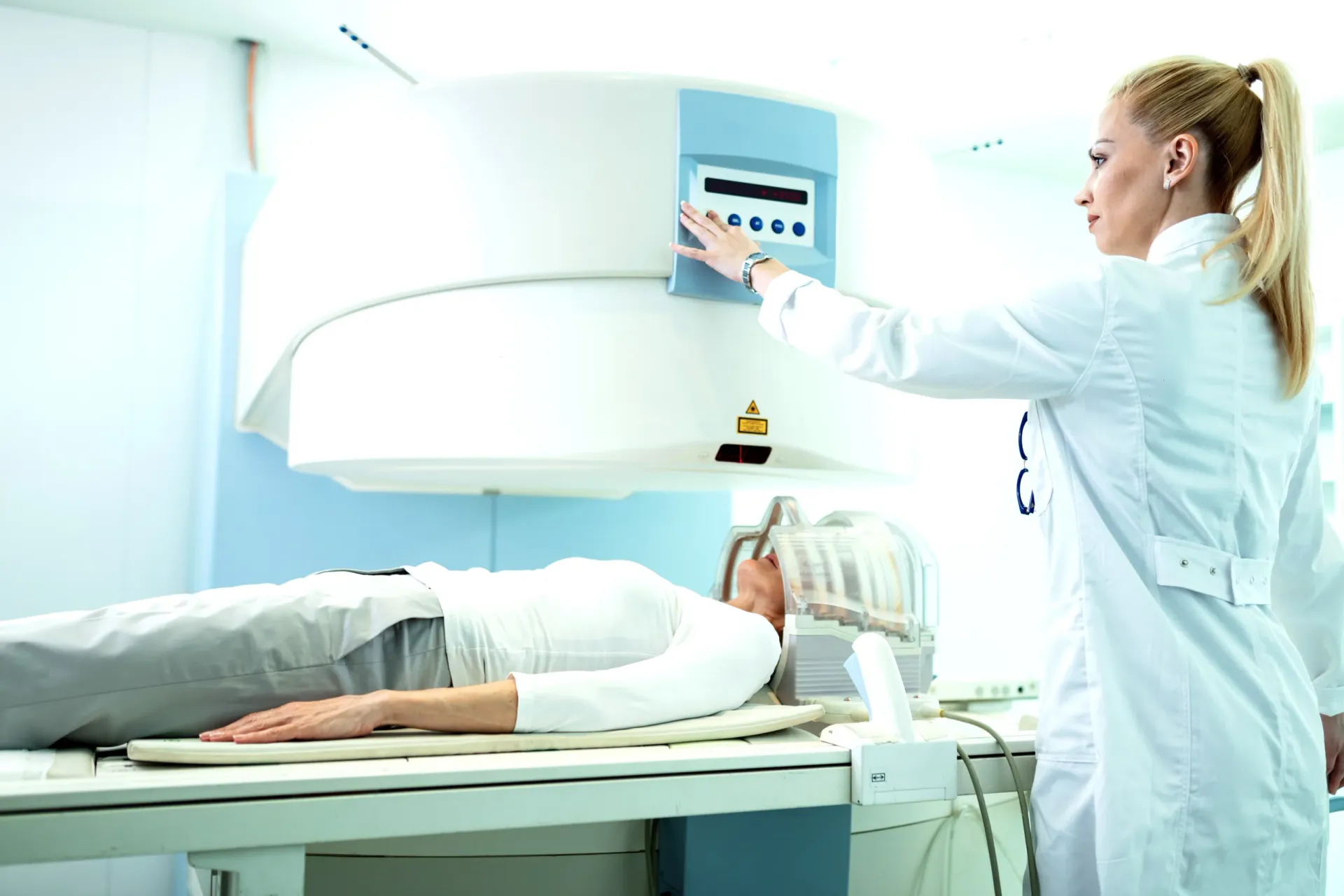
Breast MRI Dubai: When You Need It Beyond Mammogram
More in Diagnostic Imaging
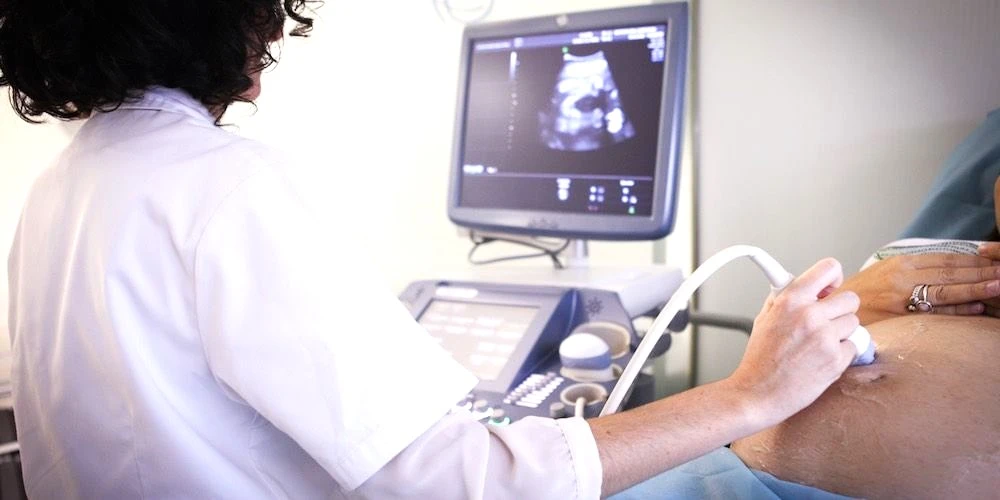
Ultrasound at Home Dubai: From AED 599 (2026)
Weiterlesen
Neck MRI Dubai: What It Shows & Cost (2026)
Weiterlesen
X-Ray Scan Dubai: Complete Guide (2026)
Weiterlesen
MRI vs Ultrasound Dubai: Which Scan? (2026)
Weiterlesen
MRI vs X-Ray Dubai: Which Scan Do You Need? (2026)
Weiterlesen
Kidney Ultrasound vs CT Dubai: Which Test? (2026)
Weiterlesen© 2026 Doctors Clinic Diagnostic Center (DCDC), Dubai Healthcare City. Originally published at https://doctorsclinicdubai.ae/blog/breast-ultrasound-dubai. All rights reserved. Unauthorized reproduction is prohibited.