
Book Your Appointment
Verified Patient Reviews of DCDC Diagnostic Center in Dubai
Verified reviews and real patient stories from Dubai Healthcare City
I'm very satisfied with this medical clinic. I had my first pregnancy screening here. It was affordable and very professional. The radiologist was welcoming, kind, and made the experience great.
Aizhan Tokmanbetova
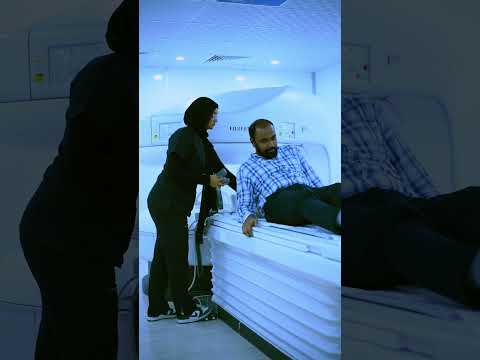
Hurt my knee Friday night and got an MRI appointment Sunday evening (booked Sunday afternoon). Waited about 2 minutes and was done in just over 30 minutes. The team was amazing, friendly and efficient.
Kirsten Evans
Dr. Osama's team was gentle and amazing. After a bad experience elsewhere, my pelvic exam here was much more professional. Great report and very precise.
Mary


Kidney Transplant Consultation in Dubai: Post Transplant Care & Follow Up
Pre and Post-Operative Support

Thorough Assessment
Pre-transplant readiness and matching
Protect New Kidney
Immunosuppression and rejection surveillance
Lifelong Support
Ongoing infection prevention and wellness
A kidney transplant changes life but needs careful, lifelong management. If you are looking for the best kidney transplant care in Dubai, our team at Doctors Clinic Diagnostic Center in Dubai Healthcare City supports kidney transplant recipients through evaluation, surgery coordination, and ongoing post-operative care with comprehensive follow-up services.
We conduct pre-transplant assessments, optimize medical fitness, and coordinate with transplant centers at our kidney transplant care clinic in Dubai. After surgery, we provide transplant nephrology through our nephrologist DCDC team to monitor kidney function, manage immunosuppressive medications, screen for rejection, and prevent infections.
Located , supporting transplant recipients from across the UAE at our DHCC clinic near Wafi, we offer same-day transplant follow-up slots when available. Patients searching for a kidney doctor near me for post-transplant monitoring will find expert nephrologists with transparent consultation cost. Capacity is limited, so book early for comprehensive kidney care. Our goal is to safeguard your graft and keep you healthy and active for the long-term.
Dubai serves as a regional hub for patients who have received kidney transplants abroad and require ongoing specialist follow-up care locally. Many transplant recipients in the UAE have had their surgeries performed in countries such as India, Pakistan, Iran, or Egypt and need seamless continuation of their post-transplant monitoring and immunosuppression management. Our nephrologists are experienced in coordinating care across international transplant programs, reviewing surgical records, adjusting immunosuppressive protocols, and providing the consistent monitoring that is essential for long-term graft survival and patient health.
Post-transplant care extends far beyond immunosuppression management. Transplant recipients face increased risks of cardiovascular disease, diabetes, infections, and certain cancers due to chronic immunosuppressive therapy. Our comprehensive approach includes cardiovascular risk assessment, metabolic monitoring for new-onset diabetes after transplant (NODAT), cancer screening protocols tailored to immunosuppressed patients, bone density monitoring, and vaccination guidance considering the patient's altered immune status. This holistic management strategy addresses the full spectrum of post-transplant health needs rather than focusing solely on graft function.
Thorough Assessment
Pre-transplant readiness and matching
Protect New Kidney
Immunosuppression and rejection surveillance
Lifelong Support
Ongoing infection prevention and wellness
Kidney Transplant Consultation in Dubai: Post Transplant Care & Follow Up
Pre and Post-Operative Support
A kidney transplant changes life but needs careful, lifelong management. If you are looking for the best kidney transplant care in Dubai, our team at Doctors Clinic Diagnostic Center in Dubai Healthcare City supports kidney transplant recipients through evaluation, surgery coordination, and ongoing post-operative care with comprehensive follow-up services.
We conduct pre-transplant assessments, optimize medical fitness, and coordinate with transplant centers at our kidney transplant care clinic in Dubai. After surgery, we provide transplant nephrology through our nephrologist DCDC team to monitor kidney function, manage immunosuppressive medications, screen for rejection, and prevent infections.
Located , supporting transplant recipients from across the UAE at our DHCC clinic near Wafi, we offer same-day transplant follow-up slots when available. Patients searching for a kidney doctor near me for post-transplant monitoring will find expert nephrologists with transparent consultation cost. Capacity is limited, so book early for comprehensive kidney care. Our goal is to safeguard your graft and keep you healthy and active for the long-term.
Dubai serves as a regional hub for patients who have received kidney transplants abroad and require ongoing specialist follow-up care locally. Many transplant recipients in the UAE have had their surgeries performed in countries such as India, Pakistan, Iran, or Egypt and need seamless continuation of their post-transplant monitoring and immunosuppression management. Our nephrologists are experienced in coordinating care across international transplant programs, reviewing surgical records, adjusting immunosuppressive protocols, and providing the consistent monitoring that is essential for long-term graft survival and patient health.
Post-transplant care extends far beyond immunosuppression management. Transplant recipients face increased risks of cardiovascular disease, diabetes, infections, and certain cancers due to chronic immunosuppressive therapy. Our comprehensive approach includes cardiovascular risk assessment, metabolic monitoring for new-onset diabetes after transplant (NODAT), cancer screening protocols tailored to immunosuppressed patients, bone density monitoring, and vaccination guidance considering the patient's altered immune status. This holistic management strategy addresses the full spectrum of post-transplant health needs rather than focusing solely on graft function.

Dr. Manish Tripathi
Explore Our Services
Comprehensive kidney transplant care services at DCDC Dubai Healthcare City.
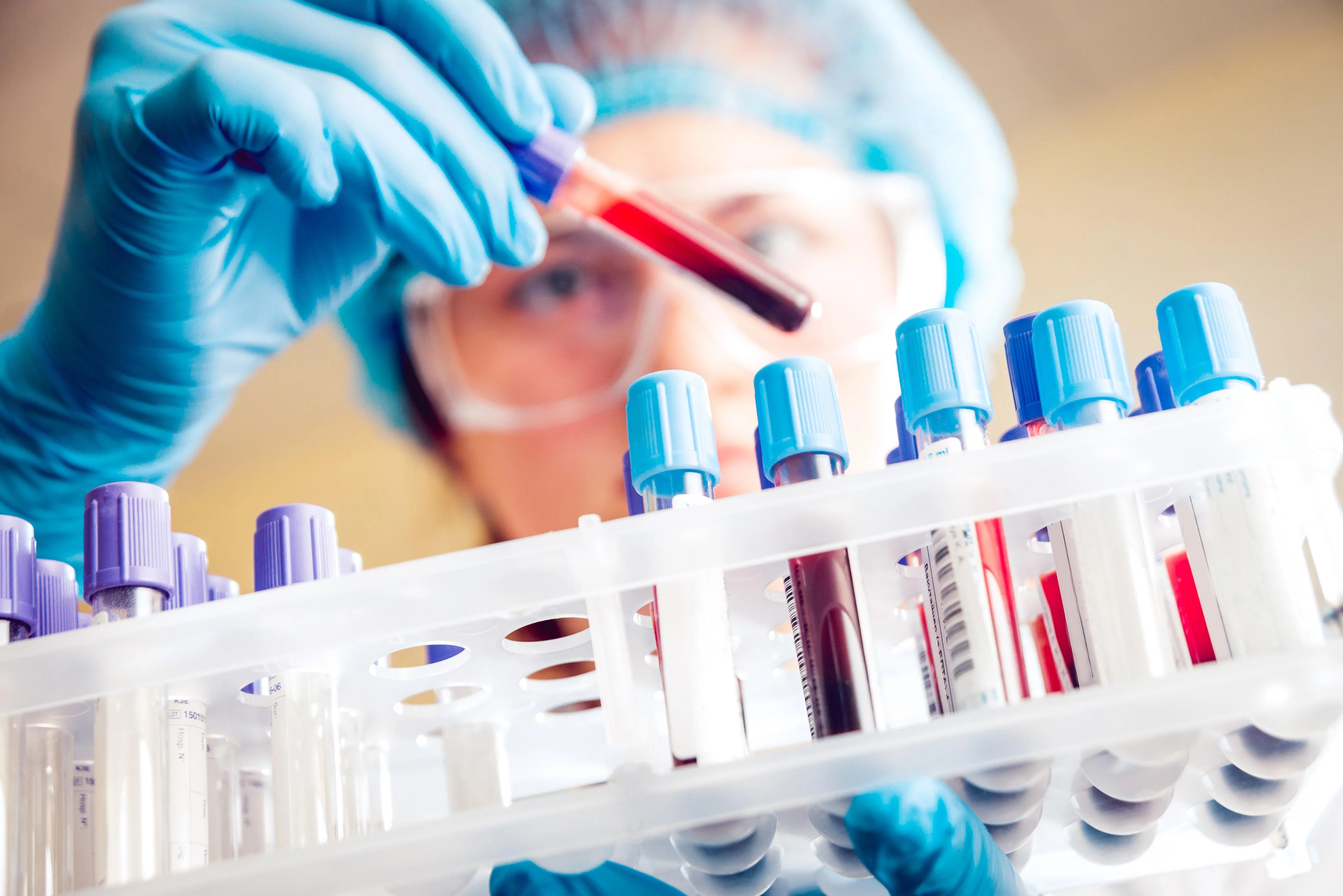


All services performed by DHA-licensed specialists
Who Should Get Kidney Transplant Care?
Specialized care is essential before and after a kidney transplant, and for donors.
Patients with End-Stage Renal Disease (ESRD)
Potential kidney transplant recipients
Potential living kidney donors
Post-transplant patients (recent or long-term)
Patients experiencing transplant complications
Transplant recipients with rising creatinine levels suggesting possible rejection
Why Choose DCDC for Kidney Transplant Care?
MOHAP-licensed nephrology clinic in our facility providing pre-transplant readiness, coordinated care, and vigilant post-transplant follow-up. Same-day slots often available; limited capacity.
MOHAP Licensed
Licensed facility in DHCC (MOHAP license NIMY7VY5-240925) with strict standards.
Transplant Expertise
Nephrologists experienced in pre and post-transplant management.
Same-Day Follow-Up
Same-day follow-up slots when available; urgent labs prioritized.
Medication Safety
Immunosuppression monitoring and drug interaction checks.
Rejection Prevention
Close surveillance with labs and clinical review.
Prime DHCC Location
Building 64, Block A, our center with easy access and parking.
Your Comfortable Visit
A simple, step-by-step Kidney scan process designed for comfort, speed, and accuracy.
Kidney Transplant Follow-up Fees
Kidney pricing in Dubai varies by service type and insurance coverage for various service types.
- Pricing varies by scan type and whether contrast is required
- Insurance coverage accepted with referral and verification
- Transparent self-pay rates available with instant quote on request
Insurance verification in minutes • No hidden fees • Fast response on WhatsApp
Patient Guide
What to Expect During Transplant Care
Coordinated pre-transplant readiness and vigilant post-transplant monitoring with clear communication to your transplant center.
Insurance & Location
Insurance Partners
- •20+ insurance providers in Dubai including Daman, AXA, ADNIC, and others
- •Pre-authorization support and direct billing (where applicable)
- •Coverage verification before your appointment at our Dubai Healthcare City clinic
- •Transparent pricing with no hidden fees for kidney transplant care services








Visit Us in Dubai Healthcare City
Doctors Clinic Diagnostic Center
Building 64, Block A, Al Razi Medical Complex, Dubai Healthcare City, Dubai, UAE
Near Oud Metha Road · Easy access from Bur Dubai, Downtown Dubai, Business Bay · Free dedicated parking available
Working Hours
Mon-Thu, Sat: 8AM - 10:30PM | Sun: 8:30AM - 10:30PM | Fri: 9AM - 10PM
How Insurance Works at DCDC
Check Coverage
Verify your plan covers Kidney Transplant Care
Get a Referral
Some insurers require a GP referral — we can guide you
Pre-Authorization
We handle pre-auth directly with your insurer
Direct Billing
No upfront payment — we bill your insurer directly
Co-Pay Only
You only pay any applicable co-pay at the clinic
Check Coverage
Verify your plan covers Kidney Transplant Care
Get a Referral
Some insurers require a GP referral — we can guide you
Pre-Authorization
We handle pre-auth directly with your insurer
Direct Billing
No upfront payment — we bill your insurer directly
Co-Pay Only
You only pay any applicable co-pay at the clinic
Your Specialist
Dr. Manish Tripathi
Specialist Nephrologist
MD, Specialist Nephrologist
English · Hindi
Patient Guide
Understanding Kidney Transplant Care: A Complete Guide
Kidney transplantation is widely recognized as the optimal treatment for end-stage renal disease, offering superior survival rates and quality of life compared to long-term dialysis. A successful transplant restores near-normal kidney function, eliminates the need for dialysis sessions, allows greater dietary and fluid freedom, and enables patients to return to work and active life. However, a kidney transplant is not a cure but rather an exchange of one chronic condition (kidney failure) for another (immunosuppression management). Understanding this distinction is essential for transplant recipients to appreciate why lifelong medical follow-up and medication adherence are absolutely non-negotiable requirements for long-term success.
Immunosuppressive therapy forms the cornerstone of post-transplant care. The standard regimen typically includes a calcineurin inhibitor (most commonly tacrolimus), an antiproliferative agent (usually mycophenolate mofetil), and corticosteroids (prednisolone). Tacrolimus requires regular blood level monitoring because its therapeutic window is narrow: levels that are too low risk rejection, while levels that are too high cause nephrotoxicity, diabetes, tremors, and other side effects. Drug interactions are numerous and must be carefully managed, as common medications including certain antibiotics, antifungals, and even grapefruit juice can dramatically alter tacrolimus levels. Our nephrologists are experienced in the complex pharmacology of immunosuppressive regimens and make adjustments based on clinical response, drug levels, and individual patient factors.
The long-term complications of kidney transplantation extend beyond graft rejection and require comprehensive medical surveillance. Cardiovascular disease is the leading cause of death in transplant recipients, driven by a combination of pre-existing risk factors, immunosuppression-related metabolic effects, and chronic inflammation. New-onset diabetes after transplant affects up to thirty percent of recipients and requires proactive screening and management. Skin cancer risk increases significantly due to chronic immunosuppression, making regular dermatological screening and sun protection essential, particularly in Dubai's intense UV environment. Bone disease from pre-transplant kidney failure combined with corticosteroid use necessitates bone density monitoring and treatment. Our holistic approach addresses all these aspects of post-transplant health rather than focusing solely on kidney function.
For the expatriate population in Dubai, transplant care presents unique logistical challenges. Many patients received their transplants in their home countries or other medical tourism destinations and require seamless transition of care to a local nephrologist. This transition must be handled carefully to avoid gaps in immunosuppression monitoring, missed screening tests, and medication errors. Our clinic serves as a trusted local anchor for post-transplant follow-up, maintaining communication with international transplant centres, reviewing and optimizing immunosuppressive protocols, and providing the regular surveillance testing that is essential for early detection of rejection, infection, and metabolic complications. We understand the importance of clear documentation and communication in ensuring continuity of care across international medical systems.
Transplant Conditions We Manage
Acute Rejection
Sudden immune attack on the transplanted kidney requiring urgent immunosuppression escalation.
Chronic Allograft Nephropathy
Gradual decline in transplant function over months to years from multiple causes.
BK Virus Nephropathy
Viral reactivation in immunosuppressed patients causing graft damage and dysfunction.
CMV Infection
Cytomegalovirus reactivation requiring antiviral treatment and immunosuppression adjustment.
Calcineurin Inhibitor Toxicity
Kidney damage from tacrolimus or cyclosporine requiring dose optimization.
New-Onset Diabetes (NODAT)
Diabetes developing after transplant due to immunosuppressive medication effects.
Related Articles
Kidney Health Prevention Tips
Essential guidance on protecting kidney function and preventing disease progression in transplant recipients.
Hypertension: The Silent Killer
Understanding blood pressure management after kidney transplant and its impact on graft survival.
Diabetes Management in Dubai
How to manage new-onset diabetes after transplant and protect your transplanted kidney.
Vitamin D Deficiency in Dubai
The importance of vitamin D supplementation for bone health in post-transplant patients.
Related Services
Explore other diagnostic and consultation services available at our Dubai Healthcare City clinic.
Frequently Asked Questions
Common questions about Kidney Transplant Care in Dubai.
No, we do not perform kidney transplant surgery at our clinic. The transplant operation itself is carried out at specialized transplant centres with dedicated surgical teams and intensive care facilities. Our role at DCDC is to provide comprehensive pre-transplant evaluation to ensure you are medically fit for surgery, including cardiac assessment, infection screening, immunological testing, and cancer screening. After your transplant, we provide ongoing post-operative care including immunosuppression management, graft function monitoring, and long-term health maintenance. We coordinate closely with transplant centres both locally and internationally to ensure seamless care transitions and consistent communication about your treatment plan.
Follow-up frequency depends on how recently you received your transplant and how stable your graft function is. In the first three months after surgery, visits are typically weekly to monitor graft function, adjust immunosuppression dosing, and screen for early rejection or infection. From three to six months, appointments may be scheduled every two to four weeks. Between six and twelve months, monthly visits are typical. After the first year, stable patients usually require visits every two to three months. However, lifelong monitoring is essential because late rejection, medication side effects, and chronic allograft nephropathy can develop years after transplantation. Any sudden change in creatinine, urine output, or general health warrants an urgent review regardless of scheduled appointments.
Immunosuppressants are medications that reduce your immune system's ability to recognize and attack the transplanted kidney, preventing rejection. Most transplant recipients take a combination of drugs including a calcineurin inhibitor (tacrolimus or cyclosporine), an antimetabolite (mycophenolate mofetil or azathioprine), and corticosteroids (prednisolone). Each drug targets a different part of the immune response, and together they provide effective rejection prevention. These medications require careful dosing because levels that are too low risk rejection, while levels that are too high increase infection and toxicity risks. Regular blood level monitoring (particularly tacrolimus or cyclosporine trough levels) ensures optimal dosing. You must take these medications exactly as prescribed, at the same time each day, for as long as you have your transplant.
Most kidney transplant recipients enjoy a significantly improved quality of life compared to dialysis. You can return to work, exercise, travel, and participate in most activities. Many patients describe feeling like a different person once they are free from dialysis schedules. However, some adjustments are necessary. You must take immunosuppressive medications consistently and attend regular follow-up appointments. Sun protection is important due to increased skin cancer risk from immunosuppression. Food safety precautions help prevent infections, including avoiding undercooked meats, unpasteurized dairy, and high-risk foods. Moderate exercise is encouraged and beneficial for cardiovascular health. With proper care and monitoring, transplant recipients can lead full, active, and productive lives for many years.
Transplant rejection occurs when your immune system recognizes the donated kidney as foreign and mounts an attack against it. Signs that may indicate rejection include a rise in serum creatinine levels detected through blood tests, decreased urine output, fever, tenderness or swelling over the transplant site (usually in the lower abdomen), fatigue, and general malaise. However, many episodes of rejection, particularly in the early stages, produce no noticeable symptoms at all, which is why regular blood monitoring is absolutely essential. Acute rejection can occur at any time but is most common in the first year. Chronic rejection develops gradually over months to years. Early detection through surveillance blood tests allows prompt treatment with increased immunosuppression or anti-rejection therapy, which can often save the graft.
The lifespan of a transplanted kidney depends on several factors including whether the donor was living or deceased, the quality of the donor kidney, immunological matching, adherence to medications, and ongoing medical care. On average, kidneys from living donors function for fifteen to twenty years, while deceased donor kidneys typically last ten to fifteen years. However, individual outcomes vary significantly. Some transplants function for over thirty years, while others may fail earlier due to rejection, recurrent disease, or chronic allograft nephropathy. Maintaining optimal blood pressure, avoiding nephrotoxic medications, taking immunosuppressants consistently, and attending regular follow-up appointments are the most important factors within your control to maximize graft longevity.
Transplant recipients face increased infection risk due to immunosuppressive medications. Different infections tend to occur at different time periods after transplant. In the first month, surgical wound infections and hospital-acquired infections are most common. Between one and six months, opportunistic infections such as cytomegalovirus (CMV), BK polyomavirus, pneumocystis pneumonia, and fungal infections are the greatest concern. After six months, community-acquired infections like respiratory infections and urinary tract infections predominate. Preventive strategies include prophylactic antibiotics and antivirals in the early post-transplant period, regular screening for CMV and BK virus, updated vaccinations (using only inactivated vaccines), food safety measures, and avoiding exposure to sick contacts. Prompt evaluation of any fever or infection symptoms is essential to prevent serious complications.
Vaccination is an important part of post-transplant health, but there are critical restrictions. Live vaccines, including MMR (measles, mumps, rubella), varicella (chickenpox), live influenza nasal spray, and BCG, are strictly contraindicated because they could cause active infection in immunosuppressed patients. Inactivated vaccines including influenza injection, pneumococcal, hepatitis B, and COVID-19 vaccines are safe and recommended. Ideally, all vaccinations should be updated before transplantation when your immune response is stronger. After transplant, vaccine responses may be reduced due to immunosuppression, but vaccination still provides meaningful protection. Our nephrologists coordinate with your healthcare team to ensure your vaccination schedule is appropriate and up to date while respecting immunosuppression-related restrictions.
Key Facts
Medical Review & Oversight
All services are provided under the supervision of licensed medical professionals in our MOHAP-accredited facility.