Key Takeaways
- Smoking damages virtually every organ in the body, increasing the risk of lung cancer, COPD, heart attack, stroke, and at least 15 other cancers, and is the single largest preventable cause of death worldwide
- Cigarettes are not the only concern: shisha, dokha (midwakh), and e-cigarettes all carry significant health risks, which is especially relevant in the UAE where waterpipe and alternative tobacco use is widespread
- Health benefits of quitting begin within 20 minutes (blood pressure normalises) and compound over years, with heart disease risk halving within one year and lung cancer risk halving after roughly ten years
- Evidence-based quit methods include nicotine replacement therapy (patches, gum, lozenges), prescription medications (varenicline, bupropion), and behavioural counselling, with the best outcomes seen when methods are combined
- A GP consultation is the most effective first step: your doctor can assess smoking-related damage, order relevant blood work and imaging, and build a personalised quit plan tailored to your history and triggers
- At DCDC in Dubai Healthcare City, GP consultation, blood tests, ECG, and chest imaging can all be completed in a single visit, giving you a clear picture of where your health stands and a structured path forward
Whether you smoke five cigarettes a day or share a shisha once a week, the health effects of tobacco are cumulative and far-reaching, touching your lungs, heart, brain, immune system, skin, and nearly every other part of your body. The encouraging reality is that quitting at any age produces measurable health gains, and modern cessation support makes the process significantly more manageable than willpower alone. This guide covers the organ-by-organ damage smoking causes, the recovery timeline once you stop, evidence-based strategies for quitting, and what a smoking cessation assessment looks like at our clinic. If you are ready to take the first step, our General Consultation service at DCDC offers same-day appointments in Dubai Healthcare City.
Tobacco use kills more than 8 million people every year worldwide, according to the World Health Organization, making it the leading preventable cause of death globally. In the UAE, where cigarette smoking, shisha, dokha, and e-cigarettes all have significant prevalence, understanding the full spectrum of harm is the first step toward change. This is not a scare-tactics list but a factual, organ-by-organ walkthrough of what smoking does, followed by practical, evidence-backed guidance on how to stop.
How Smoking Affects Your Body: An Organ-by-Organ Breakdown
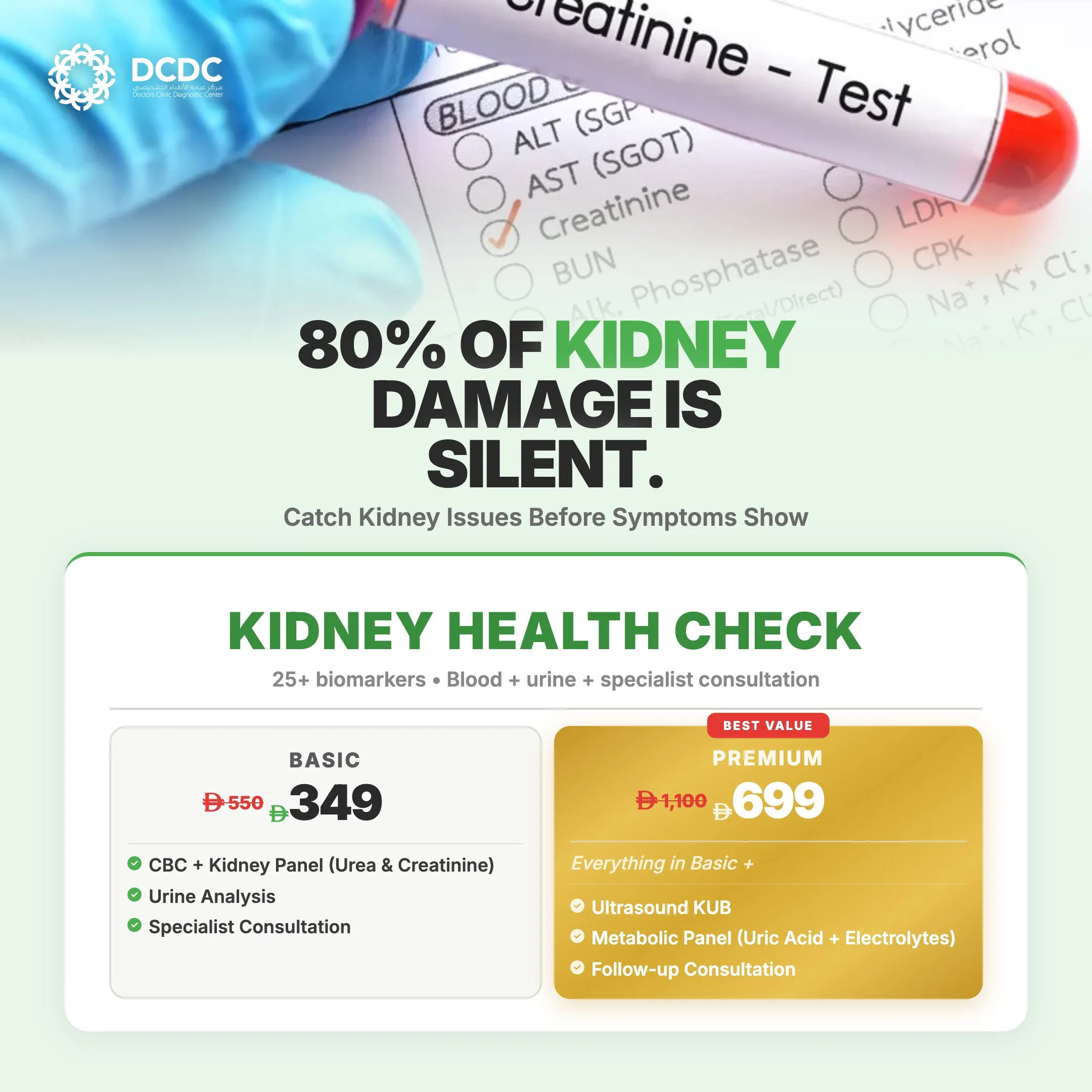
Cigarette smoke contains more than 7,000 chemicals, of which at least 70 are known carcinogens. Every inhalation delivers these chemicals into your lungs and, from there, into your bloodstream, where they reach virtually every organ. The damage is not limited to the respiratory system; it is systemic and cumulative.
Lungs and Respiratory System
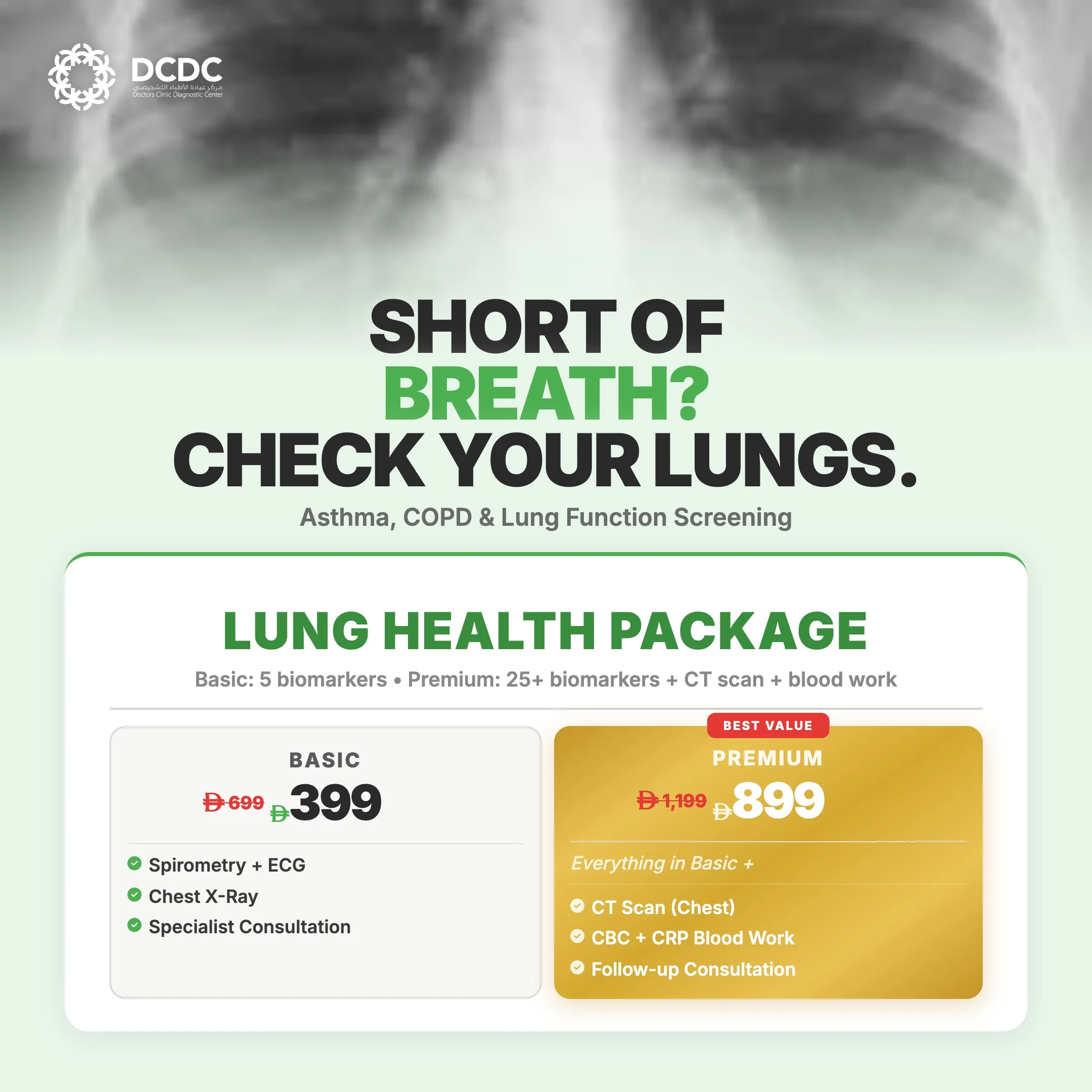
The lungs absorb the heaviest burden. Smoking damages the cilia, the tiny hair-like structures that sweep mucus and debris out of the airways, leading to mucus build-up, chronic cough, and recurrent chest infections. Over years, this progresses to chronic bronchitis and emphysema, collectively known as chronic obstructive pulmonary disease (COPD). Smokers are 12 to 13 times more likely to die from COPD than non-smokers, according to the CDC.
Lung cancer is the most well-known consequence, and smoking accounts for approximately 80 to 90 percent of lung cancer deaths. The risk is dose-dependent: the more pack-years (packs per day multiplied by years smoked), the higher the risk. Smoking also worsens existing conditions such as asthma, increases the frequency of chronic cough, and can be an underlying factor in unexplained shortness of breath.
Heart and Blood Vessels
Smoking is a major independent risk factor for cardiovascular disease. Nicotine raises heart rate and blood pressure, while carbon monoxide reduces the oxygen-carrying capacity of the blood. Chemical components of smoke damage the endothelium (the inner lining of blood vessels), accelerating atherosclerosis, the build-up of fatty plaques that narrows arteries.
The result is a substantially elevated risk of heart attack, stroke, peripheral arterial disease, and aortic aneurysm. Smokers are two to four times more likely to develop coronary heart disease than non-smokers, according to the American Heart Association. Even light or social smoking, as few as one to four cigarettes per day, meaningfully increases cardiovascular risk. If you are a current or former smoker with cardiovascular concerns, a heart checkup can establish your baseline risk.
Brain and Nervous System
Nicotine is a highly addictive substance that alters brain chemistry by stimulating dopamine release, which creates the cycle of craving and temporary relief that makes quitting difficult. Beyond addiction, smoking doubles the risk of ischaemic stroke by promoting blood clot formation and narrowing the cerebral arteries. Emerging research also links long-term smoking to faster cognitive decline and an increased risk of dementia.
Immune System
Smoking impairs both innate and adaptive immune responses. Smokers are more susceptible to respiratory infections such as pneumonia and influenza, take longer to recover from illness, and experience slower wound healing. Chronic smoking also promotes systemic inflammation, which is a driver behind many of the diseases associated with tobacco use, from cardiovascular disease to certain cancers.
Mouth, Throat, and Digestive System
Smoking significantly increases the risk of cancers of the mouth, throat (pharynx and larynx), oesophagus, stomach, pancreas, and colon. It is also a leading cause of gum disease (periodontitis) and tooth loss, and it worsens gastro-oesophageal reflux disease (GORD). Smokers are roughly twice as likely to develop stomach ulcers, and the damage to the pancreas elevates the risk of type 2 diabetes by 30 to 40 percent.
Skin, Eyes, and Bones
Smoking accelerates skin ageing by reducing blood flow and damaging collagen and elastin, leading to premature wrinkles, particularly around the mouth and eyes. It increases the risk of age-related macular degeneration, cataracts, and bone density loss (osteoporosis), especially in post-menopausal women. Smokers are also at higher risk of poor surgical outcomes and delayed fracture healing.
Reproductive Health
In women, smoking reduces fertility, increases the risk of ectopic pregnancy, placental complications, and premature birth, and contributes to earlier menopause. In men, smoking is a significant risk factor for erectile dysfunction due to its effect on blood vessel health, and it reduces sperm count and quality. Exposure to second-hand smoke during pregnancy raises the risk of low birth weight, sudden infant death syndrome (SIDS), and childhood respiratory problems.
Other Cancers Linked to Smoking
Beyond lung cancer, smoking is a confirmed or contributing cause of cancers of the bladder, kidney, liver, cervix, and acute myeloid leukaemia. The International Agency for Research on Cancer (IARC) lists tobacco smoking as a Group 1 carcinogen for at least 15 cancer sites. Quitting at any age reduces, though does not eliminate, these elevated risks.
Smoking in the UAE: Cigarettes, Shisha, and Vaping
While global smoking rates have been declining, the UAE faces specific challenges related to the diversity of tobacco products used. Cigarettes remain the most common form, but shisha (waterpipe), dokha smoked through a midwakh pipe, and e-cigarettes are all widely used, each carrying its own risk profile.
- Overall prevalence: Estimates suggest that tobacco use among adult men in the UAE is in the range of 20 to 30 percent, with considerably lower rates among women, though female smoking is believed to be underreported. A 2025 Abu Dhabi premarital screening study found an overall prevalence of 14.6 percent, with rates declining from 19.1 percent pre-COVID to 13.5 percent post-COVID
- Shisha and waterpipe: A single shisha session can involve inhaling the equivalent smoke volume of 100 or more cigarettes, although the toxicant profile differs. Regular shisha smoking is a recognised risk factor for lung cancer, COPD, and cardiovascular disease. Many users underestimate the risk because water filtration creates a false sense of safety
- Dokha (midwakh): Dokha is a concentrated tobacco blend smoked in small pipes that delivers a high nicotine dose in a single inhalation. It is particularly popular among young men in the UAE, with some studies reporting prevalence rates above 20 percent among male adolescents
- E-cigarettes and vaping: While some evidence suggests e-cigarettes may help existing smokers transition away from combustible tobacco, they are not harmless. They still deliver nicotine and other chemicals, and their long-term health effects remain uncertain. In the UAE, e-cigarettes are regulated, and their use among non-smokers, particularly younger adults, is a growing public health concern
The UAE government has taken active steps against tobacco use, including graphic warning labels, public smoking bans, excise tax (100 percent on tobacco products), and expanded cessation clinic services through the Emirates Health Services (EHS), Dubai Health Authority (DHA), and the Ministry of Health and Prevention (MOHAP). Free cessation support is available at many public health centres across the country.
Concerned About Smoking-Related Health Effects?
Book a General Consultation at DCDC in Dubai Healthcare City. We can assess your current health status, order relevant blood work and imaging on the same day, and discuss a personalised quit plan.
WhatsApp: +971 50 970 3884 | Call: +971 54 219 5008
Health Benefits of Quitting: A Recovery Timeline
One of the most powerful motivators for quitting is understanding how quickly your body begins to repair itself. The recovery timeline below is based on data from the World Health Organization, the NHS, and the American Cancer Society. Every milestone is available to anyone who quits, regardless of how long or how heavily they have smoked.
| Time After Last Cigarette | What Happens in Your Body |
|---|---|
| 20 minutes | Heart rate and blood pressure begin to drop back toward normal levels |
| 8 to 12 hours | Carbon monoxide levels in the blood fall to normal; oxygen levels rise to healthy values |
| 24 to 48 hours | Nerve endings start to regrow; sense of taste and smell begin to improve noticeably |
| 2 to 12 weeks | Circulation improves and lung function increases, making walking and exercise easier |
| 1 to 9 months | Coughing and shortness of breath decrease as cilia regain function and clear mucus more effectively |
| 1 year | Risk of coronary heart disease drops to roughly half that of a continuing smoker |
| 5 years | Risk of stroke falls to near that of a non-smoker; risk of cancers of the mouth, throat, and oesophagus is halved |
| 10 years | Risk of dying from lung cancer drops to roughly half that of a current smoker; risk of bladder, kidney, and pancreatic cancer also decreases |
| 15 years | Risk of coronary heart disease approaches that of someone who has never smoked |
Quit-smoking recovery timeline based on WHO, NHS, and American Cancer Society data
The first 72 hours are often the hardest because nicotine withdrawal symptoms (irritability, anxiety, difficulty concentrating, increased appetite) peak during this window. After two to four weeks, withdrawal symptoms begin to ease considerably. Every day smoke-free is a measurable step forward.
Evidence-Based Ways to Quit Smoking
Quitting smoking is one of the single best things you can do for your health, but it is also genuinely difficult because nicotine is a powerfully addictive substance. The good news is that evidence-based methods significantly improve success rates compared to quitting unaided. A Cochrane review of cessation interventions found that combining medication with behavioural support produces the best long-term outcomes.
Nicotine Replacement Therapy (NRT)
NRT delivers controlled, lower doses of nicotine without the thousands of harmful chemicals in cigarette smoke, helping to manage cravings and withdrawal symptoms while you break the behavioural habit. Available forms include skin patches (which provide steady background nicotine), gum, lozenges, inhalers, and nasal sprays. NRT is available over the counter at pharmacies in the UAE and is considered safe for most adults. It roughly doubles the chances of quitting successfully compared to going without any support.
Prescription Medications
For smokers with heavier dependence, your doctor may recommend prescription medications such as varenicline (which reduces nicotine cravings and the pleasure of smoking) or bupropion (an antidepressant that also reduces withdrawal symptoms). These medications have strong evidence supporting their effectiveness and can be used alone or in combination with NRT. They require a medical consultation because dosing, contraindications, and side effects need to be assessed individually. Your GP at DCDC can evaluate whether prescription cessation medication is appropriate for your situation.
Behavioural Counselling and Support
Behavioural counselling, whether in-person, by phone, or through a structured programme, helps you identify triggers, develop coping strategies, and build accountability. Even brief counselling from a GP during a routine visit has been shown to improve quit rates. More intensive options include group therapy, individual cognitive behavioural therapy (CBT), and structured cessation programmes. The UAE government provides free cessation counselling at DHA and MOHAP health centres across Dubai and the northern emirates.
Digital Tools and Apps
Smartphone apps and text-message programmes have been shown to improve quit rates in randomised trials. They provide daily motivation, craving-management tips, progress tracking, and community support. While they are not a replacement for medical support in heavily dependent smokers, they can be a useful complement to NRT or medication. Look for apps that are evidence-based rather than purely commercial.
Cold Turkey vs Gradual Reduction
Some smokers prefer to set a quit date and stop abruptly (cold turkey), while others gradually reduce their daily cigarette count over weeks before stopping entirely. Research suggests that abrupt cessation may have a slight edge in long-term success rates, but the best method is the one you can sustain. Many people combine gradual reduction with NRT to manage the transition. Your GP can help you decide which approach suits your smoking pattern and level of dependence.
What to Expect at DCDC: Your Smoking Cessation Assessment
A structured medical assessment is the most effective starting point for quitting, because it addresses both the behavioural and physical dimensions of smoking. At Doctors Clinic Diagnostic Center (DCDC), located in Building 64, Block A, Al Razi Medical Complex, Dubai Healthcare City, the process is designed to be thorough and efficient.
Step 1: GP Consultation and Smoking History
Your appointment begins with a detailed consultation with Dr. Hadeel Elnur or another GP. This covers your full smoking history (type of tobacco, pack-years, previous quit attempts, triggers), your current symptoms, and any existing health conditions. The GP assesses your level of nicotine dependence using validated tools and discusses the quit methods best suited to your situation. GP consultation starts from AED 249.
Step 2: Health Risk Assessment and Diagnostics
Depending on your smoking history and symptoms, the GP may order same-day tests to assess the damage smoking has done and establish your baseline health. Available on-site diagnostics include:
- Blood tests: CBC (from AED 149), lipid profile (from AED 199), CRP for systemic inflammation (from AED 149), and liver function panel with enzymes (from AED 449) to screen for metabolic and organ-level effects of smoking
- ECG: On-site electrocardiogram to screen for heart rhythm abnormalities or signs of cardiovascular strain
- Chest X-ray: To evaluate lung structure and rule out visible masses or signs of chronic lung disease
- HRCT lung scan: High-resolution CT from AED 600, recommended for long-term heavy smokers to screen for early emphysema or lung nodules
- Echocardiogram and treadmill stress test: If cardiovascular risk is elevated, the GP may refer you to our on-site cardiology team for echocardiogram and stress testing in the same visit
Because DCDC houses consultation, laboratory, radiology, and cardiology under one roof, most patients complete their entire initial assessment, consultation, blood work, ECG, and imaging, in a single visit, with lab results typically available the same day or within 24 hours.
Step 3: Personalised Quit Plan
Based on your assessment results and personal circumstances, your doctor builds a quit plan. This may include NRT, a referral for prescription medication if appropriate, trigger-management strategies, a follow-up schedule, and coordination with our cardiology consultation team (from AED 250) or other specialists if smoking-related conditions are identified. The goal is a realistic, supported roadmap rather than a generic instruction to stop.
Step 4: Follow-Up and Ongoing Support
Quitting is a process, not a single event. Follow-up consultations allow your GP to monitor withdrawal management, adjust medication if needed, repeat key lab markers to track improvement, and address any relapses without judgement. Many patients find that seeing measurable improvement in blood work or lung function provides powerful reinforcement to stay quit.
| Service at DCDC | Estimated Cost |
|---|---|
| GP consultation (smoking cessation assessment) | From AED 249 |
| Health checkup package | From AED 249 |
| Cardiology consultation | From AED 250 |
| CBC blood test | From AED 149 |
| Lipid profile | From AED 199 |
| CRP (inflammation marker) | From AED 149 |
| Liver function panel (with enzymes) | From AED 449 |
| HRCT chest scan | From AED 600 |
Estimated costs for smoking-related health assessments at DCDC Dubai Healthcare City
DCDC works with 20+ insurance partners and offers direct billing, so check with reception about your specific plan's coverage for cessation-related consultations and diagnostics. The clinic is open Saturday to Thursday from 8 AM to 10 PM and Friday from 9 AM to 9 PM, with free dedicated parking on-site.
Ready to Start Your Quit Journey?
Book a General Consultation at DCDC in Dubai Healthcare City. Dr. Hadeel Elnur and the team can assess your smoking history, run same-day diagnostics, and help you build a personalised quit plan that works.
WhatsApp: +971 50 970 3884 | Call: +971 54 219 5008
Tips for Staying Smoke-Free
Quitting is an achievement; staying quit is the longer game. Most former smokers attempt to quit several times before succeeding permanently, so a lapse is not a failure but a learning opportunity. The following strategies are backed by cessation research and the experience of long-term ex-smokers.
- Identify and manage your triggers: Common triggers include stress, social situations (especially shisha gatherings), coffee, alcohol, and boredom. Plan specific alternatives for each trigger before they arise
- Tell people you are quitting: Social accountability improves success rates. Let family, friends, and colleagues know so they can support you and avoid offering cigarettes or shisha
- Keep NRT accessible: If you are using patches, gum, or lozenges, keep them within arm's reach during the first few weeks so you can respond to a craving immediately
- Stay physically active: Exercise reduces withdrawal symptoms and cravings, improves mood, and helps manage the weight gain that some people experience after quitting. Even a brisk 10-minute walk can blunt a craving
- Avoid "just one" thinking: A single cigarette after quitting dramatically increases the likelihood of a full relapse. The safest number of cigarettes after your quit date is zero
- Manage stress without tobacco: Develop replacement coping mechanisms such as deep breathing, short walks, or mindfulness techniques. Stress is the number-one reason people relapse
- Change your environment: Remove ashtrays, lighters, and remaining cigarettes from your home, car, and office. Clean fabrics and surfaces to remove the smell of smoke, which can trigger cravings
- Celebrate milestones: Mark your progress at 24 hours, one week, one month, and beyond. The recovery timeline is real, and each milestone represents measurable health improvement
- Seek help early if you relapse: If you slip, contact your GP rather than giving up on the quit attempt entirely. Adjusting your medication or support strategy promptly can get you back on track
Second-Hand Smoke: Protecting the People Around You
Second-hand smoke exposure is responsible for an estimated 1.3 million premature deaths per year globally, according to the WHO. There is no safe level of second-hand smoke. Non-smoking adults exposed to it have a 25 to 30 percent higher risk of coronary heart disease and a 20 to 30 percent higher risk of lung cancer. Children exposed to second-hand smoke face increased rates of asthma, ear infections, sudden infant death syndrome, and lower respiratory infections.
In the UAE, smoking is prohibited in enclosed public spaces, but exposure in the home and in private vehicles remains a significant concern. Quitting does not only benefit your own health; it directly reduces the health risk for your family members, especially children, pregnant partners, and elderly relatives.
Related Services at DCDC
Expert care and advanced diagnostics at Dubai Healthcare City
General Consultation
GP consultation for smoking cessation assessment and personalised quit plan.
Book AppointmentHealth Checkup
Comprehensive health screening to assess smoking-related damage.
Book AppointmentCardiology Consultation
Heart health assessment for current and former smokers.
Book AppointmentFrequently Asked Questions
Final Thoughts
Smoking is the single most modifiable risk factor for premature death and chronic disease, and quitting is one of the most impactful health decisions you will ever make. The damage is real, but so is the recovery. Within minutes of your last cigarette, your body begins to heal, and the benefits compound for years after you stop.
You do not have to do it alone. Modern cessation support, from nicotine replacement therapy to prescription medication to structured counselling, makes quitting significantly more achievable than going cold turkey without guidance. A GP consultation is the most practical first step: it gives you a clear picture of where your health stands and a personalised plan to move forward.
At DCDC in Dubai Healthcare City, you can complete your smoking cessation assessment, blood work, ECG, and any needed imaging in a single visit (rated 4.8/5 from 1,000+ verified Google reviews). If you are ready, or even if you are just thinking about it, book a General Consultation or reach out on WhatsApp at +971 50 970 3884. The best time to quit was years ago. The second best time is today.
Sources & References
This article references the following sources:
- World Health Organization - Tobacco Fact Sheet
- Centers for Disease Control and Prevention - Health Effects of Cigarette Smoking
- American Heart Association - Smoking and Cardiovascular Disease
- NHS - What Happens When You Quit Smoking
- American Cancer Society - Benefits of Quitting Smoking Over Time
- Cochrane Library - Nicotine Replacement Therapy for Smoking Cessation
- Cochrane Library - Combined Pharmacotherapy and Behavioural Interventions for Smoking Cessation
- Tobacco Smoking Patterns in the Emirate of Abu Dhabi - Frontiers in Public Health (2025)
- International Agency for Research on Cancer (IARC) - Tobacco Smoke and Involuntary Smoking, Monograph Vol 83
- Emirates Health Services - Anti-Smoking Awareness and Prevention Programmes
This information is educational and does not replace individual medical advice. See our editorial policy for more information.

Written by
Dr. Hadeel Elnur
General Practitioner
MD, General Practice
Dr. Hadeel Elnur is a General Practitioner at Doctors Clinic Diagnostic Center (DCDC) in Dubai Healthcare City.
Related Articles

COPD Symptoms & Management Dubai
Asthma Symptoms & Management Dubai
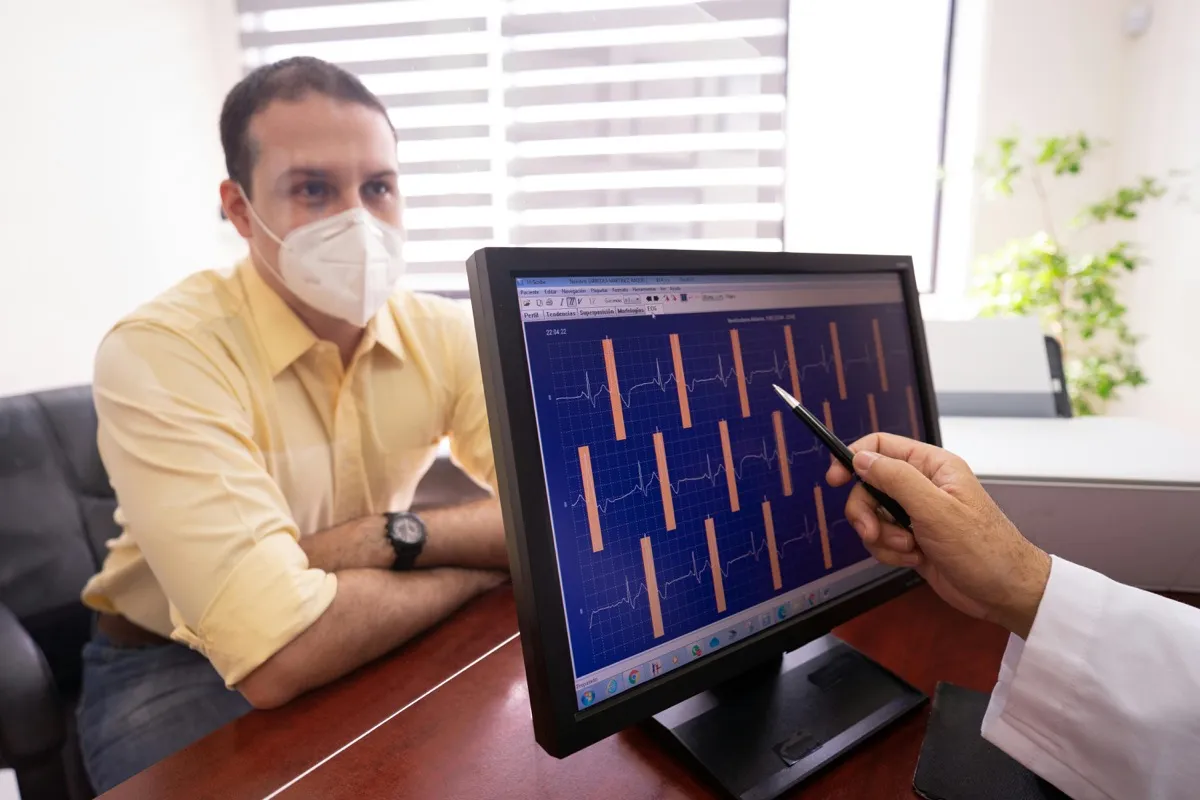
Heart Checkup Dubai
Chronic Cough: When to Worry
Shortness of Breath Causes Dubai
© 2026 Doctors Clinic Diagnostic Center (DCDC), Dubai Healthcare City. Originally published at https://doctorsclinicdubai.ae/blog/smoking-effects-quit-tips-dubai. All rights reserved. Unauthorized reproduction is prohibited.