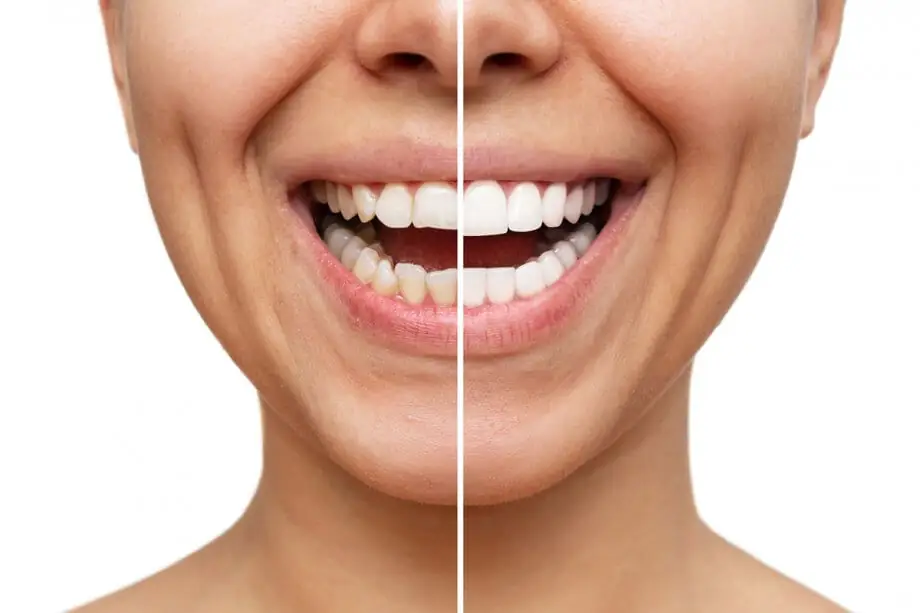
Key Takeaways
- Porcelain veneers cost AED 1,000-3,500 per tooth in Dubai and last 10-20 years, while composite veneers cost AED 500-1,500 and last 5-7 years with proper maintenance
- Porcelain veneers offer superior stain resistance, translucency, and colour stability compared to composite, making them the gold standard for cosmetic smile makeovers
- Composite veneers can be completed in a single visit with minimal or no tooth preparation, making them an ideal choice for patients seeking a reversible, budget-friendly option
- E-max porcelain veneers achieve a 96.81% ten-year survival rate according to published clinical research, while composite veneers typically require repair or replacement within 5-7 years
- At DCDC in Dubai Healthcare City, Hollywood Smile veneers start from AED 800 per tooth, with Digital Smile Design technology to preview results before treatment begins
- Both veneer types require consistent oral hygiene and regular dental check-ups, but porcelain veneers demand significantly less ongoing maintenance due to their stain-resistant ceramic surface
- Lumineers and no-prep veneers offer ultra-thin porcelain options (0.2-0.3 mm) with minimal or no tooth reduction for eligible candidates
- A hybrid approach using porcelain on visible front teeth and composite on less visible teeth can reduce costs by 20-30% while maintaining excellent aesthetics
Choosing between porcelain and composite veneers is one of the most important decisions you will make when planning a Hollywood Smile in Dubai. Both materials can transform your teeth, but they differ significantly in cost, longevity, aesthetics, and the amount of tooth preparation required. Porcelain veneers are the gold standard for long-lasting cosmetic results, while composite veneers offer a faster, more affordable path to an improved smile. This guide provides a detailed, side-by-side comparison to help you make an informed choice based on your goals, budget, and dental health.
With Dubai's booming cosmetic dentistry industry and hundreds of clinics offering veneers, understanding the differences between materials, techniques, and pricing is more important than ever. This guide goes beyond surface-level comparisons to cover E-max vs traditional porcelain, Lumineers and no-prep options, detailed cost breakdowns per tooth and for full smiles, candidacy requirements, maintenance protocols, and the before-and-after expectations you should have.
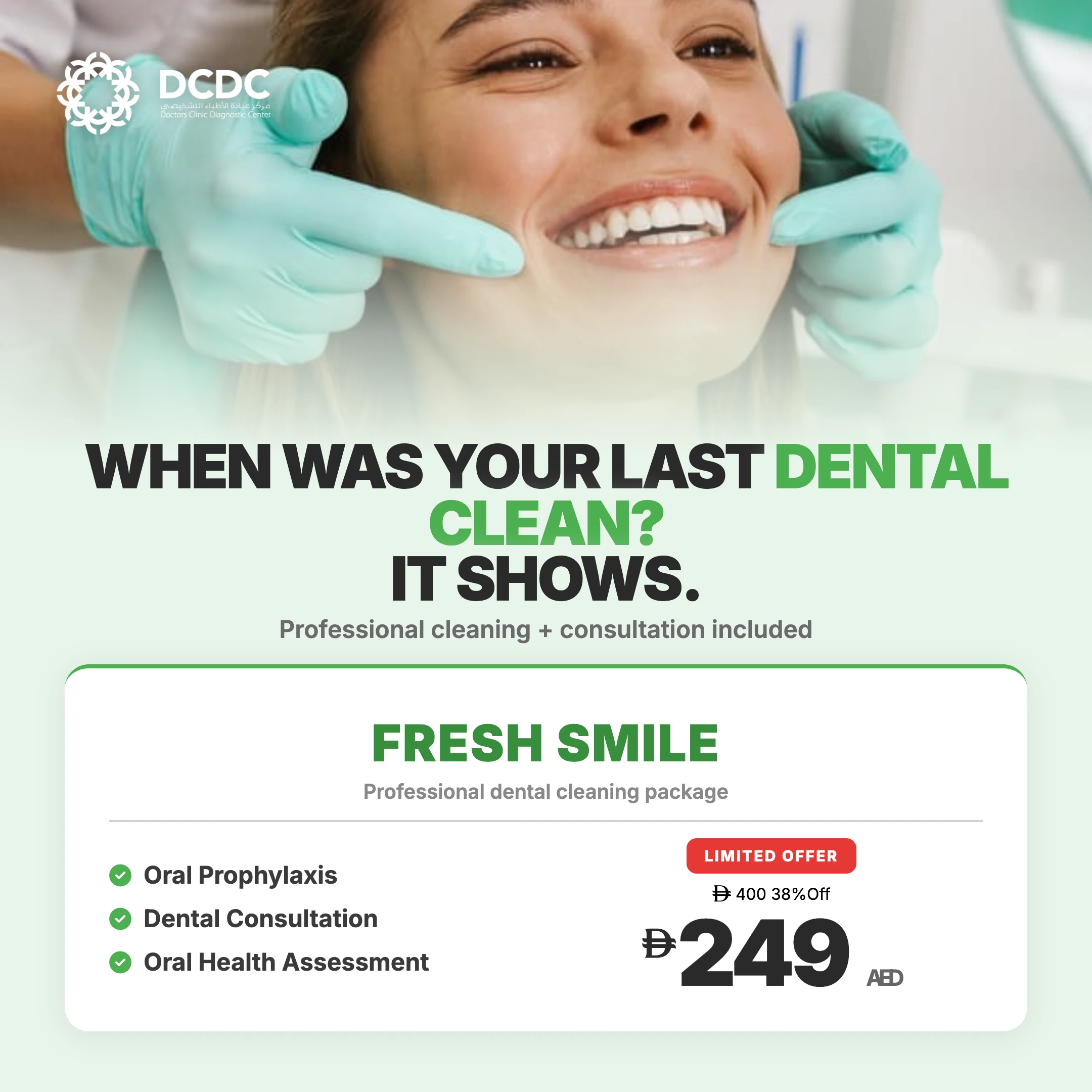

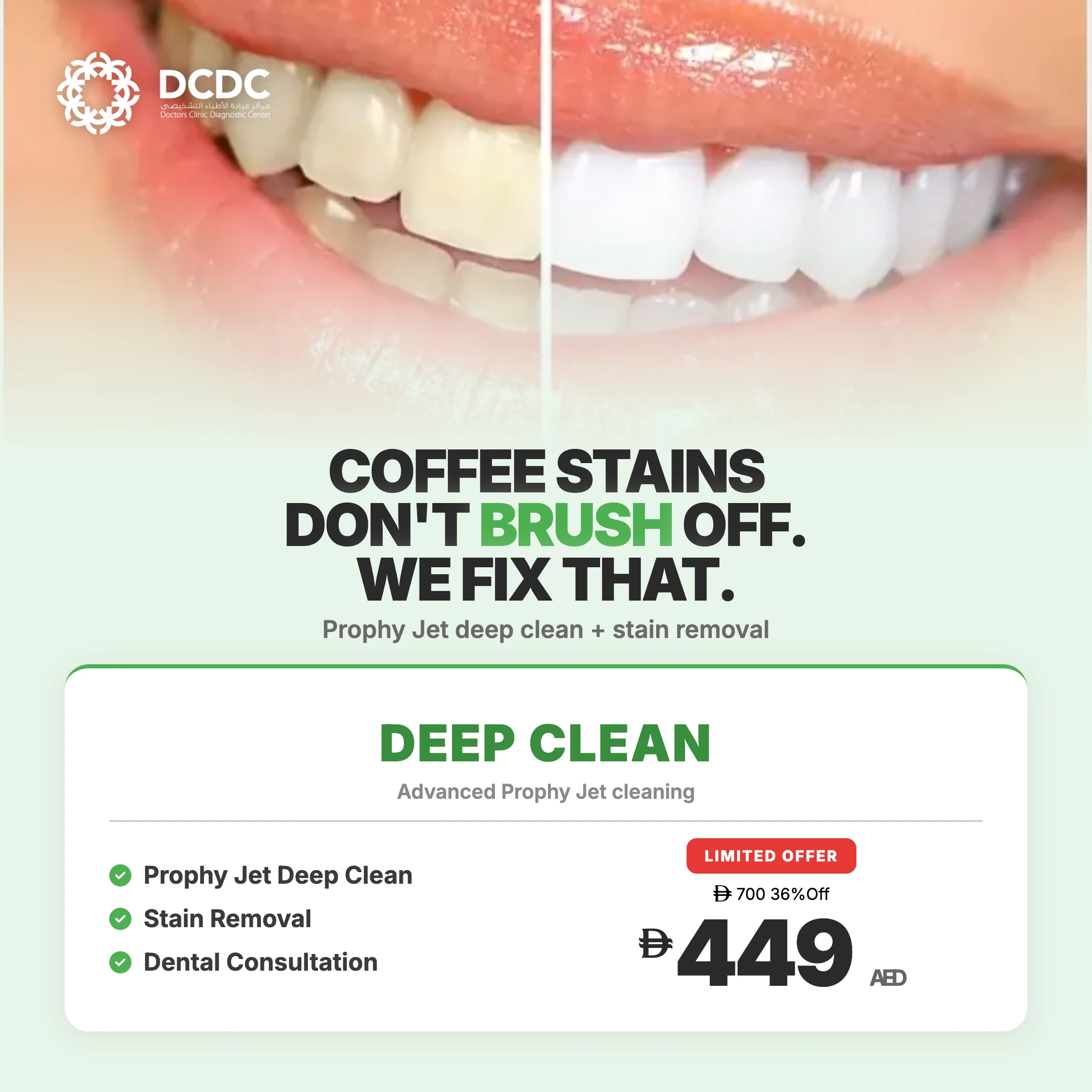
What Are Dental Veneers?
Dental veneers are thin, custom-made shells designed to cover the front surface of your teeth. They correct a wide range of cosmetic concerns including discolouration, chips, cracks, gaps, minor misalignment, and uneven tooth shapes. Veneers have become one of the most popular cosmetic dental treatments in Dubai, driven by the city's emphasis on personal presentation and the availability of advanced dental technology.
The two main categories of veneers are porcelain (indirect) and composite (direct). Porcelain veneers are fabricated in a dental laboratory from ceramic materials such as lithium disilicate (E-max) or zirconia, then bonded to your teeth in a subsequent appointment. Composite veneers are sculpted directly onto your teeth using tooth-coloured resin in a single visit. Each approach has distinct advantages, and understanding the differences is essential to making the right choice for your smile.
According to a systematic review published in the Journal of Clinical Medicine, porcelain laminate veneers demonstrate a cumulative ten-year survival rate of 95.5% and a twenty-year survival rate of 83%, placing them among the most durable cosmetic dental restorations available. Composite veneers, while shorter-lived, have improved considerably with modern bonding techniques and nano-filled resin materials that offer better wear resistance than earlier generations.
Porcelain vs Composite Veneers: Detailed Comparison
The table below summarises every factor that matters when choosing between porcelain and composite veneers. Use this as a comprehensive reference before reading the detailed breakdowns that follow.
| Factor | Porcelain Veneers | Composite Veneers |
|---|---|---|
| Material | Ceramic (E-max lithium disilicate or zirconia) | Tooth-coloured composite resin |
| Fabrication | Custom-made in dental laboratory | Sculpted directly on teeth chairside |
| Cost per tooth (AED) | 1,000-3,500 | 500-1,500 |
| Full smile (8-10 teeth, AED) | 8,000-35,000 | 4,000-15,000 |
| Appointments needed | 2-3 visits over 1-2 weeks | Usually 1 visit (same day) |
| Aesthetics / Translucency | Superior -- mimics natural enamel light transmission | Good -- less translucent, slightly flatter appearance |
| Stain resistance | Excellent -- highly stain-resistant ceramic glaze | Moderate -- absorbs pigments from coffee, tea, wine over time |
| Durability / Lifespan | 10-20 years with proper care | 5-7 years before repair or replacement |
| Tooth preparation required | 0.3-0.7 mm enamel removal | Minimal to none |
| Reversibility | Irreversible (enamel removed permanently) | Potentially reversible (minimal enamel removal) |
| Repairability | Chipped veneers usually need full replacement | Easily repaired, reshaped, or re-polished chairside |
| Colour stability | Maintains shade permanently -- no yellowing | Gradually darkens or yellows over 3-5 years |
| Flexural strength | E-max: 400-500 MPa; Zirconia: 1,000+ MPa | 120-180 MPa |
| Best suited for | Full smile makeovers, maximum aesthetics, long-term investment | Budget-conscious patients, single-tooth fixes, trial runs, younger patients |
Comprehensive porcelain vs composite veneers comparison. Individual results vary based on case complexity, material choice, and dentist expertise.
What Are Porcelain Veneers?
Porcelain veneers are wafer-thin ceramic shells custom-fabricated in a dental laboratory and permanently bonded to the front surfaces of your teeth. They are widely regarded as the gold standard in cosmetic dentistry due to their ability to replicate the natural translucency, colour depth, and light-reflecting properties of tooth enamel.
E-max vs Traditional Porcelain vs Zirconia
Not all porcelain veneers are created equal. The three main porcelain materials used in Dubai clinics offer different advantages depending on your clinical situation.
| Material | Composition | Translucency | Strength (MPa) | Minimum Thickness | Best For | Cost Per Tooth (AED) |
|---|---|---|---|---|---|---|
| E-max (lithium disilicate) | Glass-ceramic by Ivoclar Vivadent | Excellent -- closest to natural enamel | 400-500 | 0.3 mm | Front teeth where aesthetics are paramount | 1,500-3,500 |
| Zirconia | Zirconium dioxide ceramic | Good -- newer formulations improved translucency | 1,000+ | 0.5 mm | Patients who grind teeth; posterior teeth; maximum durability | 1,200-3,000 |
| Feldspathic porcelain | Traditional glass-based ceramic | Excellent -- highly customisable | 60-70 | 0.5 mm | Maximum aesthetic customisation by skilled ceramist | 1,500-3,500 |
Porcelain veneer materials compared. E-max is the most popular choice for front teeth in Dubai due to its combination of aesthetics and strength.
E-max veneers, manufactured by Ivoclar Vivadent, offer exceptional translucency and can be fabricated as thin as 0.3 mm, allowing for minimal tooth preparation. Clinical research published in BMC Oral Health reports a 96.81% survival rate for E-max veneers at the ten-year mark. Zirconia veneers provide superior strength with a flexural strength exceeding 1,000 MPa, making them the preferred choice for patients who grind their teeth or need veneers on posterior teeth. For a complete breakdown of these premium materials and their role in full smile transformations, see our Hollywood Smile cost guide.
Porcelain Veneer Advantages
- Natural aesthetics: Porcelain mimics the translucency and light-handling properties of natural enamel more closely than any other dental material, producing results that are virtually indistinguishable from natural teeth
- Exceptional stain resistance: The glazed ceramic surface resists staining from coffee, tea, red wine, and tobacco for the life of the veneer
- Long lifespan: With proper care, porcelain veneers last 10-20 years. E-max veneers demonstrate a 96.81% ten-year survival rate in clinical studies
- Colour stability: Porcelain maintains its shade over time without yellowing or dulling, unlike composite which gradually discolours
- Biocompatibility: Porcelain is well tolerated by gum tissue and rarely causes irritation or allergic reactions
- Customisation: Laboratory fabrication allows precise control over shade, shape, translucency, and surface texture for truly personalised results
Porcelain Veneer Limitations
- Higher cost: Porcelain veneers cost AED 1,000-3,500 per tooth in Dubai, reflecting the laboratory fabrication, material quality, and multiple appointments required
- Irreversible procedure: Tooth preparation involves removing 0.3-0.7 mm of enamel, meaning your teeth will always need veneers or another restoration
- Multiple visits: The process typically requires 2-3 appointments over 1-2 weeks, including time for laboratory fabrication
- Difficult to repair: If a porcelain veneer chips or fractures, it usually needs to be completely replaced rather than patched
- Brittle under impact: Despite high compressive strength, porcelain can fracture if subjected to sudden impact or biting on very hard objects
Lumineers and No-Prep Veneers
Lumineers are a branded type of ultra-thin porcelain veneer (approximately 0.2-0.3 mm thick) manufactured by DenMat. Their primary advantage is that they require minimal or no tooth preparation, making them a potentially reversible option. Other manufacturers offer similar no-prep or minimal-prep porcelain veneers.
| Feature | Traditional Porcelain Veneers | Lumineers / No-Prep Veneers |
|---|---|---|
| Thickness | 0.5-0.7 mm | 0.2-0.3 mm |
| Tooth preparation | 0.3-0.7 mm enamel removal required | Minimal or no enamel removal |
| Reversibility | Irreversible | Potentially reversible |
| Aesthetics | Excellent -- full control over shade and translucency | Good -- may appear slightly thicker or bulkier on some teeth |
| Best candidates | Most patients; significant discolouration or shape changes | Patients with naturally small teeth, gaps, or minor chips who want to avoid preparation |
| Cost per tooth (AED) | 1,000-3,500 | 1,500-4,000 |
| Lifespan | 10-20 years | 10-15 years |
Lumineers vs traditional porcelain veneers. Not all patients are candidates for no-prep veneers -- your dentist will assess suitability.
No-prep veneers are not suitable for every patient. They work best on teeth that are naturally small, have gaps, or need only minor shape changes. If teeth are already properly sized or slightly protruding, adding material without removing any can create a bulky, unnatural appearance. Your cosmetic dentist at DCDC will assess whether no-prep veneers are appropriate for your specific case.
What Are Composite Veneers?
Composite veneers are crafted directly on your teeth using tooth-coloured composite resin, the same material used in modern cosmetic dental fillings. Your dentist applies the resin in thin layers, sculpting and shaping each layer before hardening it with a curing light. The entire process can be completed in a single appointment, making composite veneers the fastest path to a smile transformation in Dubai.
Modern composite resins have advanced significantly. Nano-filled and nano-hybrid composites offer improved wear resistance, better polishability, and more natural optical properties compared to older formulations. While composite veneers still cannot fully match the translucency and longevity of porcelain, they represent a practical, cost-effective option for many patients who want visible improvement without the commitment or investment of porcelain.
Composite Veneer Advantages
- Same-day results: Composite veneers can be completed in a single appointment, typically 1-2 hours for multiple teeth, with no waiting for laboratory fabrication
- Lower cost: At AED 500-1,500 per tooth, composite veneers are significantly more affordable than porcelain, making full-smile makeovers accessible to a wider range of budgets
- Minimal tooth preparation: Little to no enamel removal is needed in most cases, preserving more of your natural tooth structure
- Reversible: Because minimal enamel is removed, composite veneers can potentially be removed in the future if you choose a different treatment
- Easy to repair: If a composite veneer chips or stains, your dentist can repair, reshape, or re-polish it chairside in a single visit without replacing the entire restoration
- Good trial option: Composite veneers allow you to test a new smile shape and shade before committing to the permanence and higher investment of porcelain
Composite Veneer Limitations
- Shorter lifespan: Composite veneers typically last 5-7 years before requiring repair, re-polishing, or replacement due to wear and staining
- Prone to staining: Composite resin absorbs pigments from coffee, tea, red wine, turmeric, and tobacco more readily than porcelain, requiring periodic polishing
- Less natural appearance: While improved, composite cannot fully replicate the depth of translucency and light-handling characteristics of porcelain ceramic
- Lower strength: Composite resin is more susceptible to chipping and wear than porcelain, particularly on teeth that bear heavier biting forces
- Colour changes over time: Composite gradually darkens or yellows with age, potentially creating a mismatch with surrounding natural teeth
Book Your Veneer Consultation at DCDC
Not sure whether porcelain or composite veneers are right for you? Our cosmetic dental team at Doctors Clinic Diagnostic Center in Dubai Healthcare City will assess your teeth, discuss your goals, and recommend the best option. Hollywood Smile veneers start from AED 800 per tooth.
Book online or WhatsApp us to schedule your consultation.
Veneer Cost in Dubai: Comprehensive Pricing Breakdown
Cost is one of the most significant factors when choosing between porcelain and composite veneers in Dubai. The tables below provide detailed pricing for different veneer types and full-smile scenarios.
| Veneer Type | Cost Per Tooth (AED) | Full Smile (8-10 Teeth) | Typical Lifespan | Cost Per Year Per Tooth |
|---|---|---|---|---|
| Composite veneers (direct) | 500-1,500 | AED 4,000-15,000 | 5-7 years | AED 100-215 |
| E-max porcelain veneers | 1,500-3,500 | AED 12,000-35,000 | 10-15 years | AED 100-350 |
| Zirconia veneers | 1,200-3,000 | AED 9,600-30,000 | 15-20 years | AED 60-200 |
| Lumineers / No-prep | 1,500-4,000 | AED 12,000-40,000 | 10-15 years | AED 100-400 |
| DCDC Hollywood Smile | From AED 800 | From AED 6,400 | Depends on material | Varies |
Veneer pricing in Dubai (2026) with annual cost analysis. At DCDC, veneers start from AED 800 per tooth.
When comparing costs, it is important to consider the long-term value rather than just the upfront price. A set of porcelain veneers costing AED 2,500 per tooth that lasts 15 years works out to approximately AED 167 per year per tooth. Composite veneers at AED 1,000 per tooth lasting 5 years before replacement cost AED 200 per year per tooth. Over a 15-year period, composite veneers may actually cost more due to repeated replacements. Your dentist at DCDC can help you calculate the lifetime cost for each option based on your specific case.
Insurance coverage for veneers in Dubai is generally limited, as most insurers classify them as cosmetic procedures. However, DCDC works with 20+ insurance partners including Daman, AXA, Bupa, MetLife, and Cigna for direct billing on covered dental treatments such as examinations, X-rays, and any medically necessary preparatory work like fillings or gum treatment. Veneers deemed medically necessary to restore a fractured tooth may qualify for partial coverage depending on your plan. For related cost information, our dental crown cost guide covers alternative restoration options and pricing.
Who Is a Candidate for Veneers?
Not everyone is a suitable candidate for veneers. Your cosmetic dentist will evaluate several factors during your consultation to determine whether veneers are appropriate and which type is best for your situation.
Ideal Veneer Candidates
- Teeth with cosmetic imperfections: chips, cracks, gaps, minor misalignment, uneven sizes, or permanent staining that does not respond to whitening
- Sufficient healthy enamel to support veneer bonding (especially for porcelain veneers)
- Good overall oral health: no untreated decay, gum disease, or active infections
- Realistic expectations about results and maintenance requirements
- Commitment to regular dental hygiene and check-ups
Who May Not Be Suitable
- Severe bruxism (teeth grinding): Uncontrolled grinding can fracture veneers. Bruxism must be managed with a night guard before or during veneer treatment. Zirconia veneers are recommended for grinders
- Insufficient enamel: Teeth with very thin enamel or extensive previous restorations may not bond well. A dental crown may be a better option
- Active gum disease: Periodontal disease must be treated and stabilised before veneer placement
- Severe misalignment: Veneers can correct minor misalignment, but teeth that are significantly crowded or rotated may need orthodontic treatment first
- Very young patients: Veneers are generally not recommended for patients under 18 whose teeth and jaws are still developing
The Hollywood Smile: What to Expect
The term "Hollywood Smile" refers to a complete smile makeover using veneers, typically covering the 6-10 upper front teeth (and sometimes the lower front teeth as well). In Dubai, the Hollywood Smile has become one of the most requested cosmetic dental procedures, driven by social media and the desire for a bright, uniform, camera-ready smile.
A well-designed Hollywood Smile does not mean identical, ultra-white teeth. The best results look natural and harmonious, with subtle variations in shade, translucency, and tooth shape that mimic nature. Your dentist will consider your facial proportions, lip line, skin tone, and personal preferences when designing your smile. Digital Smile Design (DSD) technology allows you to preview your result before any tooth preparation begins.
Before and After Expectations
- Colour change: Veneers can dramatically improve tooth colour, but the most natural results use a shade that complements your skin tone rather than the brightest possible white
- Shape and symmetry: Veneers can correct uneven, worn, or irregularly shaped teeth for a more uniform, symmetrical smile
- Gap closure: Diastema (gaps between teeth) can be closed entirely with veneers
- Alignment appearance: Minor crowding or rotation can be visually corrected with veneers (though this is a cosmetic illusion, not orthodontic correction)
- Sensitivity: Expect mild temperature sensitivity for 1-2 weeks after porcelain veneer preparation. This resolves once the permanent veneers are bonded
- Adjustment period: Your bite may feel slightly different for the first 1-2 weeks as your muscles adapt to the new tooth contours
Which Type of Veneer Is Right for You?
The best veneer type depends on your individual priorities, clinical situation, and budget. The following decision framework, developed by our cosmetic dental team, helps you identify which option aligns best with your needs.
Choose Porcelain Veneers If You...
- Want the most natural-looking, lifelike result that closely mimics real tooth enamel
- Are planning a full Hollywood Smile makeover involving 6-10 or more teeth
- Prioritise longevity and are willing to invest in a restoration that lasts 10-20 years
- Drink coffee, tea, or red wine regularly and want maximum stain resistance
- Have significant discolouration that whitening cannot correct (tetracycline staining, fluorosis)
- Want colour-stable veneers that will not yellow or change shade over time
Choose Composite Veneers If You...
- Want same-day results without waiting for laboratory fabrication
- Have a limited budget but want a visible cosmetic improvement
- Need to fix only one or two teeth rather than a full smile makeover
- Prefer a reversible option that preserves maximum natural tooth structure
- Want to trial a new smile shape before committing to permanent porcelain veneers
- Are under 25 and may want to upgrade to porcelain as your smile goals evolve
Clinical perspective from Dr. Chadi El Masry, DDS: "I tell my patients that there is no universally better veneer material -- the right choice depends entirely on what you want to achieve and what your teeth need. For a full smile transformation that will last 10-15 years or longer, porcelain veneers deliver the most predictable, beautiful results. For a single chipped tooth or a patient who wants to see what veneers look like before committing to porcelain, composite is an excellent starting point. In some cases, we combine both materials in the same treatment plan, using porcelain on the most visible upper front teeth and composite on less prominent teeth to balance aesthetics with cost."
What to Expect at DCDC
At Doctors Clinic Diagnostic Center in Dubai Healthcare City, every veneer treatment follows a structured patient journey designed for transparency, comfort, and clinical precision. DCDC is a MOHAP-licensed facility with a 4.8/5 Google rating from over 1,000 patient reviews and a 98% patient satisfaction rate. Here is what your experience looks like from first contact to final result.
- Step 1 -- Initial consultation and assessment: Your visit begins with a comprehensive oral examination including digital X-rays and intraoral photography. Dr. Chadi El Masry or one of our 6+ dental specialists evaluates your teeth, gum health, bite alignment, and overall suitability for veneers. Any existing issues such as decay, gum disease, or bruxism are identified and addressed before veneer treatment begins. Oral cancer screening is included with every dental visit at DCDC
- Step 2 -- Digital Smile Design preview: Using Digital Smile Design (DSD) technology, your dentist creates a virtual simulation of your new smile based on your facial proportions, lip line, and personal preferences. You see a realistic preview on screen and approve the design before any tooth preparation takes place
- Step 3 -- Treatment planning and transparent pricing: You receive a detailed, itemised treatment plan with transparent pricing and no hidden fees. For patients with insurance, our team handles pre-authorisation and direct billing with 20+ insurance partners including Daman, AXA, Bupa, MetLife, and Cigna
- Step 4 -- Tooth preparation or direct application: For porcelain veneers, a thin layer of enamel (0.3-0.7 mm) is carefully removed under local anaesthetic, digital impressions are taken and sent to the laboratory, and temporary veneers are placed while your permanent set is fabricated over 7-14 days. For composite veneers, the resin is applied, sculpted, and polished in a single sitting -- no temporary stage needed
- Step 5 -- Final bonding and quality check: Porcelain veneers return from the lab and each veneer is tried in, adjusted for fit and shade, and permanently bonded using light-cured resin cement. A final bite check and polishing ensure optimal comfort and aesthetics
- Step 6 -- Follow-up and aftercare: A follow-up appointment is scheduled 1-2 weeks after bonding. Your dentist checks the fit, bite, and gum response and provides detailed aftercare instructions including brushing technique, dietary guidance, and a custom night guard if indicated for bruxism
DCDC is located in Building 64, Block A, Al Razi Medical Complex in Dubai Healthcare City, with free parking and convenient hours from Saturday to Thursday 8 AM-10:30 PM and Friday 9 AM-10 PM. Our multilingual staff communicates in Arabic, English, Farsi, Urdu, and Hindi to serve Dubai's diverse patient community.
How Long Do Veneers Last?
Durability is one of the clearest differentiators between porcelain and composite veneers. Understanding the expected lifespan of each type helps you evaluate the true long-term value of your investment and plan for future maintenance.
A systematic review in the Journal of Clinical Medicine analysed multiple long-term clinical trials and found that porcelain laminate veneers have a cumulative ten-year survival rate of 95.5% and a twenty-year survival rate of 83%. E-max lithium disilicate veneers specifically demonstrate a 96.81% ten-year survival rate. With proper care, many porcelain veneers last 15-20 years before needing replacement. The primary causes of failure are fracture (often related to bruxism), debonding, and secondary caries at the veneer margins. For patients considering whether a full crown might be more appropriate for heavily damaged teeth, our veneers vs implants guide provides additional clinical context.
Composite veneers have a shorter expected lifespan of 5-7 years. Clinical research found that composite veneers showed acceptable clinical performance at the five-year mark but experienced increasing rates of marginal discolouration, surface roughening, and minor chipping beyond that point. However, the ability to repair composite chairside significantly extends functional life. Many patients choose periodic polishing and minor repairs rather than full replacement, effectively extending composite veneers to 7-10 years of service.
Veneer Maintenance and Care Guide
Proper aftercare is essential to maximise the lifespan of both porcelain and composite veneers. While porcelain requires less day-to-day maintenance due to its stain-resistant surface, both types benefit from the same foundational care practices.
- Brush twice daily with a soft-bristled toothbrush: Use a non-abrasive toothpaste. Avoid charcoal-based and heavy whitening formulas that can scratch composite surfaces and dull porcelain over time
- Floss daily around veneer margins: Plaque accumulation at the gum line can cause gum recession and expose veneer edges, leading to staining and potential decay of the underlying tooth structure
- Wear a custom night guard: If you grind or clench your teeth, a night guard distributes forces and protects veneers from fracture. Bruxism is the leading cause of veneer failure for both porcelain and composite
- Limit staining foods and beverages: Coffee, tea, red wine, turmeric, and berries can stain composite veneers over time. Rinse with water after consuming these items. Porcelain is largely unaffected but benefits from the same habit
- Avoid biting hard objects: Do not use veneered teeth to bite ice, nuts, bones, hard candy, or non-food items like pens and packaging. Cut hard foods into smaller pieces
- Schedule professional cleanings every 6 months: Your dental hygienist uses appropriate instruments that clean around veneers without damaging the surface. Professional cleaning also allows early detection of any marginal issues. See our dental cleaning guide for details
- Wear a mouthguard during contact sports: A custom sports mouthguard protects veneers from impact damage during activities like football, basketball, or martial arts
- Do not smoke: Smoking causes significant staining of composite veneers and accelerates gum recession around all veneer types, shortening their functional lifespan
Can You Combine Porcelain and Composite Veneers?
Yes, and this hybrid approach is more common than many patients realise. Combining porcelain and composite veneers in the same case allows you to optimise both aesthetics and budget. A typical combination strategy uses porcelain veneers on the upper front teeth (typically the four to six most visible teeth) where translucency and stain resistance matter most, and composite veneers on the less visible premolars or lower teeth.
This approach can reduce the total treatment cost by 20-30% compared to full porcelain while still achieving a natural, cohesive result. The key is shade-matching the composite to the porcelain so both materials blend seamlessly. Another common strategy is starting with composite veneers as a trial, living with them for several months to evaluate the shape and shade, and then upgrading to porcelain once you are confident in the design. This staged approach eliminates the risk of committing to irreversible porcelain preparation without first knowing exactly how your new smile will look and feel.
Common Veneer Myths vs Facts
| Myth | Fact |
|---|---|
| Veneers always look fake and overly white | Modern porcelain veneers are custom-designed to match your natural tooth shade, translucency, and surface texture. Only a deliberately chosen ultra-white shade looks artificial -- natural shades are the most popular choice. |
| Veneers ruin your natural teeth | Porcelain veneers require minimal enamel removal (0.3-0.7 mm). Composite veneers often require no enamel removal at all. With proper technique, the underlying tooth remains healthy. |
| Composite veneers are not worth it | Composite veneers are an excellent option for affordable, reversible improvements. They last 5-7 years, can be repaired easily, and are ideal for single-tooth fixes and younger patients. |
| Veneers are only for front teeth | While most commonly placed on front teeth, veneers (especially zirconia) can be used on premolars. Many Hollywood Smile cases treat 8-10 teeth including premolars. |
| You cannot eat normally with veneers | You can eat virtually all foods with veneers. The only precaution is avoiding extremely hard items like ice, hard candy, and bones. |
| Veneers need to be replaced every few years | Porcelain veneers last 10-20 years. Clinical studies report a 95.5% ten-year survival rate. |
| Teeth whitening works on veneers | Veneers do not respond to whitening treatments. If surrounding natural teeth darken, <a href="/blog/teeth-whitening-cost-dubai" class="text-primary-600 hover:underline">professional whitening</a> on those teeth restores a uniform appearance. |
| Any dentist can do veneers well | Veneer placement is highly technique-sensitive. Results depend on the dentist's cosmetic training, artistic skill, laboratory quality, and bonding protocol. |
Common veneer myths debunked with evidence-based facts.
Porcelain Veneers From AED 800 at DCDC Dubai
Ready for your smile transformation? At Doctors Clinic Diagnostic Center in Dubai Healthcare City, our cosmetic dental team delivers personalised veneer treatments using Digital Smile Design technology and premium E-max and zirconia materials. Hollywood Smile veneers start from AED 800 per tooth with transparent pricing.
Book your consultation online or call us today.
Related Services at DCDC
Expert care and advanced diagnostics at Dubai Healthcare City
Frequently Asked Questions
Final Thoughts
Choosing between porcelain and composite veneers comes down to balancing your aesthetic expectations, budget, timeline, and how long you want your results to last. Porcelain veneers deliver the most natural appearance, greatest durability, and best stain resistance, making them the clear choice for patients seeking a long-term, premium smile transformation. Composite veneers offer an excellent entry point for patients who want visible improvement at a lower cost, same-day results, and the flexibility of a reversible treatment.
Whatever material you choose, the skill and experience of your cosmetic dentist matters as much as the material itself. A well-placed composite veneer by an expert can outperform a poorly executed porcelain veneer. Take the time to research your dentist's credentials, ask to see before-and-after photos, and ensure the clinic uses Digital Smile Design technology so you can preview your result before committing.
At Doctors Clinic Diagnostic Center in Dubai Healthcare City, our cosmetic dental team provides both porcelain and composite veneer treatments using advanced Digital Smile Design, premium materials including E-max and zirconia, and transparent pricing starting from AED 800 per tooth. Whether you need a single composite veneer repair or a full porcelain Hollywood Smile makeover, we are here to guide you through every step. For related reading, see our guides on crowns vs veneers and composite bonding. Contact us today to book your consultation.
Sources & References
This article was reviewed by our medical team and references the following sources:
- PMC - Survival Rates for Porcelain Laminate Veneers: A Systematic Review
- MDPI Journal of Clinical Medicine - Long-Term Survival of Porcelain Veneers
- PMC - Minimally Invasive Veneers: Current State of the Art
- ADA MouthHealthy - Veneers: What You Need to Know
- PMC - Clinical Performance of Direct Composite Restorations
- PMC - Digital Smile Design and Patient Satisfaction
- Journal of Prosthetic Dentistry - Lumineers Clinical Performance Review
Medical content on this site is reviewed by DHA-licensed physicians. See our editorial policy for more information.

Written by
Dr. Chadi El Masry
Cosmetic Dentistry
DDS
Dr. Chadi El Masry is a Cosmetic Dentist at Doctors Clinic Diagnostic Center (DCDC) in Dubai Healthcare City.
Related Articles
Hollywood Smile Dubai: Cost & Veneer Guide (2026)
Hollywood Smile Dubai: Veneers vs Implants
Dental Crowns vs Veneers: Which Is Right?
Teeth Whitening Dubai: Cost & Methods Guide
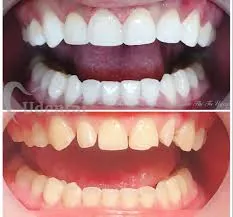
Composite Bonding Dubai: Complete Guide
More in Dental
Zirconia vs Porcelain Crown Dubai: Guide (2026)
Read MoreZoom Whitening Cost Dubai: From AED 699 (2026)
Read More
Mouth Ulcers Dubai: Causes & When to Worry (2026)
Read MoreDental Anxiety Dubai: Tips to Overcome Fear (2026)
Read MoreDry Mouth Dubai: Causes & Treatment (2026)
Read MoreChipped Tooth Repair Dubai: What to Do (2026)
Read More© 2026 Doctors Clinic Diagnostic Center (DCDC), Dubai Healthcare City. Originally published at https://doctorsclinicdubai.ae/blog/porcelain-vs-composite-veneers-dubai. All rights reserved. Unauthorized reproduction is prohibited.