Key Takeaways
- Routine and emergency dental care is safe throughout pregnancy — the American Dental Association, ACOG, and the American Academy of Pediatrics all encourage pregnant women to keep seeing their dentist, and delaying care because of pregnancy can do more harm than good
- Pregnancy gingivitis affects an estimated 60% to 75% of pregnant women, according to the American College of Obstetricians and Gynecologists (ACOG), caused by rising oestrogen and progesterone making gums more reactive to plaque
- The second trimester (roughly weeks 14 to 20) is the safest and most comfortable window for non-urgent dental work, once first-trimester nausea eases and before the third-trimester discomfort of lying back for long periods sets in
- Dental X-rays are considered safe during pregnancy when a lead apron and thyroid collar are used, per ADA and Mayo Clinic guidance — DCDC uses digital imaging, which further reduces radiation exposure compared to traditional film X-rays
- Untreated gum disease during pregnancy has been linked in research to preterm birth and low birth weight, which is why ACOG and the ADA both classify a professional cleaning as part of routine prenatal self-care, not an optional extra
- Local anaesthetics containing epinephrine, used for fillings, root canals, and extractions, are considered safe during pregnancy at the doses used in dentistry — it is general anaesthesia and elective sedation that dentists typically postpone until after delivery
- At DCDC, pregnancy-safe dental cleaning starts from AED 200, and every pregnant patient's treatment is coordinated with her trimester and, where needed, with her OB/GYN, using ultrasonic scalers, digital imaging, and a lead apron for any imaging that is required
- DCDC holds a 4.8/5 Google rating from over 1,000 verified patient reviews, is MOHAP-licensed in Dubai Healthcare City, and offers direct billing with 20-plus insurance providers, so most pregnant patients only pay a co-payment at the time of treatment
Many expectant mothers in Dubai assume that a dental visit is off-limits the moment they see two lines on a pregnancy test — but pausing dental care during pregnancy is actually one of the more common, and most avoidable, mistakes new mothers make. In reality, a professional dental cleaning and scaling is not only safe throughout pregnancy, it is actively recommended, because surging pregnancy hormones make gums considerably more prone to inflammation and bleeding. This guide walks through exactly which dental treatments are safe at each stage of pregnancy, which ones are better postponed until after delivery, how X-rays and local anaesthetic are managed safely, what a pregnancy-safe visit looks like at Doctors Clinic Diagnostic Center (DCDC) in Dubai Healthcare City, and how much treatment typically costs.
Whether you have just found out you're expecting, are settling into your second trimester, or are counting down the final weeks, this guide draws on clinical guidance from the American College of Obstetricians and Gynecologists (ACOG), the American Dental Association (ADA), NHS Inform, the World Health Organization (WHO), and Mayo Clinic, combined with Dubai-specific advice from Dr. Chadi El Masry, a Cosmetic & Restorative Dentistry specialist at DCDC. If you're also mapping out your prenatal appointments, our Pregnancy Scan Schedule Dubai guide covers when each ultrasound and antenatal check-up is due, so you can plan your dental visits around them.
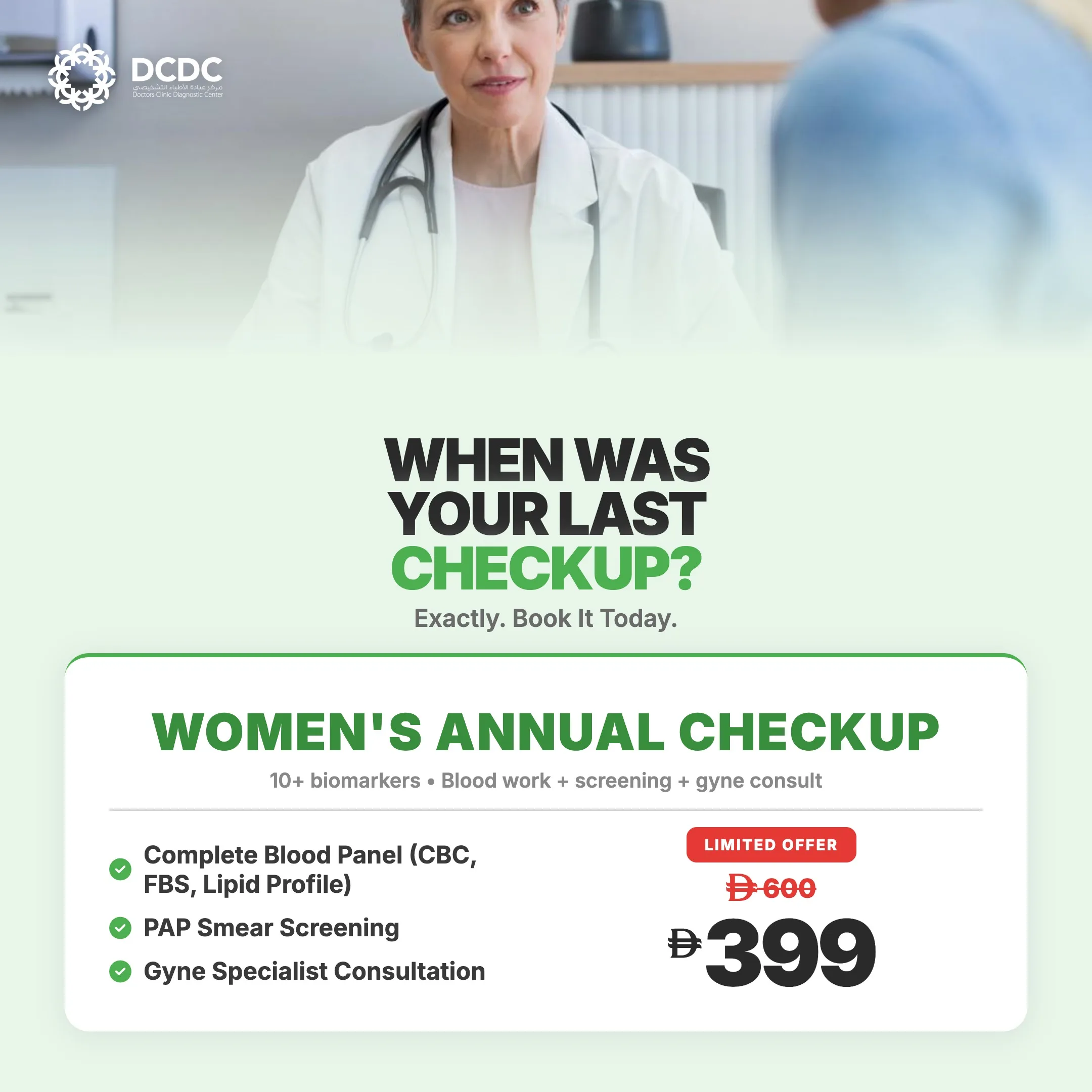
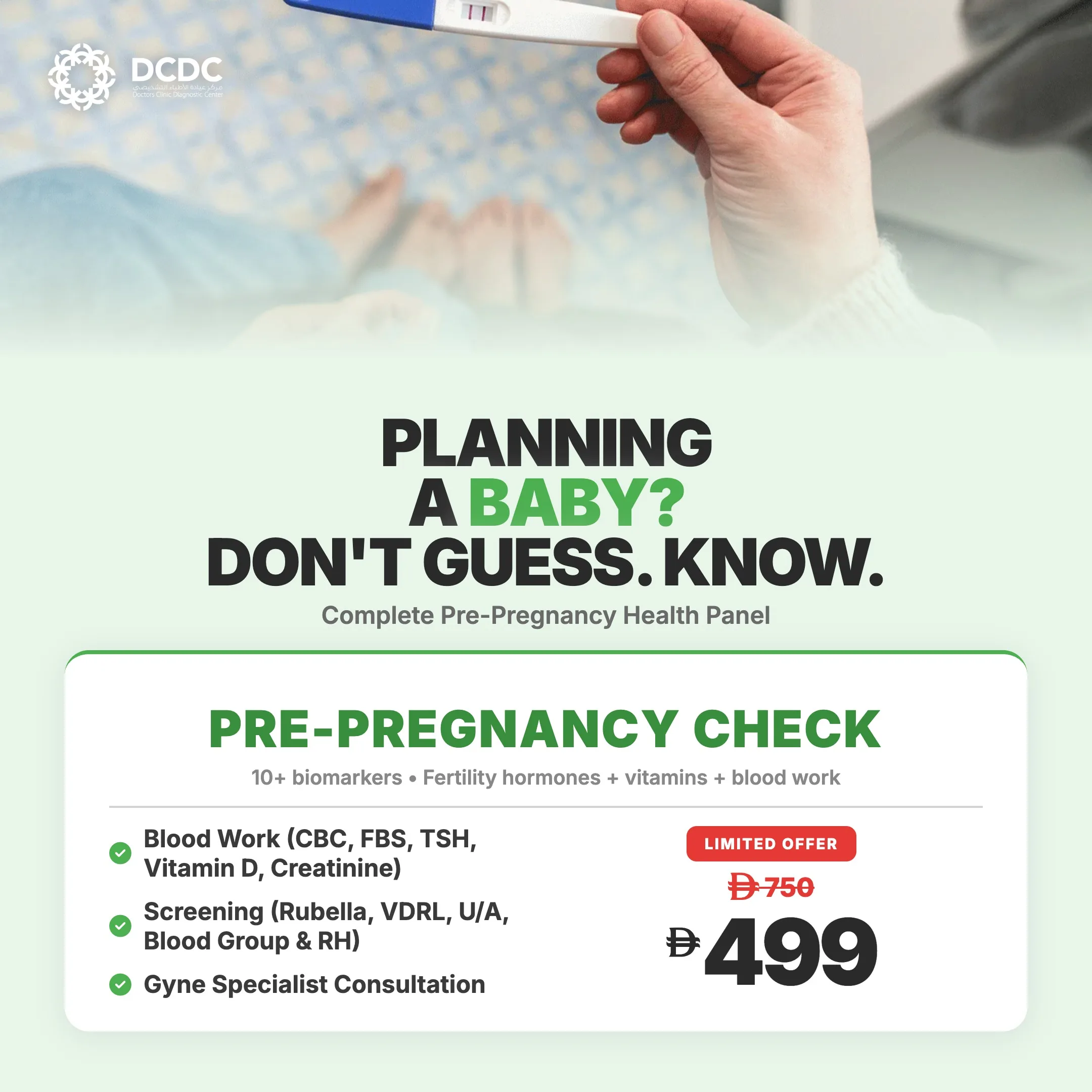
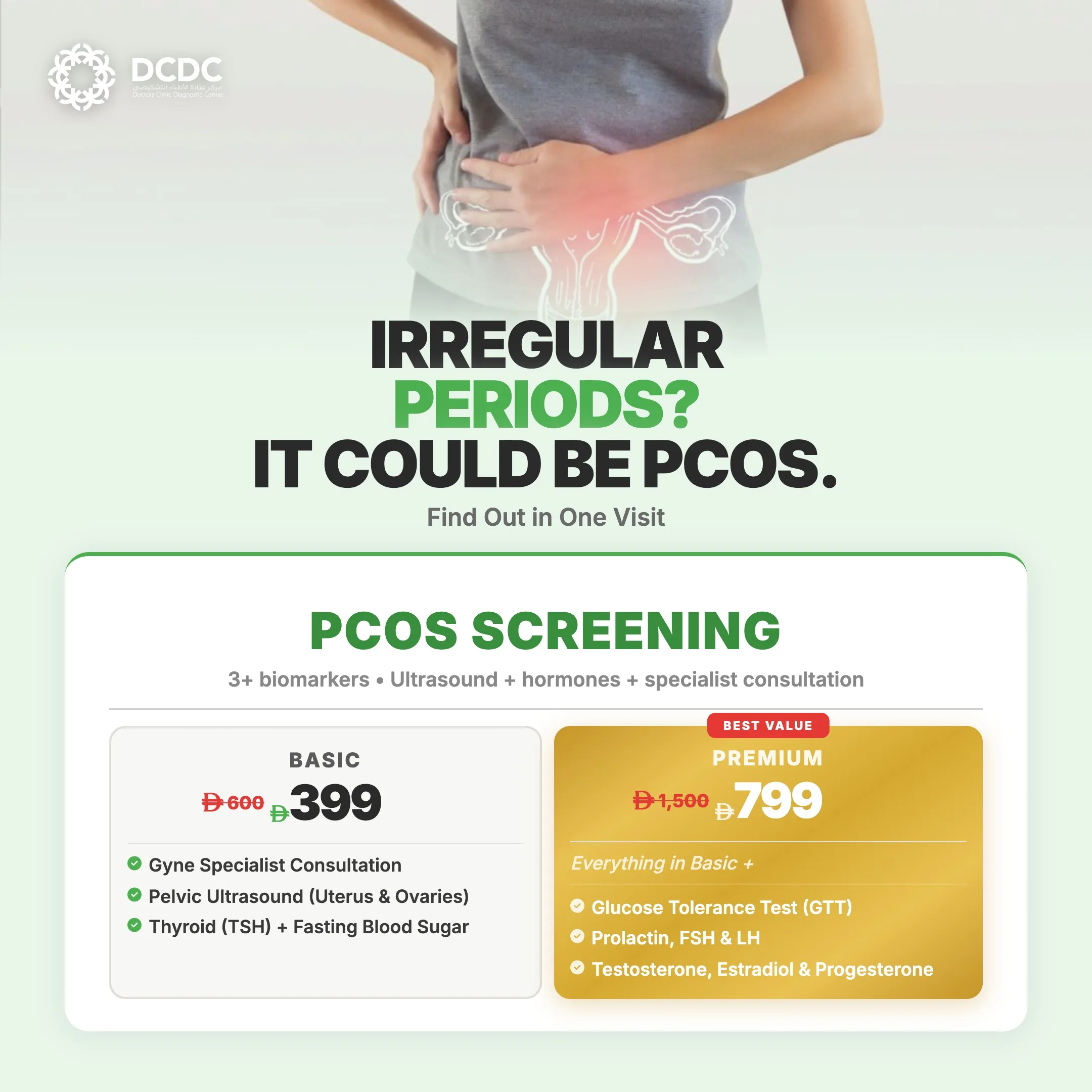
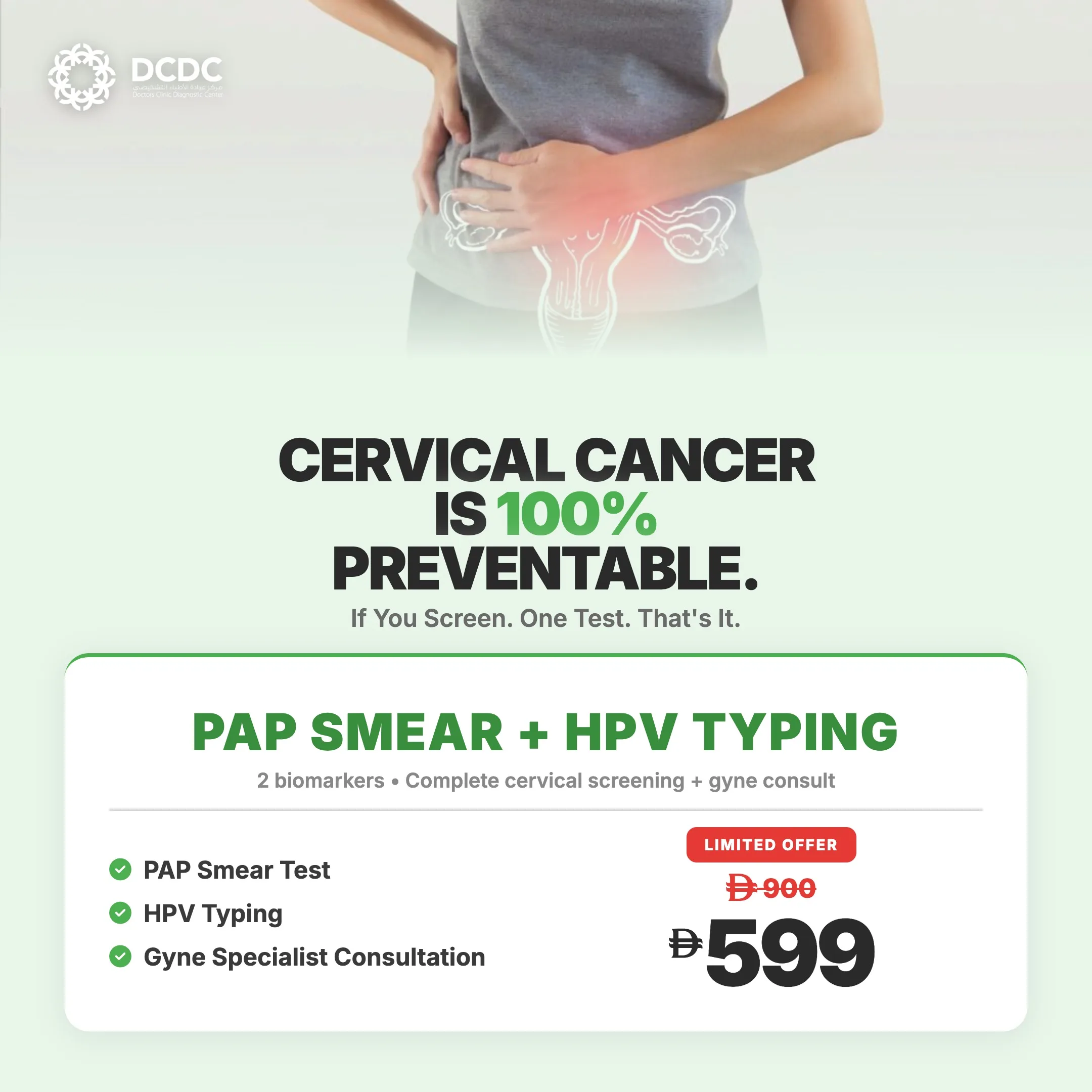
Health Screening Packages
Save with our bundled screening packages — specialist consultation included


Is Dental Care Safe During Pregnancy in Dubai?
Yes. According to the American Dental Association, the American College of Obstetricians and Gynecologists, and the American Academy of Pediatrics, routine and emergency dental care is safe throughout pregnancy, and putting it off can do more harm than good. Pregnancy causes hormonal shifts — particularly rising oestrogen and progesterone — that make gum tissue more reactive to the bacteria in everyday plaque, which is why dentists in Dubai and everywhere else see a noticeable rise in gum inflammation, bleeding, and occasionally cavities during pregnancy. Skipping a cleaning or ignoring a toothache because you are pregnant is the wrong instinct: untreated dental infections and advanced gum disease have been associated with pregnancy complications, so keeping your teeth and gums healthy is best treated as part of prenatal care, not something separate from it.
For a full breakdown of what a standard visit involves — from the initial exam to polishing — see our Dental Checkup Guide Dubai. Nothing about that routine changes fundamentally when you're pregnant; your dentist simply adjusts timing, positioning, and imaging around your trimester.
Why Pregnancy Affects Your Gums and Teeth
The medical term is pregnancy gingivitis, and it is remarkably common. ACOG estimates that somewhere between 60% and 75% of pregnant women experience some degree of gum inflammation, most noticeably from the second trimester onward, when hormone levels peak. Elevated progesterone increases blood flow to gum tissue and exaggerates the body's inflammatory response to the same amount of plaque that would normally cause little irritation. The result is gums that look redder, feel puffier, and bleed more easily when you brush or floss — even if your oral hygiene routine hasn't changed at all. Morning sickness, changed eating habits (more frequent small meals, sugary cravings), and, for some women, a reluctance to brush thoroughly because the toothbrush triggers gagging, can all compound the problem.
Signs of Pregnancy Gingivitis to Watch For
- Bleeding gums: Blood when brushing or flossing, even with a soft-bristled brush and gentle technique.
- Redness and swelling: Gums that look shinier, redder, or puffier than usual along the gumline.
- Tenderness: Gums that feel sore or sensitive to hot, cold, or firm brushing.
- A "pregnancy tumour" (pyogenic granuloma): A small, harmless, raspberry-like growth that can appear on the gums, usually between the second and third trimester, and typically shrinks on its own after delivery — but should still be checked by a dentist.
- Loose-feeling teeth: In more advanced cases, the ligaments and bone supporting the teeth can be temporarily affected by inflammation, making teeth feel slightly less stable.
- Persistent bad breath: Ongoing gum inflammation, combined with changes in saliva and diet, can lead to breath odour that doesn't resolve with mouthwash alone.
Trimester-by-Trimester Dental Care Guide
Not every stage of pregnancy is equally suited to every type of dental treatment. Dentists generally divide the nine months into three windows, each with its own considerations for comfort, safety, and timing.
| Trimester | Weeks | What's Generally Safe | Special Considerations |
|---|---|---|---|
| First trimester | Weeks 1–13 | Emergency treatment for pain, infection, or trauma; a basic exam if needed | This is when the baby's major organs are forming, so many dentists prefer to postpone elective, non-urgent work until the second trimester. Morning sickness can also make longer appointments uncomfortable. |
| Second trimester | Weeks 14–27 | Routine cleaning, fillings, root canal treatment, necessary X-rays with shielding | Widely considered the safest and most comfortable window for non-urgent dental work — morning sickness has usually eased and the belly isn't yet large enough to make reclining uncomfortable. |
| Third trimester | Weeks 28–40 | Urgent and necessary treatment; routine care with shorter appointments | Lying flat for long periods can cause discomfort or lightheadedness due to pressure on major blood vessels, so dentists use a slight left-side tilt and keep visits shorter. Elective, non-urgent treatment is often deferred to after delivery. |
General trimester guidance for dental treatment during pregnancy. Emergencies — pain, swelling, infection, or trauma — are treated promptly at any stage.
Safe vs. Postpone: Which Dental Procedures Are OK During Pregnancy
A common question at DCDC is simply: "Can I have this done while I'm pregnant, or should I wait?" As a general rule, anything needed to treat pain, infection, or active disease should not be delayed, while elective and purely cosmetic treatments are usually better scheduled for after delivery.
| Generally Safe During Pregnancy | Usually Postponed Until After Delivery |
|---|---|
| Routine dental cleaning and scaling | Elective teeth whitening |
| Dental exams and necessary diagnostic X-rays with shielding | Non-urgent cosmetic veneers |
| Fillings for active cavities | Non-urgent orthodontic adjustments |
| Root canal treatment for an infected tooth | Elective wisdom tooth removal |
| Emergency extraction for infection or trauma | Procedures requiring general anaesthesia or deep sedation |
| Local anaesthetic with epinephrine, at standard dental doses | Any purely elective, non-urgent procedure |
General guidance only — always confirm with your dentist and, where relevant, your OB/GYN, since every pregnancy and treatment plan is different.
Are Dental X-Rays Safe During Pregnancy?
Yes, with proper shielding. Both the ADA and Mayo Clinic note that the amount of radiation from a dental X-ray is extremely low, and that dental X-rays don't directly expose reproductive organs to the radiation beam, unlike full-body imaging. Standard precaution is still to use a lead (or lead-equivalent) apron over the abdomen, and sometimes a thyroid collar, whenever an X-ray is genuinely needed during pregnancy. At DCDC, all imaging is done with digital sensors rather than traditional film, which further reduces radiation exposure by up to 80–90% compared with older film-based X-rays, alongside a lead apron for any pregnant patient who needs imaging. Where an X-ray isn't clinically urgent, dentists will usually offer to postpone it until after delivery — but a suspected infection, abscess, or significant pain is not something worth waiting nine months to diagnose properly.
Local Anaesthetic and Medications: What's Safe for Pregnant Dental Patients
Fear of anaesthesia stops many pregnant women from seeking treatment for a painful tooth, but this fear is largely unfounded for the medications used in routine dentistry. Local anaesthetics such as lidocaine, including formulations combined with a small amount of epinephrine to help the anaesthetic last longer, are considered safe at the doses used for dental procedures during pregnancy. What dentists generally avoid or postpone is elective sedation dentistry and general anaesthesia, which carry different risk profiles and are typically reserved for genuinely urgent cases where the benefit clearly outweighs the risk. Pain relief after a procedure is usually managed with paracetamol; non-steroidal anti-inflammatories such as ibuprofen are generally avoided, particularly in the third trimester, so your dentist will always check which pain relief is appropriate for your stage of pregnancy before prescribing anything.
Pregnancy Gingivitis, Periodontal Disease, and Your Baby's Health
Beyond your own comfort, oral health during pregnancy has a documented connection to your baby's health. Research reviewed by ACOG has found associations between untreated periodontal (gum) disease and adverse pregnancy outcomes, including preterm birth and low birth weight, although studies have not proven that treating gum disease during pregnancy directly prevents these outcomes. What is clear is that treating gum disease during pregnancy carries no safety concerns of its own, which is why dental societies recommend addressing gum inflammation promptly rather than waiting. If gum disease has progressed beyond simple gingivitis to more established periodontal disease — deeper pockets, gum recession, or bone loss around the teeth — a deeper cleaning or scaling and root planing is usually recommended; our Gum Disease Treatment Dubai guide explains the stages of gum disease and how each is treated.
Morning Sickness: Protecting Your Teeth from Acid Erosion
Frequent vomiting from morning sickness (or from acid reflux, which is also common in pregnancy) repeatedly bathes teeth in stomach acid, which can soften and gradually erode enamel if it happens often over several months. A few simple habits make a meaningful difference.
- Don't brush immediately after vomiting: Wait at least 30 to 60 minutes. Brushing straight away can rub softened, acid-weakened enamel and accelerate wear.
- Rinse with water or a fluoride mouthwash instead: This helps neutralise the acid and clears it from the tooth surface without the abrasive effect of brushing.
- Try a teaspoon of baking soda in water as a rinse: This can help neutralise stomach acid on contact if you don't have mouthwash on hand.
- Chew sugar-free gum between meals: This stimulates saliva flow, which naturally buffers acid and helps remineralise enamel.
- Switch to a soft-bristled toothbrush: If gums are tender, a soft brush and gentle technique reduces irritation while still clearing plaque effectively.
- Keep up fluoride toothpaste use: Fluoride strengthens enamel against the acid exposure that morning sickness and pregnancy-related reflux can cause.
- Rinse after frequent small meals or sugary cravings: Many pregnant women eat more small meals or snacks; a quick water rinse afterward limits the time sugar and acid sit on the teeth.
Dental Care Costs During Pregnancy in Dubai
Pregnancy-safe dental treatment in Dubai is priced the same as standard dental care — pregnancy itself doesn't add a surcharge, though your dentist may recommend more frequent cleanings during the second trimester given the higher risk of gum inflammation. At DCDC, dental cleaning starts from AED 200, with pregnancy-safe treatments available at competitive rates across the clinic. For a wider look at what affects cleaning prices, see our Dental Cleaning Cost Dubai guide.
| Treatment | DCDC Price (AED) | Typical Timing During Pregnancy |
|---|---|---|
| Dental cleaning & scaling | From 200 | Any trimester; ideally once in the second trimester |
| Consultation with digital X-ray (lead apron) | From 200–500 | Only when clinically necessary, any trimester |
| Composite filling for a cavity | From 150 | Second trimester preferred; urgent cases treated promptly |
| Gum disease / deep cleaning (scaling and root planing) | From 1,000 | As soon as diagnosed, any trimester |
| Root canal treatment | From 299 per canal | Second trimester preferred for non-urgent cases; urgent cases treated promptly |
| Emergency tooth extraction | From 200 | Any trimester, when infection or trauma requires it |
| Oral cancer screening | Included with cleaning | Every routine cleaning visit |
| Postpartum dental checkup | From 200 | 6–8 weeks after delivery |
Pregnancy-safe dental pricing at DCDC, Dubai Healthcare City. Prices are starting rates; your dentist will confirm an exact quote after examination.
What to Expect at DCDC During a Pregnancy-Safe Dental Visit
Knowing exactly what happens during a pregnancy dental visit can ease a lot of first-time anxiety. Here is the typical patient journey for an expectant mother visiting DCDC in Dubai Healthcare City.
- 1. Book online, by phone, or WhatsApp: Mention that you're pregnant and, if you know it, your current trimester, so the front desk can allocate appropriate appointment length.
- 2. Arrive at DHCC with free parking: DCDC is located in Building 64, Block A, Al Razi Medical Complex in Dubai Healthcare City, with free on-site parking so you're not walking far while pregnant.
- 3. Medical history review: The dental team confirms your trimester, any pregnancy complications, medications you're taking, and whether your OB/GYN has flagged any specific precautions.
- 4. Consultation with Dr. Chadi El Masry or another specialist: A full assessment of your gums and teeth, checking specifically for the signs of pregnancy gingivitis alongside any cavities or other concerns.
- 5. Gentle cleaning with ultrasonic scalers: DCDC uses ultrasonic scalers for gentle, efficient plaque and tartar removal — comfortable positioning is used throughout, with a slight left-side tilt for anyone in the third trimester.
- 6. Digital imaging only when necessary, with a lead apron: If an X-ray is genuinely needed, DCDC uses digital imaging with minimal radiation, combined with a lead apron for extra protection.
- 7. Oral cancer screening included: Every cleaning at DCDC includes a routine oral cancer screening as standard, at no additional cost.
- 8. Coordination with your OB/GYN if needed: For more involved treatment, or if you have a high-risk pregnancy, DCDC's dental team can liaise with your obstetrician to confirm timing and any precautions before proceeding.
According to Dr. Chadi El Masry, "Hormonal changes during pregnancy make gums significantly more vulnerable to inflammation. I recommend pregnant patients visit for a professional cleaning at least once during their second trimester — it's not only safe but essential for both maternal and fetal health."
Pregnant and Due for a Dental Checkup? DCDC Is Ready for You
Doctors Clinic Diagnostic Center in Dubai Healthcare City offers pregnancy-safe dental cleaning from AED 200, using ultrasonic scalers, digital imaging with a lead apron, and oral cancer screening included with every cleaning.
Free parking, coordination with your OB/GYN when needed, and direct billing with 20-plus insurance providers. Call or WhatsApp to book your second-trimester cleaning.
Pregnancy Dental Care Checklist for Expectant Mothers in Dubai
A short checklist you can follow through your pregnancy to keep your teeth and gums healthy and avoid surprises.
- Tell your dentist you're pregnant at the very first mention of an appointment — including your due date and any pregnancy complications, so the visit can be planned around them.
- Book a cleaning in your second trimester, even if you saw a dentist just before you conceived — hormonal gum changes develop quickly once progesterone rises.
- Brush twice daily with fluoride toothpaste and a soft-bristled brush, being gentle around inflamed gums rather than skipping areas that bleed.
- Floss once a day, even if your gums bleed slightly at first — this usually improves within a couple of weeks of consistent flossing.
- Rinse with water after vomiting or reflux, and wait 30–60 minutes before brushing to protect acid-softened enamel.
- Limit sugary snacks and drinks, particularly if you're eating more frequent small meals — rinse with water afterward when you can't brush.
- Don't ignore a toothache, swelling, or persistent bleeding gums — these are treated the same way whether or not you're pregnant, and delaying can allow a small problem to become a bigger one.
- Book a postpartum checkup around 6–8 weeks after delivery to reassess your gums, since most pregnancy gingivitis improves significantly once hormone levels return to normal.
Postpartum Oral Health: Caring for Your Teeth After Baby Arrives
For most women, pregnancy gingivitis noticeably improves within a few weeks to months after delivery as hormone levels settle back to baseline, but it doesn't always resolve completely on its own, especially if plaque built up during pregnancy wasn't fully addressed. A postpartum dental checkup, ideally around 6 to 8 weeks after delivery, lets your dentist confirm your gums have healed and address anything that's lingered. It's also a natural time to start thinking ahead: your baby's first teeth typically begin appearing around 6 months of age, and getting into good habits early matters. Our Kids Dental Care Dubai guide covers everything from your baby's first tooth through their first dental visit.
When to See a Dentist Urgently During Pregnancy
Most pregnancy-related dental changes are mild and manageable with good hygiene and a routine cleaning. However, certain symptoms warrant a prompt visit regardless of your trimester.
- Persistent or worsening tooth pain, especially pain that keeps you awake or throbs without an obvious trigger.
- Facial or gum swelling, which can indicate an abscess or infection that needs prompt treatment.
- Gums bleeding heavily or spontaneously, not just when brushing.
- A growth on the gums that is growing quickly, bleeding easily, or interfering with eating, which should be examined even though most pregnancy gum growths are benign.
- Fever alongside any dental pain or swelling, which can signal a spreading infection and should be treated as urgent.
- A broken, chipped, or knocked-out tooth from a fall or accident — pregnancy doesn't change the need for prompt emergency dental care.
Book Your Pregnancy-Safe Dental Visit at DCDC Today
Whether you're due for a routine second-trimester cleaning or need an urgent assessment, Doctors Clinic Diagnostic Center in Dubai Healthcare City provides pregnancy-safe dental care with transparent pricing — cleaning from AED 200, fillings from AED 150, and gum disease treatment from AED 1,000.
Rated 4.8/5 by over 1,000 patients. MOHAP-licensed in Dubai Healthcare City. Direct billing with 20-plus insurance providers, so most pregnant patients only pay a co-payment at the time of treatment.
Related Services at DCDC
Expert care and advanced diagnostics at Dubai Healthcare City
Frequently Asked Questions
Final Thoughts
Pregnancy is not a reason to avoid the dentist — if anything, it's a reason to see one more attentively, since hormonal changes make gum inflammation considerably more likely. Routine cleaning, fillings, root canal treatment, and emergency care are all considered safe throughout pregnancy, with the second trimester generally offering the most comfortable window for non-urgent work. X-rays with a lead apron, local anaesthetic with epinephrine, and paracetamol for pain relief are all standard, well-established parts of safe pregnancy dental care, while elective and cosmetic treatments are simplest to schedule after delivery.
At Doctors Clinic Diagnostic Center in Dubai Healthcare City, pregnant patients are seen by specialists including Dr. Chadi El Masry, with cleaning using ultrasonic scalers, digital imaging with a lead apron, and an oral cancer screening included with every cleaning — all coordinated with your trimester and, where needed, with your OB/GYN. Dental cleaning starts from AED 200, with pregnancy-safe treatments available at competitive rates across the clinic. With free parking at Building 64, Block A, Al Razi Medical Complex, a 4.8/5 Google rating from over 1,000 verified reviews, MOHAP licensing, and direct billing with 20-plus insurance providers, DCDC makes it straightforward for expectant mothers across Dubai to keep their oral health on track through every trimester and beyond.
Sources & References
This article was reviewed by our medical team and references the following sources:
- American College of Obstetricians and Gynecologists (ACOG) — Oral Health Care During Pregnancy and Through the Lifespan
- American Dental Association — MouthHealthy: Pregnancy Dental Concerns
- NHS Inform — Looking After Your Teeth and Gums in Pregnancy
- Mayo Clinic — X-ray During Pregnancy: Is It Safe?
- World Health Organization — Oral Health Fact Sheet
Medical content on this site is reviewed by DHA-licensed physicians. See our editorial policy for more information.
Written by
Dr. Chadi El Masry
Cosmetic & Restorative Dentistry
DDS
Dr. Chadi El Masry is a Cosmetic & Restorative Dentistry specialist at Doctors Clinic Diagnostic Center (DCDC) in Dubai Healthcare City.
Related Articles
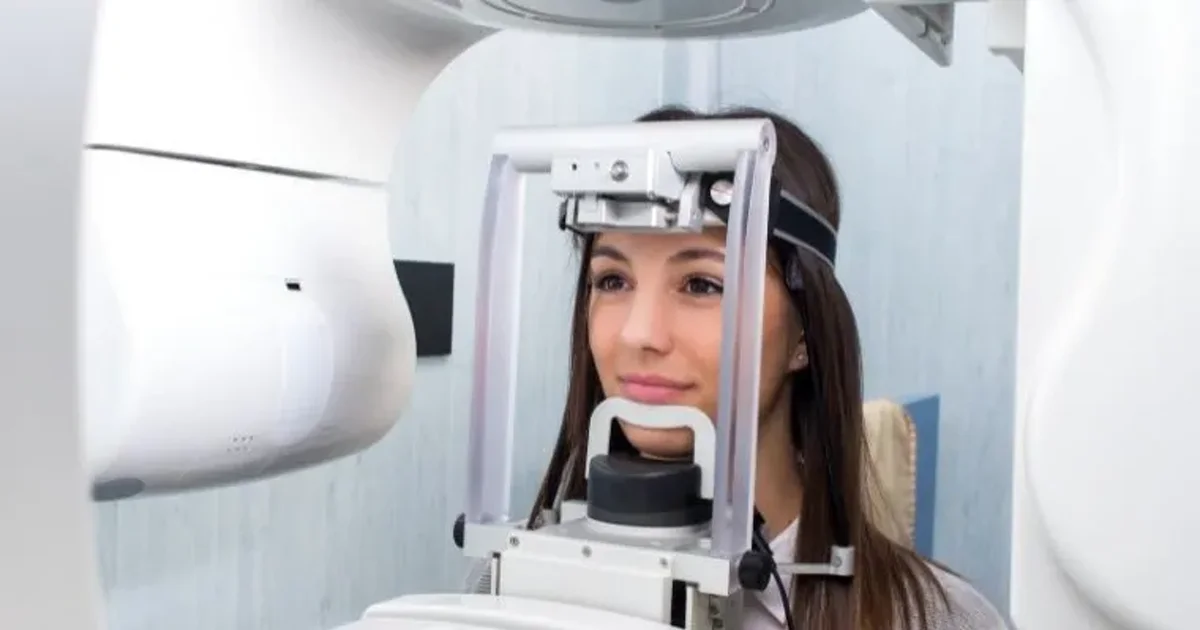
Dental Cleaning Cost Dubai: From AED 200
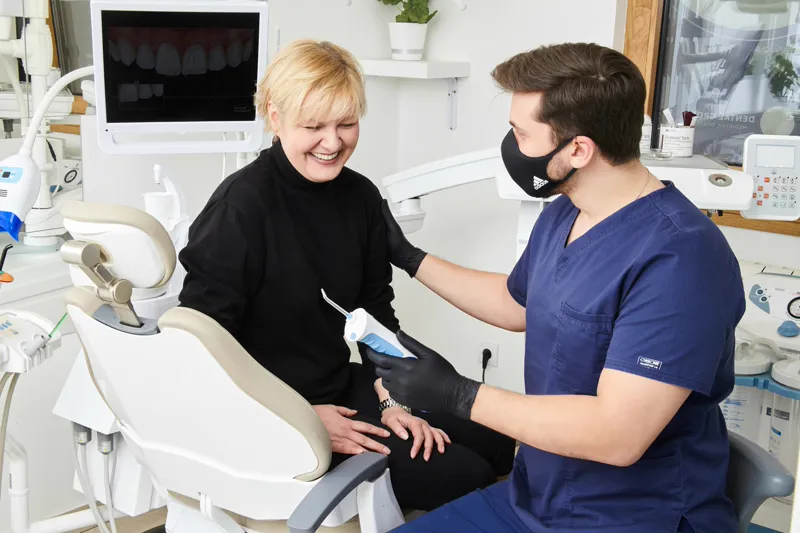
Gum Disease Treatment Dubai: From AED 1,000

Kids Dental Care Dubai: Parent's Guide

Dental Checkup Dubai: What to Expect
More in Women's Health

Heavy Periods Dubai: Causes & Treatment (2026)
Read More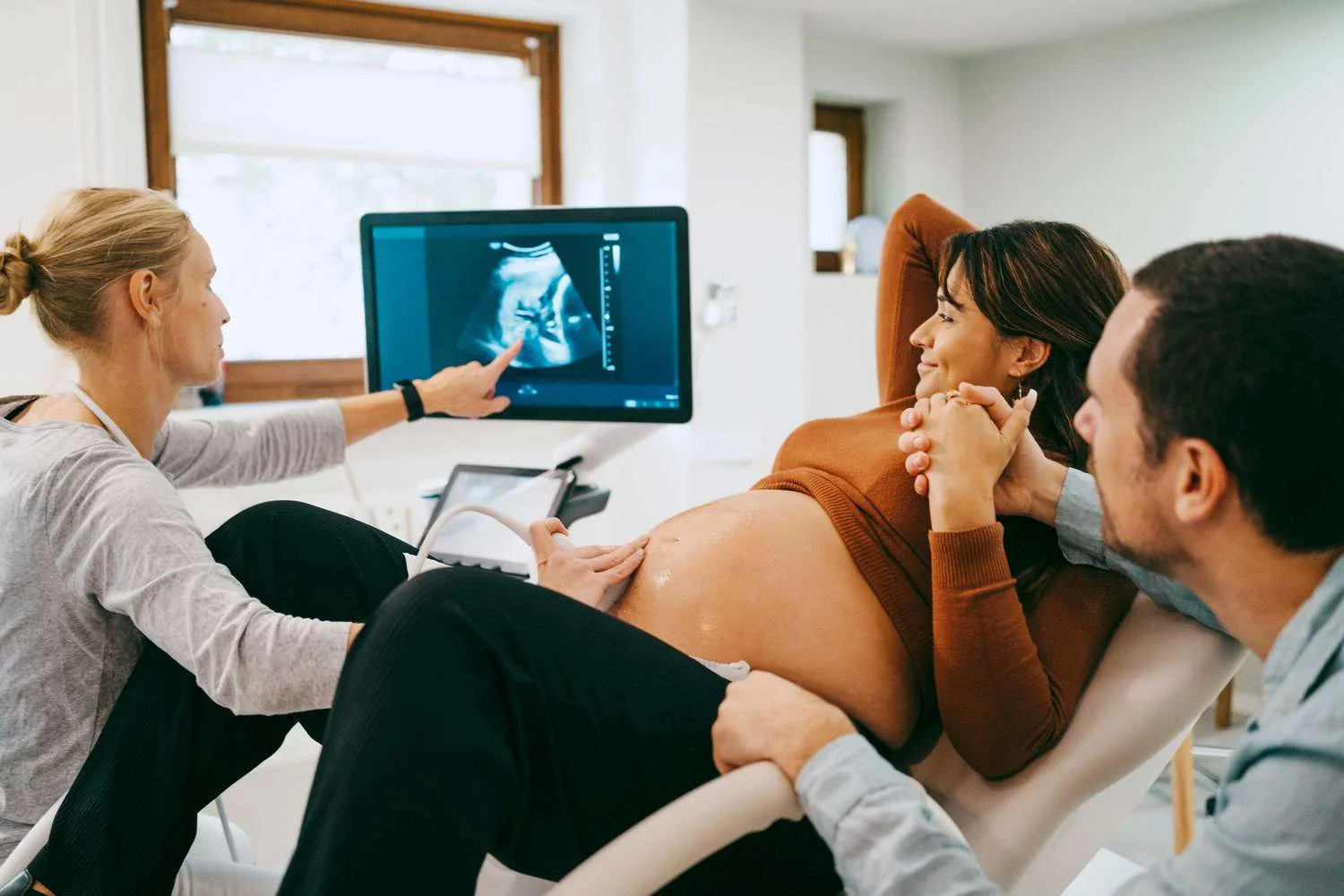
Anomaly Scan Cost Dubai: From AED 350 (2026)
Read More
HPV Test Dubai: Screening, Vaccine & Cost (2026)
Read More
HSG Test Side Effects: Pain & Recovery (2026)
Read More
Mammogram Cost Dubai: AED 250–900 (2026)
Read More
NIPT Test Dubai: Cost, Accuracy & Timing (2026)
Read More© 2026 Doctors Clinic Diagnostic Center (DCDC), Dubai Healthcare City. Originally published at https://doctorsclinicdubai.ae/blog/dental-care-during-pregnancy-dubai. All rights reserved. Unauthorized reproduction is prohibited.