النقاط الرئيسية
- يبدأ خلع الأسنان البسيط في دبي من 200 درهم، والخلع الجراحي من 500 درهم، وخلع ضرس العقل من 399 درهم — تتفاوت التكاليف بحسب موضع السن ومدى تعقيد الحالة وما إذا كان السن مطموراً أو قد انبثق بالكامل
- تغطي معظم خطط التأمين الصحي الشاملة في الإمارات خلع الأسنان ضمن المزايا الأساسية أو الترميمية، وتقدم DCDC فوترة مباشرة مع أكثر من 20 شركة تأمين شريكة من بينها ضمان وAXA وبوبا
- يستغرق خلع السن البسيط المنبثق بالكامل من 15 إلى 30 دقيقة، بينما يستغرق الخلع الجراحي للسن المطمور أو المكسور من 30 إلى 60 دقيقة — وكلاهما يُجرى تحت تخدير موضعي فعّال مع أدنى قدر من الانزعاج
- يستغرق التعافي الكامل بعد الخلع البسيط من 7 إلى 10 أيام، ويعود معظم المرضى إلى أنشطتهم الاعتيادية خلال 24 إلى 48 ساعة — أما الخلع الجراحي فقد يحتاج من 10 إلى 14 يوماً لاكتمال شفاء الأنسجة الرخوة
- يُعدّ الخلع الملاذ الأخير في DCDC — يستكشف الفريق دائماً الخيارات التحفظية أولاً، كالحشوات (من 150 درهماً) وعلاج قناة الجذر (من 700 درهم لكل سن) والتيجان (من 1,000 درهم) قبل التوصية بالإزالة
- تستخدم DCDC تقنية التصوير الرقمي OPG وCBCT لتخطيط الخلع بدقة، مما يقلل من المضاعفات ويضمن أكثر إجراء آمن لكل مريض
سواء كنت تعاني من سن مصاب بتسوس شديد أو ضرس عقل مطمور أو حالة طارئة في الأسنان، فإن خلع الأسنان يُعدّ أحد أكثر إجراءات طب الأسنان شيوعاً في دبي. في مركز أطباء التشخيص العيادي، يبدأ الخلع البسيط من 200 درهم — أقل بشكل ملحوظ من متوسط السوق في دبي. إن فهمك للتكاليف وأنواع الخلع وما تتوقعه قبل الإجراء وأثناءه وبعده يساعدك على اتخاذ قرار مستنير والتخطيط لميزانية العلاج.
يغطي هذا الدليل الشامل كل ما تحتاج معرفته حول خلع الأسنان في دبي — من التسعير التفصيلي لخلع الأسنان البسيط والجراحي وخلع ضرس العقل، إلى العوامل المؤثرة في التكلفة، والإجراء خطوة بخطوة، وتغطية التأمين، وتوقعات التعافي، وتعليمات الرعاية اللاحقة، وإجابات عن أكثر الأسئلة تداولاً. سواء أوصى طبيبك بالخلع أو كنت تعاني من ألم وتشك في ضرورة إزالة سن ما، سيساعدك هذا الدليل على فهم خياراتك والتخطيط وفقاً لذلك.

تكلفة خلع الأسنان في دبي: دليل الأسعار السريع (2026)
تتباين تكاليف خلع الأسنان في دبي تبايناً كبيراً تبعاً لنوع الخلع وموضع السن وما إذا كان مطموراً والعيادة التي تختارها. في مركز أطباء التشخيص العيادي بمدينة دبي الطبية، نقدم أسعاراً شفافة وتنافسية لجميع أنواع الخلع. يوفر الجدول التالي تفصيلاً شاملاً للتكاليف بمقارنة أسعار DCDC مع السوق الأشمل في دبي.
| نوع الخلع | سعر DCDC | نطاق السوق في دبي |
|---|---|---|
| خلع بسيط (سن واحد) | من 200 درهم | 300–800 درهم |
| خلع جراحي (غير مطمور) | من 500 درهم | 500–1,200 درهم |
| خلع ضرس العقل (منبثق) | من 399 درهم | 500–1,000 درهم |
| خلع ضرس العقل (مطمور) | من 500 درهم | 800–2,000+ درهم |
| خلع متعدد (لكل سن إضافي) | من 150 درهم | 200–600 درهم |
| خلع طارئ (في نفس اليوم) | من 200 درهم | 400–1,000 درهم |
تكلفة خلع الأسنان في دبي 2026 — DCDC مقابل متوسط السوق. الأسعار تقريبية وقد تتفاوت بحسب تعقيد الحالة. تواصل مع DCDC للحصول على عرض سعر مخصص.
في DCDC، يقدم طبيب أسنانك تقديراً كاملاً وشفافاً للتكلفة قبل بدء أي إجراء. لا توجد رسوم خفية. إذا كان التصوير (OPG أو CBCT) مطلوباً لتخطيط الخلع، فيُذكر ذلك بشكل منفصل حتى تعرف بالضبط ما تدفعه. نوفر أيضاً خيارات دفع مرنة ونتعاون مع أكثر من 20 شركة تأمين للفوترة المباشرة.
الخلع البسيط مقابل الجراحي: ما الفرق؟
فهم الفرق بين الخلع البسيط والجراحي أمر ضروري لأنه يؤثر مباشرة على التكلفة ومدة الإجراء والتعافي. يعتمد نوع الخلع الذي تحتاجه على حالة السن وموضعه وإمكانية الوصول إليه.
الخلع البسيط
يُجرى الخلع البسيط على سن مرئي بالكامل (منبثق) في الفم ويمكن إزالته بأدوات طب الأسنان القياسية. يستخدم الطبيب رافعة لإرخاء السن في تجويفه وملقطاً لتحريكه برفق وإزالته. تتسم عمليات الخلع البسيط بالوضوح وتستغرق من 15 إلى 30 دقيقة وتتطلب تخديراً موضعياً فقط وتتيح أقصر فترة تعافٍ. هذا النوع الأكثر شيوعاً من الخلع ويبدأ من 200 درهم في DCDC.
الخلع الجراحي
يكون الخلع الجراحي ضرورياً عندما لا يمكن الوصول إلى السن أو إزالته بسهولة بالأدوات القياسية. يشمل ذلك الأسنان المكسورة عند خط اللثة أو تحته، أو المنبثقة جزئياً، أو المطمورة (المحاصرة تحت العظم أو الأنسجة الرخوة)، أو ذات الجذور المنحنية أو المتباعدة التي تحول دون الإزالة المباشرة. يتضمن الإجراء شقاً صغيراً في نسيج اللثة وقد يستلزم إزالة كمية صغيرة من العظم المحيط بالسن أو تقطيعه إلى قطع أصغر لإزالته. يستغرق الخلع الجراحي من 30 إلى 60 دقيقة ويبدأ من 500 درهم في DCDC.
يُحدد طبيب أسنانك نوع الخلع المناسب بعد فحص سريري دقيق ومراجعة صور الأسنان الشعاعية. في DCDC، نستخدم تصوير OPG (الأشعة البانورامية) وCBCT (التصوير المقطعي بالحزمة المخروطية) لتصوير تشريح جذر السن ومدى قربه من الأعصاب والجيوب الأنفية وهيكل العظم المحيط بشكل تفصيلي — مما يتيح التخطيط الجراحي الدقيق ويقلل من خطر المضاعفات.
العوامل المؤثرة في تكلفة خلع الأسنان في دبي
تؤثر عدة عوامل في المبلغ الذي ستدفعه مقابل خلع الأسنان في دبي. فهم هذه العوامل يساعدك على توقع التكاليف وطرح الأسئلة الصحيحة خلال استشارتك.
- نوع الخلع (بسيط أم جراحي): تكلفة الخلع البسيط أقل لأنه أسرع ويستلزم أدوات أقل وتعقيداً أدنى. أما الخلع الجراحي فتكلفته أعلى نظراً للمهارة والوقت والمواد والأدوات الإضافية المطلوبة.
- موضع السن ونوعه: الأسنان الأمامية (القواطع والأنياب) عادةً أسهل خلعاً لأنها ذات جذر واحد مستقيم. للضواحك جذر أو جذران. وللطواحن جذران أو ثلاثة قد تكون منحنية أو متباعدة أو معقوفة مما يجعل إزالتها أكثر تعقيداً وكلفةً. أضراس العقل، وخاصة المطمورة منها، هي أكثر أنواع الخلع تعقيداً.
- درجة الطمر (لضرس العقل): خلع ضرس العقل المنبثق بالكامل أبسط من الجزئي الطمر أو المطمور بالكامل تحت العظم. تستلزم الأضراس المطمورة في العظم تدخلاً جراحياً أكبر مما يرفع التكلفة.
- حالة السن: السن المصاب بتسوس شديد أو مكسور عند خط اللثة أو خضع سابقاً لعلاج قناة الجذر قد يكون هشاً وعُرضة للكسر أثناء الخلع مما يستدعي نهجاً جراحياً حتى لو كان المخطط له خلعاً بسيطاً في البداية.
- عدد الأسنان المُخلوعة: خلع أسنان متعددة في جلسة واحدة قد يقلل من تكلفة كل سن مقارنةً بمواعيد منفصلة. سيُرشدك طبيب أسنانك إلى ما إذا كان من المناسب سريرياً خلع أسنان متعددة في آنٍ واحد.
- الحاجة إلى التصوير: تستلزم بعض حالات الخلع صورة شعاعية حول ذروية قياسية، بينما تحتاج الحالات المعقدة إلى تصوير OPG أو CBCT لتخطيط ثلاثي الأبعاد مفصّل. تكاليف التصوير إضافية لكنها ضرورية للخلع الآمن، خاصةً لأضراس العقل المطمورة القريبة من العصب السنخي السفلي.
- نوع التخدير: تُجرى معظم عمليات الخلع تحت تخدير موضعي مدرج في رسوم الخلع. إذا طُلب التخدير (الفموي أو ثاني أكسيد النيتروز أو الوريدي) أو كان ضرورياً طبياً، فإن ذلك يُضاف إلى التكلفة.
- موقع العيادة وخبرتها: قد تتفاوت تكاليف العيادات في المواقع المميزة كمدينة دبي الطبية عن غيرها من المناطق. بيد أن ميزة العيادة الواقعة في DHCC كـ DCDC هي إتاحة الوصول إلى المتخصصين والتصوير المتقدم والرعاية الشاملة في مكان واحد.
للمرضى المهتمين تحديداً بتكاليف ضرس العقل، يغطي دليلنا التفصيلي حول إزالة أضراس العقل في دبي أنواع الطمر والأساليب الجراحية والتسعير بعمق أكبر.
مقارنة تكاليف خلع الأسنان: DCDC مقابل عيادات دبي الأخرى
تتباين تكاليف خلع الأسنان في دبي تبايناً كبيراً. قد تُعلن العيادات الاقتصادية عن أسعار أدنى لكنها قد لا تشمل التصوير أو زيارات المتابعة أو خبرة المتخصص. في المقابل، قد تتقاضى العيادات الراقية في DIFC أو جميرا مبالغ أعلى بكثير للإجراء ذاته. تقدم DCDC في مدينة دبي الطبية توازناً بين الرعاية على مستوى المتخصصين والتقنية المتقدمة والتسعير التنافسي.
| الميزة | DCDC (مدينة دبي الطبية) | عيادة اقتصادية | عيادة راقية |
|---|---|---|---|
| خلع بسيط | من 200 درهم | 150–300 درهم | 500–800 درهم |
| خلع جراحي | من 500 درهم | 400–700 درهم | 800–1,500 درهم |
| ضرس العقل (مطمور) | من 500 درهم | 500–800 درهم | 1,200–2,000+ درهم |
| تصوير OPG / CBCT | متاح في الموقع | إحالة خارجية | متاح في الموقع |
| أطباء متخصصون | أكثر من 6 متخصصين | 1–2 طبيب عام | 3–5 متخصصين |
| فوترة مباشرة مع التأمين | أكثر من 20 مزوداً | محدودة | 10–15 مزوداً |
| المتابعة مشمولة | نعم | يتفاوت | نعم |
| مواعيد طوارئ في نفس اليوم | نعم | محدودة | نعم |
تستند المقارنة إلى الأسعار المتاحة للعموم والملاحظات العامة للسوق في دبي. قد تتفاوت أسعار العيادات الفردية.
تمتد قيمة اختيار DCDC إلى ما هو أبعد من الخلع ذاته. تقدم عيادتنا تصويراً تشخيصياً في الموقع وفريقاً من أكثر من 6 متخصصين في طب الأسنان يتعاونون في الحالات المعقدة ومواعيد طوارئ في نفس اليوم وفوترة مباشرة مع أكثر من 20 مزود تأمين ورعاية متابعة شاملة. حين تأخذ في الاعتبار تجربة المريض الكاملة، تقدم DCDC باستمرار قيمة استثنائية.
متى تحتاج إلى خلع سن؟
لا يكون خلع السن قط الخيار الأول في طب الأسنان الحديث. يسعى الأطباء إلى الحفاظ على الأسنان الطبيعية متى أمكن، مستخدمين علاجات كالحشوات والتيجان وقناة الجذر لإنقاذ الأسنان التالفة. غير أن ثمة حالات سريرية يكون فيها الخلع الخيار الأنسب — أو الوحيد.
- التسوس الشديد: عندما يدمر التسوس قدراً كبيراً من بنية السن بحيث لا يمكن ترميمه بحشوة أو تاج أو علاج قناة جذر، يصبح الخلع ضرورياً لمنع انتشار العدوى إلى الأسنان المجاورة والعظم.
- أمراض اللثة المتقدمة (اللثوية): يُنهك التهاب اللثة المزمن العظمَ الداعم للأسنان. حين يكون فقدان العظم شديداً لدرجة تجعل السن مفرط التحرك ولا يمكن تثبيته، قد يكون الخلع الخيار الوحيد.
- الكسر غير القابل للترميم: السن المكسور عمودياً (على طول الجذر) أو المتشقق بعمق تحت خط اللثة أو المنقسم إلى قطع لا يمكن إنقاذه. كسور جذر الجذر العمودية بشكل خاص غير قابلة للعلاج وتستلزم الخلع.
- أضراس العقل المطمورة أو الإشكالية: الأضراس الثالثة (أضراس العقل) المطمورة أو المنبثقة جزئياً والمسببة لألم أو عدوى (التهاب محيط التاج) أو تلف للأسنان المجاورة أو تكوين كيس عادةً ما تحتاج إلى إزالة.
- فشل علاج قناة الجذر: إذا أُصيب سن خضع لعلاج قناة جذر بعدوى مجدداً وتعذر إعادة العلاج أو استئصال الجذر (جراحة نهاية الجذر) أو كانت قد فشلت سابقاً، قد يكون الخلع ضرورياً.
- أسباب تقويمية: يحتاج بعض المرضى الخاضعين للعلاج التقويمي (التقويم الثابت أو المحاذيات) إلى خلع سن أو أكثر لتوفير المساحة اللازمة للمحاذاة السليمة، خاصةً في حالات الازدحام الشديد.
- الأسنان الفائضة (الزائدة عن الطبيعي): الأسنان الإضافية التي تتعارض مع بزوغ أو محاذاة الأسنان الدائمة أو تسبب الازدحام تُخلع عادةً.
- خراج الأسنان غير القابل للصرف: حين لا يستجيب خراج الأسنان لعلاج قناة الجذر أو المضادات الحيوية وتهدد العدوى بالانتشار إلى الأنسجة المحيطة، يصبح الخلع مع الصرف ضرورياً.
وفقاً للدكتور شادي المصري، «ليس كل سن مشكلة يحتاج إلى خلع. نستكشف دائماً الخيارات التحفظية أولاً — الحشوات والتيجان وعلاج قناة الجذر. الخلع هو الملاذ الأخير، لكن حين يكون ضرورياً فإن التقنيات الحديثة والتخدير الملائم تجعل الإجراء خالياً تقريباً من الألم.»
أنواع خلع الأسنان: شرح تفصيلي
تُصنَّف عمليات خلع الأسنان إلى عدة أنواع بحسب السن المعني والأسلوب المطلوب. فهم هذه الأنواع يساعدك على معرفة ما تتوقعه ولماذا يوصي طبيبك بنهج معين.
خلع بسيط للأسنان المنبثقة
هذا النوع الأكثر وضوحاً. يكون السن مرئياً بالكامل فوق خط اللثة وجذوره سليمة وذات شكل طبيعي. بعد تطبيق التخدير الموضعي، يستخدم الطبيب رافعة لتوسيع التجويف برفق وإرخاء ألياف الرباط السني المحيطي الذي يثبت السن في مكانه، ثم يستخدم ملقطاً لتحريك السن جيئةً وذهاباً حتى يمكن رفعه. يستغرق الإجراء بأكمله عادةً من 15 إلى 30 دقيقة. التعافي سريع عادةً ويعود معظم المرضى لأنشطتهم الطبيعية في غضون 24 ساعة.
خلع جراحي للأسنان المكسورة أو المطمورة
حين ينكسر سن عند خط اللثة أو تحته أو يتبقى الجذر بعد فقدان التاج، يصبح الخلع الجراحي ضرورياً. يُجري الطبيب شقاً صغيراً في نسيج اللثة لكشف الجذر، وقد يحتاج إلى إزالة كمية صغيرة من العظم المحيط للوصول إلى السن. في بعض الحالات، يُقطَّع السن (يُقسَّم إلى قطع أصغر) لتسهيل إزالته. تقلل هذه التقنية من الصدمة للعظم المحيط والأنسجة الرخوة.
خلع ضرس العقل
أضراس العقل (الأضراس الثالثة) هي آخر الأسنان في البزوغ، عادةً بين سن 17 و25 عاماً. نظراً لضيق المساحة في الفك، كثيراً ما تصبح مطمورة — محاصرة جزئياً أو كلياً تحت العظم ونسيج اللثة. يُعدّ خلع ضرس العقل المطمور إجراءً جراحياً يتضمن إنشاء رفرف لثوي وإزالة العظم المغطي للسن وتقطيع السن غالباً لإزالته. يستلزم قرب الأضراس السفلية من العصب السنخي السفلي تخطيطاً دقيقاً بتصوير CBCT لتجنب إصابة الأعصاب.
الخلع المتعدد
يحتاج بعض المرضى إلى خلع أسنان متعددة في جلسة واحدة — كأضراس العقل الأربعة مثلاً، أو عدة أسنان غير قابلة للترميم تمهيداً لتركيب طقم أسنان أو زراعة. كثيراً ما تُجرى عمليات الخلع المتعددة في موعد واحد لتقليل عدد جلسات التخدير وفترة التعافي الإجمالية. سيُحدد طبيبك ما إذا كان من الآمن والمناسب خلع أسنان متعددة في جلسة واحدة بناءً على تاريخك الطبي وتعقيد كل حالة خلع.
إذا أوصى طبيبك بعلاج قناة الجذر بدلاً من الخلع، يقدم دليلنا حول علاج قناة الجذر في دبي معلومات تفصيلية حول الإجراء والتكاليف والتعافي.
هل تحتاج إلى خلع سن؟ احجز استشارة في نفس اليوم في DCDC
يقدم فريقنا الطبي المتمرس في مركز أطباء التشخيص العيادي بمدينة دبي الطبية خلع الأسنان من 200 درهم مع تصوير OPG/CBCT المتقدم للتخطيط الدقيق. فوترة مباشرة مع أكثر من 20 شركة تأمين. تقييم 4.8/5 من أكثر من 1,000 مراجعة موثقة.
اتصل بنا أو تواصل عبر واتساب أو احجز عبر الإنترنت أو تفضل بزيارتنا — السبت إلى الخميس 8 ص–10 م، الجمعة 9 ص–9 م. مواقف سيارات مجانية.
إجراء خلع الأسنان: خطوة بخطوة
معرفة ما يجري أثناء خلع الأسنان يمكن أن تُقلل القلق بشكل كبير. إليك شرحاً تفصيلياً خطوة بخطوة لما تتوقعه أثناء الإجراء.
- الخطوة 1 — الفحص السريري والتصوير: يفحص طبيب أسنانك السن بصرياً وبالأدوات، ويتحقق من نسيج اللثة والعظم المحيطين، ويراجع صور الأسنان الشعاعية (حول ذروية أو OPG أو CBCT حسب التعقيد). يُحدد ذلك نوع الخلع ويرصد أي مخاطر كقرب الأعصاب أو الجيوب الأنفية أو جذور الأسنان المجاورة.
- الخطوة 2 — مراجعة التاريخ الطبي: يراجع طبيبك تاريخك الطبي والأدوية الحالية (لا سيما مميعات الدم كالأسبرين أو الوارفارين) والحساسية وأي حالات طبية قد تؤثر على الإجراء أو الشفاء (كالسكري أو اضطرابات النزيف أو ضعف المناعة).
- الخطوة 3 — التخدير الموضعي: تُخدَّر المنطقة المحيطة بالسن بمخدر موضعي، عادةً ليدوكايين مع إيبينفرين. يتأكد طبيبك من تخدير السن والأنسجة المحيطة تماماً قبل البدء. ستشعر بضغط أثناء الخلع لكن لا ألم حاداً.
- الخطوة 4 — تحريك السن (الرفع): في الخلع البسيط، يستخدم الطبيب أداة رافعة لإدخالها برفق بين السن والعظم المحيط. يوسّع هذا التجويف ويرخي ألياف الرباط السني المحيطي التي تثبت السن في مكانه. في الخلع الجراحي، يُنشئ الطبيب أولاً رفرفاً من نسيج اللثة وقد يُزيل العظم المغطي بمثقاب جراحي.
- الخطوة 5 — إزالة السن: بعد إرخائه بما يكفي، يُمسك السن بالملقط ويُحرَّك برفق يميناً ويساراً مع توسيع التجويف تدريجياً حتى يمكن رفعه. للأسنان العسيرة، قد يُقسّم الطبيب السن إلى قطعتين أو أكثر لإزالتها منفردةً مما يقلل القوة المبذولة ويحافظ على مزيد من العظم.
- الخطوة 6 — فحص التجويف وتنظيفه: بعد إزالة السن، يفحص الطبيب التجويف للتأكد من إزالة السن بأكمله وجميع شظايا الجذور. يُنظَّف التجويف من أي عدوى أو نسيج حبيبي أو شوائب. تُنعَّم حواف العظم الحادة لتعزيز الشفاء المريح.
- الخطوة 7 — إيقاف النزيف وإغلاق الجرح: في الخلع البسيط، يكفي الضغط الثابت بقطعة الشاش عادةً لوقف النزيف والسماح بتكوّن جلطة دموية. في الخلع الجراحي، يُعاد تموضع الرفرف اللثوي ويُخاط بخيوط قابلة للامتصاص تذوب من تلقاء نفسها خلال 7 إلى 10 أيام.
- الخطوة 8 — تعليمات ما بعد العملية: يزودك طبيبك بتعليمات رعاية لاحقة شفهية ومكتوبة مفصلة تشمل إدارة الألم والنظام الغذائي وقيود النشاط وعلامات التحذير التي تستدعي المراجعة. تُعطى وصفات الأدوية المسكنة والمضادات الحيوية (عند الاقتضاء).
يستغرق الإجراء بأكمله من 15 إلى 30 دقيقة للخلع البسيط ومن 30 إلى 60 دقيقة للخلع الجراحي. يُفاجأ معظم المرضى بمدى سرعة الإجراء وراحته في ظل تقنيات طب الأسنان الحديثة والتخدير الفعّال.
ماذا تتوقع في DCDC لخلع الأسنان
في مركز أطباء التشخيص العيادي بمدينة دبي الطبية، صممنا رحلة المريض لتُولي الأولوية للراحة والشفافية والدقة السريرية. إليك ما تبدو عليه تجربة الخلع من لحظة الوصول حتى المتابعة.
- موقع مناسب ومواقف سيارات: يقع DCDC في المبنى 64، القطعة A، مجمع الرازي الطبي، مدينة دبي الطبية. تتوفر مواقف سيارات مجانية خاصة في الموقع. تفضل بالحضور دون موعد أو في الموعد المحدد — نستوعب الزيارات المحجوزة مسبقاً وزيارات نفس اليوم.
- تسجيل سريع: يتعامل فريق الاستقبال متعدد اللغات (العربية والإنجليزية والفارسية والأردية والهندية) مع التسجيل بكفاءة. متوسط وقت الانتظار 15 دقيقة فقط للمواعيد المجدولة.
- التحقق من التأمين: إذا كان لديك تأمين صحي على الأسنان، يتحقق فريقنا من تغطيتك فورياً ويحصل على التفويض المسبق للخلع. تتعاون DCDC مع أكثر من 20 شركة تأمين شريكة — بما فيها ضمان وAXA وبوبا وميتلايف وسيغنا — مع فوترة مباشرة لا تدفع معها سوى مبلغ التحمل فقط.
- استشارة شاملة: سيُجري الدكتور شادي المصري أو أحد متخصصينا في طب الأسنان (6 أو أكثر) فحصاً سريرياً دقيقاً، ويراجع أعراضك وتاريخك الطبي، ويأخذ الصور الشعاعية الرقمية اللازمة. نستخدم تقنية OPG وCBCT لتصوير تشريح السن بالتفصيل، وتحديد نوع الخلع المطلوب، والتخطيط للنهج الأكثر أماناً.
- خطة علاج وتسعير شفافة: قبل بدء أي إجراء، يشرح طبيبك التشخيص ويناقش جميع الخيارات المتاحة (بما فيها بدائل الخلع كعلاج قناة الجذر أو التاج) ويقدم تقديراً واضحاً ومفصلاً للتكلفة. تعرف تماماً ما تتوقعه — سريرياً ومالياً — قبل الموافقة على المضي قدماً.
- إجراء خلع مريح: يُجرى الخلع في وحدة أسنان حديثة ومجهزة تجهيزاً جيداً بكراسٍ مريحة وأجهزة متطورة وتخدير موضعي فعّال. يستخدم أطباؤنا تقنيات طفيفة التوغل للحفاظ على العظم وتقليل الانزعاج بعد العملية.
- رعاية ما بعد الخلع: يزودك طبيبك بتعليمات رعاية لاحقة مفصلة، ويصف الأدوية اللازمة، ويجدول موعد متابعة إذا لزم الأمر. في الخلع الجراحي، تُجدوَل عادةً زيارة متابعة خلال 7 إلى 10 أيام للتحقق من الشفاء وإزالة الغرز إذا لم تذب.
- دعم مستمر: يتوفر فريقنا طوال فترة تعافيك للإجابة عن أسئلتك ومخاوفك. نعمل من السبت إلى الخميس 8 ص–10 م والجمعة 9 ص–9 م — بما فيها المساء للمرضى المحتاجين لإرشادات خارج ساعات العمل المعتادة.
بتقييم 4.8 من 5 على Google من أكثر من 1,000 مراجعة موثقة ونسبة رضا مرضى 98 بالمئة، تحظى DCDC بثقة المرضى في دبي للرعاية الطبية السنية الرحيمة والعالية الجودة. يُؤكد ترخيص MOHAP رقم (NIMY7VY5-240925) التزامنا بأعلى معايير تنظيمية في الإمارات.
التعافي بعد خلع الأسنان: جدول زمني يومي
يتباين التعافي بعد خلع الأسنان تبعاً لنوع الخلع والعوامل الفردية للشفاء. فيما يلي جدول زمني يومي عام لمساعدتك على معرفة ما تتوقعه. سيزودك طبيبك بإرشادات مخصصة بناءً على حالتك الخاصة.
اليوم الأول (يوم الخلع)
توقع بعض النزيف خلال الساعات القليلة الأولى. عضّ بحزم على قطعة الشاش التي وضعها طبيبك لمدة 30 إلى 45 دقيقة. بعض التورم والانزعاج الخفيف أمر طبيعي بمجرد زوال التخدير (بعد ساعتين إلى أربع). تناول مسكن الألم الموصوف قبل زوال التخدير تماماً. ضع كيس ثلج على الخد (20 دقيقة وضع، 20 دقيقة رفع) لتقليل التورم. تناول أطعمة طرية وباردة فقط كالزبادي والعصائر والبطاطا المهروسة. تجنب الطعام الساخن والكحول والتدخين.
الأيام 2–3
يبلغ التورم ذروته عادةً في اليوم الثاني ويبدأ بالتراجع بحلول اليوم الثالث. الانزعاج الخفيف إلى المتوسط أمر طبيعي وقابل للإدارة بمسكنات الألم المتاحة دون وصفة (إيبوبروفين أو باراسيتامول). قد يظهر كدم على الخد أو الفك. يمكنك البدء بالغرغرة برفق بماء الملح الدافئ (نصف ملعقة صغيرة ملح في كوب ماء دافئ) ابتداءً من 24 ساعة بعد الإجراء. استمر في تناول الأطعمة الطرية وتجنب منطقة الخلع عند المضغ.
الأيام 4–7
يشعر معظم المرضى بتحسن ملحوظ بحلول اليوم الرابع. ينبغي أن يتراجع التورم والانزعاج تراجعاً واضحاً. يمكنك العودة تدريجياً إلى نظام غذائي طبيعي، متجنباً الأطعمة الصلبة جداً أو المقرمشة أو الحارة بالقرب من منطقة الخلع. الجلطة الدموية في التجويف في مرحلة النضج ولا ينبغي إزعاجها. يعود معظم المرضى لأنشطتهم الطبيعية الكاملة بحلول اليوم 5 إلى 7.
الأيام 7–14
في الخلع البسيط، يكون النسيج الرخو قد شُفي إلى حد بعيد بحلول اليوم 7 إلى 10. في الخلع الجراحي، يستمر الشفاء حتى اليوم 10 إلى 14. تذوب الغرز القابلة للامتصاص من تلقاء نفسها خلال هذه الفترة. ينبغي أن تزول أي تصلب متبقٍّ أو حساسية خفيفة. قد يُجدوَل موعد متابعة خلال هذه الفترة لتقييم الشفاء.
الأسابيع 3–8
يستمر موضع الخلع في الامتلاء بعظم جديد وأنسجة رخوة على مدى الأسابيع التالية. ينغلق التجويف تدريجياً ويصبح مستوياً. يستغرق إعادة تشكّل العظم بالكامل نحو 3 إلى 6 أشهر. إذا كنت تخطط لزراعة سن لاستبدال السن المخلوع، سيُرشدك طبيبك إلى التوقيت الأمثل بناءً على تقدم شفائك.
يُعدّ الحفاظ على نظافة الفم الجيدة أثناء التعافي أمراً بالغ الأهمية لمنع العدوى وتعزيز الشفاء. للاطلاع على دليل شامل حول الرعاية الوقائية للأسنان بما فيها التنظيف المهني ودوره في التعافي، راجع دليلنا حول تنظيف الأسنان في دبي.
هل يُغطّي التأمين خلع الأسنان في دبي؟
تغطي معظم خطط التأمين الصحي الشاملة في الإمارات خلع الأسنان، وإن كانت درجة التغطية تتوقف على خطتك المحددة ونوع الخلع والمؤشر السريري. إليك ما تحتاج معرفته حول تغطية التأمين لخلع الأسنان في دبي.
- الخطط الأساسية: تغطي عادةً الخلع البسيط بنسبة 70 إلى 100 بالمئة من الرسوم المعتمدة. قد يُغطَّى الخلع الجراحي بنسبة أقل (50 إلى 80 بالمئة) أو يستلزم تفويضاً مسبقاً.
- الخطط الشاملة: تغطي كلاً من الخلع البسيط والجراحي بما فيه إزالة ضرس العقل، عادةً بنسبة 70 إلى 90 بالمئة من الرسوم المعتمدة. يُشترط عادةً التفويض المسبق للخلع الجراحي وإزالة ضرس العقل.
- الخطط المعززة مع ضمان وAXA وبوبا: كثيراً ما تغطي هذه الخطط الخلع ضمن المزايا الأساسية أو الوقائية بأدنى مبلغ تحمل. تغطي بعض الخطط المعززة التكلفة الكاملة لخلع الطوارئ.
- التفويض المسبق: تشترط معظم شركات التأمين التفويض المسبق للخلع الجراحي وإزالة ضرس العقل. في DCDC، يتولى فريق التأمين لدينا هذه العملية نيابةً عنك، بتقديم الوثائق السريرية وصور الأشعة المطلوبة إلى شركة التأمين والمتابعة حتى الحصول على الموافقة.
- ما لا يُغطَّى عادةً: الخلع التجميلي (كإزالة أسنان سليمة لأسباب جمالية) والخلع خارج الشبكة والخلع الذي يتجاوز حدود الخطة السنوية قد لا يكون مشمولاً. سيوضح فريق التأمين في DCDC تغطيتك المحددة قبل أي إجراء.
تتعاون DCDC مع أكثر من 20 شركة تأمين شريكة وتقدم الفوترة المباشرة، مما يعني أنك لا تدفع سوى مبلغ التحمل أو الخصم عند تلقي العلاج — لا الرسوم الكاملة. يتولى فريق التأمين المتخصص لدينا جميع عمليات التفويض المسبق والمطالبات والمتابعة. تشمل شركاء التأمين الرئيسيين: ضمان (شركة التأمين الصحي الوطنية) وAXA وبوبا وميتلايف وسيغنا وشركة عمان للتأمين وغيرها.
رعاية ما بعد خلع الأسنان: ما يجب فعله وما يجب تجنبه
الرعاية اللاحقة الصحيحة ضرورية لضمان شفاء سلس ومنع المضاعفات كالتجويف الجاف (التهاب عظم السنخ) وتقليل الانزعاج. اتبع هذه الإرشادات بعناية بعد الخلع.
ما يجب فعله بعد خلع الأسنان
- اعضض على الشاش بحزم: أبقِ قطعة الشاش التي وضعها طبيبك في مكانها لمدة 30 إلى 45 دقيقة بضغط ثابت ومستمر. يساعد ذلك على تكوّن جلطة دموية مستقرة في التجويف وهي ضرورية للشفاء.
- تناول الدواء الموصوف حسب التوجيهات: تناول مسكن الألم قبل زوال التخدير بالكامل. إذا صُرفت لك مضادات حيوية، أكمل الدورة بأكملها حتى لو شعرت بتحسن.
- ضع أكياس ثلج: ضع كيس ثلج على الجانب الخارجي من خدك لمدة 20 دقيقة وضع و20 دقيقة رفع خلال 24 إلى 48 ساعة الأولى. يقلل ذلك بشكل كبير من التورم والانزعاج.
- تناول أطعمة طرية وباردة: الزم الزبادي والعصائر والحساء الفاتر والبطاطا المهروسة والبيض المخفوق وما شابهها من الأطعمة الطرية خلال اليومين أو الثلاثة الأولى. أعد إدخال الأطعمة الأصلب تدريجياً مع تحسن الراحة.
- اشطف برفق بماء الملح: ابتداءً من 24 ساعة بعد الخلع، اشطف برفق بماء ملح دافئ (نصف ملعقة صغيرة ملح في كوب ماء دافئ) بعد الوجبات. يُبقي ذلك المنطقة نظيفة دون إزعاج الجلطة الدموية.
- ارتح وارفع رأسك: ارتح خلال 24 ساعة الأولى. نَم مع رفع رأسك على وسادة إضافية لتقليل تدفق الدم إلى موضع الخلع وتقليل التورم.
- حافظ على نظافة الأسنان الأخرى: استمر في تفريش وتخليل الأسنان المتبقية بصورة طبيعية. فقط تجنب موضع الخلع بفرشاة أسنانك خلال 24 إلى 48 ساعة الأولى.
ما يجب تجنبه بعد خلع الأسنان
- لا تبصق أو تشطف بقوة أو تستخدم القشة: الشفط والشطف القوي يمكن أن يزعزع الجلطة الدموية مما يؤدي إلى التجويف الجاف — حالة مؤلمة تؤخر الشفاء لأيام أو أسابيع.
- لا تُدخّن أو تستخدم منتجات التبغ: يرفع التدخين بشكل كبير خطر التجويف الجاف ويُضعف تدفق الدم إلى الأنسجة التائهة. تجنب التدخين لمدة 72 ساعة على الأقل بعد الخلع — ويُستحسن أطول من ذلك.
- لا تشرب الكحول: يمكن للكحول أن يُميّع الدم ويزيد النزيف ويتفاعل مع مسكنات الألم والمضادات الحيوية. تجنب الكحول لمدة 48 ساعة على الأقل.
- لا تأكل أطعمة صلبة أو مقرمشة أو حارة: الأطعمة كالمكسرات والرقائق والفشار والأكلات الحارة قد تُهيج موضع الخلع أو تعلق في التجويف أو تؤخر الشفاء.
- لا تلمس موضع الخلع: تجنب النكز في موضع الخلع بلسانك أو أصابعك أو عيدان الأسنان. قد يُزعزع ذلك الجلطة الدموية ويُدخل البكتيريا.
- لا تمارس تمارين مجهدة: تجنب رفع الأثقال والجري والتمارين المكثفة لمدة 24 إلى 48 ساعة بعد الخلع. ارتفاع ضغط الدم من التمرين يمكن أن يزيد النزيف والتورم.
- لا تتجاهل علامات التحذير: تواصل مع طبيبك فوراً إذا عانيت من نزيف مفرط لا يتوقف بعد ساعة من الضغط الثابت، أو ألم شديد يزداد بعد اليوم الثالث، أو حرارة فوق 38 درجة مئوية، أو تصريف صديد من التجويف، أو تخدير يستمر أكثر من 24 ساعة.
بدائل خلع الأسنان في دبي
قبل التوصية بالخلع، سيُقيّم طبيبك في DCDC إمكانية إنقاذ السن بعلاج أقل توغلاً. إليك أشيع بدائل الخلع ومتى تكون مناسبة.
- حشوات الأسنان (من 150 درهماً): إذا كان للسن تسوس لم يصل إلى اللب (العصب)، يمكن لحشوة مركبة إزالة التسوس وترميم بنية السن ووظيفته. هذا الخيار الأبسط والأقل تكلفةً. راجع دليلنا حول تكلفة حشوات الأسنان في دبي.
- علاج قناة الجذر (من 700 درهم لكل سن): حين يصل التسوس أو العدوى إلى اللب لكن بنية السن لا تزال قابلة للترميم، يُزيل علاج قناة الجذر النسيج المصاب ويُعقّم القنوات ويُختم السن. يُركَّب تاج عادةً بعده. معدل نجاح علاج قناة الجذر يتجاوز 95 بالمئة.
- تاج الأسنان (من 1,000 درهم): يُغطي التاج سناً متشققاً أو ضعيفاً أو فاقداً جزءاً كبيراً من بنيته ويُعززه. إذا كان الجذر سليماً لكن الجزء التاجي تالفاً، يمكن لتاج الأسنان ترميم الوظيفة والمظهر دون خلع.
- علاج اللثة: للأسنان المتحركة بسبب أمراض اللثة، قد يُثبّت العلاج اللثوي — بما فيه التنظيف العميق (تقليح الجذر وتنعيمه) وزراعة العظم وإعادة توليد الأنسجة الموجهة — السن ويتيح إبقاءه.
- استئصال قمة الجذر (جراحة نهاية الجذر): إذا أُصيب سن خضع لعلاج قناة جذر بعدوى مجدداً، يُزيل استئصال قمة الجذر طرف الجذر المصاب ويُختم القناة من الأسفل. هذا بديل جراحي لإعادة الخلع يمكنه إنقاذ السن.
- التجبير: الأسنان التي تحركت بسبب صدمة أو أمراض لثة معتدلة يمكن أحياناً تجبيرها (ربطها) بالأسنان الثابتة المجاورة مما يتيح لها الشفاء والتثبت في تجويفها.
في DCDC، يتبع الفريق الطبي السني مبدأ الأولوية للعلاج التحفظي. يستخدم الدكتور شادي المصري والفريق تصويراً تشخيصياً متقدماً لتقييم مدى الضرر بدقة والتوصية بأقل خيار توغلاً وأكثره فعالية من حيث التكلفة. لا يُوصى بالخلع إلا عندما يتعذر الحفاظ على السن سريرياً أو حين يُشكّل إبقاؤه خطراً على صحة الفم العامة.
إذا احتجت في نهاية المطاف إلى الخلع وأردت استبدال السن المفقود، تشمل الخيارات زراعة الأسنان والجسور وطقم الأسنان. يبدأ تخطيط الزرع بتقييم دقيق لحجم العظم وجودته. للمرضى القلقين من ألم في الأسنان وغير المتأكدين من ضرورة الخلع، يساعدك دليلنا حول أسباب ألم الأسنان وعلاجه في دبي على تحديد الخطوة الصحيحة التالية.
احجز استشارة خلع الأسنان في DCDC اليوم
لا تدع سناً تالفاً أو مؤلماً يُؤثر على صحتك. في مركز أطباء التشخيص العيادي بمدينة دبي الطبية، يبدأ خلع الأسنان من 200 درهم مع استشارات في نفس اليوم وتصوير OPG/CBCT في الموقع وفوترة مباشرة مع أكثر من 20 شركة تأمين. فريقنا المرخص من MOHAP (رقم NIMY7VY5-240925) حاصل على تقييم 4.8/5 من أكثر من 1,000 مراجعة موثقة.
اتصل بنا أو تواصل عبر واتساب أو تفضل بزيارتنا — السبت إلى الخميس 8 ص–10 م، الجمعة 9 ص–9 م. المبنى 64، القطعة A، مجمع الرازي الطبي، مدينة دبي الطبية. مواقف مجانية.
خدمات ذات صلة في DCDC
رعاية متخصصة وتشخيص متقدم في مدينة دبي الطبية
الأسئلة الشائعة
خلاصة القول
خلع الأسنان أحد أكثر إجراءات طب الأسنان شيوعاً، وفي دبي تبدأ التكاليف من 200 درهم فقط للخلع البسيط. سواء كنت تحتاج إلى إزالة بسيطة لسن مصاب بتسوس أو خلع جراحي معقد لضرس عقل مطمور، فإن فهم أنواع الخلع وتكاليفه وإجراءاته وتعافيه يساعدك على مواجهة العلاج بثقة. أهم ما يجب تذكره أن الخلع ينبغي أن يكون دائماً الملاذ الأخير — يقدم طب الأسنان الحديث بدائل ممتازة كالحشوات وقناة الجذر والتيجان يمكنها إنقاذ معظم الأسنان. لكن حين يصبح الخلع ضرورياً، فالإجراء سريع ومريح بالتخدير الحديث والتعافي مباشر حين تتبع إرشادات الرعاية اللاحقة الصحيحة.
في مركز أطباء التشخيص العيادي بمدينة دبي الطبية، يقدم فريقنا من أكثر من 6 متخصصين في طب الأسنان — بما فيهم الدكتور شادي المصري (DDS) — خلع الأسنان الخبير باستخدام تصوير OPG/CBCT الرقمي للتخطيط الدقيق وتقنيات طفيفة التوغل ونهج يُولي المريض الأولوية ويتمحور حول راحتك وصحة فمك على المدى البعيد. مع خلع الأسنان من 200 درهم والفوترة المباشرة مع أكثر من 20 شركة تأمين شريكة واستشارات في نفس اليوم ومواقف مجانية وساعات عمل مُمتدة (السبت–الخميس 8 ص–10 م، الجمعة 9 ص–9 م)، لم يكن الحصول على الرعاية الطبية السنية التي تحتاجها أكثر يُسراً من الآن. تواصل معنا اليوم لحجز استشارتك أو تفضل بزيارتنا في المبنى 64، القطعة A، مجمع الرازي الطبي، مدينة دبي الطبية — لا تحتاج إلى إحالة.
المصادر والمراجع
تمت مراجعة هذا المقال من قبل فريقنا الطبي ويستند إلى المصادر التالية:
- American Dental Association — Tooth Extraction
- NHS — Tooth Extraction Overview
- Mayo Clinic — Tooth Extraction: What You Can Expect
- Cleveland Clinic — Tooth Extraction: Procedure, Aftercare & Recovery
- World Health Organization — Oral Health Fact Sheet
يتم مراجعة المحتوى الطبي على هذا الموقع من قبل أطباء مرخصين من هيئة الصحة. اطلع على سياستنا التحريرية لمزيد من المعلومات.
كتبه
Dr. Chadi El Masry
طبيب أسنان
دكتوراه في طب الأسنان
الدكتور شادي المصري أخصائي تجميل وترميم الأسنان في DCDC بمدينة دبي الطبية.
مقالات ذات صلة
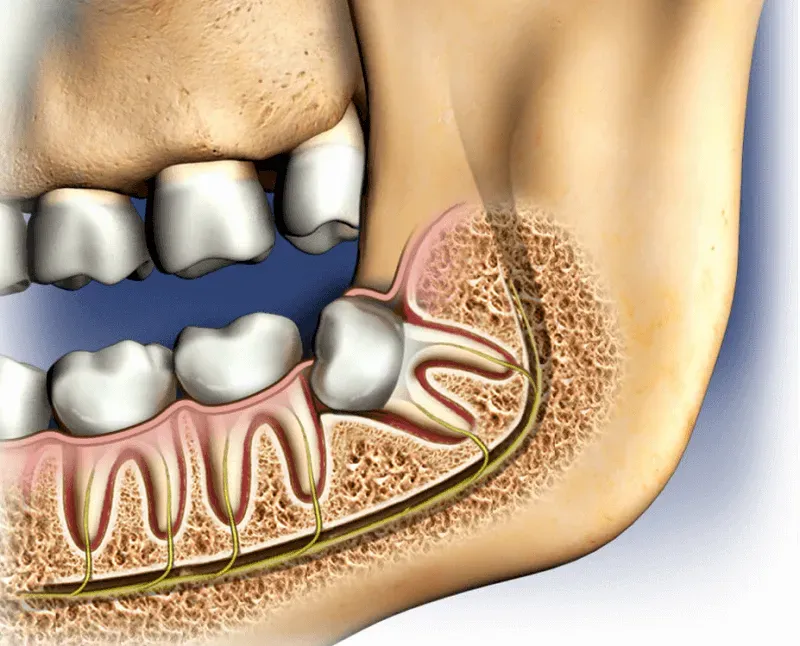
إزالة أضراس العقل في دبي: من 399 درهم (2026)
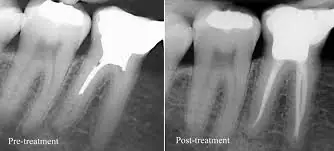
تكلفة علاج قناة الجذر في دبي: من 700 درهم (2026)
تكلفة حشوات الأسنان في دبي: من 150 درهم (2026)
تكلفة تاج الأسنان في دبي: من 1,000 درهم (2026)
ألم الأسنان في دبي: الأسباب ومتى تزور الطبيب (2026)
المزيد في Dental
Zirconia vs Porcelain Crown Dubai: Guide (2026)
اقرأ المزيد
Zoom Whitening Cost Dubai: From AED 699 (2026)
اقرأ المزيد
Mouth Ulcers Dubai: Causes & When to Worry (2026)
اقرأ المزيدDental Anxiety Dubai: Tips to Overcome Fear (2026)
اقرأ المزيدDry Mouth Dubai: Causes & Treatment (2026)
اقرأ المزيدChipped Tooth Repair Dubai: What to Do (2026)
اقرأ المزيد© 2026 Doctors Clinic Diagnostic Center (DCDC), Dubai Healthcare City. Originally published at https://doctorsclinicdubai.ae/blog/tooth-extraction-cost-dubai. All rights reserved. Unauthorized reproduction is prohibited.