النقاط الرئيسية
- يؤثر رهاب الأماكن الضيقة في جهاز MRI على ما بين 5 و15 بالمئة من المرضى تقريباً، غير أنه لا ينبغي أن يحول دون إجراء فحص طبي ضروري — فثمة استراتيجيات فعّالة تناسب كل شخص تقريباً
- من أكثر الأساليب العملية نجاعةً لدى غالبية المرضى: إغماض العينين قبل الدخول إلى الجهاز، والاستماع إلى الموسيقى عبر سماعات متوافقة مع MRI، وممارسة تمارين التنفس المتحكم
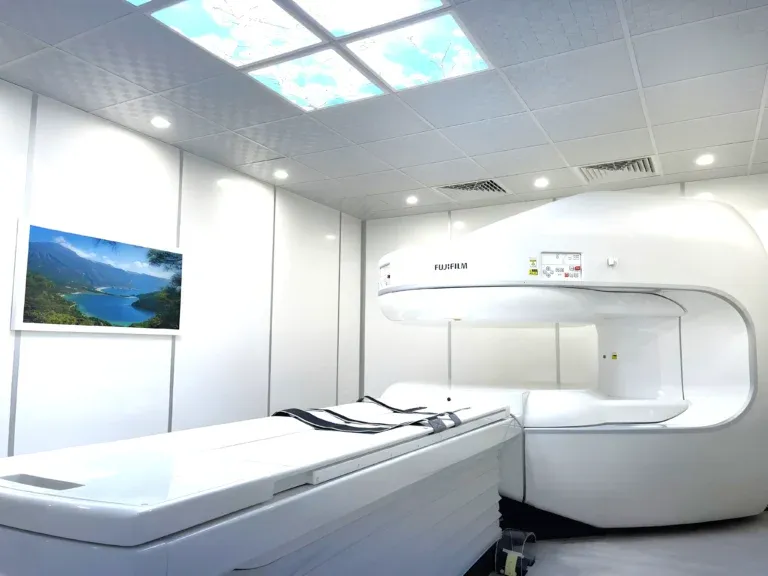
- يُتاح جهاز MRI المفتوح بديلاً للمرضى الذين يعانون رهاباً شديداً من الأماكن الضيقة، إذ يوفر بيئة فحص أكثر انفتاحاً بكثير مع الحفاظ على جودة الصور التشخيصية في معظم الفحوصات
- يُعدّ المهدّئ الخفيف عن طريق الفم (كبنزوديازيبين قصير المفعول يصفه الطبيب) خياراً آمناً وفعّالاً للمرضى الذين يعانون قلقاً شديداً ولا يستطيعون تحمّل الفحص بالأساليب غير الدوائية وحدها
- التواصل مع مختص MRI بشأن قلقك أمرٌ بالغ الأهمية — يستطيع الفريق تحسين تجربتك عبر وسائد إضافية وتعديل الوضعية وأخذ استراحات بين التسلسلات وتقديم الطمأنينة المستمرة لمساعدتك على إتمام الفحص
أُخبرت بأنك تحتاج إلى فحص MRI، وكان أول ما شعرت به الرهبة. تصوّر نفسك مستلقياً داخل أنبوب ضيق، غير قادر على الحركة، تُحيط بك ضجة صاخبة لمدة تتراوح بين 30 و60 دقيقة يملأك ذلك بالقلق. إن كان هذا حالك، فأنت لست وحدك. رهاب الأماكن الضيقة أثناء MRI — أي الخوف أو القلق الذي يُصيب المريض في الفضاء الضيق لجهاز MRI — يطال ما بين 5 و15 بالمئة من مرضى MRI. وتُشير بعض الدراسات إلى أن ما يصل إلى 30 بالمئة من المرضى يُفيدون بشعور بالقلق ولو كان خفيفاً خلال الفحص. والخبر السار أنه مع الاستعداد الجيد والاستراتيجيات المناسبة، يتمكن الغالبية العظمى من المرضى الذين يعانون رهاباً من إتمام فحص MRI بنجاح. إليك 8 نصائح مجرّبة تعينك على اجتياز فحصك.


لماذا يُثير MRI الرهاب من الأماكن الضيقة والقلق؟
فهم سبب استثارة MRI للقلق يساعدك على معالجة المحفزات المحددة. الرهاب من الأماكن الضيقة أثناء MRI ليس ضعفاً في الشخصية ولا علامة على الهشاشة — بل هو استجابة فيزيولوجية طبيعية لبيئة غير مألوفة. تتضافر عدة عوامل في تفعيل استجابة القلق:
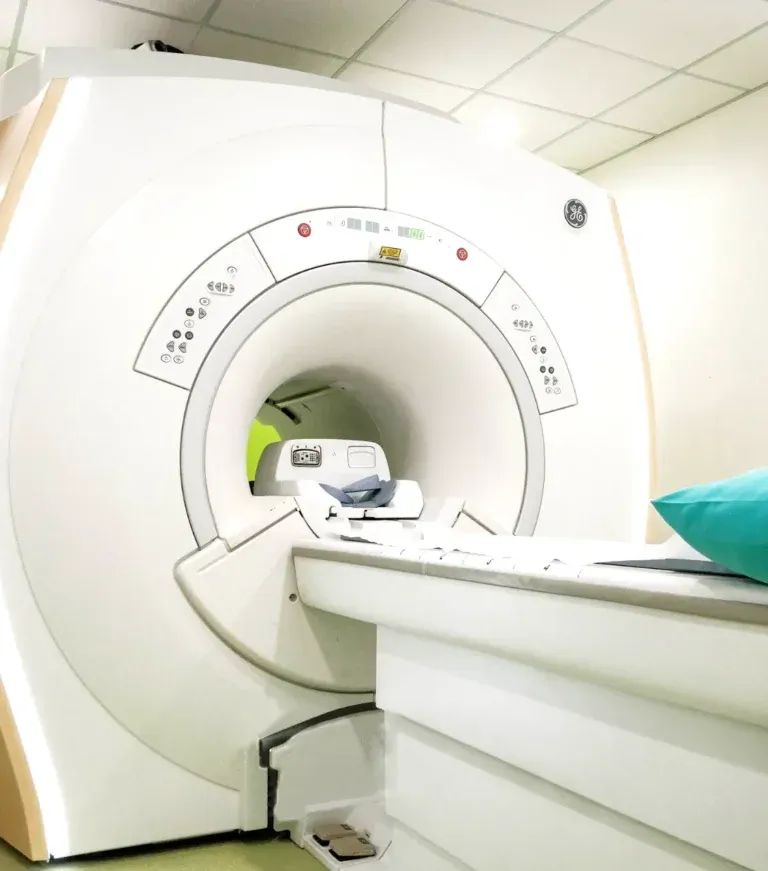
- الفضاء المغلق: يتميز جهاز MRI المغلق القياسي بفتحة نفق بقطر 60 سنتيمتراً تقريباً (نحو قدمين) وطول يتراوح بين 150 و200 سنتيمتر (5 إلى 6.5 أقدام). كثير من المرضى، ولا سيما الطوال والعريضو الكتفين وزائدو الوزن، يشعرون أن المساحة ضيقة جداً. وقد لا تبعد السقيفة الداخلية عن الوجه سوى 10 إلى 15 سنتيمتراً.
- الضوضاء الصاخبة: تُصدر أجهزة MRI أصواتاً صاخبة من قرع ونقر وطنين وهمهمة تتراوح بين 85 و120 ديسيبل، ناجمة عن التبديل السريع لملفات التدرج أثناء التقاط الصور. هذه الأصوات غير متوقعة وقد تبدو مفاجئة، خاصة للمرضى الذين يُجرون الفحص لأول مرة دون تحضير مسبق.
- اشتراط الثبات التام: يجب على المرضى البقاء ساكنين تماماً أثناء الفحص لتجنب التشويش الحركي في الصور. وعدم القدرة على التحرك بحرية يُضاعف الشعور بالانحصار، وهو أمر بالغ الصعوبة بالنسبة لمن يعانون الألم أو التوتر الحركي أو اضطراب ADHD.
- المدة الزمنية: تستغرق فحوصات MRI عادةً 30 إلى 60 دقيقة — وهي أطول بكثير من فحص CT (5 إلى 10 دقائق) أو الأشعة السينية (ثوانٍ). يُتيح هذا الوقت الطويل داخل الفضاء المغلق للقلق أن يتصاعد.
- الخوف من المجهول: بالنسبة لمن يُجرون فحص MRI لأول مرة، يُشكّل عدم معرفة ما ينتظرهم مصدراً رئيسياً للقلق. فالغموض حول ما سيفعله الجهاز وشدة الضوضاء ومدة كل تسلسل يولّد توقعاً مخيفاً.
إدراك هذه المحفزات هو الخطوة الأولى نحو التعامل معها. كل واحدة من النصائح الثماني أدناه تعالج محفزاً أو أكثر من هذه المصادر المحددة للقلق.
8 نصائح لإدارة الرهاب من الأماكن الضيقة أثناء MRI
النصيحة الأولى: أغمض عينيك قبل الدخول إلى الجهاز وابقِهما مغلقتين. هذا الأسلوب البسيط فعّال بشكل لافت. معظم حالات الرهاب المرتبطة بـMRI بصرية الطابع — رؤية سقيفة النفق قريبة من وجهك تُطلق استجابة الانحصار في المكان. إذا أغمضت عينيك قبل تحرك الطاولة نحو النفق، فلن ترى الفضاء الضيق أصلاً. يُفيد كثير من المرضى بأنهم حين يُغمضون أعينهم يستطيعون ذهنياً نقل أنفسهم إلى مكان آخر كلياً. بعض المرضى يُحضرون قناع نوم رفيعاً مريحاً أو قطعة قماش يضعونها على أعينهم لإضافة حاجز نفسي إضافي.
النصيحة الثانية: استمع إلى الموسيقى عبر سماعات متوافقة مع MRI. توفر معظم مراكز MRI الحديثة، بما في ذلك DCDC، سماعات أذن أو أذنيات متوافقة مع MRI تتيح لك الاستماع إلى الموسيقى أو البودكاست خلال الفحص. تؤدي الموسيقى غرضاً مزدوجاً: فهي تشتت انتباهك بشكل ممتع عن تجربة الفحص، وتُخفف جزئياً من وقع أصوات الطرق والطنين الصادرة عن الجهاز. اختر موسيقى تجدها مريحة ومألوفة — فهذا ليس وقت اكتشاف أنواع جديدة. الموسيقى الآلية وأصوات الطبيعة ومقاطع التأمل الموجّه تناسب هذا الغرض بشكل خاص.
النصيحة الثالثة: مارس تقنيات التنفس المتحكم قبل الفحص وخلاله. يُنشّط التنفس البطيء المتحكم الجهاز العصبي السمبثاوي الذي يُسمى بجهاز "الراحة والهضم" ويُقاوم مباشرةً استجابة الكرّ والفرّ التي تُغذّي الرهاب. مارس هذه التقنيات في المنزل قبل يوم الفحص:
- تنفس 4-7-8: شهيق من الأنف لمدة 4 ثوانٍ، احتجاز النفس 7 ثوانٍ، زفير بطيء من الفم لمدة 8 ثوانٍ. الزفير الطويل هو المفتاح — فهو يُحفّز العصب المبهم ويُهدّئ الجهاز العصبي.
- التنفس الصندوقي: شهيق لمدة 4 ثوانٍ، احتجاز 4 ثوانٍ، زفير 4 ثوانٍ، احتجاز 4 ثوانٍ. كرر ذلك. تستخدم هذه التقنية العسكريون والمسعفون للتحكم في الضغط في المواقف العصيبة.
- التنفس الحجابي: ركّز ذهنياً على التنفس بعمق من خلال البطن بدلاً من التنفس الصدري الضحل. يُبطّئ ذلك معدل التنفس بشكل طبيعي ويُقلل من المظاهر الجسدية للقلق (تسارع القلب، وضيق الصدر، والتنفس المتقطع).
النصيحة الرابعة: استشر طبيبك بشأن مهدّئ خفيف. للمرضى الذين يعانون رهاباً متوسطاً إلى شديداً وجربوا الأساليب غير الدوائية دون جدوى، يُعدّ المهدّئ الخفيف عن طريق الفم خياراً آمناً وفعّالاً. تناول جرعة واحدة من بنزوديازيبين قصير المفعول (كالألبرازولام أو اللورازيبام) قبل 30 إلى 60 دقيقة من الفحص قد يُقلص القلق بشكل ملحوظ دون التأثير على جودة الصور. اعتبارات مهمة:
- يجب أن يكون المهدّئ مصحوباً بوصفة طبية — ناقش هذا الخيار مع طبيبك قبل وقت كافٍ من موعد الفحص، وليس في يومه.
- لن تتمكن من القيادة بعد تناول المهدّئ. رتّب لوجود شخص يوصلك من وإلى موعد الفحص.
- هدف المهدّئ الخفيف هو تخفيف حدة القلق — ستبقى واعياً وتستطيع التواصل مع المختص طوال فترة الفحص.
- أخبر فريق MRI بأنك تناولت مهدّئاً عند وصولك لموعد الفحص.
النصيحة الخامسة: فكّر في جهاز MRI المفتوح بديلاً. تعتمد أجهزة MRI المفتوحة تصميماً مختلفاً جذرياً عن أجهزة MRI المغلقة القياسية. فبدلاً من النفق الضيق، يتكون جهاز MRI المفتوح عادةً من لوحين مغناطيسيين مسطحين (فوق المريض وتحته) مع جوانب مفتوحة. يوفر هذا التصميم مساحة وانفتاحاً أوسع بكثير، ويُزيل النفق الذي يُثير الرهاب لدى معظم المرضى. يُعدّ جهاز MRI المفتوح خياراً ممتازاً لـ:
- المرضى الذين يعانون رهاباً شديداً من الأماكن الضيقة ولا يتحملون الجهاز المغلق حتى مع استراتيجيات التكيّف الأخرى
- المرضى ذوو البنية الجسدية الكبيرة الذين قد لا يتّسعون بشكل مريح في نفق قياسه 60 سم
- الأطفال الذين قد يُخيفهم الفضاء المغلق
- المرضى الذين يحتاجون إلى مرافق أو والد يبقى قريباً جسدياً أثناء الفحص
تجدر الإشارة إلى أنه رغم توفير جهاز MRI المفتوح تجربة أكثر راحة، فإن جهاز MRI المغلق بقوة 1.5T أو 3T يُوفر عموماً جودة صور أعلى لبعض الفحوصات. لمعظم الأغراض التشخيصية، يُقدّم جهاز MRI المفتوح جودة صور كافية تماماً. يستطيع طبيب الأشعة إرشادك إلى ما إذا كان جهاز MRI المفتوح مناسباً لحالتك السريرية. للاطلاع على مقارنة تفصيلية، راجع دليلنا الشامل حول MRI المفتوح.
النصيحة السادسة: أحضر معك مرافقاً إلى غرفة الفحص. تُتيح معظم مراكز MRI لمرافق (فرد من العائلة أو صديق) التواجد في غرفة الفحص طوال مدته، بشرط اجتيازه نفس فحص أمان المعادن الخاص بالمريض. وجود شخص مألوف في الغرفة — يمسك يدك أو يُشكّل حضوراً مطمئناً — قادر على تخفيف القلق بشكل ملحوظ. يجلس المرافق على كرسي قريب من جهاز MRI ويستطيع التواصل معك خلال الاستراحات بين التسلسلات.
النصيحة السابعة: استخدم التخيّل والصور الذهنية. بدلاً من التركيز على الجهاز من حولك، انقل نفسك ذهنياً إلى بيئة هادئة ومفتوحة. قبل الفحص، اختر مشهداً ممتعاً بتفاصيله: الاستلقاء على شاطئ والاستماع إلى أصوات الأمواج، أو الجلوس في حديقة، أو التنزه في غابة، أو الوقوف على قمة جبل. كلما كان تخيّلك أكثر تفصيلاً وإثارةً للحواس (تخيّل دفء الشمس وزقزقة الطيور وعطر الأزهار)، كلما كانت فاعليته في صرف ذهنك عن بيئة MRI أقوى. مقرونة بإغماض العينين والموسيقى، يجعل التخيّل مرور 30 إلى 60 دقيقة أسرع بكثير.
النصيحة الثامنة: تواصل مع المختص واطلب أخذ استراحات. ربما تكون هذه الاستراتيجية الأقل توظيفاً. مختصو MRI لديهم خبرة واسعة في التعامل مع المرضى القلقين ويرغبون في مساعدتك على إتمام الفحص بنجاح. قبل بدء الفحص:
- أخبر المختص بأنك تعاني رهاب الأماكن الضيقة. هذا ليس محرجاً — بل هي معلومة يحتاجها لتقديم أفضل تجربة ممكنة.
- اطلب من المختص أن يشرح لك كل خطوة قبل حدوثها — معرفة ما سيحدث تُقلّل من الخوف من المجهول.
- اسأل عن مدة كل تسلسل. يتكون فحص MRI النموذجي من تسلسلات متعددة تدوم كل منها من 2 إلى 6 دقائق. معرفة أن تسلسلاً معيناً "لن يتجاوز 4 دقائق" يجعله قابلاً للتحمل نفسياً.
- تأكد من أنك تستطيع الضغط على زر الإنذار في أي وقت إذا أردت إيقاف الفحص. مجرد معرفة أن لديك مخرجاً — حتى لو لم تستخدمه — يمنحك شعوراً حيوياً بالسيطرة.
- اطلب استراحات بين التسلسلات إذا لزم. يمكن سحب طاولة MRI جزئياً بين التسلسلات لمنحك استراحة قصيرة.
MRI المفتوح: الخيار الأمثل لحالات الرهاب الشديد
للمرضى الذين يعانون رهاباً شديداً وسبق أن أُصيبوا بنوبات هلع في أجهزة MRI القياسية، أو فشلوا في إتمام فحوصات سابقة، أو يعلمون أنهم لن يتحملوا الفضاء المغلق في أي ظرف، فإن جهاز MRI المفتوح هو الحل الموصى به. يُزيل جهاز MRI المفتوح المحفز الرئيسي — النفق المغلق — مع الحفاظ على تصوير الرنين المغناطيسي اللازم للتشخيص.
تحسّنت أنظمة MRI المفتوحة الحديثة تحسناً ملحوظاً في جودة الصور مقارنةً بالأجيال السابقة. وإن كانت لا تُضاهي في بعض التطبيقات أجهزة المجال المغناطيسي العالي مغلقة النفق، فإنها توفر صوراً تشخيصية مقبولة للغالبية العظمى من المؤشرات السريرية بما فيها تصوير الدماغ والعمود الفقري والمفاصل والبطن والحوض. في DCDC، يستطيع أطباء الأشعة لدينا إرشادك إلى ما إذا كان جهاز MRI المفتوح مناسباً لفحصك بعينه أم يُوصى بجهاز مغلق النفق لجودة صور مثلى.
تكلفة جهاز MRI المفتوح قابلة للمقارنة عموماً بجهاز MRI القياسي. تتقاضى بعض المراكز رسوماً إضافية بسيطة على جهاز MRI المفتوح، بينما تسعّره أخرى بالسعر ذاته. تغطية التأمين على جهاز MRI المفتوح مماثلة لتلك الخاصة بجهاز MRI القياسي متى كان الفحص مشروطاً طبياً.
خيارات التخدير لرهاب الأماكن الضيقة أثناء MRI
حين لا تكفي الأساليب غير الدوائية وحدها، يُوفر التخدير شبكة أمان فعّالة. تتوفر عدة مستويات من التخدير:
- التهدئة الخفيفة عن طريق الفم (تخفيف القلق): جرعة واحدة من بنزوديازيبين قصير المفعول (كألبرازولام 0.25 إلى 0.5 ملغ أو لورازيبام 0.5 إلى 1 ملغ) تُؤخذ قبل 30 إلى 60 دقيقة من الفحص. يبقى المريض واعياً تماماً ويستطيع التواصل واتباع التعليمات، لكنه يشعر بهدوء أكبر واستجابة أخف للمحفزات المثيرة للقلق. وهذا الأسلوب الأكثر شيوعاً للتخدير في حالات رهاب MRI.
- التخدير المتوسط (الواعي): يُعطى عن طريق الوريد من قِبَل طبيب متمرس، ويُوفر مستوى أعمق من الاسترخاء. يكون المريض في حالة نعاس لكنه يستجيب ويُمكن إيقاظه والتواصل معه شفهياً. يُستخدم أحياناً للمرضى شديدي القلق أو في بروتوكولات الفحص الطويلة جداً.
- التخدير العام: في حالات نادرة — عادةً للمرضى الذين يعانون رهاباً شديداً أو إعاقات معرفية تحول دون التعاون — قد يُعطى التخدير العام من قِبَل طبيب تخدير. ويُستخدم هذا النهج في تصوير الأطفال (الصغار جداً) أكثر من البالغين.
لمعظم البالغين الذين يعانون رهاباً، التهدئة الخفيفة عن طريق الفم مقرونةً بالأساليب غير الدوائية (الموسيقى وإغماض العينين وتمارين التنفس) كافية لإتمام الفحص بشكل مريح. ناقش خيارات التخدير مع طبيبك المحيل قبل وقت كافٍ من موعد الفحص لضمان توفر الدواء يوم الفحص.
رهاب الأماكن الضيقة أثناء MRI لدى الأطفال
يواجه الأطفال تحديات فريدة أثناء MRI — ليس فقط الرهاب من الأماكن الضيقة، بل أيضاً الخوف من البيئات غير المألوفة وصعوبة البقاء ساكنين لفترات ممتدة وأصوات الجهاز الصاخبة. تشمل استراتيجيات التعامل مع قلق الأطفال أثناء MRI:
- التحضير المناسب للعمر: اشرح الفحص بأسلوب بسيط وصادق. تمتلك كثير من مستشفيات الأطفال ومراكز التصوير مواد تعليمية ومقاطع مرئية أو حتى تجارب MRI تمثيلية تُتيح للأطفال رؤية الجهاز والتدرب على الاستلقاء فيه قبل يوم الفحص الفعلي.
- تواجد أحد الوالدين: وجود أحد الوالدين في غرفة الفحص (بعد اجتياز الفحص الأمني) يمنح الطفل القلق أماناً بالغاً. يستطيع الوالد الإمساك بيد الطفل أو قدمه طوال مدة الفحص.
- أساليب التشتيت: بعض المراكز توفر نظارات فيديو متوافقة مع MRI تُتيح للأطفال مشاهدة أفلام أو رسوم متحركة أثناء الفحص. مع سماعات تبث صوت الفيلم، يمكن تحويل الفحص من تجربة مرعبة إلى تجربة ترفيهية شيّقة.
- التخدير أو التبنيج: كثيراً ما لا يستطيع الأطفال دون سن 6 أو 7 سنوات تقريباً البقاء ساكنين طوال مدة فحص MRI. قد يكون التخدير أو التبنيج العام من قِبَل طبيب تخدير متخصص في الأطفال ضرورياً لضمان إتمام الفحص بنجاح. في DCDC، تُولي بروتوكولات التصوير للأطفال لدينا السلامة والراحة معاً أولوية قصوى.
- جهاز MRI المفتوح: للأطفال الأكبر سناً القادرين على التعاون لكنهم قلقون من الجهاز المغلق، يُوفر جهاز MRI المفتوح بيئة أقل إرهاباً.
الهدف دائماً هو تقليص معاناة الطفل إلى أدنى حد مع الحصول على صور تشخيصية بالجودة المطلوبة. مع التحضير المناسب وفريق أشعة أطفال متمرس، يمكن لـMRI أن يكون تجربة يسيرة حتى للأطفال القلقين.
التحضير لفحص MRI الخاص بك: قائمة تحقق صديقة لمن يعانون رهاباً
استخدم قائمة التحقق هذه للاستعداد لفحص MRI إذا كنت قلقاً من التجربة:
- قبل الموعد: اتصل بمركز التصوير وأعلمهم بأنك تعاني رهاب الأماكن الضيقة. اسأل عن توفر جهاز MRI المفتوح وسياسات صحبة المرافق وخيارات الموسيقى وبروتوكولات الاستراحة. ناقش التخدير مع طبيبك مسبقاً.
- اليوم السابق: تدرّب على تمارين التنفس. أعدّ قائمة تشغيل الموسيقى. أكّد أن مرافقك (إن قررت الإتيان بأحد) سيكون حاضراً. إن كان لديك مهدّئ مصروف، تأكد من توفره ورتّب وسيلة المواصلات (لا قيادة بعد المهدّئ).
- يوم الفحص: ارتدِ ملابس مريحة فضفاضة خالية من المعادن (سحّابات وأسلاك داخلية وأزرار). تناول المهدّئ في الوقت المحدد إن كان مقرراً. احضر مبكراً لتسجيل وصولك دون عجلة. ذكّر المختص برهابك.
- أثناء الفحص: أغمض عينيك (قبل الدخول إلى النفق). شغّل الموسيقى. تنفّس ببطء وثبات. ركّز على التخيّل. تذكّر أن زر الإنذار بين يديك. كل تسلسل لا يستغرق سوى بضع دقائق — تعامل معه تسلسلاً تسلسلاً.
- بعد الفحص: هنّئ نفسك — لقد فعلتها. إن تناولت مهدّئاً، ارتح ودع مرافقك يقودك إلى المنزل. ستتوفر النتائج خلال 24 إلى 48 ساعة عن طريق طبيبك المحيل.
فحص MRI صديق لمن يعانون رهاب الأماكن الضيقة في DCDC
في Doctors Clinic Diagnostic Center بمدينة دبي الطبية، يتمتع فريق الأشعة لدينا بخبرة واسعة في مساعدة المرضى الذين يعانون رهاب الأماكن الضيقة على إتمام فحوصات MRI بنجاح. نُوفر الموسيقى وخيارات استيعاب المرافق وجهاز MRI المفتوح ونهجاً داعماً يركز على المريض. اطّلع على خدمات MRI لدينا أو تواصل معنا لمناقشة مخاوفك.
خدمات ذات صلة في DCDC
رعاية متخصصة وتشخيص متقدم في مدينة دبي الطبية
الأسئلة الشائعة
خلاصة القول
الرهاب من الأماكن المغلقة داخل الـMRI حالة شائعة لكنها لا تعني الاستغناء عن فحص ذي أهمية طبية. في DCDC بمدينة دبي الطبية، اعتدنا التعامل مع هذه الحالات. تواصل معنا قبل موعدك لإعداد نهج مناسب.
كتبه
Dr. Osama Elzamzami
أشعة تشخيصية
دكتوراه في الطب، FRCR
Dr. Osama Elzamzami استشاري أشعة تشخيصية متخصص في التصوير التشخيصي بما يشمل MRI وCT والموجات فوق الصوتية في DCDC بمدينة دبي الطبية.
مقالات ذات صلة
MRI المفتوح في دبي: التكلفة والفوائد ومن يجب أن يختاره
سلامة MRI: 10 خرافات مقابل حقائق حول فحوصات MRI
تكلفة MRI في دبي: دليل شامل للأنواع والأسعار (2026)
MRI بقوة 1.5T مقابل 3T مقابل المفتوح: أي نوع MRI الأنسب لك؟
MRI مع التباين: ما تتوقعه والسلامة والتكلفة
المزيد في Diagnostic Imaging

Chest X-Ray Cost Dubai: From AED 150 (2026)
اقرأ المزيد
CT Scan Cost Dubai: Prices & Types (2026)
اقرأ المزيد![Ultrasound Cost Dubai: AED 300-800 by Type [2026 Prices]](/wp-media/blog/ultrasound-scan-guide.webp)
Ultrasound Cost Dubai: AED 300-800 by Type [2026 Prices]
اقرأ المزيد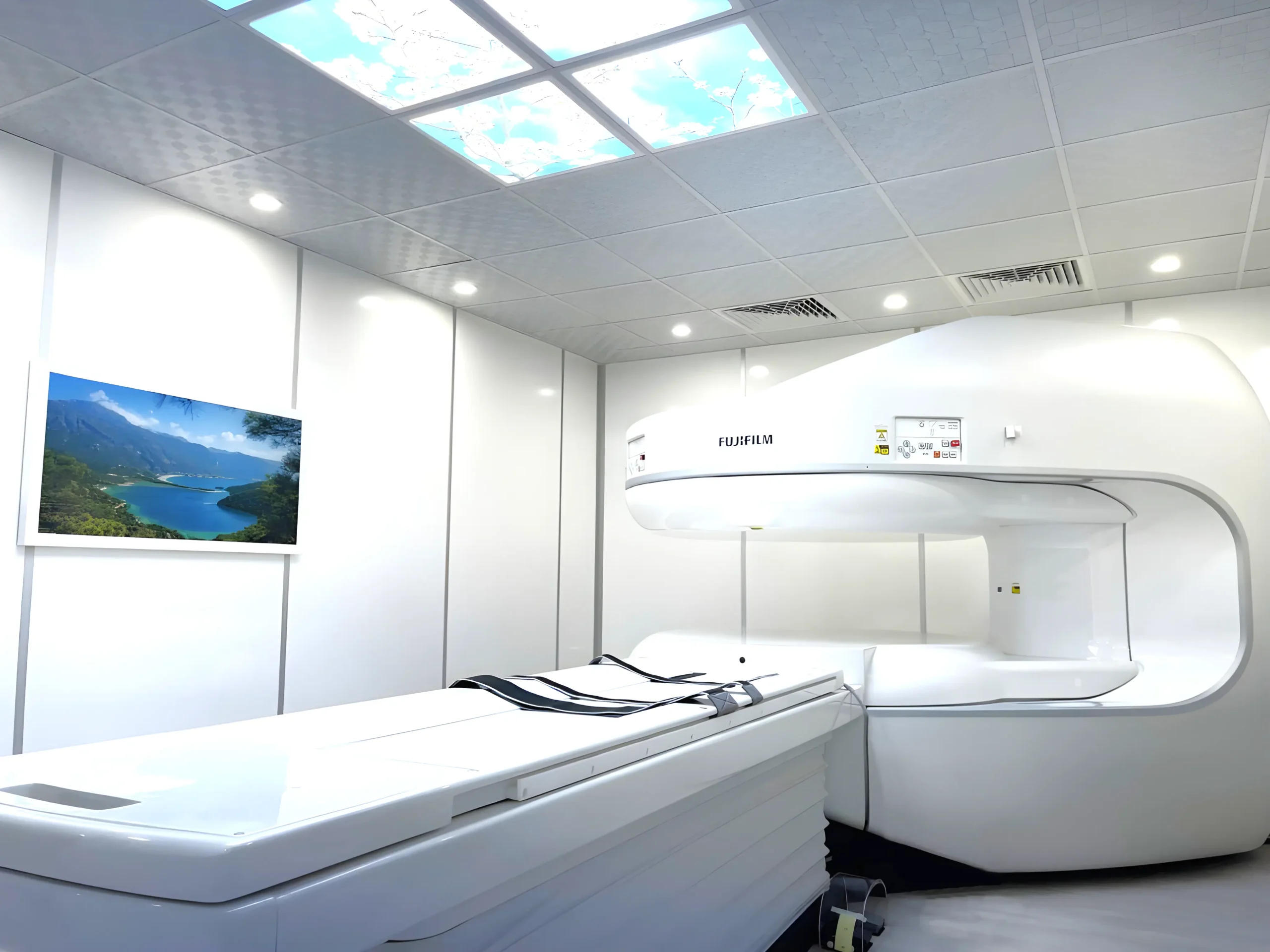
CT Scan vs Ultrasound Dubai: Which Test? (2026)
اقرأ المزيد
Open vs Closed MRI Dubai: Key Differences (2026)
اقرأ المزيد
X-Ray Cost Dubai: Prices by Body Part (2026)
اقرأ المزيد© 2026 Doctors Clinic Diagnostic Center (DCDC), Dubai Healthcare City. Originally published at https://doctorsclinicdubai.ae/blog/mri-claustrophobia-guide. All rights reserved. Unauthorized reproduction is prohibited.