النقاط الرئيسية
- العلاج الطبيعي المنزلي مثالي للمرضى ما بعد الجراحة والمسنّين ذوي القيود الحركية والمتعافين من السكتة الدماغية أو الإصابات الكبرى
- يُتيح العلاج الطبيعي في العيادة الوصول إلى معدّات متخصصة (العلاج بالموجات الصادمة وآلات الصالة وأحواض السباحة) يتعذّر تكرارها في المنزل
- تتراوح تكلفة جلسات العلاج الطبيعي المنزلي في دبي بين 400 و800 درهم للجلسة مقابل 250-500 درهم في العيادة
- معظم مزودي الرعاية المنزلية المرخَّصين من هيئة الصحة بدبي يلتزمون بالمعايير السريرية ذاتها للمعالجين الطبيعيين العياديين
- غالباً ما يُحقّق النموذج الهجين (البدء بزيارات منزلية والانتقال إلى العيادة) أفضل النتائج للمرضى ما بعد الجراحة وذوي القيود الحركية
- للعلاج الطبيعي المنزلي قيود حقيقية في الحالات التي تستلزم معدّات علاجية أو قياس قوة موضوعي أو تمارين صالة رياضية مُشرَف عليها
- العلاج الطبيعي المنزلي: 349 درهماً للجلسة العلاجية. التقييم المنزلي للعلاج الطبيعي: 199 درهماً.
هل تستدعي المعالج الفيزيائي إلى المنزل أم تذهب إلى العيادة؟ سؤال نسمعه كثيراً في DCDC، والجواب الصادق: كلا الخيارين مناسب، لكن لحالات مختلفة. العلاج الطبيعي المنزلي ليس مجرد بديل مريح للعيادة — فهو يُمثّل النهج الأفضل سريرياً لفئات محددة من المرضى بينما يكون العلاج في العيادة الخيار الأنسب لآخرين. في DCDC بمدينة دبي الطبية، نُقدّم كلا الخيارين ونرشدك إلى الأنسب لحالتك.
نما سوق الرعاية الصحية المنزلية في دبي بشكل ملحوظ، والعلاج الطبيعي المنزلي إحدى أكثر الخدمات طلباً. لكن ليس بمقدور كل علاج طبيعي أن يُقدَّم بفاعلية في غرفة المعيشة. فهم المقايضات يُوفّر عليك الوقت والمال وربما أسابيع من التعافي دون المستوى الأمثل.
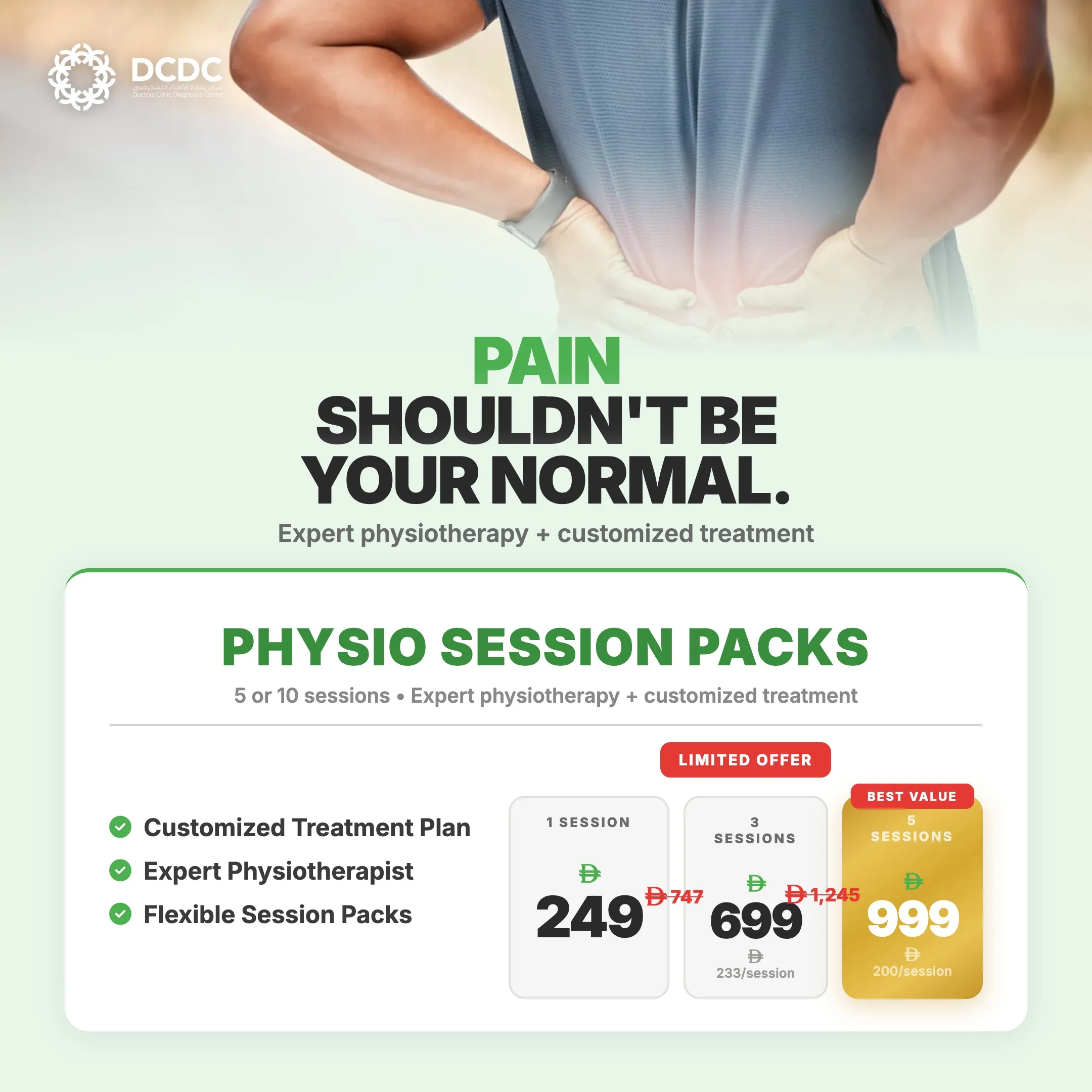
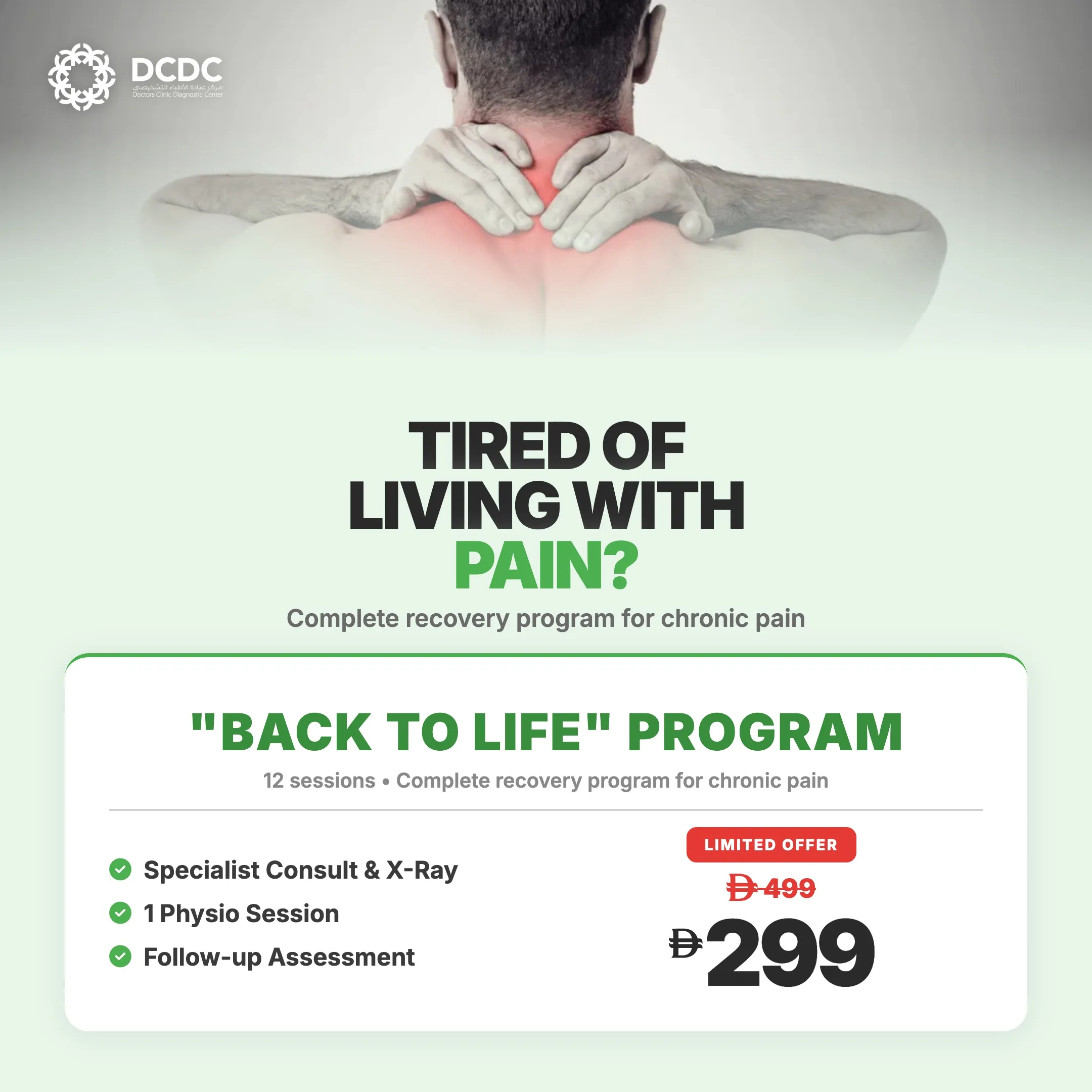
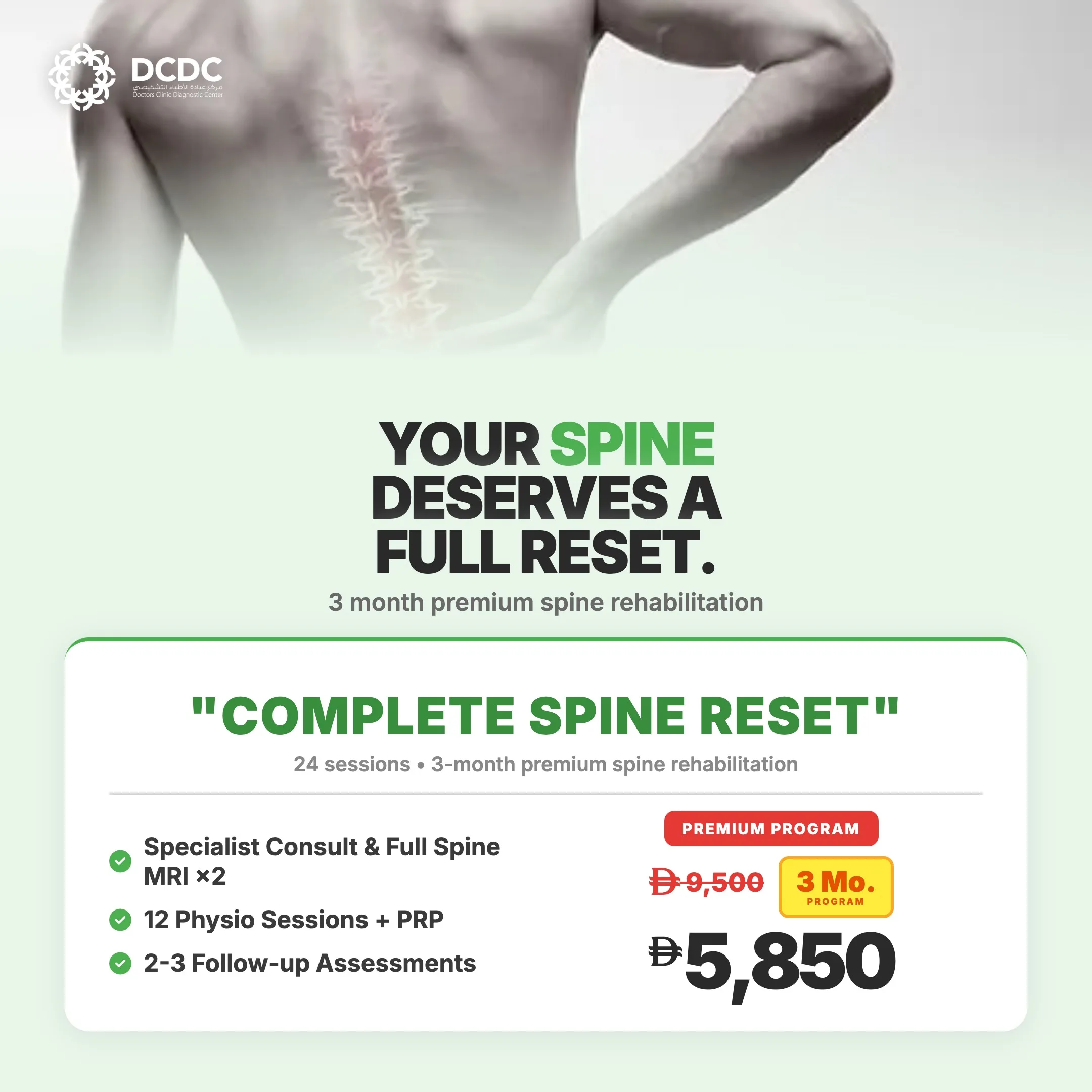
كيف يقارن العلاج الطبيعي المنزلي بالعلاج في العيادة؟
الفرق الجوهري بين العلاج الطبيعي المنزلي والعيادي يكمن في الوصول إلى المعدّات والبيئة. تمتلك العيادة أسرّة علاج وآلات مقاومة ومعدّات توازن وأجهزة علاج بالموجات الصادمة وكثيراً ما تتوفّر فيها صالة رياضية أو حمام سباحة. تعتمد الزيارة المنزلية على معدّات متنقّلة وتمارين بوزن الجسم وأشرطة المقاومة. لكثير من الحالات، هذا كافٍ تماماً. لحالات أخرى، هو قيد حقيقي يؤثر على النتائج.
| العامل | العلاج الطبيعي المنزلي | العلاج الطبيعي في العيادة |
|---|---|---|
| الراحة | لا سفر مطلوب، جدولة مرنة، لا إشكاليات موقف سيارة | يستلزم السفر إلى العيادة، أوقات مواعيد ثابتة |
| التكلفة لكل جلسة | AED 349 | 250-500 درهم |
| الوصول إلى المعدّات | أدوات محمولة فقط: أشرطة وكرات وجهاز TENS وعلاج يدوي أساسي | نطاق كامل: آلات صالة رياضية وموجات صادمة وموجات فوق صوتية ومنصات توازن وحمام سباحة |
| البيئة | تمارين موصوفة في مساحة معيشتك الفعلية (وظيفية وذات صلة) | بيئة سريرية مُحكَّمة قد لا تُحاكي تحديات المنزل |
| الخصوصية | خصوصية كاملة ووضع مريح | مساحة عيادة مشتركة (مع توفّر غرف خاصة) |
| مدة الجلسة | غالباً 45-60 دقيقة (المعالج يخصّص وقته بالكامل) | 30-45 دقيقة (قد تختلف حسب العيادة) |
| جودة الإشراف | فردي طوال الجلسة | فردي، لكن قد يتوزّع الانتباه في العيادات المزدحمة |
| أفضل الحالات | ما بعد الجراحة والمسنّون وطريحو الفراش وذوو الحركة المحدودة | إعادة تأهيل رياضي وعظام معقّدة وتقوية تدريجية |
| التغطية التأمينية | تُغطّيه بعض الخطط مع إحالة، تحقق من بوليصتك | تُغطّيه معظم الخطط مع إحالة طبيب |
الاختيار الصحيح يعتمد على حالتك المحددة ومرحلة تعافيك وأهداف علاجك.
من يستفيد أكثر من العلاج الطبيعي المنزلي؟
العلاج الطبيعي المنزلي ليس خياراً للراحة المجردة — إنه قرار سريري مبني على من سيتعافى فعلاً بشكل أفضل في المنزل مقارنةً بالعيادة. تستفيد الفئات التالية باستمرار من العلاج المنزلي، وبعضهم لا يمتلك خياراً واقعياً آخر.
- المرضى ما بعد الجراحة (الأسابيع الأولى 2-6): بعد استبدال الركبة أو الورك أو الجراحة العمودية الفقرية، السفر إلى العيادة كثيراً ما يكون مؤلماً ومحفوفاً بالمخاطر. يُركّز العلاج الطبيعي المنزلي في المرحلة الأولى ما بعد الجراحة على الحيطة من الجروح ومدى حركة لطيف والتنقل الآمن داخل المنزل. بمجرد تحسّن الحركة، ينتج عن الانتقال إلى إعادة التأهيل في العيادة للتقوية التدريجية أفضل النتائج
- المرضى المسنّون المعرّضون لخطر السقوط: للمرضى ذوي ضعف التوازن وهشاشة العظام أو الهشاشة الجسدية، قد يكون الوصول إلى العيادة نفسه خطراً للسقوط. يُتيح العلاج الطبيعي المنزلي للمعالج تقييم البيئة المنزلية الفعلية ووصف تمارين باستخدام أثاث المريض ودرجه وتجهيزات حمّامه
- إعادة التأهيل من السكتة الدماغية والحالات العصبية: المرضى المتعافون من السكتة أو الحالات العصبية غالباً ما يعانون من قيود حركية جسيمة. يُقدّم العلاج الطبيعي المنزلي تدريباً وظيفياً في البيئة الحقيقية التي يحتاج المريض استعادة استقلاليته فيها
- طريحو الفراش أو المعتمدون على الكرسي المتحرك: للمرضى الذين لا يستطيعون فعلياً الوصول إلى العيادة، العلاج الطبيعي المنزلي هو الخيار الوحيد. يُركّز العلاج على منع المضاعفات (قرح الضغط والانقباضات ومشاكل التنفس) وتعظيم الوظيفة المتاحة
- المرضى المتعافون من كسور مع قيود الحمل على الوزن: التنقل في حركة دبي على عكّازين بساق لا تتحمّل الوزن أمر غير عملي. الزيارات المنزلية خلال فترة التثبيت الأولى منطقية حتى يُسمح بالحمل على الوزن
متى يكون العلاج الطبيعي في العيادة الخيار الأفضل؟
لعدة حالات ومراحل تعافٍ، يُقدّم العلاج الطبيعي في العيادة نتائج أفضل قياسياً بسبب المعدّات والبيئة وتقنيات العلاج المتاحة. إذا انطبق عليك أيٌّ مما يلي، فإن زيارة العيادة على الأرجح الاستثمار الأفضل.
- إعادة التأهيل الرياضي: تستلزم بروتوكولات العودة للرياضة معدّات صالة وأرضيات بليومترية وتدريبات رشاقة واختبار قوة موضوعي يتعذّر تكراره في المنزل
- الحالات التي تستلزم معدّات متخصصة: العلاج بالموجات الصادمة والموجات فوق الصوتية العلاجية وأجهزة تحفيز العضلات الكهربائي تتوفّر في العيادة
- برامج التقوية التدريجية: المرضى الذين تجاوزوا مرحلة التعافي الأولى ويحتاجون آلات مقاومة وأثقالاً حرة وإعادة تأهيل مُشرَفاً في الصالة الرياضية
- احتياجات العلاج اليدوي المعقّدة: بينما يمكن إجراء العلاج اليدوي الأساسي في المنزل، توفّر طاولات العلاج المتخصصة ومعدّات الشدّ والأدوات التموضعية نتائج أفضل للحالات الشوكية
- العلاج الطبيعي المائي: تُقدّم أحواض العلاج المائي تمارين منخفضة الحمل على الوزن يستحيل تكرارها في المنزل
ما الذي تشمله جلسة العلاج الطبيعي المنزلي؟
يجب أن تبدو جلسة العلاج الطبيعي المنزلي المنظَّمة من مزوّد مرخَّص من هيئة الصحة بدبي مشابهةً جداً لجلسة العيادة من حيث جودة التقييم والتخطيط العلاجي والتفكير السريري. الفرق في الأدوات المتاحة لا في الخبرة السريرية. إليك ما تتضمّنه جلسة منزلية نموذجية.
- التقييم الأولي (الزيارة الأولى، 60-90 دقيقة): تاريخ تفصيلي وفحص بدني وتقييم وظيفي في بيئتك المنزلية (الانتقالات والدرج والوصول لدورة المياه) وتحديد الأهداف وخطة العلاج
- العلاج اليدوي: تعبئة المفاصل وتحرير الأنسجة الرخوة والتمدد — يُجرى على سريرك أو سطح علاج محمول. فعّال لمعظم الحالات لكن محدود للتقنيات التي تستلزم تموضعاً متخصصاً
- وصف التمارين: مُصمَّمة وفق المساحة المتاحة والمعدّات. أشرطة مقاومة وتمارين بوزن الجسم وتدريب التوازن باستخدام مقتنيات منزلية وبرامج المشي
- التدريب الوظيفي: ممارسة الأنشطة الفعلية — الدخول والخروج من السرير واستخدام دورة المياه والتنقل عبر الدرج والحركة في المطبخ. هنا يُتفوّق العلاج الطبيعي المنزلي فعلياً على علاج العيادة
- تقييم البيئة المنزلية: تحديد مخاطر الانزلاق والتوصية بالمقابض الداعمة وتقييم ارتفاع الأثاث والتوجيه بشأن المعدّات المساعدة (كراسي الاستحمام ومقاعد المرحاض المرتفعة)
- تتبّع التقدم وإعادة التقييم: قياس منتظم لمدى الحركة والقوة والوظيفة ومستويات الألم لتعديل البرنامج
كم تكلّف العلاج الطبيعي المنزلي في دبي؟
العلاج الطبيعي المنزلي أغلى لكل جلسة من زيارات العيادة بسبب وقت التنقل وتكاليف المواصلات وعدم قدرة المعالج على استقبال عدة مرضى متتاليين. إليك مقارنة واقعية للتكاليف مستندة إلى أسعار سوق دبي الحالية.
| الخدمة | الزيارة المنزلية | زيارة العيادة |
|---|---|---|
| التقييم الأولي | AED 199 | 300-600 درهم |
| جلسة متابعة (45-60 دقيقة) | AED 349 | 250-500 درهم |
| باقة 10 جلسات | 3,500-7,000 درهم | 2,000-4,500 درهم |
| التغطية التأمينية | بعض الخطط تُغطّيه مع إحالة | معظم الخطط تُغطّيه مع إحالة |
تتباين الأسعار بحسب المزوّد والموقع داخل دبي. يُقدّم DCDC خياريّ الرعاية المنزلية والعيادية — تواصل معنا لأحدث الأسعار.
ما أفضل نهج: النموذج الهجين؟
بالنسبة لكثير من المرضى، النهج الأكثر فاعلية وكفاءةً من حيث التكلفة هو النموذج الهجين الذي يجمع الزيارات المنزلية في المراحل الأولى بجلسات عيادية مع تقدّم التعافي. في DCDC، نُقدّم كلاً من خدمات الرعاية المنزلية والعلاج الطبيعي العيادي، مما يُتيح انتقالاً سلساً حين يكون مناسباً سريرياً.
- الأسابيع 1-3 ما بعد الجراحة: زيارات منزلية 2-3 مرات أسبوعياً لإدارة الألم والتمارين اللطيفة والحيطة من الجروح والحركة الوظيفية
- الأسابيع 3-6: الانتقال إلى العيادة 1-2 مرة أسبوعياً للتقوية المدعومة بالمعدّات، مع برنامج تمارين منزلية
- الأسبوع 6 فما بعده: إعادة تأهيل تدريجية في العيادة وتدريب خاص بالرياضة أو العمل والاستقلالية في الإدارة الذاتية
لست متأكداً من أي علاج طبيعي تحتاج: منزلي أم عيادي؟
يستطيع فريقنا في DCDC بمدينة دبي الطبية تقييم وضعك والتوصية بالنهج الأكثر فاعلية. نُقدّم العلاج الطبيعي المنزلي والعيادي مع مرونة التنقل بينهما مع تقدّم تعافيك.
ناقش خياراتك مع فريقنا
خدمات ذات صلة في DCDC
رعاية متخصصة وتشخيص متقدم في مدينة دبي الطبية
الأسئلة الشائعة
خلاصة القول
ينبغي أن يكون الاختيار بين العلاج الطبيعي في المنزل أو العيادة قراراً سريرياً لا مجرد اعتبار للراحة. لمرضى ما بعد الجراحة وكبار السن والمرضى قليلي الحركة، يوفّر العلاج المنزلي رعاية آمنة وفعّالة. أما من يحتاج إلى أجهزة متخصصة أو يعمل على الأداء الرياضي، فالعيادة هي الخيار الأمثل.
في DCDC بمدينة دبي الطبية، يُساعدك فريقنا على تحديد الأنسب لوضعك. تواصل معنا لترتيب جلستك الأولى.

كتبه
د. هادي كومشي
أخصائي الطب الباطني
دكتوراه في الطب، مرخّص من هيئة الصحة بدبي
الدكتور هادي كومشي أخصائي الطب الباطني المرخَّص من هيئة الصحة بدبي في مركز أطباء العيادات التشخيصي بمدينة دبي الطبية، يتمتع بخبرة واسعة في إدارة الحالات الطبية الحادة والمزمنة بما فيها آلام الجهاز العضلي الهيكلي وإعادة التأهيل.
مقالات ذات صلة
تكلفة العلاج الطبيعي في دبي: دليل أسعار شامل
العلاج الطبيعي في دبي: الدليل الشامل
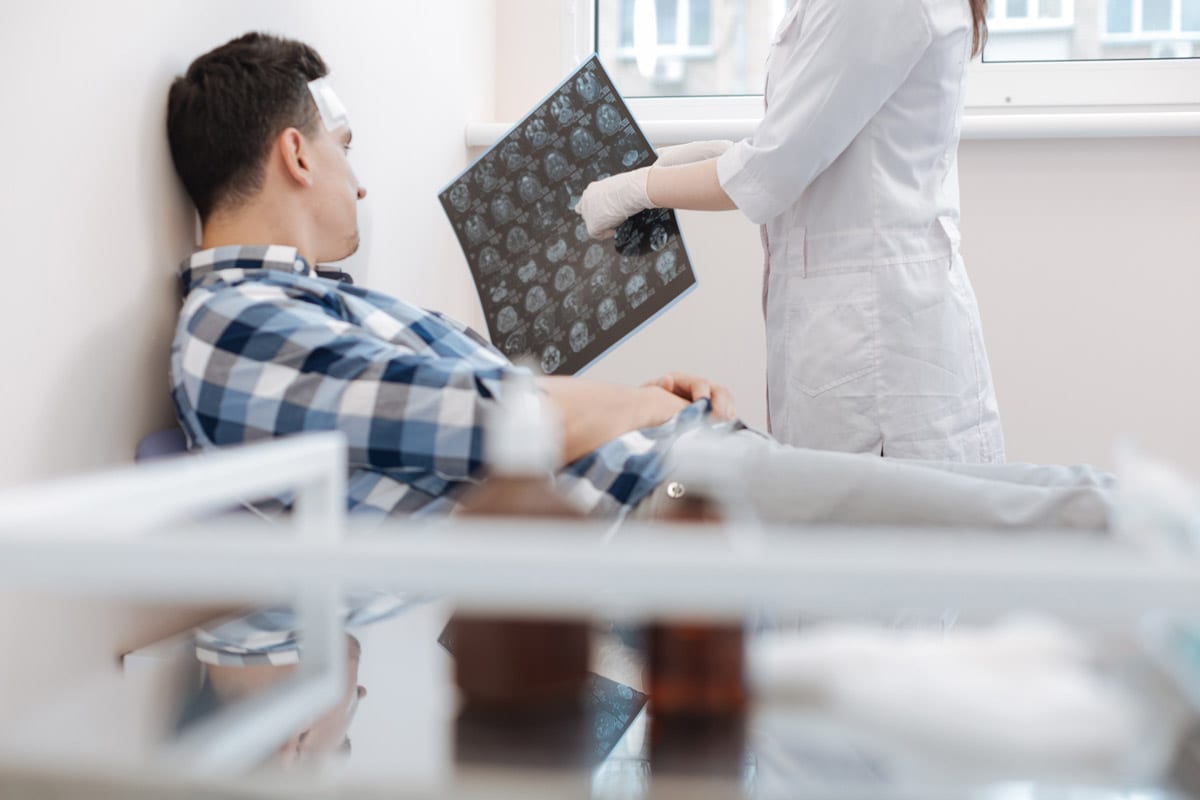
كم عدد جلسات العلاج الطبيعي التي تحتاجها؟
المزيد في Physiotherapy
Emsella vs Kegels Dubai: Which Works Better? (2026)
اقرأ المزيدShin Splints Dubai: Treatment & Recovery (2026)
اقرأ المزيد
Golfer's Elbow vs Tennis Elbow Dubai (2026)
اقرأ المزيدPhysiotherapy Dubai: Types, Cost & Guide (2026)
اقرأ المزيد
Vestibular Rehab Dubai: Treatment for Vertigo (2026)
اقرأ المزيدPhysiotherapy Packages Dubai: Save 20%+ (2026)
اقرأ المزيد© 2026 Doctors Clinic Diagnostic Center (DCDC), Dubai Healthcare City. Originally published at https://doctorsclinicdubai.ae/blog/home-physiotherapy-dubai. All rights reserved. Unauthorized reproduction is prohibited.