النقاط الرئيسية
- DEXA هو المعيار الذهبي السريري لتركيبة الجسم بدقة تصل إلى 1-2% لنسبة الدهون، بينما تتفاوت دقة InBody بنسبة 3-5% تبعاً لمستوى الترطيب
- يستخدم InBody تحليل المعاوقة الكهرحيوية (BIA) الذي يتأثر بشكل ملحوظ بالترطيب والوجبات والتمارين ووقت اليوم
- يوفر DEXA تفصيلاً إقليمياً (الذراعان والساقان والجذع) ويقيس كثافة العظام، وهو ما لا يستطيع InBody القيام به مباشرةً
- InBody أسرع (دقيقتان) وأرخص (100-300 درهم) وأكثر إتاحةً، مما يجعله مفيداً للفحص المتكرر
- للمتابعة الجادة أو القرارات الطبية أو الأبحاث، يُوصى بـ DEXA؛ أما للمراقبة على مستوى الصالة الرياضية، فـ InBody مقبول
إذا كنت تحاول قياس نسبة دهون جسمك أو كتلة عضلاتك الصافية أو تركيبة جسمك الإجمالية، فإن من أكثر الخيارات شيوعاً DEXA (قياس امتصاص الأشعة السينية ثنائية الطاقة) وInBody (تحليل المعاوقة الكهرحيوية). كلاهما يدّعي قياس تركيبة الجسم بدقة، لكنهما يستخدمان تقنيات مختلفة جوهرياً بنقاط قوة وقيود متباينة. فهم هذه الفروقات ضروري لاختيار الفحص المناسب لأهدافك، سواء كنت رياضياً يسعى إلى تحسين أدائه أو شخصاً يدير وزنه أو متخصصاً طبياً يتخذ قرارات سريرية. تقدم خدمة مسح DEXA لدينا في DCDC مواعيد في نفس اليوم بمدينة دبي الطبية.
تُفصّل هذه المقارنة الشاملة كيفية عمل كل تقنية وما تقيسه ومدى دقتها الحقيقية والظروف التي تتفوق فيها إحداهما على الأخرى. نتناول أيضاً فروقات التكلفة في دبي والاعتبارات العملية لكل فحص وتوصيات واضحة لمن ينبغي أن يختار أي منهج. يوفر مسح DEXA في DCDC البيانات المعيارية الذهبية التي يعتمد عليها كثير من الرياضيين والمرضى لمتابعة تركيبة الجسم بدقة.



كيف يقيس DEXA تركيبة الجسم
تستخدم تقنية DEXA حزمتين من الأشعة السينية بمستويات طاقة مختلفة. عند مرور هذه الحزم خلال الجسم، يمتص كلٌّ من نسيج الدهون والنسيج الهزيل والعظام كميات مختلفة من الطاقة. تقيس أجهزة استشعار الماسح الفرق في الامتصاص بين طاقتَي الحزمتين، ثم تحسب خوارزميات متطورة الكمية الدقيقة لكل نوع نسيج عند كل نقطة في أنحاء الجسم.
يقيس هذا النهج تركيبة الأنسجة مباشرةً استناداً إلى خصائصها الفيزيائية (تخفيف الأشعة السينية)، وهذا هو السبب في اعتبار DEXA معياراً مرجعياً في الأبحاث السريرية والممارسة الطبية. ينتج المسح خريطة مفصّلة للجسم بأكمله تُفصّل كتلة الدهون والكتلة الهزيلة ومحتوى المعادن في العظام لكل منطقة على حدة.
يستغرق مسح DEXA نحو 10-15 دقيقة. تستلقي على طاولة مفتوحة بينما تمر ذراع المسح فوقك. التعرض للإشعاع منخفض للغاية، يساوي نحو عُشر جرعة الأشعة السينية للصدر تقريباً، مما يجعله آمناً للاستخدام المتكرر. لمزيد من التفاصيل حول ما ينطوي عليه المسح وكيفية قراءة نتائجك، راجع دليل مسح DEXA لدينا.
كيف يقيس InBody تركيبة الجسم
تستخدم أجهزة InBody تحليل المعاوقة الكهرحيوية (BIA). تقف حافياً على منصة وتمسك أقطاب كهربائية باليدين. يُرسل الجهاز تيارات كهربائية صغيرة عبر الجسم بترددات متعددة. ولأن نسيج العضلات يحتوي على كمية كبيرة من الماء ويوصّل الكهرباء بشكل جيد، بينما يحتوي نسيج الدهون على ماء أقل ويقاوم تدفق الكهرباء، يقيس الجهاز المعاوقة (المقاومة) عند كل تردد ويستخدم هذه القياسات لتقدير محتوى الماء في الجسم.
من تقدير إجمالي ماء الجسم، يستخدم InBody معادلات قائمة على السكان لحساب الكتلة الهزيلة (التي تحتوي تقريباً على 73% ماءً عند الأصحاء) ثم يستنتج كتلة الدهون بطرح الكتلة الهزيلة ومحتوى معادن العظام المقدّر من الوزن الكلي للجسم. هذا قياس غير مباشر. InBody لا يرى الدهون أو العضلات مباشرةً، بل يقيس المقاومة الكهربائية ويحسب تقديرات مبنية على افتراضات حول ترطيب الأنسجة.
يستخدم InBody تحليلاً قطعياً متعدد الترددات (يقيس الذراعين والساقين والجذع بشكل منفصل)، مما يجعله أكثر تطوراً من موازين تحليل المعاوقة الكهرحيوية الأساسية. غير أن القيد الجوهري يظل قائماً: أي عامل يغير توزيع ماء الجسم سيؤثر في النتائج حتى لو لم تتغير تركيبة الجسم الفعلية.
مقارنة شاملة للدقة
السؤال الجوهري الذي يريد معظم الناس الإجابة عنه هو: أي الطريقتين تعطي قراءات أكثر دقة لنسبة دهون الجسم؟ تُظهر الأبحاث باستمرار أن DEXA أكثر دقةً وقابليةً للتكرار بشكل ملحوظ مقارنةً بـ InBody.
| مقياس الدقة | DEXA | InBody (BIA) |
|---|---|---|
| دقة نسبة دهون الجسم مقابل المرجع | ضمن 1-2% من النموذج الرباعي المقاطع | ضمن 3-5% من النموذج الرباعي المقاطع |
| موثوقية إعادة الاختبار (في نفس اليوم) | تفاوت أقل من 1% | تفاوت شائع من 2-3% |
| تأثير الترطيب على النتائج | ضئيل جداً | ملحوظ — خطأ يصل إلى 5% في نسبة الدهون |
| تأثير التمارين الحديثة | ضئيل | متوسط — إعادة توزيع الدم تؤثر في القراءات |
| تأثير الوجبة الأخيرة | ضئيل | متوسط — الطعام والماء في المعدة يؤثران في المعاوقة |
| تأثير وقت اليوم | ضئيل | ملحوظ — يتغير توزيع السوائل طوال اليوم |
| الدقة لدى الأفراد البدينين | موثوقة | تميل إلى التقليل من تقدير كتلة الدهون |
| الدقة لدى الأفراد النحيلين جداً | موثوقة | تميل إلى المبالغة في تقدير الكتلة الهزيلة |
| دقة القياسات الإقليمية | عالية — معتمدة مقابل CT وMRI | متوسطة — تعتمد على افتراضات المعاوقة |
يوفر DEXA دقةً فائقة عبر جميع المقاييس. تتحسن دقة InBody مع توحيد ظروف الاختبار لكنها لا ترقى إلى مستوى دقة DEXA.
المعيار الذهبي في أبحاث تركيبة الجسم هو النموذج الرباعي المقاطع، الذي يجمع بين DEXA والوزن المائي وتمديد الديوتيريوم. تُظهر الدراسات المقارِنة بين DEXA وInBody مقابل هذا المرجع أن DEXA يتتبع القيم الحقيقية باستمرار بشكل أوثق. يمكن أن ينحرف InBody بعدة نقاط مئوية في أي من الاتجاهين، خاصةً لدى الأفراد النحيلين جداً أو البدينين أو المجففين. كما تم التحقق من دقة DEXA الإقليمية مقابل التصوير المقطعي المحوسب (CT) والتصوير بالرنين المغناطيسي (MRI).
لماذا يُعدّ الترطيب بالغ الأهمية بالنسبة لـ InBody
القيد الأكبر بمفرده لـ InBody ولجميع أجهزة تحليل المعاوقة الكهرحيوية هو اعتمادها على حالة الترطيب. ولأن التقنية تقدّر الكتلة الهزيلة من إجمالي ماء الجسم، فإن أي تغيير في الماء سيغير النتائج حتى لو لم تتغير العضلات والدهون الفعلية.
السيناريوهات الشائعة التي تتسبب في عدم دقة InBody تشمل:
- الجفاف الناجم عن التمارين أو الحرارة: قد تُظهر قراءة InBody بعد التمرين نسبة دهون أعلى لأن انخفاض الماء يجعل الجهاز يُقلّل من تقدير الكتلة الهزيلة
- الترطيب الزائد من شرب كميات كبيرة من الماء: يزيد الماء الزائد من الكتلة الهزيلة الظاهرة، مما يجعل نسبة الدهون تبدو أقل من الواقع
- استهلاك الكحول: الكحول مدرّ للبول يُغير توازن السوائل، مما يؤثر في القراءات لمدة 24-48 ساعة
- الدورة الشهرية: تحتجز النساء عادةً من 1-3 كغ من الماء خلال مرحلتَي ما قبل الحيض والحيض، مما يغير قراءات InBody بشكل ملحوظ
- الوجبات الغنية بالصوديوم: يتسبب تناول الطعام المالح في احتباس الماء الذي قد يزيد اصطناعياً من الكتلة الهزيلة الظاهرة على InBody لمدة 24-48 ساعة
- استهلاك الكافيين: للقهوة والشاي تأثيرات مدرّة للبول طفيفة تُغير توازن السوائل
- وقت اليوم: يتغير توزيع ماء الجسم طوال اليوم بسبب الجاذبية، مع تجمّع سوائل أكثر في الساقين في المساء بعد الوقوف أو المشي
يتجنب DEXA جميع هذه المشكلات لأنه يقيس تركيبة الأنسجة مباشرةً من خلال تخفيف الأشعة السينية بدلاً من استنتاجها من محتوى الماء. هذا هو السبب الجوهري في تفضيل DEXA للتطبيقات السريرية والبحثية.
ما يقيسه كل فحص: مقارنة جانبية
| القياس | DEXA | InBody |
|---|---|---|
| إجمالي كتلة الدهون في الجسم (كغ) | نعم — قياس مباشر | نعم — تقدير من المعاوقة |
| نسبة الدهون الكلية في الجسم | نعم — حساب مباشر | نعم — تقدير من المعاوقة |
| إجمالي الكتلة الهزيلة (كغ) | نعم — قياس مباشر | نعم — تقدير من إجمالي ماء الجسم |
| الدهون والكتلة الهزيلة الإقليمية (لكل طرف) | نعم — دقة عالية | نعم — دقة متوسطة |
| كثافة المعادن في العظام (BMD) | نعم — درجات T-score سريرية | لا |
| محتوى معادن العظام (BMC) | نعم — بالغرامات | تقدير فقط |
| مساحة الدهون الحشوية | نعم — تقدير من المنطقة البطنية | نعم — تقدير من معاوقة الجذع |
| إجمالي ماء الجسم | لا (لكن الكتلة الهزيلة تشمل الماء) | نعم — القياس الأساسي |
| الماء داخل وخارج الخلايا | لا | نعم — من المعاوقة متعددة الترددات |
| كتلة العضلات الهيكلية | الكتلة الهزيلة المُبلَّغ عنها (تشمل الأعضاء) | تقدير كتلة العضلات الهيكلية |
| معدل الأيض الأساسي | لا | نعم — تقدير من الكتلة الهزيلة |
يتفوق DEXA في قياس تركيبة الأنسجة وكثافة العظام مباشرةً. يوفر InBody بيانات إضافية عن توازن السوائل لكنه يعتمد على التقدير غير المباشر.
أحد المجالات التي يوفر فيها InBody بيانات فريدة هو نسبة الماء داخل الخلايا إلى خارجها، التي يمكن أن تشير إلى الالتهاب أو الحالة الغذائية أو احتباس السوائل. لا يوفر DEXA هذا القياس. غير أنه لمقاييس تركيبة الجسم الأساسية التي يهتم بها معظم الناس، وهي كتلة الدهون والكتلة الهزيلة وصحة العظام، يوفر DEXA نتائج أكثر دقةً وأفضل اعتماداً سريرياً. إذا كنت تريد مسحاً واحداً يشمل كثافة العظام ودهون الجسم والكتلة الهزيلة معاً، اقرأ دليل مسح DEXA الكامل للجسم.
مقارنة التكلفة والإتاحة في دبي
التكلفة والراحة عاملان مشروعان في الاختيار بين DEXA وInBody، خاصةً إذا كنت تخطط للاختبار بشكل منتظم.
| العامل | مسح DEXA | InBody |
|---|---|---|
| التكلفة لكل اختبار في دبي | 1,000–2,000 درهم | 100–300 درهم (غالباً مجاني في الصالات الرياضية) |
| مدة الاختبار | 10–15 دقيقة | 1–2 دقيقة |
| الإتاحة | العيادات والمستشفيات الطبية | الصالات الرياضية ومراكز العافية والعيادات |
| يستلزم موعداً مسبقاً | نعم | عادةً دون موعد |
| تفسير احترافي | مشمول عادةً أو متاح | نادراً ما يكون مشمولاً |
| يستلزم منشأة طبية | نعم (يستخدم الأشعة السينية) | لا |
| مناسب للأطفال | بمؤشر طبي | بشكل عام نعم (من عمر 3 سنوات) |
InBody يتفوق في الراحة والتكلفة. DEXA يتفوق في الدقة والقيمة السريرية.
تقدم كثير من الصالات الرياضية ومراكز اللياقة في دبي مسوحات InBody مجانية أو منخفضة التكلفة ضمن باقات العضوية. مما يجعل InBody أداةً ممتازة للمراقبة المتكررة غير الحرجة. غير أنه حين تكون الدقة ضرورية للقرارات الطبية أو التحضير للمنافسات أو البحث العلمي، تكون التكلفة الإضافية لـ DEXA مبرّرةً تماماً.
متى تختار DEXA على InBody
اختر DEXA حين تكون الدقة والصلاحية السريرية أولوية:
- التقييم الطبي: حين تُستخدم بيانات تركيبة الجسم لاتخاذ قرارات علاجية للسمنة أو متلازمة التمثيل الغذائي أو الاضطرابات الهرمونية
- تقييم كثافة العظام: DEXA فقط يوفر قياس كثافة المعادن في العظام ذا الدرجة السريرية لفحص هشاشة العظام
- التحضير للمنافسات: يحتاج لاعبو كمال الأجسام ومتسابقو اللياقة والرياضيون المنافسون على وزن محدد إلى بيانات دقيقة خلال مراحل التخفيف
- البحث العلمي أو المتابعة طويلة الأمد: حين يكون رصد التغييرات الصغيرة (1-2 كغ من زيادة الكتلة الهزيلة) مهماً، تصبح دقة DEXA ضرورية
- مراقبة ما بعد الإصابة أو الجراحة: تتبع فقدان الكتلة الهزيلة والتعافي في طرف محدد يستلزم الدقة الإقليمية لـ DEXA
- تقييم الدهون الحشوية: حين يكون توزيع الدهون في منطقة البطن مصدر قلق صحي محدد
متى يكون InBody خياراً معقولاً
InBody خيار عملي في حالات عدة:
- متابعة اللياقة العامة: إذا أردت تقديراً تقريبياً لاتجاهات تركيبة جسمك على مدى أشهر ولا تتخذ قرارات حرجة بناءً على البيانات
- المراقبة المتكررة: للمتابعة الأسبوعية أو نصف الأسبوعية حيث تجعل الراحة والتكلفة المنخفضة لـ InBody الاختبار المتكرر عملياً
- التقييمات الجماعية: تحديات اللياقة أو برامج صحة الشركات أو تقييمات الفرق حيث تكون السرعة والكمية الأهمَّ
- مراقبة توازن السوائل: بيانات InBody حول الماء داخل وخارج الخلايا فريدة ومفيدة لتقييم الترطيب
- قيود الميزانية: حين تكون تكلفة DEXA مرتفعة للاختبار المتكرر
النهج الأكثر فعاليةً لكثير من الرياضيين الجادين هو الاستخدام الاستراتيجي للطريقتين: مسوحات DEXA كل 3-6 أشهر لمقارنة دقيقة، مع مسوحات InBody أكثر تكراراً بين مواعيد DEXA لرصد الاتجاهات العامة. يجمع هذا النهج الهجين دقة DEXA مع راحة InBody. للرياضيين الراغبين في DEXA تحديداً، راجع دليلنا حول تركيبة جسم الرياضيين بـ DEXA.
المفاهيم الخاطئة الشائعة حول فحص تركيبة الجسم
ثمة خرافات متكررة تجعل الناس يسيئون تفسير نتائج تركيبة أجسامهم:
- "يقول InBody إن نسبة دهوني 12%، إذاً هذه نسبة دهوني الحقيقية." قراءات InBody تقديرات لها هامش خطأ. نسبة دهونك الحقيقية قد تكون في أي مكان بين 9% و17% بناءً على ظروف وقت الاختبار.
- "تعطيني DEXA وInBody أرقاماً مختلفة، إذاً إحداهما خاطئة بالضرورة." تقيس التقنيتان بطريقتين مختلفتين وتستخدمان معادلات مرجعية مختلفة. قراءة DEXA بنسبة 18% وقراءة InBody بنسبة 14% للشخص ذاته شائعة ومتوقعة. الأرقام المطلقة أقل أهمية من الاتجاهات المتسقة ضمن الطريقة ذاتها. نوضح عدد مرات إجراء مسح DEXA في مقال مستقل.
- "يجب أن أقارن نتائجي بجداول نسب الدهون عبر الإنترنت." معظم جداول مرجعيات نسب الدهون أُنشئت باستخدام أدوات القياس بالملاقيط أو الوزن تحت الماء لا DEXA. تُسجّل قراءات DEXA عادةً أعلى بنسبة 3-5% من معايير الملاقيط. استخدم النطاقات المرجعية الخاصة بـ DEXA للمقارنة.
- "انخفاض نسبة الدهون دائماً أصح للصحة." ارتبطت نسب الدهون المنخفضة جداً — أقل من 5% عند الرجال وأقل من 12% عند النساء — باضطرابات هرمونية وضعف المناعة وفقدان كثافة العظام. ثمة نطاق مثالي للصحة لا مجرد تدرّج بالانخفاض.
"أكثر خطأ شائع أراه هو أن المرضى يقارنون نسبة دهونهم وفق DEXA بمعايير InBody أو الجداول القائمة على الملاقيط. هذه أنظمة قياس مختلفة بمقاييس مختلفة. قراءة DEXA بنسبة 22% لدهون الجسم لدى رياضي ذكر لا تعني الشيء ذاته كقراءة ملاقيط بنسبة 22%. قارن دائماً ضمن الطريقة ذاتها وركّز على الاتجاهات لا الأرقام المطلقة،" يوضح د. أسامة الزمزمي.
احصل على بيانات تركيبة الجسم بالمعيار الذهبي
توقف عن التخمين في نسبة دهونك وكتلتك العضلية. احجز مسح DEXA في DCDC للحصول على أدق تحليل لتركيبة الجسم مع تفصيل إقليمي مفصّل وتفسير احترافي.
فحص دقيق لتركيبة الجسم في DCDC بمدينة دبي الطبية
في مركز أطباء العيادة التشخيصي، توفر مسوحات DEXA لتركيبة الجسم لدينا بيانات دقيقة وقابلة للتكرار يمكنك الوثوق بها لقرارات التدريب ومراقبة الصحة. موقعنا في مدينة دبي الطبية مع سهولة الوصول من عود ميثاء والكرامة.
خدمات ذات صلة في DCDC
رعاية متخصصة وتشخيص متقدم في مدينة دبي الطبية
الأسئلة الشائعة
خلاصة القول
DEXA وInBody كلاهما يقيسان تركيبة الجسم، لكنهما ليسا أدواتٍ متكافئة. يوفر DEXA دقةً وقابلية للتكرار وصلاحيةً سريريةً أعلى بكثير، مما يجعله الخيار الواضح حين تكون الدقة مهمة. يوفر InBody الراحة والسرعة والتكلفة المنخفضة، مما يجعله مفيداً للمراقبة المتكررة على مستوى الصالة الرياضية حيث تكفي الاتجاهات التقريبية. إذا كنت تفكر في فحص صحي شامل، فإن الجمع بين DEXA وفحوصات الدم الاعتيادية يعطي صورة شاملة عن صحتك الإجمالية.
أفضل نهج لمعظم الأشخاص المهتمين بصحتهم ليس الاختيار الدائم لأحدهما على الآخر، بل استخدام كلٍّ منهما حيث يتفوق. استخدم DEXA للمقارنات ربع السنوية والتقييمات الطبية. استخدم InBody لفحوصات متكررة مع فهم قيوده. قارن دائماً ضمن الطريقة ذاتها وركّز على الاتجاهات لا الأرقام المطلقة.
لفحص DEXA الموثوق لتركيبة الجسم في دبي، يوفر مركز أطباء العيادة التشخيصي في مدينة دبي الطبية مسوحات دقيقة مع تقارير مفصّلة ونتائج في نفس اليوم.

كتبه
د. أسامة الزمزمي
استشاري أشعة
دكتوراه في الطب، الأشعة
د. أسامة الزمزمي استشاري أشعة متخصص في التصوير التشخيصي بما فيه مسوحات DEXA والـ MRI والـ CT والموجات فوق الصوتية في DCDC بمدينة دبي الطبية.
مقالات ذات صلة
تركيبة جسم الرياضيين بـ DEXA: تحليل الدهون والعضلات والعظام
الدهون الحشوية: خطر صحي خفي وكيفية قياسه
مسح DEXA في دبي: التكلفة ونتائج T-score ومن يحتاجه
مسح DEXA الكامل للجسم في دبي: العظام والدهون والعضلات في فحص واحد
المزيد في Diagnostic Imaging

Chest X-Ray Cost Dubai: From AED 150 (2026)
اقرأ المزيد
CT Scan Cost Dubai: Prices & Types (2026)
اقرأ المزيد![Ultrasound Cost Dubai: AED 300-800 by Type [2026 Prices]](/wp-media/blog/ultrasound-scan-guide.webp)
Ultrasound Cost Dubai: AED 300-800 by Type [2026 Prices]
اقرأ المزيد
CT Scan vs Ultrasound Dubai: Which Test? (2026)
اقرأ المزيد
Open vs Closed MRI Dubai: Key Differences (2026)
اقرأ المزيد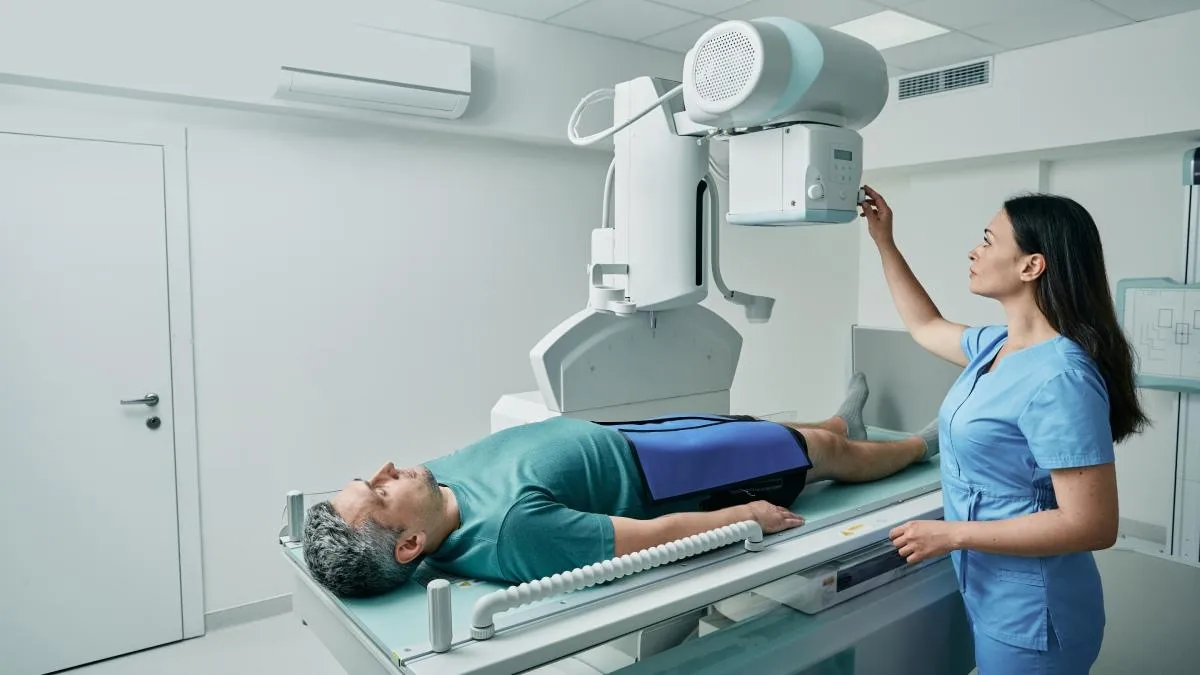
X-Ray Cost Dubai: Prices by Body Part (2026)
اقرأ المزيد© 2026 Doctors Clinic Diagnostic Center (DCDC), Dubai Healthcare City. Originally published at https://doctorsclinicdubai.ae/blog/dexa-vs-inbody-accuracy. All rights reserved. Unauthorized reproduction is prohibited.