النقاط الرئيسية
- MRI القلب هو المعيار الذهبي لتقييم أنسجة عضلة القلب، ويُقدّم صوراً تفصيلية لالتهاب عضلة القلب واعتلال عضلة القلب وأمراض الصمامات والعيوب الخلقية والأورام القلبية — دون أي تعرض للإشعاع
- على خلاف الصدى القلبي، يستطيع MRI القلب التمييز بين أنسجة الندبة والالتهاب والوذمة وعضلة القلب السليمة — وهو أمر بالغ الأهمية لتشخيص التهاب عضلة القلب وتحديد ما إذا كانت عضلة القلب التالفة قادرة على التعافي
- يتراوح سعر MRI القلب في دبي تقريباً بين 3,000-6,000 درهم تبعاً لتعقيد البروتوكول والحاجة إلى التباين (الغادولينيوم)
- يستغرق الفحص 45-75 دقيقة ويتطلب البقاء ساكناً داخل الجهاز مع حبس النفس لفترات وجيزة. لا يُستخدَم إشعاع — فقط مجالات مغناطيسية وموجات راديوية
- MRI القلب وتصوير الأوعية بالأشعة المقطعية متكاملان لا متبادلان: يتميز تصوير الأوعية المقطعي في تصوير الشرايين التاجية، بينما يتميز MRI القلب في تقييم عضلة القلب ذاتها
حين يحتاج طبيب القلب إلى رؤية تتجاوز ما يكشفه صدى القلب أو مخطط القلب الكهربائي، يُقدّم MRI القلب أكثر الصور تفصيلاً وشمولاً للقلب المتاحة في الطب الحديث. بالاعتماد على مجالات مغناطيسية قوية وموجات راديوية — دون أي إشعاع — يُنتج فحص MRI القلب صوراً عالية الدقة لعضلة القلب والغرف والصمامات والهياكل المحيطة لا تضاهيها أي وسيلة تصوير أخرى.
يُستخدَم MRI القلب بصورة متزايدة لتشخيص ومراقبة حالات كالتهاب عضلة القلب (التهاب عضلة القلب)، واعتلال عضلة القلب (عضلة القلب الضعيفة)، وأمراض صمامات القلب، والعيوب الخلقية، والكتل القلبية. يُغطّي هذا الدليل ما يكشفه MRI القلب، وكيف يُقارن بالصدى القلبي وتصوير الأوعية المقطعي، وما تتوقعه خلال الفحص، والتكلفة التقريبية، وكيفية التحضير لموعدك في DCDC بمدينة دبي الطبية.
ماذا يكشف MRI القلب؟
MRI القلب (المعروف أيضاً بـCMR — التصوير المغناطيسي القلبي) قادر بصورة فريدة على تقديم توصيف نسيجي لعضلة القلب. هذا يعني أنه لا يُظهر فحسب بنية القلب ووظيفته (كما يفعل الصدى)، بل يُميّز أيضاً بين العضلة السليمة وأنسجة الندبة والالتهاب والوذمة وارتشاح الدهون وتراكم الحديد. لا توفر أي وسيلة تصوير أخرى هذا المستوى من التفاصيل النسيجية.
التهاب عضلة القلب (الميوكارديتيس)
التهاب عضلة القلب هو التهاب في عضلة القلب، وغالباً ما يُسبّبه عدوى فيروسية (بما فيها كوفيد-19) أو أمراض مناعة ذاتية أو تأثيرات سامة. قد يُسبّب ألماً في الصدر وقصوراً في القلب واضطرابات في النظم الخطيرة. يُعدّ MRI القلب المعيار الذهبي غير الجراحي لتشخيص التهاب عضلة القلب. يكشف الوذمة العضلية على الصور الموزونة بـT2 ويُحدّد مناطق الالتهاب والنخر من خلال الارتساء المتأخر بالغادولينيوم (LGE). تساعد هذه النتائج أطباء القلب على التمييز بين التهاب عضلة القلب والنوبة القلبية — اللذين قد يتشابهان في الأعراض وارتفاع الإنزيمات القلبية.
اعتلال عضلة القلب
يُشير اعتلال عضلة القلب إلى أمراض عضلة القلب التي تُضعف قدرة القلب على ضخ الدم. MRI القلب ضروري لتشخيص وتصنيف أنواعه المختلفة. يُظهر اعتلال عضلة القلب التوسعي قلباً متضخماً ضعيفاً بكسر قذف منخفض. ويُظهر اعتلال عضلة القلب الضخامي جدراناً قلبية سميكة بصورة غير طبيعية، ويمكن لـMRI تحديد نمط السماكة ومناطق التليف التي تتنبأ بخطر اضطرابات النظم. ويُظهر اعتلال عضلة القلب البطيني الأيمن الأرتميائي استبدال جدار البطين الأيمن بالدهون والأنسجة الليفية. كما تُظهر النشواني القلبي والساركويد القلبي أنماط LGE مميزة تُميّزهما عن أسباب أخرى لقصور القلب.
أمراض الصمامات
رغم أن الصدى القلبي هو أداة التصوير الخط الأول لأمراض صمامات القلب عادةً، فإن MRI القلب يوفر قياساً فائق الدقة لتسرب الصمامات (القلس) وضيقها. يستطيع MRI قياس أحجام وكسور القلس بدقة، وتقييم تأثير مرض الصمام على حجوم غرف القلب ووظيفتها، والمساعدة في تحديد التوقيت الأمثل لجراحة الصمام أو ترميمه.
أمراض القلب الخلقية
يُعدّ MRI القلب ذا قيمة لا تُقدَّر في تقييم العيوب الخلقية في القلب لدى الأطفال والبالغين. يُقدّم تشريحاً ثلاثي الأبعاد تفصيلياً للتشوهات البنيوية المعقدة. ولأنه لا يُستخدَم فيه إشعاع، فهو مثالي للمرضى الصغار الذين قد يحتاجون إلى تصوير متكرر طوال حياتهم.
أورام القلب والكتل
MRI القلب هو أداة التصوير الحاسمة لتقييم الكتل الموجودة في القلب أو حوله. قدرته على توصيف الأنسجة تُمكّنه في الغالب من التمييز بين الأورام الحميدة والأورام الخبيثة والخثرات (جلطات الدم) دون الحاجة إلى خزعة.
MRI القلب مقابل الصدى القلبي مقابل تصوير الأوعية المقطعي
| العامل | MRI القلب | الصدى القلبي | تصوير الأوعية المقطعي |
|---|---|---|---|
| الميزة الرئيسية | توصيف أنسجة عضلة القلب | تقييم وظيفة القلب والصمامات في الوقت الحقيقي | تشريح الشرايين التاجية |
| الإشعاع | لا يوجد | لا يوجد | نعم (إشعاع مؤين منخفض الجرعة) |
| المدة | 45-75 دقيقة | 20-40 دقيقة | 10-20 دقيقة |
| التباين المُستخدَم | الغادولينيوم (عند الحاجة) | لا يوجد (فقاعات محلول ملحي لاختبارات محددة) | تباين يودي |
| الكشف عن التهاب عضلة القلب | المعيار الذهبي | محدود (قد تُلاحَظ وظيفة مخفضة) | لا يُستخدَم لهذا الغرض |
| تقييم اعتلال عضلة القلب | المعيار الذهبي | جيد للتقييم الأولي | محدود |
| تصوير الشرايين التاجية | محدود (تقنية ناشئة) | لا يستطيع تصوير الشرايين التاجية | المعيار الذهبي |
| أمراض الصمامات | قياس ممتاز | أداة كشف الخط الأول | محدود |
| التكلفة التقريبية (دبي) | 3,000-6,000 درهم | 800-1,500 درهم | 1,500-3,000 درهم |
| الرهاب من الأماكن المغلقة | قد يكون تحدياً (أنبوب مغلق) | لا يُشكّل مشكلة | نادراً ما يُشكّل مشكلة (حلقة مفتوحة) |
هذه أدوات متكاملة. سيُوصي طبيب القلب بالفحص المناسب بناءً على السؤال السريري المحدد.
ناقش MRI القلب مع متخصص
احجز استشارة قلبية في DCDC لتحديد ما إذا كان MRI القلب الفحص المناسب لحالتك.
كيفية التحضير لـ MRI القلب
- فحص الزرعات المعدنية: المجال المغناطيسي لـMRI شديد القوة. يجب إبلاغ فريق الأشعة عن أي زرعات معدنية بما فيها أجهزة تنظيم ضربات القلب، ومزيلات الرجفان (ICDs)، وزرعات القوقعة الإلكترونية، وصمامات القلب المعدنية، وبدائل المفاصل، والمقاطع المعدنية، وشظايا الرصاص
- الصيام: يُوصى بصيام خفيف 2-4 ساعات قبل الفحص، ولا سيما إذا سيُستخدَم تباين الغادولينيوم، للحد من خطر الغثيان
- وظائف الكلى: إذا سيُعطَى التباين (الغادولينيوم)، يُطلَب فحص كرياتينين حديث للتأكد من كفاية وظائف الكلى
- الملابس: ارتدِ ملابس مريحة بدون معادن. يجب إزالة جميع العناصر المعدنية
- الأدوية: استمر في تناول جميع أدويتك المعتادة إلا إذا أرشدك طبيب القلب خلاف ذلك
- تمرين حبس النفس: ستُطلب منك حبس النفس 10-15 ثانية خلال الفحص. التدرب على ذلك مسبقاً يُساعد
ماذا تتوقع أثناء MRI القلب
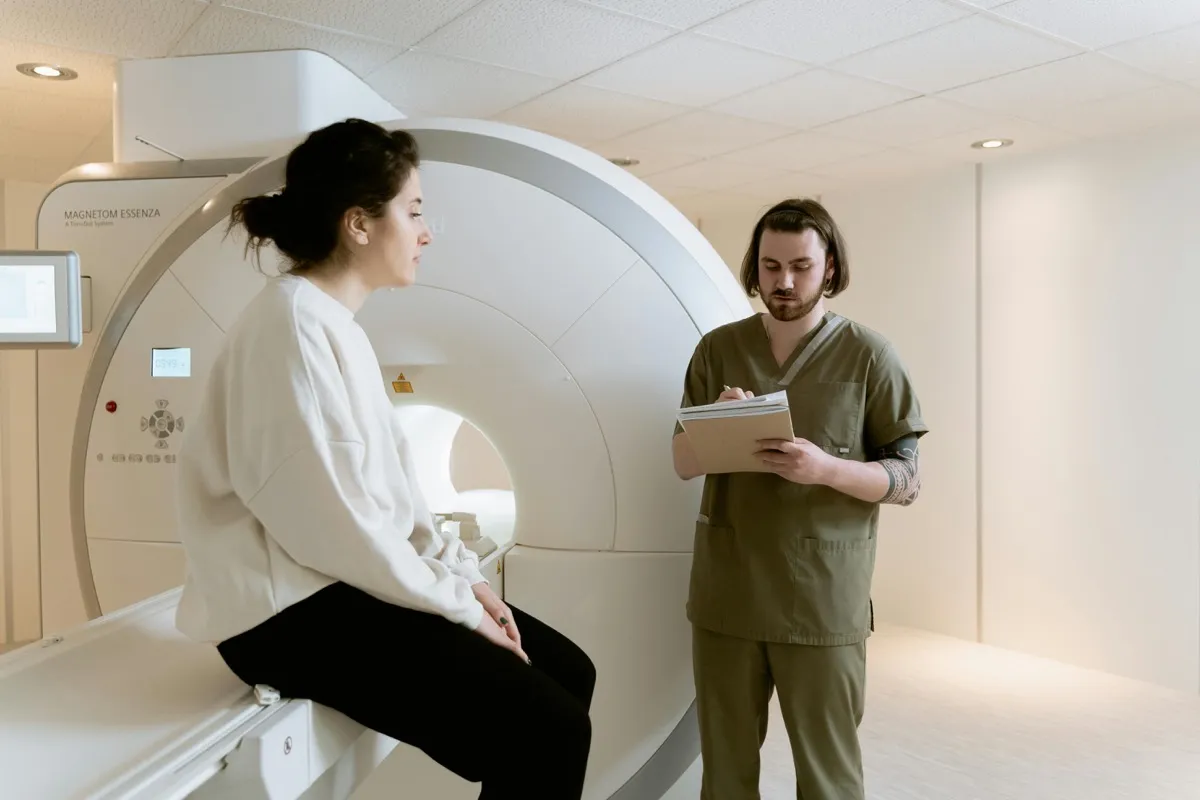
- أقطاب مخطط القلب: تُوضَع رقع صغيرة على صدرك لمراقبة نظم القلب طوال الفحص
- قنية وريدية: تُدخَل قنية صغيرة في ذراعك إذا كان مخططاً لاستخدام تباين الغادولينيوم
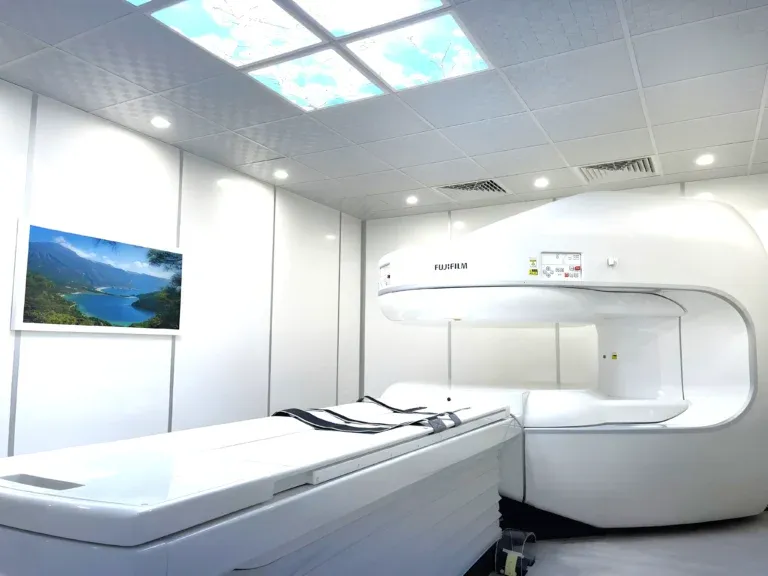
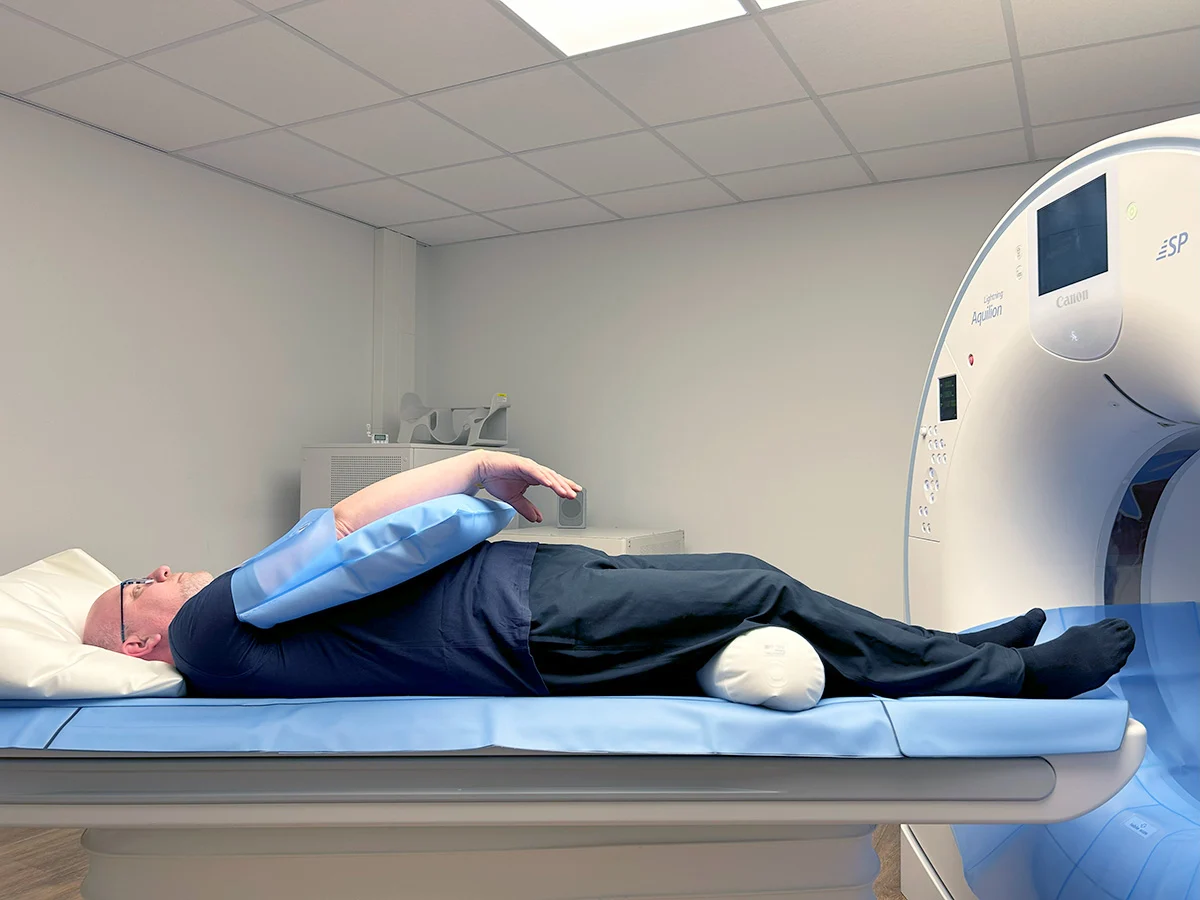
- دخول الجهاز: تستلقي على طاولة مبطّنة تنزلق داخل أنبوب MRI (نفق أسطواني بقطر نحو 60 سم). الأنبوب جيد الإضاءة والتهوية ويمكنك التواصل مع الفاحص في أي وقت عبر الإنترفون
- حبس النفس: يُرشدك الفاحص: «شهيق... زفير... شهيق... حبس النفس». تدوم كل مرة 10-15 ثانية
- حقن التباين: في منتصف الفحص تقريباً، يُحقَن الغادولينيوم وريدياً. قد تشعر بإحساس بارد عابر في ذراعك
- الوقت الإجمالي داخل الجهاز: 45-75 دقيقة. الزيارة الكاملة بما فيها التحضير تستغرق نحو 90 دقيقة
تكلفة MRI القلب في دبي
| بروتوكول MRI القلب | التكلفة التقريبية (درهم) |
|---|---|
| MRI القلب الأساسي (البنية والوظيفة) | 3,000 – 4,000 |
| MRI القلب مع تباين الغادولينيوم (LGE) | 4,000 – 5,500 |
| اختبار إجهاد MRI القلب (ضخ أدينوزين/ريجادينوسون) | 5,000 – 6,500 |
| MRI القلب لأمراض القلب الخلقية | 4,000 – 6,000 |
الأسعار تقريبية وتتفاوت بحسب المنشأة. تواصل مع DCDC للأسعار الحالية والتحقق من التأمين.
متى يكون MRI القلب الخيار الصحيح؟
- الاشتباه بالتهاب عضلة القلب: ألم في الصدر وتروبونين مرتفع لدى مريض شاب بشرايين تاجية طبيعية — MRI يُؤكد أو يستبعد الالتهاب
- قصور القلب مجهول السبب: الصدى يُظهر وظيفة مخفضة لكن السبب غير واضح. توصيف أنسجة MRI يكشف ما إذا كان السبب إقفارياً أم غير إقفاري
- اعتلال عضلة القلب الضخامي (HCM): يُحدّد MRI مدى التليف العضلي — أقوى متنبئ بخطر الموت المفاجئ في مرضى HCM
- كتلة أو ورم قلبي: كتلة رُصدت بالصدى تحتاج توصيفاً أعمق. MRI يُحدد ما إذا كانت ورماً حميداً أم خبيثاً أم خثرة
- متابعة أمراض القلب الخلقية: المرضى البالغون ذوو العيوب الخلقية المُصلَّحة يحتاجون مراقبة دورية دون تعرض متكرر للإشعاع
- تقييم الحيوية قبل إعادة التوعية: قبل جراحة مجازة الشريان التاجي، يُحدد MRI ما إذا كانت عضلة القلب المندّبة لا تزال حية وقادرة على الاستفادة من استعادة تدفق الدم
- تقييم ما بعد كوفيد: مرضى أعراض القلب المستمرة بعد الإصابة بكوفيد-19 — MRI يكشف التهاب عضلة القلب أو التهاب التامور تحت الإكلينيكي
احجز فحص MRI القلب
حدد موعد MRI القلب في DCDC بمدينة دبي الطبية. تفسير خبير من أشعاعيين متمرسين مع نتائج خلال 24-48 ساعة.
خدمات ذات صلة في DCDC
رعاية متخصصة وتشخيص متقدم في مدينة دبي الطبية
الأسئلة الشائعة
خلاصة القول
يُقدّم MRI القلب مستوى من التفاصيل حول عضلة القلب لا تُضاهيه أي وسيلة تصوير أخرى. حين يحتاج طبيب القلب إلى معرفة ما إذا كانت عضلة قلبك ملتهبة أو مُندَّبة أو مُسمَّكة أو مرتشِحة أو مشوهة بنيوياً، يُقدّم MRI إجابات تُوجّه قرارات العلاج بدقة — دون أي إشعاع.
في دبي، يحظى MRI القلب بتقدير متزايد باعتباره أداةً أساسية في تشخيص وإدارة أمراض القلب المعقدة. من تقييم التهاب عضلة القلب بعد كوفيد، إلى تحديد خطورة اعتلال عضلة القلب الضخامي، إلى تقييم الحيوية قبل الجراحة.
في DCDC بمدينة دبي الطبية، تُجرى فحوصات MRI القلب على أجهزة حديثة ويُفسّرها أشعاعيون استشاريون خبراء بالتنسيق مع طبيب القلب المُحيل. إذا أوصى طبيبك بـMRI القلب، أو أردت مناقشة ما إذا كان هذا الفحص مناسباً لأعراضك، تواصل مع فريقنا لحجز استشارة قلبية أو موعد تصوير.
كتبه
د. أسامة الزمزمي
استشاري أشعة
دكتوراه في الطب، الأشعة
د. أسامة الزمزمي استشاري أشعة متخصص في التصوير التشخيصي بما فيه الأشعة السينية والأشعة المقطعية وMRI والموجات فوق الصوتية في DCDC بمدينة دبي الطبية.
مقالات ذات صلة
تكلفة MRI في دبي: الدليل الشامل للأنواع والأسعار (2026)
تكلفة MRI الجسم الكامل في دبي: الدليل الشامل للأسعار (2026)
تكلفة تصوير الأوعية بالأشعة المقطعية في دبي: الدليل الشامل

صحة القلب والوقاية في دبي: دليلك الشامل
تصوير الأوعية بالأشعة المقطعية مقابل قياس كالسيوم الشريان: أي فحص تحتاج؟
المزيد في Cardiology
Holter Monitor Prep Dubai: What to Expect (2026)
اقرأ المزيد
When to See a Cardiologist Dubai (2026)
اقرأ المزيد
Echo Test Preparation Dubai: What to Expect (2026)
اقرأ المزيدHeart Attack vs Panic Attack Dubai: Signs (2026)
اقرأ المزيدHeart Failure Warning Signs Dubai (2026)
اقرأ المزيد
Stress Test Cost Dubai: AED 800–5,000 (2026)
اقرأ المزيد© 2026 Doctors Clinic Diagnostic Center (DCDC), Dubai Healthcare City. Originally published at https://doctorsclinicdubai.ae/blog/cardiac-mri-dubai. All rights reserved. Unauthorized reproduction is prohibited.