
اپنی اپائنٹمنٹ بک کریں
دبئی میں ڈی سی ڈی سی ڈائیگناسٹک سینٹر کے تصدیق شدہ مریضوں کے جائزے
دبئی ہیلتھ کیئر سٹی سے تصدیق شدہ جائزے اور حقیقی مریضوں کی کہانیاں
میں اس طبی کلینک سے بہت مطمئن ہوں۔ میں نے یہاں اپنا پہلا حمل کا معائنہ کروایا۔ یہ سستا اور بہت پیشہ ورانہ تھا۔ ریڈیولوجسٹ خوش آمدید، مہربان تھے اور تجربہ بہترین بنایا۔
آئزان توکمانبیتووا
جمعہ کی رات گھٹنے میں چوٹ لگی اور اتوار کی شام ایم آر آئی کا وقت ملا (اتوار دوپہر بک کیا)۔ تقریباً 2 منٹ انتظار کیا اور 30 منٹ سے زیادہ میں ہو گیا۔ ٹیم شاندار، دوستانہ اور موثر تھی۔
کرسٹن ایونز
ڈاکٹر اسامہ کی ٹیم نرم اور شاندار تھی۔ کہیں اور بری تجربے کے بعد، یہاں میرا پیلوک امتحان بہت زیادہ پیشہ ورانہ تھا۔ بہترین رپورٹ اور بہت درست۔
میری




دبئی میں دائمی گردے کی بیماری کا علاج: CKD انتظام اور گردے کی ناکامی کی دیکھ بھال
طویل مدتی دیکھ بھال اور خطرے پر قابو

کام کی حفاظت
مرحلہ وار منصوبوں کے ساتھ ترقی کو سست کریں
خطرات پر قابو
بلڈ پریشر، ذیابیطس، خون کی کمی، ہڈیوں کی صحت
اسی دن کی دیکھ بھال
دستیابی کی صورت میں اسی دن گردے کی اپائنٹمنٹ
دائمی گردے کی بیماری ایک طویل مدتی حالت ہے جسے ترقی کو سست کرنے اور آپ کی صحت کی حفاظت کے لیے مسلسل انتظام کی ضرورت ہوتی ہے۔ ابتدائی، مستقل دیکھ بھال پیچیدگیوں کو روکنے اور گردے کی ناکامی میں تاخیر میں مدد کرتی ہے۔ ہماری دائمی گردے کی بیماری کا علاج جامع CKD انتظام اور گردے کی ناکامی کی دیکھ بھال کی خدمات فراہم کرتا ہے۔
دبئی ہیلتھ کیئر سٹی میں ڈاکٹرز کلینک ڈائیگنوسٹک سینٹر میں، ہماری نیفرولوجسٹ ٹیم بلڈ پریشر کنٹرول، ذیابیطس کے انتظام، خون کی کمی کے علاج، ہڈیوں کی صحت، اور رینل غذائیت کی رہنمائی پر توجہ مرکوز کرتے ہوئے CKD کے مراحل 1-5 کا انتظام کرتی ہے۔ ہم آپ کے گردے کے کام کو محفوظ رکھنے کے لیے رہنما خطوط پر مبنی علاج کے منصوبوں اور بار بار نگرانی کے ساتھ طویل مدتی گردے کی دیکھ بھال فراہم کرتے ہیں۔
ام حریر 2 میں اود میتھا کے قریب ہمارے گردے کے کلینک میں واقع، ہماری CKD ماہر ٹیم دستیابی کی صورت میں اسی دن اپائنٹمنٹ پیش کرتی ہے۔ ہم آپ کے CKD مرحلے، اہداف، اور طرز زندگی کی بنیاد پر آپ کے نگہداشت کے منصوبے کو حسب ضرورت بناتے ہیں، آپ کے علاج کے سفر کے دوران ذاتی مدد فراہم کرتے ہیں۔
کام کی حفاظت
مرحلہ وار منصوبوں کے ساتھ ترقی کو سست کریں
خطرات پر قابو
بلڈ پریشر، ذیابیطس، خون کی کمی، ہڈیوں کی صحت
اسی دن کی دیکھ بھال
دستیابی کی صورت میں اسی دن گردے کی اپائنٹمنٹ
دبئی میں دائمی گردے کی بیماری کا علاج: CKD انتظام اور گردے کی ناکامی کی دیکھ بھال
طویل مدتی دیکھ بھال اور خطرے پر قابو
دائمی گردے کی بیماری ایک طویل مدتی حالت ہے جسے ترقی کو سست کرنے اور آپ کی صحت کی حفاظت کے لیے مسلسل انتظام کی ضرورت ہوتی ہے۔ ابتدائی، مستقل دیکھ بھال پیچیدگیوں کو روکنے اور گردے کی ناکامی میں تاخیر میں مدد کرتی ہے۔ ہماری دائمی گردے کی بیماری کا علاج جامع CKD انتظام اور گردے کی ناکامی کی دیکھ بھال کی خدمات فراہم کرتا ہے۔
دبئی ہیلتھ کیئر سٹی میں ڈاکٹرز کلینک ڈائیگنوسٹک سینٹر میں، ہماری نیفرولوجسٹ ٹیم بلڈ پریشر کنٹرول، ذیابیطس کے انتظام، خون کی کمی کے علاج، ہڈیوں کی صحت، اور رینل غذائیت کی رہنمائی پر توجہ مرکوز کرتے ہوئے CKD کے مراحل 1-5 کا انتظام کرتی ہے۔ ہم آپ کے گردے کے کام کو محفوظ رکھنے کے لیے رہنما خطوط پر مبنی علاج کے منصوبوں اور بار بار نگرانی کے ساتھ طویل مدتی گردے کی دیکھ بھال فراہم کرتے ہیں۔
ام حریر 2 میں اود میتھا کے قریب ہمارے گردے کے کلینک میں واقع، ہماری CKD ماہر ٹیم دستیابی کی صورت میں اسی دن اپائنٹمنٹ پیش کرتی ہے۔ ہم آپ کے CKD مرحلے، اہداف، اور طرز زندگی کی بنیاد پر آپ کے نگہداشت کے منصوبے کو حسب ضرورت بناتے ہیں، آپ کے علاج کے سفر کے دوران ذاتی مدد فراہم کرتے ہیں۔

Dr. Manish Tripathi
ہماری خدمات دریافت کریں
DCDC دبئی ہیلتھ کیئر سٹی میں جامع دائمی گردے کی بیماری کا علاج خدمات۔



تمام خدمات DHA لائسنس یافتہ ماہرین کے ذریعے انجام دی جاتی ہیں
دائمی گردے کی بیماری کا علاج کسے کروانا چاہیے؟
اگر آپ کو CKD یا بڑے گردے کے خطرے کے عوامل ہیں تو باقاعدہ نیفرولوجی کی دیکھ بھال ضروری ہے۔
CKD کی تشخیص (کسی بھی مرحلے)
ذیابیطس (قسم 1 یا 2)
ہائی بلڈ پریشر (ہائپر ٹینشن)
گردے کی ناکامی کی خاندانی تاریخ
بار بار گردے کے انفیکشن
پیشاب میں پروٹین
دبئی میں CKD کی دیکھ بھال کے لیے DCDC کیوں منتخب کریں؟
دبئی ہیلتھ کیئر سٹی میں MOHAP سے لائسنس یافتہ نیفرولوجی کلینک جس میں مرحلہ وار CKD منصوبے، دوائیوں کی حفاظت، اور غذائیت کی رہنمائی ہے۔ اسی دن کی اپائنٹمنٹس اکثر دستیاب ہیں؛ محدود صلاحیت۔
MOHAP سے لائسنس یافتہ
DHCC میں لائسنس یافتہ سہولت (MOHAP لائسنس NIMY7VY5-240925) سخت حفاظتی معیارات کے ساتھ۔
CKD ماہرین
مراحل 1-5، خون کی کمی، ہڈیوں کی صحت، اور ہائی بلڈ پریشر کنٹرول میں تجربہ کار نیفرولوجسٹ۔
اسی دن رسائی
دستیابی کی صورت میں اسی دن CKD مشاورت؛ فوری ضروریات کو ترجیح۔
دوائیوں کی حفاظت
رینل خوراک، دوائیوں کے تعامل کی جانچ، اور نیفروٹاکسن سے بچاؤ۔
انشورنس کی مدد
لیبز، امیجنگ، اور ادویات کے لیے کوریج کی رہنمائی۔
بہترین DHCC مقام
عمارت 64، بلاک A، دبئی ہیلتھ کیئر سٹی آسان رسائی اور پارکنگ کے ساتھ۔
آپ کا آرام دہ دورہ
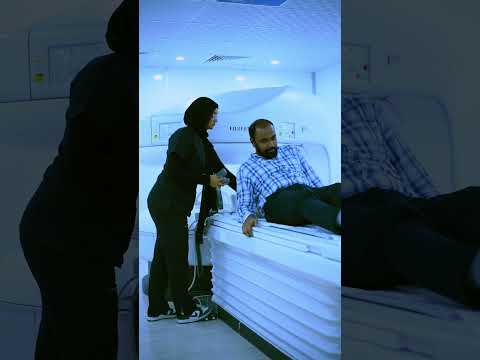
آرام، رفتار اور درستگی کے لیے ڈیزائن کردہ ایک سادہ، مرحلہ وار دائمی اسکین عمل۔
انتظامی فیس
دبئی میں دائمی کی قیمتیں خدمت کی قسم اور مختلف خدمات کی اقسام کی انشورنس کوریج کے لحاظ سے مختلف ہوتی ہیں۔
- قیمتیں اسکین کی قسم اور کنٹراسٹ کی ضرورت کے مطابق مختلف ہوتی ہیں
- ریفرل اور تصدیق کے ساتھ انشورنس کوریج قبول
- درخواست پر فوری قیمت کے ساتھ شفاف خود ادائیگی کی شرحیں دستیاب
منٹوں میں انشورنس کی تصدیق • کوئی پوشیدہ فیس نہیں • واٹس ایپ پر فوری جواب
مریض کی رہنمائی
اپنے CKD دورے کے دوران کیا توقع رکھیں
گردے کے کام کی حفاظت کے لیے نگرانی، دوائیوں کی حفاظت، اور طرز زندگی کی رہنمائی کے ساتھ مرحلہ وار دیکھ بھال۔
انشورنس اور مقام
انشورنس پارٹنرز
- •دبئی میں 20+ انشورنس فراہم کنندگان بشمول ضمان، اے ایکس اے، اے ڈی این آئی سی اور دیگر
- •پری آتھرائزیشن سپورٹ اور براہ راست بلنگ (جہاں قابل اطلاق ہو)
- •کوریج کی تصدیق دبئی ہیلتھ کیئر سٹی میں آپ کی اپائنٹمنٹ سے پہلے
- •شفاف قیمتیں دائمی گردے کی بیماری کا علاج خدمات کے لیے کوئی چھپی فیس نہیں








دبئی ہیلتھ کیئر سٹی میں ہمیں ملیں
ڈاکٹرز کلینک ڈائیگناسٹک سینٹر
بلڈنگ 64، بلاک اے، الرازی میڈیکل کمپلیکس، دبئی ہیلتھ کیئر سٹی، دبئی، متحدہ عرب امارات
عود میتھا روڈ کے قریب · بر دبئی، ڈاؤن ٹاؤن دبئی، بزنس بے سے آسان رسائی · مفت مخصوص پارکنگ دستیاب
کام کے اوقات
پیر-جمعرات، ہفتہ: صبح 8 - رات 10:30 | اتوار: صبح 8:30 - رات 10:30 | جمعہ: صبح 9 - رات 10
DCDC میں انشورنس کیسے کام کرتا ہے
کوریج چیک کریں
تصدیق کریں کہ آپ کا پلان دائمی گردے کی بیماری کا علاج کو کور کرتا ہے
ریفرل حاصل کریں
کچھ بیمہ کنندگان جی پی ریفرل کا تقاضا کرتے ہیں — ہم رہنمائی کر سکتے ہیں
پیشگی اجازت
ہم آپ کے بیمہ کنندہ سے براہ راست پیشگی اجازت سنبھالتے ہیں
براہ راست بلنگ
کوئی پیشگی ادائیگی نہیں — ہم آپ کے بیمہ کنندہ کو براہ راست بل کرتے ہیں
صرف کو-پے
آپ کلینک میں صرف قابل اطلاق کو-پے ادا کرتے ہیں
کوریج چیک کریں
تصدیق کریں کہ آپ کا پلان دائمی گردے کی بیماری کا علاج کو کور کرتا ہے
ریفرل حاصل کریں
کچھ بیمہ کنندگان جی پی ریفرل کا تقاضا کرتے ہیں — ہم رہنمائی کر سکتے ہیں
پیشگی اجازت
ہم آپ کے بیمہ کنندہ سے براہ راست پیشگی اجازت سنبھالتے ہیں
براہ راست بلنگ
کوئی پیشگی ادائیگی نہیں — ہم آپ کے بیمہ کنندہ کو براہ راست بل کرتے ہیں
صرف کو-پے
آپ کلینک میں صرف قابل اطلاق کو-پے ادا کرتے ہیں
Your Specialist
Dr. Manish Tripathi
Specialist Nephrologist
MD, Specialist Nephrologist
English · Hindi
مریض کی رہنمائی
دائمی گردے کی بیماری: مراحل، علاج اور اچھی زندگی کو سمجھنا
دائمی گردے کی بیماری ایک ترقی پذیر حالت ہے جس میں گردے آہستہ آہستہ فضلہ مادوں کو فلٹر کرنے، سیال توازن کو برقرار رکھنے اور الیکٹرولائٹ اور ایسڈ-بیس کے توازن کو قائم رکھنے کی اپنی صلاحیت کھو دیتے ہیں۔ دنیا کی تقریباً 10-13 فیصد آبادی کو متاثر کرتے ہوئے، CKD کو اکثر خاموش بیماری کہا جاتا ہے کیونکہ گردے کے قابل ذکر کام ضائع ہونے سے پہلے علامات واضح نہیں ہوتیں۔ UAE میں ذیابیطس اور ہائی بلڈ پریشر کے زیادہ پھیلاؤ کی وجہ سے CKD خاص طور پر اہم ہے اور بروقت مداخلت اور گردے کی کارکردگی بچانے کے لیے خطرے میں مبتلا افراد کی ابتدائی اسکریننگ ضروری ہے۔
گردے فضلہ فلٹر کرنے کے علاوہ بے شمار اہم کام انجام دیتے ہیں۔ وہ رینن-اینجیوٹینسن نظام کے ذریعے بلڈ پریشر کو کنٹرول کرتے ہیں، سرخ خون کے خلیوں کی پیداوار کو تحریک دینے کے لیے ایریتھروپوئیٹن بناتے ہیں، ہڈیوں کی صحت کے لیے وٹامن ڈی کو فعال کرتے ہیں اور الیکٹرولائٹ اور سیال کا صحیح توازن برقرار رکھتے ہیں۔ جب گردے کی کارکردگی کم ہوتی ہے تو یہ تمام نظام متاثر ہوتے ہیں، جس سے ہائی بلڈ پریشر، خون کی کمی، ہڈیوں کی بیماری، سیال جمع ہونا اور الیکٹرولائٹ کی خرابیاں پیدا ہوتی ہیں۔ یہ باہمی ربط سمجھنے سے یہ واضح ہوتا ہے کہ CKD کے انتظام میں صرف گردے کی کارکردگی کی نگرانی سے کہیں زیادہ شامل ہے اور تمام متاثرہ نظاموں کو مخاطب کرنے والے جامع نقطہ نظر کی ضرورت ہے۔
CKD کا علاج ہر مرحلے پر ترقی کو سست کرنے اور پیچیدگیوں کو سنبھالنے پر مرکوز ہے۔ ACE انہیبیٹرز یا ARBs (جو پروٹینیوریا کو بھی کم کرتے ہیں) استعمال کرتے ہوئے 130/80 mmHg سے کم ہدف سطح کے ساتھ بلڈ پریشر کنٹرول بنیادی ہے۔ ذیابیطس کے مریضوں کے لیے، بہترین بلڈ شوگر کنٹرول حاصل کرنا اور SGLT2 انہیبیٹرز استعمال کرنا نتائج میں نمایاں بہتری لاتا ہے۔ سوڈیم کی پابندی، مناسب پروٹین کی مقدار اور پوٹاشیم اور فاسفورس کی سطح کا انتظام سمیت غذائی تبدیلیاں خراب گردوں پر کام کا بوجھ کم کرتی ہیں۔ نیفروٹاکسک ادویات بالخصوص NSAIDs سے بچنا اور گردے کی کارکردگی کی بنیاد پر دواؤں کی خوراک کو ایڈجسٹ کرنا مزید نقصان کو روکتا ہے۔
CKD کے ساتھ زندگی گزارنے کے لیے مستقل تعلیم، نگرانی اور معاونت کی ضرورت ہے۔ اپنے نیفرولوجسٹ کے ساتھ باقاعدہ فالو اپ ترقی کی ابتدائی پہچان، ادویات کے بروقت ایڈجسٹمنٹ اور خون کی کمی، ہڈی کی معدنی خرابیاں، میٹابولک ایسڈوسس اور دل کے خطرے سمیت پیچیدگیوں کا فعال انتظام ممکن بناتا ہے۔ مرحلہ 5 کے قریب پہنچنے والے مریضوں کے لیے رینل ریپلیسمنٹ تھراپی کی تیاری کافی پہلے شروع ہونی چاہیے۔ اختیارات کو سمجھنا، ضرورت پڑنے پر ڈائیلیسس تک رسائی قائم کرنا اور جلد ٹرانسپلانٹ تشخیص سے گزرنا بہترین نتائج فراہم کرتا ہے۔ مناسب انتظام کے ساتھ، بہت سے CKD مریض سالوں تک اچھے معیار کی زندگی برقرار رکھتے ہیں۔
CKD سے متعلق وہ حالتیں جن کا ہم علاج کرتے ہیں
ذیابیطس نیفروپیتھی
بلڈ شوگر کی بہتری، ACE/ARB تھراپی اور SGLT2 انہیبیٹرز کے ساتھ ذیابیطس سے ہونے والے گردے کے نقصان کا انتظام۔
ہائی بلڈ پریشر سے گردے کو نقصان
ہدف بلڈ پریشر کنٹرول اور گردے کو محفوظ رکھنے والی ادویات کے ساتھ دائمی ہائی بلڈ پریشر سے ہونے والے گردے کے نقصان کا علاج۔
گردے کی خون کی کمی
آئرن سپلیمنٹیشن اور ESA تھراپی کے ساتھ ایریتھروپوئیٹن کی کم پیداوار سے خون کی کمی کی تشخیص اور علاج۔
CKD سے معدنی ہڈیوں کی بیماری
ہڈیوں کے کمزور ہونے اور خون کی نالیوں میں کیلشیم جمع ہونے سے بچنے کے لیے کیلشیم، فاسفورس اور پیراٹائرائیڈ ہارمون کی عدم توازن کا انتظام۔
میٹابولک ایسڈوسس
بائکاربونیٹ سپلیمنٹیشن کا استعمال کرتے ہوئے گردے کی کارکردگی کم ہونے پر خون میں تیزاب کے جمع ہونے کی اصلاح۔
سیال کا اضافہ اور سوجن
گردے کی کارکردگی کی بنیاد پر پیشاب آور ادویات، سوڈیم کی پابندی اور سیال کی مقدار کی رہنمائی کے ساتھ سیال کے جمع ہونے کا انتظام۔
متعلقہ مضامین
Kidney Health: Prevention Tips Everyone Should Know
Practical strategies for protecting your kidneys, from hydration and diet to avoiding nephrotoxic substances.
Hypertension: The Silent Killer and Its Impact on Kidneys
Understanding how high blood pressure damages kidneys and the importance of early detection and treatment.
Renal Doppler Ultrasound: Assessing Kidney Blood Flow
How Doppler ultrasound evaluates kidney blood flow and helps diagnose renal vascular conditions.
Diabetes Management in Dubai: Protecting Your Kidneys
Essential strategies for managing diabetes to prevent kidney complications and preserve long-term health.
متعلقہ خدمات
ہمارے دبئی ہیلتھ کیئر سٹی کلینک میں دستیاب دیگر تشخیصی اور مشاورتی خدمات دریافت کریں۔
اکثر پوچھے گئے سوالات
دبئی میں دائمی گردے کی بیماری کا علاج کے بارے میں عام سوالات۔
CKD کے eGFR (گردے کے کام) کی بنیاد پر 5 مراحل ہیں۔ مرحلہ 1 معمولی نقصان کے ساتھ معمول کا کام ہے، جبکہ مرحلہ 5 گردے کی ناکامی ہے۔ ہمارا مقصد آپ کو ابتدائی مراحل میں رکھنا ہے۔
گردے کے لیے دوستانہ خوراک عام طور پر نمک کو محدود کرتی ہے، اور بعض اوقات پروٹین، پوٹاشیم، یا فاسفورس، آپ کے مرحلے پر منحصر ہے۔ ہم مخصوص رہنمائی فراہم کرتے ہیں۔
جی ہاں، جیسے جیسے گردے کا کام کم ہوتا ہے، فضلہ جمع ہوتا ہے اور خون کی کمی پیدا ہو سکتی ہے، جس سے تھکاوٹ ہوتی ہے۔ ان مسائل کا علاج توانائی کو بہتر بنانے میں مدد کرتا ہے۔
CKD والے زیادہ تر لوگوں کو ڈائیلیسس کی ضرورت نہیں ہوتی۔ مناسب انتظام کے ساتھ، ہمارا مقصد گردے کی ناکامی تک پیش رفت کو روکنا ہے۔
یہ آپ کی بیماری کے مرحلے اور استحکام کے لحاظ سے ہر 3 ماہ سے لے کر سال میں ایک بار تک مختلف ہوتا ہے۔
اہم حقائق
طبی جائزہ اور نگرانی
تمام خدمات ہماری MOHAP-تسلیم شدہ سہولت میں لائسنس یافتہ طبی پیشہ وروں کی نگرانی میں فراہم کی جاتی ہیں۔