
اپنی اپائنٹمنٹ بک کریں
دبئی میں ڈی سی ڈی سی ڈائیگناسٹک سینٹر کے تصدیق شدہ مریضوں کے جائزے
دبئی ہیلتھ کیئر سٹی سے تصدیق شدہ جائزے اور حقیقی مریضوں کی کہانیاں
میں اس طبی کلینک سے بہت مطمئن ہوں۔ میں نے یہاں اپنا پہلا حمل کا معائنہ کروایا۔ یہ سستا اور بہت پیشہ ورانہ تھا۔ ریڈیولوجسٹ خوش آمدید، مہربان تھے اور تجربہ بہترین بنایا۔
آئزان توکمانبیتووا
جمعہ کی رات گھٹنے میں چوٹ لگی اور اتوار کی شام ایم آر آئی کا وقت ملا (اتوار دوپہر بک کیا)۔ تقریباً 2 منٹ انتظار کیا اور 30 منٹ سے زیادہ میں ہو گیا۔ ٹیم شاندار، دوستانہ اور موثر تھی۔
کرسٹن ایونز
ڈاکٹر اسامہ کی ٹیم نرم اور شاندار تھی۔ کہیں اور بری تجربے کے بعد، یہاں میرا پیلوک امتحان بہت زیادہ پیشہ ورانہ تھا۔ بہترین رپورٹ اور بہت درست۔
میری


دبئی میں نیفرولوجی کلینک: گردے کے ماہر اور گردے کی بیماری کا علاج
دبئی ہیلتھ کیئر سٹی میں جدید نیفرولوجی دیکھ بھال

گردے کے ماہرین
CKD، AKI، پتھری، ہائی بلڈ پریشر، ٹرانسپلانٹ دیکھ بھال
حفاظت پہلے
ادویات اور الیکٹرولائٹ نگرانی
اسی دن دیکھ بھال
دستیابی پر اسی دن نیفرولوجی سلاٹس
آپ کے گردے فضلہ فلٹر کرتے ہیں، سیالوں کا توازن رکھتے ہیں اور مجموعی صحت کی حفاظت کرتے ہیں۔ دبئی ہیلتھ کیئر سٹی میں ڈاکٹرز کلینک ڈائگناسٹک سینٹر میں، ہمارا نیفرولوجی کلینک احتیاط سے نگرانی اور واضح علاج کے منصوبوں کے ساتھ شدید اور دائمی گردے کی حالتوں کی تشخیص اور انتظام کرتا ہے۔ دبئی میں ہمارے گردے کے ماہر جامع گردے کی بیماری کا علاج اور نیفرولوجسٹ مشاورت کی خدمات فراہم کرتے ہیں۔
ہم اپنی سہولت میں CKD، AKI، گردے کی پتھری، ہائی بلڈ پریشر، الیکٹرولائٹ مسائل اور ٹرانسپلانٹ فالو اپ کا انتظام کرتے ہیں۔ جلد پتہ لگانا اور گائیڈلائن پر مبنی دیکھ بھال بیماری کی پیشرفت کو سست کرنے اور پیچیدگیوں کو روکنے میں مدد کرتی ہے۔
عود میتھا کے قریب ام ہریر 2 میں واقع، ہمارا گردے کا کلینک دستیابی پر اسی دن نیفرولوجی اپائنٹمنٹس پیش کرتا ہے۔ گنجائش محدود ہے، اس لیے تشخیص، ادویات کی حفاظت، گردے کی غذائیت اور قریبی فالو اپ کے لیے جلدی بک کریں۔
گردے کے ماہرین
CKD، AKI، پتھری، ہائی بلڈ پریشر، ٹرانسپلانٹ دیکھ بھال
حفاظت پہلے
ادویات اور الیکٹرولائٹ نگرانی
اسی دن دیکھ بھال
دستیابی پر اسی دن نیفرولوجی سلاٹس
دبئی میں نیفرولوجی کلینک: گردے کے ماہر اور گردے کی بیماری کا علاج
دبئی ہیلتھ کیئر سٹی میں جدید نیفرولوجی دیکھ بھال
آپ کے گردے فضلہ فلٹر کرتے ہیں، سیالوں کا توازن رکھتے ہیں اور مجموعی صحت کی حفاظت کرتے ہیں۔ دبئی ہیلتھ کیئر سٹی میں ڈاکٹرز کلینک ڈائگناسٹک سینٹر میں، ہمارا نیفرولوجی کلینک احتیاط سے نگرانی اور واضح علاج کے منصوبوں کے ساتھ شدید اور دائمی گردے کی حالتوں کی تشخیص اور انتظام کرتا ہے۔ دبئی میں ہمارے گردے کے ماہر جامع گردے کی بیماری کا علاج اور نیفرولوجسٹ مشاورت کی خدمات فراہم کرتے ہیں۔
ہم اپنی سہولت میں CKD، AKI، گردے کی پتھری، ہائی بلڈ پریشر، الیکٹرولائٹ مسائل اور ٹرانسپلانٹ فالو اپ کا انتظام کرتے ہیں۔ جلد پتہ لگانا اور گائیڈلائن پر مبنی دیکھ بھال بیماری کی پیشرفت کو سست کرنے اور پیچیدگیوں کو روکنے میں مدد کرتی ہے۔
عود میتھا کے قریب ام ہریر 2 میں واقع، ہمارا گردے کا کلینک دستیابی پر اسی دن نیفرولوجی اپائنٹمنٹس پیش کرتا ہے۔ گنجائش محدود ہے، اس لیے تشخیص، ادویات کی حفاظت، گردے کی غذائیت اور قریبی فالو اپ کے لیے جلدی بک کریں۔

Dr. Manish Tripathi
ہماری خدمات دریافت کریں
DCDC دبئی ہیلتھ کیئر سٹی میں جامع نیفرولوجی کلینک خدمات۔

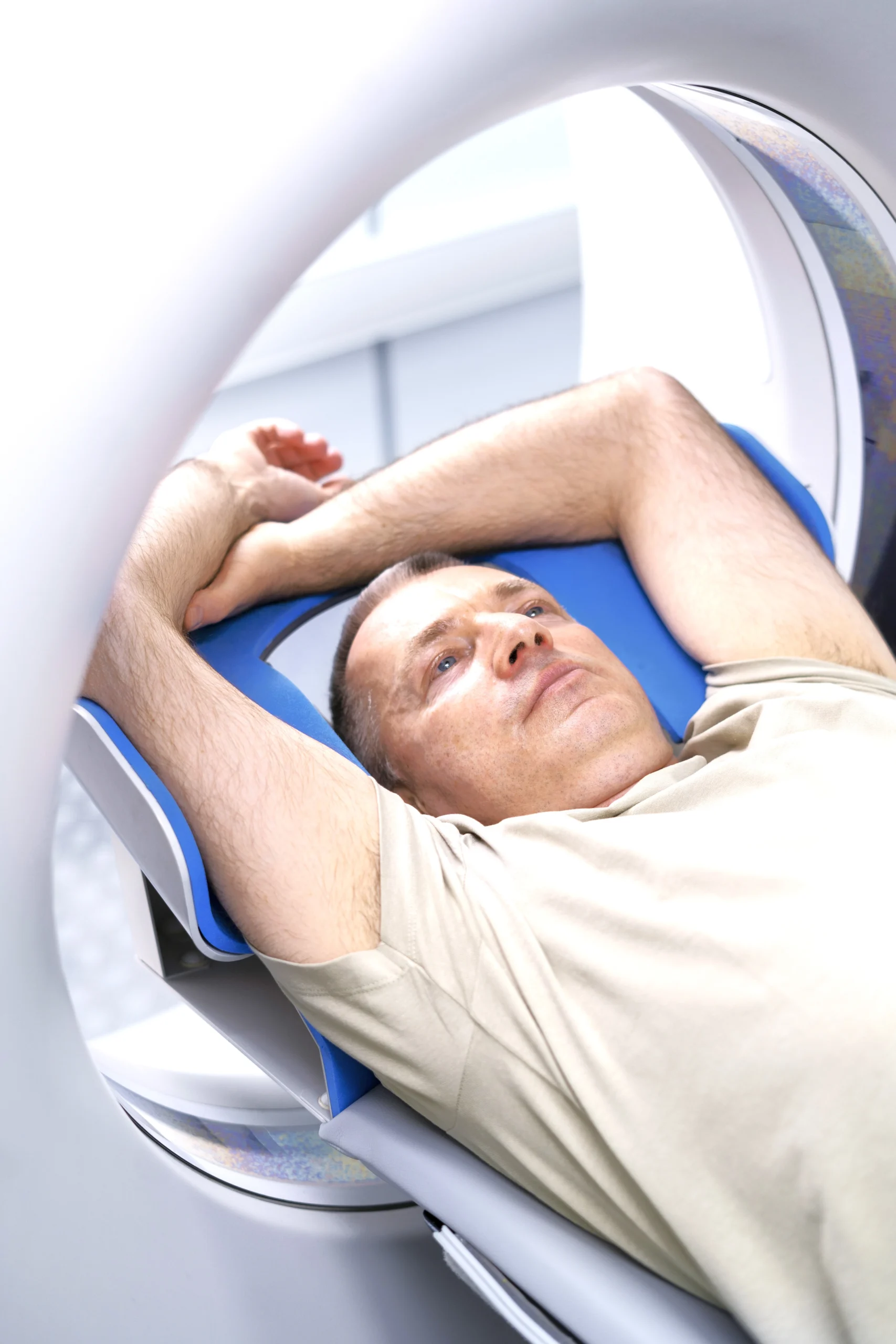


تمام خدمات DHA لائسنس یافتہ ماہرین کے ذریعے انجام دی جاتی ہیں
نیفرولوجی کلینک کسے کروانا چاہیے؟
اگر آپ کے پاس گردے کے خطرے کے عوامل یا انتباہی نشانیاں ہیں تو جلد نیفرولوجسٹ سے ملیں۔
ہائی بلڈ پریشر یا ذیابیطس
گردے کی بیماری کی خاندانی تاریخ
بار بار گردے کی پتھری
پیشاب کی تعدد/رنگ میں تبدیلیاں
ٹانگوں یا چہرے پر سوجن
غیر معمولی گردے کے فنکشن ٹیسٹ
دبئی میں نیفرولوجی کے لیے DCDC کا انتخاب کیوں کریں؟
دبئی ہیلتھ کیئر سٹی میں MOHAP لائسنس یافتہ نیفرولوجی کلینک جس میں تجربہ کار گردے کے ماہرین، گائیڈلائن پر مبنی دیکھ بھال اور ہم آہنگ فالو اپ ہے۔ اسی دن اپائنٹمنٹس اکثر دستیاب؛ محدود گنجائش۔
MOHAP لائسنس یافتہ
DHCC میں لائسنس یافتہ سہولت (MOHAP لائسنس NIMY7VY5-240925) سخت حفاظتی معیارات کے ساتھ۔
گردے کی مہارت
CKD، AKI، پتھری، ہائی بلڈ پریشر اور ٹرانسپلانٹ فالو اپ کا انتظام کرنے والے ماہرین۔
اسی دن رسائی
دستیابی پر اسی دن نیفرولوجی سلاٹس؛ فوری کیسز کو ترجیح۔
گائیڈلائن دیکھ بھال
شواہد پر مبنی علاج، ادویات کی حفاظت اور الیکٹرولائٹ نگرانی۔
انشورنس سپورٹ
کوریج رہنمائی اور ٹیسٹوں اور طریقہ کار کے لیے واضح بلنگ۔
DHCC کا بہترین مقام
بلڈنگ 64، بلاک A، دبئی ہیلتھ کیئر سٹی آسان رسائی اور پارکنگ کے ساتھ۔
آپ کا آرام دہ دورہ
آرام، رفتار اور درستگی کے لیے ڈیزائن کردہ ایک سادہ، مرحلہ وار نیفرولوجی اسکین عمل۔
نیفرولوجی فیس
دبئی میں نیفرولوجی کی قیمتیں خدمت کی قسم اور مختلف خدمات کی اقسام کی انشورنس کوریج کے لحاظ سے مختلف ہوتی ہیں۔
- قیمتیں اسکین کی قسم اور کنٹراسٹ کی ضرورت کے مطابق مختلف ہوتی ہیں
- ریفرل اور تصدیق کے ساتھ انشورنس کوریج قبول
- درخواست پر فوری قیمت کے ساتھ شفاف خود ادائیگی کی شرحیں دستیاب
منٹوں میں انشورنس کی تصدیق • کوئی پوشیدہ فیس نہیں • واٹس ایپ پر فوری جواب
مریض کی رہنمائی
گردے کی مشاورت میں کیا توقع کریں
گردے کا مکمل جائزہ، محفوظ ادویات کا جائزہ اور واضح انتظامی منصوبہ۔
انشورنس اور مقام
انشورنس پارٹنرز
- •دبئی میں 20+ انشورنس فراہم کنندگان بشمول ضمان، اے ایکس اے، اے ڈی این آئی سی اور دیگر
- •پری آتھرائزیشن سپورٹ اور براہ راست بلنگ (جہاں قابل اطلاق ہو)
- •کوریج کی تصدیق دبئی ہیلتھ کیئر سٹی میں آپ کی اپائنٹمنٹ سے پہلے
- •شفاف قیمتیں نیفرولوجی کلینک خدمات کے لیے کوئی چھپی فیس نہیں








دبئی ہیلتھ کیئر سٹی میں ہمیں ملیں
ڈاکٹرز کلینک ڈائیگناسٹک سینٹر
بلڈنگ 64، بلاک اے، الرازی میڈیکل کمپلیکس، دبئی ہیلتھ کیئر سٹی، دبئی، متحدہ عرب امارات
عود میتھا روڈ کے قریب · بر دبئی، ڈاؤن ٹاؤن دبئی، بزنس بے سے آسان رسائی · مفت مخصوص پارکنگ دستیاب
کام کے اوقات
پیر-جمعرات، ہفتہ: صبح 8 - رات 10:30 | اتوار: صبح 8:30 - رات 10:30 | جمعہ: صبح 9 - رات 10
DCDC میں انشورنس کیسے کام کرتا ہے
کوریج چیک کریں
تصدیق کریں کہ آپ کا پلان نیفرولوجی کلینک کو کور کرتا ہے
ریفرل حاصل کریں
کچھ بیمہ کنندگان جی پی ریفرل کا تقاضا کرتے ہیں — ہم رہنمائی کر سکتے ہیں
پیشگی اجازت
ہم آپ کے بیمہ کنندہ سے براہ راست پیشگی اجازت سنبھالتے ہیں
براہ راست بلنگ
کوئی پیشگی ادائیگی نہیں — ہم آپ کے بیمہ کنندہ کو براہ راست بل کرتے ہیں
صرف کو-پے
آپ کلینک میں صرف قابل اطلاق کو-پے ادا کرتے ہیں
کوریج چیک کریں
تصدیق کریں کہ آپ کا پلان نیفرولوجی کلینک کو کور کرتا ہے
ریفرل حاصل کریں
کچھ بیمہ کنندگان جی پی ریفرل کا تقاضا کرتے ہیں — ہم رہنمائی کر سکتے ہیں
پیشگی اجازت
ہم آپ کے بیمہ کنندہ سے براہ راست پیشگی اجازت سنبھالتے ہیں
براہ راست بلنگ
کوئی پیشگی ادائیگی نہیں — ہم آپ کے بیمہ کنندہ کو براہ راست بل کرتے ہیں
صرف کو-پے
آپ کلینک میں صرف قابل اطلاق کو-پے ادا کرتے ہیں
Your Specialist
Dr. Manish Tripathi
Specialist Nephrologist
MD, Specialist Nephrologist
English · Hindi
مریض کی رہنمائی
گردے کی صحت کو سمجھنا: نیفرولوجی کیوں اہم ہے
گردے مٹھی کے سائز کے دو اعضاء ہیں جو ریڑھ کی ہڈی کے دونوں طرف پسلیوں کے پنجرے کے بالکل نیچے واقع ہیں۔ اپنے چھوٹے سائز کے باوجود، وہ اہم کام انجام دیتے ہیں جو بقاء کے لیے ضروری ہیں۔ ہر گردے میں تقریباً دس لاکھ چھوٹی فلٹرنگ یونٹس ہوتی ہیں جنہیں نیفران کہتے ہیں، جو مسلسل کام کرتی ہیں تاکہ خون سے فضلہ، اضافی سیال اور زہریلے مادے نکال سکیں۔ گردے بلڈ پریشر کو بھی منظم کرتے ہیں، الیکٹرولائٹس کو متوازن کرتے ہیں اور ہڈیوں کی صحت کے لیے وٹامن ڈی کو فعال کرتے ہیں۔
دائمی گردے کی بیماری UAE میں ایک بڑھتی ہوئی صحت عامہ کی تشویش ہے، جو بنیادی طور پر آبادی میں ذیابیطس اور ہائی بلڈ پریشر کے اعلی پھیلاؤ سے چلتی ہے۔ دائمی گردے کی بیماری کو گلومیرولر فلٹریشن ریٹ (GFR) کی بنیاد پر پانچ مراحل میں درجہ بندی کیا جاتا ہے۔ مراحل 1 اور 2 میں معمول یا معمول کے قریب فنکشن کے ساتھ ہلکی گردے کی خرابی شامل ہے۔ مراحل 3 اور 4 گردے کی فنکشن میں اعتدال سے شدید کمی کی نمائندگی کرتے ہیں اور مرحلہ 5 گردے کی ناکامی ہے۔
گردے کی پتھری دبئی کی آبادی کے ایک اہم حصے کو متاثر کرتی ہے، خطے کی گرم آب و ہوا اور عام غذائی نمونے زیادہ پتھری کی تشکیل کی شرح میں معاون ہیں۔ گردے کی پتھری اس وقت بنتی ہے جب پیشاب میں موجود معدنیات اور نمک کرسٹلائز ہو جاتے ہیں اور سخت ذخائر بناتے ہیں جو پیشاب کی نالی سے گزرنے پر شدید درد کا سبب بن سکتے ہیں۔
گردوں اور قلب و عروقی صحت کے درمیان تعلق طب میں سب سے اہم روابط میں سے ایک ہے۔ دائمی گردے کی بیماری کے مریضوں کو دل کے دورے، فالج اور دل کی ناکامی کا نمایاں طور پر بلند خطرہ ہوتا ہے۔ DCDC میں، ہمارے نیفرولوجسٹ اس دو طرفہ تعلق کو سمجھتے ہیں اور گردے اور قلب و عروقی صحت دونوں کو بیک وقت حل کرنے کے لیے ماہرین امراض قلب اور معالجین کے ساتھ مل کر کام کرتے ہیں۔
گردے کی وہ حالات جن کا ہم علاج کرتے ہیں
دائمی گردے کی بیماری (CKD)
دائمی گردے کی بیماری کے تمام مراحل کی جامع نگرانی بشمول ادویات کی بہتری، غذائی رہنمائی، بلڈ پریشر کنٹرول اور بڑھنے کی رفتار کم کرنے اور گردے کی باقی ماندہ افعال کو محفوظ کرنے کے لیے نگرانی۔
شدید گردے کی چوٹ (AKI)
پانی کی کمی، دوا کے اثرات، انفیکشن یا دیگر شدید حالات کی وجہ سے اچانک گردے کی کارکردگی میں کمی کی فوری تشخیص اور علاج۔
گردے کی پتھری
تشخیص، فوری انتظام، پتھری کی ساخت کا تجزیہ، تشکیل کی وجوہات جاننے کے لیے میٹابولک معائنہ اور دوبارہ ہونے کا خطرہ کم کرنے کے لیے ذاتی روک تھام کے منصوبے۔
ہائی بلڈ پریشر سے متعلق گردے کی بیماری
گردے کی بیماری کی وجہ اور نتیجے دونوں کے طور پر ہائی بلڈ پریشر کا انتظام، گردے کو محفوظ کرنے والی ادویات اور طرز زندگی میں تبدیلیوں کا استعمال کرتے ہوئے۔
ذیابیطسی نیفروپیتھی
ذیابیطس کی وجہ سے گردے کے نقصان کی خصوصی نگرانی اور علاج بشمول مائیکروالبومن اسکریننگ کے ذریعے ابتدائی پتہ لگانا اور ذیابیطس مینجمنٹ ٹیموں کے ساتھ ہم آہنگی۔
پیشاب کی نالی کے انفیکشن
پیچیدہ، بار بار ہونے والے یا اوپری پیشاب کی نالی کے انفیکشن کا علاج بشمول پائیلونفرائٹس، زمینی وجوہات کی تحقیق اور روک تھام کی حکمت عملیوں کے ساتھ۔
متعلقہ مضامین
گردے کی صحت: احتیاطی تجاویز اور ابتدائی انتباہی علامات
طرز زندگی کے انتخاب، ابتدائی اسکریننگ اور گردے کی بیماری کی انتباہی علامات کو پہچاننے کے ذریعے اپنے گردوں کی حفاظت کے لیے ضروری رہنمائی۔
گردے کی تشخیص کے لیے رینل ڈاپلر الٹراساؤنڈ
رینل ڈاپلر الٹراساؤنڈ گردوں میں خون کے بہاؤ کا جائزہ لیتا ہے اور گردے کی شریان کے تنگ ہونے اور گردے کی بیماری جیسے حالات کی تشخیص میں مدد کرتا ہے۔
دبئی میں ذیابیطس کا انتظام
یہ سمجھنا کہ ذیابیطس کا مؤثر انتظام کس طرح گردے کی کارکردگی کو محفوظ رکھتا ہے اور ذیابیطسی نیفروپیتھی کا خطرہ کم کرتا ہے۔
ہائی بلڈ پریشر: خاموش قاتل
کنٹرول سے باہر ہائی بلڈ پریشر وقت کے ساتھ گردوں کو کس طرح نقصان پہنچاتا ہے اور گردے کی بیماری سے بچاؤ کے لیے باقاعدہ نگرانی کیوں ضروری ہے۔
متعلقہ خدمات
ہمارے دبئی ہیلتھ کیئر سٹی کلینک میں دستیاب دیگر تشخیصی اور مشاورتی خدمات دریافت کریں۔
اکثر پوچھے گئے سوالات
دبئی میں نیفرولوجی کلینک کے بارے میں عام سوالات۔
نیفرولوجسٹ ایک ڈاکٹر ہے جو گردے کی دیکھ بھال اور گردے کی بیماریوں کے علاج میں مہارت رکھتا ہے۔
ذیابیطس گردے کی بیماری کی سب سے بڑی وجہ ہے۔ نیفرولوجسٹ آپ کے گردے کے فنکشن کی نگرانی اور نقصان کو روکنے میں مدد کر سکتا ہے۔
شدید گردے کی چوٹ اکثر ٹھیک ہو سکتی ہے۔ دائمی گردے کی بیماری ٹھیک نہیں ہوتی، لیکن علاج کے ذریعے اس کی پیشرفت کو کافی حد تک سست کیا جا سکتا ہے۔
کافی پانی پینا، نمک کی مقدار کم کرنا اور پتھری کی قسم کے مطابق غذائی تبدیلیاں اہم حفاظتی اقدامات ہیں۔
معمول کے خون کے ٹیسٹ (Creatinine، GFR) اور پیشاب کے ٹیسٹ (Protein/Albumin) گردے کے فنکشن کی جانچ کے اہم طریقے ہیں۔
اہم حقائق
طبی جائزہ اور نگرانی
تمام خدمات ہماری MOHAP-تسلیم شدہ سہولت میں لائسنس یافتہ طبی پیشہ وروں کی نگرانی میں فراہم کی جاتی ہیں۔