اہم نکات
- Vertigo is the false sensation that you or your surroundings are spinning or moving, while dizziness is a broader term that includes lightheadedness, unsteadiness, and a feeling of being off-balance — the distinction matters because each points to a different set of causes and treatments
- BPPV (benign paroxysmal positional vertigo) is the most common cause of true vertigo, with a lifetime prevalence of 2.4%, and can often be resolved in a single clinic visit using the Epley repositioning maneuver with a success rate above 74-80%
- Lightheadedness — the feeling you might faint — is typically caused by drops in blood pressure, dehydration, blood sugar fluctuations, or cardiovascular issues, and is not the same as vertigo even though patients frequently use the terms interchangeably
- Emergency red flags include vertigo or dizziness accompanied by sudden severe headache, slurred speech, facial drooping, vision loss, or inability to walk — these may indicate stroke and require immediate medical attention
- At DCDC in Dubai Healthcare City, vertigo and dizziness evaluation includes neurological examination, vestibular testing, and on-site brain MRI (Siemens 1.5T wide-bore) — neurology consultation starts from AED 500 with same-day appointments frequently available
- Dubai's extreme heat, rapid indoor-outdoor temperature changes, and widespread dehydration make balance-related complaints particularly common between May and September — environmental triggers can worsen both vertigo and dizziness in residents and visitors
You feel the room tilt. The ground seems to shift beneath you. Your head swims and you reach for the nearest wall. But is what you are experiencing vertigo or dizziness? These two terms are used interchangeably in everyday language, yet they describe fundamentally different sensations with different causes and different treatment pathways. Understanding the distinction is the first step toward getting the right diagnosis — and the right treatment. This guide, reviewed by Dr. Riad Trabulsi, Neurologist at DCDC in Dubai Healthcare City, provides a comprehensive side-by-side comparison of vertigo and dizziness, explains the most common causes of each, and outlines what to expect when you visit a specialist for vertigo and dizziness treatment in Dubai.
Dizziness and balance disorders account for 5-10% of all physician visits globally, according to the World Health Organization, and they are among the most common reasons patients seek neurological evaluation. In Dubai, environmental factors — particularly extreme summer heat and widespread dehydration — make these complaints even more prevalent. Whether you are experiencing true spinning vertigo, lightheadedness on standing, or a persistent sense of being off-balance, precise classification of your symptoms is essential because each pattern leads to a different diagnosis and a different treatment plan.
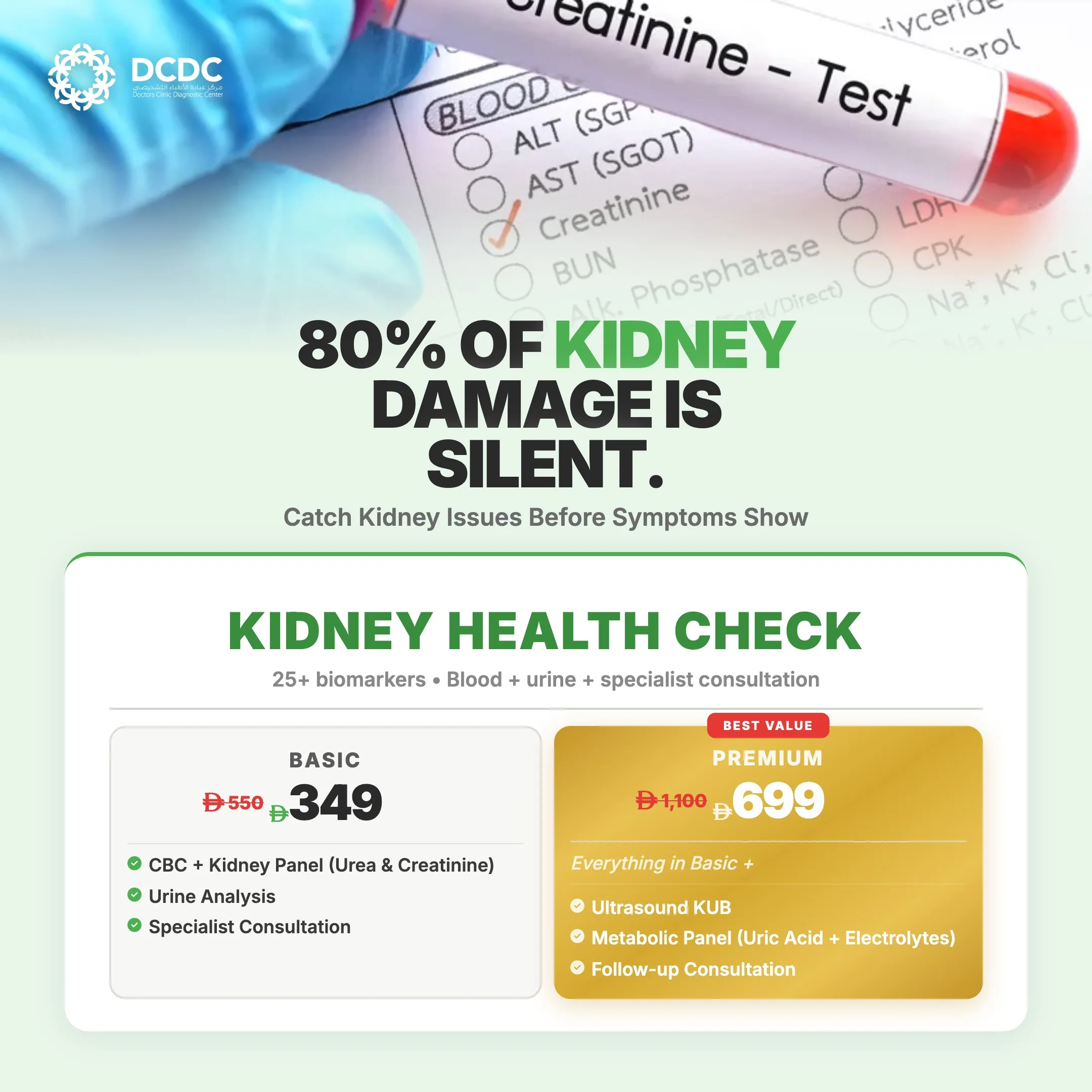
Health Screening Packages
Save with our bundled screening packages — specialist consultation included





Vertigo vs Dizziness vs Lightheadedness: Quick Comparison Table
Before diving into the details, this comparison table provides a high-level overview of the three most commonly confused balance-related symptoms. Medical professionals use these distinctions as the starting point for diagnosis, and understanding which category your symptoms fall into will help you communicate more effectively with your doctor.
| Feature | Vertigo | Dizziness (General) | Lightheadedness |
|---|---|---|---|
| Sensation | Room spinning or you spinning | Off-balance, unsteady, disoriented | Feeling faint, woozy, about to pass out |
| Primary system involved | Vestibular (inner ear or brain) | Multiple systems possible | Cardiovascular or metabolic |
| Common triggers | Head movements, rolling over in bed | Varies widely by cause | Standing up quickly, dehydration, heat |
| Nausea/vomiting | Very common | Sometimes | Uncommon |
| Episode duration | Seconds to days depending on cause | Variable | Seconds to minutes |
| Hearing changes | Possible (Meniere's disease) | Rare | Not typically |
| Most likely specialist | Neurologist or ENT | GP as starting point | Cardiologist or internist |
| Key diagnostic test | Dix-Hallpike test, vestibular testing | Depends on suspected cause | Blood pressure (lying/standing), ECG |
Side-by-side comparison of vertigo, general dizziness, and lightheadedness — key differences in sensation, causes, and diagnostic approach
What Is Vertigo? Understanding the Spinning Sensation
Vertigo is not simply "feeling dizzy." It is a specific, well-defined medical symptom: the false perception that you or your surroundings are moving or spinning when neither actually is. According to the Cleveland Clinic, vertigo is truly the sensation of self-movement or the movement of your surroundings. The atmosphere around you may feel like it is moving or spinning when it is not. This illusory sense of motion is what distinguishes vertigo from all other forms of dizziness.
Vertigo originates from a malfunction in the vestibular system — the network of structures in your inner ear and brain that maintains spatial orientation and balance. When this system sends conflicting signals to the brain, the result is that distinctive, often distressing spinning sensation. Vertigo is broadly classified into two categories based on where the problem occurs.
Peripheral Vertigo (Inner Ear Origin)
Peripheral vertigo accounts for approximately 80% of all vertigo cases and arises from problems in the inner ear or the vestibular nerve that connects the inner ear to the brain. It is generally less dangerous than central vertigo but can be extremely disruptive to daily life. The most common peripheral vertigo conditions include:
- BPPV (Benign Paroxysmal Positional Vertigo): The single most common cause of vertigo, with a lifetime prevalence of 2.4%. BPPV occurs when tiny calcium carbonate crystals (otoconia) become dislodged from the utricle and migrate into the semicircular canals. Specific head movements — rolling over in bed, tilting the head back, or bending forward — trigger brief but intense spinning episodes lasting 15-60 seconds.
- Vestibular Neuritis: Inflammation of the vestibular nerve, usually following a viral infection. Causes sudden, severe vertigo lasting days to weeks, often with nausea and difficulty walking. Unlike labyrinthitis, vestibular neuritis does not affect hearing.
- Meniere's Disease: A chronic inner ear condition involving fluid buildup (endolymphatic hydrops). Characterized by episodes of vertigo lasting 20 minutes to several hours, accompanied by fluctuating hearing loss, tinnitus (ringing), and a sensation of fullness in the affected ear.
- Labyrinthitis: Similar to vestibular neuritis but also involves inflammation of the cochlea, causing both vertigo and hearing loss. Most commonly triggered by viral or bacterial infection.
Central Vertigo (Brain Origin)
Central vertigo originates from problems in the brain, specifically the brainstem or cerebellum. It is less common than peripheral vertigo but more concerning because it can indicate serious neurological conditions. Causes include vestibular migraine, brainstem stroke or transient ischemic attack (TIA), multiple sclerosis, acoustic neuroma (vestibular schwannoma), and cerebellar tumors. Central vertigo episodes tend to be less intense but more persistent than peripheral vertigo, and they are less likely to be triggered by specific head positions. If you are interested in recognizing the overlap between vertigo and serious neurological events, our guide on stroke warning signs in Dubai explains the red flags that warrant emergency evaluation.
What Is Dizziness? More Than Just Feeling Unsteady
Dizziness is a broader, less specific term than vertigo. According to the Mayo Clinic, dizziness describes sensations of lightheadedness, unsteadiness, or feeling faint — and it does not necessarily involve the spinning sensation that characterizes vertigo. In medical terminology, dizziness is an umbrella category, and vertigo is one specific type of dizziness. However, many patients use the word "dizziness" to describe vertigo, and many use "vertigo" when they actually mean lightheadedness, which is why careful clinical questioning is essential.
Non-vertigo dizziness — meaning dizziness without spinning — typically falls into three patterns, each with its own set of causes. The first is presyncope (near-fainting), where you feel like you are about to lose consciousness. This is usually cardiovascular or metabolic in origin. The second is disequilibrium, a sense of imbalance or unsteadiness while walking, often related to neurological conditions, musculoskeletal problems, or medication side effects. The third is non-specific dizziness, a vague floating or swimming sensation that can be associated with anxiety disorders, hyperventilation, medication effects, or chronic fatigue. For a deeper exploration of all possible dizziness triggers, including Dubai-specific environmental factors, see our detailed guide on dizziness causes in Dubai.
Side-by-Side: Common Causes of Vertigo vs Dizziness
One of the most clinically useful ways to understand the vertigo-versus-dizziness distinction is to compare the conditions that cause each. While some overlap exists — certain conditions can produce both vertigo and non-spinning dizziness — the primary cause lists are notably different.
| Vertigo Causes (Spinning Sensation) | Dizziness Causes (No Spinning) |
|---|---|
| BPPV (displaced inner ear crystals) | Orthostatic hypotension (blood pressure drop on standing) |
| Vestibular neuritis (vestibular nerve inflammation) | Dehydration and heat exhaustion |
| Meniere's disease (inner ear fluid buildup) | Hypoglycemia (low blood sugar) |
| Vestibular migraine | Anemia (low red blood cells) |
| Labyrinthitis (inner ear infection) | Medication side effects (antihypertensives, sedatives) |
| Brainstem or cerebellar stroke | Cardiac arrhythmias |
| Acoustic neuroma | Anxiety and panic disorders |
| Multiple sclerosis | Cervical spine disorders |
Common causes of vertigo (spinning) compared to non-spinning dizziness — while some overlap exists, the underlying conditions are distinct
Which Applies to You? A Self-Assessment Decision Guide
While only a medical professional can provide a definitive diagnosis, answering the following questions can help you identify whether your symptoms align more closely with vertigo, lightheadedness, or general imbalance. This self-assessment is not a substitute for clinical evaluation — it is a tool to help you describe your symptoms more accurately when you see your doctor.
Your Symptoms Suggest Vertigo If...
- You feel like the room is spinning around you, or you feel like you are spinning within the room
- Episodes are triggered by specific head movements — turning your head, looking up, rolling over in bed, or bending down
- Nausea or vomiting accompanies the spinning sensation
- You notice involuntary eye movements (nystagmus) during episodes — your eyes seem to jerk or drift
- Symptoms occur in discrete episodes rather than being constant
- Lying still in a certain position provides relief
Your Symptoms Suggest Lightheadedness If...
- You feel like you might faint or pass out, especially on standing up from a seated or lying position
- Your vision briefly darkens or you see spots when you stand
- Symptoms improve when you sit or lie down and worsen when you stand
- You have been in the heat, have not eaten recently, or are taking blood pressure medication
- You feel woozy, light-headed, or "floaty" rather than experiencing spinning
Your Symptoms Suggest Disequilibrium (Balance Disorder) If...
- You feel unsteady on your feet, as though you might fall, but you do not have a spinning sensation
- Walking in the dark or on uneven surfaces makes the unsteadiness significantly worse
- You drift to one side when walking
- Symptoms are constant or near-constant rather than episodic
- You have numbness, tingling, or weakness in your legs alongside the balance problems
How Vertigo and Dizziness Are Diagnosed
Accurate diagnosis of vertigo and dizziness starts with a detailed clinical history. Your neurologist will ask precisely what you feel during episodes, how long episodes last, what triggers them, whether hearing changes or headaches accompany them, and what medications you take. The answers to these questions narrow the differential diagnosis significantly before any tests are ordered.
Diagnostic Tests for Vertigo
- Dix-Hallpike Test: The gold-standard bedside test for BPPV. The doctor moves your head into specific positions and watches for characteristic eye movements (nystagmus) that confirm displaced inner ear crystals. This test can be performed in the consultation room with no special equipment.
- Head Impulse Test: The doctor rapidly turns your head to each side while you focus on a fixed point. Abnormal corrective eye movements indicate vestibular nerve dysfunction.
- Videonystagmography (VNG): A comprehensive vestibular test battery that uses infrared goggles to track eye movements during various head positions and stimuli. VNG is the gold standard for objectively assessing vestibular function.
- Brain MRI: When central vertigo is suspected, brain MRI is essential to rule out stroke, tumors, multiple sclerosis, or other structural brain abnormalities. At DCDC, brain MRI is performed on-site using a Siemens 1.5T wide-bore scanner with subspecialty radiologist reads. For more details on what a brain MRI can detect, see our guide on MRI for vertigo and balance disorders.
- Audiometry (Hearing Test): Important when Meniere's disease or acoustic neuroma is suspected, as both conditions affect hearing in addition to causing vertigo.
Diagnostic Tests for Non-Spinning Dizziness
- Orthostatic Blood Pressure Measurement: Blood pressure is measured lying down and then immediately upon standing. A significant drop (systolic drop of 20 mmHg or more) confirms orthostatic hypotension as the cause of lightheadedness.
- Blood Tests: Complete blood count for anemia, fasting glucose and HbA1c for diabetes, thyroid function, vitamin D and B12 levels, and electrolytes. These tests identify metabolic causes of dizziness and are available same-day at DCDC's on-site laboratory.
- ECG and Echocardiogram: Cardiac rhythm monitoring and heart imaging are indicated when lightheadedness could be cardiac in origin — particularly when accompanied by palpitations, chest pain, or fainting.
- Tilt Table Test: For recurrent near-fainting episodes, this specialized test measures blood pressure and heart rate responses to controlled postural changes.
Treatment: How Vertigo and Dizziness Are Managed Differently
The treatment for vertigo and the treatment for non-spinning dizziness differ substantially because the underlying mechanisms are different. This is precisely why accurate diagnosis matters — treating lightheadedness with vertigo medication, or treating BPPV with hydration, will not resolve the problem.
Treatment for Vertigo
The most common vertigo treatment approaches depend on the underlying cause:
- Epley Maneuver (for BPPV): A series of guided head movements that reposition the displaced calcium crystals back into the utricle where they belong. Research shows that 74-80% of patients are successfully treated in a single session, and the maneuver can be performed during a standard neurology consultation. BPPV is one of the most satisfying conditions to treat because results are often immediate.
- Vestibular Rehabilitation Therapy (VRT): A specialized form of physiotherapy that trains the brain to compensate for vestibular dysfunction. VRT involves gaze-stabilization exercises, balance and gait training, and habituation drills. It is the primary treatment for vestibular neuritis recovery and is beneficial for many other vestibular conditions. Learn more in our detailed article on vestibular rehabilitation for vertigo in Dubai.
- Medications: Vestibular suppressants such as meclizine or dimenhydrinate provide short-term symptom relief during acute vertigo episodes. For vestibular migraine, preventive medications including beta-blockers, calcium channel blockers, or specific migraine prophylactics may be prescribed. Corticosteroids may be used in the early stages of vestibular neuritis to reduce nerve inflammation.
- Meniere's Disease Management: A combination of dietary sodium restriction, diuretics, betahistine, and lifestyle modifications. In refractory cases, intratympanic steroid or gentamicin injections may be considered.
- Surgical Intervention: Rarely needed, but options exist for severe, treatment-resistant cases — including endolymphatic sac decompression for Meniere's disease or microvascular decompression for neurovascular compression syndromes.
Treatment for Non-Spinning Dizziness
- Orthostatic Hypotension: Increased fluid and salt intake, compression stockings, slow positional changes, and medication adjustment. In some cases, medications like fludrocortisone or midodrine are prescribed to support blood pressure.
- Dehydration-Related Dizziness: Particularly relevant in Dubai's extreme heat, treatment involves structured oral rehydration, electrolyte replacement, and patient education on fluid requirements in hot climates.
- Medication-Induced Dizziness: Dose adjustment, timing changes, or switching to alternative medications. Many commonly prescribed drugs — including antihypertensives, sedatives, anticonvulsants, and antidepressants — list dizziness as a side effect.
- Anxiety-Related Dizziness (PPPD): Persistent Postural-Perceptual Dizziness is a functional vestibular disorder treated with vestibular rehabilitation, SSRI medication, and cognitive behavioral therapy.
- Cardiac-Related Dizziness: Treatment of the underlying cardiac condition — arrhythmia management, pacemaker implantation if indicated, or heart failure treatment.
Dr. Riad Trabulsi on Evaluating Vertigo and Dizziness
"The most important thing I tell my patients is this: describe the sensation, do not label it," says Dr. Riad Trabulsi, Neurologist at DCDC in Dubai Healthcare City. "When a patient says 'I have vertigo,' they may mean the room is spinning, they may mean they feel faint, or they may mean they are unsteady on their feet. Each of those descriptions leads me down a completely different diagnostic pathway. I spend the first several minutes of every dizziness consultation asking very specific questions: Do you feel like you are spinning, or does the room spin? Does it happen when you turn your head or when you stand up? How long does each episode last — seconds, minutes, or hours? The answers to these three questions alone narrow the diagnosis to a handful of possibilities."
Dr. Trabulsi adds: "In Dubai, I see a significant number of patients whose dizziness has a clear environmental component. Dehydration is underappreciated as a contributor to both vertigo and lightheadedness — even mild dehydration of 1-2% body weight loss can impair vestibular function. I always assess hydration status and review dietary habits as part of the evaluation. When the cause is BPPV, patients are often amazed at how quickly we can resolve their symptoms with the Epley maneuver — many leave the clinic feeling better than they have in weeks."
Experiencing Vertigo or Dizziness?
Book a neurology consultation at DCDC in Dubai Healthcare City. Same-day appointments are frequently available, with on-site vestibular testing and brain MRI for comprehensive evaluation.
Neurology consultation from AED 500 | 20+ insurance partners with direct billing
When to Seek Emergency Care: Red Flags for Vertigo and Dizziness
Most causes of vertigo and dizziness are benign and treatable. However, certain combinations of symptoms require emergency medical evaluation because they may indicate stroke or other life-threatening conditions. The NHS and the Mayo Clinic both advise seeking immediate medical attention if dizziness or vertigo is accompanied by any of the following warning signs.
- Sudden severe headache unlike any you have experienced before — may indicate hemorrhagic stroke or subarachnoid hemorrhage
- Slurred speech, facial drooping, or arm weakness — classic signs of stroke (remember the FAST acronym: Face, Arms, Speech, Time)
- Double vision or sudden vision loss — may indicate brainstem or cerebellar stroke
- Inability to walk or severe difficulty maintaining balance — suggests acute cerebellar dysfunction
- Loss of consciousness or fainting — may indicate cardiac arrhythmia or other serious cardiovascular event
- Vertigo with new-onset hearing loss — could indicate labyrinthine infarction (inner ear stroke)
- Persistent vomiting with vertigo lasting more than 24 hours — may require intravenous fluid support and warrants evaluation for central causes
- Vertigo following head trauma — must be evaluated for concussion, skull fracture, or intracranial bleeding
If you are unsure whether your symptoms constitute an emergency, err on the side of caution and seek evaluation. Our guide on stroke warning signs in Dubai provides additional detail on recognizing when dizziness may be a symptom of a neurological emergency.
What to Expect at DCDC: The Patient Journey for Vertigo and Dizziness
At Doctors Clinic Diagnostic Center in Dubai Healthcare City, vertigo and dizziness evaluation follows a systematic, patient-centered pathway designed to reach an accurate diagnosis as efficiently as possible. DCDC is MOHAP licensed (License No. NIMY7VY5-240925) and maintains a 4.8/5 rating from over 1,000 verified Google reviews, with 98% patient satisfaction reflecting a consistent standard of care.
Step 1: Detailed Clinical History
Your neurology consultation begins with a thorough clinical interview. Dr. Trabulsi will ask about the nature of your dizziness (spinning vs. lightheadedness vs. imbalance), episode duration and frequency, triggers, associated symptoms such as hearing changes or headache, medication use, and relevant medical history. This conversation is the single most important diagnostic tool and typically takes 10-15 minutes. The average wait time at DCDC is just 15 minutes, and multilingual staff (Arabic, English, Farsi, Urdu, Hindi) ensure clear communication regardless of your preferred language.
Step 2: Neurological and Vestibular Examination
A focused neurological examination assesses cranial nerve function, coordination, gait, and balance. Specific vestibular tests are performed based on clinical suspicion — the Dix-Hallpike maneuver for BPPV, the head impulse test for vestibular nerve function, and the Romberg test for proprioceptive balance. If BPPV is confirmed through the Dix-Hallpike test, treatment with the Epley repositioning maneuver can begin immediately during the same visit.
Step 3: Investigations (When Needed)
Not every patient requires imaging or blood work — many cases of BPPV, for example, are diagnosed and treated purely on clinical grounds. However, when further investigation is warranted, DCDC offers on-site brain MRI on a Siemens 1.5T wide-bore scanner with subspecialty radiologist reads, an on-site laboratory for same-day blood tests, and ECG capability for cardiac screening. Having all diagnostic services under one roof means you do not need to visit multiple facilities or wait days for appointments elsewhere.
Step 4: Treatment and Follow-Up
Based on the diagnosis, treatment is initiated the same day when possible. BPPV patients often leave the clinic with their vertigo resolved after Epley maneuver repositioning. Patients with vestibular neuritis or Meniere's disease receive a medication plan and referral for vestibular rehabilitation. Those requiring further evaluation — for example, patients with suspected vestibular migraine — receive a structured treatment trial with planned follow-up. Dr. Trabulsi works closely with DCDC's physiotherapy, ENT, and cardiology departments to coordinate multidisciplinary care when needed.
Neurology and Vestibular Service Costs at DCDC Dubai
DCDC partners with over 20 insurance providers including Daman, AXA, Bupa, MetLife, and Cigna, offering direct billing so you pay only your co-pay at the front desk. For self-pay patients, below is an overview of typical costs. All prices shown are starting rates and may vary based on individual clinical requirements.
| Service | Estimated Cost (AED) | Notes |
|---|---|---|
| Neurology Consultation | From AED 500 | Includes clinical history, neurological examination, and vestibular bedside tests |
| Follow-Up Neurology Visit | From AED 300 | Review of test results, treatment adjustment, progress assessment |
| Brain MRI (without contrast) | AED 1,500-2,500 | Siemens 1.5T wide-bore scanner, subspecialty radiologist read |
| Brain MRI (with contrast) | AED 2,000-3,500 | Enhanced imaging for tumors, inflammation, vascular abnormalities |
| Blood Panel (dizziness workup) | AED 200-600 | CBC, glucose, HbA1c, thyroid, vitamin D, B12, electrolytes |
| ECG | From AED 100 | Cardiac rhythm screening for lightheadedness evaluation |
Indicative pricing for vertigo and dizziness evaluation at DCDC Dubai Healthcare City — direct insurance billing available with 20+ partners
DCDC is located in Building 64, Block A, Al Razi Medical Complex in Dubai Healthcare City, with free parking available. The clinic is open Saturday through Thursday from 8 AM to 10 PM and Friday from 9 AM to 9 PM. For more information about neurology consultation costs and what is included, visit our neurologist consultation cost guide.
Vertigo and Dizziness in Dubai: Environmental and Lifestyle Factors
Living in Dubai introduces specific environmental and lifestyle factors that can trigger or worsen both vertigo and dizziness. Understanding these factors is particularly relevant for residents and visitors who experience balance-related symptoms during certain times of year or in specific situations.
- Extreme Summer Heat (May-September): When outdoor temperatures exceed 45 degrees Celsius, fluid loss through perspiration accelerates dramatically. Even mild dehydration of 1-2% body weight loss can impair vestibular function and trigger lightheadedness. Residents who commute between air-conditioned vehicles, offices, and homes may underestimate their fluid loss.
- Rapid Temperature Transitions: Moving from 48-degree outdoor heat into aggressively cooled 18-degree indoor environments triggers vasovagal responses and orthostatic blood pressure drops. This rapid temperature shift is a uniquely Dubai-relevant cause of dizziness.
- Vitamin D Deficiency: Paradoxically common in one of the world's sunniest cities because residents avoid direct sun exposure. Studies show vitamin D deficiency prevalence of 75-90% in the UAE population, and emerging research links low vitamin D levels to increased BPPV recurrence and vestibular dysfunction.
- Sedentary Lifestyle and Prolonged Screen Time: Extended desk work and screen use can exacerbate vestibular symptoms through reduced vestibular stimulation and cervicogenic dizziness from sustained neck postures.
- Fasting During Ramadan: Extended fasting hours combined with heat can cause dehydration and blood sugar fluctuations that trigger lightheadedness, particularly in patients with diabetes or those on blood pressure medications.
How to Choose the Right Specialist for Your Symptoms
One of the most common sources of frustration for patients with dizziness is seeing the wrong specialist first. Knowing which specialist to consult based on your symptom pattern can save weeks of unnecessary referrals and redundant testing.
- See a Neurologist if: You experience true spinning vertigo, your dizziness is accompanied by headaches, you have numbness or weakness alongside dizziness, or you need to rule out central causes such as stroke or MS. A neurologist is also the appropriate specialist for vestibular migraine and persistent postural-perceptual dizziness (PPPD). For guidance on finding the right neurologist, see our neurologist guide for Dubai.
- See an ENT Specialist if: Your vertigo is accompanied by hearing loss, tinnitus, or ear fullness — symptoms that suggest Meniere's disease, labyrinthitis, or acoustic neuroma.
- See a Cardiologist if: Your dizziness is primarily lightheadedness on standing, is accompanied by palpitations or chest pain, or you have episodes of fainting.
- See a General Practitioner (GP) if: You are unsure which type of dizziness you have, your symptoms are mild and intermittent, or you want a starting-point evaluation before specialist referral. A GP can perform initial blood work, ECG, and orthostatic blood pressure testing to guide the next step.
Not Sure Which Specialist You Need?
Contact DCDC's reception team for guidance, or book directly with our neurology department. Our coordinators can help direct you to the most appropriate specialist based on your symptoms.
WhatsApp or call to book | Same-day appointments frequently available | Direct insurance billing
Prevention: Reducing Your Risk of Vertigo and Dizziness Episodes
While not all causes of vertigo and dizziness are preventable, several evidence-based strategies can reduce the frequency and severity of episodes, particularly for recurrent conditions.
- Stay Hydrated: In Dubai's climate, aim for 2.5-3.5 liters of water daily during summer months. Increase intake before outdoor activities and monitor urine color as a hydration indicator (pale yellow is optimal).
- Manage Positional Changes: If you are prone to lightheadedness on standing, rise slowly — sit on the edge of the bed for 30 seconds before standing, and stand for 30 seconds before walking. Avoid prolonged standing in heat.
- Correct Vitamin D Deficiency: Ask your doctor to check your vitamin D levels. Supplementation to achieve levels above 30 ng/mL may reduce BPPV recurrence and support overall vestibular health.
- Limit Triggers for Vestibular Migraine: Common triggers include sleep deprivation, stress, caffeine, alcohol, processed foods, and hormonal fluctuations. Keeping a migraine diary helps identify your personal trigger pattern.
- Vestibular Exercises: For patients with chronic vestibular dysfunction, home-based balance exercises prescribed by a vestibular physiotherapist can significantly improve stability and reduce symptom frequency over time.
- Medication Review: If dizziness began or worsened after starting a new medication, discuss timing and dosage with your prescribing doctor. Many medications have peak-level side effects that can be minimized by adjusting when you take them.
DCDC میں متعلقہ خدمات
دبئی ہیلتھ کیئر سٹی میں ماہرانہ دیکھ بھال اور جدید تشخیص
Vertigo & Dizziness Treatment
Expert diagnosis and treatment for vertigo, BPPV, and balance disorders
اپائنٹمنٹ بک کریںNeurology Consultation
Comprehensive neurological evaluation by consultant neurologist
اپائنٹمنٹ بک کریںBrain MRI
High-resolution brain MRI to rule out central causes of vertigo
اپائنٹمنٹ بک کریںFrequently Asked Questions
Final Thoughts
Vertigo and dizziness are among the most common reasons patients visit a neurologist, yet the confusion between these two terms often delays proper diagnosis and treatment. The core distinction is straightforward: vertigo involves a false sensation of spinning or movement, while dizziness is a broader category that includes lightheadedness, unsteadiness, and feeling faint. Each symptom pattern points to a different set of causes and a different treatment pathway — which is why describing your experience accurately to your doctor matters more than the label you give it.
The encouraging reality is that the majority of vertigo and dizziness causes are both identifiable and treatable. BPPV, the most common cause of true vertigo, can be resolved in a single clinic visit with the Epley maneuver. Vestibular neuritis recovers with time and rehabilitation. Lightheadedness from dehydration, medication effects, or orthostatic hypotension responds to targeted interventions. Even chronic conditions like Meniere's disease and vestibular migraine can be managed effectively with the right treatment plan.
If you are experiencing vertigo or persistent dizziness in Dubai, a structured evaluation by a neurologist is the most efficient path to diagnosis and relief. At DCDC in Dubai Healthcare City, Dr. Riad Trabulsi provides comprehensive vertigo and dizziness evaluation with on-site vestibular testing, brain MRI, and laboratory services — everything needed for a complete workup under one roof. Neurology consultations start from AED 500 with same-day appointments frequently available and direct billing through 20+ insurance partners.
ذرائع اور حوالہ جات
یہ مضمون ہماری طبی ٹیم نے جائزہ لیا ہے اور درج ذیل ذرائع کا حوالہ دیتا ہے:
- Mayo Clinic - Dizziness: Symptoms, Causes, Diagnosis and Treatment
- Cleveland Clinic - Vertigo vs Dizziness: How to Tell Them Apart
- Mayo Clinic - Benign Paroxysmal Positional Vertigo (BPPV): Symptoms and Causes
- Cleveland Clinic - Vestibular Neuritis: Symptoms, Causes and Treatment
- NHS UK - Vertigo Information and Guidance
- PubMed Central - Efficacy of Therapeutic Maneuvers in BPPV (Epley Maneuver Success Rates)
- Cleveland Clinic - Vestibular Disorders: Symptoms, Causes and Treatment
اس سائٹ پر طبی مواد کا جائزہ DHA لائسنس یافتہ ڈاکٹرز نے لیا ہے۔ ہماری دیکھیں تحریری پالیسی مزید معلومات کے لیے۔

تحریر
Dr. Riad Trabulsi
Neurologist
MD, Neurology
Dr. Riad Trabulsi is a Neurologist at Doctors Clinic Diagnostic Center (DCDC) in Dubai Healthcare City.
Related Articles
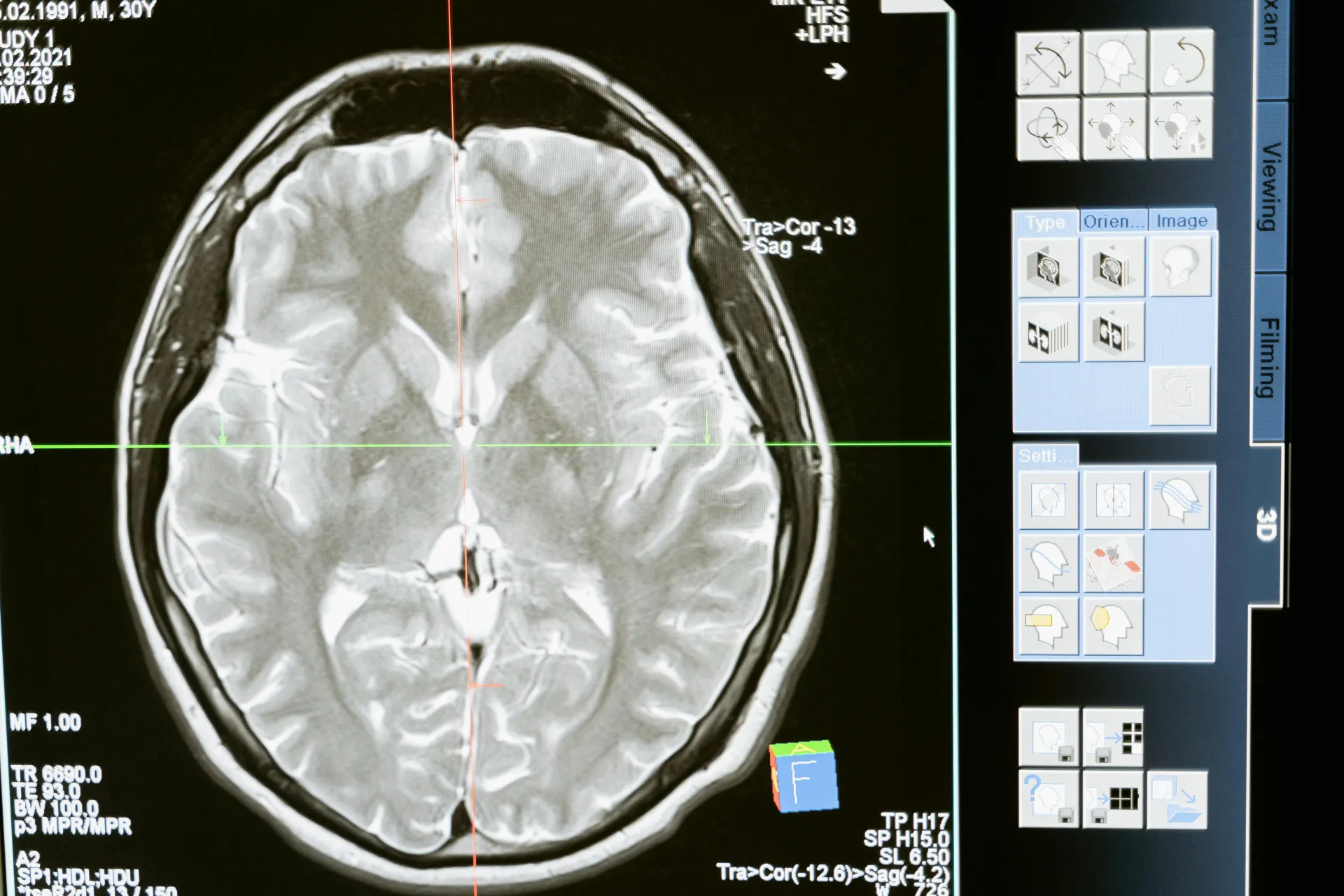
Dizziness Causes Dubai: When to Get Checked (2026)

Vestibular Rehabilitation for Vertigo in Dubai
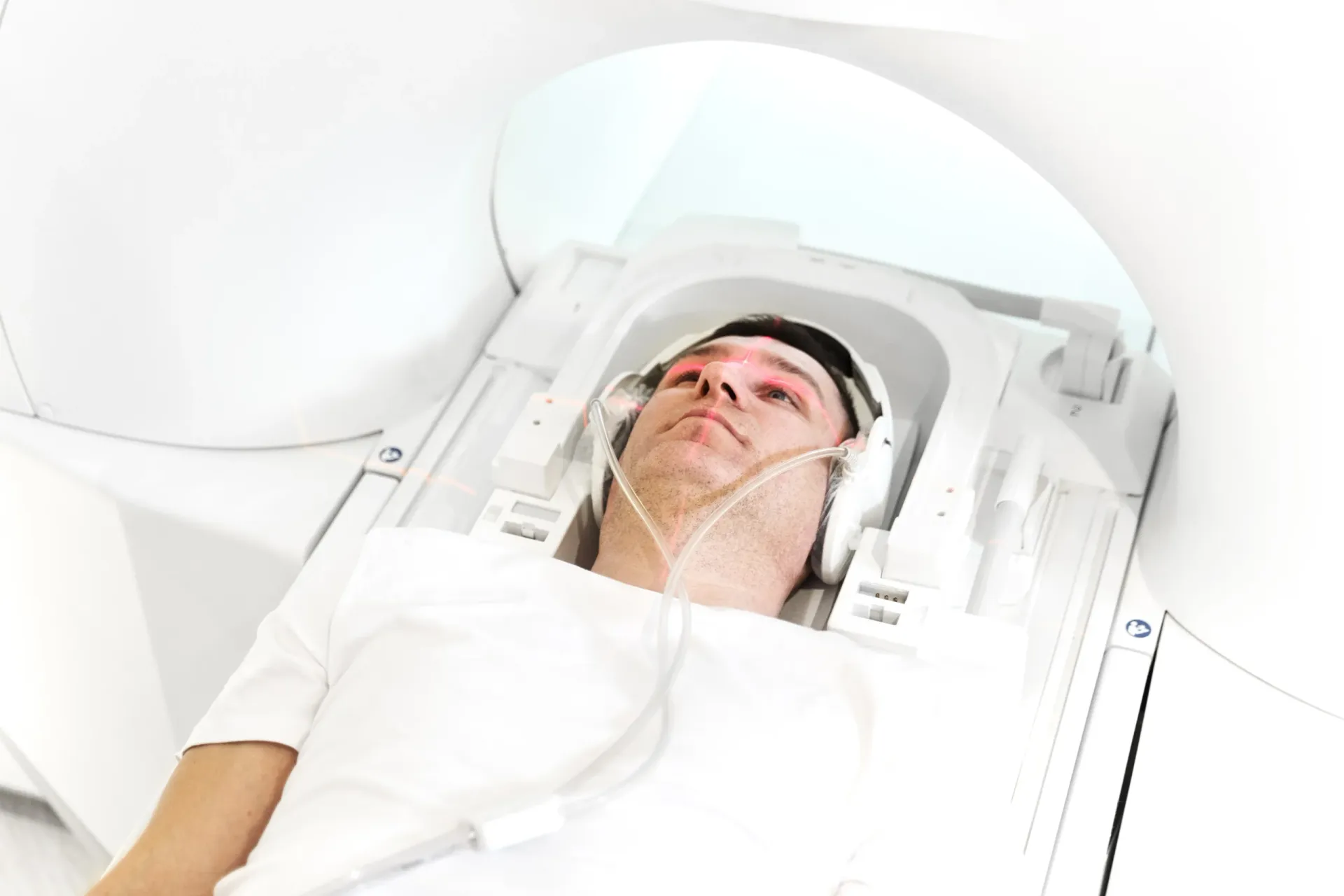
MRI for Vertigo and Balance Disorders

Neurologist Dubai: Complete Guide to Choosing the Right Specialist
Brain MRI in Dubai: What It Detects, Cost & When You Need One
Neurology میں مزید
Numbness & Tingling Causes Dubai (2026)
مزید پڑھیں
Migraine vs Headache Dubai: Key Differences (2026)
مزید پڑھیںWhen to See a Neurologist in Dubai (2026)
مزید پڑھیںNeurologist Cost Dubai: From AED 500 (2026)
مزید پڑھیں
Best Neurologist in Dubai: Dr. Heike Jacobs at DCDC (2026)
مزید پڑھیںGerman Neurologist in Dubai: Dr. Heike Jacobs at DCDC (2026)
مزید پڑھیں© 2026 Doctors Clinic Diagnostic Center (DCDC), Dubai Healthcare City. Originally published at https://doctorsclinicdubai.ae/blog/vertigo-vs-dizziness-dubai. All rights reserved. Unauthorized reproduction is prohibited.