اہم نکات
- Spine surgery rehabilitation follows a structured 4-6 month timeline with specific do's and don'ts at each phase
- Spinal fusion and decompression surgery have different rehabilitation protocols. Fusion requires more restriction in early phases because bone must heal around hardware.
- Walking is the most important activity after spine surgery. Most patients walk within 24 hours of surgery and gradually increase distance daily.
- Return to desk work is typically possible at 4-6 weeks for decompression and 6-12 weeks for fusion. Manual labor takes 3-6 months.
- The first 6 weeks post-surgery focus on protection and healing. Premature heavy activity during this window is the primary cause of surgical complications.
- A structured physiotherapy program starting 2-6 weeks post-surgery significantly improves outcomes compared to unsupervised self-rehabilitation.
Your spine surgery is scheduled, or perhaps you have just had it. The operation itself is only half the journey. How you rehabilitate in the weeks and months after surgery determines whether you achieve a good outcome or a disappointing one. This guide walks you through every phase of recovery so you know exactly what to expect and what to do. Our Post Surgical Rehabilitation service at DCDC offers same-day appointments in Dubai Healthcare City.
Post-surgical spinal rehabilitation is not one-size-fits-all. The type of surgery (fusion vs decompression), the number of spinal levels involved, your age, and your baseline fitness all influence your recovery trajectory. This guide covers the general framework that applies to most spine surgeries, with notes on key differences.

How Does Spinal Fusion Differ from Decompression Surgery?
Understanding what was done during your surgery is essential for understanding your rehabilitation. The two most common categories of spine surgery have fundamentally different healing requirements.
| Factor | Decompression (Microdiscectomy/Laminectomy) | Spinal Fusion |
|---|---|---|
| What is done | Removes material pressing on nerves (disc fragment, bone spur, thickened ligament) | Joins two or more vertebrae with screws, rods, and bone graft to eliminate motion at that segment |
| Healing time for bone | No bone healing required (soft tissue only) | 3-6 months for solid bone fusion |
| Movement restrictions | Fewer restrictions; avoid heavy bending/lifting for 4-6 weeks | Significant restrictions on bending, twisting, and lifting for 8-12 weeks |
| Brace required | Usually not | Often yes, for 6-12 weeks |
| Return to desk work | 2-4 weeks | 6-12 weeks |
| Return to physical labor | 6-8 weeks | 3-6 months |
| Physiotherapy start | 2-4 weeks post-op | 4-6 weeks post-op (after surgeon clearance) |
| Full recovery | 3-4 months | 6-12 months |
Timelines are general estimates. Your surgeon's specific instructions always take priority.
What Happens in Days 1-3 (Hospital Recovery)?
The immediate post-operative period focuses on pain management, early mobilization, and monitoring for complications. Most spine surgery patients in Dubai stay in hospital for 1-3 days depending on the procedure.
Do's in Days 1-3
- Walk as soon as medically cleared: Most patients take their first steps within 12-24 hours of surgery with assistance. Start with hallway walks of 5-10 minutes.
- Practice log-rolling: Turn your body as a unit when getting in and out of bed. Do not twist at the waist. A physiotherapist or nurse will demonstrate this technique.
- Breathe deeply: Deep breathing exercises every hour prevent respiratory complications, which are more common after general anesthesia.
- Take prescribed pain medication on schedule: Staying ahead of pain allows you to move more, which is critical for recovery.
Don'ts in Days 1-3
- Do not bend forward at the waist to pick things up
- Do not twist your torso
- Do not lift anything heavier than a cup of water
- Do not sit for more than 15-20 minutes at a time
- Do not drive or ride in a car for extended periods
What Should You Do in Weeks 1-2 (Early Home Recovery)?
Once home, the priority is gentle progressive walking, wound care, and following your surgeon's movement restrictions. This is the highest-risk period for complications like infection or hardware issues. For related information, see our guide on Shoulder Surgery Recovery: Exercises & Timeline.
- Walk 3-4 times daily: Start with 10-15 minutes and increase by 5 minutes every few days. Walking is the single best exercise during this phase.
- Ice the surgical area: 15-20 minutes, 3-4 times daily to reduce swelling and pain.
- Watch for warning signs: Increased redness, warmth, or drainage from the incision; fever above 38 degrees C; sudden increase in leg pain or new weakness. Contact your surgeon immediately if these occur.
- Avoid sitting for extended periods: Limit sitting to 20-30 minutes, then stand and walk. Reclining at 45 degrees is often more comfortable than upright sitting.
- Avoid BLT (Bending, Lifting, Twisting): The BLT rule is the most important restriction for the first 6 weeks. No bending forward past 30 degrees, no lifting more than 2-3 kg, no twisting at the waist.
What Changes in Weeks 3-6 (Early Rehabilitation)?
Most patients begin formal post-surgical physiotherapy during this phase, starting with gentle exercises and progressing based on healing. For decompression surgery, this is when active rehabilitation accelerates. For fusion, activities remain more restricted as bone healing is underway.
Exercises Introduced at Weeks 3-6
- Gentle isometric core activation: Transversus abdominis bracing in lying position. No crunches or sit-ups.
- Ankle pumps and gentle leg exercises: Maintain circulation and prevent muscle wasting.
- Pelvic tilts: Gentle rocking of the pelvis in a neutral lying position to activate deep core muscles without spinal movement.
- Walking duration increases: Build up to 30-45 minutes of continuous walking. Flat terrain only.
- Scar mobilization: Once the incision is fully healed (usually by week 3-4), gentle scar massage prevents adhesions.
Still Avoid at Weeks 3-6
- Bending forward to pick things up from the floor
- Lifting more than 3-5 kg (fusion) or 5-7 kg (decompression)
- Swimming (until wound is completely healed and surgeon clears it)
- Driving (until cleared by surgeon, usually 2-4 weeks for decompression, 4-6 weeks for fusion)
- Any impact activities (running, jumping)
What Happens in Months 2-3 (Active Rehabilitation)?
This phase marks a significant shift. Pain is substantially reduced, and the focus moves to rebuilding strength and endurance. For fusion patients, bone graft is beginning to consolidate but is not yet solid. For decompression patients, soft tissue healing is essentially complete.
- Core strengthening progresses: Bird dogs, modified planks (on knees), glute bridges. 3 sets of 10-12 reps daily.
- Stationary cycling: Low resistance, upright posture. Start with 10-15 minutes and build up.
- Pool therapy: Walking and gentle exercises in the pool. The buoyancy reduces spinal loading by 50-80% depending on water depth.
- Gradual sitting tolerance increases: Most patients can sit for 1-2 hours at a time with breaks.
- Posture and body mechanics training: Learning safe ways to perform daily tasks like getting dressed, doing laundry, and carrying groceries.
- Lifting restriction eases: Typically 5-10 kg for fusion patients, near-normal for decompression patients, as guided by your surgeon.
What Should You Expect at Months 4-6 (Reconditioning)?
The final phase of formal rehabilitation focuses on returning to full function, whether that means desk work, manual labor, or recreational sport. For fusion patients, imaging may be done around month 3-6 to confirm bone healing. You may also find our ACL Injury Recovery: Rehabilitation Guide helpful.
- Full gym program: Progressive resistance training including machines, cables, and light free weights. Avoid maximal loading of the spine for 6 months post-fusion.
- Running and impact activities: Can begin for decompression patients at 3-4 months if pain-free. Fusion patients typically wait 4-6 months.
- Sport-specific drills: Gradually reintroduce movements required for your sport under physiotherapy guidance.
- Return to manual labor: Usually cleared at 3-4 months for decompression and 4-6 months for fusion, depending on job demands.
- Follow-up imaging: Your spine surgeon may request X-rays or MRI to confirm healing, hardware position, and nerve decompression.
When Can You Return to Work After Spine Surgery?
Return to work depends on the type of surgery and the physical demands of your job. Here is a realistic timeline for common work scenarios in Dubai.
| Job Type | After Decompression | After Spinal Fusion |
|---|---|---|
| Desk/office work | 2-4 weeks | 6-12 weeks |
| Light duties (retail, teaching) | 4-6 weeks | 8-12 weeks |
| Moderate physical work (nursing, technician) | 6-8 weeks | 12-16 weeks |
| Heavy manual labor (construction, warehouse) | 8-12 weeks | 4-6 months |
| Professional driving (taxi, delivery) | 4-6 weeks | 8-12 weeks |
Gradual return with modified duties is recommended. Your surgeon provides the final clearance based on your individual healing.
What Are the Home Exercise Progressions After Spine Surgery?
Your home exercise program evolves through each recovery phase. Performing the right exercises at the right time is critical. Exercises that are appropriate at month 3 can cause harm at week 2.
| Phase | Exercises | Frequency |
|---|---|---|
| Weeks 1-2 | Walking (10-20 min), ankle pumps, deep breathing, log-rolling practice | 3-4x daily |
| Weeks 3-6 | Walking (30-45 min), pelvic tilts, gentle isometric core bracing, heel slides | 2x daily |
| Month 2-3 | Bird dogs, glute bridges, modified planks, stationary cycling, pool walking | 1x daily + physio 2x/week |
| Month 4-6 | Full plank, bodyweight squats, resistance training, sport-specific drills | 4-5x/week |
Always follow your surgeon's and physiotherapist's specific guidance over general guidelines.
What Are the Signs of a Complication?
While complications after spine surgery are relatively uncommon, recognizing warning signs early leads to better outcomes. Contact your surgeon or go to the emergency room if you experience: Read more in our Hip Replacement Rehab: Day 1 to Month 6.
- Fever above 38 degrees C: May indicate infection at the surgical site or elsewhere.
- Increasing redness, swelling, or drainage from the wound: Signs of wound infection.
- Sudden severe increase in back or leg pain: Could indicate hardware displacement, reherniation, or hematoma.
- New onset of leg weakness or numbness: Especially if it was not present before surgery or had been improving.
- Difficulty urinating or loss of bowel control: May indicate cauda equina compression requiring emergency evaluation.
- Calf swelling, redness, or tenderness: Signs of deep vein thrombosis (DVT), which requires immediate treatment.
Recovering from Spine Surgery?
Get expert post-surgical rehabilitation at Doctors Clinic Diagnostic Center in Dubai Healthcare City. Our post-surgical rehabilitation and physiotherapy teams provide structured, phase-specific recovery programs with on-site imaging and spine specialist follow-up.
DCDC میں متعلقہ خدمات
دبئی ہیلتھ کیئر سٹی میں ماہرانہ دیکھ بھال اور جدید تشخیص
Post-Surgical Rehabilitation
Structured recovery programs after spinal surgery
اپائنٹمنٹ بک کریںSpine Care
Specialist follow-up care for post-operative spine patients
اپائنٹمنٹ بک کریںPhysiotherapy
Hands-on therapy and exercise prescription for surgical recovery
اپائنٹمنٹ بک کریںMRI Scan
Post-operative imaging to monitor healing and hardware placement
اپائنٹمنٹ بک کریںFrequently Asked Questions
Your Recovery Is in Your Hands
Spine surgery gives your body a mechanical advantage, but rehabilitation is what turns that advantage into a successful outcome. Patients who follow a structured physiotherapy program consistently achieve better pain relief, faster functional recovery, and lower rates of complications than those who try to manage recovery on their own.
If you are preparing for or recovering from spine surgery in Dubai, partner with a rehabilitation team that understands the specific demands of post-surgical spinal care. At DCDC in Dubai Healthcare City, our physiotherapy and spine care teams coordinate your recovery from day one to full return to activity.
ذرائع اور حوالہ جات
یہ مضمون ہماری طبی ٹیم نے جائزہ لیا ہے اور درج ذیل ذرائع کا حوالہ دیتا ہے:
- North American Spine Society - Post-Operative Rehabilitation Guidelines
- Journal of Bone and Joint Surgery - Outcomes After Lumbar Fusion
- Cochrane Review - Rehabilitation After Lumbar Disc Surgery
- American Physical Therapy Association - Spine Surgery Rehabilitation Protocols
- Dubai Health Authority - Post-Surgical Care Standards
اس سائٹ پر طبی مواد کا جائزہ DHA لائسنس یافتہ ڈاکٹرز نے لیا ہے۔ ہماری دیکھیں تحریری پالیسی مزید معلومات کے لیے۔

تحریر
Dr. Hadi Komshi
Specialist Internal Medicine
MD, DHA-Licensed
Dr. Hadi Komshi is a DHA-licensed Internal Medicine Specialist at Doctors Clinic Diagnostic Center in Dubai Healthcare City, with extensive experience in managing acute and chronic medical conditions including musculoskeletal pain and rehabilitation.
Related Articles
Complete Guide to Physiotherapy in Dubai: Types, Costs & What to Expect
Herniated Disc Rehabilitation: Complete Recovery Timeline
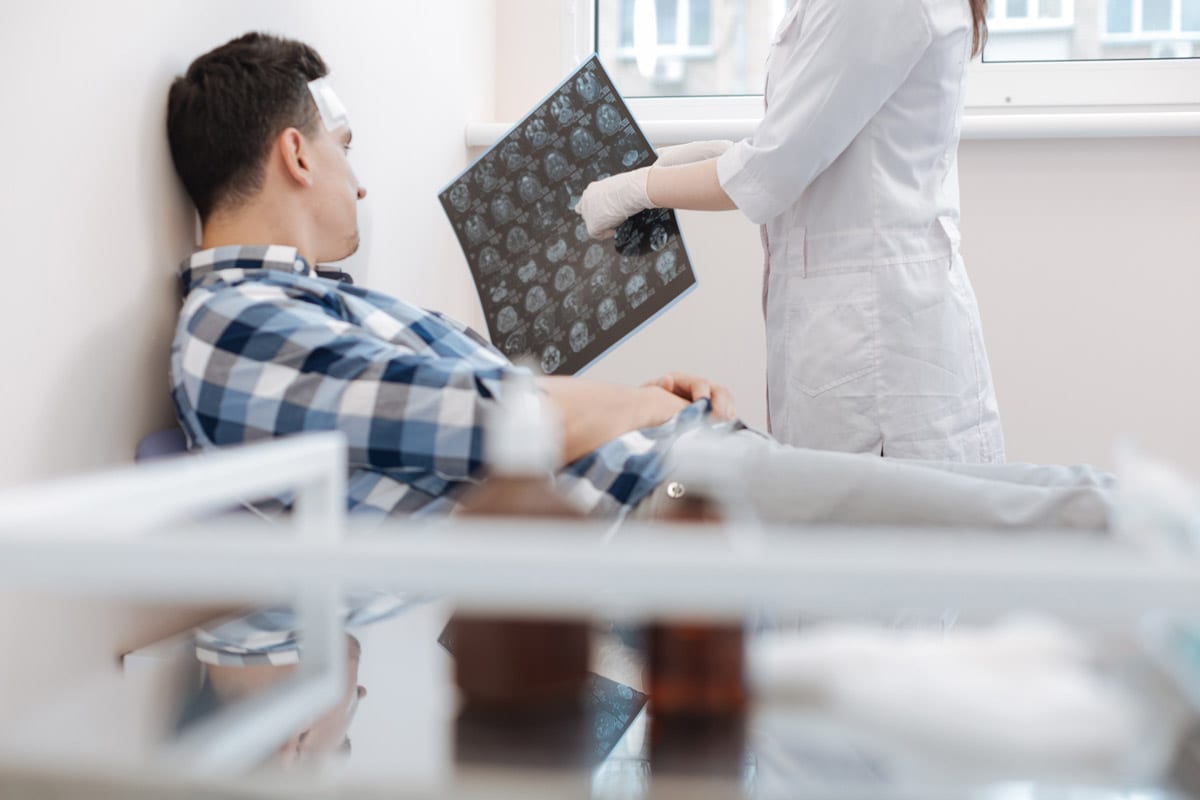
Post-Surgery Physiotherapy Recovery Roadmap
How Many Physiotherapy Sessions Do You Need?
More in Physiotherapy
Physiotherapy Packages Dubai: Save 20%+ (2026)
مزید پڑھیں
Shoulder Pain Dubai: 7 Causes & When to Worry (2026)
مزید پڑھیں
PRP vs Cortisone Dubai: Which Injection? (2026)
مزید پڑھیں
PRP Injection for Joints Dubai: From AED 1,500 (2026)
مزید پڑھیںPhysiotherapy Cost Dubai: AED 250–500/Session (2026)
مزید پڑھیںPhysiotherapy Dubai: Types, Cost & Guide (2026)
مزید پڑھیں© 2026 Doctors Clinic Diagnostic Center (DCDC), Dubai Healthcare City. Originally published at https://doctorsclinicdubai.ae/blog/spine-surgery-rehabilitation-what-to-expect. All rights reserved. Unauthorized reproduction is prohibited.