اہم نکات
- Post-surgical physiotherapy typically follows three phases: acute (inflammation control), subacute (rebuilding strength), and remodelling (return to function)
- Starting rehab too late is as risky as starting too aggressively -- timing depends on your specific surgery
- Knee replacement patients can begin gentle exercises within 24 hours of surgery; spine surgery patients may wait 4-6 weeks
- Skipping physiotherapy after surgery increases the risk of scar tissue, joint stiffness, and chronic pain
- Most surgical recoveries take 3-6 months of structured rehab to reach full functional capacity
- A qualified physiotherapist adjusts your program weekly based on pain levels, swelling, and range of motion progress
Your surgery went well. The surgeon is satisfied. But here is the reality most patients underestimate: the surgery itself is only the first half of your recovery. What you do in the weeks and months that follow determines whether you regain full function or plateau with lingering stiffness, weakness, and pain. This guide covers every phase of post-surgical rehabilitation, from the day after your procedure to your return to normal life. Our Post Surgical Rehabilitation service at DCDC offers same-day appointments in Dubai Healthcare City.
At DCDC's post-surgical rehabilitation program in Dubai Healthcare City, we see hundreds of patients each year who had excellent surgeries but are struggling because they either skipped rehab, started too late, or followed a generic exercise plan from the internet. Structured, supervised physiotherapy is the bridge between a successful surgery and a successful outcome.


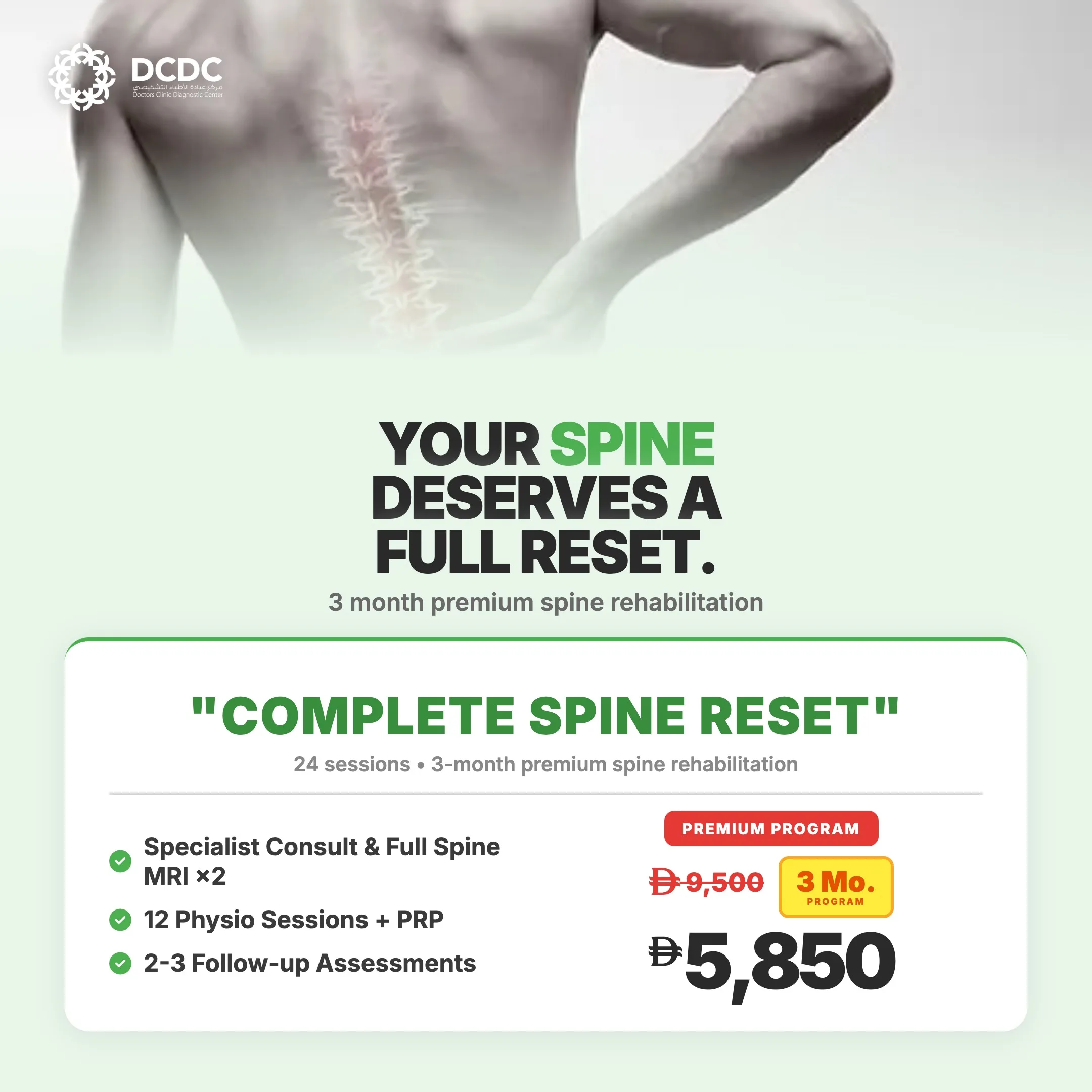
Why Does Post-Surgical Physiotherapy Matter So Much?
After any surgery, your body enters a healing cascade involving inflammation, tissue repair, and scar formation. Without guided movement, scar tissue lays down in disorganized patterns that restrict joint motion. Muscles that were immobilized lose strength at a rate of 1-3% per day. Physiotherapy directs this healing process, ensuring tissue repairs in functional alignment while maintaining as much strength and mobility as possible.
Research published in the Journal of Orthopaedic & Sports Physical Therapy shows that patients who begin structured rehabilitation within the recommended window after surgery achieve 30-50% better functional outcomes at 6 months compared to those who delay or skip physiotherapy entirely. This applies across joint replacements, ligament reconstructions, and spinal procedures.
What Are the Three Phases of Post-Surgical Recovery?
Every post-surgical rehabilitation program follows three overlapping phases, regardless of the surgery type. The duration of each phase varies by procedure, but the principles remain consistent. Understanding these phases helps you set realistic expectations and recognize progress even when recovery feels slow.
Phase 1: Acute Phase (Inflammation & Protection)
This phase begins immediately after surgery and typically lasts 1-2 weeks. The goals are controlling pain and swelling, protecting the surgical repair, and preventing complications like blood clots and chest infections. Gentle range-of-motion exercises, ankle pumps, and breathing exercises are usually introduced within 24-48 hours.
Phase 2: Subacute Phase (Rebuilding Strength & Mobility)
Starting around week 2-6 depending on the surgery, this is where the real work begins. Your physiotherapist progressively increases the difficulty of exercises, introduces resistance training, and works on restoring normal movement patterns. This phase typically lasts 6-12 weeks and is where most patients see the biggest gains.
Phase 3: Remodelling Phase (Return to Function)
In this final phase, the focus shifts to sport-specific or activity-specific training, balance and coordination work, and building endurance. For athletes, this includes functional testing before clearance to return to sport. For others, it means confidently returning to daily activities like climbing stairs, driving, and working.
When Should You Start Physiotherapy After Surgery?
The answer depends entirely on the type of surgery. Starting too early can compromise a surgical repair; starting too late allows scar tissue and weakness to set in. Here is a general guide, though your surgeon's specific protocol always takes priority.
| Surgery Type | When to Start Rehab | Full Recovery Timeline |
|---|---|---|
| Total Knee Replacement | Day 1 (in hospital) | 3-6 months |
| ACL Reconstruction | Day 1-3 (gentle ROM) | 6-9 months |
| Total Hip Replacement | Day 1 (in hospital) | 3-6 months |
| Rotator Cuff Repair | Week 1-2 (passive only) | 4-6 months |
| Shoulder Labral Repair | Week 2 (passive only) | 4-6 months |
| Spinal Fusion | Week 4-6 (gentle) | 6-12 months |
| Lumbar Discectomy | Week 2-4 | 3-6 months |
| Ankle Ligament Repair | Week 2-3 | 3-4 months |
Timelines are approximate. Always follow your surgeon's specific post-operative protocol.
What Are the Most Common Mistakes After Surgery?
In our physiotherapy clinic, we consistently see patients make the same avoidable errors that slow their recovery or cause setbacks. Recognizing these patterns early can save you weeks of frustration.
- Skipping physiotherapy entirely: "I'll just rest and it will heal" is the most damaging approach. Surgery creates the conditions for healing; physiotherapy ensures healing happens correctly.
- Doing too much too soon: Pushing through pain, increasing intensity before your tissues are ready, or returning to the gym prematurely can re-tear surgical repairs.
- Only focusing on the surgical site: A knee replacement patient who ignores hip and ankle mobility will develop compensatory patterns that cause new problems.
- Inconsistent attendance: Three sessions one week, zero the next. Your tissues need consistent progressive loading to adapt and strengthen.
- Ignoring swelling: Persistent swelling is your body's signal that you are doing too much. It inhibits muscle activation and slows healing.
- Not doing home exercises: Clinic sessions are 2-3 times per week. Your home exercise program is what happens the other 4-5 days and is equally important.
How Does Rehabilitation Differ by Surgery Type?
While the three-phase framework applies universally, the specific exercises, precautions, and timelines vary dramatically. A knee replacement patient works on flexion and extension from day one, while a rotator cuff repair patient may not actively lift their arm for six weeks. Understanding these differences prevents patients from following inappropriate advice.
- Joint replacements (knee, hip): Early weight-bearing is encouraged. Focus on range of motion first, then strength. Read our detailed knee replacement rehab guide and hip replacement milestones.
- Ligament reconstructions (ACL, ankle): Weight-bearing progresses slowly. Emphasis on neuromuscular control and proprioception to prevent re-injury.
- Shoulder surgeries: Strict sling protocols. Passive motion before active motion. No lifting for weeks. See our shoulder surgery recovery guide.
- Spine surgeries: BLT restrictions (no bending, lifting, or twisting) in the early weeks. Core stabilization is introduced gradually. More details in our spine surgery rehabilitation guide.
Recovering From Surgery?
Book a post-surgical physiotherapy assessment at DCDC Dubai Healthcare City. Our rehabilitation team creates personalized recovery programs based on your surgery type, timeline, and goals.
Book a Consultation
What Should You Expect at Your First Post-Surgical Physiotherapy Session?
Your first session is primarily an assessment. Your physiotherapist will review your surgical report, examine your wound healing, measure your current range of motion and strength, assess your pain levels, and establish a baseline. They will then outline your individualized rehabilitation plan with clear milestones and expected timelines.
- Assessment: Range of motion measurements, strength testing, pain assessment, wound inspection
- Education: What to expect, how to manage pain and swelling at home, activity modifications
- Initial exercises: Gentle movements appropriate for your healing stage
- Home program: Written instructions for exercises to do between sessions
- Goal setting: Specific, measurable milestones for the coming weeks
How Do You Know If Your Recovery Is on Track?
Recovery is rarely linear. You will have good weeks and setback weeks. However, certain benchmarks help you gauge whether you are progressing appropriately. If you are consistently missing these markers, it may indicate a complication that needs your surgeon's attention.
| Timeframe | Expected Progress |
|---|---|
| Week 1-2 | Pain manageable with medication, swelling controlled, gentle ROM exercises tolerated |
| Week 3-4 | Decreasing pain medication, improving range of motion, beginning light resistance |
| Month 2-3 | Significant strength gains, near-normal ROM, reduced swelling, walking without aids (for lower limb) |
| Month 4-6 | Return to most daily activities, sport-specific training begins, strength approaching pre-surgery levels |
Progress markers are general guidelines. Spine surgery and complex reconstructions may follow slower timelines.
Not Sure If Your Recovery Is on Track?
If you had surgery elsewhere and feel your recovery has stalled, our post-surgical rehabilitation team can assess where you are and create a plan to get you moving forward again.
DCDC میں متعلقہ خدمات
دبئی ہیلتھ کیئر سٹی میں ماہرانہ دیکھ بھال اور جدید تشخیص
Post-Surgical Rehabilitation
Structured rehabilitation programs for recovery after orthopedic and spinal surgeries
اپائنٹمنٹ بک کریںPhysiotherapy
Evidence-based physiotherapy for pain relief, mobility, and functional recovery
اپائنٹمنٹ بک کریںOrthopedic Clinic
Comprehensive orthopedic evaluation and surgical follow-up care
اپائنٹمنٹ بک کریںFrequently Asked Questions
Final Thoughts
Surgery fixes the structural problem. Physiotherapy restores the function. Without both, your recovery is incomplete. The patients who achieve the best outcomes are those who commit to their rehabilitation program with the same seriousness they gave to choosing their surgeon.
If you are planning surgery or have recently had a procedure, start your rehabilitation plan early. At DCDC in Dubai Healthcare City, our post-surgical rehabilitation team works alongside your surgeon to ensure every phase of your recovery is guided, measured, and optimized.
ذرائع اور حوالہ جات
یہ مضمون ہماری طبی ٹیم نے جائزہ لیا ہے اور درج ذیل ذرائع کا حوالہ دیتا ہے:
- Journal of Orthopaedic & Sports Physical Therapy - Post-Surgical Rehabilitation Outcomes
- American Academy of Orthopaedic Surgeons - Rehabilitation After Surgery
- Dubai Health Authority - Physiotherapy Practice Standards
- World Health Organization - Rehabilitation in Health Systems
- British Journal of Sports Medicine - Early Mobilization After Surgery
اس سائٹ پر طبی مواد کا جائزہ DHA لائسنس یافتہ ڈاکٹرز نے لیا ہے۔ ہماری دیکھیں تحریری پالیسی مزید معلومات کے لیے۔

تحریر
Dr. Hadi Komshi
Specialist Internal Medicine
MD, DHA-Licensed
Dr. Hadi Komshi is a DHA-licensed Internal Medicine Specialist at Doctors Clinic Diagnostic Center in Dubai Healthcare City, with extensive experience in managing acute and chronic medical conditions including musculoskeletal pain and rehabilitation.
Related Articles
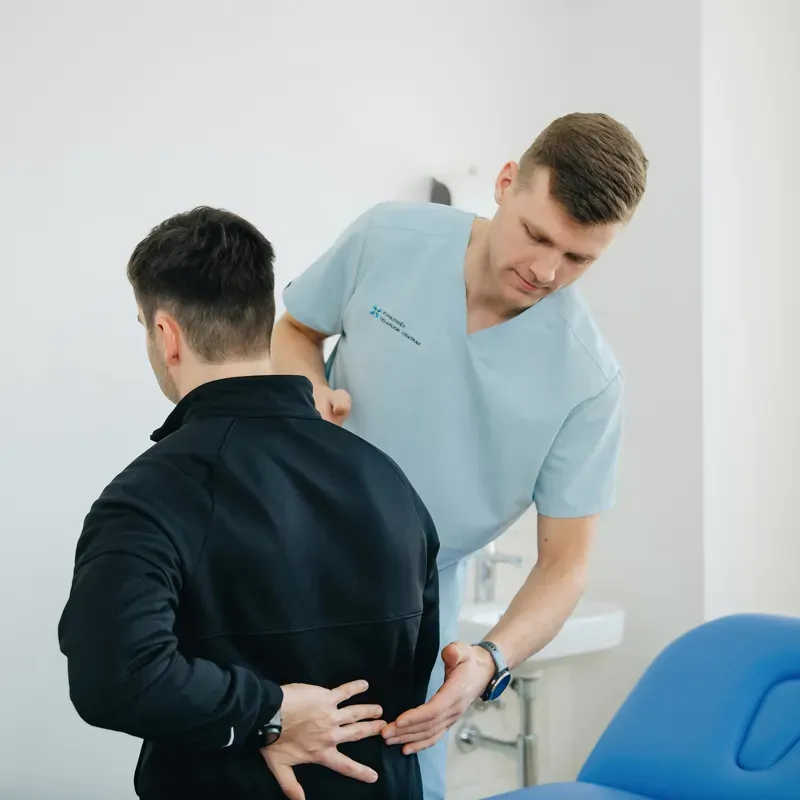
Complete Guide to Physiotherapy in Dubai: Types, Costs & What to Expect

Physiotherapy After Knee Replacement: Recovery Guide

Hip Replacement Rehabilitation: Recovery Milestones

Shoulder Surgery Recovery: Exercises & Timeline
More in Physiotherapy
Physiotherapy Packages Dubai: Save 20%+ (2026)
مزید پڑھیں
Shoulder Pain Dubai: 7 Causes & When to Worry (2026)
مزید پڑھیں
PRP vs Cortisone Dubai: Which Injection? (2026)
مزید پڑھیں
PRP Injection for Joints Dubai: From AED 1,500 (2026)
مزید پڑھیںPhysiotherapy Cost Dubai: AED 250–500/Session (2026)
مزید پڑھیںPhysiotherapy Dubai: Types, Cost & Guide (2026)
مزید پڑھیں© 2026 Doctors Clinic Diagnostic Center (DCDC), Dubai Healthcare City. Originally published at https://doctorsclinicdubai.ae/blog/post-surgery-physiotherapy-recovery-roadmap. All rights reserved. Unauthorized reproduction is prohibited.