Key Takeaways
- Physiotherapy begins within 24 hours of knee replacement surgery -- early movement prevents blood clots and stiffness
- The critical goal is reaching 90 degrees of knee flexion by week 4 and 120 degrees by week 12
- Ice and elevation after every exercise session reduces swelling and speeds recovery during the first 6 weeks
- Most patients walk without a cane by week 6-8 and drive an automatic car by week 4-6 (if right knee)
- Avoid high-impact activities like running and jumping permanently; cycling, swimming, and walking are ideal long-term exercises
- Full recovery takes 3-6 months, but most patients report their knee feels "normal" around the 12-month mark
- Skipping physiotherapy after knee replacement leads to permanent stiffness and significantly worse outcomes
- Home exercises between clinic sessions are critical -- your therapist will provide a daily program
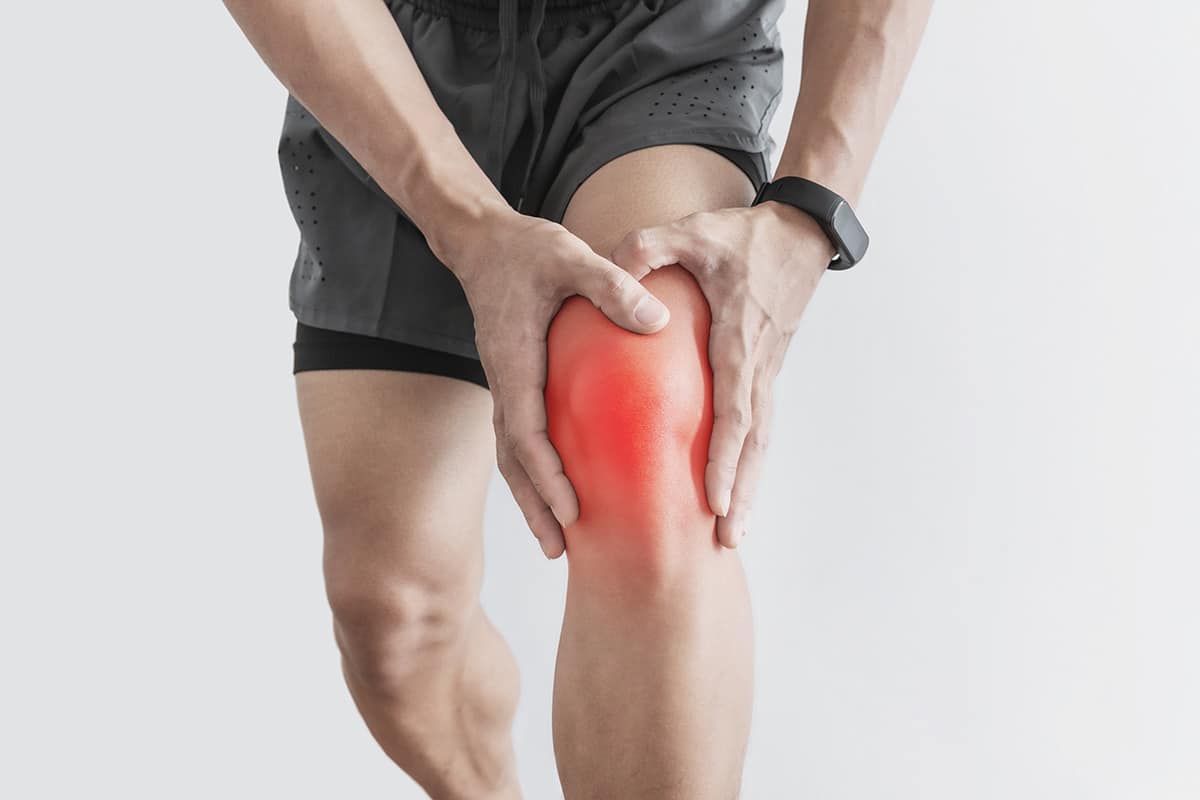
You have a new knee. The arthritic joint that kept you awake at night and made stairs feel impossible is gone. But right now, lying in your hospital bed with a swollen, painful knee, full recovery probably feels very far away. The good news: knee replacement rehabilitation is one of the most predictable recovery journeys in orthopedic surgery. If you follow the timeline, you will get there. Our Post Surgical Rehabilitation service at DCDC offers same-day appointments in Dubai Healthcare City.
This guide breaks down your knee replacement rehabilitation into clear weekly phases with specific exercises, range-of-motion targets, and practical milestones. Whether you had surgery in Dubai or abroad and are looking for physiotherapy in Dubai Healthcare City, this roadmap tells you exactly what to expect.
What Does the Complete Knee Replacement Rehab Timeline Look Like?
Recovery after total knee replacement follows a predictable pattern. While individual variation exists, the vast majority of patients progress through these phases at roughly the same pace. The table below gives you a bird's-eye view before we dive into each phase in detail.
| Phase | Timeline | ROM Goal | Key Focus | Milestones |
|---|---|---|---|---|
| Acute | Day 1-3 | 0-60° | Pain control, gentle ROM, walking with walker | Stand, take a few steps, bend knee to 60° |
| Early Recovery | Week 1-2 | 0-80° | Increase ROM, quadriceps activation, swelling management | Walk with walker 50m, climb 3-4 stairs |
| Progressive | Week 3-6 | 0-100° | Strengthening, gait training, stair climbing | Walk with cane, full stair climbing, 90°+ flexion |
| Strengthening | Week 7-12 | 0-120° | Advanced strengthening, balance, endurance | Walk without aids, drive (if right knee), return to light work |
| Return to Activity | Month 4-6 | 0-125°+ | Sport-specific training, full function | Cycling, swimming, golf, return to full daily activities |
ROM = Range of Motion. 0° = fully straight. Normal knee flexion is approximately 130-135°.
What Happens in the First 3 Days After Knee Replacement?
The first three days are about getting your knee moving and getting you on your feet safely. Your physiotherapist will visit you in the hospital, usually within 24 hours of surgery. This early mobilization is not optional -- it is essential for preventing blood clots, reducing swelling, and setting the foundation for your entire recovery.
Day 1-3 Exercises
- Ankle pumps: Pump your feet up and down every hour while awake. This prevents blood clots and reduces leg swelling.
- Quad sets: Tighten your thigh muscle, pressing the back of your knee into the bed. Hold 5 seconds, repeat 10 times every hour.
- Heel slides: Lying on your back, slowly slide your heel toward your buttock, bending the knee as far as tolerable. Aim for 10 repetitions, 3-4 times per day.
- Straight leg raises: With the knee locked straight, lift your entire leg 15cm off the bed. If you cannot lock the knee, continue quad sets until you can.
- Supported standing and walking: With a walker, stand at the bedside and take a few steps. Distance increases each session.
What Should You Focus On During Weeks 1-2?
Once discharged from hospital (usually day 2-4), your outpatient physiotherapy begins. During weeks 1-2, the priority is increasing your range of motion toward 80 degrees while managing swelling. You should be attending physiotherapy sessions 3 times per week and performing your home exercises daily. For related information, see our guide on ACL Injury Recovery: Rehabilitation Guide.
- Continue all Day 1-3 exercises with increased repetitions
- Seated knee extension: Sitting in a chair, straighten your knee fully. Hold 5 seconds. This targets the last few degrees of extension that are critical.
- Seated knee flexion: Sitting at the edge of a chair, use your good leg behind the operated leg to gently push it into more flexion.
- Standing hip abduction: Standing with walker support, lift your operated leg sideways. This strengthens the hip stabilizers needed for normal walking.
- Ice 20 minutes after every exercise session: Elevate the leg and apply ice. This is non-negotiable in the first 2 weeks.
What Progress Should You See at Weeks 3-6?
This is the phase where most patients start feeling genuinely optimistic. Pain decreases significantly, swelling becomes more manageable, and your knee starts bending past 90 degrees. By week 6, you should be walking with a cane instead of a walker and climbing stairs reciprocally (one foot per step).
- Stationary cycling: Begin with the seat raised high and partial rotations. As flexion improves, lower the seat for full pedal revolutions. Start with 5-10 minutes.
- Wall squats: Lean against a wall, slide down to 45 degrees. Hold 10 seconds. This is one of the best quad strengthening exercises after knee replacement.
- Step-ups: Using a low step (10-15cm), step up with your operated leg. This builds strength and confidence for stair climbing.
- Balance exercises: Single-leg standing on the operated leg (with support nearby). Work toward 30 seconds.
- Gait training: Your physiotherapist will correct any limp patterns before they become habits.
What Happens During the Strengthening Phase (Weeks 7-12)?
By week 7, your knee should flex beyond 100 degrees and you should be walking without significant pain. The focus now shifts to building the strength and endurance needed for normal daily life. This is the phase where many patients prematurely stop physiotherapy because they feel "good enough." Resist this urge -- the strength gains between weeks 7-12 determine your long-term outcome.
- Increased cycling duration: Build to 20-30 minutes on the stationary bike. Add light resistance.
- Leg press or resistance band exercises: Progressive quadriceps and hamstring strengthening.
- Treadmill walking: Start flat, then gradually introduce a slight incline.
- Pool walking/aqua therapy: The buoyancy reduces stress on the joint while providing excellent resistance.
- Proprioception training: Wobble boards and unstable surfaces to restore knee joint awareness.
What Are the Do's and Don'ts After Knee Replacement?
Following the right precautions protects your new knee and ensures it lasts 15-20+ years. These guidelines apply throughout your recovery and in some cases for life. You may also find our Shoulder Surgery Recovery: Exercises & Timeline helpful.
| Do | Don't |
|---|---|
| Ice after every exercise session (first 6 weeks) | Kneel on the operated knee for 3+ months |
| Walk daily, increasing distance gradually | Run or jog on hard surfaces (ever) |
| Keep your weight within healthy range | Sit in very low chairs or sofas (first 6 weeks) |
| Use a raised toilet seat initially | Twist or pivot aggressively on the operated knee |
| Sleep with a pillow between your knees for comfort | Skip physiotherapy sessions or home exercises |
| Report sudden increased swelling, redness, or fever | Push through sharp, increasing pain during exercises |
Your surgeon may have additional restrictions based on your specific implant and surgical approach.
Need Knee Replacement Physiotherapy in Dubai?
Whether your surgery was last week or three months ago, our post-surgical rehabilitation team at DCDC Dubai Healthcare City can get your recovery on track with a personalized program.
Book a Consultation
When Can You Drive and Return to Work After Knee Replacement?
These are two of the most common questions patients ask. The answer depends on which knee was replaced, your type of work, and your car.
- Driving (right knee, automatic): Typically 4-6 weeks. You must be able to brake firmly and be off narcotic pain medication.
- Driving (left knee, automatic): Typically 2-4 weeks, once you can comfortably get in and out of the car.
- Desk work: 2-4 weeks, with regular breaks to walk and do exercises. Elevate the leg when sitting.
- Standing/walking work: 6-8 weeks with modified duties, full duties at 10-12 weeks.
- Physical labor: 3-4 months minimum. Some heavy manual roles may need permanent modification.
- Air travel: Short flights at 4-6 weeks with an aisle seat and regular walking. Wear compression stockings.
When Should You Call Your Surgeon After Knee Replacement?
Most post-operative symptoms are normal. However, certain red flags warrant an immediate call to your surgeon. Do not wait for your next scheduled appointment if you experience any of the following.
- Fever above 38.5°C: May indicate infection, which requires urgent treatment.
- Increasing redness, warmth, or drainage from the wound: Signs of potential wound infection.
- Calf pain, swelling, or tenderness: Could indicate a deep vein thrombosis (blood clot).
- Sudden onset of chest pain or shortness of breath: Rare but serious complication requiring emergency care.
- Knee gives way or feels unstable: May indicate a ligament issue or implant problem.
- No improvement in range of motion after 4 weeks: May need more aggressive intervention to prevent stiffness.
Related Services at DCDC
Expert care and advanced diagnostics at Dubai Healthcare City
Post-Surgical Rehabilitation
Structured rehabilitation programs tailored for joint replacement recovery
Book AppointmentPhysiotherapy
Evidence-based physiotherapy for pain relief, mobility, and strength restoration
Book AppointmentMRI Scan
Advanced imaging to assess knee joint status before and after surgery
Book AppointmentFrequently Asked Questions
Final Thoughts
Knee replacement surgery gives you a new joint. Physiotherapy gives you a new knee that actually works. The patients who invest fully in their rehabilitation -- attending every session, doing their home exercises daily, following the precautions -- are the ones walking pain-free, cycling confidently, and wondering why they waited so long to have the surgery.
If you have had or are planning a knee replacement, our rehabilitation team at DCDC Dubai Healthcare City is here to guide you through every week of your recovery. Read our complete post-surgery physiotherapy guide for a broader overview of surgical recovery.
Sources & References
This article was reviewed by our medical team and references the following sources:
- American Academy of Orthopaedic Surgeons - Total Knee Replacement Rehabilitation
- Journal of Arthroplasty - Physiotherapy Outcomes After TKR
- Dubai Health Authority - Post-Surgical Rehabilitation Standards
- Cochrane Review - Exercise Programs After Knee Replacement
- World Health Organization - Rehabilitation for Musculoskeletal Conditions
Medical content on this site is reviewed by DHA-licensed physicians. See our editorial policy for more information.

Written by
Dr. Hadi Komshi
Specialist Internal Medicine
MD, DHA-Licensed
Dr. Hadi Komshi is a DHA-licensed Internal Medicine Specialist at Doctors Clinic Diagnostic Center in Dubai Healthcare City, with extensive experience in managing acute and chronic medical conditions including musculoskeletal pain and rehabilitation.
Related Articles
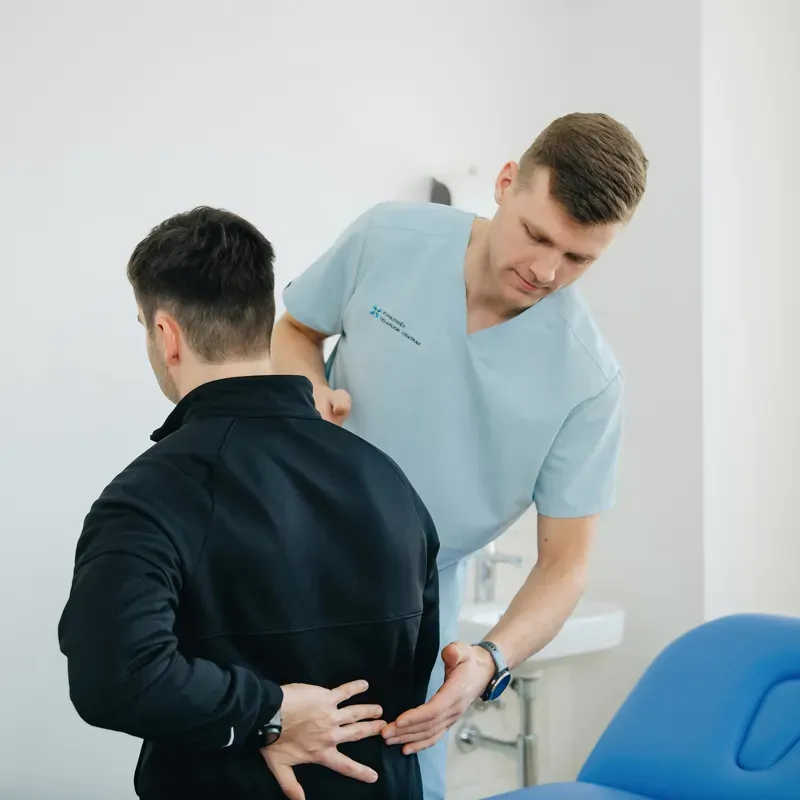
Complete Guide to Physiotherapy in Dubai: Types, Costs & What to Expect
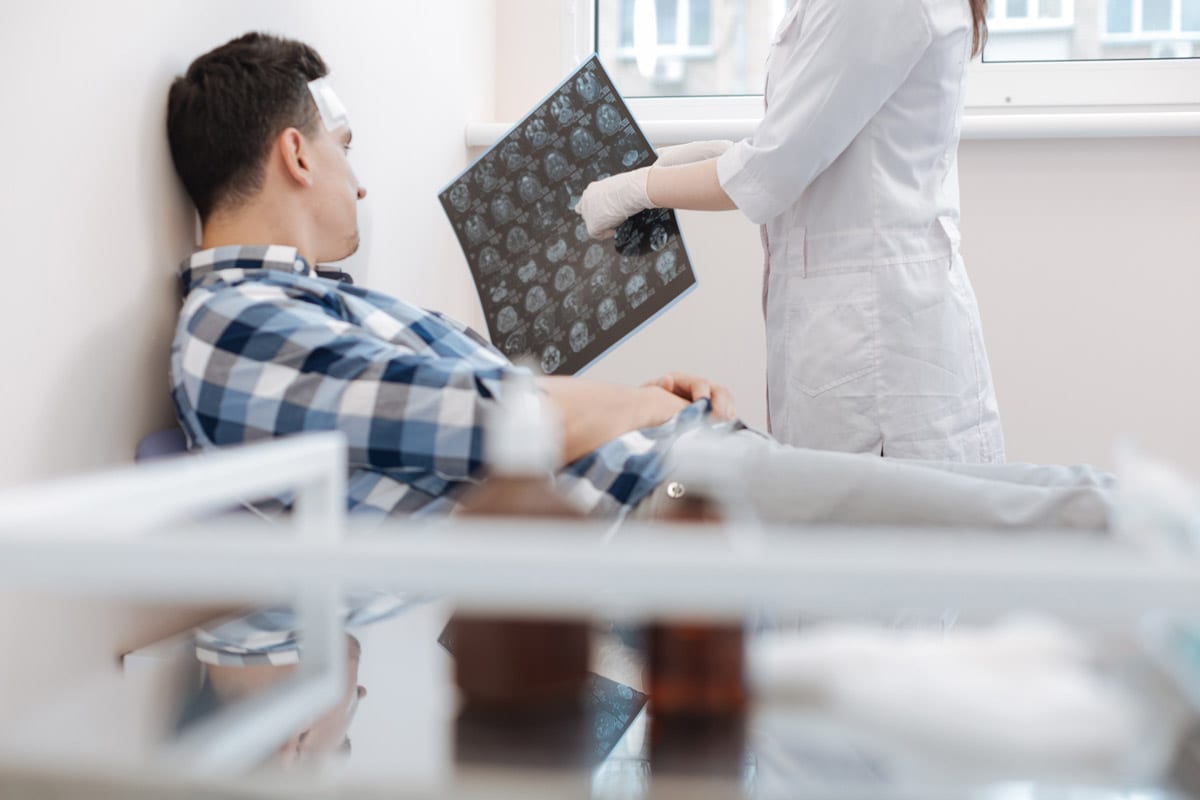
Post-Surgery Physiotherapy Recovery Roadmap
Hip Replacement Rehabilitation: Recovery Milestones
How Many Physiotherapy Sessions Do You Need?
More in Physiotherapy
Emsella vs Kegels Dubai: Which Works Better? (2026)
Read MoreShin Splints Dubai: Treatment & Recovery (2026)
Read More
Golfer's Elbow vs Tennis Elbow Dubai (2026)
Read MorePhysiotherapy Dubai: Types, Cost & Guide (2026)
Read More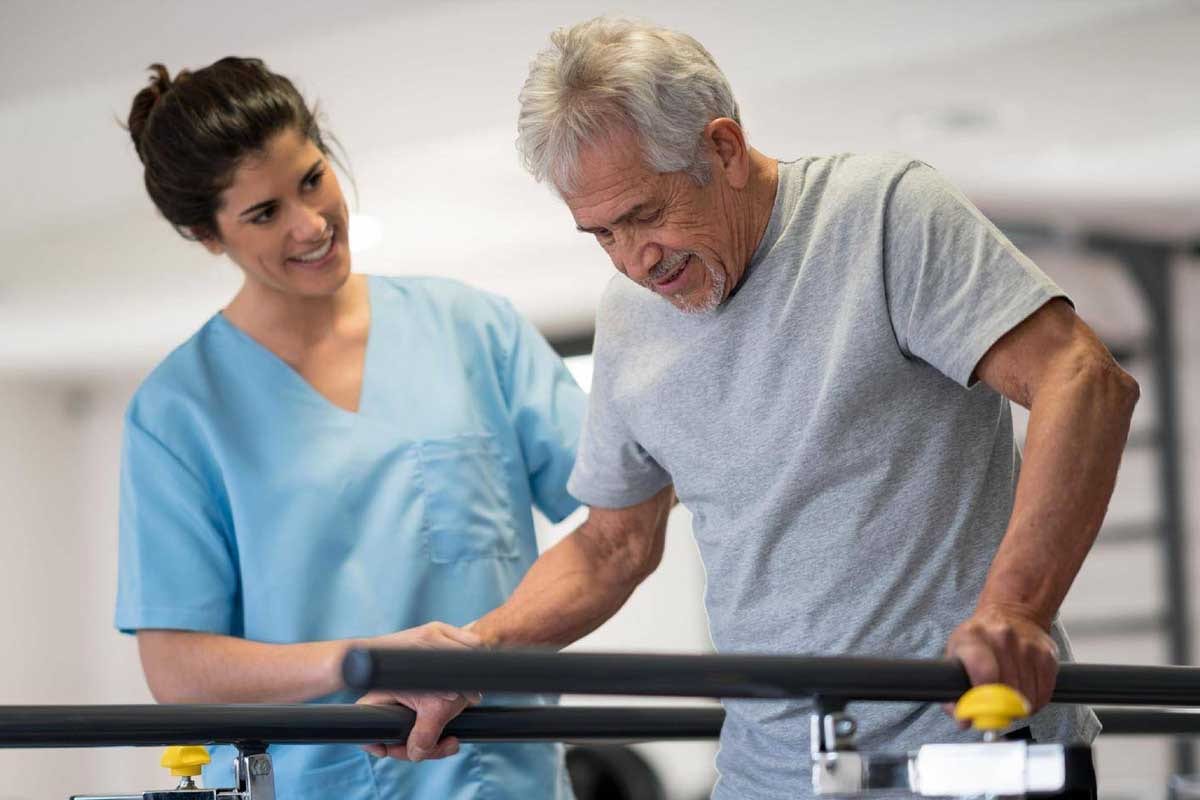
Vestibular Rehab Dubai: Treatment for Vertigo (2026)
Read MorePhysiotherapy Packages Dubai: Save 20%+ (2026)
Read More© 2026 Doctors Clinic Diagnostic Center (DCDC), Dubai Healthcare City. Originally published at https://doctorsclinicdubai.ae/blog/physiotherapy-after-knee-replacement. All rights reserved. Unauthorized reproduction is prohibited.