اہم نکات
- An orthopedic doctor diagnoses musculoskeletal conditions, orders imaging, prescribes medication, administers injections, and performs surgery when necessary
- A physiotherapist treats pain and movement problems through exercise therapy, manual therapy, dry needling, and electrotherapy without medication or surgery
- See an orthopedic doctor first for fractures, severe sudden pain, joint deformity, numbness or weakness, and conditions requiring imaging or surgical evaluation
- See a physiotherapist first for chronic muscle pain, post-surgical rehabilitation, mobility limitations, repetitive strain injuries, and sports performance recovery
- Many conditions such as ACL tears, disc herniation, and joint replacement require both specialists working together for optimal outcomes
- At DCDC, both orthopedic and physiotherapy services are available under one roof with on-site MRI, CT, and X-ray for same-day diagnosis and treatment
You have pain in your knee, a stiff shoulder, or a back that will not cooperate. The question most patients in Dubai face is straightforward: do I need an orthopedic doctor or a physiotherapist? Both specialists treat the musculoskeletal system, but they approach it from different directions and with different tools. Choosing the right one first can save you time, money, and unnecessary procedures. This guide explains exactly what each specialist does, when to see one versus the other, what each costs in Dubai, and how the two work together for conditions that need both.
At DCDC (Doctors Clinic Diagnostic Center) in Dubai Healthcare City, patients have access to both an orthopedic surgeon and a physiotherapist in the same facility, along with on-site imaging. This means you do not need to decide in advance who to see. But understanding the difference still matters, because it shapes your expectations, speeds up your recovery, and helps you ask the right questions at your appointment.


What Does an Orthopedic Doctor Do?
An orthopedic doctor (also called an orthopedic surgeon or orthopaedic specialist) is a medical doctor who has completed a full medical degree followed by years of specialized surgical training in the musculoskeletal system. This system includes bones, joints, ligaments, tendons, muscles, and nerves. In Dubai, orthopedic specialists are licensed by the DHA (Dubai Health Authority) or MOHAP (Ministry of Health and Prevention) and must meet strict credentialing requirements.
The orthopedic doctor's scope of practice is broad. They can diagnose conditions using physical examination and advanced imaging (MRI, CT, X-ray, ultrasound), prescribe medications including anti-inflammatory drugs and pain relievers, administer therapeutic injections such as corticosteroids and PRP (platelet-rich plasma), apply casts and braces, and perform surgical procedures ranging from minimally invasive arthroscopy to total joint replacement. Critically, an orthopedic doctor can determine whether a condition is surgical or non-surgical, which is the single most important clinical decision for many musculoskeletal problems.
At DCDC, Dr. Mersad Moosavi is the orthopedic surgeon. He trained at Tehran University of Medical Sciences, has over 14 years of clinical and surgical experience, and has authored more than 20 international publications in orthopedic surgery. His practice covers the full range of orthopedic conditions including spine disorders, sports injuries, fractures, joint problems, and degenerative conditions.
What Does a Physiotherapist Do?
A physiotherapist (physical therapist) is a healthcare professional with a Doctorate in Physical Therapy (DPT) or equivalent qualification who specializes in restoring and improving movement, function, and quality of life. Physiotherapists do not prescribe medication, order advanced imaging independently, or perform surgery. Their expertise lies in the assessment and treatment of movement dysfunction using hands-on techniques and therapeutic exercise.
Physiotherapy treatments at DCDC include manual therapy (joint mobilization, soft tissue massage, and manipulation), individualized exercise rehabilitation programs, dry needling for trigger points and myofascial pain, electrotherapy modalities (TENS, ultrasound therapy, laser), gait training and balance retraining, ergonomic assessment and postural correction, and sport-specific rehabilitation programs. The goal of physiotherapy is to reduce pain, restore normal movement, strengthen weakened areas, and prevent re-injury without surgical intervention.
At DCDC, Dr. Hadi Komshi (DPT, Sports Rehabilitation) leads the physiotherapy department. His training in sports rehabilitation means he works with everyone from office workers with neck pain to competitive athletes recovering from ACL reconstruction.
Orthopedic vs Physiotherapy: Key Differences
The table below provides a clear side-by-side comparison of orthopedic doctors and physiotherapists across the factors that matter most to patients deciding between the two.
| Factor | Orthopedic Doctor | Physiotherapist |
|---|---|---|
| Training | Medical degree + surgical specialty residency (10-14 years) | Doctorate in Physical Therapy (DPT) — 6-7 years |
| Primary Focus | Diagnosis, surgery, injections, medication | Movement, rehabilitation, pain management through exercise |
| When to See | Fractures, torn ligaments, severe pain, joint deformity, numbness | Chronic pain, post-surgery recovery, mobility issues, sports rehab |
| Imaging | Can order and interpret MRI, X-ray, CT scans | Cannot order imaging independently |
| Treatment Methods | Surgery, injections, medication, braces, casts | Exercise therapy, manual therapy, dry needling, electrotherapy |
| Medication | Can prescribe drugs including painkillers, anti-inflammatories | Cannot prescribe medication |
| Session Duration | 30-45 minute consultation | 45-60 minute treatment session |
| Number of Visits | Typically 1-3 visits for diagnosis + follow-up | Often 6-12 sessions over weeks or months |
| Cost at DCDC | From AED 500 per consultation | From AED 250 per session |
Both specialists treat the musculoskeletal system but use different tools and approaches. Many conditions benefit from seeing both.
The key distinction is this: an orthopedic doctor determines what is wrong and whether it needs surgical or medical intervention. A physiotherapist helps you recover function and reduce pain through movement-based treatment. They are not competitors; they are complementary. For a deeper look at how these conditions are managed, see our guide on joint pain treatment options available in Dubai.
When You Should See an Orthopedic Doctor First
Certain conditions and symptoms require the diagnostic and interventional capabilities that only an orthopedic doctor can provide. You should see an orthopedic specialist before a physiotherapist if you experience any of the following:
- Suspected fracture or dislocation: After a fall, accident, or impact injury with significant swelling, deformity, or inability to bear weight. Fractures require X-ray confirmation and sometimes surgical fixation before any rehabilitation can begin
- Sudden severe joint pain with swelling: Acute onset of intense pain in a knee, shoulder, hip, or ankle, especially after a twisting or hyperextension injury, may indicate a torn ligament (ACL, MCL), meniscus tear, or rotator cuff tear that needs MRI and possibly surgical repair
- Numbness, tingling, or weakness in limbs: These neurological symptoms may indicate nerve compression from a herniated disc, spinal stenosis, or carpal tunnel syndrome. An orthopedic evaluation with imaging is essential to determine severity and prevent permanent nerve damage
- Joint locking or giving way: If your knee locks in position or your ankle gives out during walking, there may be a loose body in the joint or structural damage that requires arthroscopic evaluation
- Pain that has not improved after 4-6 weeks of home treatment: If rest, ice, over-the-counter painkillers, and basic exercises have not reduced your symptoms, you need a proper diagnosis. The underlying cause may be something that physiotherapy alone cannot address
- Visible deformity: Any obvious change in the shape of a bone, joint, or limb requires immediate orthopedic assessment
- Pain after a previous surgery: If you have had joint replacement, spinal fusion, or other orthopedic surgery and develop new or worsening pain, your surgeon needs to evaluate whether there is a complication such as implant loosening, infection, or adjacent segment disease
At DCDC, Dr. Mersad Moosavi can see patients, order on-site imaging (MRI, CT, X-ray, or ultrasound), and provide a diagnosis in a single visit. The average wait time is just 15 minutes, and imaging results are typically available the same day.
When You Should See a Physiotherapist First
Physiotherapy is often the right starting point for conditions where movement-based treatment is the primary solution. You should see a physiotherapist first if your situation matches any of the following:
- Chronic muscle or joint stiffness: Long-standing neck stiffness, lower back tightness, or frozen shoulder that has developed gradually without a specific injury. These conditions respond well to manual therapy and progressive exercise
- Post-surgical rehabilitation: After orthopedic surgery such as ACL reconstruction, rotator cuff repair, hip replacement, or spinal surgery, your surgeon will refer you to physiotherapy to restore range of motion, strength, and function
- Repetitive strain injuries: Tennis elbow, golfer's elbow, plantar fasciitis, IT band syndrome, and other overuse injuries typically respond to physiotherapy including eccentric loading exercises, stretching, and activity modification
- Sports performance and injury prevention: Athletes looking to improve biomechanics, address muscle imbalances, or return to sport after a minor injury benefit from sport-specific physiotherapy programs
- Mild to moderate back or neck pain without neurological symptoms: If you have back pain but no numbness, weakness, or radiating leg pain, physiotherapy with core stabilization exercises is the recommended first-line treatment according to international clinical guidelines
- Balance and mobility problems: Difficulty with walking, frequent tripping, or unsteadiness, particularly after injury or in older adults, can be improved with targeted balance training and gait retraining
- Post-fracture stiffness: Once a fracture has healed and the cast is removed, physiotherapy is essential to restore movement and strength to the affected area
Research from the American Physical Therapy Association (APTA) shows that early physiotherapy for musculoskeletal conditions reduces the likelihood of needing surgery, decreases opioid use, and lowers overall healthcare costs. At DCDC, physiotherapy sessions with Dr. Hadi Komshi start from AED 250 and typically run 45-60 minutes.
Conditions That Need Both Specialists
Many musculoskeletal conditions achieve the best outcomes when an orthopedic doctor and physiotherapist work as a team. The orthopedic doctor provides the diagnosis, determines the treatment pathway (surgical or conservative), and manages the medical aspects, while the physiotherapist handles the rehabilitation and functional recovery. For more on recovery strategies, read our sports injury recovery guide.
ACL and Ligament Tears
An orthopedic surgeon confirms the diagnosis with MRI, determines whether surgical reconstruction is needed (based on tear grade, patient age, and activity level), and performs the surgery if indicated. Physiotherapy begins before surgery (prehabilitation) to optimize the knee for recovery, then continues for 6-9 months post-operatively with progressive strengthening, balance training, and sport-specific drills. Without structured physiotherapy, even a perfectly performed ACL reconstruction can result in a stiff, weak knee.
Disc Herniation and Sciatica
The orthopedic surgeon assesses the herniation severity with MRI, rules out cauda equina syndrome (a surgical emergency), and determines whether conservative treatment is appropriate. For most disc herniations, the first-line treatment is physiotherapy with McKenzie exercises, core stabilization, and nerve gliding techniques. If symptoms persist after 6-12 weeks of physiotherapy, the surgeon may recommend epidural injection or minimally invasive discectomy.
Total Joint Replacement (Knee or Hip)
The orthopedic surgeon performs the joint replacement, but the outcome depends heavily on post-operative physiotherapy. Rehabilitation starts within 24 hours of surgery and continues for 3-6 months. Physiotherapy after joint replacement focuses on regaining range of motion, building quadriceps and hip strength, walking without assistive devices, and stair climbing.
Rotator Cuff Injuries
Small partial-thickness rotator cuff tears often heal with physiotherapy alone (strengthening the remaining rotator cuff muscles to compensate). Full-thickness tears in active patients may require arthroscopic repair by the orthopedic surgeon, followed by a carefully staged physiotherapy program that progresses from passive range of motion to active strengthening over 4-6 months.
Osteoarthritis
The orthopedic doctor confirms the diagnosis, grades the severity, and provides medical management (anti-inflammatory medication, corticosteroid or PRP injections). Physiotherapy provides ongoing management with strengthening exercises, aerobic conditioning, weight management support, and joint protection strategies. Surgery (joint replacement) is reserved for end-stage arthritis when conservative measures no longer control symptoms.
Cost Comparison: Orthopedic vs Physiotherapy Dubai
Understanding the cost of orthopedic and physiotherapy services helps you plan your care. The table below shows current pricing at DCDC. All prices are starting prices and may vary based on the complexity of the condition, type of imaging required, and insurance coverage.
| Service | Cost at DCDC |
|---|---|
| Orthopedic Consultation (initial) | From AED 500 |
| Follow-up Orthopedic Visit | From AED 300 |
| Physiotherapy Session | From AED 250 |
| Physiotherapy Package (6 sessions) | From AED 1,200 |
| PRP Injection | From AED 1,500 |
| X-Ray (if needed) | From AED 100 |
| MRI (if needed) | From AED 900 |
Prices shown are starting prices at DCDC Dubai Healthcare City. Final costs depend on condition complexity and insurance coverage. Direct insurance billing available with 20+ providers.
When comparing total treatment cost, consider that an orthopedic pathway may involve one or two consultations plus imaging (from AED 1,000-2,000 total for diagnosis), while a physiotherapy course typically involves 6-12 sessions (from AED 1,500-3,000 total). Conditions requiring both an orthopedic evaluation and physiotherapy combine these costs, but the investment in proper diagnosis and structured rehabilitation prevents costly complications, repeat procedures, and prolonged disability.
How Orthopedic and Physiotherapy Work Together at DCDC
One of the biggest advantages of choosing DCDC for musculoskeletal care is that both your orthopedic surgeon and physiotherapist practice in the same building — Building 64, Block A, Al Razi Medical Complex in Dubai Healthcare City. This is not just a convenience. It fundamentally changes how care is delivered.
- Same-day referral: If Dr. Mersad Moosavi evaluates you and determines that physiotherapy is the right treatment, he can refer you to Dr. Hadi Komshi immediately. Many patients begin their first physiotherapy session the same day they receive their orthopedic consultation
- On-site imaging: DCDC has in-house MRI, CT scanner, X-ray, and ultrasound. There is no need to visit a separate imaging center, wait days for an appointment, or hand-carry films between clinics. Results are available the same day and shared directly with both specialists
- Coordinated treatment plans: The orthopedic surgeon and physiotherapist communicate directly about your case. If physiotherapy is progressing well, the surgeon knows. If it is not, the team can adjust the plan together, whether that means changing the rehabilitation protocol, adding an injection, or discussing surgical options
- Conservative-first philosophy: DCDC's approach prioritizes non-surgical treatment. Physiotherapy, medication, and injection therapy are always explored before surgery is recommended. This means fewer unnecessary surgeries and better-informed patients who understand all their options
- Single billing system: With direct insurance billing for over 20 insurance providers, you do not need to manage separate claims for orthopedic and physiotherapy visits. DCDC handles the paperwork
According to Dr. Mersad Moosavi, DCDC's orthopedic surgeon with over 14 years of experience: "Many patients are unsure whether they need surgical consultation or physiotherapy. At DCDC, we take a conservative-first approach — we always explore non-surgical options like physiotherapy, medication, and injection therapy before recommending surgery. Having both specialists under one roof means patients get the right care faster, without bouncing between clinics."
Orthopedic and Physiotherapy Services Under One Roof
At DCDC Dubai Healthcare City, see both an orthopedic surgeon and physiotherapist in one visit. On-site MRI, CT, and X-ray for same-day diagnosis. Orthopedic consultation from AED 500, physiotherapy from AED 250.
MOHAP-licensed clinic (License No. NIMY7VY5-240925) | 4.8/5 Google Rating from 1,000+ reviews
What to Expect at Your First Visit
Knowing what happens during your first appointment helps you prepare and reduces anxiety. Here is the typical patient journey at DCDC for both orthopedic and physiotherapy visits.
First Orthopedic Consultation
Your orthopedic consultation with Dr. Mersad Moosavi typically lasts 30-45 minutes. He will begin with a detailed medical history, asking about the onset of your symptoms, aggravating and relieving factors, previous treatments, and your activity level. This is followed by a thorough physical examination of the affected area, including range of motion testing, strength assessment, joint stability tests, and neurological screening if relevant.
If imaging is needed, it can be done on-site immediately. X-rays take 10-15 minutes, while MRI scans take 30-45 minutes depending on the body part. After reviewing your examination findings and imaging, Dr. Mersad will explain your diagnosis, discuss all treatment options (conservative and surgical), recommend a specific treatment plan, and answer your questions. If physiotherapy is indicated, he will refer you to Dr. Hadi Komshi and communicate specific rehabilitation goals and precautions.
First Physiotherapy Session
Your first physiotherapy session typically lasts 45-60 minutes and is more treatment-focused than you might expect. Dr. Hadi Komshi will assess your posture, movement patterns, muscle strength, flexibility, and functional limitations. He will use specific clinical tests to identify the source of your pain and movement dysfunction. For more details, read our guide on what to expect at your first physiotherapy session.
Treatment begins during the first session. Depending on your condition, this may include manual therapy techniques to improve joint mobility, initial therapeutic exercises you can continue at home, dry needling for trigger points causing pain, and education about your condition, expected recovery timeline, and activity modifications. You will leave with a clear understanding of your treatment plan, how many sessions are likely needed, and a home exercise program to follow between sessions.
Insurance Coverage for Orthopedic and Physiotherapy
Insurance coverage for orthopedic and physiotherapy services in Dubai varies by plan and provider. Here is what you need to know to avoid surprises.
- Orthopedic consultations are covered by most insurance plans in Dubai. Initial consultations, diagnostic imaging, and follow-up visits are typically included under specialist outpatient coverage. Some plans require GP referral before seeing a specialist
- Physiotherapy sessions are covered by most comprehensive insurance plans but may have session limits (commonly 10-20 sessions per year). Some basic insurance plans cover only 6 sessions. Always check your plan's physiotherapy allowance before starting treatment
- Diagnostic imaging (MRI, CT, X-ray) is generally covered when ordered by a specialist for a documented medical indication. Pre-authorization may be required for MRI and CT scans depending on your insurer
- Injections (corticosteroid, PRP) may have different coverage levels. Corticosteroid injections are usually covered; PRP injections are sometimes classified as an elective procedure and may not be covered
- DCDC bills 20+ insurance providers directly, meaning you do not need to pay upfront and submit claims for reimbursement. The clinic's insurance team handles pre-authorization, verification, and billing. If you are unsure about your coverage, call or WhatsApp DCDC before your visit and the team will verify your benefits
For patients without insurance, DCDC offers competitive self-pay rates. An orthopedic consultation starts from AED 500, physiotherapy from AED 250 per session, and physiotherapy packages of 6 sessions from AED 1,200 — offering savings compared to individual session pricing.
How to Decide: A Quick Decision Guide
Use this checklist to determine whether your first appointment should be with an orthopedic doctor or a physiotherapist. If you answer yes to any of the items in the orthopedic column, start with an orthopedic consultation.
Start with an Orthopedic Doctor If:
- You had a sudden injury (fall, twist, collision) and cannot bear weight or move the joint normally
- You see visible swelling, bruising, or deformity after an injury
- You have numbness, tingling, or weakness in your arms or legs
- Your joint locks, catches, or gives way during movement
- You have pain that keeps you awake at night and is not related to sleeping position
- You have tried rest, ice, and over-the-counter pain relief for 4-6 weeks with no improvement
- You need imaging (X-ray, MRI, CT) to understand what is wrong
- You have a history of orthopedic surgery and are experiencing new symptoms
Start with a Physiotherapist If:
- You have gradual-onset pain without a specific injury, such as aching knees after increased walking or a stiff neck from desk work
- Your surgeon has referred you for post-operative rehabilitation
- You have a diagnosed condition (such as mild osteoarthritis or tendinitis) and want to manage it without medication
- You are an athlete preparing for competition or returning from a minor sports injury
- You want to improve flexibility, strength, or posture to prevent future problems
- Your fracture has healed but the affected area is stiff and weak
- You have chronic low back pain without neurological symptoms (no leg numbness or weakness)
Still Unsure? Book an Orthopedic Consultation First
If you are genuinely unsure, an orthopedic consultation is the safer starting point. The orthopedic doctor can rule out serious pathology, order imaging if needed, and refer you to physiotherapy if appropriate. You cannot over-investigate a musculoskeletal problem, but you can under-investigate one. Starting with a proper diagnosis ensures you do not spend weeks in physiotherapy for a condition that actually needs surgical repair.
Why Patients in Dubai Choose DCDC for Musculoskeletal Care
DCDC (Doctors Clinic Diagnostic Center) is a MOHAP-licensed medical facility in Dubai Healthcare City (DHCC), located at Building 64, Block A, Al Razi Medical Complex. With a 4.8/5 Google rating from over 1,000 reviews and a 98% patient satisfaction rate, DCDC has established itself as a trusted destination for comprehensive musculoskeletal care in Dubai.
- Both specialists under one roof: Orthopedic surgeon Dr. Mersad Moosavi and physiotherapist Dr. Hadi Komshi practice in the same facility, enabling seamless referrals and coordinated care
- On-site advanced imaging: MRI, CT, X-ray, and ultrasound available for same-visit diagnosis without external referrals
- Conservative-first philosophy: Physiotherapy, medication, and injection therapy are always explored before surgery
- Short wait times: Average wait time of 15 minutes for appointments
- Convenient hours: Saturday to Thursday 8 AM to 10 PM, Friday 9 AM to 9 PM
- Free parking available at the Al Razi Medical Complex
- Direct insurance billing with 20+ insurance providers
- Transparent pricing: Orthopedic consultation from AED 500, physiotherapy from AED 250 per session
Book Your Orthopedic or Physiotherapy Appointment
Not sure which specialist you need? Call or WhatsApp DCDC and our team will guide you. Both orthopedic and physiotherapy appointments available same week. 4.8/5 Google rating | 98% patient satisfaction.
Building 64, Block A, Al Razi Medical Complex, Dubai Healthcare City | Sat-Thu 8AM-10PM, Fri 9AM-9PM
DCDC میں متعلقہ خدمات
دبئی ہیلتھ کیئر سٹی میں ماہرانہ دیکھ بھال اور جدید تشخیص
Frequently Asked Questions
Final Thoughts
The question of whether to see an orthopedic doctor or physiotherapist is not really about choosing one over the other. It is about understanding which specialist you need first, given your specific symptoms. Orthopedic doctors diagnose and treat with the full toolkit of medicine and surgery. Physiotherapists restore movement and function through exercise and hands-on techniques. Most musculoskeletal conditions benefit from both at different stages of treatment.
If you are dealing with a sudden injury, significant pain, neurological symptoms, or need imaging, start with an orthopedic consultation. If you have chronic stiffness, need post-surgical rehabilitation, or want to address movement and strength deficits, physiotherapy is your starting point. And if you are unsure, an orthopedic consultation is the safer first step because it provides a definitive diagnosis that guides everything that follows.
At DCDC in Dubai Healthcare City, you do not have to choose between clinics. Both specialists, along with on-site MRI, CT, X-ray, and ultrasound, are available in the same building. Orthopedic consultations start from AED 500 and physiotherapy from AED 250 per session, with direct insurance billing for over 20 providers. Book your appointment today by calling or sending a WhatsApp message to get started.
ذرائع اور حوالہ جات
یہ مضمون ہماری طبی ٹیم نے جائزہ لیا ہے اور درج ذیل ذرائع کا حوالہ دیتا ہے:
- American Academy of Orthopaedic Surgeons (AAOS) — What Is an Orthopaedic Surgeon?
- American Physical Therapy Association (APTA) — Role of a Physical Therapist
- NHS — Physiotherapy Overview
- Mayo Clinic — Orthopedic Surgery: When Is It Needed?
- BMJ Best Practice — Management of Low Back Pain
- Cleveland Clinic — Physical Therapy: What It Is, Types & Benefits
- World Health Organization (WHO) — Musculoskeletal Conditions
اس سائٹ پر طبی مواد کا جائزہ DHA لائسنس یافتہ ڈاکٹرز نے لیا ہے۔ ہماری دیکھیں تحریری پالیسی مزید معلومات کے لیے۔
تحریر
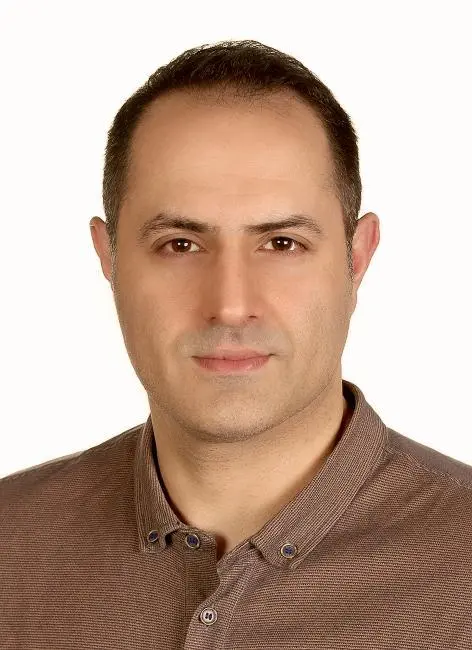
Dr. Mersad Moosavi
Orthopedic Surgeon
MD, Orthopedic Surgery
Dr. Mersad Moosavi is an Orthopedic Surgeon at Doctors Clinic Diagnostic Center (DCDC) in Dubai Healthcare City.
Related Articles
Joint Pain Treatment Dubai: Expert Care

Sports Injury Recovery Dubai: Complete Guide

First Physiotherapy Session: What to Expect
Back Pain Dubai: Causes & When You Need an MRI

PRP Injection for Knee Pain Dubai
More in Orthopedics
Hip Pain Causes & Treatment in Dubai (2026)
مزید پڑھیںPRP Knee Injection Dubai: Cost & Guide (2026)
مزید پڑھیںOrthopedic Consultation Cost Dubai (2026)
مزید پڑھیںACL Reconstruction Surgery in Dubai: Cost (2026)
مزید پڑھیں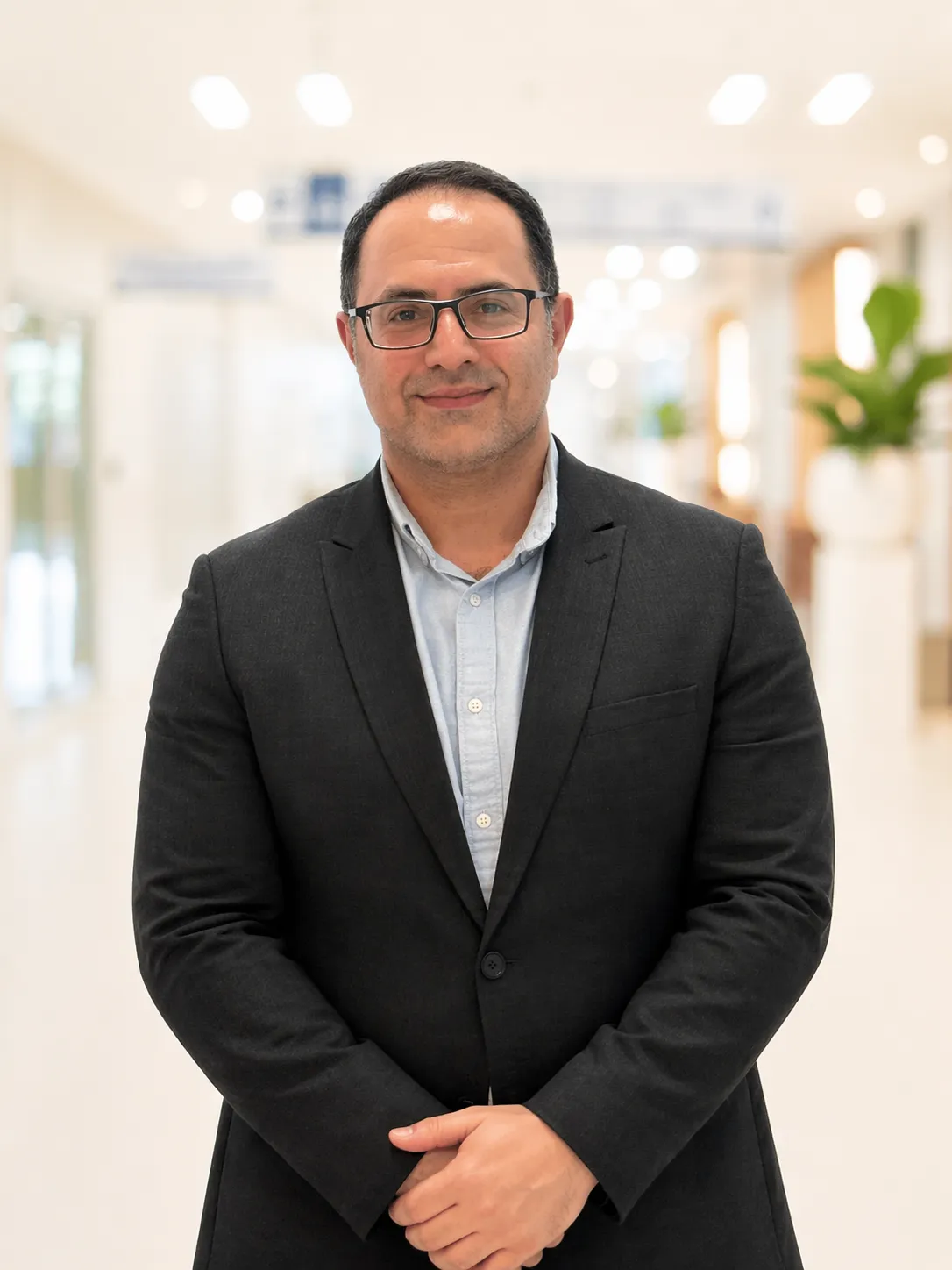
Best Orthopedic Surgeon in Dubai: Dr. Mersad Moosavi at DCDC (2026)
مزید پڑھیںIranian Orthopedic Surgeon in Dubai: Dr. Mersad Moosavi at DCDC (2026)
مزید پڑھیں© 2026 Doctors Clinic Diagnostic Center (DCDC), Dubai Healthcare City. Originally published at https://doctorsclinicdubai.ae/blog/orthopedic-vs-physiotherapy-dubai. All rights reserved. Unauthorized reproduction is prohibited.