
اہم نکات
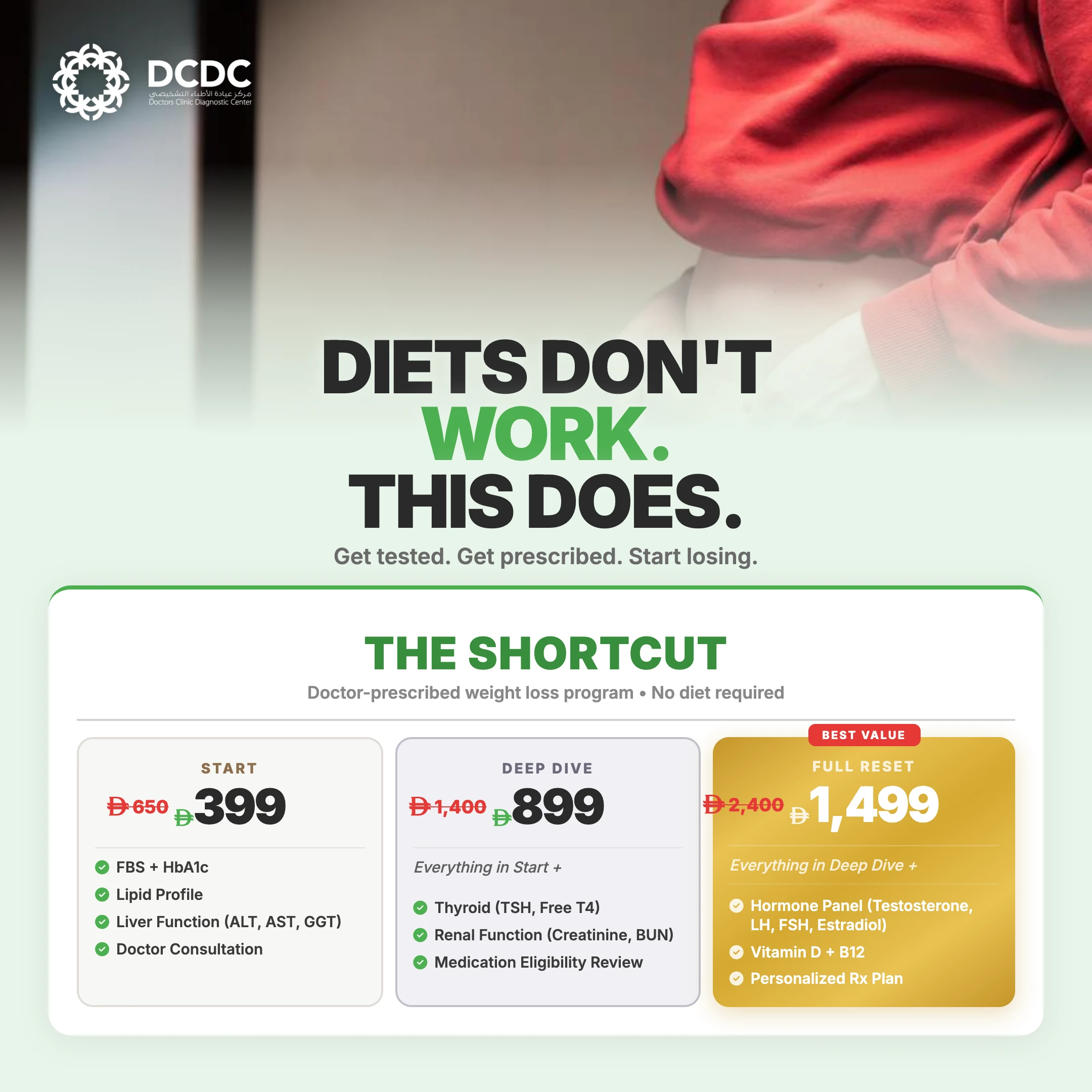
- An initial medical weight loss consultation in Dubai costs from AED 300 to AED 600, with comprehensive metabolic blood panels from AED 249 at DCDC Dubai Healthcare City
- Medical weight loss programs in Dubai range from AED 2,000 to AED 15,000+ depending on the treatment tier — lifestyle coaching, prescription medications, or specialist referral pathways
- GLP-1 receptor agonists like semaglutide (Ozempic/Wegovy) and liraglutide (Saxenda) produce 10-15% average body weight loss in clinical trials and are available by prescription in Dubai
- Up to 60% of people who struggle to lose weight have an undiagnosed metabolic condition such as thyroid dysfunction, insulin resistance, or PCOS that must be identified before treatment can succeed
- DCDC offers on-site metabolic blood testing with same-day results, DEXA body composition scanning, and InBody analysis — all essential for evidence-based weight management
- Most major insurance providers in Dubai cover weight loss consultations and diagnostic testing when tied to a medical diagnosis such as obesity (BMI 30+), metabolic syndrome, or type 2 diabetes
If you are exploring medical weight loss in Dubai, the first question is usually about cost — and the answer depends entirely on what is driving your weight gain. A structured medical weight loss programme starts with a physician consultation (from AED 300) and metabolic blood work to identify underlying causes before recommending a treatment path. At DCDC in Dubai Healthcare City, our internal medicine specialists provide the diagnostic foundation — metabolic panels, hormone testing, body composition analysis, and ongoing monitoring — that separates evidence-based weight management from guesswork. With health checkup packages from AED 249 that include the blood tests most relevant to weight management, the first step is more affordable than most people expect.
This guide breaks down the real costs of medical weight loss in Dubai across every treatment tier: from initial diagnostic workups and lifestyle-based programmes to prescription GLP-1 medications and surgical referral pathways. We cover what insurance will and will not pay for, what is included in an initial weight management assessment, and how to choose the right approach based on your BMI, metabolic profile, and health goals. Whether you have 10 kg or 50 kg to lose, understanding the medical options available in Dubai — and what each one actually costs — is the first step toward sustainable results.
Health Screening Packages
Save with our bundled screening packages — specialist consultation included




Medical Weight Loss Cost in Dubai: Full Price Breakdown
The total cost of a medical weight loss programme in Dubai depends on your treatment tier, the diagnostic tests required, and whether you need prescription medications. Here is a transparent breakdown of what each component costs across facilities in Dubai, with DCDC's pricing for the diagnostic and monitoring elements we provide in-house:
| Service | Cost Range (AED) | What's Included | Frequency |
|---|---|---|---|
| Initial GP / Internist Consultation | 300 - 600 | Medical history, BMI assessment, lifestyle review, treatment plan | Once (initial visit) |
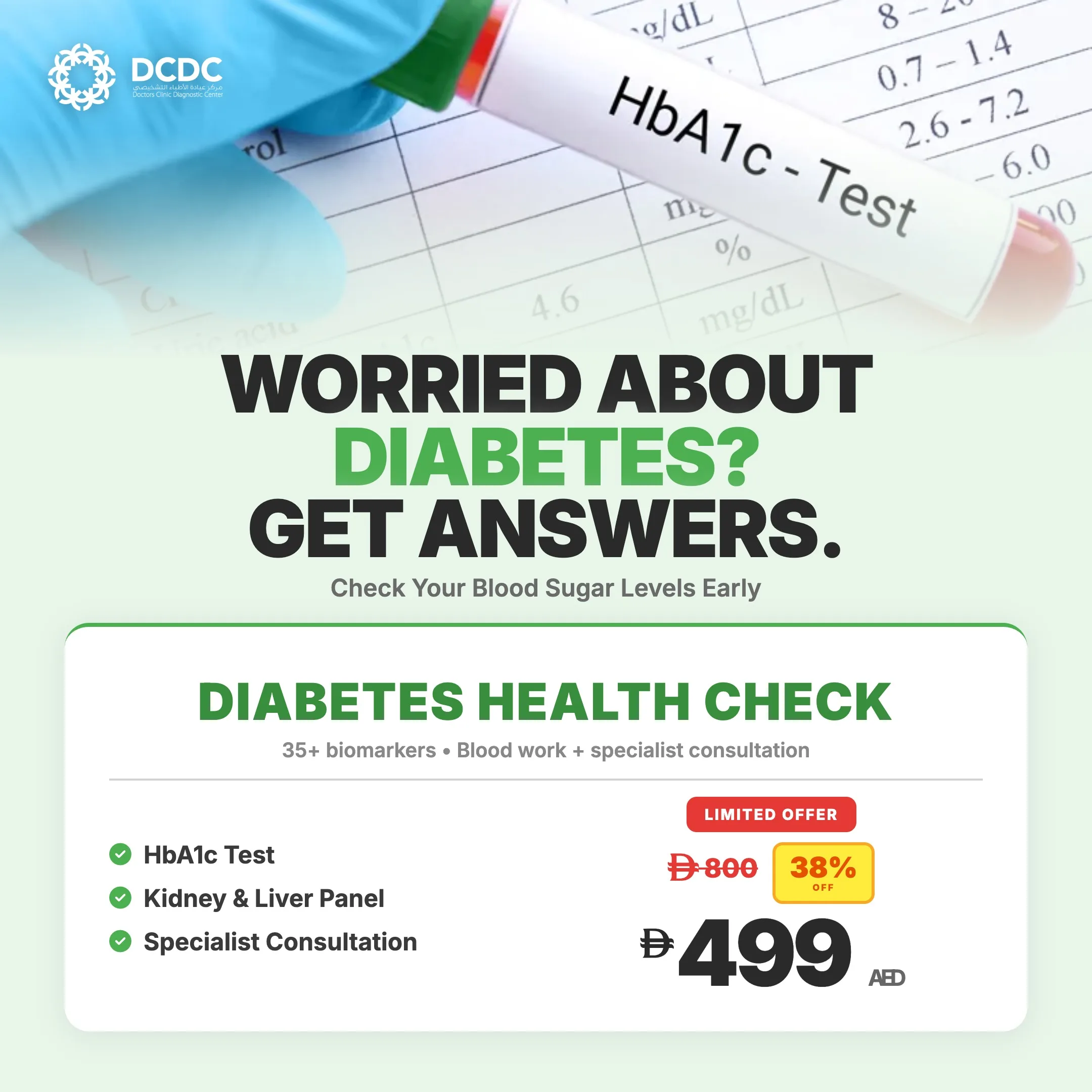
| Metabolic Blood Panel | From 249 | Thyroid function, fasting glucose, HbA1c, lipid profile, insulin, liver & kidney function | At baseline, then every 3-6 months |
| Hormone Panel (extended) | 400 - 900 | Testosterone, oestrogen, cortisol, DHEA, vitamin D, B12 | At baseline, repeat as needed |
| DEXA Body Composition Scan | 500 - 1,200 | Precise body fat %, lean mass, visceral fat, bone density | Baseline + every 3-6 months |
| InBody Analysis | 100 - 300 | Body fat %, muscle mass, BMR, visceral fat level | Monthly or per visit |
| Follow-Up Consultation | 200 - 400 | Progress review, medication adjustment, test interpretation | Monthly or bi-monthly |
| GLP-1 Medication (monthly supply) | 1,200 - 3,500 | Semaglutide or liraglutide injection pens (dose-dependent) | Monthly, ongoing |
| Dietitian / Nutritionist Consultation | 300 - 600 | Personalised meal plan, calorie targets, macronutrient guidance | Initial + monthly follow-ups |
Medical weight loss costs in Dubai — individual service pricing (2026). Prices vary by clinic and insurance coverage.
For most patients, the initial diagnostic phase (consultation + blood work + body composition) totals AED 800 to AED 1,500. If prescription medications are added, the monthly ongoing cost rises to AED 1,500 to AED 4,000 depending on the drug and dosage. DCDC's on-site laboratory and diagnostic imaging department mean that all testing happens in one visit — you do not need to schedule separate appointments at different facilities.
Treatment Options Compared: Lifestyle vs Medication vs Surgery
Medical weight loss is not a single treatment — it is a spectrum of interventions matched to the severity of your condition, your metabolic profile, and your health goals. Here is how the three main treatment tiers compare in terms of effectiveness, cost, and suitability:
| Factor | Lifestyle Programme | Medication-Assisted | Bariatric Surgery |
|---|---|---|---|
| Typical weight loss | 5-10% of body weight | 10-20% of body weight | 25-35% of body weight |
| Timeline | 6-12 months | 3-12 months | 12-18 months |
| Total cost (first year) | AED 3,000 - 8,000 | AED 15,000 - 50,000 | AED 40,000 - 120,000 |
| Best for BMI | 25-30 (overweight) | 27+ with comorbidity or 30+ | 35+ or 30+ with comorbidity |
| Requires prescription | No | Yes | Yes (surgical referral) |
| Reversibility | Fully reversible | Reversible (stop medication) | Partially irreversible |
| Ongoing monitoring | Quarterly check-ins | Monthly blood work & consult | Lifelong nutritional monitoring |
| Available at DCDC | Yes — diagnostics, monitoring, referrals | Yes — prescription + monitoring | Diagnostic workup only (surgery at specialist centres) |
Comparison of medical weight loss treatment tiers — effectiveness, cost, and candidacy criteria.
The right choice depends on your starting point. A patient with a BMI of 27 and early insulin resistance will follow a very different path than someone with a BMI of 42 and type 2 diabetes. This is precisely why the diagnostic workup comes first — your blood results and body composition data determine which tier offers the best risk-to-benefit ratio.
Why Medical Weight Loss Starts with Diagnosis, Not Diet
The single biggest difference between medical weight loss and commercial diet programmes is the diagnostic step. Research shows that up to 60% of patients who struggle with persistent weight gain have an undiagnosed metabolic condition that actively undermines their efforts. You cannot out-exercise hypothyroidism, and calorie restriction alone will not overcome severe insulin resistance.
A proper medical weight loss assessment begins with blood work that screens for the most common metabolic barriers to weight loss. At DCDC, our on-site laboratory delivers same-day results for the following panels, so your doctor can review findings and start building your treatment plan in the same appointment:
- Thyroid Function (TSH, Free T3, Free T4): Hypothyroidism slows metabolism by 10-30% and causes fluid retention, fatigue, and weight gain concentrated around the midsection. Even subclinical hypothyroidism (TSH 4.0-10.0) can stall weight loss
- Fasting Insulin & Glucose: Elevated fasting insulin — often present years before blood sugar rises — indicates insulin resistance, the metabolic precursor to type 2 diabetes and a major driver of abdominal fat storage
- HbA1c (Glycated Haemoglobin): Shows your average blood sugar over the past 2-3 months, capturing patterns that a single fasting glucose test misses
- Full Lipid Profile: Total cholesterol, LDL, HDL, triglycerides, and VLDL. A high triglyceride-to-HDL ratio is a strong independent marker for insulin resistance and metabolic syndrome
- Hormone Panel: Cortisol, testosterone, oestrogen, DHEA-S, and prolactin. Hormonal imbalances — particularly low testosterone in men and excess androgens in women with PCOS — directly affect fat distribution and metabolism
- Vitamin & Mineral Status: Vitamin D, B12, iron, and ferritin deficiencies are extremely common in the UAE and contribute to fatigue, muscle weakness, and impaired metabolism
If your previous weight loss attempts have failed despite genuine effort, there is a high probability that one or more of these markers is abnormal. Identifying and correcting the root cause is what turns months of frustration into measurable progress. For more on the warning signs that your metabolism may be working against you, see our guide on metabolic syndrome: 5 warning signs to watch for in Dubai.
GLP-1 Medications for Weight Loss: What Dubai Patients Need to Know
GLP-1 receptor agonists have transformed medical weight management. Originally developed for type 2 diabetes, medications like semaglutide (marketed as Ozempic for diabetes and Wegovy for weight management) and liraglutide (Saxenda) have shown remarkable results in clinical trials — producing average weight loss of 10-15% of body weight, with some patients losing over 20%.
These medications work by mimicking a natural gut hormone (GLP-1) that regulates appetite and blood sugar. They slow gastric emptying so you feel full longer, reduce hunger signals in the brain, and improve insulin sensitivity. In the landmark STEP 1 trial published in the New England Journal of Medicine, patients on semaglutide 2.4 mg lost an average of 14.9% of their body weight over 68 weeks compared to 2.4% in the placebo group.
GLP-1 Medication Costs in Dubai
In Dubai, GLP-1 medications are available by prescription and typically cost between AED 1,200 and AED 3,500 per month depending on the specific drug, dosage, and pharmacy. Semaglutide (Ozempic/Wegovy) injection pens are generally in the AED 1,500 to AED 3,500 range for a monthly supply. Liraglutide (Saxenda) tends to cost AED 1,200 to AED 2,000 monthly. Oral semaglutide (Rybelsus) is also available for patients who prefer tablets over injections, typically at AED 800 to AED 1,800 per month.
Who Is a Candidate for GLP-1 Weight Loss Medication?
- BMI 30 or above (obesity) — qualifies for weight loss medication without additional criteria
- BMI 27-29.9 with at least one weight-related comorbidity such as type 2 diabetes, hypertension, dyslipidaemia, or obstructive sleep apnoea
- Previous failed attempts at lifestyle-based weight loss over at least 3-6 months
- No contraindications including personal or family history of medullary thyroid carcinoma, MEN 2 syndrome, pancreatitis, or severe gastroparesis
At DCDC, our internal medicine physicians assess your eligibility through a thorough clinical evaluation including BMI calculation, metabolic blood work, and medical history review. If GLP-1 therapy is appropriate, your doctor will prescribe the medication, start you on a gradual dose escalation schedule to minimise side effects, and schedule regular follow-up appointments to monitor your progress and blood markers.
Body Composition Testing: Measuring What Matters
The number on your bathroom scale tells you almost nothing about your metabolic health. Two people at the same weight can have completely different body compositions — one with healthy muscle mass and moderate body fat, the other with low muscle mass and dangerous levels of visceral fat. Medical weight loss programmes use body composition testing to track what actually changes during treatment: are you losing fat, muscle, or water?
DEXA Scan for Body Composition
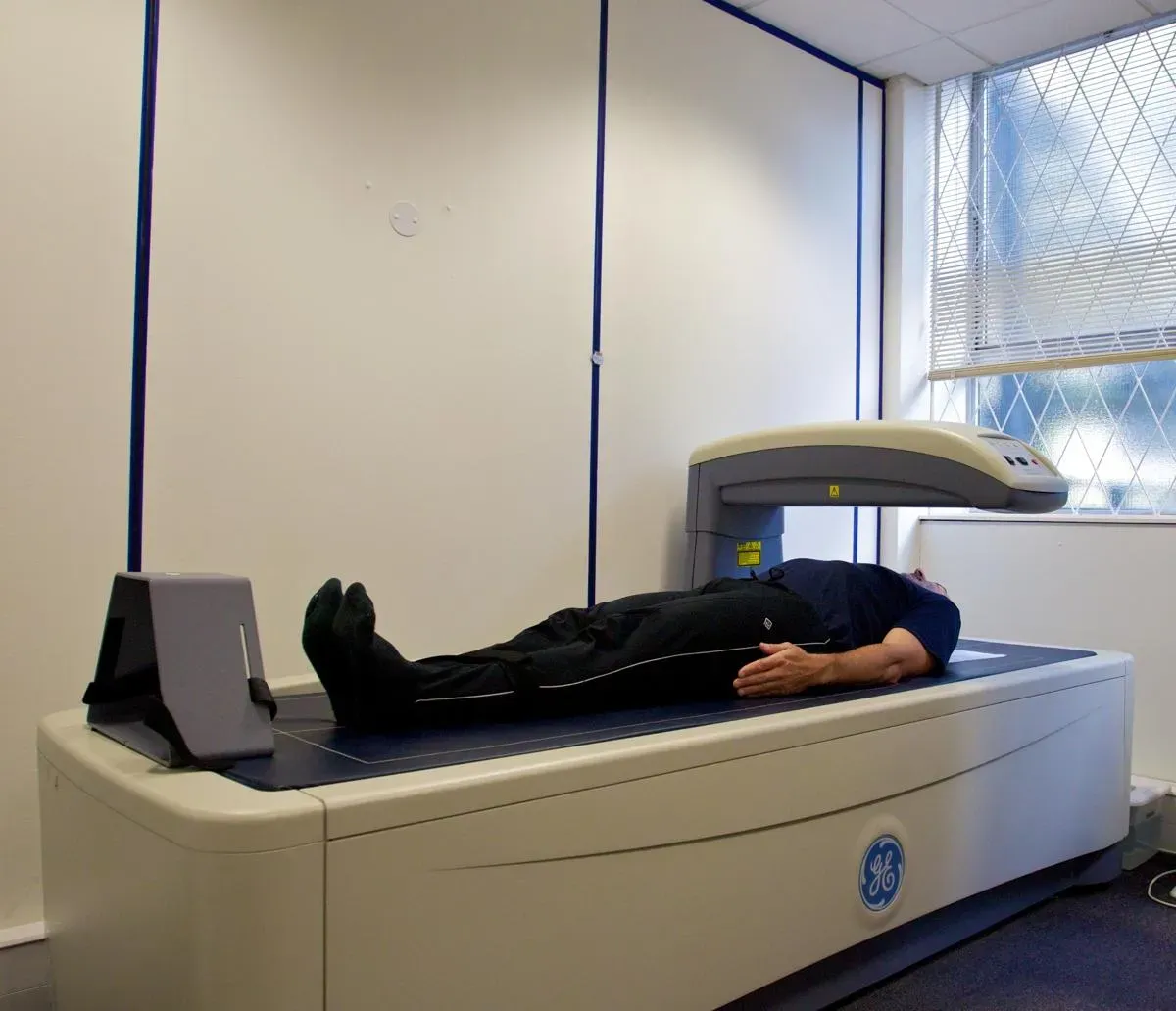
DEXA (Dual-Energy X-ray Absorptiometry) is the clinical gold standard for body composition measurement. Originally developed for bone density testing, DEXA scanning provides a precise breakdown of fat mass, lean mass, and bone mineral content across every region of your body. It can quantify visceral adipose tissue (the metabolically dangerous fat around your organs) with an accuracy that no other non-invasive method matches. At DCDC, DEXA scanning is available on-site in our diagnostic radiology department.
InBody Analysis
For more frequent monitoring between DEXA scans, InBody bioelectrical impedance analysis offers a practical alternative. The test takes 2-3 minutes, is completely non-invasive, and provides useful data on body fat percentage, skeletal muscle mass, basal metabolic rate, and visceral fat level. While less accurate than DEXA for absolute values, InBody is excellent for tracking changes over time when tested under consistent conditions. For full pricing details, see our dedicated guide on InBody test costs in Dubai.
What Causes Weight Gain? Medical Conditions That Block Weight Loss
Before any treatment can work, your doctor needs to rule out — or identify and treat — underlying medical conditions that cause weight gain or prevent weight loss. Here are the most common metabolic barriers Dubai physicians encounter:
- Hypothyroidism: An underactive thyroid gland reduces your metabolic rate, leading to weight gain, fatigue, cold intolerance, and constipation. Affects up to 5% of the general population and is easily diagnosed with a simple TSH blood test
- Insulin Resistance: When cells stop responding efficiently to insulin, your body compensates by producing more — which promotes fat storage, particularly around the abdomen. This is the precursor to type 2 diabetes and a central feature of metabolic syndrome
- Polycystic Ovary Syndrome (PCOS): Affects 8-13% of women of reproductive age. Characterised by insulin resistance, elevated androgens, irregular periods, and difficulty losing weight despite caloric restriction
- Cushing's Syndrome: Excess cortisol production causes weight gain concentrated in the face, upper back, and abdomen. Can be caused by medications (long-term steroid use) or adrenal/pituitary tumours
- Medication-Induced Weight Gain: Certain antidepressants (SSRIs, mirtazapine), antipsychotics, beta-blockers, corticosteroids, and some diabetes medications (insulin, sulfonylureas) can cause significant weight gain as a side effect
- Sleep Apnoea: Poor sleep quality disrupts leptin and ghrelin (hunger hormones), increases cortisol, and reduces the energy available for physical activity. Obesity and sleep apnoea form a vicious cycle that requires parallel treatment
The critical point is that these conditions are treatable — but only if they are identified. A comprehensive metabolic blood panel is the fastest way to screen for these barriers. If you have noticed weight gain that does not respond to diet and exercise changes, read our detailed breakdown of unexplained weight gain: causes and tests available in Dubai.
What to Expect at DCDC: Your Weight Management Journey
At Doctors Clinic Diagnostic Center (DCDC) in Dubai Healthcare City, medical weight management follows a structured, evidence-based pathway. Here is exactly what happens from your first appointment through ongoing monitoring:
Step 1: Initial Consultation (45-60 minutes)
Your first visit is with a general practitioner or internal medicine specialist who conducts a detailed assessment including your complete medical history, current medications, previous weight loss attempts, dietary habits, physical activity level, sleep patterns, and stress factors. Your BMI, waist circumference, and blood pressure are measured, and your doctor identifies which diagnostic tests are needed.
Step 2: Diagnostic Testing (same day)
Because DCDC has an on-site laboratory and diagnostic imaging department, all testing happens during your visit. Your blood is drawn for a metabolic panel (thyroid, insulin, glucose, HbA1c, lipids, hormones, vitamins) and results are typically available the same day. If body composition analysis is ordered, you can have a DEXA scan or InBody test immediately — no separate appointments needed.
Step 3: Results Review & Treatment Plan
Once your results are in, your doctor reviews them with you in detail. This is where the personalised treatment plan takes shape. Depending on your metabolic profile, your plan may include lifestyle modifications with specific targets, prescription medication (such as GLP-1 agonists if clinically appropriate), correction of hormonal or nutritional deficiencies, or referral to endocrinology for complex cases. You receive a clear roadmap with timelines and measurable goals.
Step 4: Ongoing Monitoring & Adjustment
Weight management is not a one-visit event. Follow-up appointments are typically scheduled monthly for the first 3-6 months, then quarterly once your programme is well established. At each visit, your doctor reviews your progress, repeats relevant blood tests, performs body composition checks, and adjusts your plan as needed. This iterative, data-driven approach is what produces sustained results rather than temporary weight loss followed by regain.
Start Your Medical Weight Loss Assessment
Book a weight management consultation at DCDC Dubai Healthcare City. Same-day blood work, body composition testing, and personalised treatment planning — all under one roof. Learn more about our internal medicine services or call us to schedule your first appointment.
Insurance Coverage for Weight Loss Treatment in Dubai
One of the most common questions patients ask is whether their insurance will cover medical weight loss. The answer depends on your policy, your diagnosis, and the specific treatment. Here is how insurance coverage typically works in Dubai:
- Consultations: Most Dubai health insurance plans cover GP and specialist consultations, including those related to weight management, under your standard outpatient benefit. A co-pay of AED 0-50 applies with most plans
- Diagnostic Blood Tests: Laboratory tests ordered by your physician — including thyroid panels, HbA1c, lipid profiles, and hormone tests — are almost always covered when linked to a medical indication such as obesity (ICD code E66), metabolic syndrome, or suspected thyroid disorder
- Body Composition Scans: DEXA scans are typically covered when ordered for bone density assessment. Coverage for body composition analysis specifically varies by insurer. InBody tests are generally not covered as they are considered wellness services
- GLP-1 Medications: Coverage varies significantly. Semaglutide and liraglutide are covered by many plans when prescribed for type 2 diabetes. Coverage for weight management indications (without diabetes) depends on your specific policy — some enhanced plans cover it, while basic plans do not
- Bariatric Surgery: Most comprehensive Dubai insurance plans cover bariatric surgery for patients with BMI 40+ or BMI 35+ with comorbidities, subject to pre-authorisation and documentation of failed conservative treatment
DCDC works with over 20 insurance providers including Daman, AXA, Bupa, Cigna, MetLife, Oman Insurance, and others through direct billing. Our reception team can verify your specific coverage before your appointment so there are no surprises. If your plan does not cover certain components, we offer transparent self-pay pricing and can provide the documentation your insurer needs if you wish to submit a reimbursement claim.
How Much Does Medical Weight Loss Cost in Dubai? Total Programme Estimates
To give you a realistic picture, here is what a typical 6-month medical weight loss programme costs in Dubai at each treatment tier. These estimates assume an initial diagnostic workup plus regular follow-ups and monitoring:
- Tier 1 — Lifestyle Programme (6 months): Initial consultation (AED 300-600) + metabolic blood panel (from AED 249) + body composition scan (AED 100-500) + 5 follow-up consultations (AED 1,000-2,000) + repeat blood work (from AED 249). Total: approximately AED 2,000 to AED 4,000
- Tier 2 — Medication-Assisted (6 months): Everything in Tier 1 + GLP-1 medication (AED 1,200-3,500/month x 6 = AED 7,200-21,000) + more frequent monitoring. Total: approximately AED 10,000 to AED 25,000
- Tier 3 — Surgical Pathway (pre-operative workup): Comprehensive pre-surgical assessment at DCDC including consultations, full metabolic panel, cardiac clearance, respiratory assessment, DEXA scan, psychological screening referral. DCDC pre-op workup: approximately AED 3,000 to AED 6,000 (surgery costs at specialist centres range from AED 40,000 to AED 120,000 separately)
These costs are competitive within the Dubai healthcare market. Healthcare City clinics generally offer specialist-level care at 15-30% lower cost than hospital-based outpatient departments, while maintaining the same standards of MOHAP-regulated clinical governance.
Dr. Hadeel Elnur on the Medical Approach to Weight Loss
"The most important thing I tell my weight management patients is that we need to understand why before we decide how. I have seen too many patients who have spent years blaming themselves for not losing weight, when the real problem was an underactive thyroid, undiagnosed insulin resistance, or a medication side effect that was never addressed. At DCDC, we start every weight management case with proper blood work and body composition testing. Once we see the data, the treatment plan almost writes itself. For some patients, correcting a vitamin D deficiency and adjusting their thyroid medication is enough to restart weight loss. Others benefit enormously from GLP-1 medications combined with structured monitoring. The key is that every decision is based on your individual metabolic profile, not a one-size-fits-all programme." — Dr. Hadeel Elnur, General Practitioner, DCDC Dubai Healthcare City
Lifestyle-Based Weight Management: What Works According to Evidence
For patients with a BMI between 25 and 30 who do not have significant metabolic barriers, a structured lifestyle programme supervised by a physician remains the first-line treatment. The key word is structured — research consistently shows that physician-supervised weight management produces better long-term outcomes than unsupervised efforts. Here are the evidence-based pillars of effective lifestyle-based weight loss:
- Caloric Deficit with Nutritional Adequacy: A daily deficit of 500-750 calories produces sustainable weight loss of 0.5-1 kg per week without excessive muscle loss. Your doctor or dietitian sets targets based on your BMR (from InBody or DEXA data) rather than generic formulas
- Protein Prioritisation: Consuming 1.2-1.6 g of protein per kg of body weight daily preserves muscle mass during weight loss, improves satiety, and supports metabolic rate. This is especially important for patients over 40
- Resistance Training: At least 2-3 sessions per week of progressive resistance exercise. Maintaining or building muscle during weight loss prevents the metabolic slowdown that causes regain
- Sleep Optimisation: Consistently sleeping fewer than 7 hours per night increases ghrelin (hunger hormone), reduces leptin (satiety hormone), and impairs insulin sensitivity. Sleep quality is a modifiable factor that many weight loss programmes ignore
- Stress Management: Chronic stress elevates cortisol, which promotes visceral fat storage and drives emotional eating. Practical stress reduction strategies are part of a comprehensive approach
What distinguishes medical lifestyle management from a commercial diet is accountability and measurement. Your doctor tracks your body composition changes (not just scale weight), monitors blood markers for metabolic improvement, and adjusts your programme when progress stalls. This is especially important for patients with early signs of insulin resistance, which you can read more about in our guide to insulin resistance signs and testing in Dubai.
Bariatric Surgery: When Is It the Right Option?
Bariatric surgery is indicated for patients with severe obesity who have not achieved adequate weight loss through conservative measures. Current clinical guidelines recommend considering surgery for patients with a BMI of 40 or higher, or a BMI of 35 or higher with at least one obesity-related comorbidity (type 2 diabetes, hypertension, obstructive sleep apnoea, or significant joint disease).
The most common procedures performed in Dubai are sleeve gastrectomy (removal of approximately 80% of the stomach) and Roux-en-Y gastric bypass. Both produce significant, durable weight loss of 25-35% of total body weight over 12-18 months, along with dramatic improvements in type 2 diabetes, blood pressure, and lipid profiles.
While DCDC does not perform bariatric surgery, we play a critical role in the pre-operative and post-operative pathway. Before surgery, patients need a thorough medical workup including metabolic blood panels, cardiac assessment (ECG, echocardiogram if indicated), respiratory evaluation, DEXA scanning, nutritional status assessment, and a multidisciplinary clearance process. DCDC provides all of these diagnostics on-site, and our internal medicine team can coordinate referrals to bariatric surgeons at specialist centres in Dubai.
Post-operatively, bariatric patients require lifelong nutritional monitoring. Deficiencies in iron, B12, calcium, vitamin D, and protein are common after gastric bypass and sleeve gastrectomy. Regular blood work at 3, 6, and 12 months post-surgery — and annually thereafter — is essential. DCDC's laboratory provides same-day results for all post-bariatric nutritional panels.
Long-Term Value: Why Medical Weight Loss Pays for Itself
The upfront cost of medical weight loss can seem significant, but the long-term return on investment is substantial when measured against the cost of treating obesity-related conditions. The World Health Organization estimates that obesity-related healthcare costs account for 2-7% of total national health spending in developed countries. On an individual level, the financial impact is even more concrete:
- Type 2 Diabetes Management: Treating established diabetes in Dubai costs AED 15,000 to AED 40,000+ per year when you factor in medications, monitoring supplies, specialist consultations, and complication screening. For a deeper look at ongoing costs, see our diabetes management guide for Dubai
- Cardiovascular Disease: A single cardiac catheterisation or angioplasty in Dubai costs AED 30,000 to AED 80,000. Coronary artery bypass surgery ranges from AED 80,000 to AED 200,000
- Joint Replacement: Obesity-accelerated knee and hip osteoarthritis leads to joint replacement surgery costing AED 50,000 to AED 120,000 per joint
- Insurance Premiums: Individuals with obesity-related conditions pay 20-40% higher health insurance premiums. Achieving and maintaining a healthy weight can reduce your premium at renewal
A 6-month medical weight loss programme costing AED 5,000 to AED 25,000 that successfully prevents or reverses even one of these conditions represents a significant financial saving — to say nothing of the improvement in quality of life, energy, mobility, and longevity. The evidence is clear: every 5% reduction in body weight in an overweight or obese individual produces measurable improvements in blood pressure, blood sugar, lipid levels, and inflammatory markers.
Choosing a Weight Loss Clinic in Dubai: What to Look For
Dubai has hundreds of clinics advertising weight loss services, from medical centres with board-certified physicians to wellness spas offering unregulated supplements. Here is what separates a credible medical weight loss clinic from a marketing-driven operation:
- MOHAP or DHA Licensing: Any clinic offering medical weight loss consultations and prescriptions must hold a valid licence from the Ministry of Health and Prevention (MOHAP) or the Dubai Health Authority (DHA). Ask for the licence number. DCDC holds MOHAP licence NIMY7VY5-240925
- Physician-Led Assessment: Your initial evaluation should be conducted by a licensed physician (GP, internist, or endocrinologist) — not a nutritionist, wellness coach, or aesthetician. Only a licensed doctor can diagnose underlying conditions and prescribe medications
- On-Site Diagnostic Capability: A clinic that can perform blood tests and body composition analysis in-house provides faster results and better care coordination than one that sends you elsewhere for testing
- Evidence-Based Protocols: Ask what their treatment is based on. Legitimate programmes reference clinical guidelines (NICE, ADA, Endocrine Society) and published trial data. Be wary of proprietary protocols with no published evidence
- Transparent Pricing: Reputable clinics provide clear pricing for each component of their programme. Avoid clinics that bundle everything into a single high-cost package without itemising what you are paying for
- Insurance Partnerships: Clinics that work with major insurers have met the credentialing standards those insurers require — an additional quality filter
DCDC in Dubai Healthcare City meets all of these criteria. With a 4.8/5 rating from over 1,000 patient reviews, MOHAP licensing, on-site laboratory and imaging, and partnerships with more than 20 insurance providers through direct billing, the clinic is purpose-built for the kind of thorough, coordinated care that medical weight loss requires.
Dubai-Specific Factors That Affect Weight Management
Living in Dubai presents unique challenges and advantages for weight management that your treatment plan should account for:
- Climate and Activity Levels: Extreme summer heat (June-September) limits outdoor physical activity for much of the year. Your programme should factor in seasonal adjustments, emphasising indoor exercise options during hot months and outdoor activity during the cooler season
- Vitamin D Deficiency: Despite year-round sunshine, vitamin D deficiency is extremely prevalent in the UAE (affecting up to 80% of the population) due to sun avoidance, indoor lifestyles, and modest dress. Low vitamin D impairs metabolism and is associated with increased body fat
- Social and Cultural Dining: Dubai's vibrant food culture and generous hospitality traditions can make caloric control challenging. A practical weight management plan accounts for social eating rather than demanding total avoidance
- Access to Quality Healthcare: Dubai Healthcare City offers a concentration of specialist clinics that makes multi-disciplinary weight management more accessible than in many other cities. DCDC's location — 10 minutes from Downtown Dubai with free parking — removes one of the most common barriers to consistent follow-up appointments
Ready to Take the First Step?
Book a medical weight loss consultation at DCDC Dubai Healthcare City. Our physicians are available Saturday through Thursday (8 AM-10 PM) and Friday (9 AM-9 PM). Walk-ins welcome, or book online for a confirmed appointment time. Insurance direct billing available with 20+ providers.
WhatsApp us to check your insurance coverage before your visit.
Who Should Consider Medical Weight Loss?
Medical weight loss is not only for people with severe obesity. You should consider a medical assessment if any of the following apply to you:
- Your BMI is 25 or above and you have not achieved sustained weight loss through diet and exercise alone
- You have gained weight unexpectedly without changes to your diet or activity level
- You have been diagnosed with or suspect you may have type 2 diabetes, pre-diabetes, metabolic syndrome, or PCOS
- You are taking medications known to cause weight gain (antidepressants, steroids, certain diabetes medications)
- You have a family history of obesity, diabetes, or cardiovascular disease and want to take preventive action
- You are preparing for a surgical procedure and your surgeon has recommended pre-operative weight reduction
- You want to understand your metabolic health beyond what a bathroom scale can tell you
Even if your goal is modest — losing 5-10 kg to improve your energy, mobility, or lab results — a medical evaluation ensures you are not working against an undiagnosed condition. The diagnostic cost is minimal compared to months or years of ineffective effort.
DCDC میں متعلقہ خدمات
دبئی ہیلتھ کیئر سٹی میں ماہرانہ دیکھ بھال اور جدید تشخیص
Frequently Asked Questions
Take the First Step Toward Evidence-Based Weight Management
Medical weight loss is not about willpower — it is about understanding your body's unique metabolic profile and choosing treatments matched to your specific needs. Whether your path involves lifestyle optimisation, GLP-1 medication, or preparation for bariatric surgery, the starting point is always the same: proper diagnosis.
At DCDC in Dubai Healthcare City, we provide the complete diagnostic and monitoring infrastructure that medical weight management requires — from metabolic blood panels and hormone testing to DEXA body composition scanning and ongoing physician-led follow-up. Our MOHAP-licensed facility, on-site laboratory with same-day results, and direct billing with over 20 insurance partners make it straightforward to get started.
If you have been struggling with weight that does not respond to conventional approaches, or if you simply want to understand what is happening inside your body before committing to a treatment plan, a medical assessment is the most efficient use of your time and money. Book a consultation with our internal medicine team and let the data guide your decisions.
ذرائع اور حوالہ جات
یہ مضمون ہماری طبی ٹیم نے جائزہ لیا ہے اور درج ذیل ذرائع کا حوالہ دیتا ہے:
- World Health Organization — Obesity and Overweight Fact Sheet (2024)
- Wilding JPH et al. — Once-Weekly Semaglutide in Adults with Overweight or Obesity (STEP 1 Trial), NEJM 2021
- NHS — Overview: Weight Loss Surgery (Bariatric Surgery)
- Mayo Clinic — Prescription Weight-Loss Drugs
- Rubino D et al. — Effect of Continued Weekly Subcutaneous Semaglutide vs Placebo on Weight Loss Maintenance (STEP 4 Trial), JAMA 2021
- The Lancet — GLP-1 Receptor Agonists for Obesity: A Systematic Review and Meta-Analysis (2022)
اس سائٹ پر طبی مواد کا جائزہ DHA لائسنس یافتہ ڈاکٹرز نے لیا ہے۔ ہماری دیکھیں تحریری پالیسی مزید معلومات کے لیے۔

تحریر
Dr. Hadeel Elnur
General Practitioner
MD, General Practice
Dr. Hadeel Elnur is a General Practitioner at Doctors Clinic Diagnostic Center (DCDC) in Dubai Healthcare City.
Related Articles

Metabolic Syndrome Dubai: 5 Warning Signs
Unexplained Weight Gain Dubai: Causes & Tests
Visceral Fat: Health Risks & How to Measure It
Insulin Resistance Dubai: Signs & Testing
Diabetes Management Dubai: Complete Guide
InBody Test Cost Dubai
More in Weight Loss
© 2026 Doctors Clinic Diagnostic Center (DCDC), Dubai Healthcare City. Originally published at https://doctorsclinicdubai.ae/blog/medical-weight-loss-dubai-options. All rights reserved. Unauthorized reproduction is prohibited.